





Support La Cotorra on Patreon
Access exclusive content, special perks, and closer connection with us.
Tourism has long been a “gold mine” for the Spanish economy: it accounts for about 13% of GDP — an exceptionally high figure for a country of this size. It is expected that by the end of 2025 Spain will surpass the threshold of 100 million foreign tourists, which will significantly replenish the national budget.
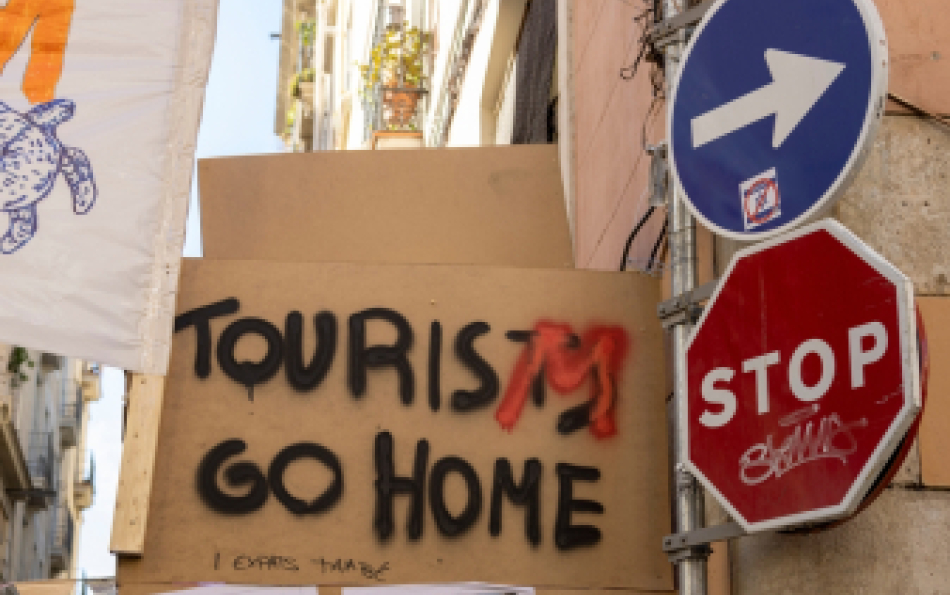
However, short-term gains can turn into long-term problems — and many Spaniards are already noticing this. Rising property prices triggered by the tourism boom, the complete transformation of neighbourhoods especially popular with visitors, and environmental issues are just some of the concerns troubling residents. For several years now, thousands of Spaniards have been timing protest actions to coincide with the tourist season under the slogan “Tourists — go home!”
La Cotorra examines the role tourism plays in Spain, its advantages and disadvantages, and what can be done to strike a balance between the interests of travellers and local residents.
Every year Spain sets new records for the number of tourists it receives, and 2025 will be no exception. Prime Minister Pedro Sánchez is counting on 100 million foreign visitors (94 million in 2024, and 85 million in 2023), which, according to him, proves that Spain remains a “safe, open and tolerant” country.
Figures for the first half of the year give reason to hope for a final record. Over six months, Spain was visited by 44.5 million foreign tourists — 4.7% more than in the same period of 2024. The largest numbers came from the United Kingdom (over 8.9 million people, up 5.2%), Germany (over 5.7 million, up 3%) and France (almost 5.6 million, up 3.1%). Most travellers stayed in Spain for four to six days (+2.4% year on year).
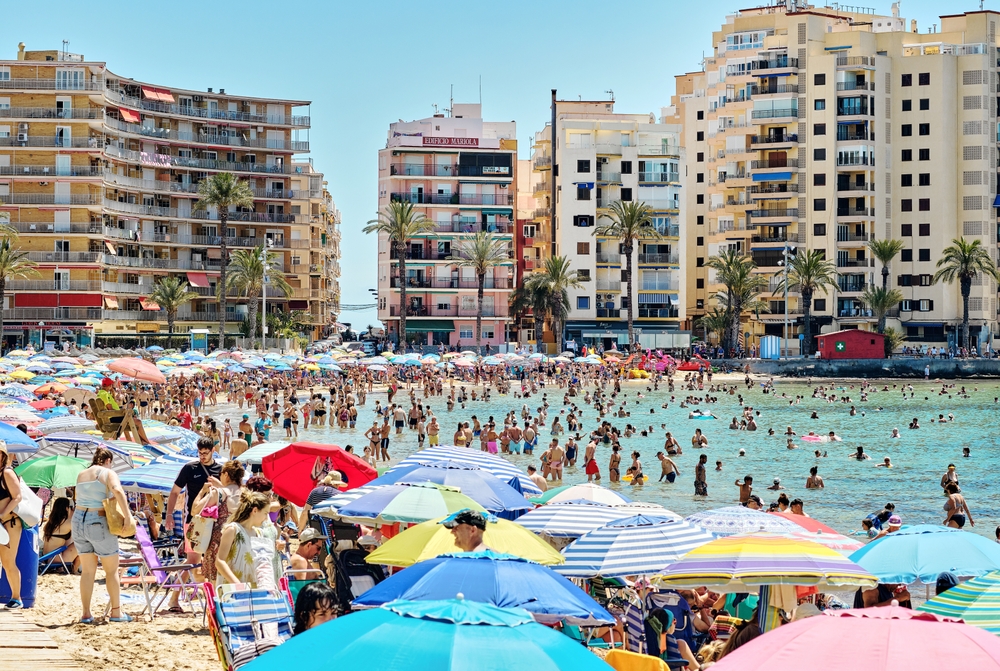
The benefits of such an influx are obvious. Average tourist spending stands at €209 per day — twice as much as ten years ago. From January to June, foreign tourists spent €59.6 billion in Spain — 7.5% more than in the same period of 2024. The largest shares went to the Canary Islands (19.9% of this amount), Catalonia (17.7%) and Madrid (15.3%).
In the whole of 2024, tourists spent €126 billion in Spain, and this record is almost certain to be broken. According to forecasts, by the end of 2025 tourism revenues will grow by 2.7%, compared to overall GDP growth of 2.4%. In percentage terms, tourism will account for 13.1% of Spain’s GDP.
As of May 2025, around 3 million people are employed in Spain’s tourism sector — 13.7% of all registered workers. At the end of 2023, the figure stood at 2.67 million, or 12.3%. In other words, dependence on tourism is only increasing.
But where some Spaniards see earning opportunities, others see only problems — above all, those linked to the housing crisis. A lack of affordable housing to rent or buy, sociologists say, worries Spaniards more than anything else. The country is short of almost 700,000 housing units, and the gap is widening (+80,000 in one year). The result is a steady rise in prices. In June 2025, second-hand property prices rose by 14.9% compared to June 2024, pushing the average price to €2,673 per square metre. The most expensive regions are the Balearic Islands (€5,048), Madrid (€4,788) and Málaga (€4,204).
As for rent, according to Fotocasa, over the past ten years it has increased by 94%: from €6.97 per square metre in 2015 (that is, €557.6 for an 80 m² flat) to €13.54 in 2025 (€1,083.2). The sharpest rises were recorded in the Valencian Community (+157% over a decade), the Canary Islands (+143%) and the Balearics (+142%). As of 2024, Spaniards spent on average 47% of their income on rent — up 3.1 percentage points from 2023.
The situation is particularly severe in the Canary Islands — the second-poorest region in Spain by average salary (with the hospitality industry being the lowest-paid sector, average net wages there are under €1,000 a month). The result, widely reported by local media, is that more and more people are forced to live in shacks or camper vans. And this affects not only the most vulnerable groups: teachers and doctors in the Canary Islands also struggle to find housing.
Many Spaniards are convinced that one of the key reasons for this situation is the influx of expats and tourists. The former “take over” cities such as Valencia, Barcelona or Málaga, paying rents that many locals cannot afford. The latter reduce the supply of long-term rentals by occupying flats via Airbnb and similar platforms, as many owners prefer short-term lets that generate far higher income than long-term rentals.
In fact, Spain has around 400,000 tourist apartments — just 1.38% of the country’s housing stock. The percentage is small, but the problem is that in certain neighbourhoods of tourist-heavy cities it exceeds 10%, and on some streets it can reach 30%.
Daily crowds of thousands of people dragging suitcases inevitably affect life on these streets and in these neighbourhoods, which turn into backdrops for tourists. Noise from bar parties and the general rise in the cost of living worry local residents, many of whom eventually give up and move away from areas overtaken by tourism.
Businesses also struggle: stories of cafés that had existed for 100 or even 150 years closing because owners cannot afford sharply rising rents — only to be replaced by a Starbucks or an Irish pub — are far from rare.
The well-known Spanish writer and columnist Arturo Pérez-Reverte has repeatedly addressed this topic in his columns. He is convinced that “mass tourism is destroying Europe: an uncontrolled, unstoppable invasion of crowds that sweep everything away in their path”.
Nothing can withstand ten or twenty thousand tourists disembarked over a single weekend from cruise liners and cheap (low-cost sounds nicer) flights onto cities such as Rome, Florence, Paris, Madrid or Barcelona. And the problem is not only that the masses make cities impassable, hinder access to museums and landmarks, destroy the environment, pollute and overwhelm it. The problem is also how these places themselves gradually — and sometimes rapidly — lose the features that made them unique, adapting — what choice do they have — to the new reality. Long-established shops, restaurants, bookshops, stalls and venues that gave local colour for decades or centuries disappear or reshape themselves for new visitors.
Arturo Pérez-Reverte
In another column, describing the situation in Seville, Pérez-Reverte noted that not all is lost yet: “it is still possible to sense what [the Spanish writer] Antonio Burgos so brilliantly expressed in a few lines:
— Can you not smell the jasmine?
— What jasmine, if there is none?
— The one that used to be here.”
However, concern goes beyond nostalgia for a lost Spain. Environmentalists, for example, are sounding the alarm over the unprecedented influx of tourists — especially in the Canary Islands and other regions with unique natural environments. Beach pollution, construction of golf courses and other infrastructure amid serious water supply problems, and biodiversity loss are issues that Spaniards largely attribute to excessive tourism.
Overtourism has already led to a paradoxical situation: holidays in the Caribbean — for example, in Mexico — can sometimes cost Spaniards significantly less than trips with the same level of comfort to their own resorts. Research by CaixaBank Research showed that domestic travel by Spaniards fell by 0.8% in 2024, while foreign travel rose by 12.1%. Experts expect the trend to strengthen further in 2025.
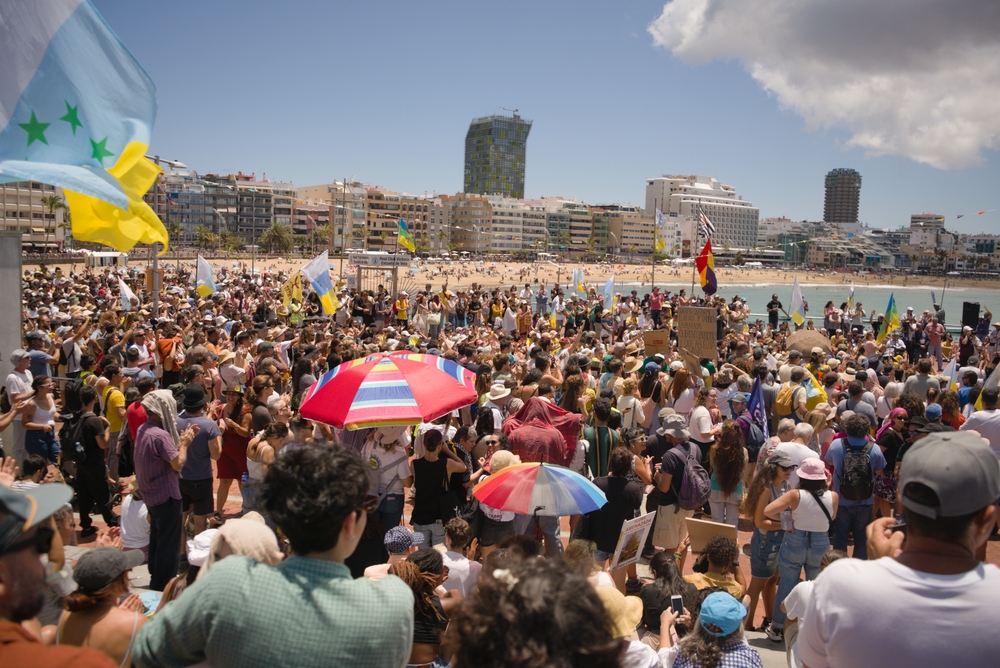
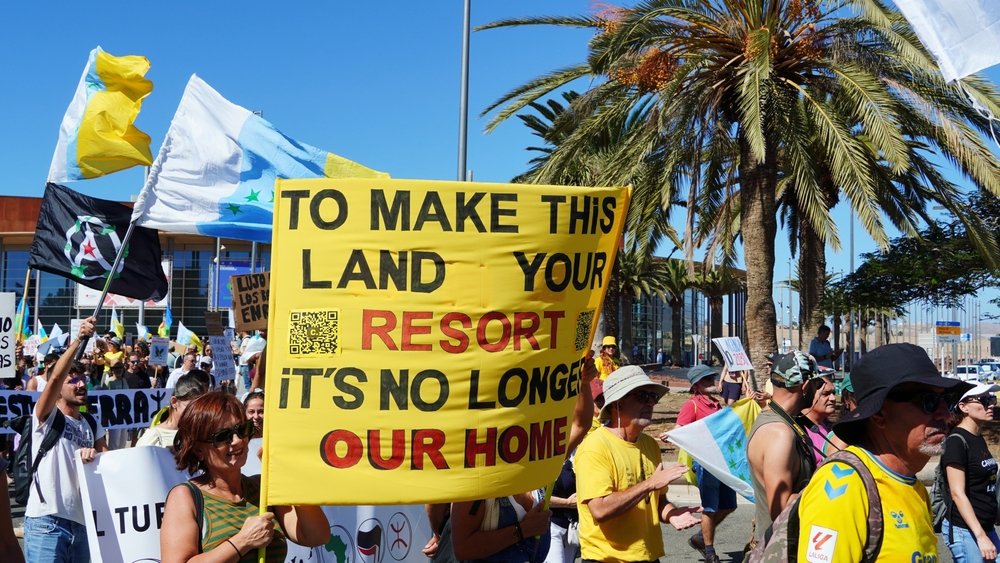
Against this backdrop, it is hardly surprising that uncontrolled tourism development has for several years been periodically provoking mass protests across Spain. A coordinated action took place on 15 June — and it was clearly not the last. Residents of Madrid, Barcelona, Palma, Granada, San Sebastián and many other large and small cities took to the streets.
“This is not tourism, it is colonialism”, “Rich buyers, go to hell” (referring to property buyers), or “Average salary: €1,300. Rent: €1,000. €300 to live on?” — such slogans are common on protest placards. There have also been cases where locals expressed their discontent more aggressively, for example by painting xenophobic graffiti on shops owned by foreigners (in particular Germans living in Mallorca) and on cars with foreign number plates.
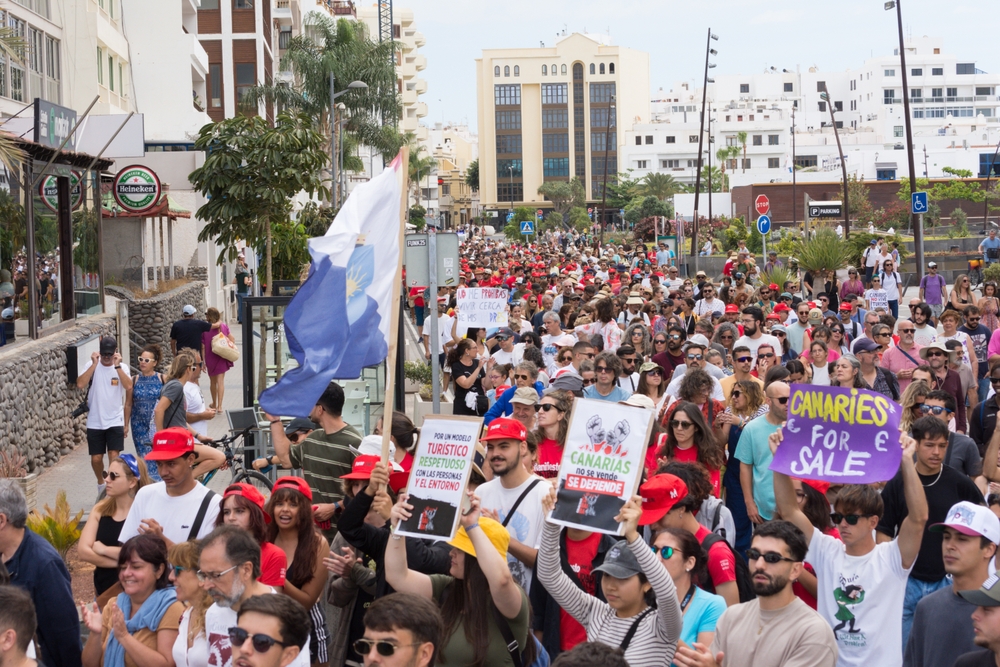
The protests usually bring together very different groups of Spaniards: from trade union representatives and environmental activists to simply concerned citizens. Their demands vary, but they mostly revolve around strict limits on short-term rentals, halting the construction of new hotels and cruise terminals, and introducing additional tourist taxes.
Many demonstrations have turned into real performances: noisy marches with suitcases, or even attacks on tourists with water pistols. Typical targets of criticism are those whom Spaniards disparagingly call “guiris” — a slang term for stereotypical foreign tourists (although on the islands it is also used for Spanish travellers from the mainland). Yet the main target is not so much the tourists themselves as government policies that allow the industry to expand without regard for residents’ interests.
At the same time, a survey of foreign visitors to the Balearic Islands showed that three out of ten consider locals’ complaints justified. Thirty-one per cent of repeat visitors to the archipelago were convinced that overcrowding had noticeably worsened compared to their previous visit (only 11% said the opposite). Congested beaches, traffic jams and a lack of parking spaces irritate both locals and tourists.
The phenomenon of protests against tourist overcrowding is not unique to Spain: similar demonstrations periodically take place in Italy, Portugal, Greece and other countries. The reasons largely overlap.
Authorities — both local and national — cannot ignore these developments. The first measures were taken by the administrations of the most tourist-heavy cities. One example is Barcelona, which accounts for one fifth of all tourism in Spain. The city chose the most radical path: as reported in 2024, by 2029 all short-term rental licences in the city will be abolished, including listings on platforms such as Airbnb. The authorities believe this will increase housing supply and stop the outflow of the middle class.
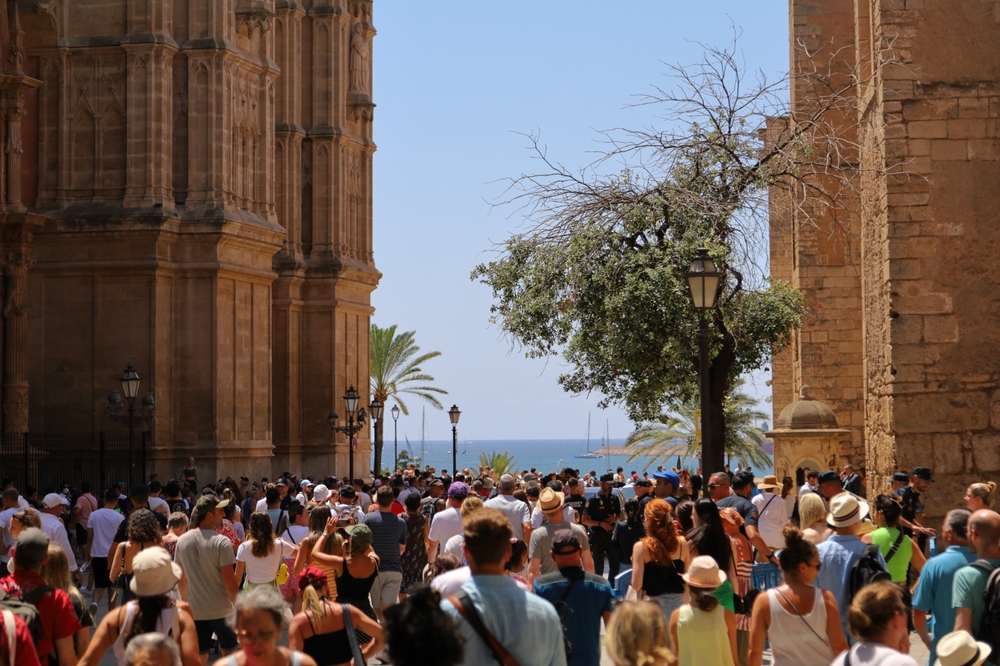
Various restrictions on tourist rentals have already been introduced in Valencia, Málaga, Seville, San Sebastián and many other cities. In Valencia, for example, no more than 2% of housing in each district may be used for tourist accommodation, and a moratorium on new licences has been introduced from 2026.
At the national level, a reform of the Property Ownership Act came into force in April 2025, granting homeowners’ associations the right to block the creation of new tourist apartments. And from 1 July, all those renting out property on a short-term basis in Spain are required to obtain and display a unique identification number in their listings. Airbnb has promised to remove listings from owners who fail to obtain such a number.
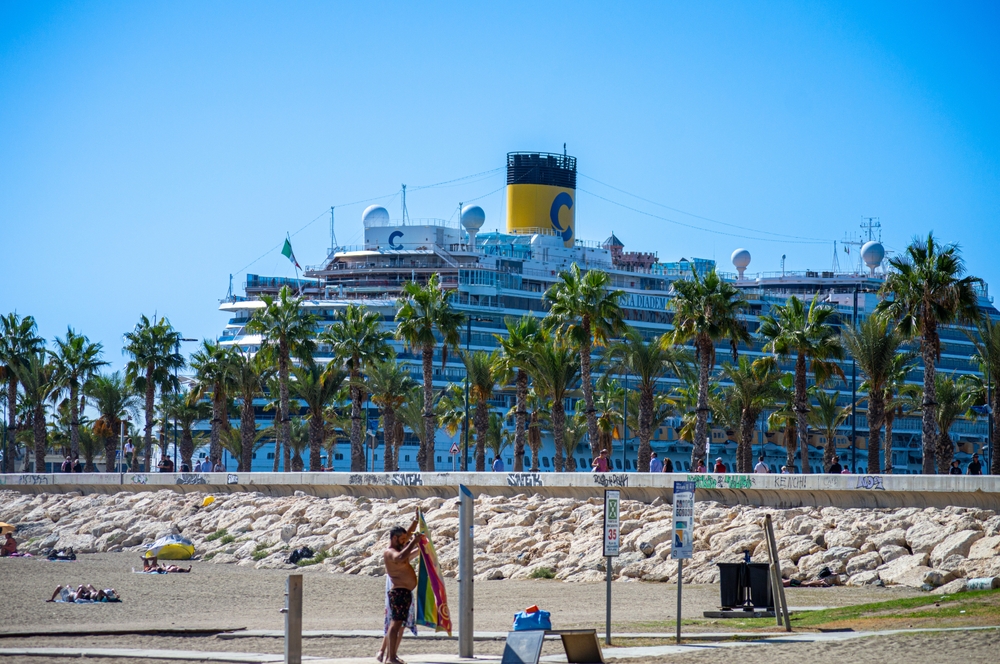
Another way to reduce tourist numbers is to restrict cruise ships. For example, the authorities of Palma — the capital of Mallorca — began limiting the number of mega-liners entering the port as early as 2021 (mega-liners are defined as vessels carrying more than 5,000 passengers). The same has long been advocated by Valencia’s mayor, María José Catalá. Ibiza’s authorities limited the right of tourists to bring cars on ferries during the summer season (setting a cap of no more than 4,108 such vehicles on the island at any one time). Similar restrictions will be introduced by Mallorca’s authorities in 2026.
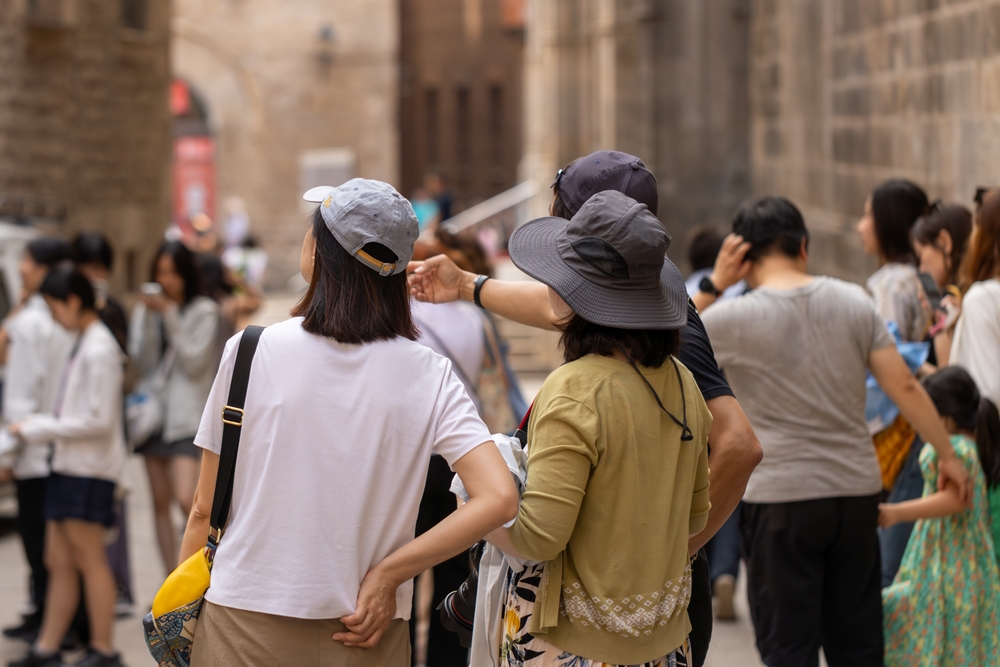
Many cities limit the size of tourist groups: in Toledo may include no more than 30 people, and in San Sebastián no more than 25. In addition, tour guides are banned from using loudspeakers.
Finally, city authorities introduce and gradually increase tourist taxes and fees. Opinions on this measure vary. For instance, Madrid’s authorities refused to introduce a tourist tax, arguing that it would negatively affect the city’s competitiveness.
The problem may not be unique, but neither are the methods used by authorities in different cities and countries to address it. For example, mega-liners were banned from docking in central areas of Venice back in 2021. In 2024, the city introduced a tourist access fee (travellers arriving on certain dates must pay between €5 and €10), then deemed the experiment successful and extended it into 2025. In Greece, for example, travellers must pay a tourist tax of €8 per day, as well as a climate levy (from €1.50 for basic accommodation to €10 per night in luxury hotels).
The key issue, however, is not to overdo it. Restrictions on the short-term rental market, for instance, can seriously damage the economy. A recent analysis by the audit firm PwC showed that in Madrid alone this type of accommodation generated more than €2 billion in revenue in 2024 and directly and indirectly supports over 35,000 jobs. The experts concluded that short-term rentals are far from the main driver of rising property prices. PwC summed up that restrictions would not only fail to solve the shortage of affordable housing but would also jeopardise Madrid’s ability to host major events: “Hotels cover only 44% of projected demand. Apartments help relieve pressure on the centre and distribute tourists across all districts of the city.”
Mass protests can also have negative consequences. The head of the Spanish hotel operator Meliá Hotels International, Gabriel Escarrer, warned that other countries could turn the situation to their advantage by attracting tourists frightened off by Spanish demonstrations. There is some truth in this. For example, British residents have already begun booking fewer holidays to the Canary Islands, causing concern among tour operators. In the Balearic Islands, a significant drop in the number of German tourists has been noted, threatening the closure of a number of restaurants and entertainment venues. Representatives of local business associations are now trying to convey the message that “8,000 protesters do not represent the whole of the Balearic Islands” — a region where 200,000 people are directly employed in tourism.
Overall, tourist numbers across the country continue to grow, but growth is slowing — and El País has described this as a “warning signal”. Tourists interviewed by Spanish journalists often say that — despite their love for Spain — they may switch to other destinations for holidays, such as Greece. Perhaps this is precisely what will help achieve the desired balance between quantity and quality. In any case, the kingdom will not be left without tourists. As noted by the writer Carlos Ruiz Zafón in his famous novel The Shadow of the Wind, Barcelona is “a sorceress: she slips under your skin and takes possession of your soul without you even noticing”. The same words can be said of Spain in all its diversity.
Related Articles

Why Feeding Kids in Spain Means Surrendering to Sugar — A Russian Mum's View from Valencia
At the playground, treats fly between families faster than you can track them, and restaurant kids' menus rarely stretch beyond chips and nuggets. But after years in Valencia, one mother is rethinking what really matters.

Why Is Spain So Corrupt? A Brief History and Eight Reasons the Problem Won't Go Away
With parliamentary elections approaching, corruption has become Spain's hottest political weapon. But the phenomenon is neither new nor simple — it stretches back centuries and involves structural, cultural, and psychological factors that no government has yet managed to fix.
Beyond Paella: Discovering All i Pebre, Valencia’s Best-Kept Culinary Secret
Deep in the heart of the Albufera wetlands, the fishing village of El Palmar preserves a traditional, rich garlic and wild eel stew that tourist traps completely miss
Loading…
Loading…