01
Beyond Paella: Discovering All i Pebre, Valencia’s Best-Kept Culinary Secret
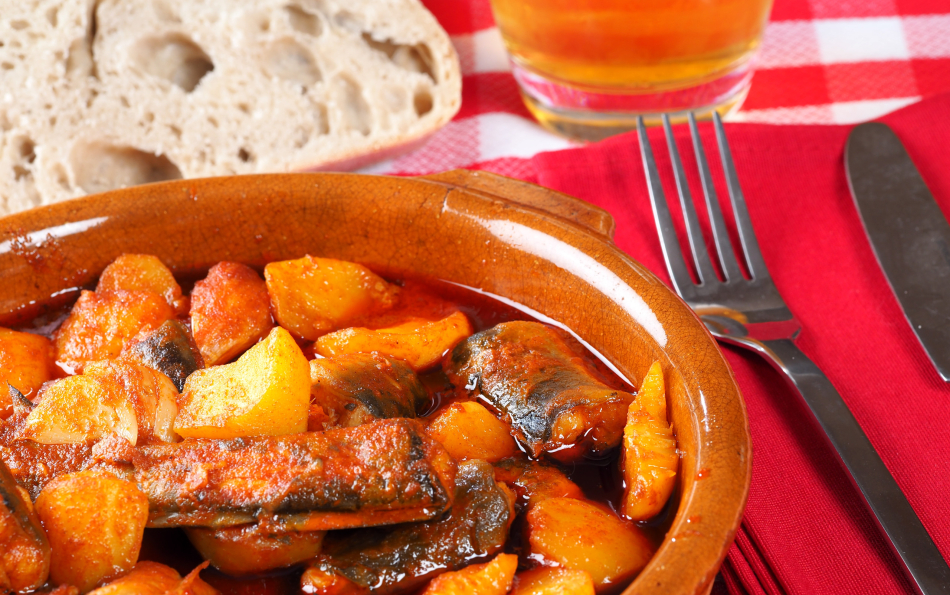
Almost everyone who visits Valencia has tried paella. However, *all i pebre*—one of the absolute symbols of traditional Valencian cuisine and a true gastronomic treasure of Albufera—remains virtually unknown to most foreigners. You will rarely find it in tourist-centric restaurants, and even many city locals taste it for the first time only during a trip to El Palmar. This small town is located 15 kilometres from Valencia on Lake Albufera.
La Cotorra continues its series on Valencian cuisine. Previously, we covered titaina and esgarraet.
Locals say that if you want to experience the truly authentic cuisine of the lagoon, you must order more than just rice dishes—you need to try *all i pebre*. This is a thick, rich stew made from wild eel, potatoes, garlic, and paprika.
The name of the dish translates literally from Valencian as "garlic and pepper" (or garlic and paprika). These are exactly the ingredients that give the sauce its deep, punchy flavour, though the star ingredient is, of course, the eel. The stew is hearty and aromatic, with a rich, savoury, and slightly salty taste. It rarely leaves first-timers indifferent: people either fall in love with it from the very first spoonful or find it a bit too specific an acquired taste.
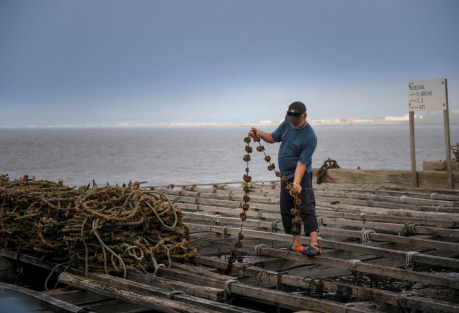
The recipe originated among the fishermen of Albufera, who needed a quick way to cook their daily catch using the simplest ingredients on hand. Back then, eel was abundant in the lagoon—caught right on the spot, it became the foundation of the dish. Today, the fishery is strictly regulated, and the population has significantly declined.
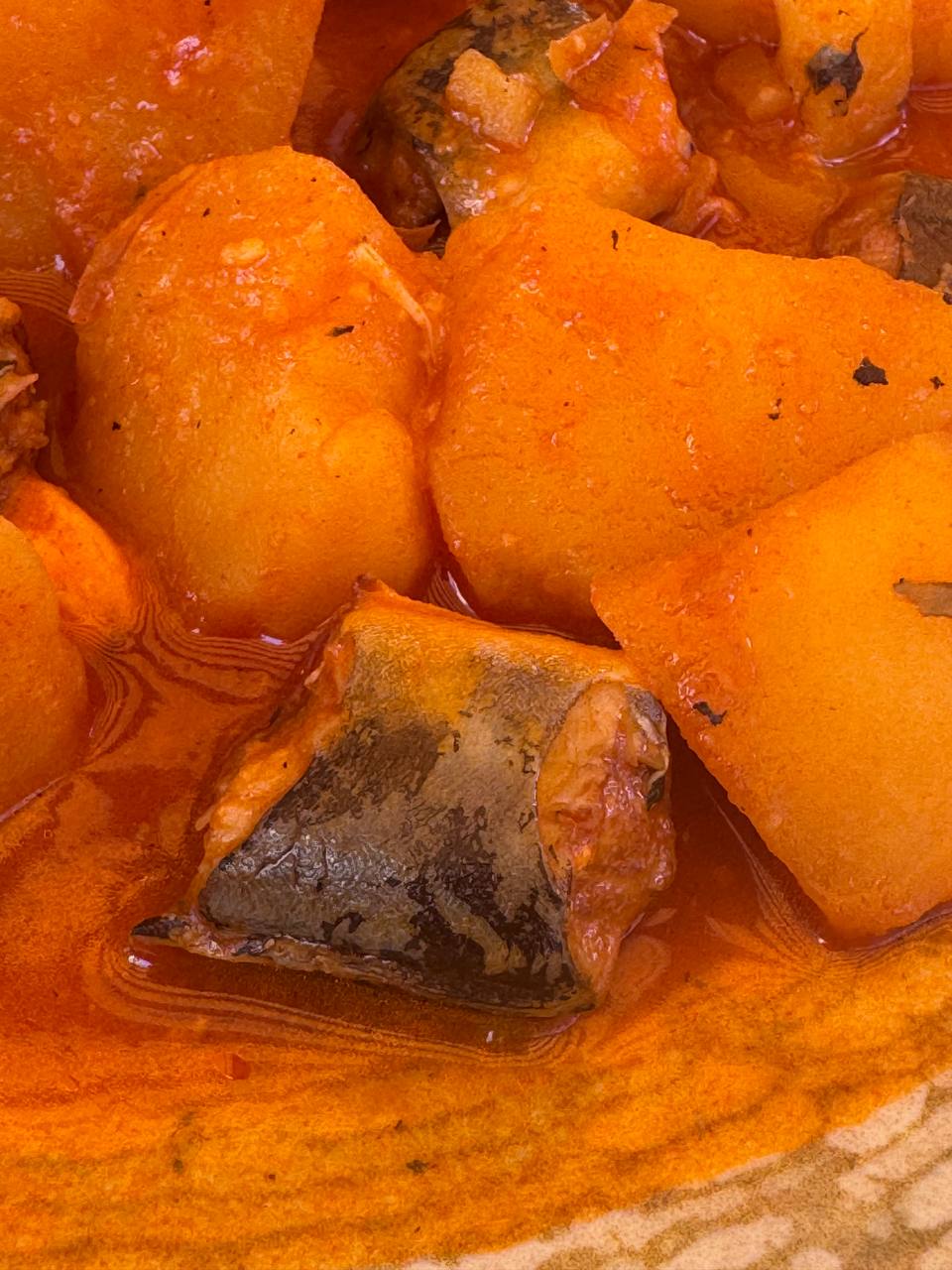
"This is a completely local dish. Its primary ingredient is eel, which has always been deeply tied to Albufera," shares resident Víctor.
The exact age of the dish is unknown even to the lagoon's inhabitants. "I think this recipe is over a hundred years old. Or maybe much older," Víctor says.
Preparing the dish requires a keen knowledge of local traditions; for instance, according to Víctor, the eel is never chopped into tiny pieces.
"It is chopped into large sections with a single clean stroke. During cooking, the meat starts to separate from the bone on its own. If you cut it too small, it will completely disintegrate," he says.
For the same reason, the bones are not removed beforehand, so the stew must be eaten carefully; inside each piece of eel is a thick backbone.
The dish is prepared in two stages: first, the potatoes are slowly simmered with garlic and paprika to build the base. Only after that is the eel added to the pot to preserve its tender texture. As the stew simmers, natural gelatin is released from the fish skin, thickening the sauce. It is always served with fresh bread, which is essential for wiping up every last drop of sauce from the bottom of the plate.
Although today *all i pebre* is considered an iconic staple of Valencian culture, trying it isn't so simple—it is rarely found on menus in the tourist-clogged centre of Valencia. To taste it properly, it’s worth taking a trip to El Palmar, where this dish is proudly featured in almost every restaurant. One such place is the El Palmar restaurant, which has been open since 1906.
"This is the town's oldest establishment. It used to house a casino, then one of the local families opened a small bar for neighbourhood fishermen and farmers, and later it expanded into a full restaurant," explains waiter Iván Roldán, who has been working here for 17 years.
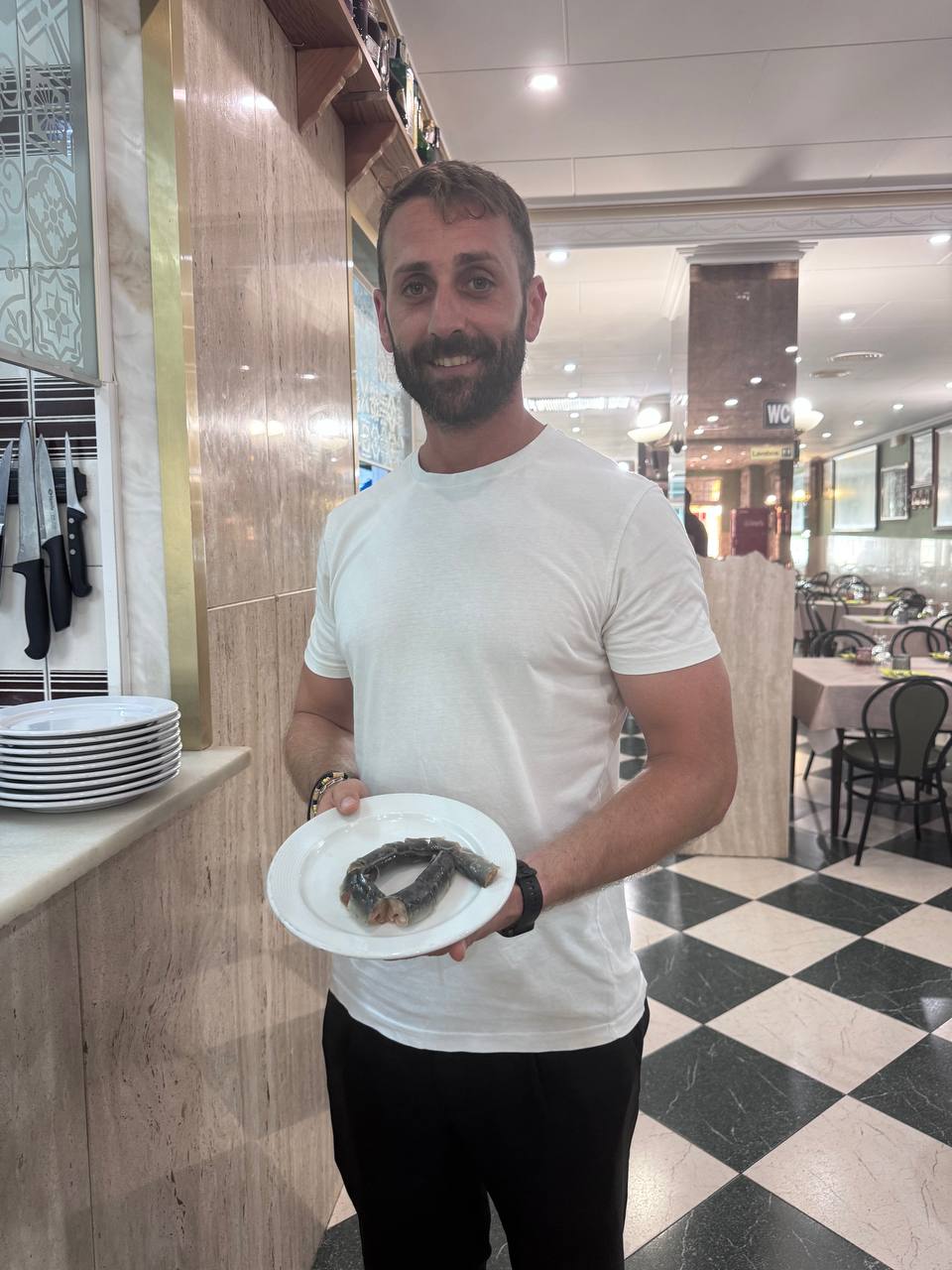
The famous eel stew has been served here since the day the venue opened. Today, the restaurant is managed by the fifth generation of the same family. From the outside, the building appears small, but inside it can accommodate up to 600 guests. It features two beautiful terraces: one overlooks a narrow street of El Palmar, and the other opens out directly onto the iconic rice fields of Albufera.
Where to Find All i Pebre in El Palmar
04
Casa Ángel