01
Casa Guillermo
One of the oldest and most well-known establishments in the district. People come here not only for the food but also for the atmosphere of old Cabanyal.
For many foreigners in Valencia, it's difficult at first to find their way around a menu: even with an English translation, it's not always clear what lies behind yet another local name, what it's made of, and how it's served. That's why the choice often falls on the best-known dishes — paella, jamón, or churros.
And that's a shame. It's precisely behind the complicated and unfamiliar names that the dishes Valencians themselves consider the foundation of their gastronomy are often hidden.
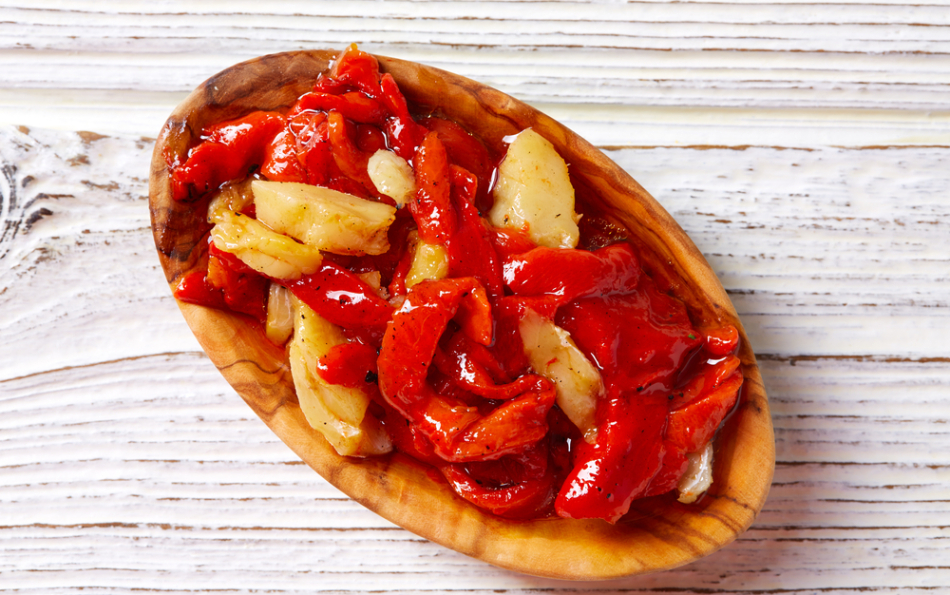
One such dish is esgarraet.
For tourists and even expats, the name remains almost unknown. For locals, it's one of the most recognisable snacks in Valencian cuisine.
You can find this snack in almost any traditional bar in Valencia. It usually costs 6–10 euros per portion, depending on the location. The snack is usually eaten with bread.
The name comes from the Valencian word esgarrar — "to tear, to rip apart by hand." That's exactly how the dish is prepared: the roasted red pepper and salt cod aren't cut with a knife but pulled apart into long fibres. Garlic and olive oil are added as well. Over the decades, the recipe has hardly changed.
Historically, this was fishermen's food: cod was convenient to salt and store in the heat long before refrigerators appeared. That's precisely why esgarraet became firmly established in Cabanyal — the seaside district of Valencia, where fishermen's cuisine still remains part of the local gastronomy.
Local resident Sandra Calabuch says that today esgarraet is still popular in bars and restaurants, but it's cooked at home less and less often.
"It's a very typical Valencian snack. But at home, it's now mainly the older generation who make it. Young people order esgarraet at tapas bars more often than they make it themselves. My mother makes it at home all the time, and it's important to me, too, to know how to make esgarraet, so as to preserve the recipe. Someday my mother will be gone, but I'll still be able to make my family's favourite food," Sandra says.
The accessible esgarraet recipe requires no elaborate presentation or expensive ingredients — all that matters is their quality.
Today, esgarraet can be found in modern restaurants in new interpretations. It may be complemented with seafood or smoked fish, or reimagined in the chef's own way. But in the traditional bars of Cabanyal, esgarraet is served exactly the way Valencian grandmothers make it.
One of the oldest and most well-known establishments in the district. People come here not only for the food but also for the atmosphere of old Cabanyal.
A more contemporary take on traditional Valencian cuisine, but with respect for the classic recipes.
A legendary bar that has long become part of the district's gastronomic history.
A good option for getting acquainted with the seafood cuisine of Cabanyal and traditional Valencian snacks.
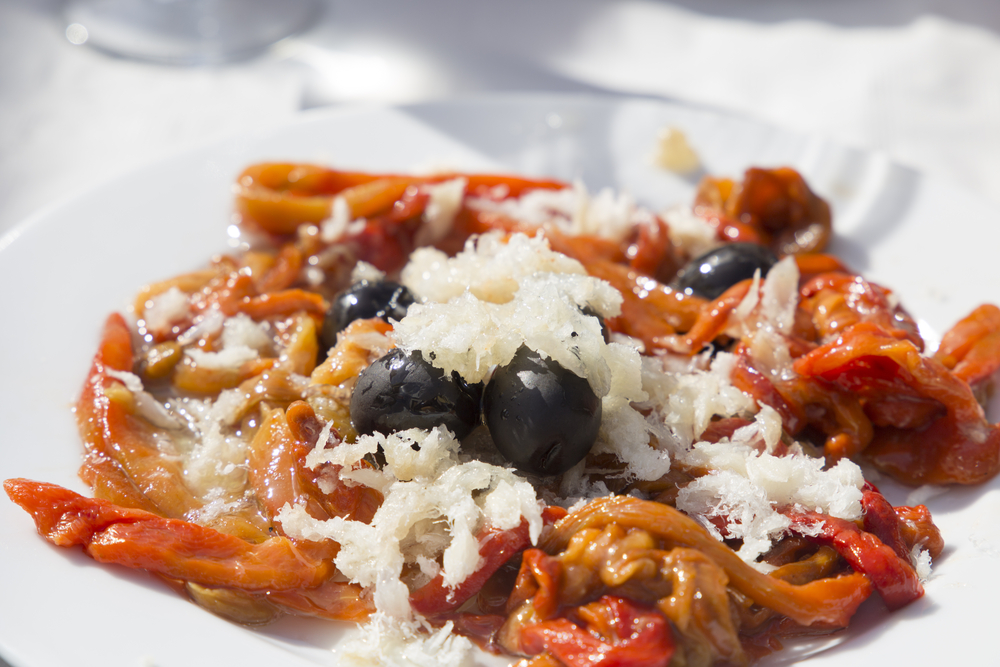
Chef Carles López's signature version of esgarraet starts from the classic recipe, but instead of the usual salt cod, it uses capellà — a dried fish traditional to the Valencian Community, which is charred over a flame beforehand. Here, charcoal-cooked eggplant and black olives are added to the roasted red pepper.
Related Articles
A New Heat Dome Brings Temperatures Above 40°C to Spain
After a few days of relief, a new heat dome settles over Spain from July 2, bringing temperatures above 40°C. AEMET has issued orange warnings for Andalusia and Extremadura
Loading…
Loading…