

Support La Cotorra on Patreon
Access exclusive content, special perks, and closer connection with us.
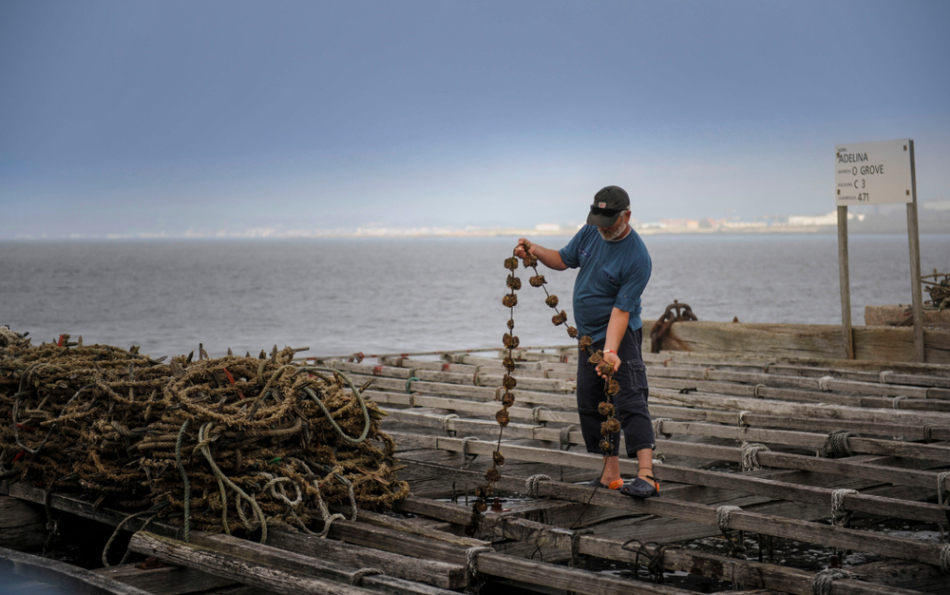
In early May, the first clóchinas valencianas appear in Valencia. They might look like ordinary mussels, but Valencian clóchinas are in fact a local variety of Mediterranean mussel, farmed within the waters of the port of Valencia and bearing a protected designation of origin.
This is a strictly local, seasonal product with a distinctive flavour — Valencian clóchinas grow only in the port of Valencia, as the organisers of mollusc-farm tours told La Cotorra. In May, locals start looking for them at markets, asking after them in bars, and scanning restaurant menus. At this time of year, short signs appear in establishments reading hay clóchinas ("clóchinas in"), and for residents, this is the traditional signal: the short season has begun. As a rule, you can find them only for a few months of the year — from May to August.
Compared with ordinary mussels, clóchinas are smaller in size,e but their flavour is more concentrated and salty, and the mollusc itself is a bright orange. The peak of the season falls in June and July. This is partly down to water temperature: clóchinas grow in warmer waters, which gives the flavour a more intense quality. In Galicia, mussels are farmed all year round, but their flavour and quality vary noticeably with the season, and summer is traditionally considered the less expressive period. Valencian clóchinas, by contrast, come into season precisely at this time, so summer attention shifts to them.
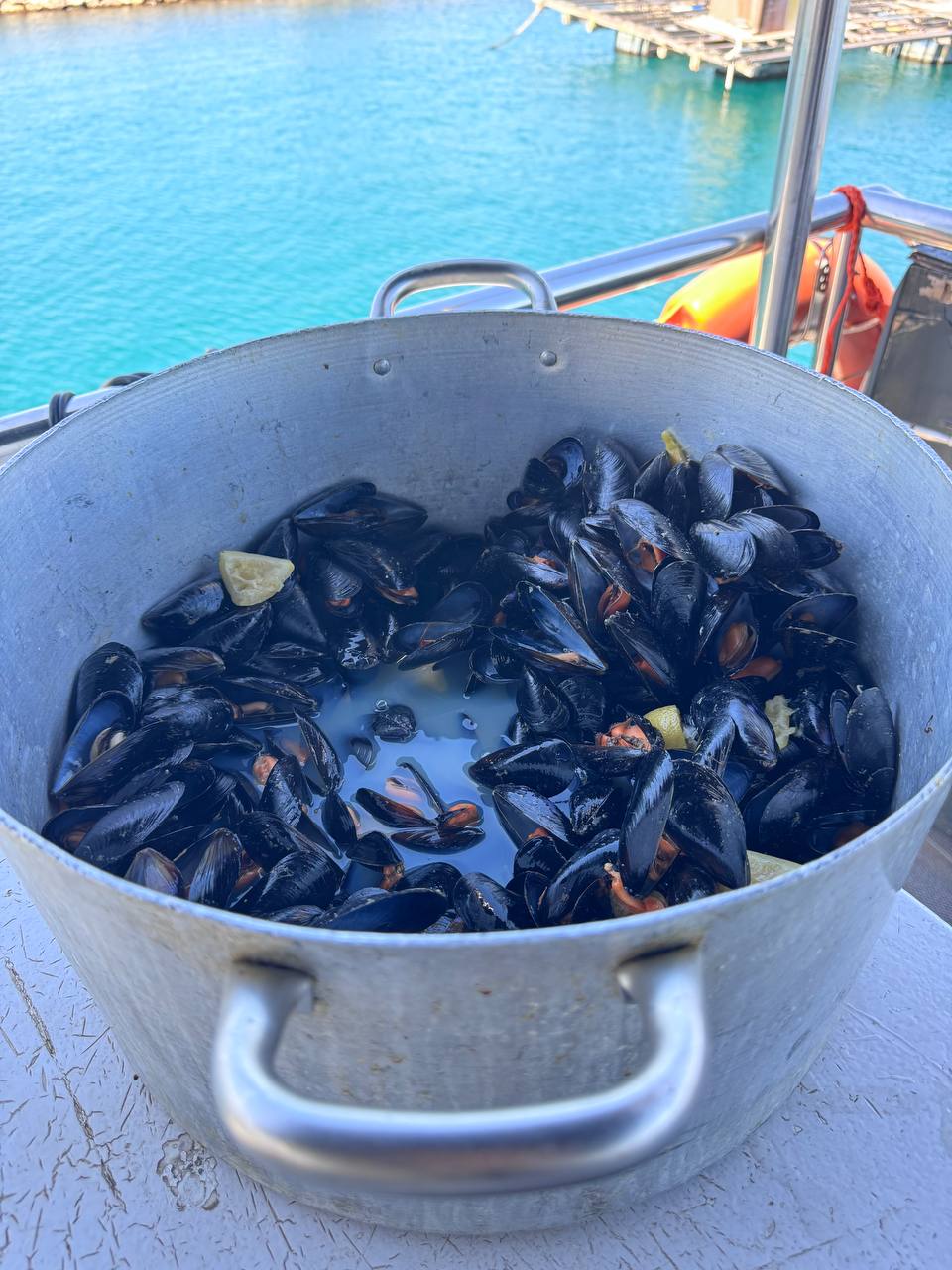
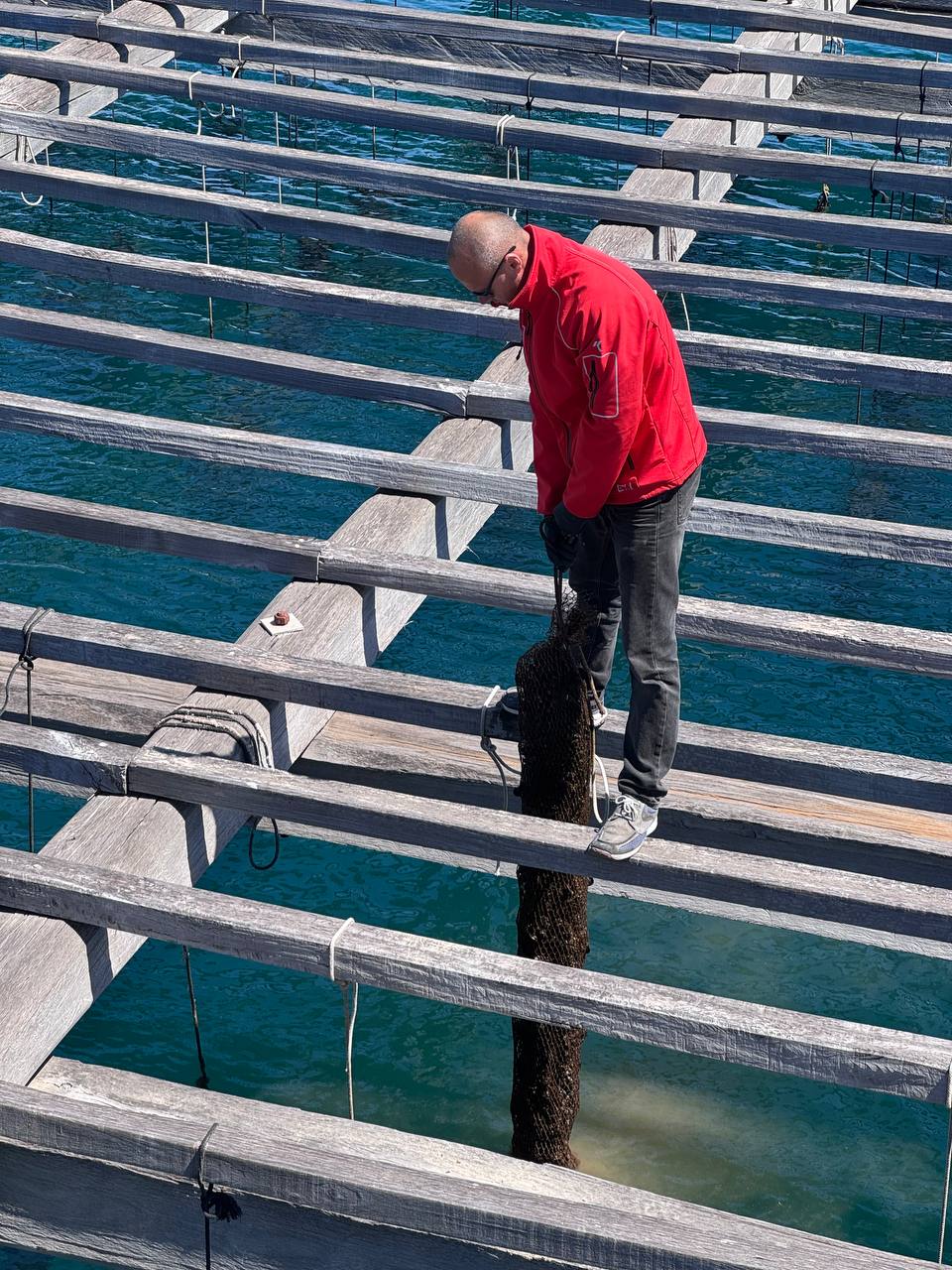
Clóchinas are farmed directly in the waters of the port, on farms that in some cases have been in operation for nearly a hundred years. The technology is simple and has barely changed over that time: long ropes are lowered into the water, and colonies of molluscs grow along them. Tourists hear about all this during excursions to the farms.
The cost of a tour is around €20 per person, with a tasting included. It's a chance to see the entire process — from the place where the molluscs are grown through to the finished dish.
The gastronomic tour takes place aboard catamarans with a capacity of around 150. The vessel leaves the port and, within 20 minutes,s reaches the farms, which look like simple wooden pontoons. Hundreds of ropes hung with colonies of molluscs trail down beneath them. A crew member lifts one of the ropes from the water to show how the clóchinas grow. Guests stay on board, but the distance is close enough to get a good look at the densely packed shells.
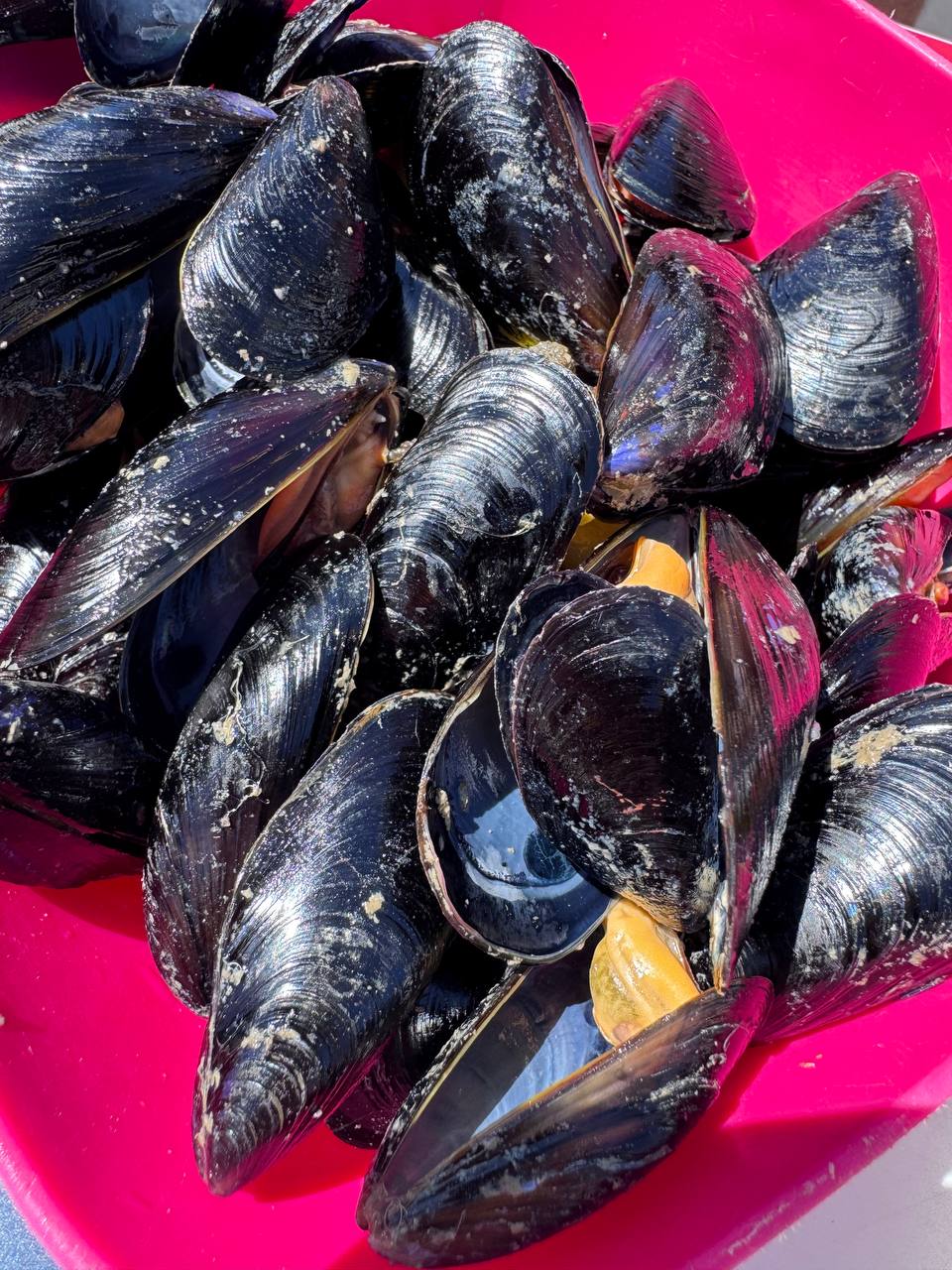
The clóchinas tasting is the most eagerly awaited moment of the trip. The molluscs are cooked right on board and served to guests in large bowls, usually accompanied by a glass of Valencian white wine. Clóchinas are served with broth and slices of lemon — exactly the way they are most often prepared in the city's restaurants too.
"Today this seafood is an important part of Valencia's gastronomic culture: around 40 tonnes of these molluscs are produced here every year," says the audio guide during the tour. Clóchinas have been harvested in Valencia since the nineteenth century, and only a few decades ago, gathering them was an ordinary way for locals to earn extra money. Valencian Ramón González told La Cotorra:
"When I was a teenager, my friends and I would go down to the port and dive for clóchinas. It was an adventure and a way to earn our first money. Then we'd take what we'd collected round the seaside bars and taverns, where the cooks already knew us and were waiting for us."
Over time, things have changed: harvesting has become regulated, farms have been established, and production has taken on a more sustainable form. Meanwhile, the product itself — once an everyday fisherman's lunch — has gradually made its way into restaurant kitchens, where it now appears in both traditional presentations and more elaborate interpretations.
You can also cook clóchinas at home. At the start of the season, they appear at markets, fishmongers, and supermarkets. Prices generally range from €6 to €10 per kilo at markets, rising to €12–14 at supermarkets, depending on freshness and the origin of the batch.
Related Articles
Beyond Paella: Discovering All i Pebre, Valencia’s Best-Kept Culinary Secret
Deep in the heart of the Albufera wetlands, the fishing village of El Palmar preserves a traditional, rich garlic and wild eel stew that tourist traps completely miss
Loading…
Loading…