


Support La Cotorra on Patreon
Access exclusive content, special perks, and closer connection with us.
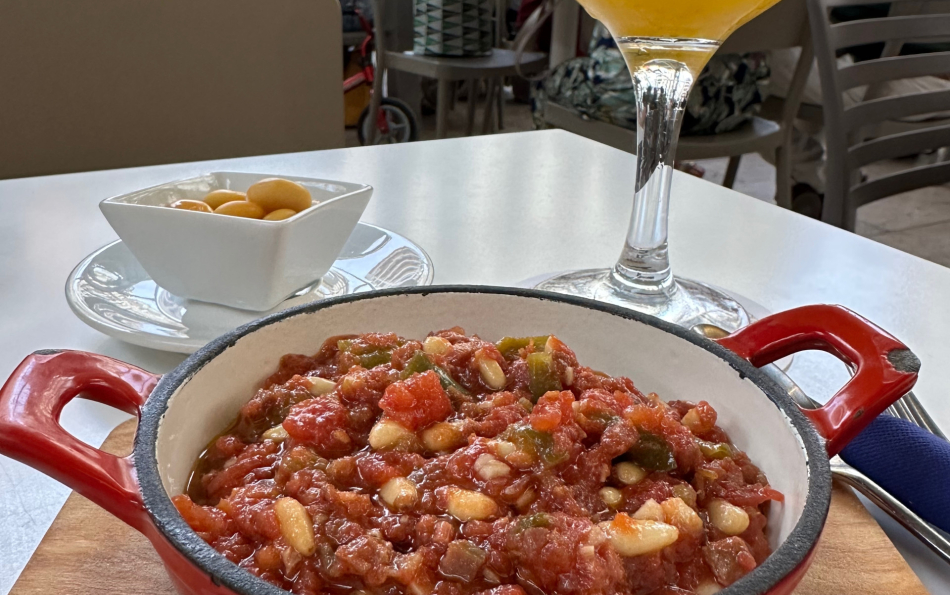
This is a dish you won't find in guidebooks or tourist-trap restaurants. Even in Valencia, not everyone knows it exists. Titaina is prepared exclusively in the seaside quarters, and beyond those borders, it rarely appears. While many locals recognise the name, few have actually tried it, and for foreigners and tourists, this dish remains entirely in a blind spot.
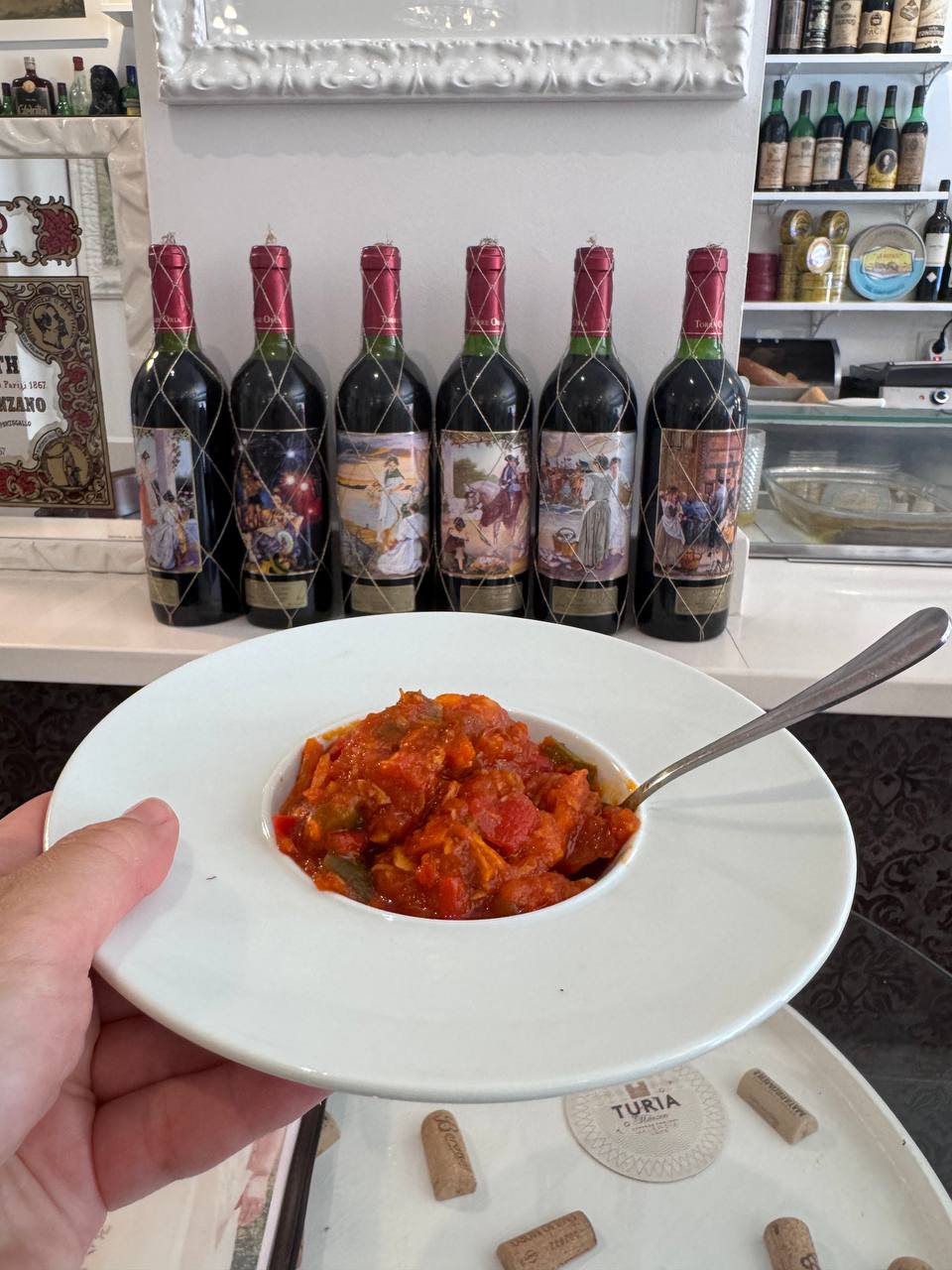
Titaina has everything it takes to be a gastronomic symbol of the city: a rich history, vibrant flavor, local ingredients, and a deep connection to its roots. Yet, it has remained fiercely authentic, appearing only on a handful of menus in the maritime districts.
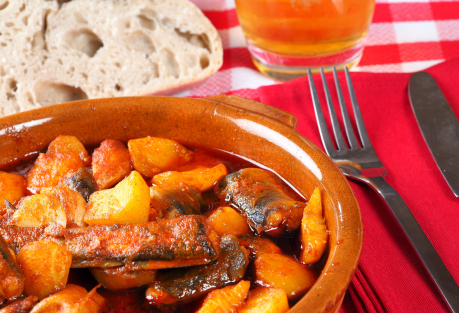
Essentially, it is a vegetable ragu with tuna, served with fresh bread. The best place to hunt for it is El Cabanyal—the former fisherman’s quarter. For example, at Casa Guillermo, a family restaurant with the atmosphere of an old tavern that has been open since 1957, Titaina proudly occupies the first page of the menu.
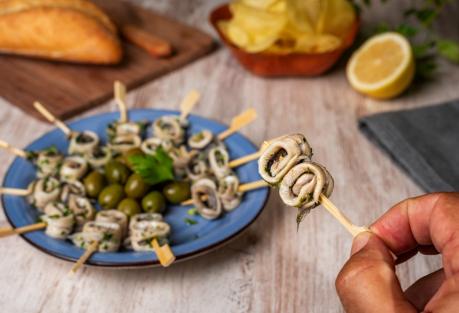
The restaurant was opened by the parents of the current proprietor, Amparo Madrigal Ballester. Their photos and old newspaper clippings about the family business, Titaina, and the anchovies that are also traditional to the area, adorn the walls.
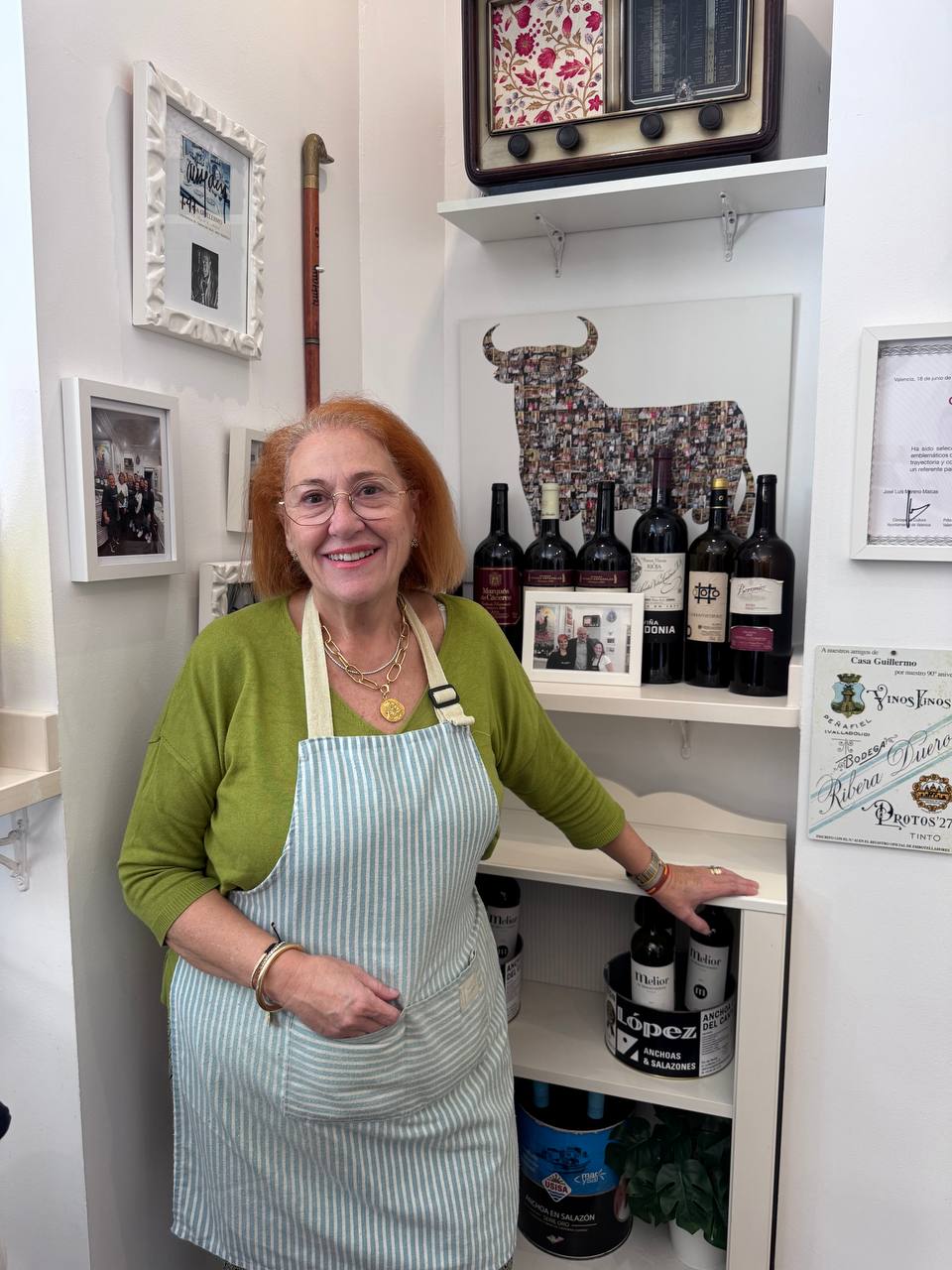
Titaina is simple in its components but complex in its flavour profile.
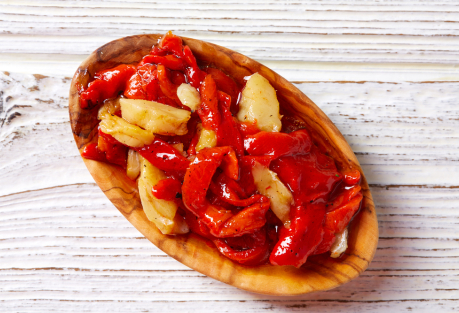
The base consists of tomatoes, red and green peppers, pine nuts, and fish. Most often, bonito (a variety of canned tuna) is used. However, it was traditionally made with tonyina de sorra—the salted and cured belly of the tuna, a staple of local cuisine that is essential for reproducing the authentic taste outside the region.
"The main secret is in the sauce. The tomatoes are reduced to a thick, rich consistency and balanced with sugar to remove the acidity—we like that slightly sweet aftertaste. The result is a signature flavour: a contrast of sweetness, saltiness, and the richness of the fish, topped with the crunch of pine nuts," explains Amparo.
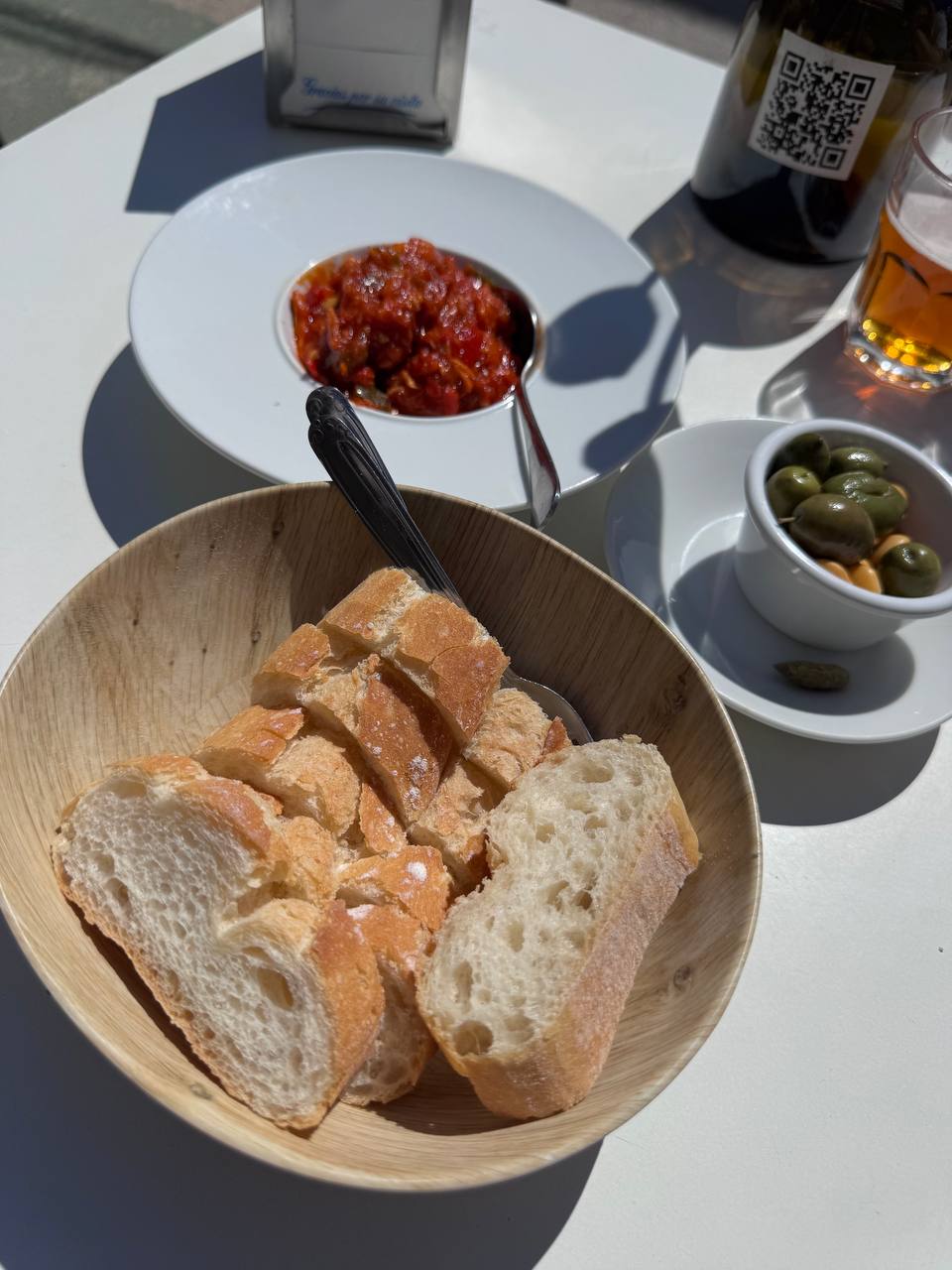
Historically, Titaina was prepared during Holy Week (Semana Santa), when eating meat was forbidden. It was a Lenten meal, much like other fish-based traditions. But it also had a practical function: it could be made in large batches to last several days.
"You could go to watch the religious processions and come home to find dinner already waiting. Titaina keeps well and doesn't lose its flavor over time; it can be eaten both hot and cold," says Amparo.
Furthermore, there is no single "correct" recipe. Every family has their own version with a different balance of sweetness, different fish, or the addition (or exclusion) of onions.
Even the origin of the word "titaina" remains unclear—its etymology is a mystery, much like many ancient dishes that were never written down and were passed from mouth to mouth through generations.
Today, Titaina is eaten year-round, but it is still prepared, as it was centuries ago, only in the seaside neighbourhoods of Valencia.
Related Articles
Beyond Paella: Discovering All i Pebre, Valencia’s Best-Kept Culinary Secret
Deep in the heart of the Albufera wetlands, the fishing village of El Palmar preserves a traditional, rich garlic and wild eel stew that tourist traps completely miss
Loading…
Loading…