
Support La Cotorra on Patreon
Access exclusive content, special perks, and closer connection with us.
On 9 May, the 61st Venice Biennale — one of the world's leading international contemporary art exhibitions — opened to the public. The lead-up to the Biennale was not without difficulties: its curator Koyo Kouoh passed away a year before the opening, and the return of the Russian and Israeli pavilions triggered a wave of protests. On opening day, more than 20 pavilions — including Spain's — joined a strike in solidarity with the pro-Palestinian movement.
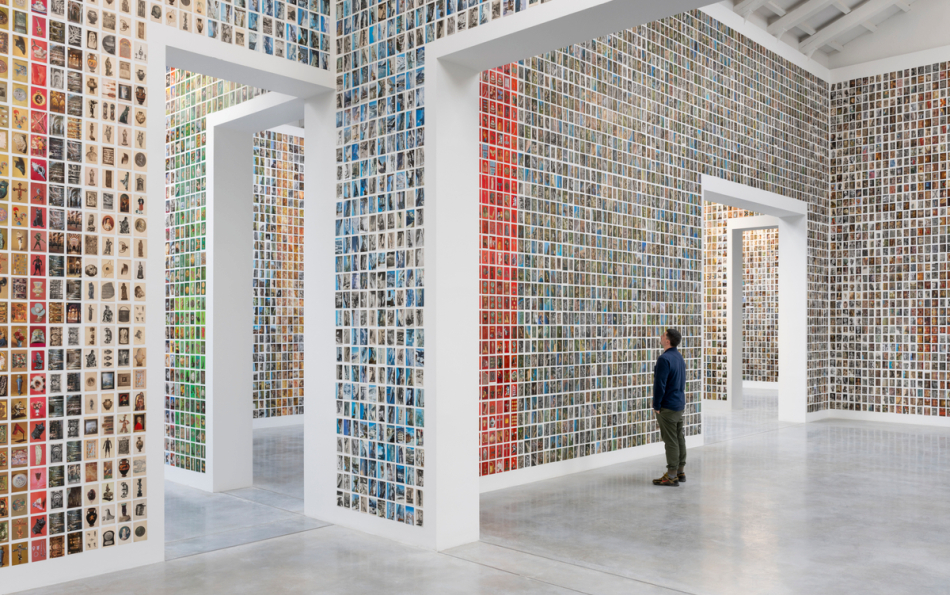
The pavilions are now open to visitors. Inside the Spanish pavilion, guests are met by Los Restos ("The Remains") — an installation by Catalan artist Oriol Vilanova, assembled from 50,000 postcards.
La Cotorra takes a look at what lies inside the Spanish pavilion and shares other highlights from the Biennale.
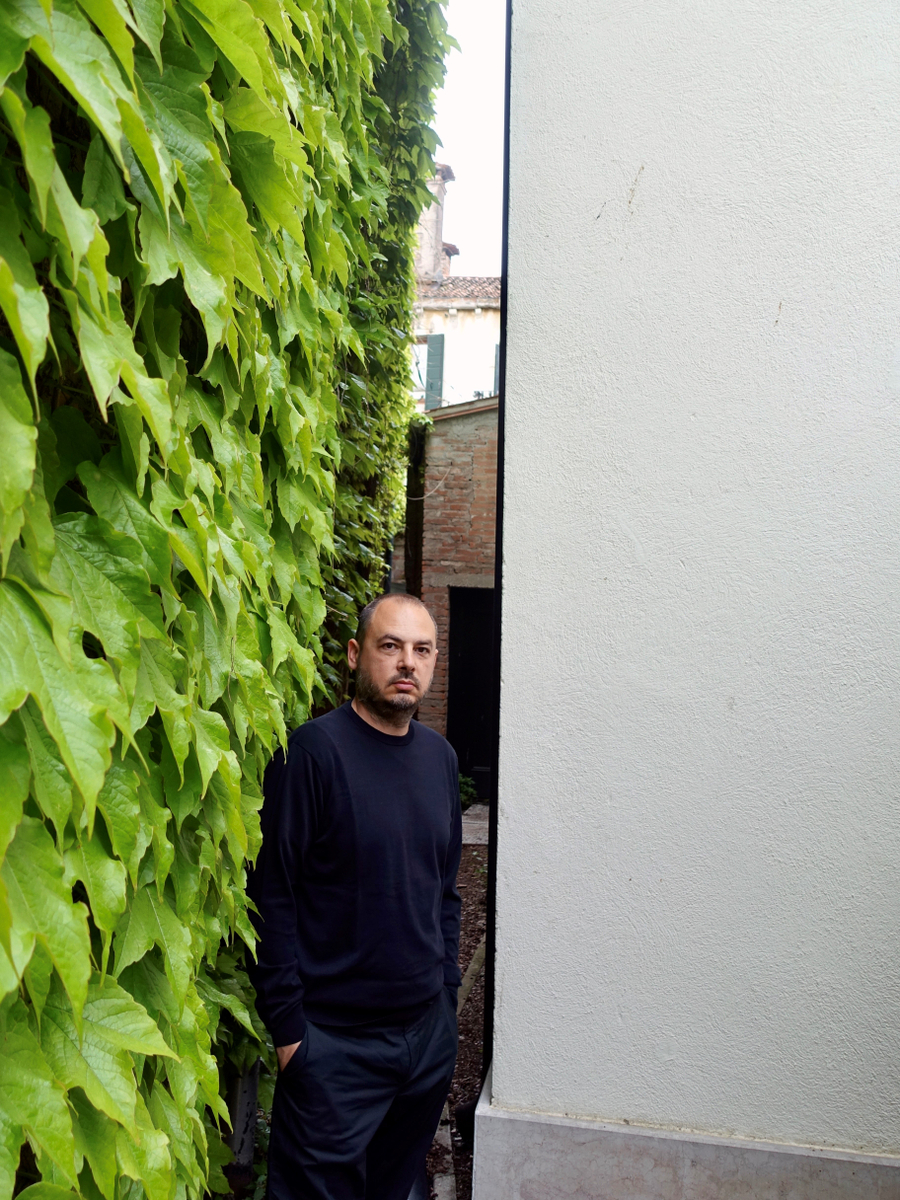
For the next six months, the Spanish pavilion will be transformed into a space containing 50,000 postcards. The project's author is Oriol Vilanova, a Spanish artist who has spent the past 20 years collecting postcards at flea markets around the world. The installation is curated by Carles Guerra, former curator of the Museum of Contemporary Art of Barcelona (MACBA).
The title of the installation — Los Restos — refers to "remains" as the traces of images that continue to exist after losing their original meaning. At the heart of the work are the postcards themselves, which transform the pavilion into a kind of anti-museum: a mass tourist object becomes the raw material of a work of art.
"I am interested in the idea of the cliché, of repetition. It is not about nostalgia for the object, but about how we speak through images — what picture of the world they transmitted then and continue to transmit today."
Oriol Vilanova, speaking to ABC
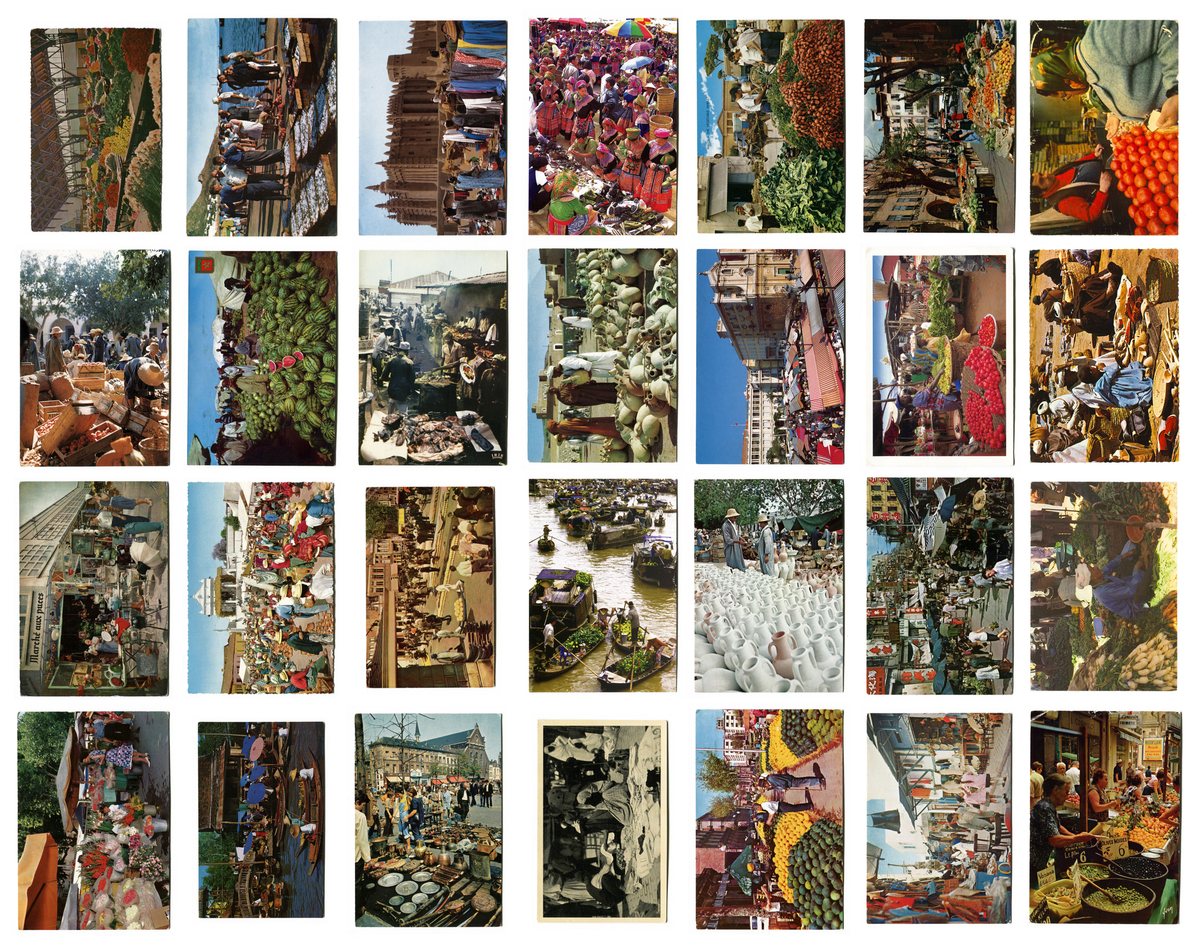
The selection and arrangement of the postcards follow no conventional logic: images from different eras and subjects sit side by side — kittens and flowers alongside archaeological artefacts, markets and deserts alongside opera houses, stones beside bridges and ships. The postcards are displayed vertically and run through all six rooms of the pavilion, forming a kind of endless mosaic. The reverse side of each card remains hidden from view, preserving its private history.
The installation speaks to a society living under constant pressure and information overload. In such conditions, history and memory become increasingly complex processes, as the social environment continually replaces one set of images and narratives with another. Accumulation — in Vilanova's case, of postcards — is not merely excess; it is also a form of resistance to cultural amnesia.
"Today, when our context is so fraught — when wars and genocides are under way — gestures such as those Oriol Vilanova unfolds make us think about what we will do when the world collapses after total destruction. We will have to return to 'the remains' and construct something new from them."
Carles Guerra, speaking to ABC
Address: Spanish Pavilion
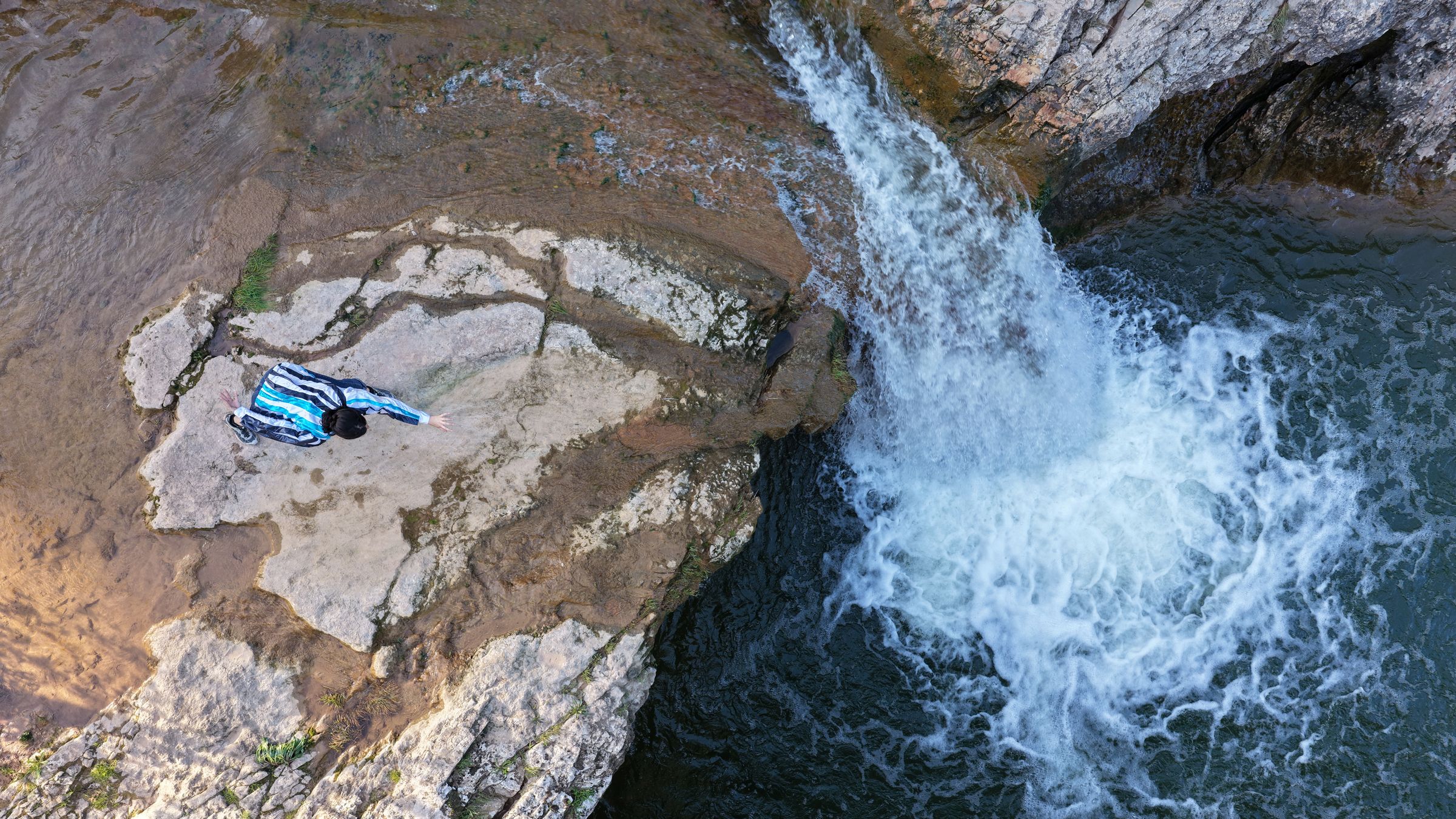
Spain's presence at the Biennale is complemented by an immersive installation by Catalan artist Clàudia Pagès Rabal. "Paper Tears" is built around an archive of fifteenth-century watermarks — witnesses to a historical turning point: the decline of Mediterranean trade and the dawn of colonialism, whose consequences continue to be felt today.
Catalonia has been participating in the Biennale's collateral programme since 2009.
Address: San Pietro di Castello, 40A
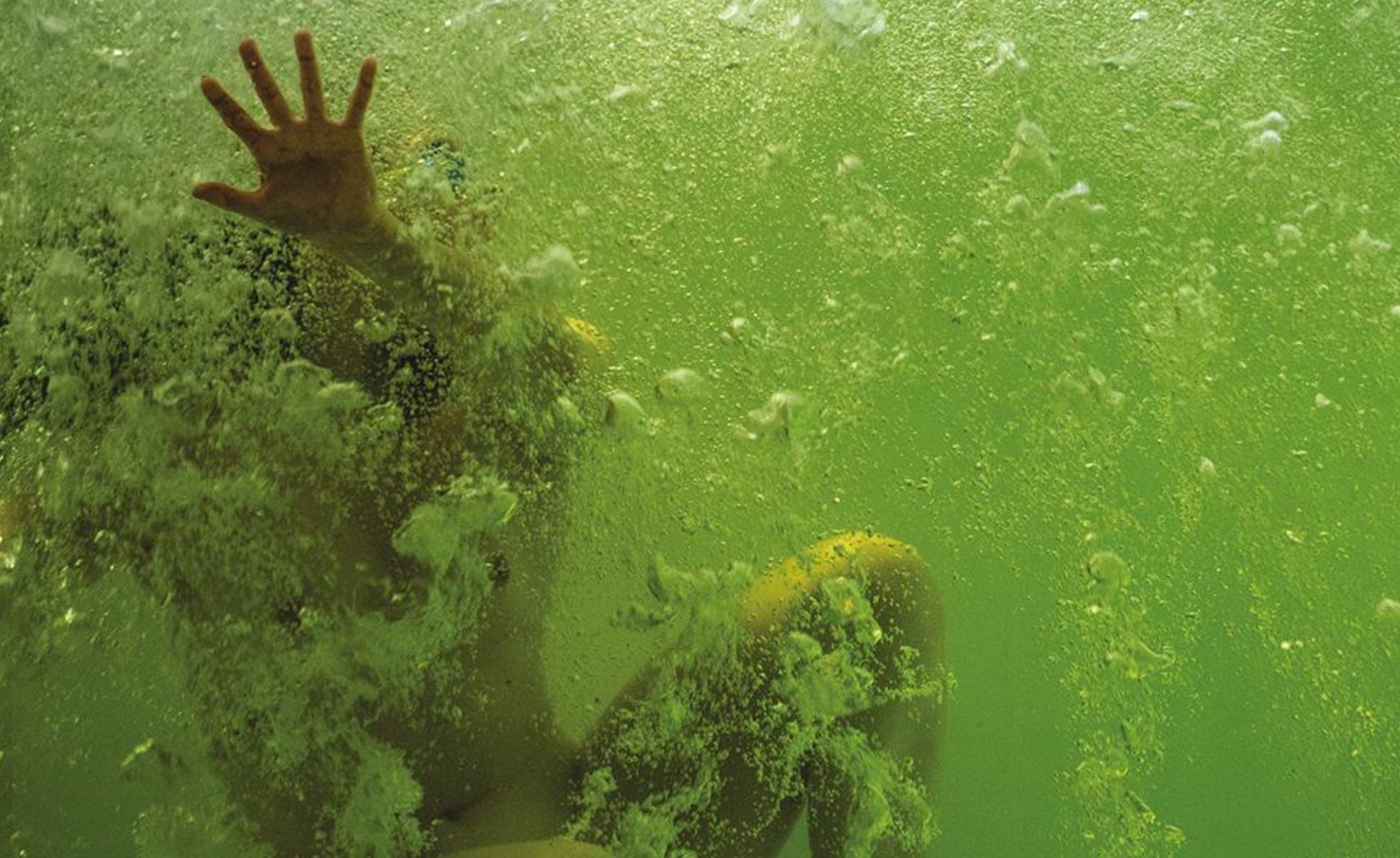
Seaworld Venice by artist Florentina Holzinger has been named by The New York Times as one of the most talked-about works in the exhibition. The Austrian Pavilion, where the installation is housed, has been transformed into a flooded space in which performances unfold: in one area, a jet ski circles endlessly on the water; in another, naked performers climb a vast structure.
At the entrance to the pavilion hangs a bell — its clapper is a performer suspended upside down, who sets it in motion.
Address: Austrian Pavilion
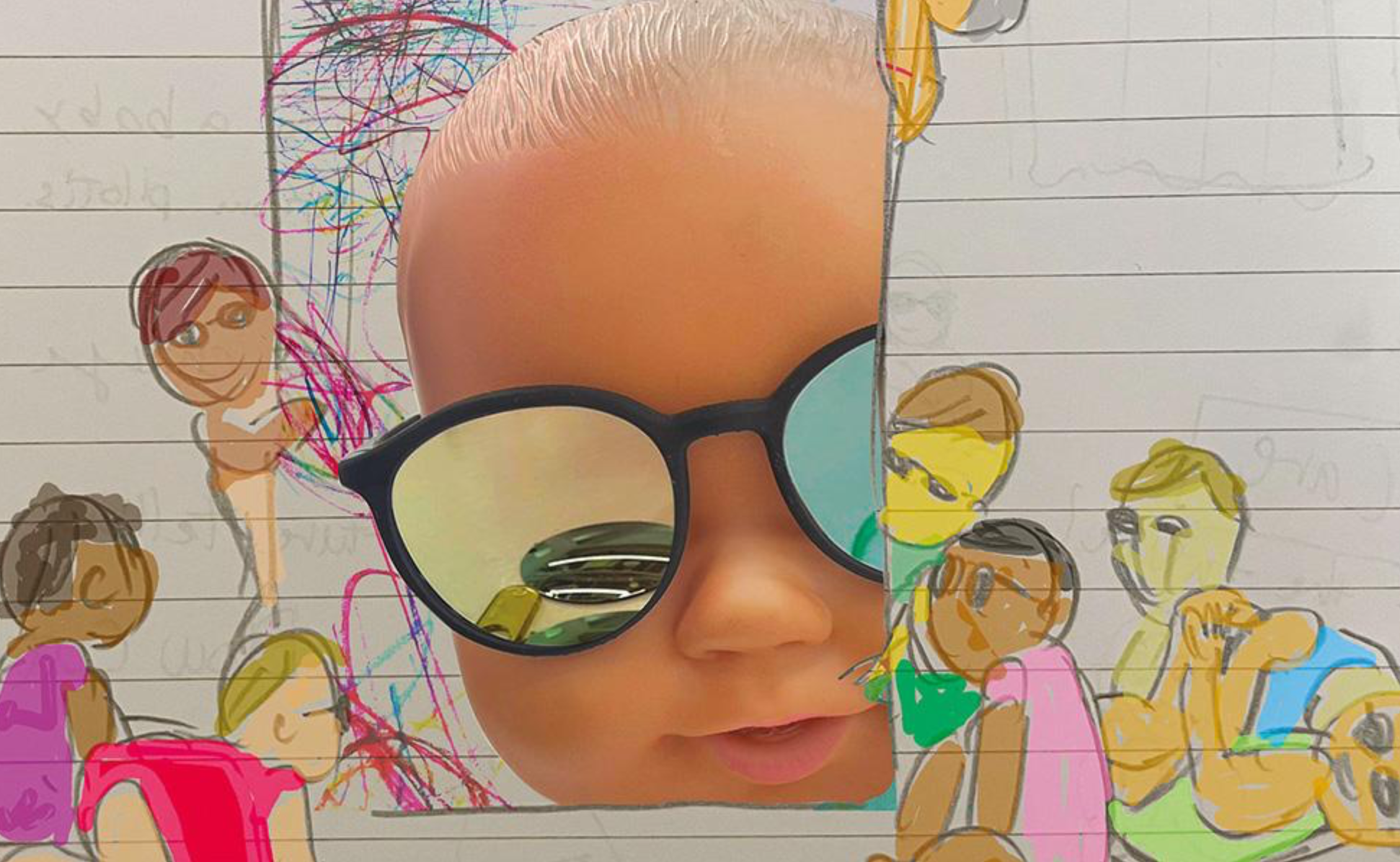
Grass Babies, Moon Babies by Japanese artist Ei Arakawa-Nash is another widely discussed work at this year's Venice Biennale. The artist, who recently became a queer parent, asks: how do we welcome a new generation of children into a world that has still not come to terms with the trauma and consequences of its own past? At the entrance, visitors are invited to pick up one of 200 baby dolls and carry it throughout the exhibition. Inside, a timeline unfolds of events the artist plans to tell his children about — from his own father's death to the birth of his first child, conceived through IVF.
Address: Japanese Pavilion.
Related Articles
Valencia Prepares for First Total Solar Eclipse in Over a Century
On August 12, 2026, the city will witness a total solar eclipse — the first visible from the region in more than 100 years, with the next not due until 2180
Loading…
Loading…