

Support La Cotorra on Patreon
Access exclusive content, special perks, and closer connection with us.
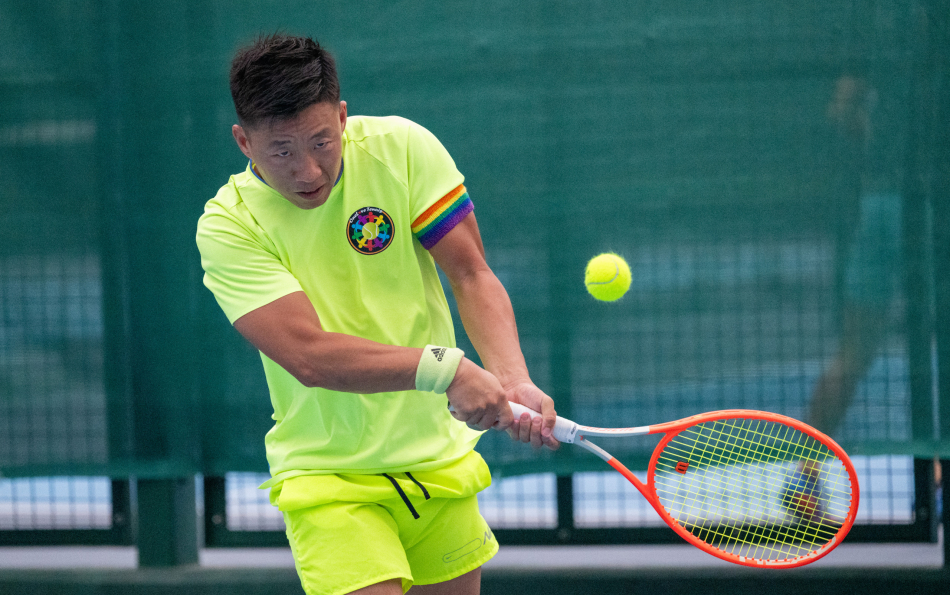
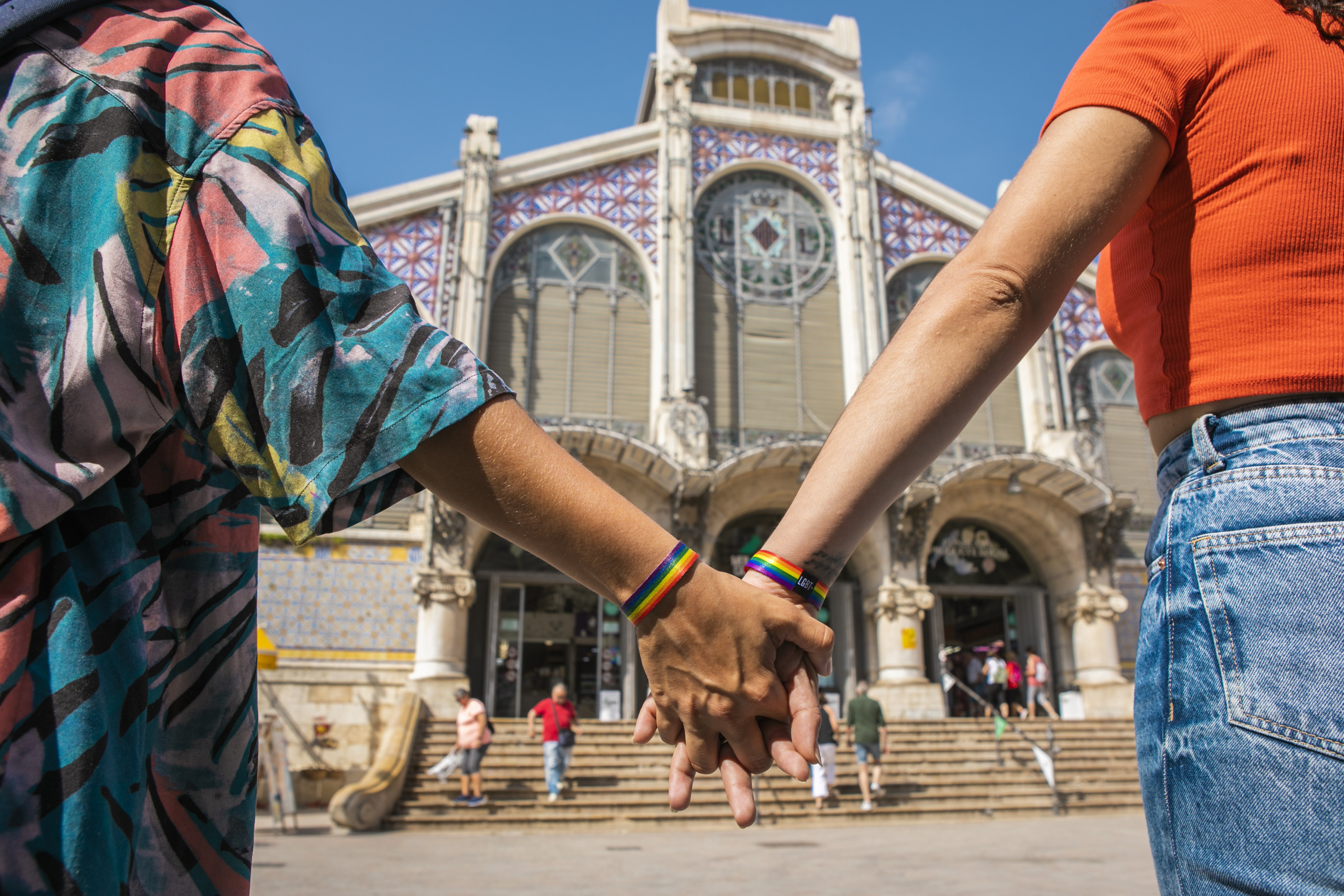
If you ask a random resident of Valencia what the Gay Games are, many will surely answer: a competition for gay people. This is precisely the misconception the organizers have to explain most often. The world's largest LGBTQ+ sports and culture festival is in fact open to everyone — regardless of gender, age, background, sexual orientation, or athletic ability.
In 2026, Valencia will become the first city in Spain and the first in the Mediterranean to host the Gay Games. The event is a historic one for Valencia: more than 10,000 participants from 80 countries around the world, 740 volunteers, 37 sporting disciplines, as well as dozens of cultural events, exhibitions, concerts, and festivals.
The Gay Games are not a championship for members of a particular community, but a fundamentally different model of sporting event.
Unlike the Olympic Games or world-level championships, here there's no need to qualify or to meet a certain level of preparation. Anyone who wishes to can take part. Alongside professional athletes there are also amateurs who have stepped onto the training field for the first time after the age of 40 or 50.
That's why the Gay Games are often described not as a sports tournament, but as a celebration of participation.
The history of the Games began in 1982 in San Francisco. Their founder, Tom Waddell, an Olympic decathlete and openly gay man, wanted to create a competition in which the main criterion would not be the result, but the opportunity to participate. The Gay Games are held once every four years and, like the Olympic Games, are hosted by a new city each time — among the hosts have been San Francisco, Vancouver, Amsterdam, Sydney, Chicago, and Paris. The Games open with a ceremonial lighting of the symbolic Gay Games Flame — a symbol of equality, diversity, and the LGBTQ+ community.
Valencia will become the 12th city to host the Gay Games, and for the local authorities this is a chance to present itself as an open and diverse city.
"Valencia will become the first Spanish city and the first Mediterranean city to host this event. We have to rise to the occasion, creating synergy between different city structures," said city hall representative Marta Aguado at the presentation of the Games' cultural program.
The meaning of the Games is best explained by the participants themselves. One of them is Konstantin Vinogradov. He has lived in Valencia for three years and has long been involved in sports volunteering. Konstantin dreams of becoming a sports manager and wants to see the organization of such a large international event from the inside.
Konstantin grew up in the Caucasus, where the topic of LGBT issues rarely became a subject of open conversation. Everything changed after he moved to Spain.
Through running and cycling communities, through friends, I got to know people from the LGBT community. And I fairly quickly realized that it isn't some separate reality, but your friends, neighbors, colleagues, doctors, teachers. My opinion changed a great deal."
Konstantin Vinogradov
According to him, the very training that the Gay Games volunteers underwent opened his eyes to many of the problems people face around the world.
"They told us about a participant from one African country. He wrote a letter to the organizers asking them not to send him messages from the official Gay Games account, to avoid possible problems. And he also asked: 'If I win the competition, don't say my name and don't mention my country. Otherwise I simply won't be able to return home,'" the volunteer recalls.
It was precisely this case that, for Konstantin, became the moment when the Gay Games stopped being just a sporting event.
"That's when you understand that for some people this isn't only about sport. That there are people who are still forced to hide who they are for their own safety," he says.
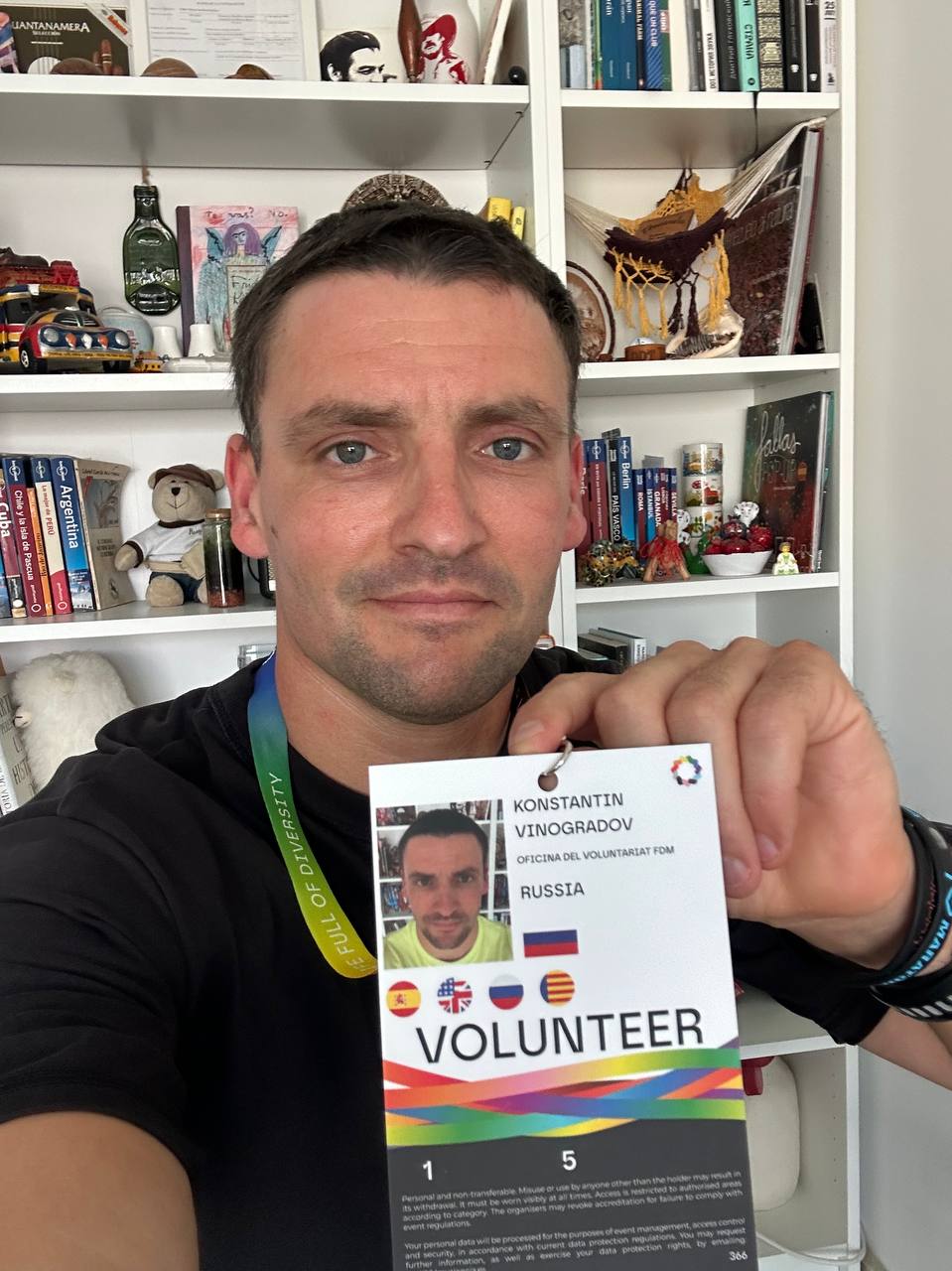
At the upcoming Games, Konstantin will find himself in two roles at once — as a volunteer and as a participant in marathon-distance events and the triathlon.
A different perspective on the Games comes from Óscar Segrelles, curator of the Valencia Queer exhibition that has opened in Valencia and a player on the water polo team that will compete in the Games.
"I'm speaking from my own experience. Even as a teenager, it seemed to me that you couldn't be too feminine. That you couldn't speak more softly. That you couldn't dress the way you wanted. Public opinion forced you to hide your identity," Óscar says.
According to him, many members of the community have faced similar experiences.
"At some point internalized homophobia appears. You start to hate yourself, because for too long you've heard that being yourself is wrong. We live as if playing a role someone else approved. Every day, over and over, we try to fit into society and conform to what's considered the norm," Óscar recalls of his painful experience.
It was precisely this combination of sport, culture, and the idea of inclusivity that helped Valencia win the right to host the Games. The city's bid relied not only on sports infrastructure, but also on a well-developed LGBTQ+ sports community, experience in holding international events, and support from the city authorities. For the Gay Games organizers, it was important that the Games not take place in an isolated space, but instead become part of the life of the entire city. It was precisely this approach that won the organizers over.
In addition to a large sports program, the Gay Games always include cultural events, in order to involve as many people as possible. One of the central cultural projects of the Games in Valencia was the Valencia Queer exhibition, which opened at the City Museum. The organizers made a gesture that for many turned out to be even more important than the exhibition itself: they placed the stories of queer people at the very heart of one of the city's main museums, where recognized classics of Spanish art are displayed.
Museum director Marta López stressed that the choice of space was an entirely deliberate one.
"This exhibition occupies the museum's main halls. By placing Valencia Queer here, we want to emphasize that a museum should be an open, inclusive space and engage in dialogue with the society of its time. After the current exhibition ends, these same halls will host works by Joaquín Sorolla, provided by the Hispanic Society," the museum director said.
The exhibition features eight artists working in a wide range of genres — from painting and photography to textiles, video art, and large-scale installations.
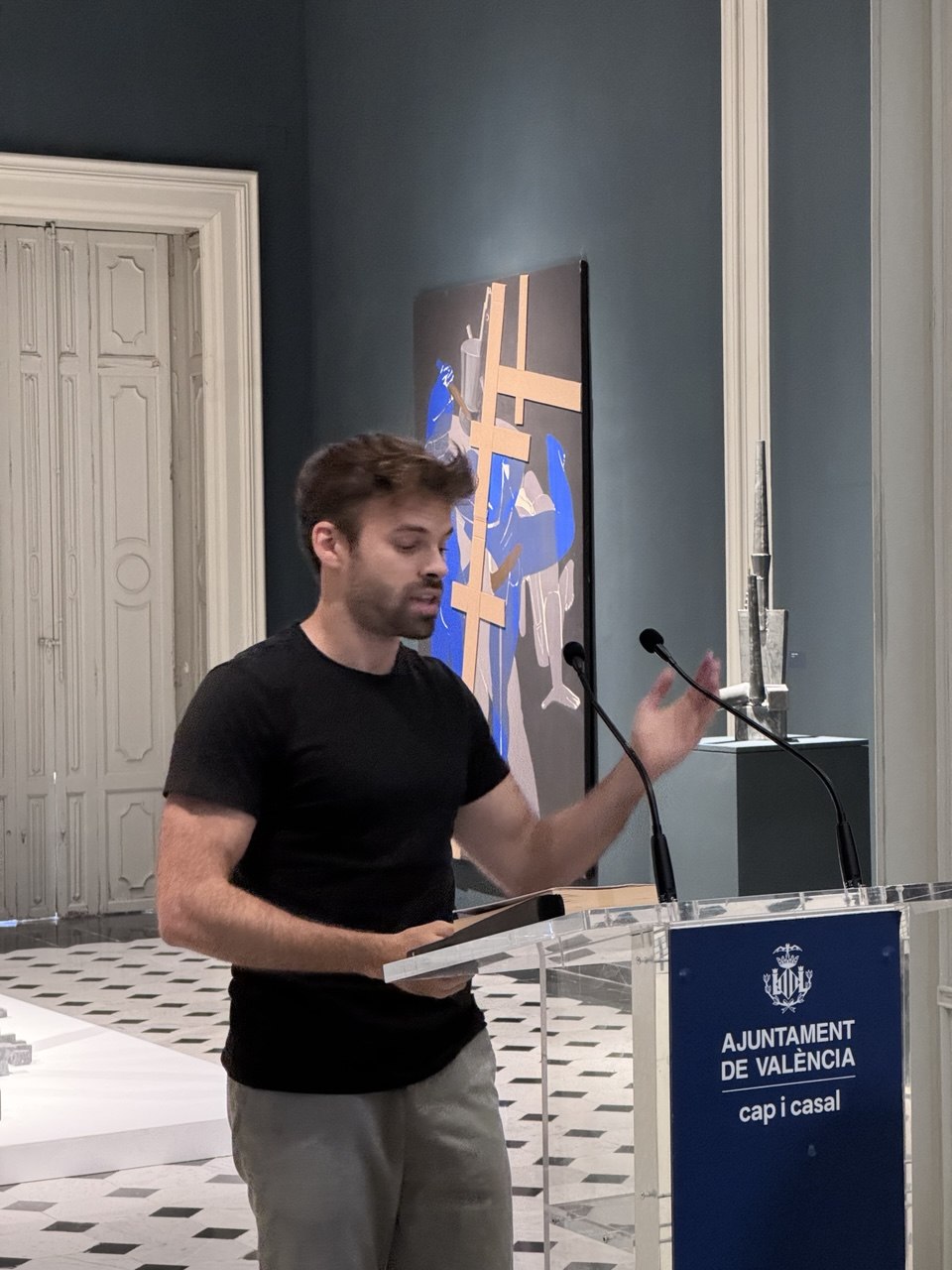
Among the participants is 81-year-old Miguel Navarro, one of Valencia's most famous artists. Segrelles describes him as a man who never hid his identity and who belongs to a generation that lived through years of harsh persecution.
At the same time, the organizers themselves emphasize that they aren't seeking to create a separate world for minorities. On the contrary, their task is to make society more open for everyone.
If a person sees this exhibition and recognizes themselves in it, if someone reconsiders their prejudices, if someone encounters an experience they previously knew nothing about, then we have fulfilled an important part of our mission — both as a museum and as a society."
Marta López
The Gay Games have existed for more than 40 years. People come here not so much for athletic results as for the chance to feel part of a community where no one has to justify their right to be themselves.
"In the end, we simply want to be happy," says Óscar Segrelles.
During the Gay Games, Valencia will effectively turn into one large sports and culture venue. The Games kick off on June 27 with an opening ceremony at the Ciutat de València stadium. The program includes a parade of delegations from more than 80 countries and performances by international artists and cultural groups. It's already known that the opening will feature performances by Mónica Naranjo, Soraya Arnelas, Fruela, Suri, and the Valencian drag artist Choriza May.
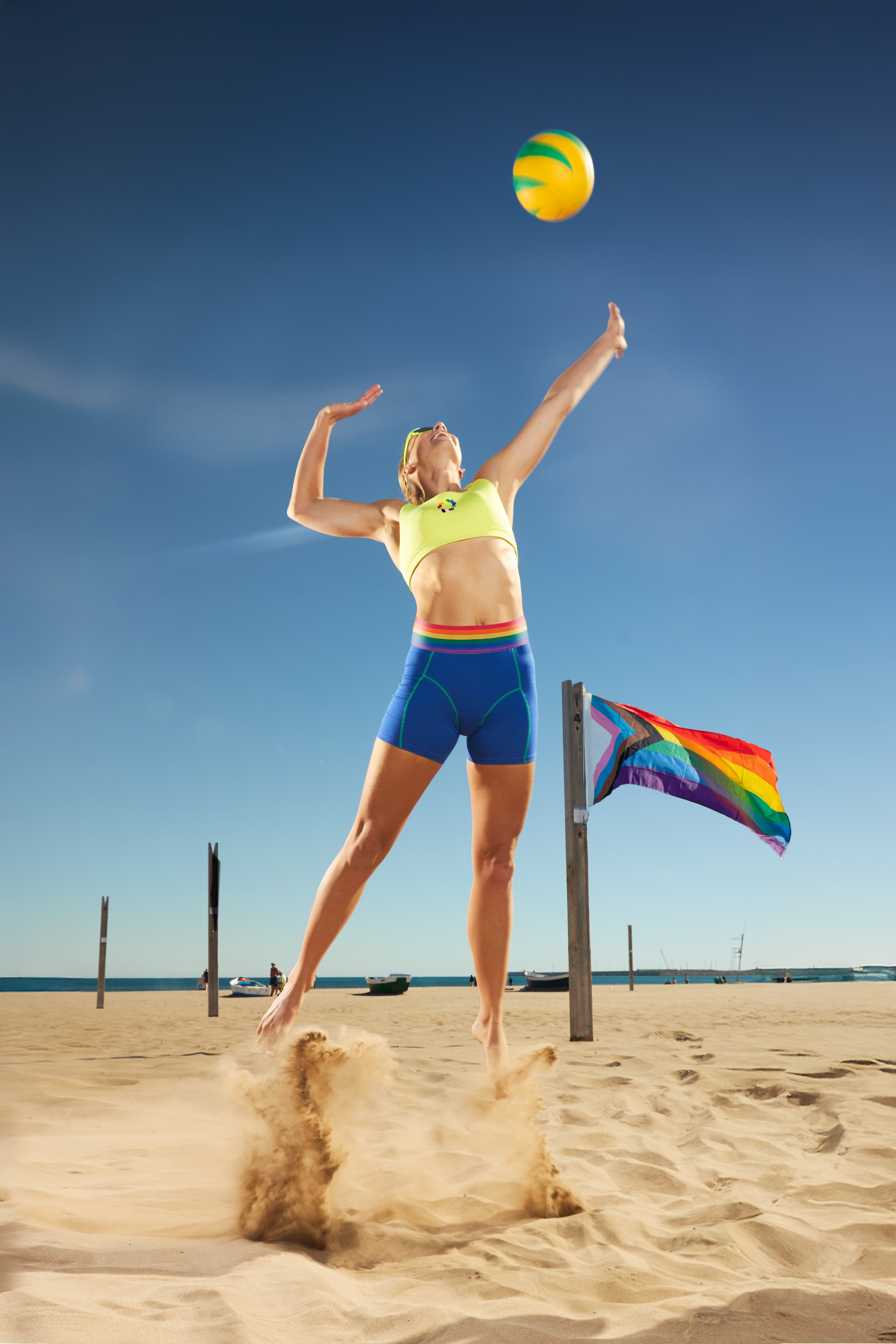
From June 28 to July 3, the competitions will run almost nonstop at dozens of sports venues across the city. The program features 37 disciplines: from swimming, athletics, football, basketball, volleyball, and water polo to triathlon, cycling, tennis, padel, sailing, chess, and dance sport.
Alongside the tournaments, a large cultural program also begins. A choir festival, the orchestra festival The Sound of Diversity, theatrical productions, film screenings, contemporary art exhibitions, discussions, and educational events will take place in different parts of the city.
A special place in the program will be given to two traditional sports — Valencian pelota and colpbol, which the organizers decided to showcase to guests as part of the local culture.
The final competitions will take place on July 4. On the same day there will be the closing ceremony of the Games and the handover of the baton to the next host city (in 2030, the 13th Gay Games will take place in the Australian city of Perth — La Cotorra).
For spectators, most competitions will be available free of charge or for a symbolic price — the organizers traditionally emphasize the openness and accessibility of the event. Separate tickets will be required for the opening ceremony and some major cultural events. They can be purchased on the official Gay Games Valencia 2026 website and the ticketing platform Tickelio.
Related Articles
Valencia's Oceanogràfic Welcomes Rare Sea Lion Twins
A male and female California sea lion pup were born May 31 without complications — an exceptional event for the species
Loading…
Loading…