






Support La Cotorra on Patreon
Access exclusive content, special perks, and closer connection with us.
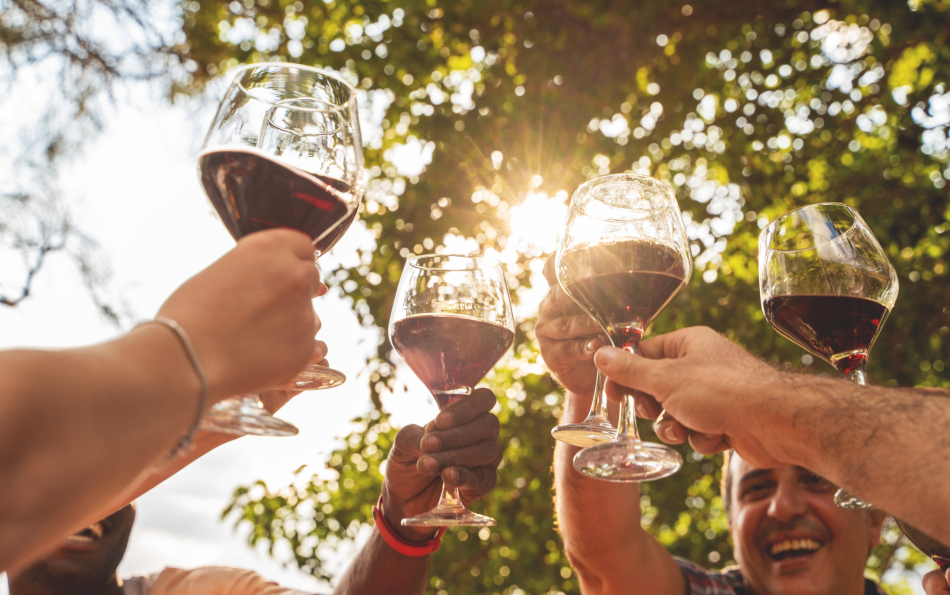
On June 29, the small town of Haro (in the autonomous community of La Rioja) will host its traditional Wine Battle — a celebration that is intoxicating in every sense of the word, during which thousands of people will gleefully drench one another in red wine, sparing neither the drink nor each other. Behind the façade of cheerful madness lies a tradition whose roots reach back to the early Middle Ages. For centuries, wine has been more than just a drink for Spain — it has been a cultural symbol, an economic pillar of the countryside, a brand for the country.
On the eve of the festival in Haro, La Cotorra explains where Spanish wine came from, how to read its labels, and why winemaking has found itself in the worst crisis in decades.
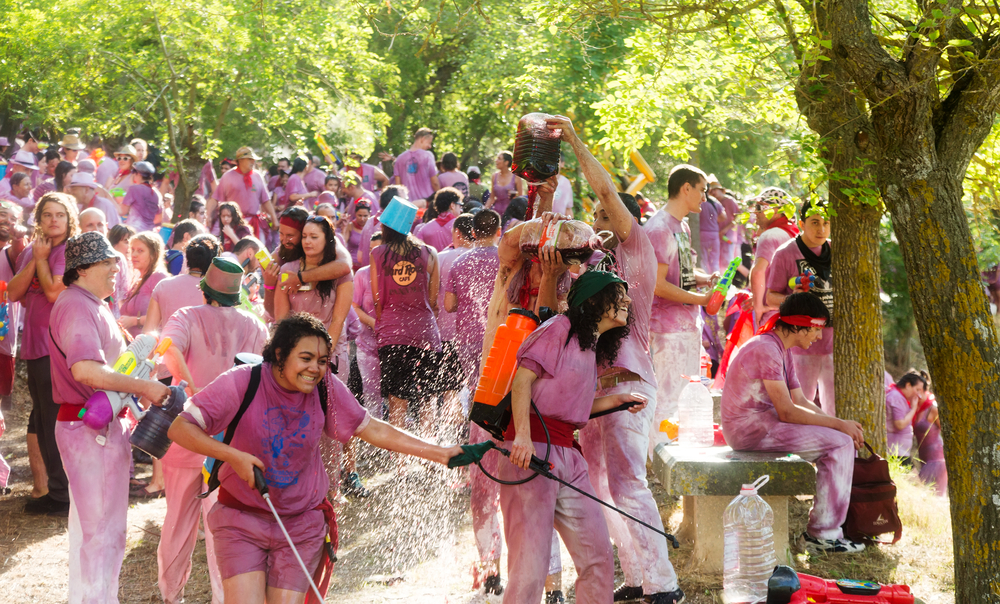
Every year on the morning of June 29, the residents of the town of Haro, Spaniards from other regions, and foreigners put on white shirts, tie red scarves around their necks, and — led by the mayor on horseback — set out toward the Bilibio cliffs, a rocky ridge about six kilometres north of the town. Upon reaching the spot, the pilgrims ceremonially plant Haro's historic banner, dominated by a wine-red colour. A priest holds a mass, after which the joyful, soggy madness begins.
The participants in the spectacle begin dousing one another from leather wineskins (botas de vino), bottles, watering cans, and basins, as well as squirting each other with water pistols. In 2025, more than 40,000 litres of wine were used for this purpose. To supply it, the town council provides tanks with a capacity of up to 15,000 litres each. There's no point in being sparing with the wine, since it doesn't reach the level required for commercial sale.
The goal of the battle is to make every participant's clothing "even more purple than the banner" of the town of Haro. "During the battle, don't stop laughing and singing. If you see someone with a white spot still left on their clothing — that's your main target. Don't trust anyone: your acquaintances will become your first enemies," the festival's "rules" state.
After a couple of hours, the "ammunition" runs out. The fighters, however, keep on drinking — but now from glasses — and refuel with traditional local dishes: snails stewed in a tomato-and-pepper sauce, and lamb ribs grilled over coals from grapevines. By around noon, the participants return to the town centre to the tunes of a brass band.
This event is, of course, not for children. But since 2004, a children's version has also been held in Haro two days before the main battle, with grape juice. So there's enough fun for everyone.
As the Spanish philosopher José Ortega y Gasset wrote, "wine lends radiance to the countryside, lifts hearts, lights up the gaze, and teaches the feet to dance." Meanwhile, La Rioja's culture minister worries about a drift in meaning: "We must not turn this into just another event for getting drunk." The official rhetoric tries to keep the festival within a religious and cultural frame.
The roots of the Wine Battle go back to the early Middle Ages, when residents began walking to the Bilibio cliffs — the place where, according to legend, the hermit Felices de Bilibio lived and died in the 6th century; he was a mentor to Saint Emilian. The pilgrimage took on a more organised character in the 18th century, after a chapel was built on the cliffs. By the end of the 19th century, the religious procession had turned into a boisterous folk festival. Even then, the pilgrims doused each other with wine, as a joke, during the communal meal after the mass. The custom wasn't to everyone's liking: in the early 20th century, local media complained that women were now abstaining from the pilgrimage, because light-colored dresses inevitably ended up completely soaked in wine. Over time, it was precisely this wine-soaked revelry that became the festival's main element. In 1949, the tradition was for the first time explicitly called a "wine battle."
You can often also come across stories about a medieval land dispute between Haro and the neighbouring town of Miranda de Ebro. Residents of the two towns would walk the boundaries to confirm the demarcation of their holdings, and at some point decided that dousing each other with wine was better than pelting one another with stones. According to historians, however, this is merely a legend.
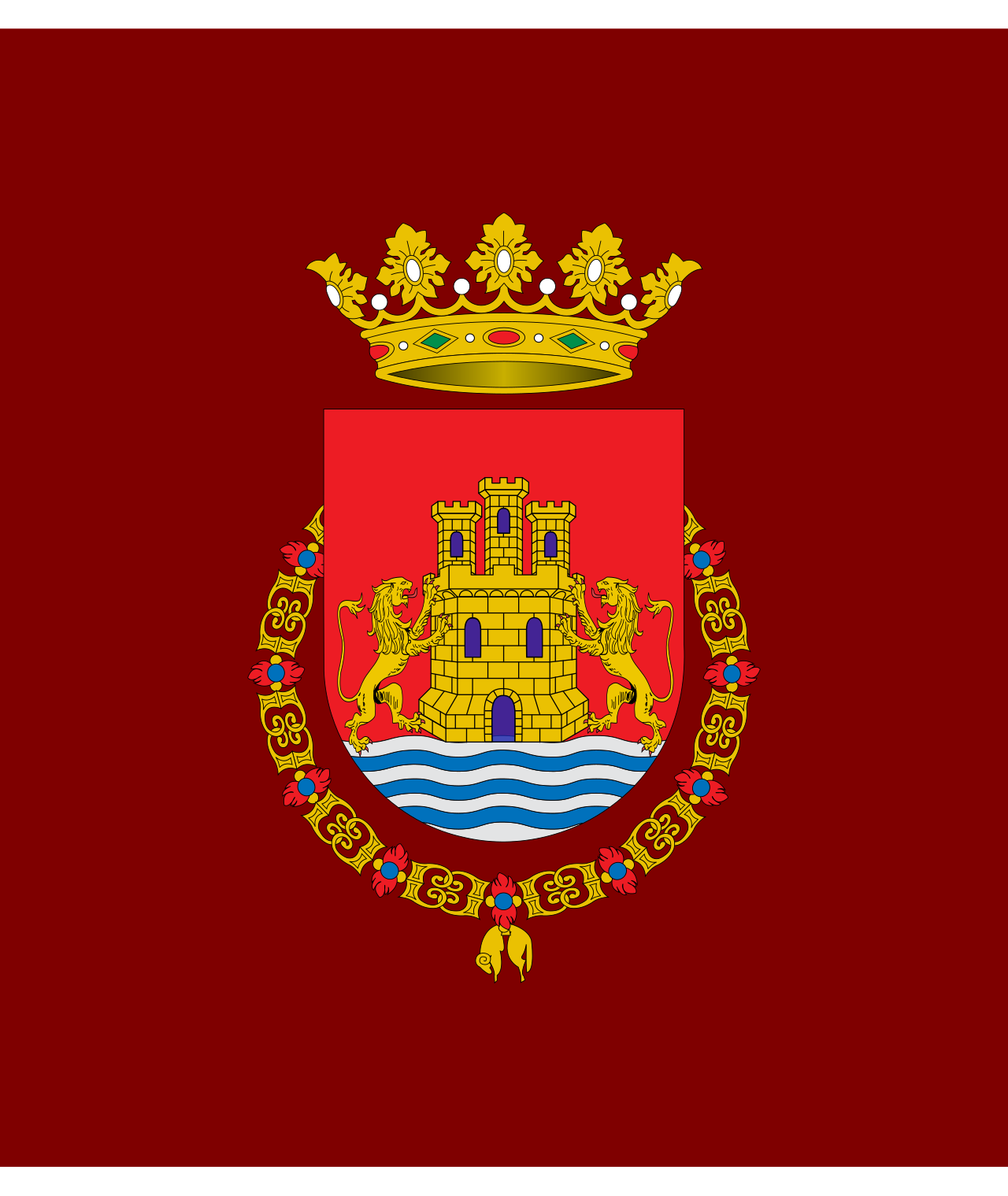
Similar traditions exist in other towns,s too. For example, for four decades now, old people have doused each other with wine in San Asensio (the same La Rioja). The next such festival — the claret battle — will be held in 2026 on July 26. Llamigo (Asturias) also has its own "wine war." More broadly, wine festivals (fiestas de la vendimia) — even if not quite so extravagant — are held in probably every region of Spain. Timed to the grape-harvest season, they run from late August to October. Among the festivals' main elements are the traditional treading of grapes by foot (an act that long ago lost its practical meaning but retained its ritual significance), the enjoyment of young wine and food, street processions, and concerts.
Behind the façade of cheerful festivals hides a centuries-long history. Grapes are believed to have first been cultivated in the Caucasus about seven thousand years ago. The grape arrived on the Iberian Peninsula thanks to the Phoenicians, who, in particular, brought winemaking technologies with them — from processing the harvest to producing and storing wine. As a note from Spain's Ministry of Agriculture states, the first confirmed grape plantings in Spain were recorded in Cádiz (Andalusia) and date to around 1,100 BC.
Important archaeological evidence includes finds from the area around Cádiz and Dénia (Alicante), where grape seeds and other traces of early winemaking were discovered, dating to roughly the 7th–6th centuries BC. In other words, by that time, viticulture was already well developed. Wine back then was a rare commodity and served as an offering to deities. It bore little resemblance to ours: after the grapes were crushed, the must was mixed with fruit and heated in an oven, resulting in a fruity, syrupy liquid.
The Carthaginians, who inherited the Phoenicians' traditions, continued the development of viticulture on the Iberian Peninsula. And the golden age for wine on the peninsula began after the Romans defeated the Carthaginians in the Punic Wars. Winemaking was especially well developed in two regions — the area around present-day Tarragona (Catalonia) and in the south, in the territory of today's Andalusia. The Romans improved storage technologies and began using barrels and glass bottles. Spanish wine became a coveted commodity throughout the empire.
After the fall of the Western Roman Empire, the Iberian Peninsula was overrun by barbarian tribes from northern Europe, and some of the plantations were destroyed. During this dark period, winemaking technologies were preserved by Christian communities and monasteries.
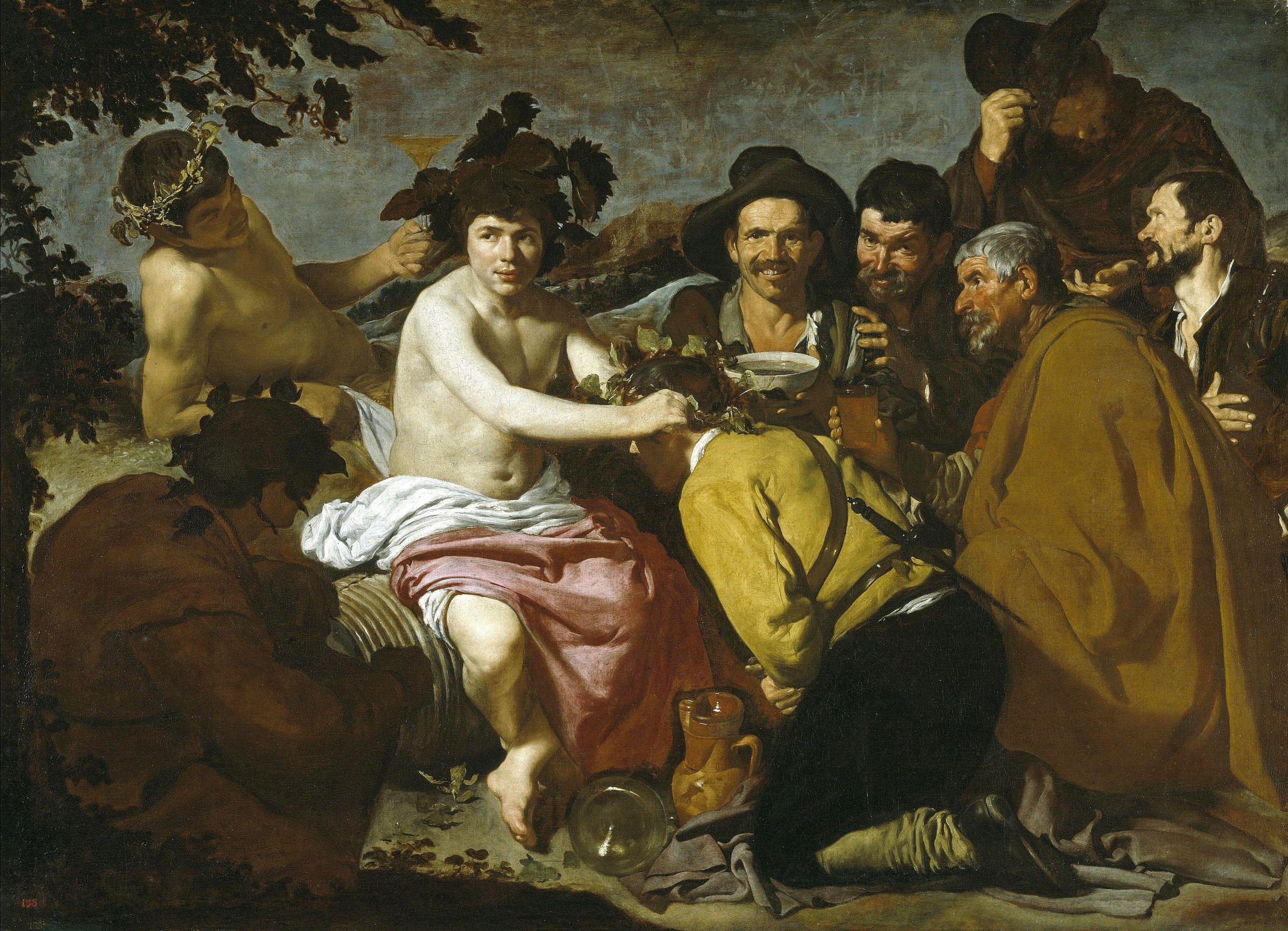
With the beginning of the Islamic period in 711, the situation changed again, but not catastrophically. Although the Quran forbids the consumption of alcohol, wine culture on the peninsula continued to develop. The Muslims themselves liked to eat fresh grapes and raisins, and Christian monasteries were allowed to continue producing wine for religious services.
The Middle Ages brought monks of various orders to Spain, who brought with them new grape varieties and technologies. The Reconquista also revived the wine export business, and the city of Bilbao became a key hub in this regard. Most of the wines sold during this period went to English markets, where they were valued as highly as French wines.
From the late 16th century, Spanish sherry became the main drink of the English aristocracy. This was helped along by privateers: in 1587, comrades of Francis Drake plundered Cádiz and carried off, as spoils, around 3,000 barrels of this white fortified wine. Queen Elizabeth I herself recommended it as the ideal wine. In parallel, missionaries and conquistadors carried Spanish vines to the New World. This later played a key role in the history of winemaking.
In the mid-19th century, a phylloxera epidemic broke out in Europe. The microscopic aphid wiped out French vineyards, and French winemakers moved en masse across the Pyrenees into La Rioja, Navarre, and Catalonia. They brought with them not only their skill but also grape varieties, including Cabernet Sauvignon and Merlot, as well as technologies: fermentation management, sulfiting, and new forms of planting. With a delay, phylloxera reached Spain too: it struck Málaga in 1878 and La Rioja in 1899. By that point, a remedy was already known: grafting European vines onto American rootstocks. The very ones whose distant ancestors had once been carried to the new continent by Spanish conquistadors.
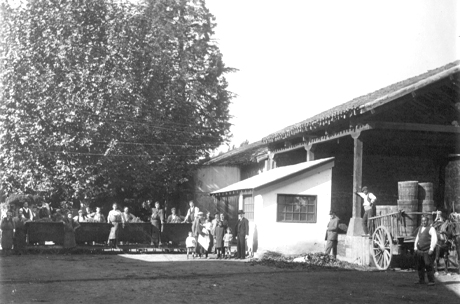
In that same period, at the end of the 19th century, the sparkling wine industry was born in Catalonia: cava appeared, and by the end of the 20th century, it had become French champagne's main global competitor in terms of sales volume. Companies emerged that still work today for the glory of Spanish winemaking: Vega Sicilia (1864), Codorníu (1872), and others.
After that, the history of winemaking coincided with the country's tragedy: the Civil War and then World War II crashed the market. The industry's recovery only began in the 1950s.
Today, Spanish winemaking is one of the country's key economic sectors. According to various sources, the wine sector accounts for between 1.6% and 1.9% of the country's GDP. The vineyard area exceeds 929,000 hectares, in first place in the world , and about 13% of all vineyards on the planet. Around 500,000 hectares are located in Castilla-La Mancha, making it the largest winemaking region in the world.
At the same time, in terms of production volume, Spain ranks only third — around 29.4 million hectoliters, behind France (35.9 million hl) and Italy (47.4 million hl). The explanation is simple: in most Spanish regions, planting density is extremely low. On the dry, poor soils of Castilla-La Mancha or Extremadura, winemakers leave two and a half meters between vines in every direction, which gives a density of 900–1,600 vines per hectare. That's less than one-eighth of the figures for Burgundy and Bordeaux.
Yet in terms of export volume, Spain ranks second (after Italy). The main buyers are Germany, the United Kingdom, the United States, France, and Portugal. Measured in litres, Spain sells more than France, while in monetary terms it lags far behind, by three to four times. This is explained by a specialisation in bulk wine: it's poured not into bottles but into special containers of 10,000 to 25,000 litres and transported to the destination country, where it's bottled on site. On the German market, Spain leads precisely because of this scheme: the Germans buy Spanish bulk wine in order to then package it under their own brands. Spanish wine is used even by the French and the Italians.
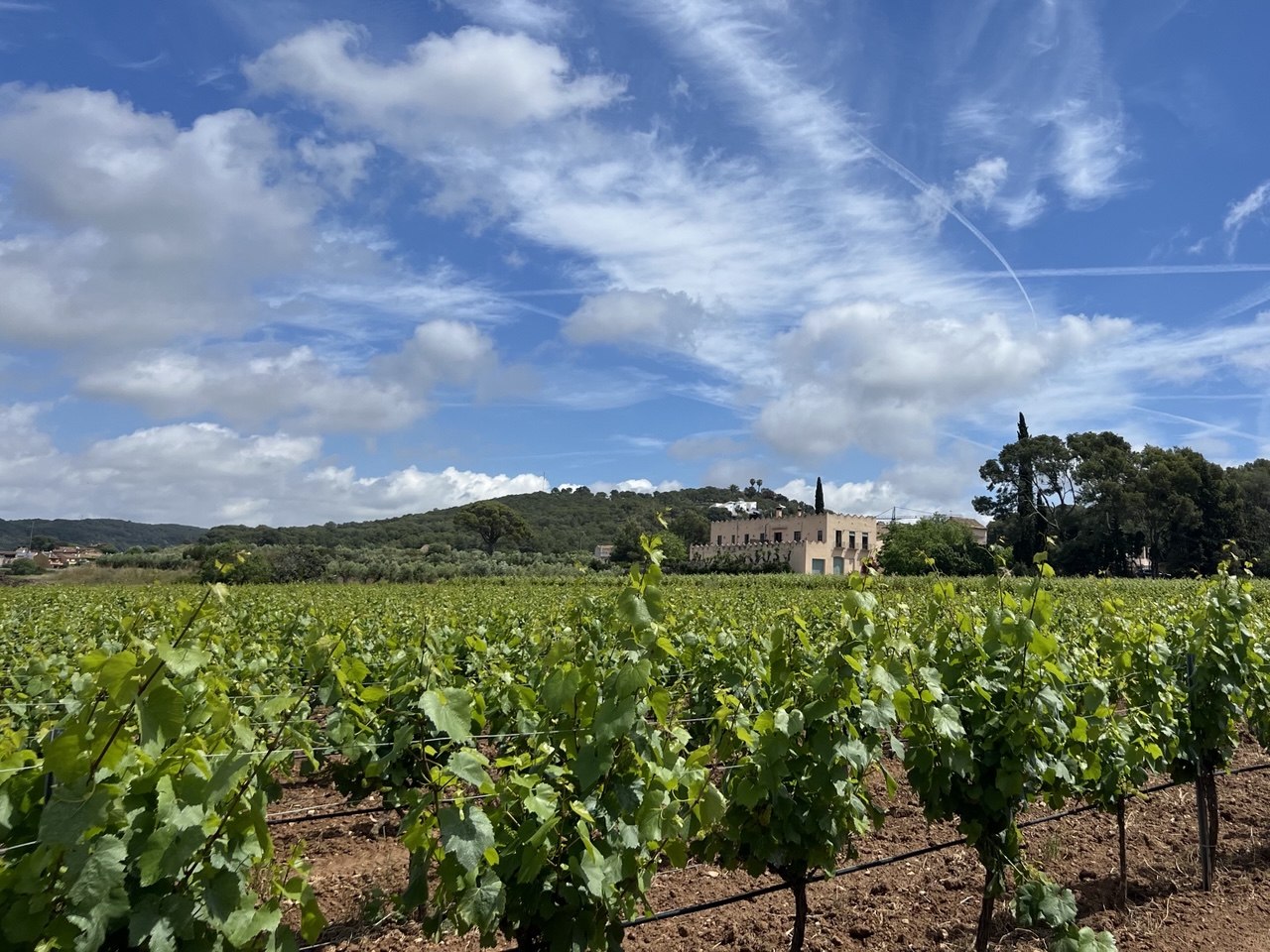
Still, it's obvious that Spanish winemaking is by no means limited to bulk wine alone: there's wine for every taste and budget. For example, the most expensive wine of those that can be found on open sale is Spanish. This refers to the products of the Aurum Red winery, located in Cuenca (Castilla-La Mancha). Only 300 bottles are produced each year, of which only 150 go on open sale. The cost of each bottle exceeds 25,000 euros. One of the reasons is the unique technological processes used in the production of wine, which no other winery has replicated. It is claimed to be the only wine in the world that gives off different aromas and flavours when the glass is swirled to the right versus the left, and that does not turn into vinegar even months and years after the bottle is opened.
Standing in front of a shelf of Spanish wines, it's easy to get confused. Crianza, Reserva, Gran Reserva, Joven, Roble, DOP, DOCa, DOQ, VP, VC, IGP — each label means something, and rare is the foreigner who can translate it into the language of taste without a cheat sheet.
It's convenient to start with the ageing scale:
The longer the ageing, the softer the tannins, the higher the price, and the narrower the circle of enthusiasts. As Lope de Vega wrote, "wine, the longer it ages, the more heat there is in it — unlike our (human — La Cotorra) nature, which the longer it lives, the more it cools down." Detailed requirements for each category are laid out, for instance, here.
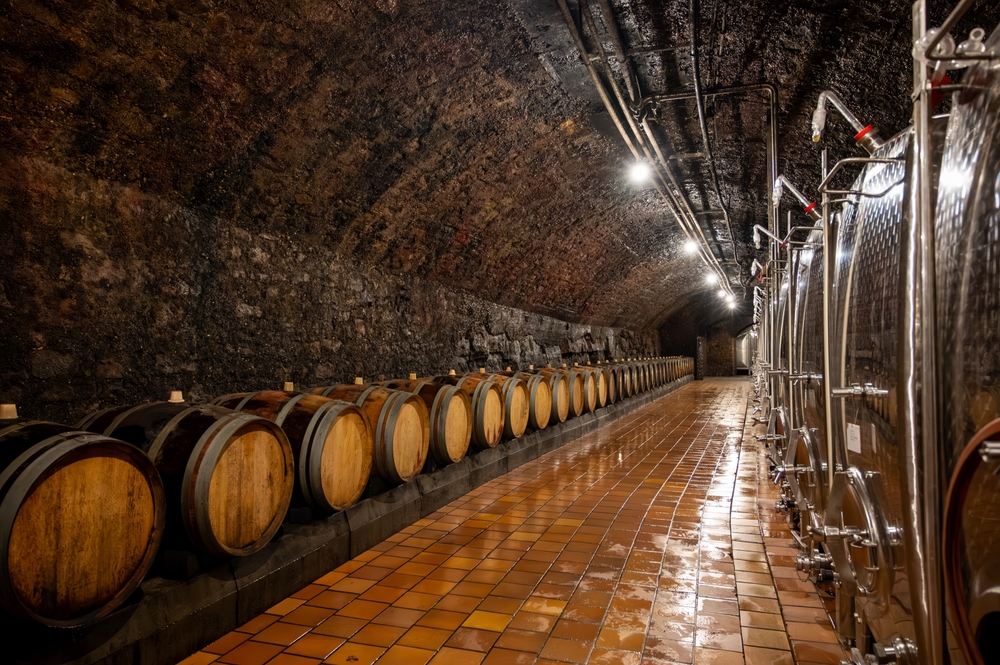
No less important are the abbreviations that tell you about the origin.
The most frequent beginner's question is what to buy at the supermarket so as not to regret it. You can orient yourself, for example, by the numerous rankings in the Spanish media. They regularly test the selection of Spanish supermarkets, publishing recommendations by segment — for example, wines under 10 euros (El Mundo, Elle, Esquire) or under 20 euros (Esquire, Directo al Paladar).
That said, more expensive by no means means better. For example, in 2025, before Christmas, the newspaper El Periódico named the 2023-vintage Clos Lojen, which costs less than 10 euros, the "second-best wine in the world." Another outlet — Esquire — called Pétalos del Bierzo, at 17 euros, the "best supermarket wine for value for money according to the most important Spanish taster in the world."
A useful guide is the Peñín and Parker ratings. Exceptional wines receive 95–100 points, excellent ones 90–94. Among them, there are even some that cost less than 10 euros.
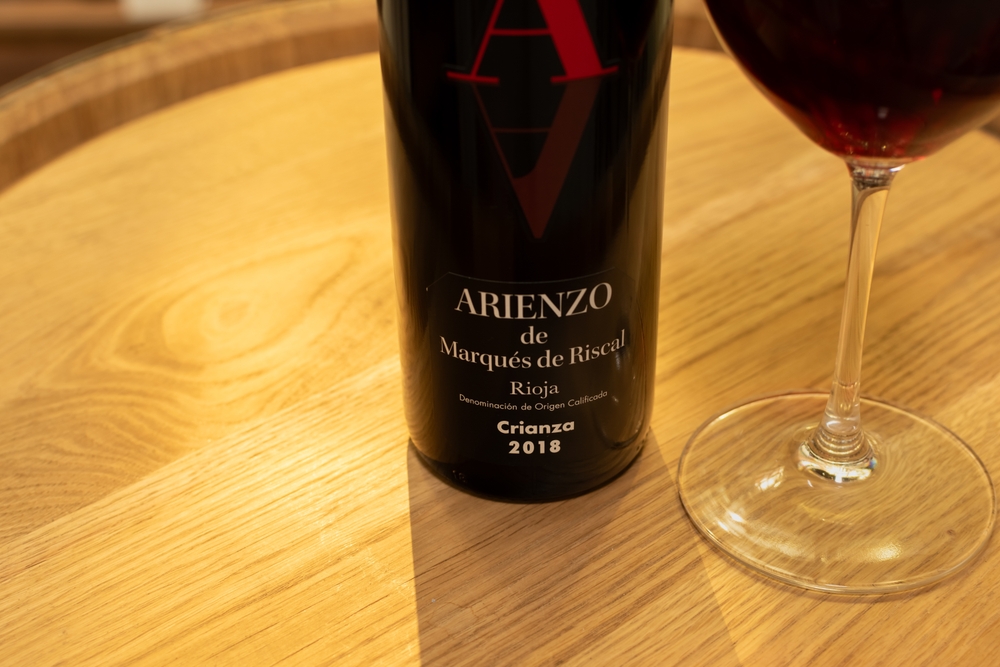
The main rivalry plays out between the red wines of Rioja and Ribera del Duero (a region that stretches 115 km along the course of the Duero River across the provinces of Burgos, Valladolid, Segovia, and Soria). Various grape varieties for red wines are grown there, but at the centre of it all is Tempranillo. The wines that result, however, are completely different. As the Pradorey winery describes it, Rioja is "the classics," while Ribera is "real rock 'n' roll." The former is soft, elegant, with long ageing in oak barrels. It pairs well with grilled meat, stew, and duck. The latter is powerful and dense, with a high level of tannins; it grips the tongue and smells of leather, smoke, and blackberry. It's perfect with lamb and braised meat.
One reason for such a difference is climatic. Rioja is characterised by a moderate continental climate with Atlantic and Mediterranean influences. In Ribera del Duero, the climate is extreme continental: in summer,r the temperature rises to +40 °C, while in winter, er night frosts (−5 °C and below) are not uncommon. The vineyards are located at an altitude of 700–900 meters above sea level, which creates a significant daily temperature range and preserves acidity in the grapes.
Listing all the regions where red wines are made would take up quite a lot of space.Generallye, there's a noticeable contrast between the cool Atlantic style in the northwest and the warm Mediterranean one in the east and south. For example, in the east, in Valencia and Murcia, the red wines are usually more mature and dense: the dominant varieties are Monastrell and Garnacha Tintorera, which yield rich, dark wines with spicy and chocolatey notes. In the northwest, in Galicia, they make light reds with a delicate body, high acidity, and a fresh fruity profile.
Among the white regions, the main ones are:
At the same time, every connoisseur may have their own classification. Salvador Dalí, for example, created for himself a system based not on grape varieties or production regions but on sensations and emotions: wines of joy, of the aesthete, of dawn, purple wines, sensual, light, generous, frivolous, veiled wines, wines of the impossible.
Meanwhile, the future of Spanish winemaking is rather hazy, as is winemaking in general. In recent years, wine consumption in Spanish households has been declining in volume, but at the same time growing in turnover — that is, Spaniards are drinking less but buying more expensive wines (and inflation plays its part too).
An important factor is that Generation Z (born roughly from the mid-1990s to the early 2010s) and younger millennials consume less alcohol than any preceding generation, which affects the overall statistics. In early June, the Ministry of Health published data showing that over the past 20 years, regular alcohol consumption among young people (aged 15 to 24) has fallen by 60%. In 2023, 17.9% of Spaniards in this age category consumed alcohol at least once a week, whereas in 2006 this figure stood at 43.8%. At the same time, wine is not especially popular among young people: it lags far behind spirits, beer, and simple cocktails.
Also telling is a study that Spain's Ministry of Health has been conducting for more than 30 years among teenagers aged 14 to 18. In 1994, 84.1% of Spaniards in this age range had tried alcohol at least once in their lives. Since 2012, a decline has been observed: from 83.9% to 73.9% in 2025.
If this study is to be believed, the percentage of those who overdo it with alcohol is also shrinking, as is the number of participants in the mass street drinking sessions (botellones) that usually accompany ferias and other city festivals.
Generation Z increasingly prioritises physical well-being, sports, and mental health over the traditional model of nightlife associated with alcohol. Instead of drinking sessions, there are now coffee parties (which aren't really parties at all, since they often take place in the morning).
Such a transformation is forcing an entire economic sector to reinvent itself to adapt to new consumer habits. For example, wineries are paying more and more attention to low-calorie and low-alcohol wines. What's more, looking at the success of non-alcoholic beer, Spanish wineries have begun investing in vacuum distillation and reverse osmosis technologies to obtain wine with an alcohol content below 0.5%.
That said, not everyone believes this is a fundamental turning point. Spirits expert François Monti, for instance, notes that the matter may be financial: if you look at spending on alcohol as a percentage of net income, young people spend just as much as older Spaniards, but the former earn substantially less. "A month of gym membership costs you less than a night of drinking, and a Netflix subscription is cheaper than dinner for two at a trusted Neapolitan pizzeria […] A 3.5-euro coffee seems cheaper if it replaces a glass of something alcoholic at 12 euros," the expert reasons, urging people to wait until Generation Z is fully on its feet financially.
The industry's other problem — the climatic one — is harder to argue with. For the 2025/2026 winemaking campaign, Spain's grape harvests are expected to come in at around 31.5 million hectoliters. This will be the worst figure of the 21st century. The year before, 36.8 million hectoliters were harvested.
Such a decline is the consequence of a whole range of factors, among them prolonged drought, heat, and the widespread occurrence of mildew (a fungal disease of the grapevine). Currently, the main grape-producing regions are located in the middle latitudes: there, the climate is warm enoug,h but without excessive heat, and relatively dr toooo avoid a strong impact from diseases, but with a sufficient water supply for the fruit to develop properly. Uneven ripening of grapes due to high temperatures and a lack of water ultimately has a strong effect on the aroma and other characteristics of the wine. For example, the alcohol content rising because of droughts directly contradicts the consumer trend — the demand for light, low-alcohol wines.
According to a number of researchers, warming above 2 °C compared to the pre-industrial level could lead to up to 90% of the land in the traditional winemaking regions of Spain, Italy, Greece, and southern California becoming unsuitable for growing grapes by the end of the 21st century. The average global temperature has already reached a sustained rise of 1.2 °C, while in the Mediterranean region it's already a matter of 1.5 °C.
The ideal areas will shift northward — for example, to the United Kingdom. The Spanish, for their part, will have to adapt to new conditions. In the short term, increased attention must be paid to protecting the vines from the sun's rays. In the medium term, planting vines ever higher (that is, in the foothills), increasing the distance between them, and betting on varieties historically characteristic of these places that are more resistant to heat. But in the long term, the only option may be to relocate to Spain's north.
There are other fronts in this war of Spanish winemaking against difficult circumstances. The industry has to react, say, to the tariff wars under Donald Trump's protectionist policy. Imports of wine into the US from Spain in 2025 fell by 16.5% in value and by 2.9% in volume. Before that, the situation was complicated by Brexit, which officially took place overnight on February 1, 2020. After the United Kingdom's exit from the EU, the bureaucratic burden on Spanish exporters grew, and insurance rates increased. Small winemaking estates without a British distributor were forced to leave the market.
Still, Spanish winemaking has proven more than once that it will survive in any conditions: neither barbarian invasions nor Trump's tariffs are fatal to it. The industry is constantly changing, acquiring new features, yet without losing its significance as one of the key symbols of Spanish culture.
Spaniards call bars "secular churches." It's an institution around which all social life revolves. And a glass of elegant Rioja or refreshing Albariño was, is, and probably will remain an unchanging attribute of this part of their lives that is so important to Spaniards.
Related Articles
Valencia Brings Back Free "Sunset in the Albufera" Tours for July 2026
As part of the Gran Fira de Valencia 2026, the city offers free guided nature walks and a sunset boat ride across the lagoon — registration is now open
Lionel Messi Becomes World Cup's All-Time Top Scorer
Two goals against Austria take the Argentina captain to 18 World Cup goals, breaking Miroslav Klose's record — with Kylian Mbappé closing in
Spain Celebrates San Juan: Bonfires in Valencia, Firecrackers in Barcelona, and Horses in Menorca
On one of the shortest nights of the year, the country marks Saint John's Eve in wildly different ways — from Alicante's giant burning figures to Galicia's herb-infused water and Valencia's midnight beach wishes
Loading…
Loading…