

Support La Cotorra on Patreon
Access exclusive content, special perks, and closer connection with us.
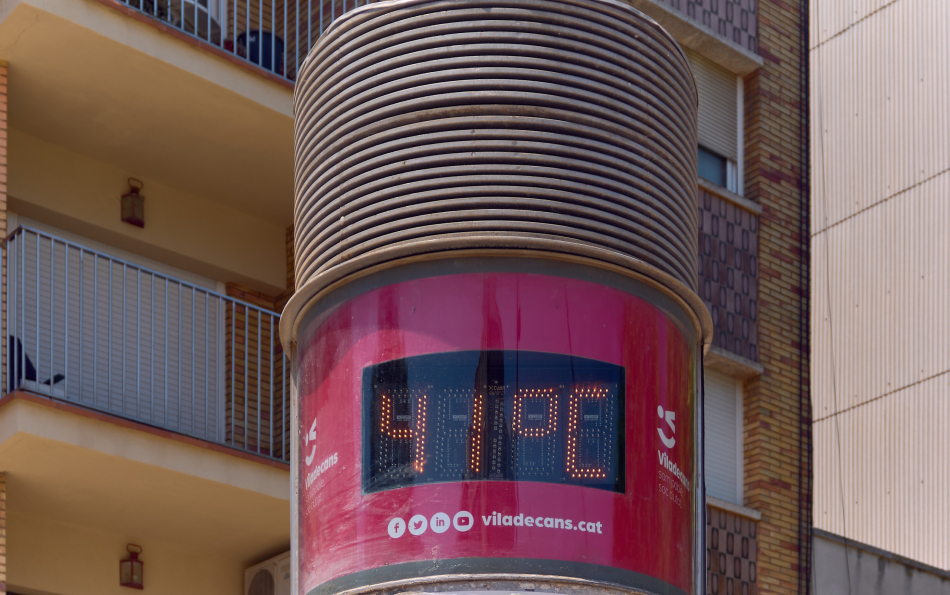
Spain's daily mortality monitoring system (MoMo) has reported 212 deaths due to the heat that lasted from June 21 to 25. The worst-affected regions were those in the central and northern parts of the country.
The deadliest day was Wednesday — it accounted for almost half of all fatalities (95). Monday recorded 38 deaths, and Tuesday 66. In total, 380 heat-related deaths have been preliminarily recorded for June — more than half of them attributable to the current wave.
Diana Gómez, a researcher at the National Center for Epidemiology (CNE), stressed that these are preliminary figures that will need to be refined over the course of the week. MoMo does not record actual deaths but makes a statistical projection, comparing actual and expected mortality while factoring in temperature.
According to AEMET, June 22 and 23 were the hottest June days in Spain since at least 1950. For the first time in the country's history, the minimum nighttime temperature exceeded 30 degrees, and it held for several nights in a row.
Of the 212 deaths, 200 were among people over the age of 65, and of those, 148 were over 85. By region, the highest mortality was recorded in Catalonia (43), Castilla y León (32), the Basque Country (30), Madrid (28), Andalusia (18), Navarre and Aragon (13 each), Castilla-La Mancha (11), the Valencian Community (8), Asturias (7), Galicia (5), as well as in Cantabria, Extremadura, and La Rioja (3 each).
Experts warn that heatwaves are beginning earlier and earlier. According to Gómez, a CNE study now in its final stages indicates that "the earlier a heatwave begins, the stronger its impact on mortality."
During hot weather, Spain's Ministry of Health recommends:
— drinking water frequently, even if you don't feel thirsty, and regardless of physical activity;
— avoiding drinks containing caffeine, alcohol, or large amounts of sugar, as they can contribute to dehydration;
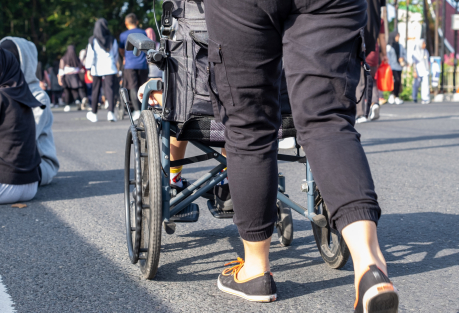
— paying special attention to vulnerable groups: infants, children, pregnant and breastfeeding women, the elderly, and people with chronic conditions (cardiovascular, kidney, diabetes, hypertension, obesity, cancer, mobility impairments, dementia, and other mental disorders);
— staying in cool places, in air-conditioned spaces where possible;
— avoiding being out in the sun during peak heat hours (from 12:00 p.m. to 5:00 p.m.);
— wearing light, light-colored, and loose clothing, as well as hats and sunglasses;
— using sunscreen with a high level of protection (SPF);
— reducing physical activity, especially outdoors during the hot hours;
— ventilating rooms at night or early in the morning, when the temperature is lower;
— storing medicines in cool places, away from direct sunlight.
Related Articles
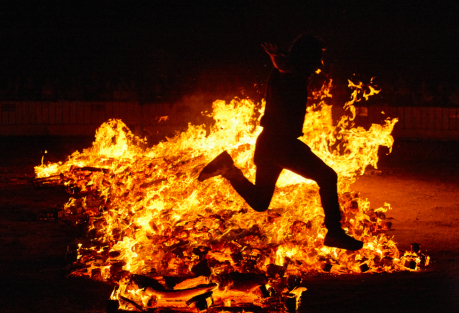
Spain Celebrates San Juan: Bonfires in Valencia, Firecrackers in Barcelona, and Horses in Menorca
On one of the shortest nights of the year, the country marks Saint John's Eve in wildly different ways — from Alicante's giant burning figures to Galicia's herb-infused water and Valencia's midnight beach wishes
Valencia Brings Back Free "Sunset in the Albufera" Tours for July 2026
As part of the Gran Fira de Valencia 2026, the city offers free guided nature walks and a sunset boat ride across the lagoon — registration is now open
Lionel Messi Becomes World Cup's All-Time Top Scorer
Two goals against Austria take the Argentina captain to 18 World Cup goals, breaking Miroslav Klose's record — with Kylian Mbappé closing in
Spain Celebrates San Juan: Bonfires in Valencia, Firecrackers in Barcelona, and Horses in Menorca
On one of the shortest nights of the year, the country marks Saint John's Eve in wildly different ways — from Alicante's giant burning figures to Galicia's herb-infused water and Valencia's midnight beach wishes
Loading…
Loading…