01
La Bodeguita de Carmen
A small spot on the Plaza de la Señoría. A good option for tapas, a glass of wine, or lunch without the beach hustle and bustle. The atmosphere is more local than touristy.
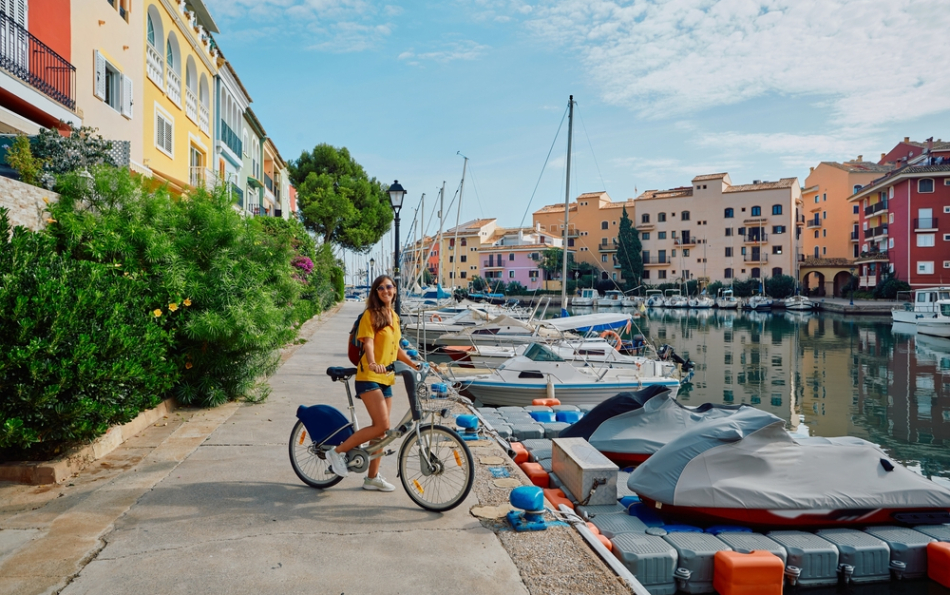
Port Saplaya looks nothing like Valencia, or indeed like Spain itself. The place is reminiscent of Venice: colourful houses are reflected in the water, boats and yachts are moored right beneath the windows, and between the canals there are little bridges, palm trees, and restaurant terraces. Spaniards come to Port Saplaya to spend a leisurely day, while foreigners come to see the unusual district and shoot content for social media.
At first glance, everything looks ordinary — a normal street with residential buildings. But the moment you dive into a narrow flight of stairs, easy to miss at first sight, you find yourself in another world. Before your eyes opens a wide, rectangular inner courtyard-canal with its own parallel reality. Façades in light, cheerful shades, the splash of water, and flower pots. One of the locals is relaxing on a balcony, another is fussing over their yacht.
But behind the postcard image of this unusual coastal district lie no less surprising features: engineering problems, storms, a marina that constantly has to be pumped free of sand, and people who have lived for years on their yachts, literally a few kilometres from the centre of Valencia.
La Cotorra spoke about this and other aspects of the district with a Russian-speaking yachtsman who lived for several years on his vessel in Port Saplaya.
Port Saplaya is located in Alboraya, about seven kilometres from the centre of Valencia. At first glance, you might think it's an authentic fishing village with a rich history. But in reality, Port Saplaya is the result of an architectural gamble and an ambitious developer's project.
In the 1970s, the project was conceived by entrepreneurs together with the owners of Alboraya's coastal land — mostly farmers who grew chufa for the famous Valencian horchata. Instead of agricultural fields, they decided to create a residential quarter with an artificial marina, modelled on the French Riviera and the Italian Riviera, so that residents could keep a boat literally on their doorstep.
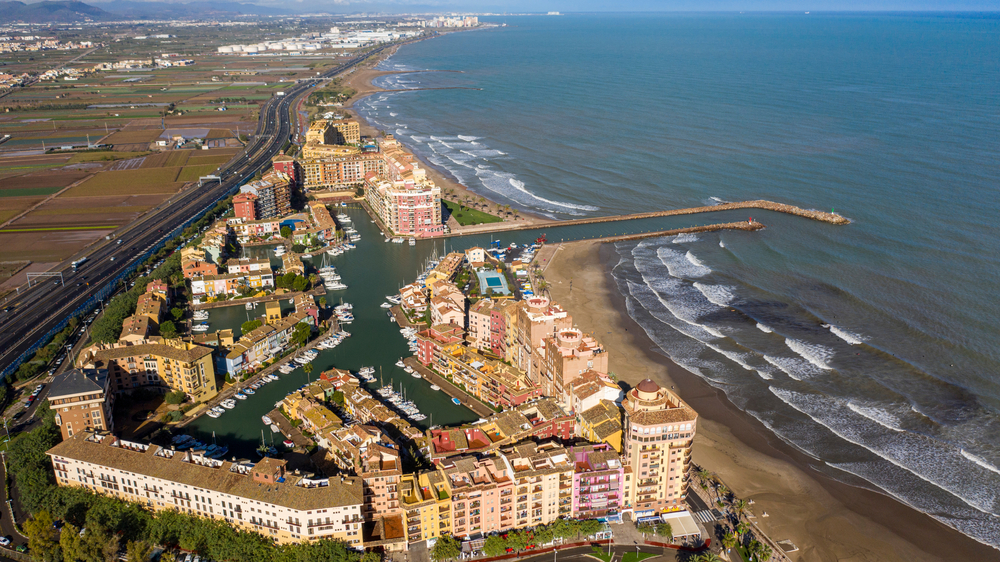
Port Saplaya was originally conceived as a resort area with second residences, but now around two thousand people live here permanently. The district has become so recognisable that for many it exists as a separate town, although in fact Port Saplaya is part of Alboraya.
From the very beginning, the project caused controversy. On the one hand, Port Saplaya quickly became one of the most recognisable coastal developments in the area around Valencia. On the other hand, engineers and urban planners criticised the very idea of building an artificial marina in this spot: the district effectively appeared on an open coastline where there had originally been no natural bay.
Alexander Krakenov-Belotserkovsky, a Russian-speaking resident of Valencia, rented a berth for his yacht in Port Saplaya for two years. During that time, the marina became almost a second home for him.
"I was bringing a yacht over from France to Valencia at the time and looking for a berth. Port Saplaya seemed to me an incredibly beautiful place, and relatively inexpensive at that. A few years ago, a yacht berth cost around €200 a month, while in other marinas it was already €300. Now, of course, the prices have become much higher," Alexander says.
The longer he lived inside this "postcard," the more he began to notice its peculiarities.
"The main problem with Port Saplaya is sand. When the levante (a strong easterly wind) comes, the sea literally starts clogging the canals with sand. Because of this, the depth decreases, and sailing yachts with a deep keel sometimes simply can't get out of the marina," Alexander says.
His vessel's draught is 1.65 metres. There were days when his yacht literally scraped the bottom and was turned sideways across the canal.
"To keep the marina working, the local services have to constantly clear the bottom of sand. And the boats and yachts themselves need regular washing to remove the build-up that forms in the stagnant water: the circulation there is weaker than in other bays," Alexander recalls.
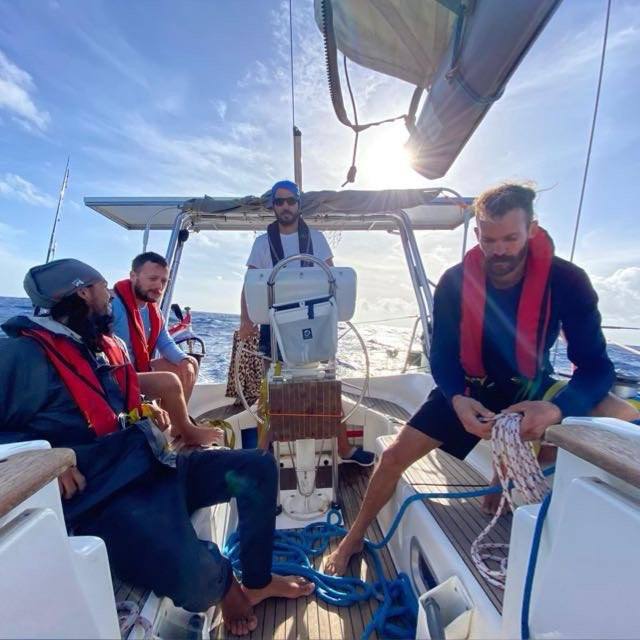
This combination of the beauty of a Mediterranean resort and the constant struggle for a man-made bay largely creates the atmosphere of Port Saplaya. There's no sense here of an elite, gated district, as in some marinas along the coast.
Anyone can walk into the courtyard canals and onto the miniature squares, stroll along the moorings of pristine white boats and sailing vessels, and see the locals drinking coffee on their spacious balconies.
"In summer, it's a very touristy area. People can just walk along the boats and take photos. Sometimes foreigners even climb onto the yachts for a selfie. They climbed onto my yacht like that. That, of course, is going too far," Alexander says.
There are no cars inside the quarters, and most of life is centred around the pedestrian passages and inner courtyards.
Port Saplaya doesn't look like a continuous line of restaurants and tourist terraces. Many spots here are tucked away between the houses or right by the canals, creating that very atmosphere of Italian courtyards. You can turn by chance into a passageway and find a small restaurant right by the water.
Port Saplaya's beach is also very different from Valencia's central beaches. There's less noise here, a wider shoreline, and a calm atmosphere.
The unusual combination of resort aesthetics, a residential district, and a 1970s engineering utopia makes Port Saplaya a special place.
Alexander moved out of Port Saplaya to another district of Valencia long ago — keeping a yacht in that bay turned out to be no easy matter. But he still comes there to show this beautiful and unusual place to his clients, for whom he organises yacht trips.
"From the sea, Port Saplaya looks completely different. Very beautiful, especially in the evening. But I still prefer to be there as a guest," the yachtsman says.
If, after a walk along the canals, you feel like staying for lunch or dinner, here are four tried-and-tested spots in the "Venetian" part of Port Saplaya — not on the beach, but among the inner courtyards, canals, and boats.
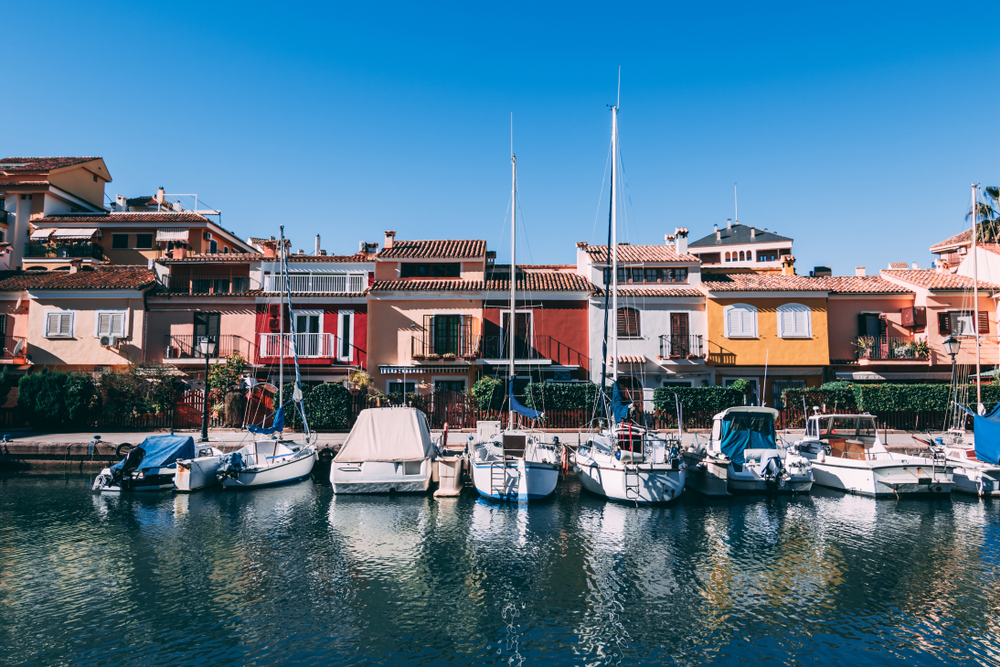
A small spot on the Plaza de la Señoría. A good option for tapas, a glass of wine, or lunch without the beach hustle and bustle. The atmosphere is more local than touristy.
One of the most prominent restaurants on the Plaza de la Señoría, next to the canals and colourful façades. Suitable for a first acquaintance with the district: a terrace, views, Mediterranean cuisine, and rice dishes. Booking a table is recommended, especially at weekends.
A restaurant in the heart of Port Saplaya, next to the port and the canals. A good option for a full lunch.
An Argentine restaurant on the Plaça Major. A good choice if you fancy not paella but meat, empanadas, and a more substantial dinner. A good option for a group after a walk along the canals.
Related Articles
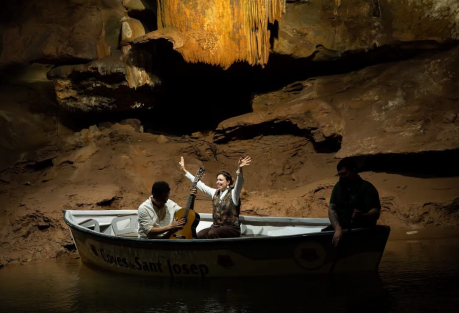
A Peruvian Duo Lost Everything in the DANA Flood — Then Wrote a Song About It with Greenpeace
Alejandro y María Laura lost their piano and almost everything they owned. Nine months later, the house is restored, a Greenpeace video clip is out, and a new album is on the way — still written about whatever happens to them
First Designs for Valencia's 2027 Fallas Unveiled — a 20-Metre Nino Bravo to Crown the City
The main municipal falla on the Plaza del Ayuntamiento will feature a monumental figure of the Valencian singer under the slogan "Vuelvo a mi tierra," built entirely from eco-friendly material
Loading…
Loading…