
Support La Cotorra on Patreon
Access exclusive content, special perks, and closer connection with us.
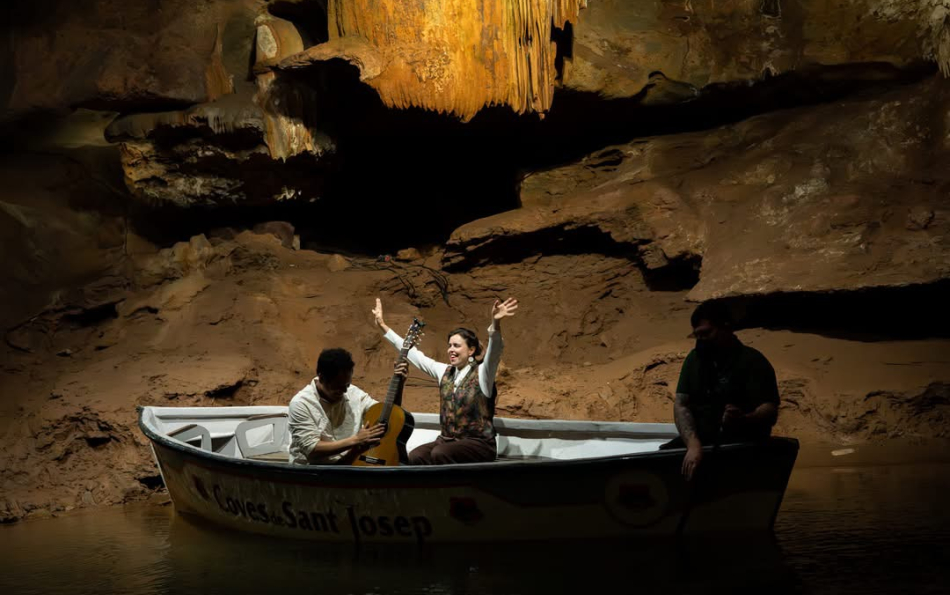
Peruvian indie-folk duo Alejandro y María Laura — musicians with a global audience of tens of thousands, a Latin Grammy nomination, and tours across Europe and Latin America — now live in Paiporta, near Valencia. In the autumn of 2024, their home was flooded during the devastating DANA disaster. They lost their instruments and almost all their possessions, but survived — and some time later wrote a song called "El río no tiene la culpa" ("The River Is Not to Blame"), then released a music video in collaboration with Greenpeace, turning a personal catastrophe into a statement about climate and responsibility.
La Cotorra spoke with the musicians about surviving the loss of a home, what emigration really involves, and how their lives work between countries, concerts, and living-room gigs.
Alejandro y María Laura is a family-musical project in which it is almost impossible to draw a line between life and art. They met in Lima, began playing together while still at university, and have been inseparable ever since — as a couple and as co-writers. Over that time, their music has grown from intimate performances and songs written for themselves into a sustainable international project that allows them to live entirely from their creative work.
"We've been making music for 18 years," says Alejandro.
"And almost all of it is our life," adds María Laura. "Everything we go through — migration, parenthood, change — becomes songs."
They write together and don't divide songs into "mine" and "yours." If one starts working on an idea, the other almost always joins in — and that is how their way of composing has taken shape.
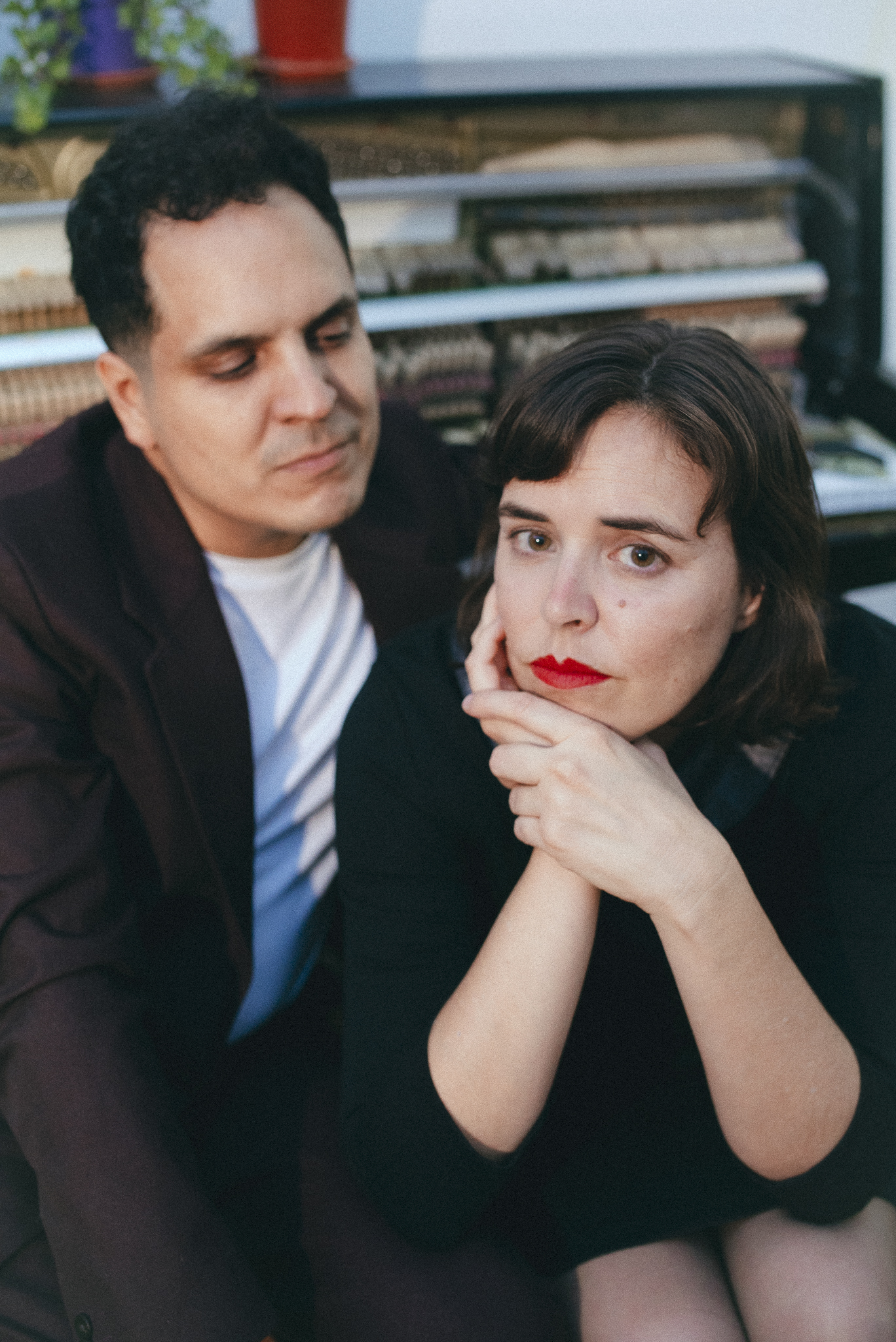
They tour the world — across Europe and Latin America. Yet their routes don't follow the conventional logic of touring: they play wherever a connection with an audience arises, whether at a festival, a theatre, or entirely unexpected venues.
"In Poland, we performed at a theatre festival, in a hall fitted out in an old barn," Alejandro recalls. "We only sang in Spanish, the audience didn't understand a word, but the hall was full, and the crowd was completely with us."
They decided to leave Peru during the pandemic: the lockdown brought their work to a near-standstill, concerts vanished, and schools in the country closed for almost two years at precisely the moment their daughter was due to start school. They spent around two years in Mexico, where they were able to return to performing, then set out on a European tour — including opening for the well-known American indie band Calexico — and played around 20 concerts in a month. That was when, Alejandro says, it became clear that their music was resonating beyond the Spanish-speaking audience,s too.
In 2023, they moved to Spain and settled in Paiporta, near Valencia.
In the autumn of 2024, the DANA disaster struck the region,n and their home was flooded. The water rose to the level of their piano — the instrument on which they played and wrote music at home. It could not be saved. The piano now stands on the terrace — partly dismantled, keys broken, flowers resting on the lid.
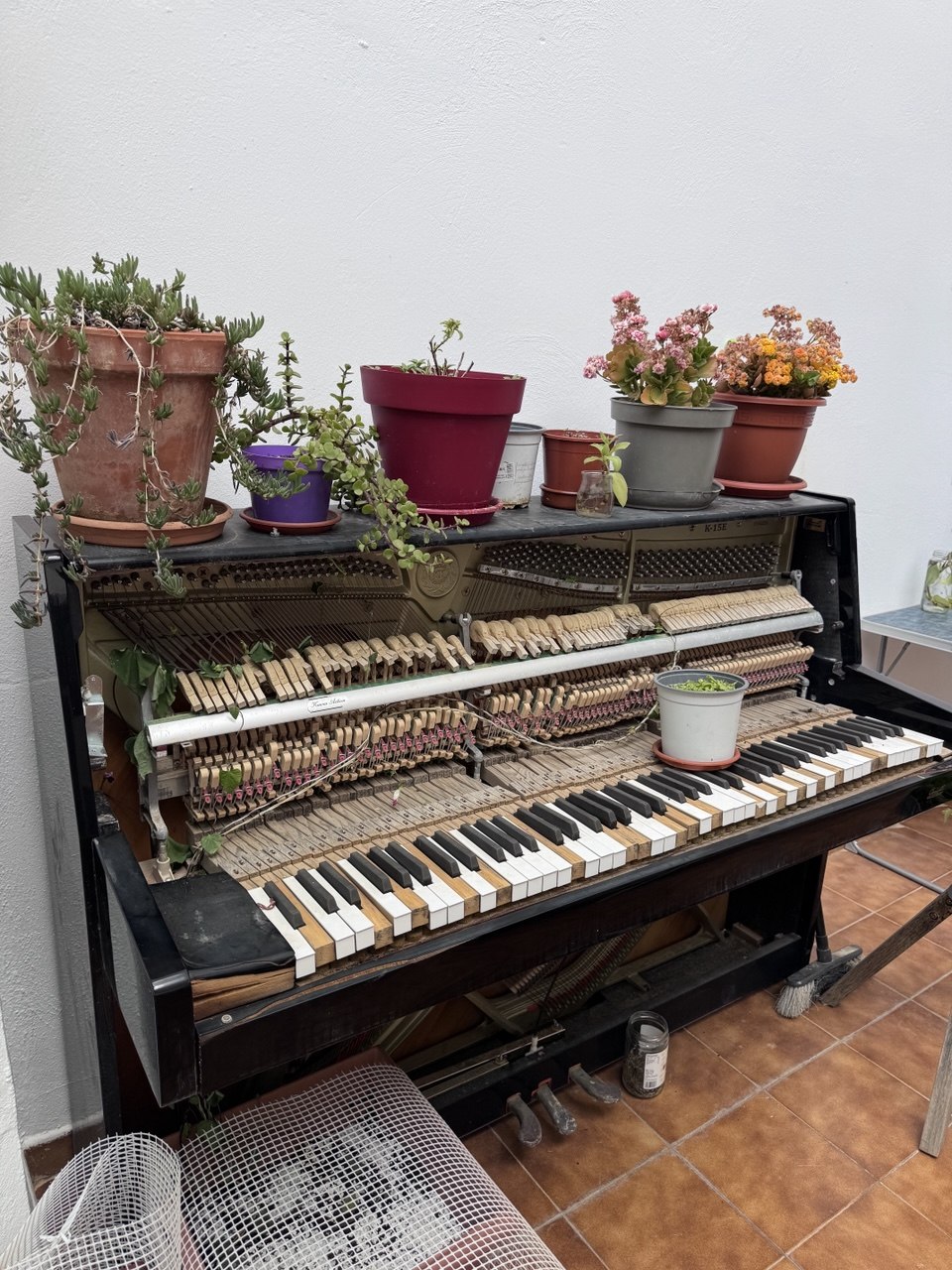
"We decided to keep it," they say. "It's a memory of what happened."
That day, they were at home with their daughter.
"We didn't understand what was happening," María Laura recalls. "Water started coming into the garage, and I went to move the car."
Alejandro stayed behind with the child; for a time,e they had no contact with each other.
It was very frightening. The feeling that you are not in control of anything.
María Laura
They lost instruments, some equipment, and belongings. Restoring the house took almost nine months.
"It was a hard year," says Alejandro, "but we kept working, kept touring, and that kept us going."
That experience became the foundation of the song "El río no tiene la culpa" — one of the most candid in their repertoire. In it, they speak not only of personal trauma, but of how the flood cannot be reduced to a natural disaster alone.
It's important to talk about responsibility — if the warning had come in time, lives could have been saved.
Alejandro
They filmed the music video together with Greenpeace in the fields of the Albufera, to show the broader context of the catastrophe — the vulnerability of the territory, the consequences of climate change, and how events like this become part of everyday life.
The musicians say this collaboration was the moment they became truly immersed in the local reality.
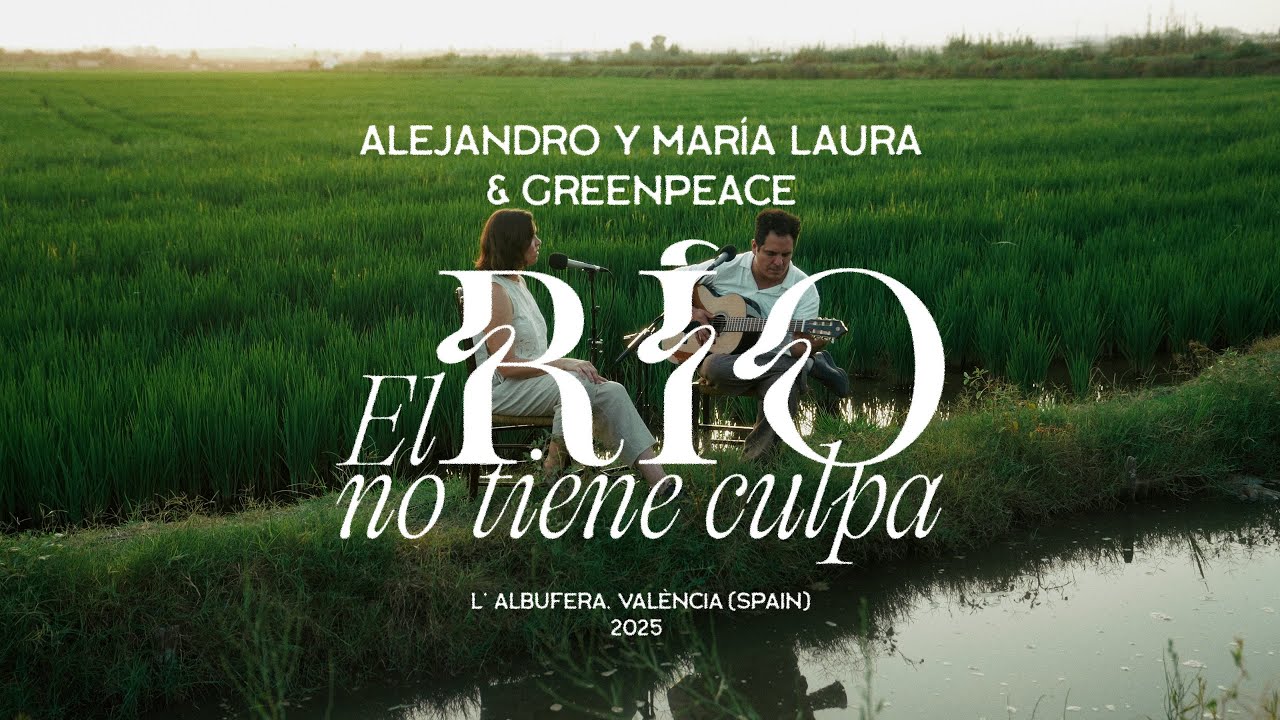
"This catastrophe brought us closer to Valencia," says Alejandro. "We went through it together with the people around us and for the first time felt like part of this place."
Their concerts are built not as sets of songs but as conversations — about emigration, about the loss of home, about how your sense of self shifts in a foreign country. Their lyrics are full of details that cannot be invented: nostalgia for the food of childhood, the feeling of living in two places at once.
Despite their successful international career, they consciously preserve an intimacy in their work. In 2025, the duo received a Latin Grammy nomination — one of the most prestigious music awards in Latin America — but it did not change their approach to what they do.
Hence,e their project La Casa No Existe ("The House Does Not Exist") — a series of living-room concerts, held at their own home and in the homes of friends, with no stage, no distance, and direct contact with the audience.
"For a long time we didn't know where our home was," says María Laura, "and that feeling was both unsettling and liberating."
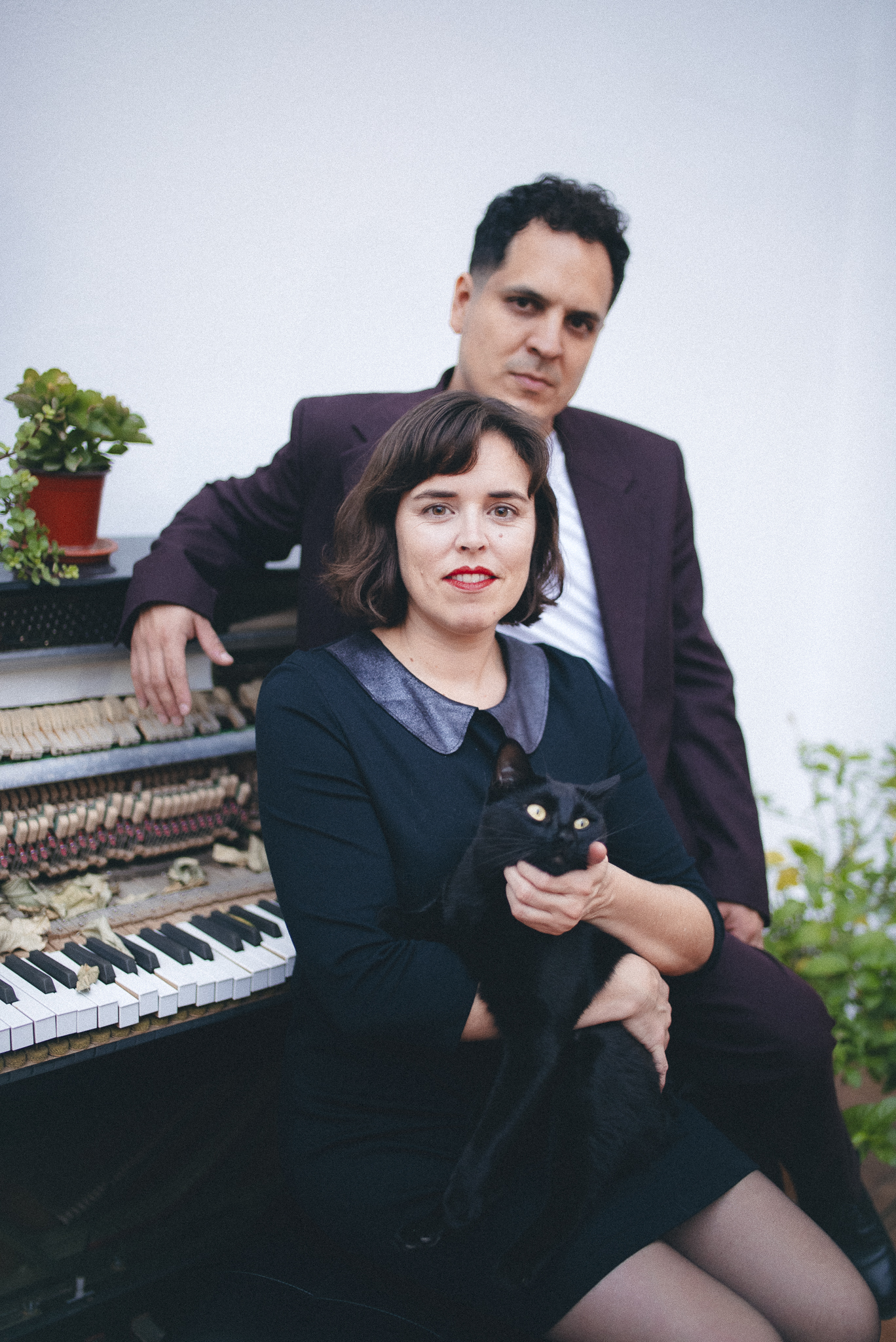
In Spain, they say, they found a sense of grounding: a free school for their child, a healthcare system, and the ability to build a life not organised entirely around work. This balance — between loss and gain — became the foundation of the album Dos Hemisferios ("Two Hemispheres"), in which life is divided between two spaces, and each of them remains important.
They are now working on a new album, which they plan to release within the next year. It will include the studio version of the DANA song, as well as new compositions — among them a song of gratitude to the people who were there for them, and reflections on how what they lived through has changed the way they see life.
"We don't try to write songs on a given theme," says Alejandro. "We just write about what happens to us, and if that connects to something bigger happening in the world, then it's not a coincidence."
Related Articles
Beyond Paella: Discovering All i Pebre, Valencia’s Best-Kept Culinary Secret
Deep in the heart of the Albufera wetlands, the fishing village of El Palmar preserves a traditional, rich garlic and wild eel stew that tourist traps completely miss
Loading…
Loading…