




Support La Cotorra on Patreon
Access exclusive content, special perks, and closer connection with us.
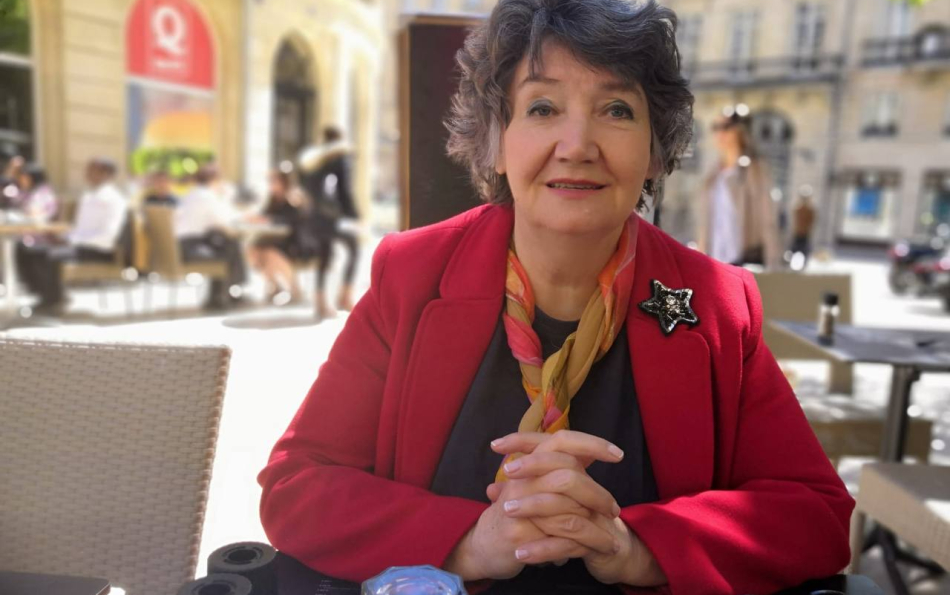
Today, someone who has just arrived in Valencia can, within minutes, find a Russian-speaking neighbourhood chat, a lawyer, a doctor, a rental apartment, a handyman, a babysitter, and even company for a picnic. Twenty-five years ago, before social media and immigrant online communities existed, the system of mutual support looked completely different. People arrived with addresses and phone numbers jotted down in a notebook, with the names of people they barely knew, chance recommendations, and the hope of finding at least some foothold in a new place. The "join group" function didn't exist yet, and if you needed to find your own people, you didn't search for a chat — you looked for a specific spot in the city.
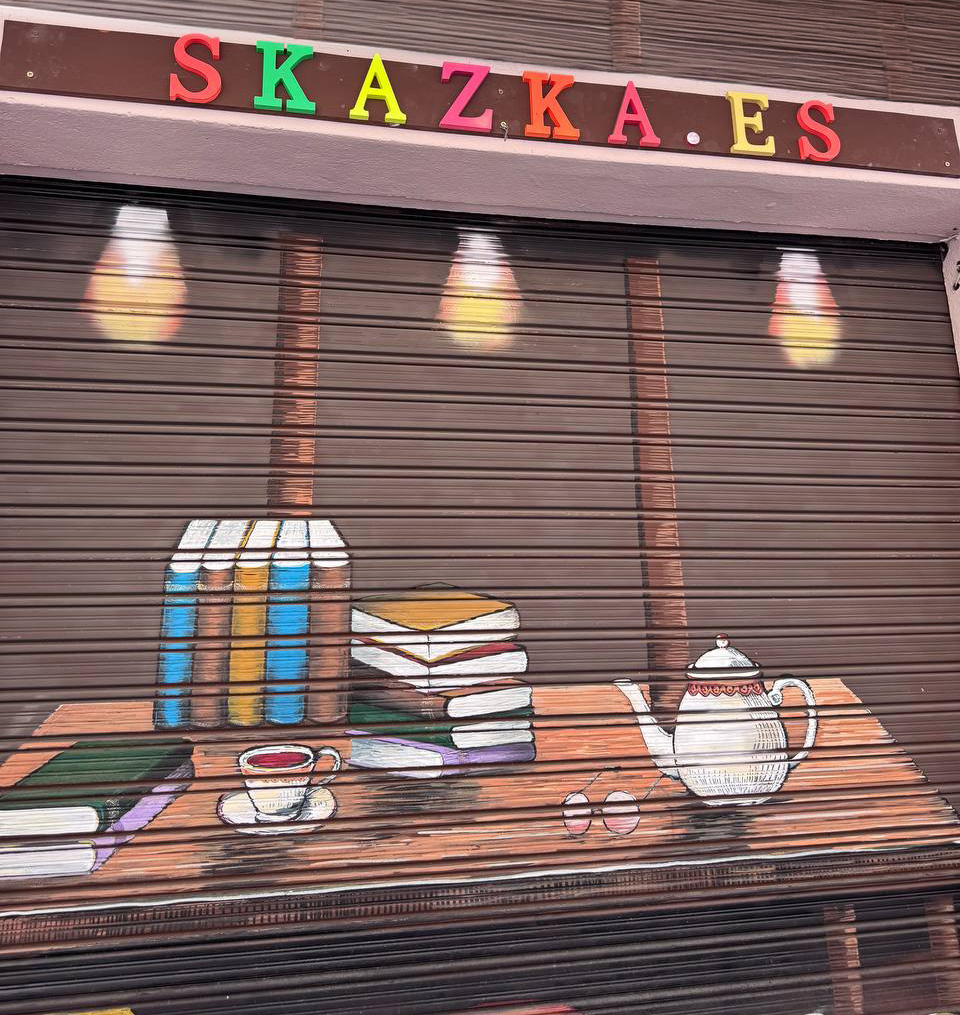
In Valencia, that place was "Skazka" — a store selling products from the former Soviet Union, which gradually became, for the city's first Russian-speaking residents, a point where news, requests, acquaintances, first jobs, housing searches, and attempts to settle into a new country all intersected. Here people bought herring, buckwheat, dumplings, and books, sent parcels, and wired money home. But people didn't come here just for goods: at Skazka, they asked for advice, left notices, made friends, and simply spoke their native language when it was hardly heard anywhere around them.
Behind the counter back then stood Valentina Kostrova and her husband, Vladimir.
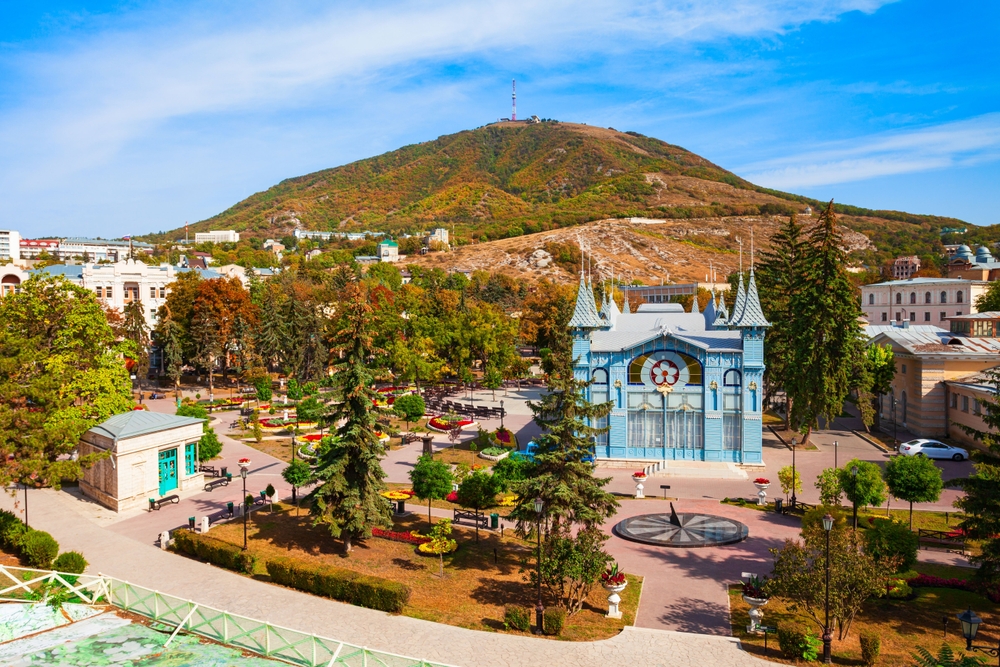
Valentina is now 76, and she and her husband have lived in Valencia for a quarter of a century. She arrived in Spain in 1999, though she hadn't originally planned to come here at all. Before moving, she had a fairly comfortable life in Pyatigorsk: by the standards of the 1990s, the family was well-off, Valentina had her own fur-coat workshop, a house, an apartment, cars, and a familiar social circle. She doesn't consider herself among those who were lifted out of poverty. But the country was changing too abruptly; everything accumulated over the years could vanish; the old rules no longer worked, and the future was becoming increasingly uncertain.
"I decided to leave for a year, to see how people lived abroad. Actually, I wanted to go to France, because I knew French well and loved that country. But the agency that helped with employment abroad could only offer a move to Spain. Well, I thought, I'd already asked my husband, I was already packed, what difference did it make — I'd go to Spain," Valentina recalls.
She came to Madrid through an agency that, at the time, arranged jobs abroad for women as housekeepers. It was an era of semi-legal middlemen, verbal agreements, and trust that was often built simply on the absence of other options.
"There were 15 of us women. They put us up in one big apartment, took 300 dollars from each of us, took our passports, and started preparing us to work in Spanish households. They gave us money for groceries, gave us Spanish recipes, taught us to cook traditional dishes, and then came to taste what we'd made," Valentina says.
According to her, in the early 2000s, there was strong demand in Spain for household help. The country was doing well, many families could afford a housekeeper, and so it was much easier to find undocumented workers than it is today. Valentina was chosen almost immediately: her driver's license and good French played a role.
Just a few days later, she was told she'd be going to work in Cullera, a town on the coast of the Valencian Community. They bought her a bus ticket, gave back her passport, and handed her an envelope with the employer's name and the name of the stop where she was supposed to get off written on it. She had almost no money left, no phone, and barely spoke any Spanish.
I sat on the bus and thought: my God, a 50-year-old woman, and she's traveling alone, with no money, in a foreign country, going who knows where. If no one meets me, or I get off at the wrong stop — what will I do? Where will I go? Now, looking back, I think about how reckless I was.
Valentina
Someone did meet her. The employer lived in a big house on a hill; the family had a little girl whom Valentina was to look after in addition to the housework. In the morning, she'd drive the child to school, then go shopping for groceries, cook lunch, pick the girl up again, and watch her until evening. Valentina spoke French with the employer, but almost right away asked him to speak Spanish with her instead. There were no Spanish courses for foreigners back then, so she had to pick up the language literally by ear — in shops, on the street, in conversations with neighbours, through the child's requests and everyday situations. It was easy to make mistakes, but there was no other way to learn.
Her first months in Spain stayed with her not just as a time of confusion but also of constant amazement. After Russia, at the end of the 1990s, everyday life in Spain seemed generous and unusually calm. Even an ordinary shop was impressive: long rows of fruit, freshly baked goods, olive oil. Products simply sat on the shelves and surprised no one. Valentina still remembers buying herself a kilogram of tangerines and eating them right on the way home.
Fairly quickly, she left her first Spanish job and began working in the kitchens of coastal restaurants, sometimes sixteen hours a day. The schedule was gruelling, but she wanted to get to know the country from the inside: how Spanish homes were run, how the restaurant business worked, when families gathered for coffee, how neighbours talked on the street, why the owners themselves stood at the stove and worked harder than the hired staff. This curiosity, Valentina says, helped her a great deal back then.
It was precisely this trait that gradually drew her into Spanish life. When Valentina started taking on cleaning work in private homes, she was often invited to sit down for coffee. The women of the house would ask her about Russia, about books, about politics, about family. They were struck that a woman with an engineering degree, her own business, good French, and knowledge of literature had come to work in a kitchen.
They looked at me like I was some kind of exhibit. There were hardly any Russian-speaking people in Spain. They couldn't understand how an engineer could end up here working as a kitchen assistant. I'd explain what had happened to us, how people weren't being paid their wages, how the country was going through it. They were interested in everything: Tolstoy, Dostoevsky, the details of our lives. We talked about everything, despite my poor Spanish.
Valentina
A year after Valentina moved, her 19-year-old son Andrei joined her. A year after that, Skazka opened, but before that, the family had to get through the one truly unpleasant incident of their time in Spain. Valentina had gotten her son a job with a French family she knew, but one day, when the family sat down for lunch, Andrei wasn't invited to the table.
"He came home and said, ' Mom, this isn't happening again. And you're not going to keep working like this either. We'll figure something out," Valentina recalls.
Some time later, Andrei went to Barcelona, walked into a Russian bookstore, bought a book, and came back with an idea that seemed incredible at the time: why wasn't there a place like this in Valencia? Why was there no shop here where you could go for Russian groceries, books, and familiar things?
The family had no money for their own business. Friends from America helped Valentina and her son by lending them 1,500 dollars. With that money, Andrei travelled to Germany, where Russian wholesale grocery suppliers already existed, and brought back the first order: a few cans of preserves, some grains, a handful of familiar products, and a copy of "Uncle Styopa." Valentina still remembers that first book — the bookshop part of the business later grew into a large collection of fiction, textbooks, and Russian-language teaching materials.
They found premises in Valencia. By that point, Valentina's husband, Vladimir, had also moved to Spain. They did the renovations themselves: friends helped, and gradually the first Russian-speaking residents started showing up — some just to look, some staying to help. Valentina and Andrei had almost no retail experience, and no proper equipment either.
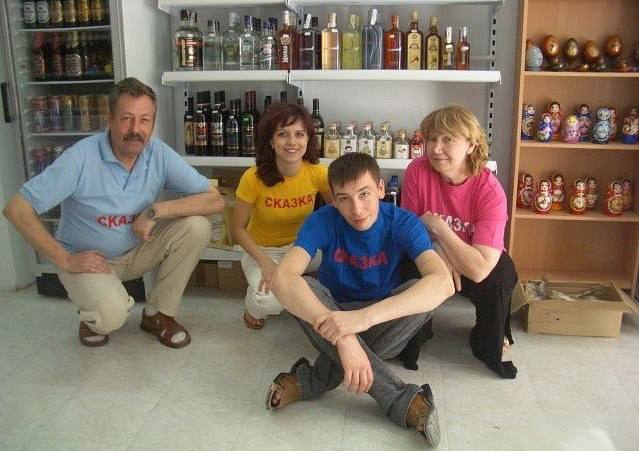
"At first, we didn't even have scales — we sold candy by the piece. I kept working at the restaurant, and I gave the money I earned to my son for new stock. Andrei practically lived in the shop; everything was put straight back into the business," Valentina says.
They named the shop "Skazka" ("Fairy Tale"). And it quickly became clear that what had appeared in Valencia was more than just a new place to shop. In the early 2000s, there were incomparably fewer Russian-speaking residents than there are today, and there was practically no infrastructure for new immigrants. There were no neighbourhood chats, no Telegram channels with job listings, no Russian-speaking social media groups, and no dozens of specialists you could find with a single search. A person would arrive in the city often knowing no one, so people came to Skazka with all kinds of questions: where to rent a room, how to get documents sorted, who to trust to wire money home, where to find work, and who to turn to for advice.
On one of the walls hung a large free bulletin board, which in those years was an important lifeline for Valencia's small Russian-speaking community.
"We had a big free bulletin board on the wall. Someone was selling a car, someone was looking for a room, someone was renting out an apartment, someone was offering a job, and someone wanted to meet people. Notices were written by hand, with phone numbers left on them, and people would arrange to meet up. It's not as relevant now because there's the internet, but back then the board was a lifesaver for everyone," Valentina recalls.
Over time, Skazka took on several functions at once. People wired money to Russia, sent parcels, bought groceries, discussed news, found out who had arrived and who had left, who needed work, who was looking for housing, who'd had a baby, and who needed help.
The shop held tastings of caviar, pickles, vodka, and other familiar products that people missed. Nearby was a club, and Russian-speaking women would come from there, bringing Spanish men with them: they'd try the products, be surprised, get to know each other, and buy things.
Valentina recalls that after payday, practically all of Russian-speaking Valencia might flow into the shop. People would get their money, buy groceries, stop in for a drink, and sometimes even leave their purchases and cash with her for safekeeping, so as not to lose them.
At the same time, Skazka was never a closed-off Russian-speaking bubble. According to Valentina, from the very start, the shop was "friendly" with the neighbouring businesses on the street. Spanish shop owners would tell her where to get a stamp made, how to set up signage, and where to find a lawyer.
Now, Valentina says, it's not just the number of Russian-speaking residents of the city that has changed, but the whole attitude toward emigration. Today, you can live for years within a Russian-speaking environment, get almost any service in your native language, look for work among your own, and never step outside your familiar social circle.
Valentina herself, having lived here for a quarter of a century and taught Spanish, keeps learning: she takes courses, works through phonetics, hones her pronunciation, and tells her students that you can learn at any age.
But Valentina considers the idea of fully dissolving into a new country to be wrong. Over her years in Spain, she has embraced the local culture, language, everyday habits, the Spanish way of living — calmer, less uptight, without excessive worry over small things. But that doesn't mean you have to give up everything from before you moved.
We embraced their culture, they embraced us, but we're still who we are. We eat Spanish food and borscht both. Among ourselves, we can say one word and understand each other. I don't understand it when people want to cross everything out and become completely "one of them." You'll probably only truly become one of them if things were so bad back there that you don't want to remember any of it. For us, though, things were good there, and they're good here too.
Valentina
A few years ago, she sold off Skazka's grocery side of the business. What remains under her management is another part of it: books, parcels, souvenirs, permitted medications. Valentina says their success has a lot to do with the fact that they built it as a family: over all these years, their sons Andrei and Alexander have helped her and her husband.
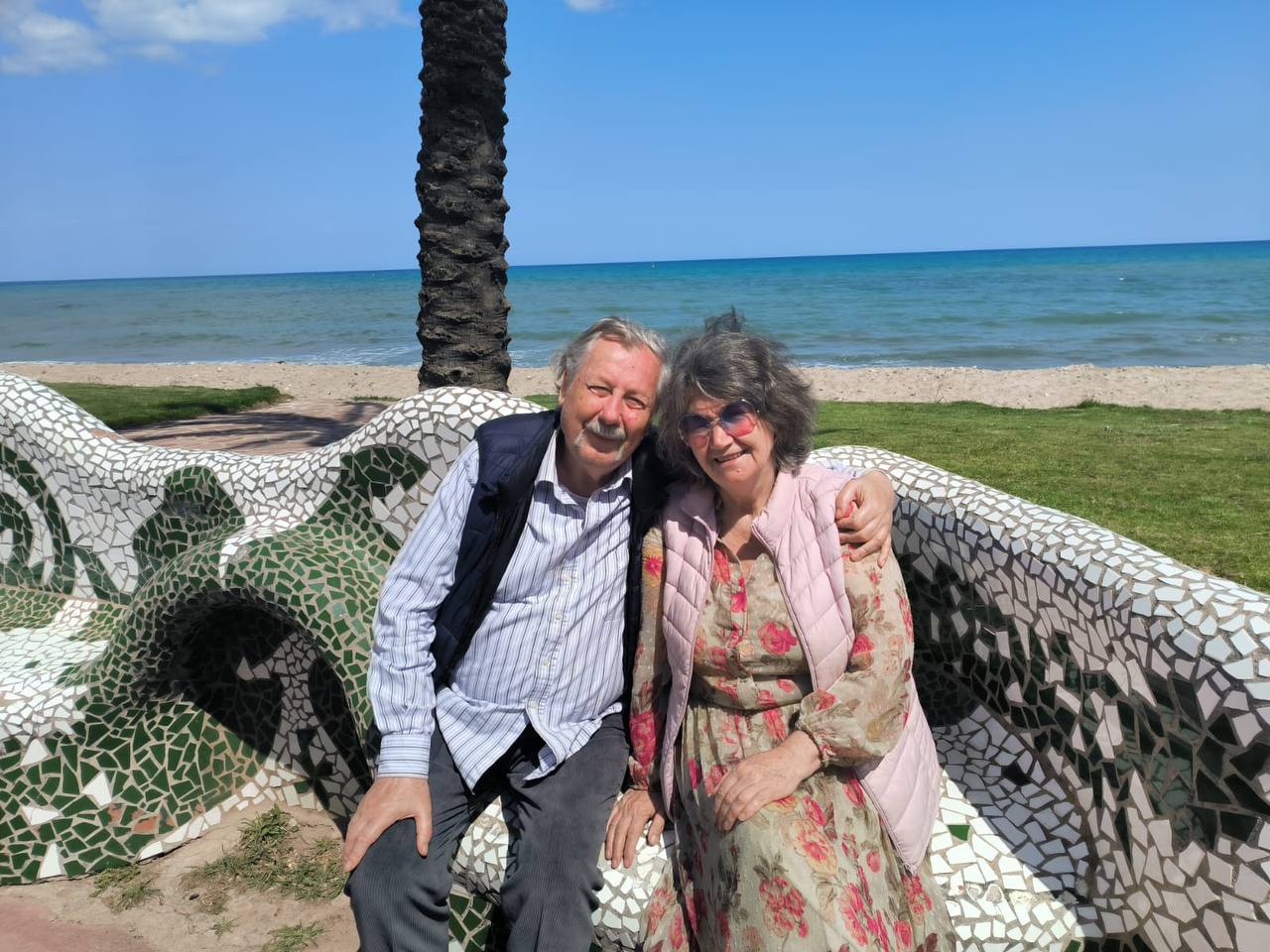
This place became a point through which hundreds of people, dozens of stories, friendships, encounters, first jobs, and first emigrant hopes all passed. And now Valentina is ready to part with her creation, because the time has come.
Today, many of those who once pinned notices with home phone numbers to the board have long been living different lives. And some of them have surely stopped buying buckwheat and herring, because Spanish life has become more familiar than it used to be.
But for the people who came to Valencia a quarter-century ago, the memory of that first emigration is still tied to Skazka and to Valentina Kostrova. To a place where a bulletin board hung on the wall, and where, behind the counter, there was a person you could turn to for groceries, for advice, and for the feeling that in this city, you were no longer quite so alone.
Related Articles
Valencia's City of Arts and Sciences Unveils Its Summer Program
Highlights include an interactive dance exhibition making its Spanish debut, a new fractal show at the Hemisfèric, and free solar telescope viewing ahead of August's eclipse
Loading…
Loading…