On 15 March 2026, the Academy Awards ceremony will take place in Los Angeles. The films leading the nominations are the horror hit Sinners, the critics’ favourite One Battle After Another, the ambitious Marty Supreme, and the drama Hamnet. La Cotorra takes a closer look at these favourites of this year.
1
One Battle After Another, (Una Batalla Tras Otra)
Source: IMDb
One Battle After Another is widely seen as one of the primary contenders in the top nomination – Best Picture. In the film, American director Paul Thomas Anderson, whose work has repeatedly featured in lists of the greatest films of the 21st century, turns his gaze on the United States: the divide between left and right, terrorism and Nazism — and, perhaps above all, parenthood.
The story follows Perfidy Beverly Hills (Teyana Taylor, nominated for Best Supporting Actress), a member of a left-wing group known as “French 75”. She leaves her daughter, Willa (Chase Infiniti), with the child’s father, unable to imagine how revolutionary struggle can be reconciled with family life.
The lead role — Perfidy’s partner, the hapless member of “French 75” and a man trying to be a good father, Bob Ferguson — is played by Leonardo DiCaprio, who has been nominated for Best Actor.
The role of his antagonist, the comic General Steven J. Lockjaw, who dreams of joining a Nazi club for the American elite, is played by Sean Penn, nominated for Best Supporting Actor.
Both characters are absurd in their own way, and both are unlucky in their endeavours, whether deservedly or not. The only figure who truly feels like a moral reference point is Sergio Saint Carlos (Benicio del Toro, also nominated for Best Supporting Actor), who preaches bulletproof calm in extreme situations and shelters Latin Americans pursued by US law enforcement. Notably, work on the film began long before the current persecution of migrants in the United States, and many critics have pointed out Paul Thomas Anderson’s ability to anticipate real-world events.
“One Battle After Another” is one of this year’s Oscar frontrunners, nominated in 13 categories, including Best Director.
The soundtrack for the film was composed by British film composer Jonny Greenwood, guitarist of Radiohead, who has long been a close collaborator of Paul Thomas Anderson and has also worked with British director Lynne Ramsay.
In this category, One Battle After Another’s main rival is Hamnet, which we discuss below — it was composed by another outstanding film composer, Max Richter.
2
Sentimental Value (Valor Sentimental)
Source: IMDb
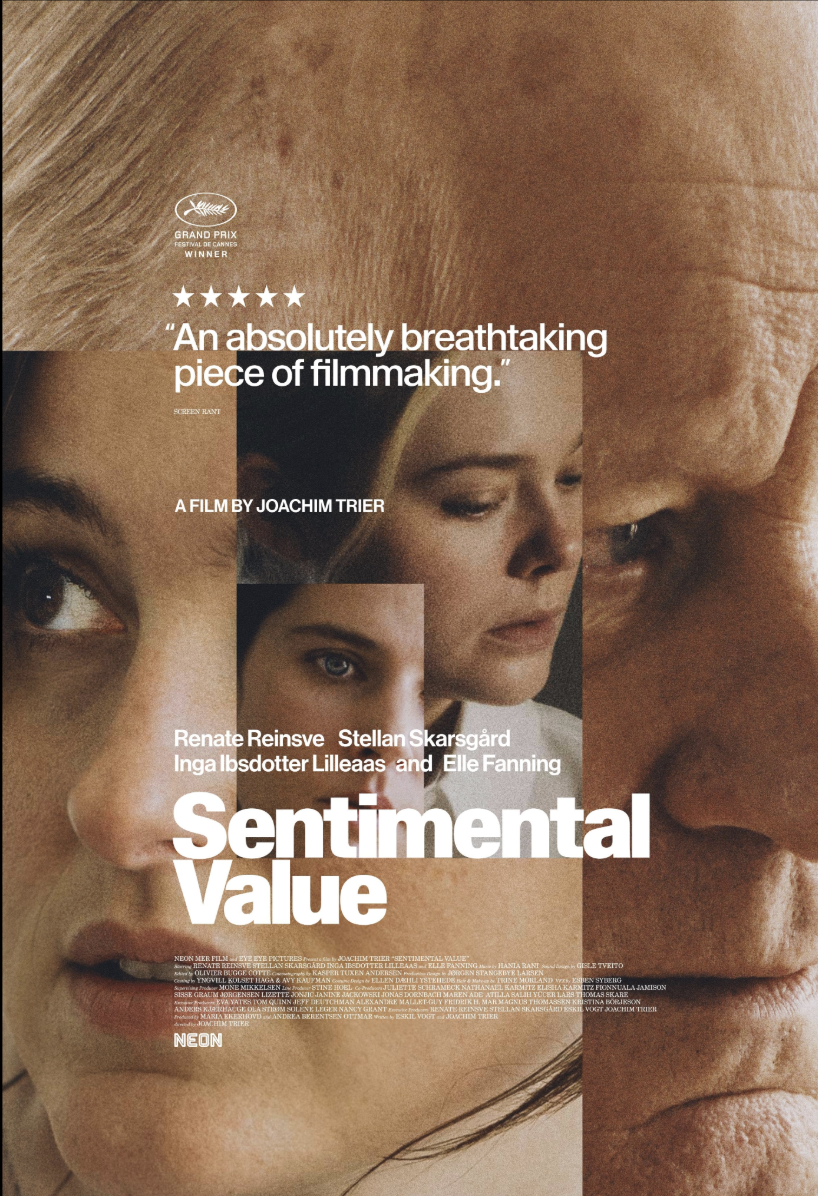
At the heart of Joachim Trier’s tender drama (winner of the Grand Prix at the 2025 Cannes Film Festival and nominated for an Oscar for Best Picture, Best Director and seven other categories) is filmmaker Gustav (Stellan Skarsgård, nominated for Best Supporting Actor) and his daughters, Nora (Renate Reinsve, Best Actress) and Agnes (Inga Ibsdotter Lilleaas, Best Supporting Actress). The film explores art as a mediator between people who struggle to find common ground.
Gustav, who clearly drinks too much, has long since, and seemingly irreparably, damaged his relationship with Nora, who is trying to build a career in theatre.
We don’t really speak,” Nora admits when she is asked about Gustav.
Agnes no longer sees her father as ideal, though she treats him more gently than Nora does.
Agnes’s son Erik, on the other hand, clearly adores his grandfather — and the feeling is mutual. Even so, Gustav comes across as amusing yet faintly absurd, even with him. For Erik’s ninth birthday, for instance, he gives him DVDs of films wildly inappropriate for his age — Michael Haneke’s The Piano Teacher and Gaspar Noé’s Irreversible — adding ironic remarks that the former will teach him everything he needs to know about women and their relationships with their mothers.
When Gustav asks Nora to act in his new film, she flatly refuses, and he decides instead to offer the role to the famous American actress Rachel Kemp (Elle Fanning, nominated for Best Supporting Actress). Rachel initially agrees, but soon realises that this is not enough. Highly sensitive, she understands that the story is deeply personal and connected to family history. She ultimately admits to Gustav that she cannot bring herself to play the part. Gustav accepts her decision. That said, other problems remain — his irritation at the fact that the project is, in effect, being run by Netflix.
When Nora finally agrees to take part in her father’s film, it opens up the possibility of a conversation between her and Gustav through their shared work. Many things remain unspoken and perhaps always will, but a sense of understanding emerges between them.
3
Sirat (Sirāt)
Source: IMDb
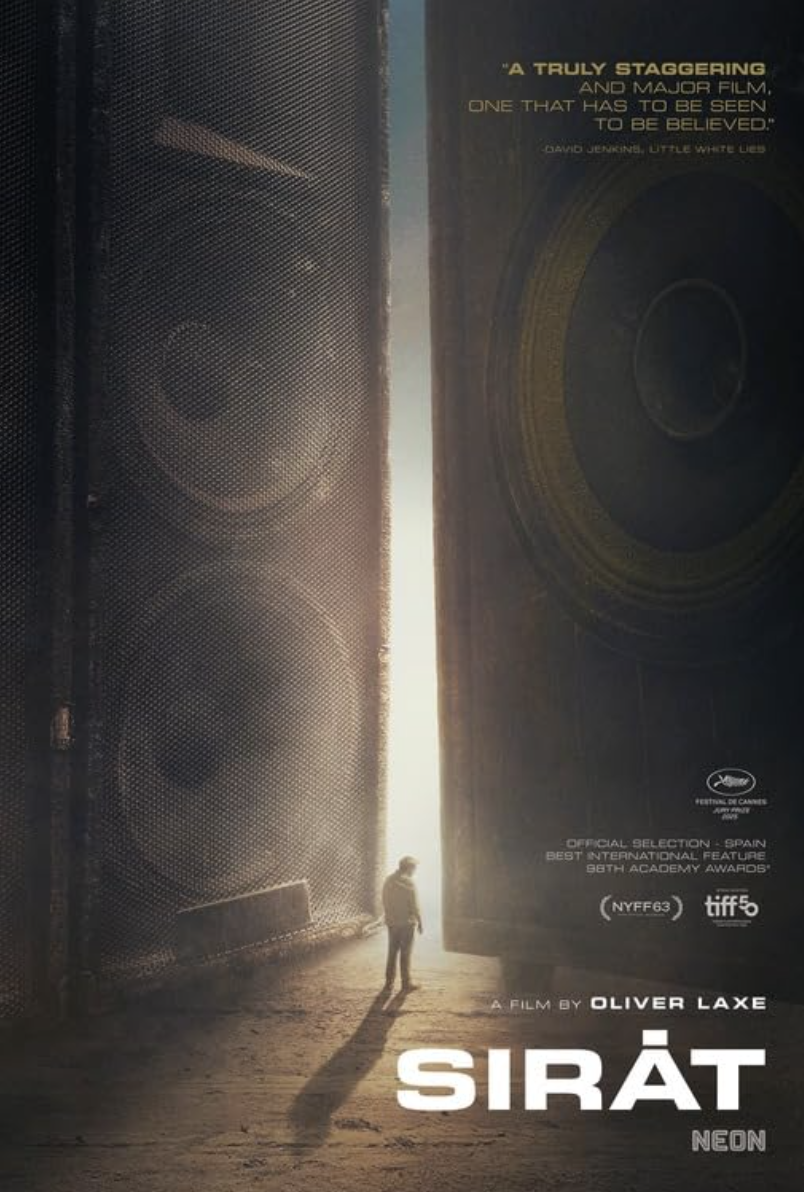
Sirat, by Spanish director Oliver Laxe, won the Jury Prize at the 2025 Cannes Film Festival and was nominated for two Oscars — Best International Feature Film and Best Sound. It is the fourth feature by the 43-year-old filmmaker, with production handled by legends of Spanish cinema: Oscar-winning director Pedro Almodóvar and his brother Agustín.
Sirat tells about a father and his son searching for his daughter at a techno festival in the African desert. Yet this premise and storyline function more as a framework than a conventional narrative, allowing the film to retain some sense of cinematic form as it repeatedly threatens to slip away in search of something new. Its sound design is deserving of recognition: it immerses the viewer in the on-screen events, particularly in the film’s second half.
The competition in the Best International Feature Film category is fierce. Sirat is up against Brazil’s The Secret Agent, winner of the Golden Globe for Best Foreign Language Film; Sentimental Value; A Simple Accident, which won the top prize at Cannes 2025; and the Tunisian drama The Voice of Hind Rajab. In Spain, however, Sirat has already secured its status as the film of the year.
In addition, until 20 April 2026, Madrid’s Reina Sofía Museum is hosting an installation by Oliver Laxe titled Dance Like Nobody’s Watching. The work is based on research carried out during the preparation for the filming of Sirat.
4
Marty Supreme
Source: IMDb
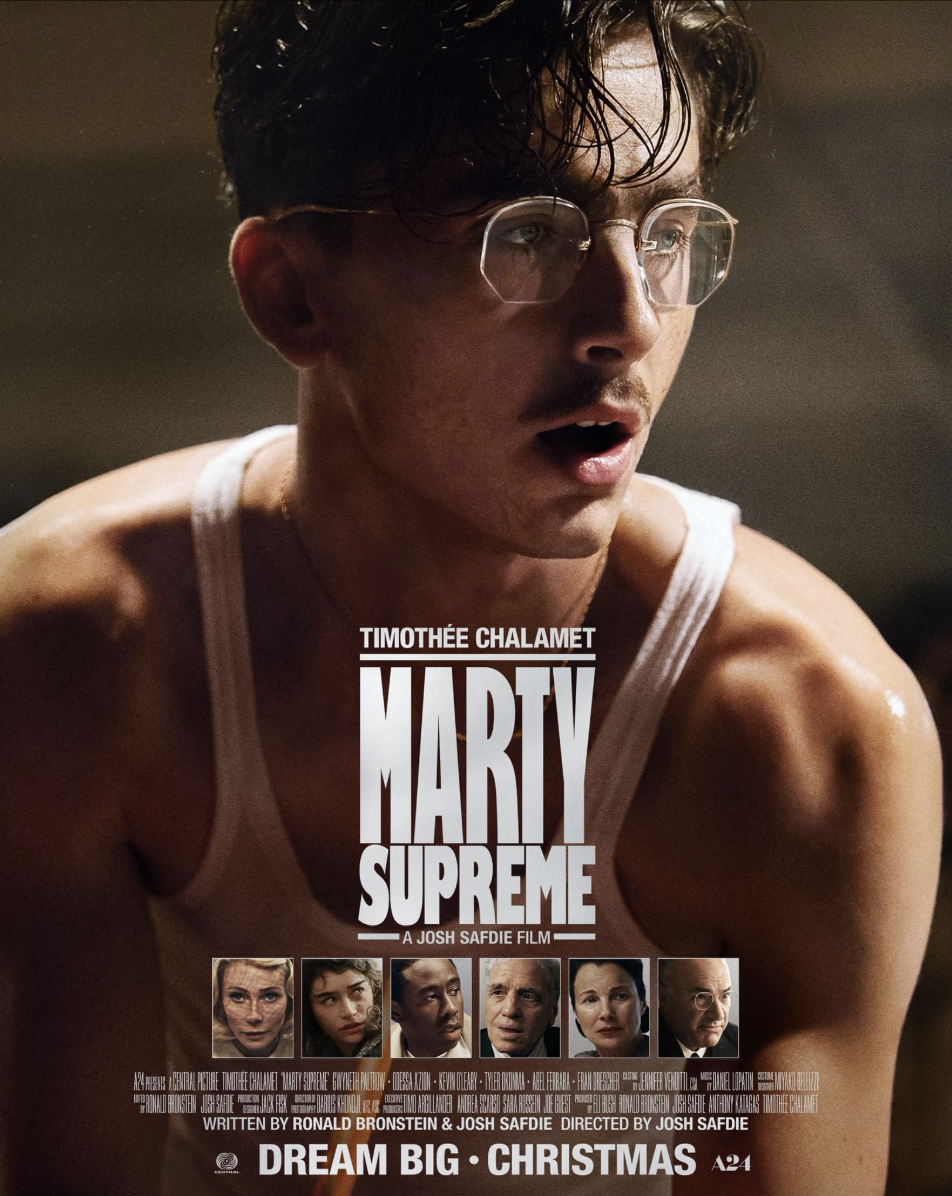
Marty Supreme, directed by Joshua Safdie (Uncut Gems, Good Time), is also one of this year's awards front-runners. The film has received nine Oscar nominations, including Best Director and Best Picture.
It has been hard to avoid it in recent months, largely thanks to Timothée Chalamet, who stars in the lead role, served as a producer of the film, and earned a Best Actor nomination for his performance. He currently appears to be the favourite in that category, although Leonardo DiCaprio is equally compelling in One Battle After Another. The film is set in the early 1950s, shortly after the end of the Second World War.
Chalamet plays Marty Mauser, an American Jew and professional table tennis player who is willing to take a series of decidedly unconventional steps on his path to absolute dominance in the sport.
He is cunning and seems capable of wriggling out of almost any situation, even when caught red-handed. By the end of the film, however, Marty surprises the audience with a burst of sentimentality and an unexpected turn towards timeless and entirely conventional values.
Marty Supreme holds your attention for its full two and a half hours. Whether that length is truly necessary is questionable, but the film is consistently funny, and it’s unlikely anyone in the cinema will feel tempted to check their phone. For Safdie, this kind of high-intensity filmmaking is familiar territory. The film’s momentum is fuelled in part by its abundance of characters — it is nominated for Best Casting and looks particularly strong in that category. This year marks the first time the Oscar for casting will be awarded.
5
Bugonia
Source: IMDb
The latest film by the exceptionally prolific Greek director Yorgos Lanthimos is a remake of the South Korean cult hit Save the Green Planet!. It has received four Oscar nominations, including Best Picture.
Bugonia follows two conspiracy theorists, Teddy Gatz and his cousin Don, who decide to kidnap the head of a pharmaceutical corporation, Michelle Fuller (Emma Stone, nominated for Best Actress). They aim to make contact with aliens who, they believe, are secretly controlling the Earth. The pair are convinced that Fuller is one of them.
Lanthimos appears very comfortable with the subject of conspiracy thinking. While the film itself is decidedly misanthropic, its portrayal of conspiracy theorists is drawn with striking empathy and precision.
Although Teddy is very much a bundle of familiar stereotypes associated with his kind, the film makes it clear that he has reasons for seeing reality the way he does — and that life has never been particularly kind to him.
There is a strong sense that Teddy may not be wrong in his judgement of Fuller — whether or not she is an alien is beside the point — but it would be difficult to accuse her of adhering to any broadly shared moral principles. This, too, is familiar territory for Lanthimos: by the end, viewers find themselves more inclined to sympathise with the kidnappers than with the tortured victim locked in the basement, more with the conspiracy theorist than with a representative of the elite.
That logic feels strikingly in tune with the present moment, in which conspiracy theorists are rising to ever higher positions of power, capturing more and more minds, while the boundary between delusion and reality is increasingly blurred.
6
It Was Just an Accident (Un Simple Accidente)
Source: IMDb
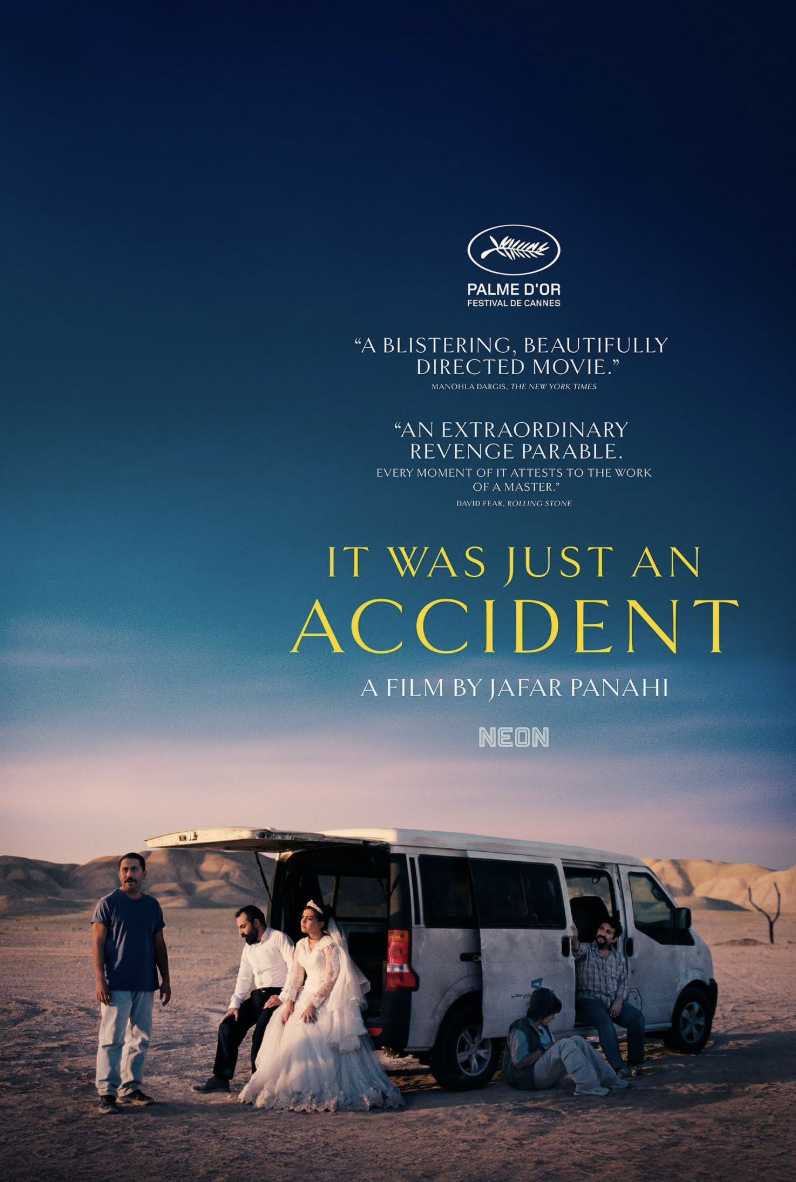
The film A Simple Accident by Iranian director Jafar Panahi, who was forced to leave the country following persecution by the authorities, explores dictatorship, cycles of violence and the possibility of forgiveness.
Films on this subject are often made for an international audience, but A Simple Accident is a clear exception. It does not explain dictatorship to viewers who are unfamiliar with it.
The film aims to understand how such experiences affect those who commit violence and those who endure it — and whether there is any way out of this traumatic cycle.
Panahi has a remarkable biography that could be the subject of a film. In Iran, he has been sentenced to prison for taking part in protests and for what the authorities described as “anti-government activities”, and one of his films, titled This Is Not a Film, was famously smuggled out of the country to Europe on a USB stick hidden inside a cake.
A Simple Accident has been nominated for two Oscars — Best Original Screenplay and Best International Feature Film. At the 2025 Cannes Film Festival, it was awarded the Palme d’Or, the festival’s highest honour.
7
Hamnet
Source: IMDb
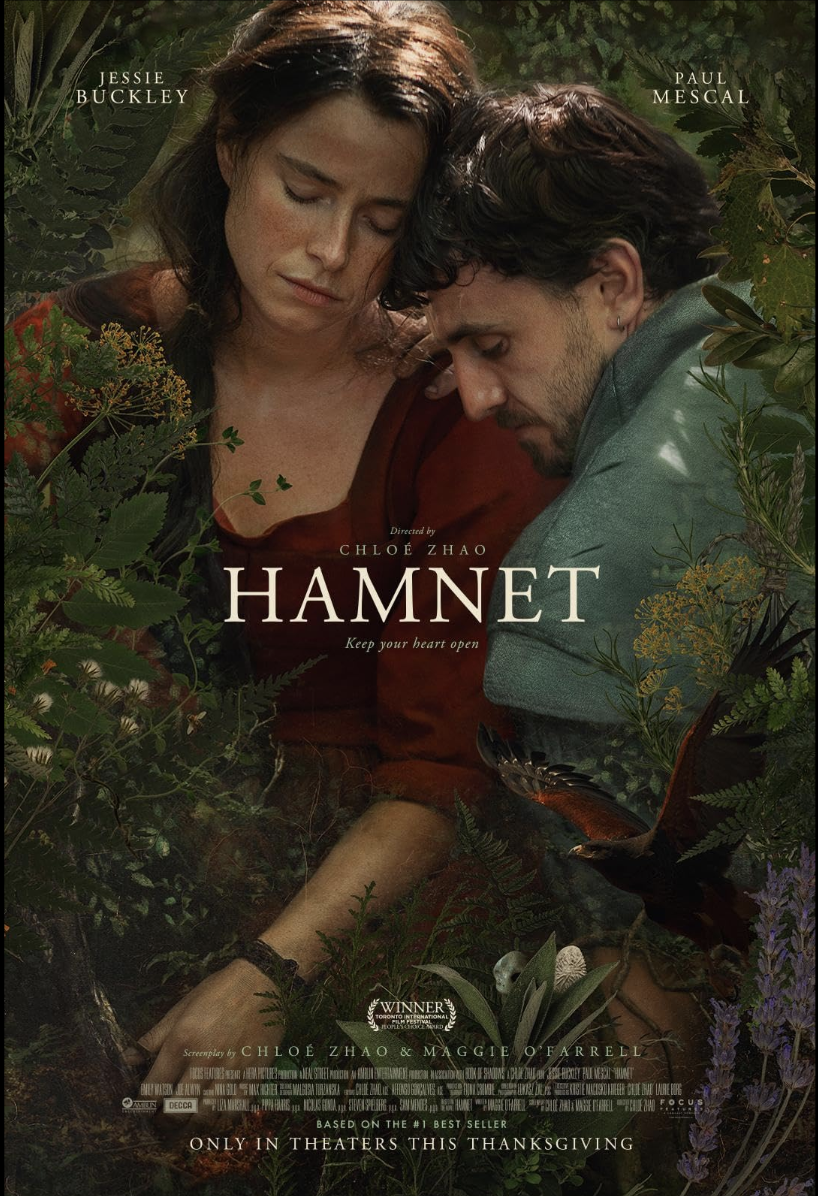
Hamnet is directed by Chloé Zhao and is based on the novel of the same name by Maggie O’Farrell. At its centre is Agnes, the wife of William Shakespeare. After losing one of her children, she struggles to cope with the tragedy and finds herself unable to reconnect with her husband, who, in her eyes, seems to bear the loss far more lightly. Once again, it is art that allows the characters to find a way back to one another and to accept what has happened — this time, unsurprisingly, through theatre.
Shakespeare, and especially his work beyond Hamlet, appears only sparingly in the film, and this is a deliberate choice by both O’Farrell and Zhao. The story places a woman at its heart: one who spent centuries in the shadow of her great husband. Much attention is also given to the children: to the bonds between siblings and to the idea of sacrifice made in the name of love.
Hamnet is a film that plays on the audience’s emotions with striking boldness and calculation, making viewers break down in tears not once, but repeatedly over the course of the screening.
That strategy clearly paid off: at the Golden Globes, the film won Best Motion Picture – Drama, and at the Oscars it has been nominated in eight categories, including Best Picture, Best Adapted Screenplay, Best Actress (for Jessie Buckley in the leading role) and Best Director.
8
Sinners (Los pecadores)
Source: IMDb
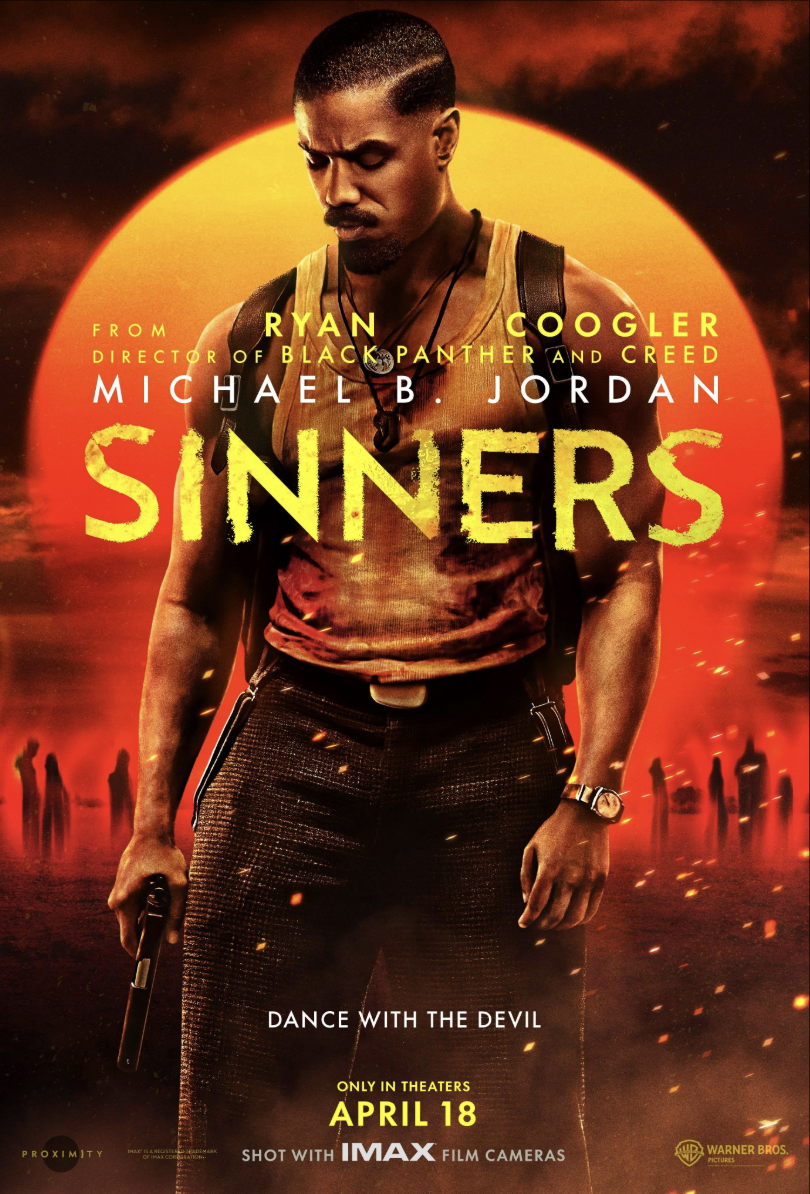
Ryan Coogler’s dark horror film, which has picked up a leading 16 Oscar nominations this year — including Best Picture, Best Director, Best Actor and more — is already being widely compared to Robert Rodriguez and Quentin Tarantino’s From Dusk Till Dawn, released nearly 30 years ago. That cult classic followed two outlaw brothers on the run who take refuge in a bar, only to discover it is a nest of vampires.
In Sinners, the story centres on twin brothers and First World War veterans Elijah “Smoke” Moore and Elias “Stack” Moore (both played by Michael B. Jordan). After returning to Mississippi with money stolen from Chicago gangsters, they buy a sawmill and plan to turn it into a bar with live music. Smoke is the more pragmatic of the two, focused on the plan, while Stack is impulsive and chaotic. On opening night, three Irish vampires turn up at the door.
Both From Dusk Till Dawn and Sinners feature brothers on the run, bars overtaken by vampires, and a sharp tonal shift halfway through the film — from gritty drama to full-blown horror.
Blues music plays a distinct role in the film: born on African American plantations, it takes on a special power here — one that seems to exist beyond the laws of time and space.
9
Frankenstein
Source: IMDb
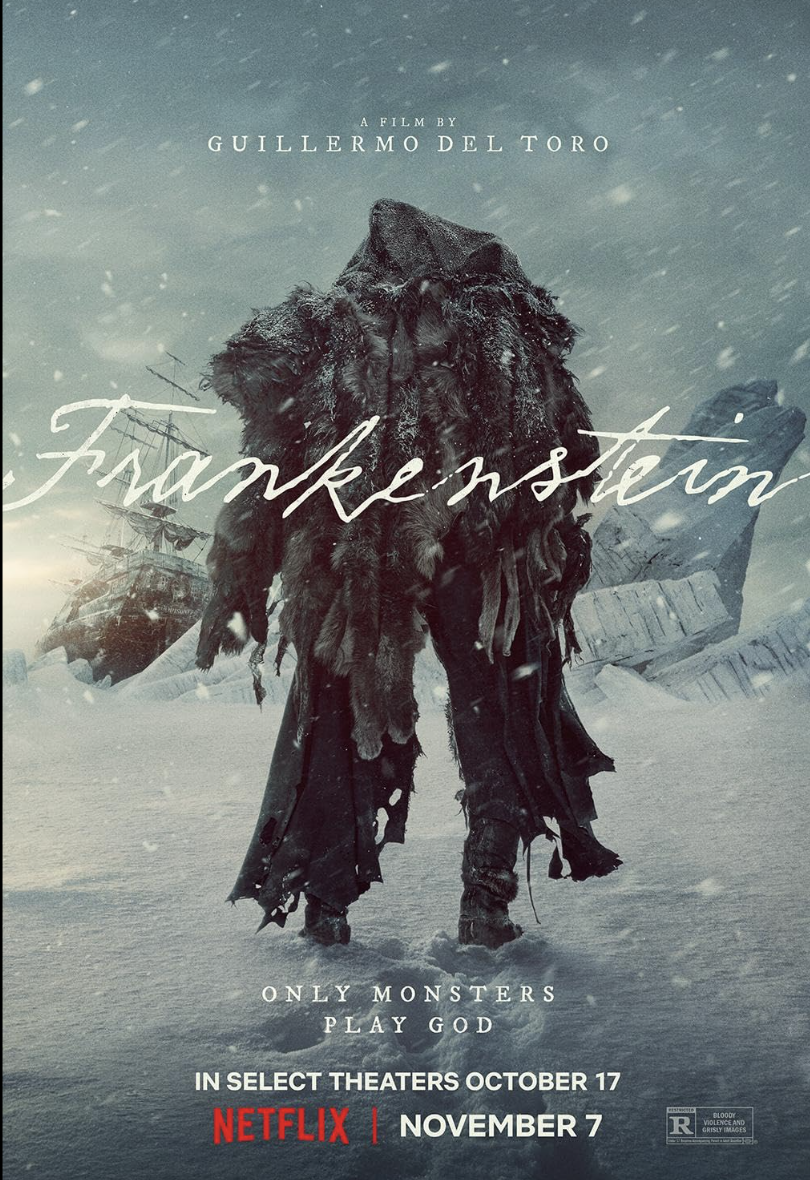
Guillermo del Toro has been bearing the idea of adapting Mary Shelley’s Frankenstein since childhood. His gothic science-fiction film, which has received nine Oscar nominations, is divided into two parts with a prologue. The story of the monster’s creation is told sequentially, first from the perspective of Victor (Oscar Isaac), an adult man traumatised by his relationship with his father, and then from the point of view of the creature himself. The monster was originally set to be played by Andrew Garfield, who eventually left the project; he was replaced by Jacob Elordi, nominated for an Oscar in the Best Supporting Actor category.
Victor is cruel to his creation, while Elizabeth (Mia Goth), the fiancée of Victor’s younger brother, recognises the creature as something humane. It is only through encounters with kindness that the monster begins to acquire human qualities.
Nevertheless, other people — except a blind elderly man, who knows nothing of the monster’s origins and judges him only by his kind actions — are unable (and largely unwilling) to accept his otherness. This rejection sparks a cycle of violence and ultimately makes the monster even more brutal.
Del Toro has said that he did not want the monster to look like a “victim of an accident”, but rather like a work of art — a presence that raises questions about scientific ethics, men’s claims to the role of creators of life, and responsibility for one’s own creation.
10
F1: The Movie (F1: La película)
Source: IMDb
In Joseph Kosinski’s sports drama starring Brad Pitt and Javier Bardem, critics have noted a familiar set of clichés. It is the story of a washed-up racing driver who was once in the spotlight, suffered a serious crash, left professional motorsport, went through several failed marriages and developed a gambling addiction — only to be unexpectedly given a chance to win Formula 1.
To make it back onto the podium, Sonny Hayes (Brad Pitt) accepts an invitation from his old friend Ruben (Javier Bardem) to join an underdog team alongside a young but promising driver, Joshua Pearce (Damson Idris). Pearce’s youthful confidence initially makes him see Hayes as a rival, then as a mentor, and eventually as a partner on the track. Unusually for a Formula 1 story, there is also a prominent female character: technical director Kate McKenna (Kerry Condon), an independent figure who nonetheless finds herself unable to resist Hayes’s charm.
The plot is about downfall, a second chance, and the conflicts along the way are largely predictable. Still, the performances by Pitt, Bardem, Idris, Condon and the rest of the cast, the sharply edited racing sequences, and Hans Zimmer’s epic anthems mixed with Queen and Led Zeppelin manage to leave a strong impression. The film received four Oscar nominations: Best Picture, Best Sound, Best Editing and Best Visual Effects.
11
Train Dreams (Sueños de trenes)
Source: IMDb
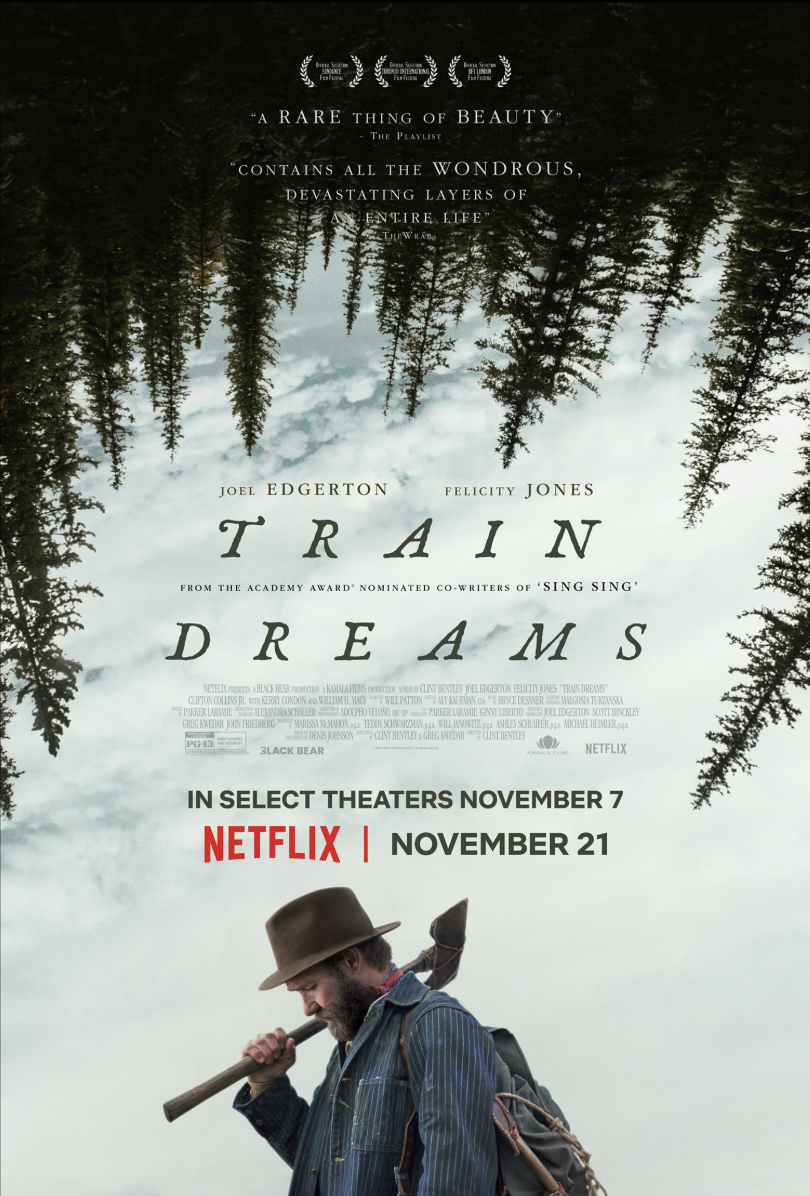
The screen adaptation of Dennis Johnson’s novel, directed by Clint Bentley, premiered at Sundance and was immediately tipped as a potential Oscar contender. The film received four nominations: Best Picture, Best Adapted Screenplay, Best Cinematography and Best Original Song.
The story follows Robert Grainier (Joel Edgerton), a logger. While earning his living, he encounters people who treat the felling of 500-year-old trees as nothing more than a trade. Grainier himself, however, feels that this is not the right kind of work and begins to wonder whether punishment awaits him for the harm he has done or failed to prevent.
During his time in the logging camps, he repeatedly comes face to face with death and starts asking himself whether a branch that fell and killed someone might, by chance, have been meant for him. It is only in old age that he begins to grope towards answers to these questions, which he has never fully managed to articulate.
The film tells the story of an ordinary, small man who fails to understand his purpose in life.
Against the film’s unhurried pace, each plot turn feels all the more tragic, while Grenier’s accumulating pain grows increasingly unbearable, intertwining with his visions of the past and the future.
12
Blue Moon (Luna Azul)
Source: IMDb
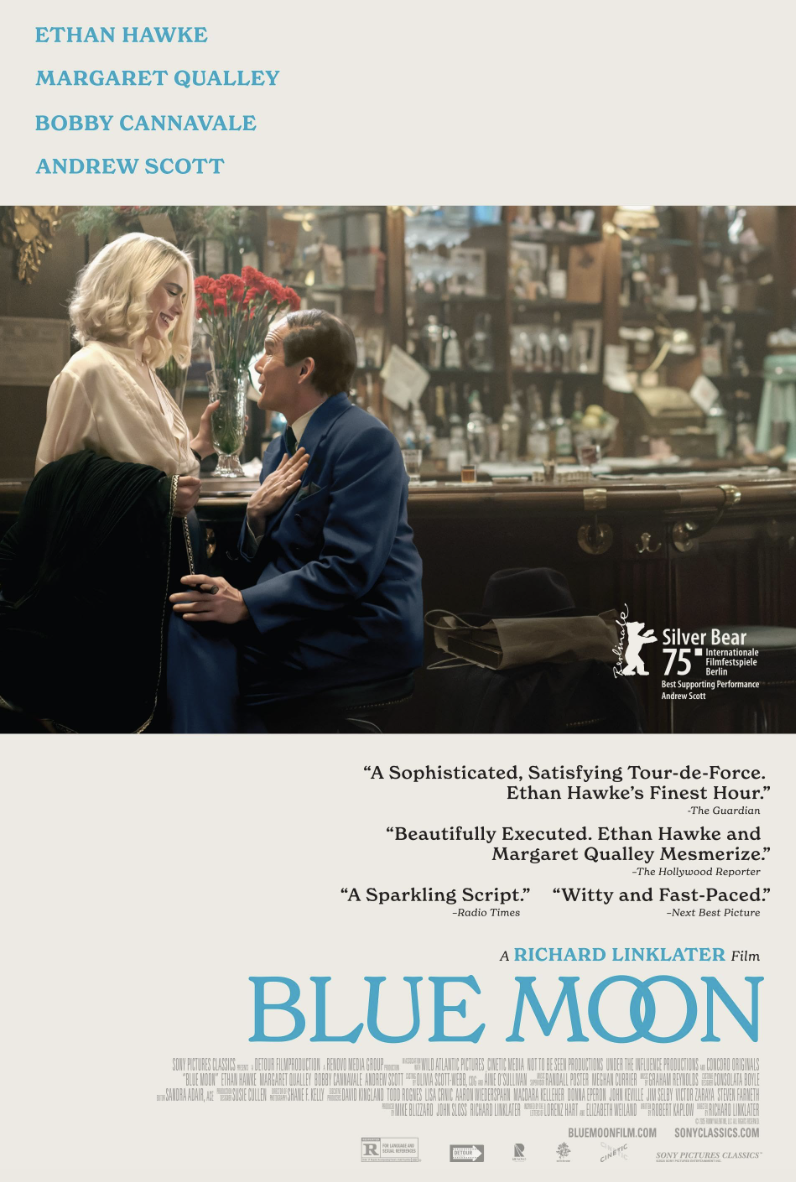
Critics have noted clear echoes of Edmond Rostand’s Cyrano de Bergerac in Richard Linklater’s biopic, nominated for the Oscar for Best Screenplay. The story centres on lyricist and songwriter Lorenz Hart (Ethan Hawke, nominated for Best Actor), far from a conventional heart-throb, who is in love with a 20-year-old Yale student, Elizabeth Weilan (Margaret Qualley). Hart attends the triumphant premiere of Oklahoma! by his long-time collaborator — and now rival — the composer Richard Rodgers (Andrew Scott). Taking the place of Cyrano’s baker friend is an ironic bartender, Eddie (Bobby Cannavale).
If Cyrano de Bergerac is a verse drama in which linguistic virtuosity intertwines with duels and battles, Blue Moon unfolds almost entirely inside a bar. After the musical’s premiere, audiences drift in, and the characters find themselves enclosed within reddish walls while the Second World War rages outside. Here, Hart engages in highly intellectual conversations, playing with epithets, metaphors and wit, indulging in nostalgia and fantasy.
There are no flashbacks — unless the entire film can be seen as one. It opens with Hart’s death, then takes the viewer several months back in time, to a period when Hart was trying to negotiate a renewed collaboration with Rodgers in the bar and was forced to accept his terms, when he sat alone with Elizabeth in the cloakroom, and when he anxiously feared that his mother might walk in and catch him drinking.
13
The Voice of Hind Rajab (La voz de Hind)
Source: IMDb
The Voice of Hind Rajab, by Tunisian director Kaouther Ben Hania, is based on real events. The film tells the story of an attempt by Red Crescent workers to rescue a five-year-old girl who, with her family, came under Israeli shelling while fleeing the Gaza Strip in January 2024.
The film, which has been nominated for Best International Feature Film, is built around documentary audio recordings of the rescuers’ conversations with the child. Hind Rajab’s real voice can be heard in the film, while the other participants in the events are played by professional by actors. Over the course of several hours, Omar (Motaz Malhees), Rana (Saja Kilani), Nasrin (Clara Khoury) and Mahdi (Amer Hlehel) struggle to organise Hind’s rescue, repeatedly raising their voices, clashing in arguments and buckling under the emotional strain.
14
K-pop Demon Hunters (Las Guerreras K-pop)
Source IMDb
The animated musical K-Pop Demon Hunters became a hit across streaming platforms in 2025 and earned Oscar nominations for Best Animated Feature Film and Best Original Song. Its visual style reminded many viewers of Spider-Man: Into the Spider-Verse, which is hardly surprising, as both films were produced by Sony Pictures Animation.
The film blends stories of friendship and love with a demon-horror storyline. Through K-pop, the warrior trio Huntrix protect the world from demons, using their voices and the love of their fans to create a magical barrier known as Honmoon. On the opposing side stands the demon lord Gwi-Ma, who forms his own boy band, the Saja Boys, in an attempt to lure Huntrix’s fans away. The film centres on fundamental values, but presents them through the lens of Korean pop culture and a vivid, neon-soaked visual world.
The musical was released on Netflix, which continues to expand its influence over the film industry — a trend that is often criticised within the sector. Against the backdrop of reports about a potential Netflix acquisition of Warner Bros, one executive at a European film company joked that such a deal would mean we should start “preparing for a crossover along the lines of Harry Potter and the K-pop Demon Hunters.”
Related Articles
—
Berlin Artist Tatiana Kligman's PUPAE Exhibition Opens at La Cotorra Gallery in Valencia
Fifteen works created specially for the show explore the experience of emigration. The opening reception on 28 May drew artists, critics, and gallerists from across Valencia. The exhibition runs from 29 May
The 61st Venice Biennale Is Open: What's Inside the Spanish Pavilion and What Else to See
50,000 postcards from flea markets around the world fill all six rooms of the Spanish pavilion. Plus: a flooded Austrian space with nude performers, and a Japanese artist handing out baby dolls at the door
Clóchinas Are Back: Valencia's Tiny Local Mussels Are Only on Sale Until August
Smaller, saltier, and brighter orange than ordinary mussels — and grown only inside Valencia's port. Here's where to try them, how to spot them on a menu, and how to visit the farms by catamaran
Valencia’s Best-Kept Culinary Secret: The Mystery of Titaina
Invisible to guidebooks and tourists, this authentic fisherman’s dish remains a cherished treasure found only in the seaside neighbourhood of El Cabanyal
The OnlyFans Dilemma: Apple TV’s "Margo's Got Money Troubles" Debuts with an All-Star Cast
Elle Fanning, Nicole Kidman, and Michelle Pfeiffer lead a bold new series exploring the modern complexities of sex work, single motherhood, and social stigma
Champagne, Concept Art, and Conspiracy Theories: Inside the Exclusive Opening of La Cotorra Gallery
Valencia's scene receives a high-octane upgrade as the city’s newest art hub debuts
Can You Cut Off Utilities to "Okupas"? Spain’s Supreme Court Sets Crucial Legal Boundary
While cutting off water and electricity to illegal squatters is ruled legal, the court warns that using the same tactic against a divorcing spouse remains a punishable crime
Valencia Unveils Free Nature Guide Featuring 69 Stunning Water Routes
From free open-air screens at major town squares to indoor mega-venues like the Roig Arena and Movistar Arena, here is the complete guide to catching Sunday's historic final live
Beyond Paella: Discovering All i Pebre, Valencia’s Best-Kept Culinary Secret
Deep in the heart of the Albufera wetlands, the fishing village of El Palmar preserves a traditional, rich garlic and wild eel stew that tourist traps completely miss
Historic Milestone: The Gibraltar Border Fence is Down as Schengen Integration Begins
A new era dawns for the Campo de Gibraltar region as a temporary EU-UK treaty takes effect, ending 117 years of physical separation and removing daily controls for 15,000 cross-border workers
The World Cup 2026 Final: Best Big Screens and Fan Zones in Valencia, Barcelona and Madrid
From massive public screenings at Roig Arena and beachfront hubs to open-air gardens and local cinemas—here is your ultimate guide to the best spots to watch the historic match in the Valencian Community