


Support La Cotorra on Patreon
Access exclusive content, special perks, and closer connection with us.
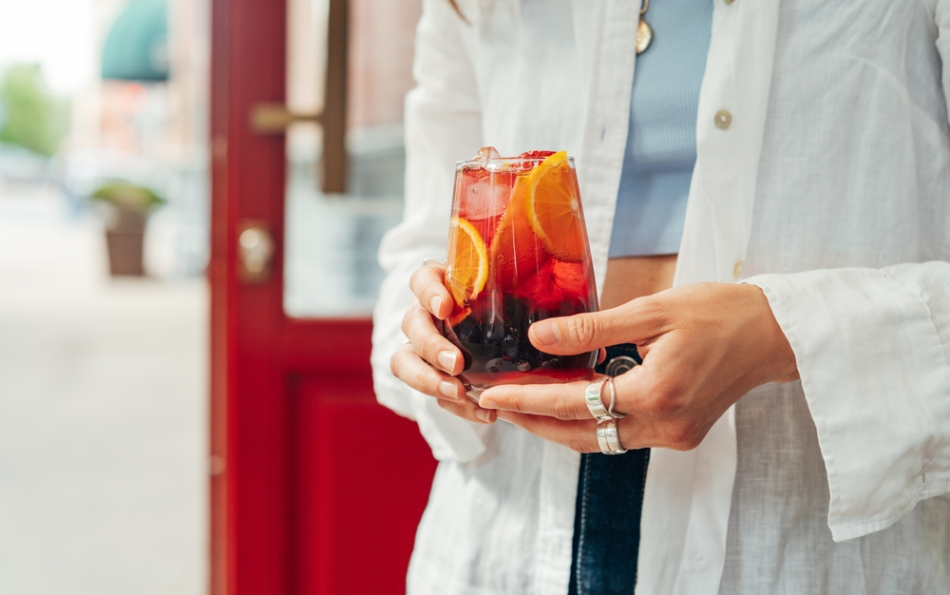
Red wine, ice, fruit. At first glance, sangria and tinto de verano (literally "summer red") look like twins, and many are convinced they're the same drink under different names. But they have completely different recipes, characters, and biographies.
The common view is that sangria in Valencia is drunk more often by tourists, while tinto de verano is for locals. Of course, it's not a hard-and-fast rule, but if you observe the customers on the street terraces in the city centre, you can notice a pattern. Sangria seems to require an occasion: a holiday, a celebration, a party. Tinto de verano, in the summer heat, is treated as ordinary as a morning coffee.
Many foreigners come to Valencia with the famous sangria in mind, and then notice that at the neighbouring tables the locals are drinking a completely different drink.
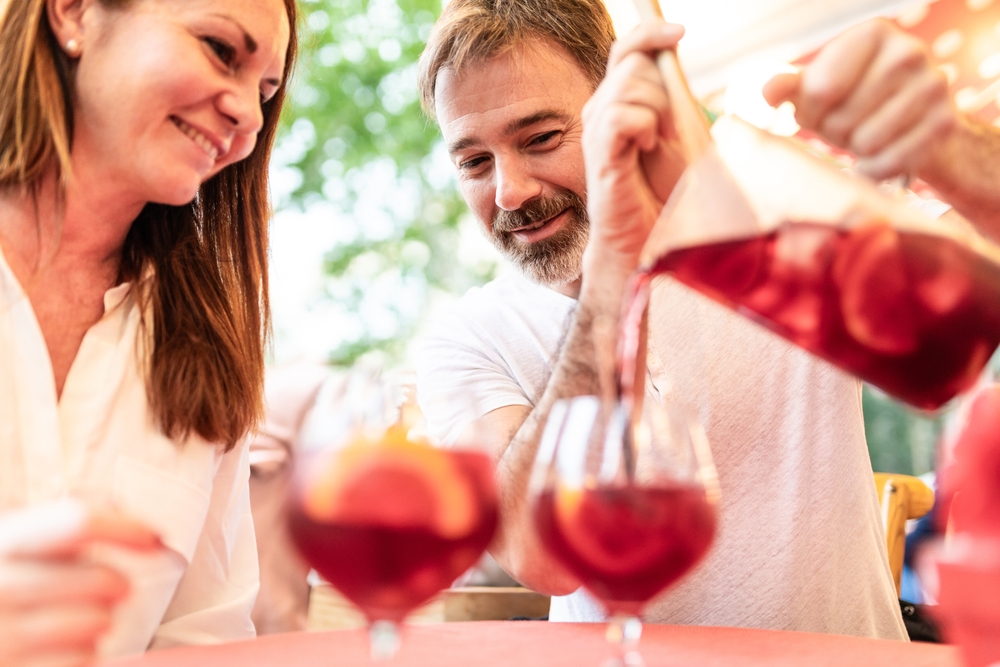
Sangria in its classic form is red wine, fruit, sugar, sometimes fizzy drink, spices, liqueur, or brandy. It's prepared in advance: the fruit needs to infuse so that the drink acquires its characteristic flavour.
The origin of sangria is not shrouded in beautiful legends. It's known that several centuries ago, wine in southern Europe was often mixed with water, fruit, and spices. Gradually, sangria in its modern form emerged from these wine mixtures. The name itself is linked to the word sangre — blood, because of its characteristic red colour.
Today, sangria is so associated with Spain that the European Union has even protected the name. Only a drink produced in Spain or Portugal can be called genuine sangria.
The composition of tinto de verano is simple: red wine, ice, and gaseosa — a clear Spanish fizzy drink, slightly sweet but almost flavourless. It's precisely with this that you get the real tinto de verano that the locals drink.
According to one popular version, the drink was invented in hot Andalusia: bar owners were looking for a way to make red wine more refreshing. The recipe proved so successful that it spread across the whole of Spain.
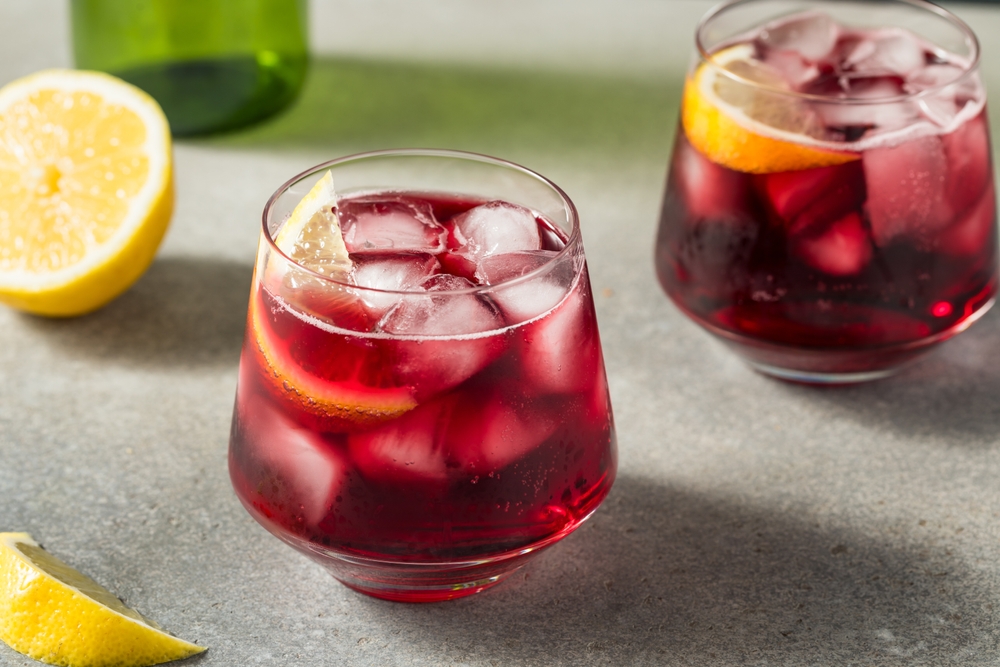
Sangria is usually sweeter, richer, and more aromatic. It has more fruity notes, and sometimes a noticeable strength thanks to brandy or liqueurs. Because of the fruit and sweetness, the strength of sangria isn't felt straight away.
Tinto de verano is lighter, drier, and noticeably fresher. The fizzy drink softens the taste of the wine and makes the drink more suitable for the heat. This is precisely why in summer you can see it literally everywhere — from beach chiringuitos (beach bars) to terraces in Russafa.
There's also a difference in when these drinks are usually consumed.
Sangria is more often ordered during dinner, at gatherings with friends, or in tourist restaurants. It's served in jugs for a group.
For Spaniards, tinto de verano is an everyday drink. It's drunk over lunch and on terraces after work, and no one needs a special excuse to cool down with it on a hot day.
Many tourists don't even suspect the existence of summer red wine. On the menus of tourist restaurants, sangria is usually the first to catch the eye, while tinto de verano has to be looked for more carefully. Sometimes it's not included on the menu at all, since for the locals it's an obvious summer option anyway.
The difference in the drinks is also noticeable in the prices. In Valencia's tourist restaurants, a jug of sangria can cost €15–25. A large glass of tinto de verano costs €3–5. Both drinks are easy to make at home. Here are two tried-and-tested recipes:
For one large glass:
• 100 ml red wine (preferably young)
- 100 ml gaseosa or lemon fizzy drink
- ice
- a slice of lemon
Fill the glass with ice, add the wine and fizzy drink in equal proportions, garnish with lemon, and serve immediately.
For a large jug:
• 1 bottle of red wine
- 1 orange
- 1 lemon
- 1 apple
- 1–2 tablespoons of sugar or syrup
- a little sparkling water or lemon fizzy drink
- 50 ml brandy or liqueur (optional)
- ice
Slice the fruit, mix it with the wine and sugar, and put it in the fridge for a couple of hours. Before serving, add ice and a little fizzy drink.
Related Articles
New Metrovalencia and TRAM Alicante Strikes Announced for June, Some on Sant Joan Night
The Semaf drivers' union has called a fourth round of stoppages from 19 to 30 June, with the first overlapping the separate SIF strike on 23 June. The regional government says 75–80% of services will run
Valencia Teenage Biker Group "Banda de los Caballitos" Sparks Alarm with Dangerous Viral Stunts
Las Provincias reports a group of teenagers — many underage and unlicensed — filming themselves setting fire to their clothing before jumping into the harbour, and staging street races to evade police patrols
Loading…
Loading…