

Support La Cotorra on Patreon
Access exclusive content, special perks, and closer connection with us.
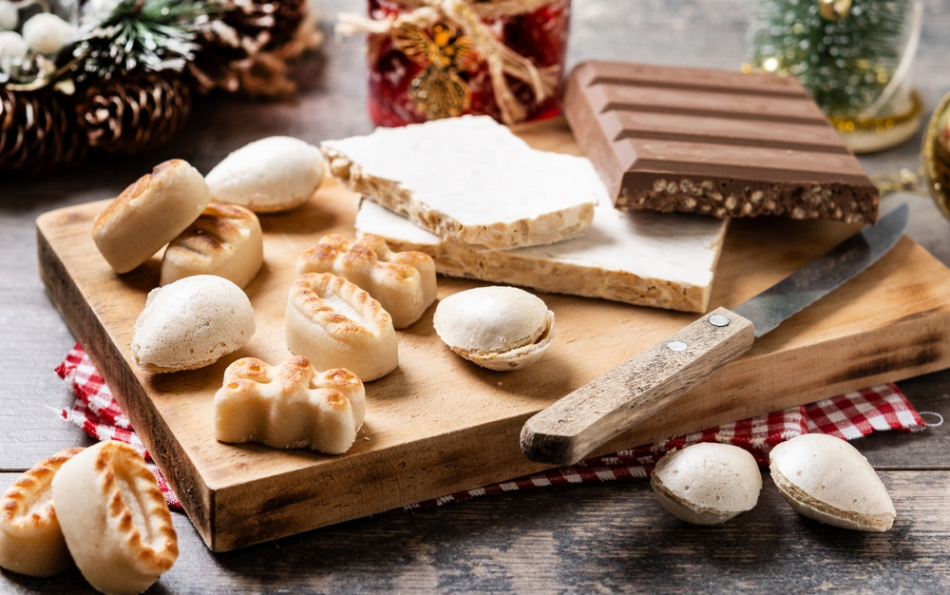
Christmas sweets in Spain are very different from the traditional treats found in other European countries. In December, even the smallest shops set up dedicated shelves for biscuits, chocolates and sweet breads. The sheer variety of dulces navideños — Christmas sweets — can easily overwhelm newcomers.
To help you navigate this festive abundance, La Cotorra has put together a guide to Spain’s traditional Christmas desserts and spoke to Valencia residents about their favourites.
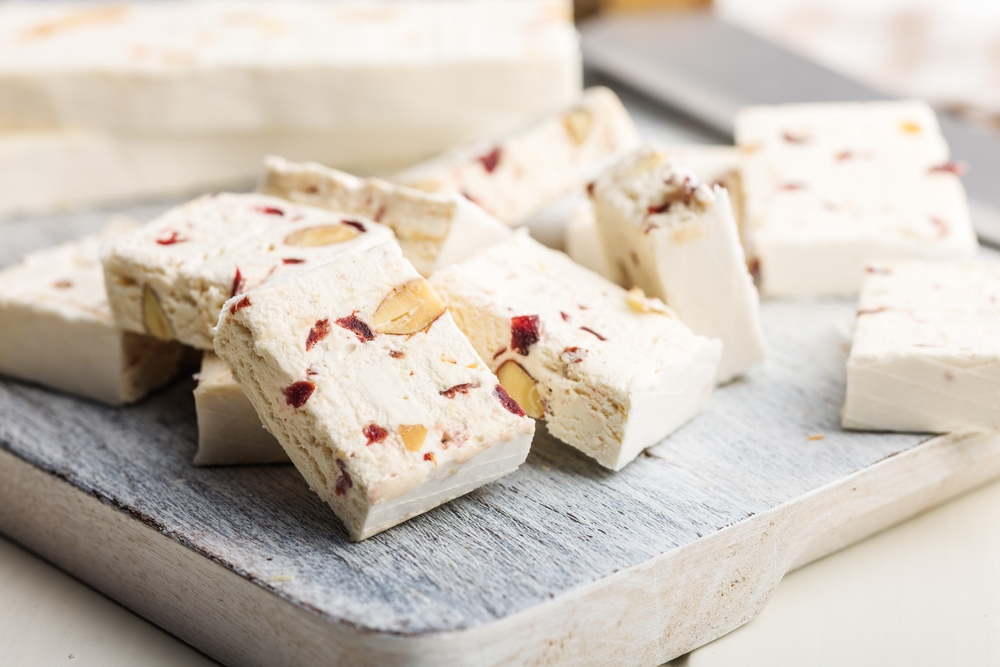
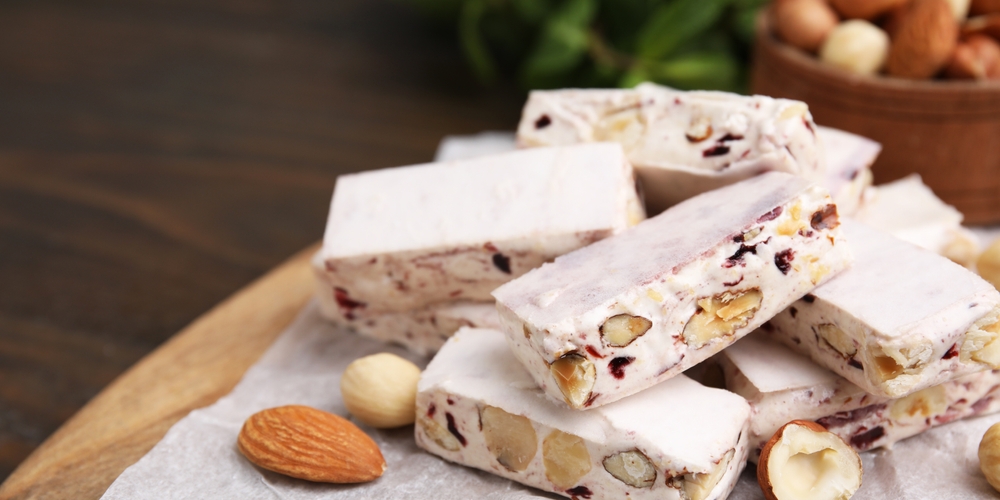
The undisputed sweet symbol of Christmas in Spain is turrón. It is a bar made from almonds and honey, sometimes with the addition of sugar and egg white. Its origins lie in the traditional Arab methods of producing nut- and honey-based sweets.
There are many varieties of turrón. Turrón de Jijona, with a creamy, almost paste-like texture, while turrón de Alicante is hard, with whole almonds bound together in a white, brittle mass. In supermarkets and patisseries you can find dozens of variations — with chocolate, orange, liqueur or pistachios — but at Christmas there is almost always at least one traditional bar on the table.
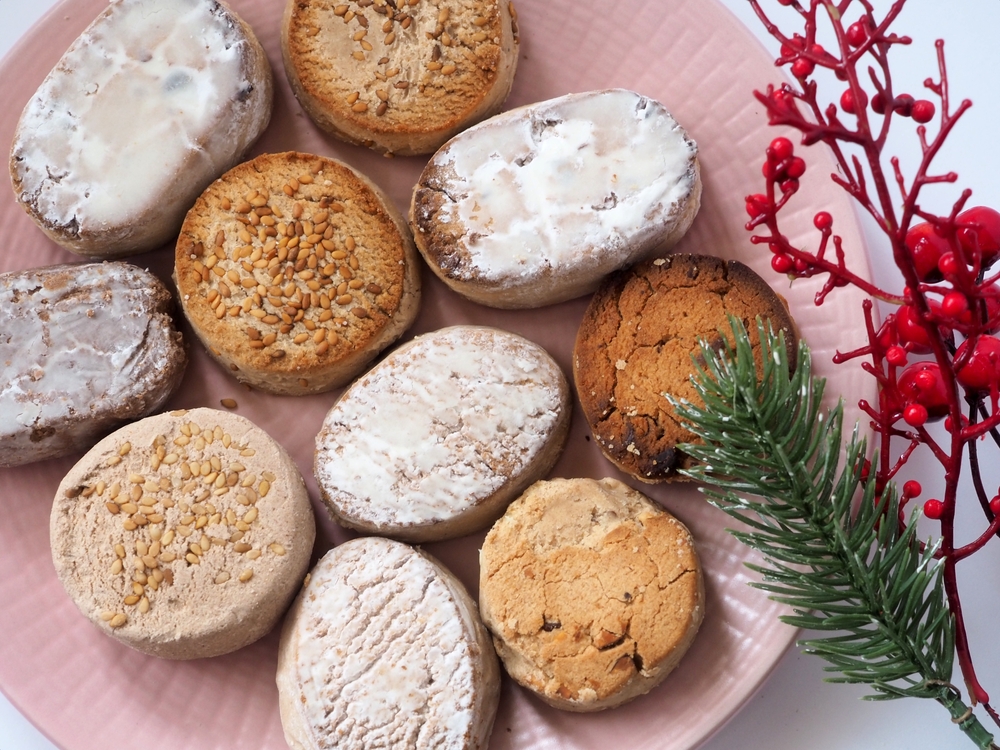
Polvorones and mantecados are crumbly biscuits that literally melt in your mouth. These sweets often come as a surprise to foreigners, largely because of an unexpected ingredient: pork fat, which gives them their distinctive texture. The name polvorón comes from the word polvo — dust — because the biscuit crumbles instantly when pressed between your fingers.
An interesting fact: in the nineteenth century, women began making polvorones at home on a large scale to sell them, marking one of the first instances in which women’s domestic labour became formally recognised.
Mantecados are similar in shape to polvorones but allow for greater variation: coconut, chocolate, sesame seeds or sweet wine may be added. The dessert emerged as a way to use excess pork fat in regions where livestock farming was widespread in the Middle Ages.
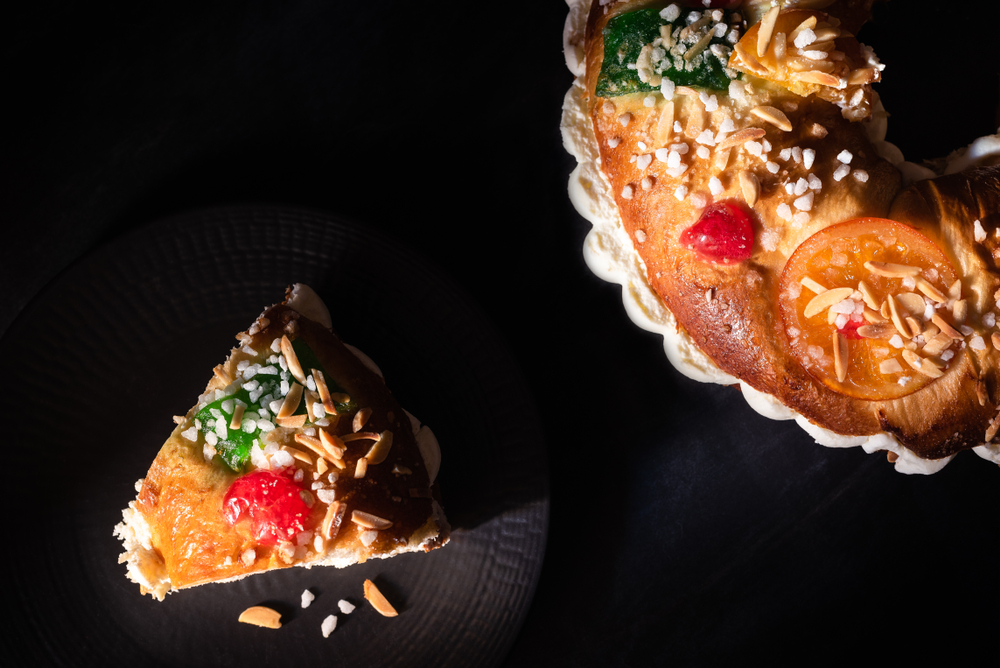
Roscón is a ring-shaped cake resembling a giant doughnut — and a royal crown, which is where it gets its name. Traditionally it is eaten on 6 January, the Feast of the Three Kings. It is decorated with colourful candied fruit symbolising gemstones and hidden inside are a small king figurine and a dried bean.
Whoever finds the king is crowned “king” for the day and is believed to enjoy good luck in the coming year, while the person who finds the bean is expected to pay for the roscón the following year.
Roscón usually contains a filling, most commonly whipped cream or pastry cream. In supermarkets, it is more often found in the freezer section than alongside other sweets.
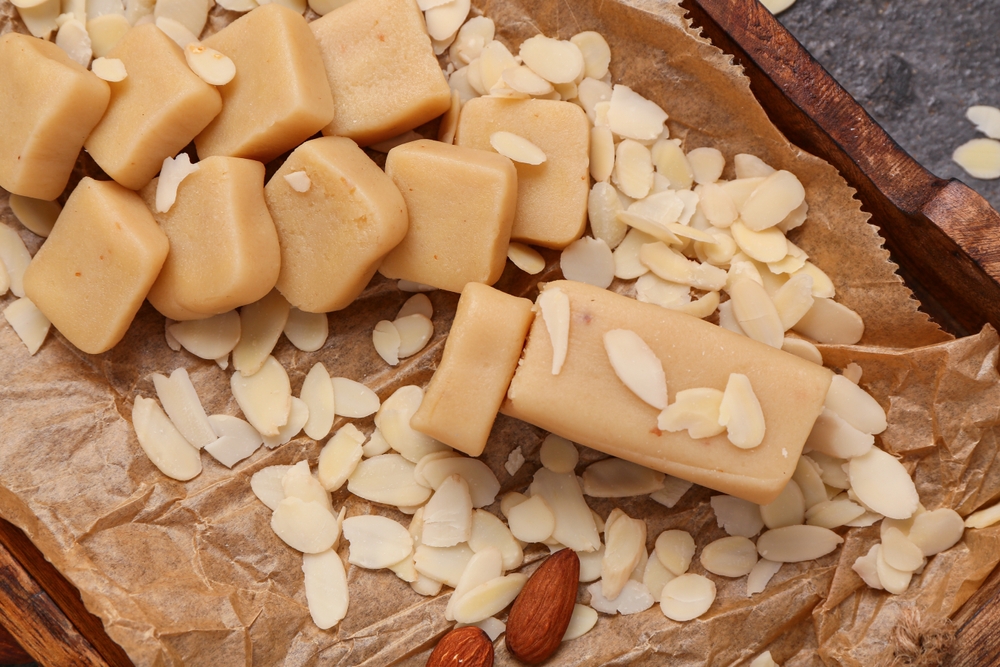
These are small figurines made from a paste of ground almonds and sugar, sometimes with egg white. In Spain, marzipan is closely associated with the city of Toledo, where it has been produced for centuries. The sweet reflects both Arab influence — almonds and honey — and the traditions of women’s monasteries between the fifteenth and seventeenth centuries, where the recipe was perfected, though it was already known in the thirteenth century.
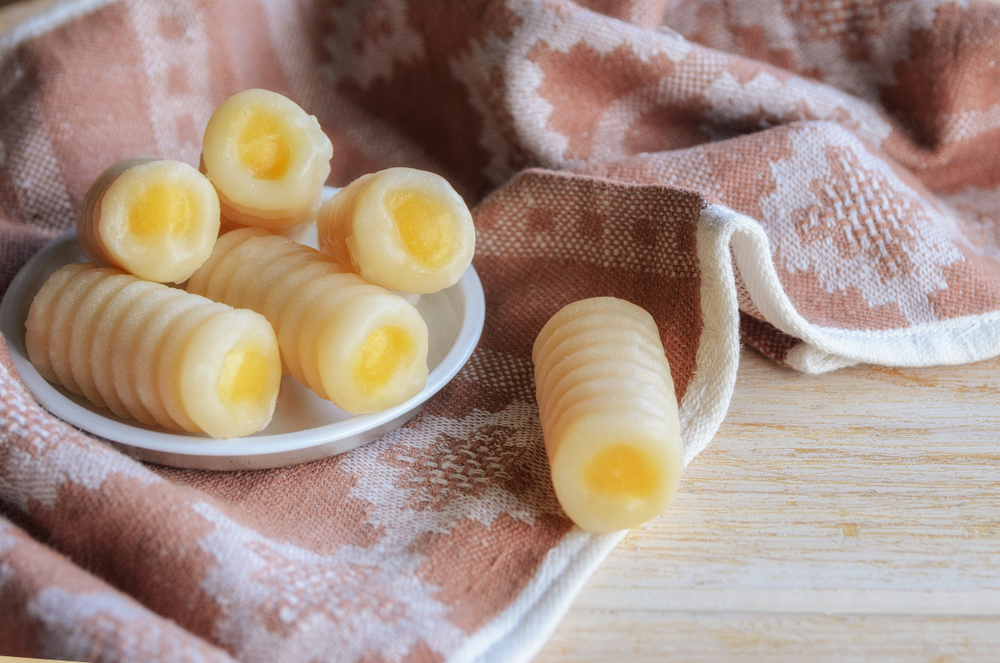
The name of this dessert translates as “saints’ bones”. These are elongated marzipan tubes filled with a thick egg-yolk cream. The recipe is believed to have originated in Valencian monasteries in the Middle Ages. Their bone-like appearance reflects reverence for the dead. They are eaten not only at Christmas but also during other important religious holidays.
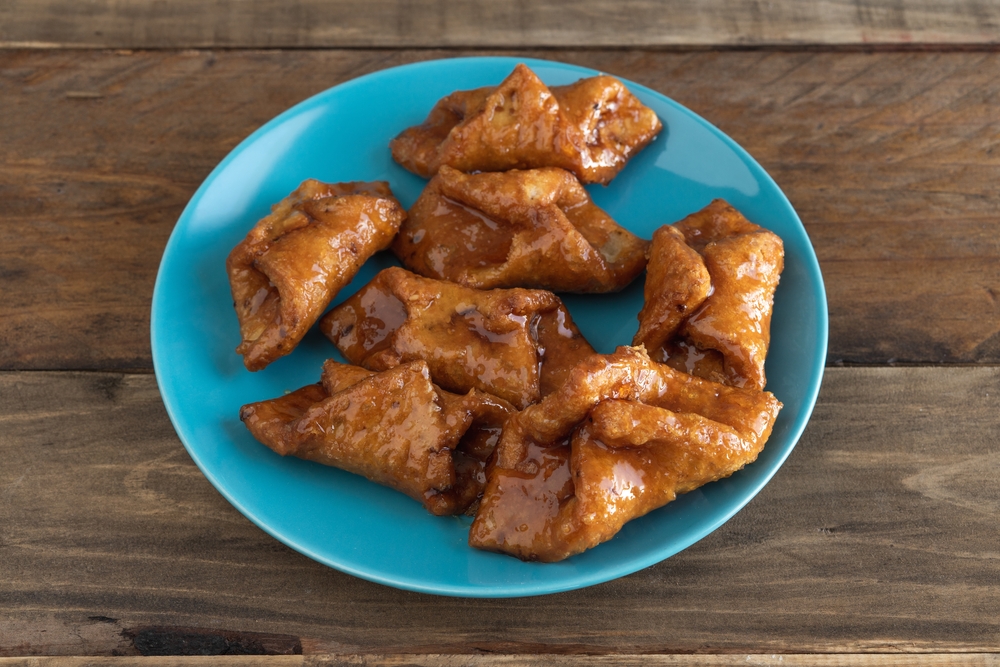
A traditional Andalusian dessert especially popular at Christmas, pestiños are small, crispy pieces of dough made with olive oil and flavoured with aniseed or orange juice. They are deep-fried and then either dipped in warm honey or dusted with sugar. Today, these sweets can be found well beyond Andalusia.
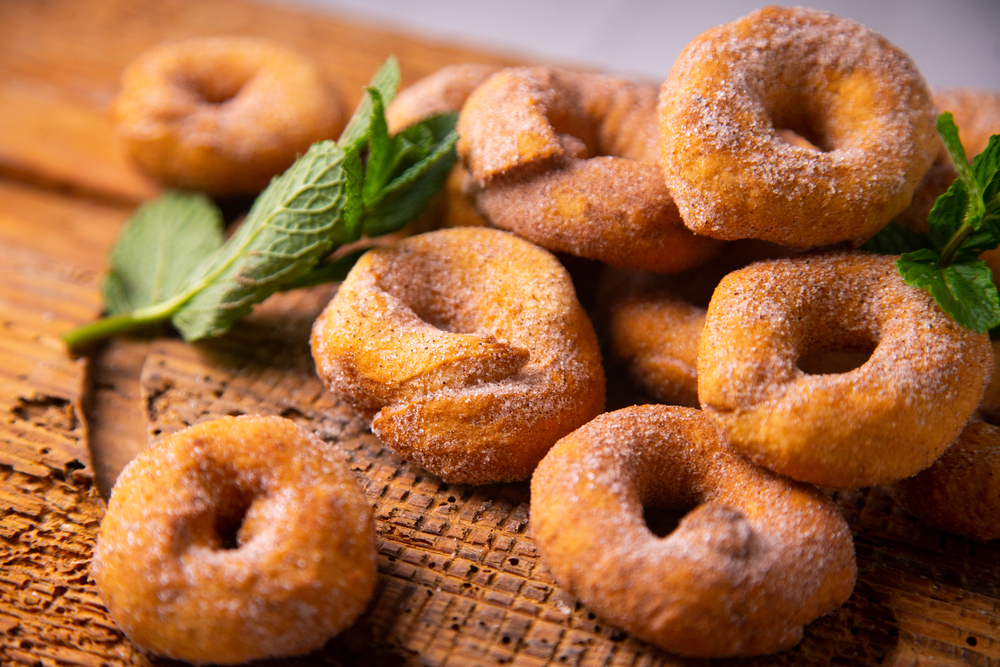
Roscos de vino are round biscuits with a distinctive flavour of sweet wine, usually from Málaga or La Mancha. The dough is made from flour, sugar, ground almonds, aniseed and wine, shaped into rings, baked, and then coated in icing sugar. The result is a delicate, slightly crumbly biscuit with wine, aniseed and nutty notes.
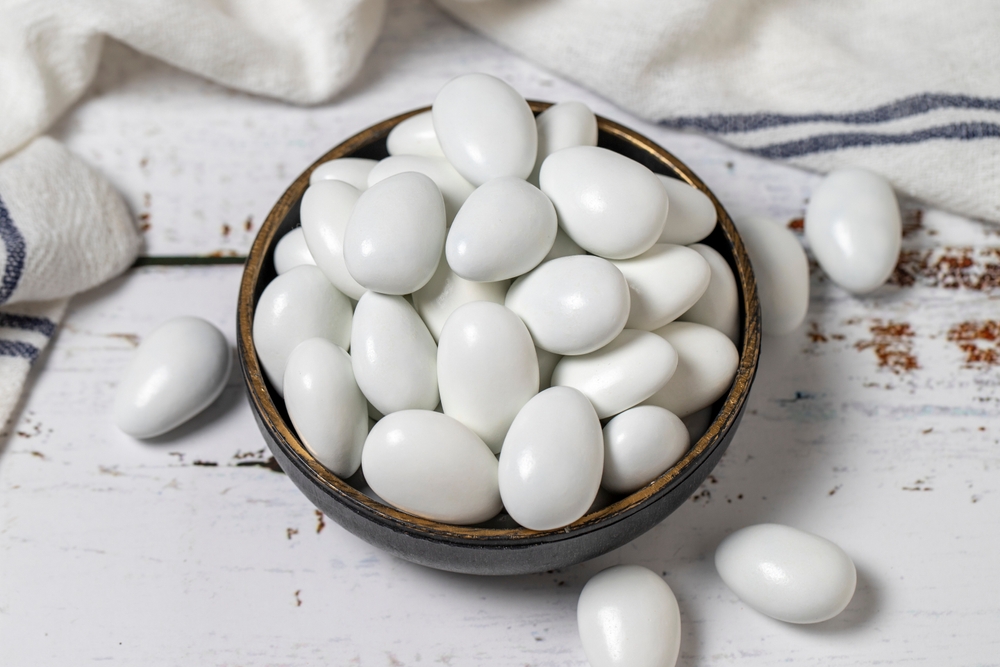
Peladillas are another classic Christmas symbol, especially popular in the Valencian Community. They are whole almonds coated in a thick, crunchy sugar shell. Often served at weddings, a box of peladillas is almost obligatory at Christmas. They are usually presented in small bowls or mixed with other dry sweets on a tray.
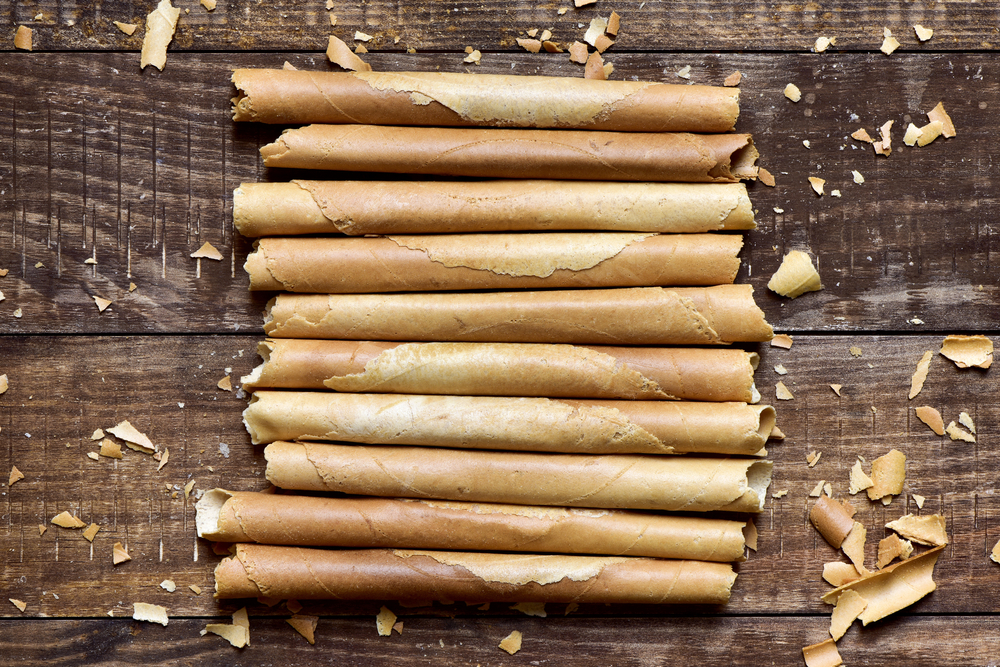
In Catalonia and the Balearic Islands, neules — ultra-thin, crispy wafer rolls made from flour, sugar and egg white — are served with cava or hot chocolate. They are dipped into chocolate or simply eaten alongside a glass of cava.
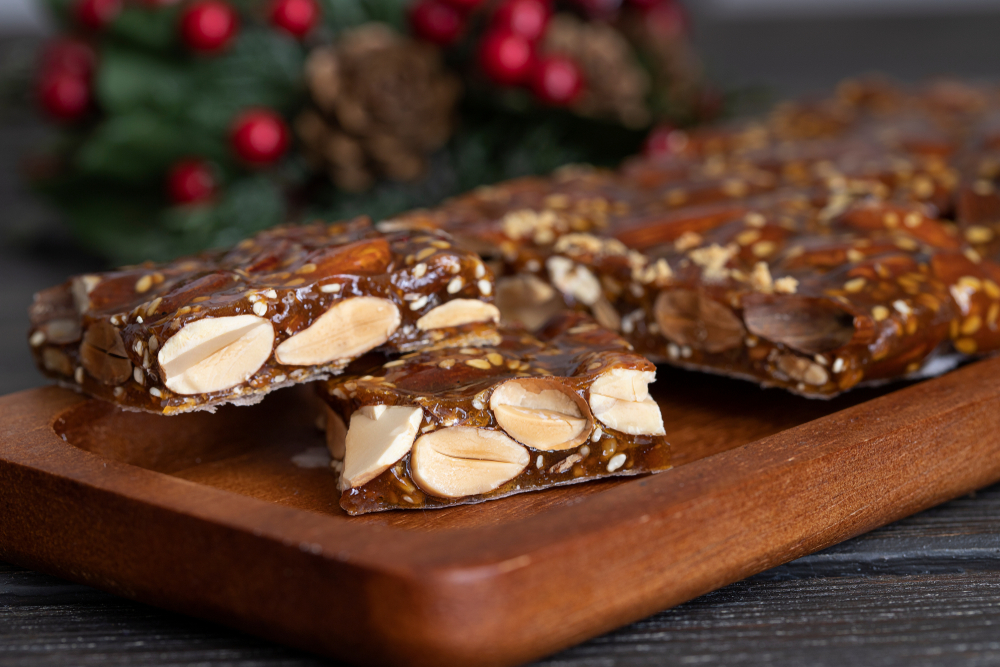
In Aragón and parts of the Valencian Community, guirlache is popular — a brittle made from caramelised sugar and whole almonds. The almonds are lightly toasted before being coated in hot caramel.
In almost every Spanish household, Christmas dinner is followed by sobremesa — a long, leisurely time spent talking at the table. This is when the bandeja de dulces appears: a large plate or several trays filled with traditional sweets.
Lola smiles when the conversation turns to Christmas baking. “I never buy shop-bought sweets,” she says confidently. “It’s much nicer to bake them at home.”
In her kitchen, Christmas means homemade mantecados, almond biscuits and sometimes roscón — though she never hides figurines inside, as all her guests are adults.
“The only thing I sometimes buy for guests is polvorones,” Lola adds.
For Flores, Christmas smells like childhood. “My mum used to make polvorones and turrón, and there were always dried figs and raisins on the table. No boxes of factory chocolates — almost everything was homemade.”
Today she has her own rituals. “I love chocolate turrón and roscos de vino most of all. Without them, it doesn’t really feel like Christmas.”
“We always spend the evening of 6 January together as a family. We buy a roscón from our local bakery — handmade, with natural cream. Everyone puts one euro on the table before we cut it. Whoever finds the king figurine takes the whole prize.”
Gal moved to Valencia from the Netherlands and immediately noticed the biscuit displays in local shops. She tried polvorones in several flavours.
“I loved them — they literally melt in your mouth. I mentioned them to friends, and they were shocked, because I’m vegetarian and polvorones contain pork fat. I had no idea. It was a real shock, and now I always read ingredient lists carefully,” Gal says.
Anna has lived in Valencia for nine years, and her absolute favourite Christmas dessert is roscón. She says she could happily eat it all year round.
Concha believes that for many people in Spain, sweets are the true flavour of Christmas. “My favourites are turrón, dates, walnuts, figs and polvorones,” she says.
In her family, dried figs are stuffed with walnuts — a simple combination that, for Concha, is the most delicious of all Christmas treats.
Related Articles
Beyond Paella: Discovering All i Pebre, Valencia’s Best-Kept Culinary Secret
Deep in the heart of the Albufera wetlands, the fishing village of El Palmar preserves a traditional, rich garlic and wild eel stew that tourist traps completely miss
Loading…
Loading…