
Support La Cotorra on Patreon
Access exclusive content, special perks, and closer connection with us.
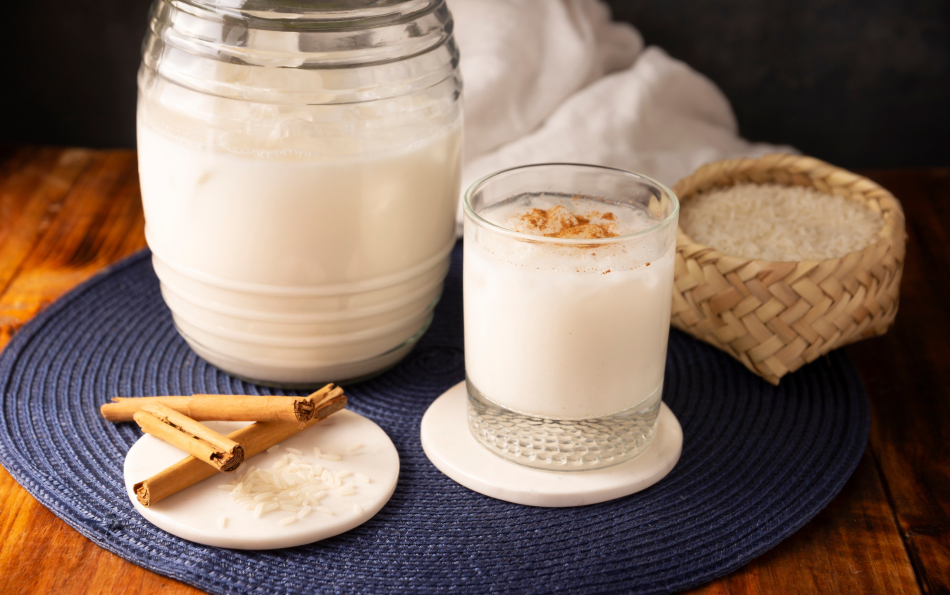
Valencian horchata (orxata de xufa in Valencian) is not just a recipe — it is a tradition. It is a non-alcoholic drink made from chufa (known in English as tiger nuts and sometimes translated as “earth almonds”). Horchata is served cold. For Valencians, it is a source of pride and affection, and it is difficult to compare it with any other European drink.
Horchata is drunk by the litre, especially when sitting in the old horchaterías — cafés specialising in horchata, which often also sell ice cream and sweets. The drink is always available to take away as well. Valencians love it so much that they often buy a litre or two to take home, along with the traditional fartons — the elongated pastries made to be dipped into horchata.
Among Valencia’s expat community there’s a special kind of entertainment: offering visiting friends a glass of horchata and watching their reaction. Its flavour is unusual, unlike anything else, and hardly leaves any foreigner indifferent.
The tiger nut arrived in Spain with the Moors, and the land around Valencia turned out to be the perfect place for cultivating it, explains Toni Peinado, manager of Horchatería Daniel, who spoke with La Cotorra. The founders of this establishment went down in the city’s history as the creators of the classic recipe. Horchata has even been granted a protected geographical designation, similar to wine. This means that only tiger nuts grown in a few municipalities of the Horta Nord region may be used for “authentic” horchata. It is now a part of Valencia’s cultural heritage, preserved with the same care as champagne in France or Parma ham in Italy.
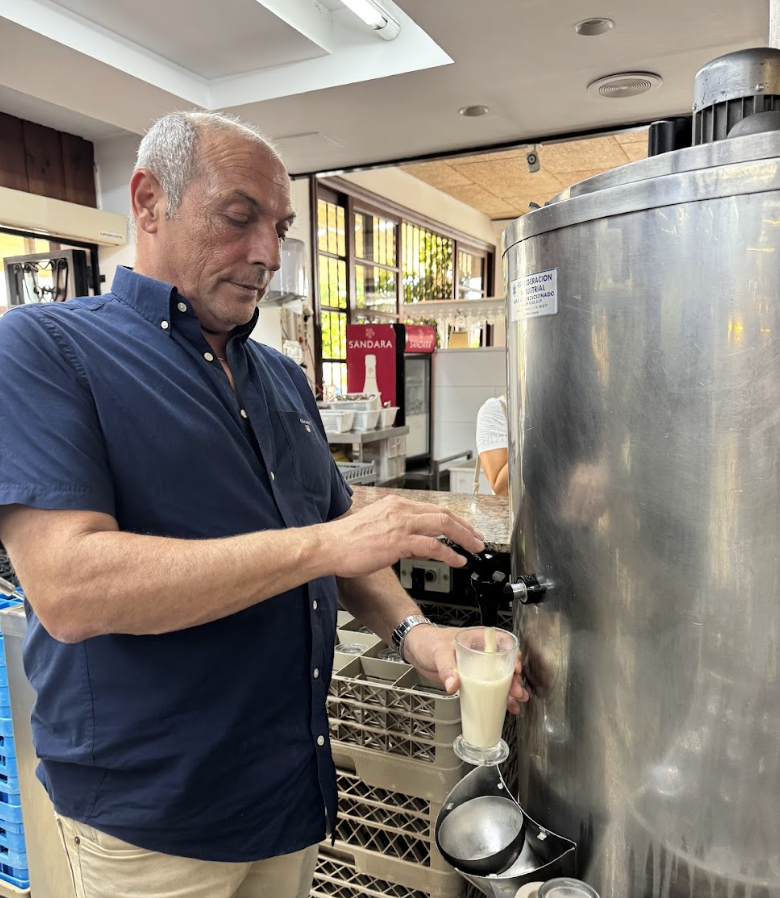
“Alboraya, a municipality in Valencia, is considered the cradle of horchata. And it is here that the story of Daniel Tortajada — founder of Valencia’s leading chain of horchaterías — begins".
Daniel first was selling horchata at El Ateneo, a cultural centre. Locals would come here to meet and drink the traditional beverage. Seeing the great demand, Daniel decided to open his own horchatería right on the ground floor of his house.
"One day a Rolls-Royce stopped at his door, and Señor Dalí stepped out of the car. He asked for a glass of horchata. Someone ran to the main square to fetch a photographer — at the time no one owned a camera. When Señor Dalí saw the photographer, he struck his famous pose and made his unmistakable facial expression. Before that, as he sat quietly drinking horchata, he looked like the most ordinary man,” Toni recounts.
The truth of this story is confirmed by a black-and-white photograph on the café wall: Salvador Dalí sitting at a table with Daniel, the founder of the horchatería.
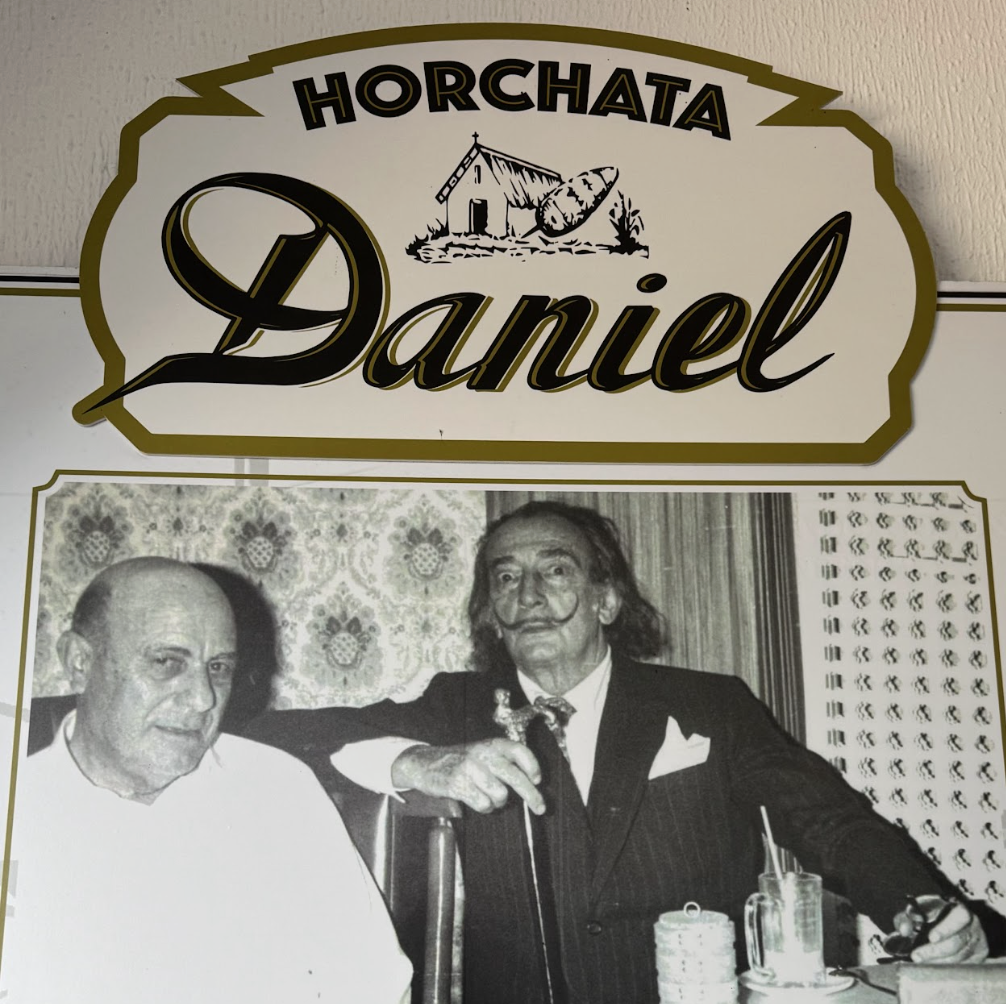
The founder of the current chain is affectionately known among Valencians as “Grandpa Daniel”. Having begun horchata production in the mid-20th century, he became a living legend among locals.
The interior of the horchatería harks back to the days when horchata was served only as granizada (with crushed ice), which made it easier to store. In the morning it was bought with ice; by evening the ice melted, and the drink became liquid. Today in Valencia you can order both versions, depending on your preference. Display cases show old refrigerators, metal churns and ceramic bowls — the traditional tools for producing and selling horchata.
In the middle of the room hangs a large mural showing a scene from the beautiful legend of how the drink got its name. When King Jaime I first tried horchata prepared by a girl from Alboraya, he exclaimed:
“Açò no és llet, això és or, xata!” —
“This isn’t milk — this is gold, girl!”
And so, legend has it, horchata received its name.
Horchatería Daniel stands on Avenida de la Horchata, 41. From the terrace you can see the fields where tiger nuts are grown. “They’re called tiger nuts, but they’re actually tubers, like potatoes,” Toni explains. And the entire flavour of the drink depends on the quality of these tubers. The recipe is no secret: one kilo of tiger nuts to four litres of water, 100 grams of sugar per litre of the finished drink, a little cinnamon and lemon zest. Yet horchata tastes completely different from café to café: sometimes thicker, sometimes sweeter, sometimes with a distinctive note.
“To choose the perfect tiger nut, we taste each harvest raw. The main thing is to ensure there’s no earthy flavour. Some tiger nuts are long, almond-shaped, others are round. The difference used to be more obvious, but now the varieties are often mixed, making selection harder. Our horchatería was the first to establish the official standard for producing classic horchata. And now every Valencian producer must follow it. Although yes, each place may have its own taste — it always depends on the quality of the raw ingredient,” Toni says.
Just as a king is made by his court, horchata is made by its farton. “This traditional pastry was created specifically to accompany the drink. Grandpa Daniel asked a baker friend to make an elongated bun that would be easy to dip into the tall glasses in which horchata is served. Fartón in Valencian means ‘glutton’. When the bun soaks up horchata, it becomes deliciously rich and filling. Grandpa Daniel served fartons warm, so that the contrast with the cold drink would be especially tasty,” Toni explains while showing what the authentic pastry looks like. Today it is the inseparable companion of tiger-nut horchata.
By old tradition Spaniards drink horchata on Sundays, gathering on café terraces with the whole family.
Here you can also try crema de chufa — ice cream made with highly concentrated horchata — and tiger-nut biscuits. There is also sugar-free horchata, which can be mixed with sweet horchata in any proportion to suit individual taste.
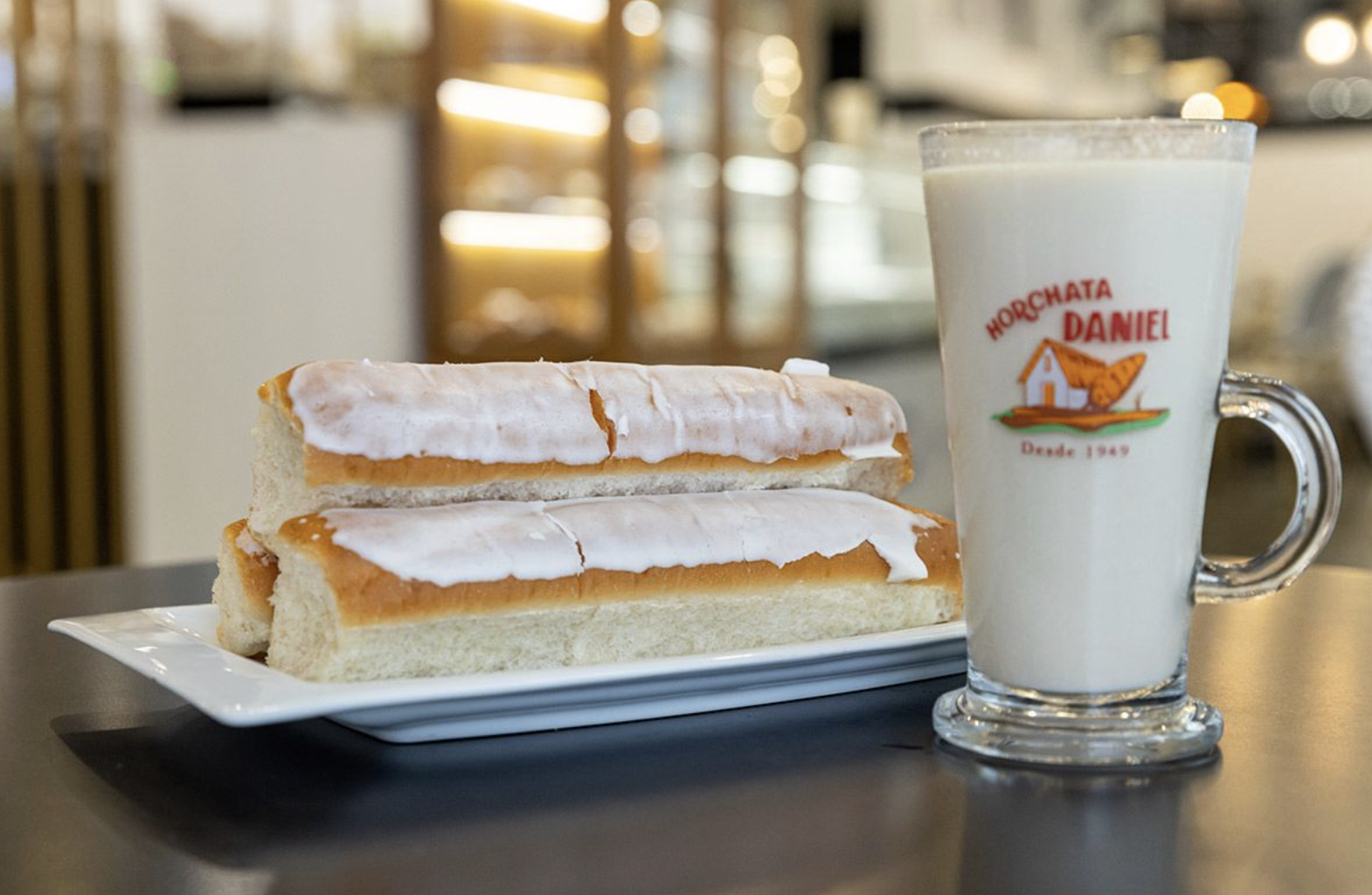
Fresh, natural horchata without preservatives keeps for no more than three days in the fridge. Supermarkets sell pasteurised versions and even powdered mixes for home preparation. But only fresh, artisanal (artesana) horchata is considered the healthiest. It’s believed that drinking it for five consecutive days significantly improves gut microbiota. The drink also boosts immunity, enhances vision and is beneficial for athletes.
Related Articles
Beyond Paella: Discovering All i Pebre, Valencia’s Best-Kept Culinary Secret
Deep in the heart of the Albufera wetlands, the fishing village of El Palmar preserves a traditional, rich garlic and wild eel stew that tourist traps completely miss
Loading…
Loading…