




Support La Cotorra on Patreon
Access exclusive content, special perks, and closer connection with us.
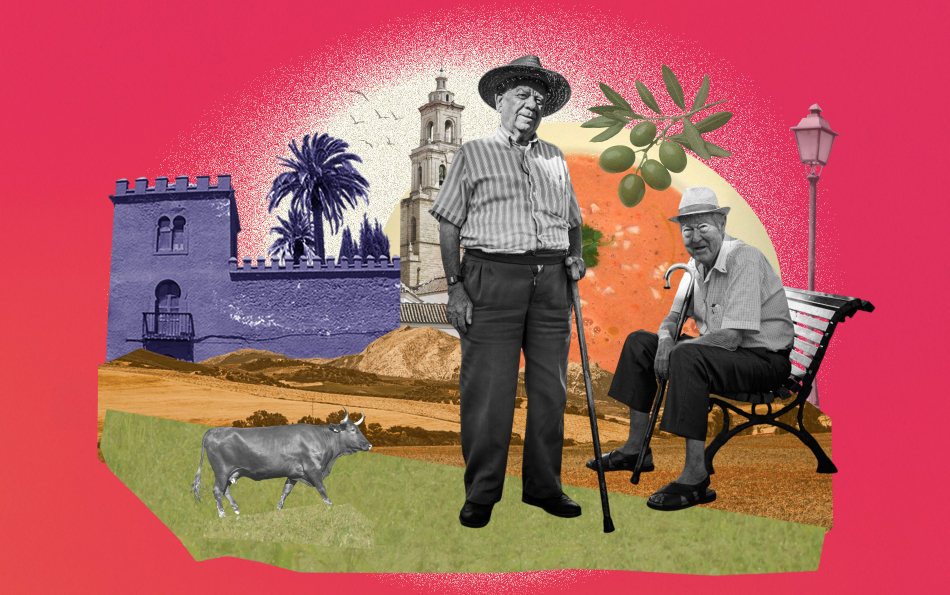
On 28 February, Andalusia marks its major regional holiday. It was on this date in 1980 when voters in the region backed its recognition as an autonomous community in a referendum, securing Andalusia as a distinct territory and granting it broader powers. The vote crowned a long, and often tragic, struggle of the southerners for political rights, the restoration of historical justice and dignity. La Cotorra looks at how Andalusians developed their distinctive character, the challenges the region faces today, and how it is rethinking its long and rich history.
Andalusia Day — 28 February — does not begin with parades or politicians’ speeches. It starts the day before, on the final working day before the holiday. In schools and universities, hospitals and care homes, in central squares and shopping centres across the region, people eat the Andalusian breakfast (desayuno andaluz): bread with olive oil and a pinch of sugar. At its heart are round, slightly flattened rolls known as mollete de Antequera. And there is one more distinctive touch: that pinch of sugar. Sometimes grated tomato or ham is added to this modest dish, but that is optional.
For Andalusians, this is not merely breakfast but an act of remembrance: a reminder of the everyday diet of landless day labourers (jornaleros) who worked other people’s fields. Andalusia has long been a land of stark contrasts: on one side, the colossal wealth of a narrow class of landowners; on the other, the poverty of the peasants. Bread with olive oil and sugar was the cheapest way to get enough energy to labour from dawn until dusk.
It was precisely this system of large landowners (latifundistas) and day labourers that lay behind the awakening of Andalusian self-awareness in the early 20th century. The central figure in this story is Blas Infante, now officially known as the “Father of the Andalusian Homeland” (Padre de la Patria Andaluza). He was a respectable and well-off notary from the Andalusian town of Casares, but his worldview did not take shape in an office: from childhood, Infante witnessed the terrible conditions of the day labourers. In 1915, he published the foundational book Ideal Andaluz (The Andalusian Ideal), in which he argued that Andalusia was not simply an agrarian periphery, but a community that deserved recognition and the right to shape its own destiny.
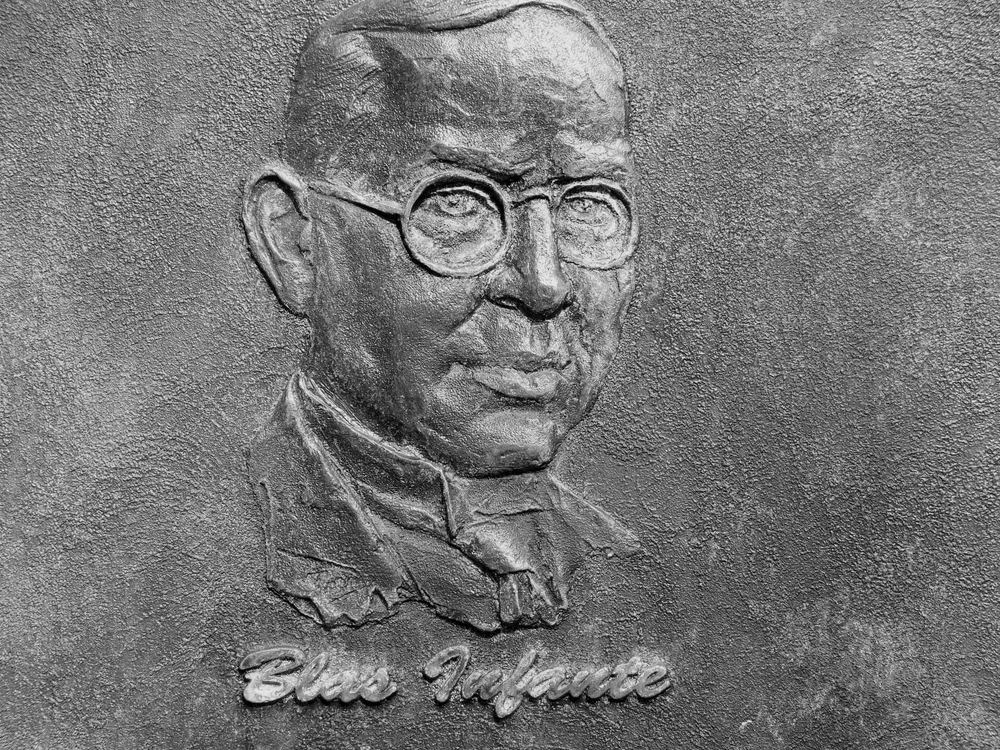
Infante concluded that the land ought to belong to those who worked it. At the same time, he did not urge people to confront landowners with Molotov cocktails. He devoted considerable attention to psychology: to demand its rightful land loudly and clearly, he argued, an oppressed people first had to cast off its “slave mentality” and begin to understand itself as a single, proud nation.
The shift towards political action came with the creation of the Andalusian Centres (the first opened in Seville in 1916 under Infante’s leadership) and with the vigorous work of the editorial team behind the magazine Andalucía, the new movement’s mouthpiece. In 1918, activists organised a defining assembly in Ronda.
The final manifesto struck an uncompromising tone: “The hour has come for Andalusia — the region that has always been the most civilised in Spain, and at times the most civilised in the world — to awaken and rise, to save itself and to save Spain from the shameful decline to which the central authorities have led it over the course of several centuries.”
Infante also returned constantly to the past when devising the symbols of Andalusia. Carefully drawing imagery from the depths of the collective unconscious, he reshaped them. His choice of a white-and-green flag, for instance, was no accident. The deep green referred to the era of the great Umayyad Caliphate, while the white evoked the powerful Almohad Empire. In doing so, Infante built a symbolic bridge between impoverished contemporary Andalusia and the age of its greatest intellectual, scientific and economic flourishing.

For the coat of arms, he chose Hercules taming lions: according to legend, the hero performed some of his deeds in what is now the province of Cádiz. The motto became “Andalusia for itself, for Spain, and for Humanity” (Andalucía por sí, para España y la Humanidad). The phrase reveals much about Blas Infante’s worldview: unlike Catalan and Basque nationalists of the time, he was not a separatist. He believed the region should become the vanguard of Spain’s renewal as a whole.
For the Anthem of Andalusia, Blas Infante used the melody of the old religious chant Santo Dios, but rewrote the words, adding a political undertone: “Andalusians, arise! Demand land and freedom!” The anthem was first performed officially on 8 July 1936 — just days before the outbreak of the Civil War.
In August, Francoist forces arrested Infante and soon executed him. According to legend, just before his death, he managed to shout out: “Long live free Andalusia!”
After Francisco Franco died in 1975, Spain began its transition to democracy. Yet in Andalusia, a sense of foreboding hung in the air: many feared the new authorities would treat them unfairly, reserving broad autonomy and historic rights exclusively for the Basques, Catalans and Galicians.
On 4 December 1977, between 1.5 and two million demonstrators took to the streets of Andalusia. They demanded greater autonomy, which people saw as a vital tool for tackling urgent problems: catastrophic unemployment, the absence of industry and glaring inequality in land ownership.
A huge demonstration in support of Andalusian rights, attracting nearly 300,000 people, also took place in Barcelona. At the time, labour migration from the region had reached unprecedented levels, as many could not earn a decent living in their hometowns. As a result, Catalonia was even referred to as “Andalusia’s ninth province”.
But the day, intended as a celebration of national rebirth, took on sombre tones. One demonstrator in Málaga — Juan Manuel Trinidad Berlanga — climbed onto the balcony of the provincial council building to raise the Andalusian flag, the very flag devised by Blas Infante. Police then responded with extreme force to the demonstrators’ actions. Rioting broke out. One person died, and several others were injured. From that point on, the white-and-green flag became an even more powerful symbol for Andalusians.
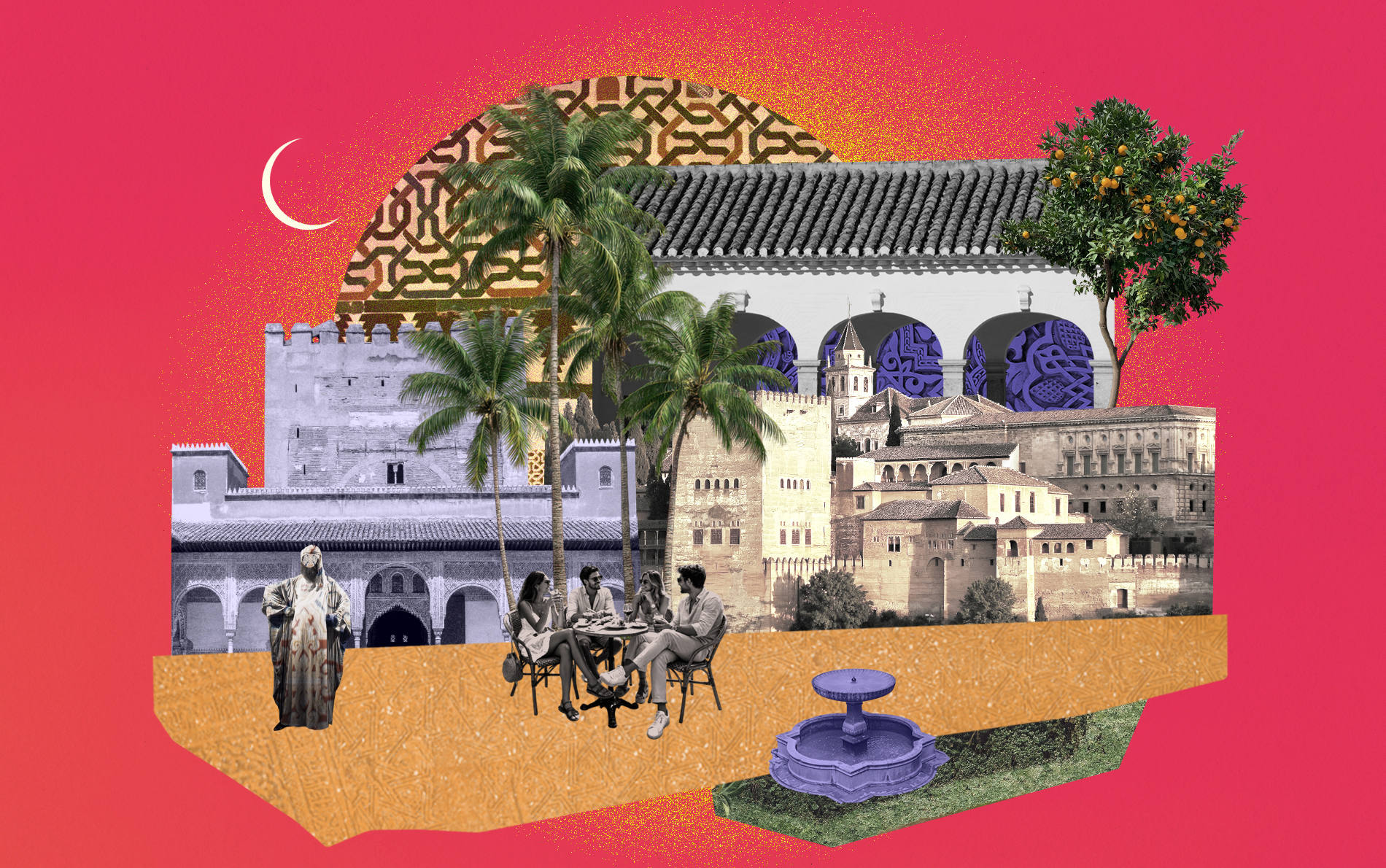
The 1978 Constitution planted a ticking time bomb beneath Spain’s new political order. It divided the regions into two categories. On one side stood the so-called “historic nationalities” — Catalonia, the Basque Country and Galicia — which could take the fast track to the widest possible autonomy. On the other side stood every other territory. Andalusia — a region with an immense history and one of Europe’s oldest cultures, but economically underdeveloped and dependent — found itself pushed into the second category, and this reflected the preferences of both the right and part of the left.
Yet Article 151 of the Constitution allowed regions to hold a referendum and secure a high degree of self-government quickly, on the same footing as the Catalans, Basques and Galicians. Street protests forced politicians to activate this complex mechanism, which ultimately led to the 28 February 1980 referendum. Adolfo Suárez’s government, recognising the mood in Andalusia, began urging people to abstain. Ministers warned of supposed political chaos. Even so, people turned out to vote.
In the end, in seven of Andalusia’s eight provinces, a majority of voters — not merely of those who turned up, but, as the law required, of the entire registered electorate — said “Yes” to autonomy. In the eighth province, Almería, voters also supported autonomy, but they fell short of the threshold of 50 per cent of the registered electorate. The letter of the law appeared to slam the door on Andalusians’ aspirations. Yet, recognising how critical the moment was, all parties and the government entered negotiations and eventually found a way to honour the will of Almería’s voters.
Andalusia became the only autonomous community to obtain its powers through the exceptionally demanding referendum route set out in Article 151. The Statute of Autonomy of Andalusia, adopted in 1981 and updated in 2007, states that the demonstrations of 1977 and the referendum of 1980 “expressed the will of the Andalusian people to take a leading place among the peoples of Spain in the pursuit of the highest possible level of self-government”.
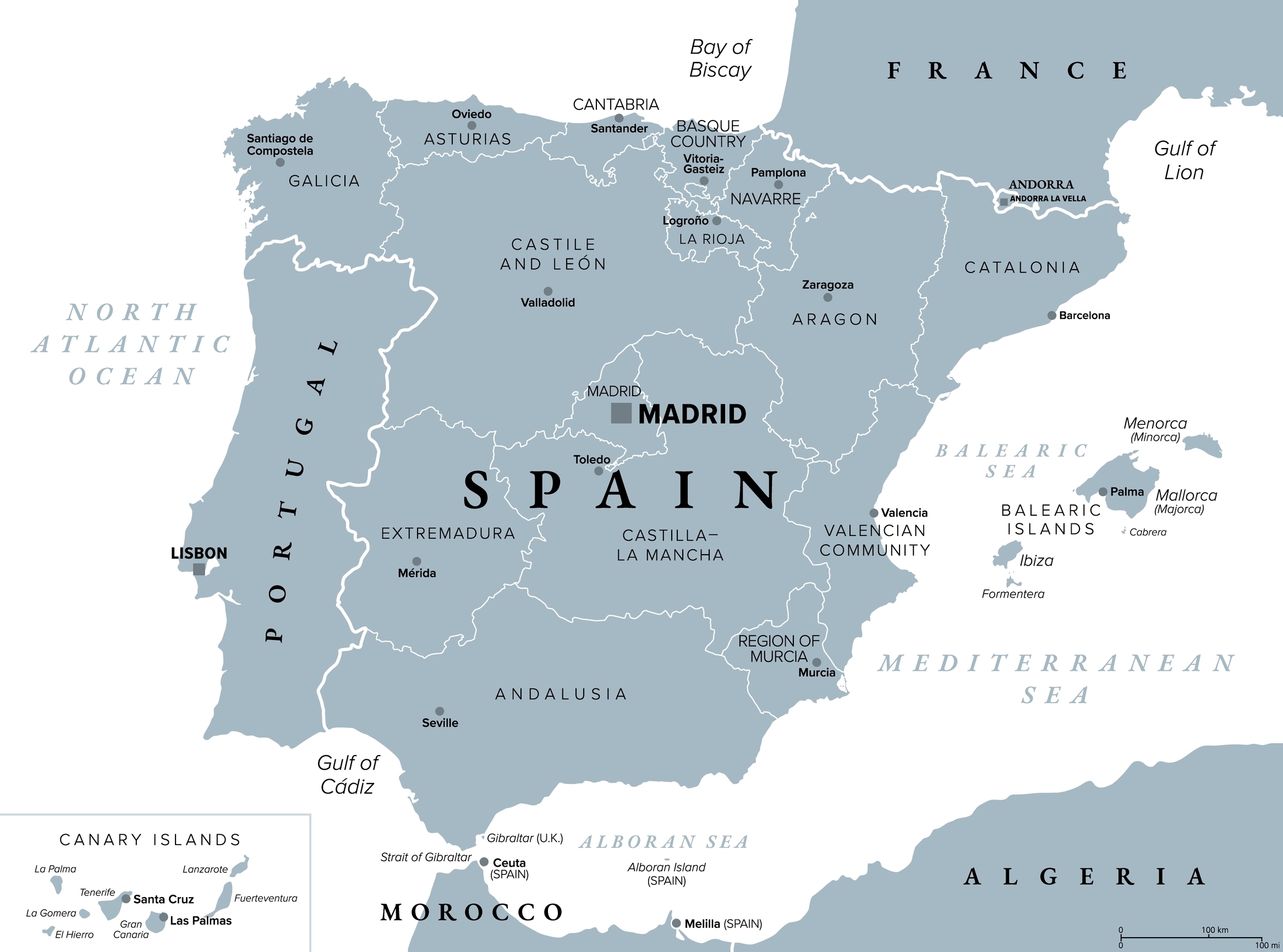
The preamble to the Statute also speaks of an “Andalusian distinctiveness” shaped by a “specific geographical space — a meeting point and place of dialogue between different civilisations”. It describes Andalusia as “a link between Europe and Africa”, and its people as heirs to “a vast civilisational legacy that Andalusia can and must contribute to modern society”.
Andalusia is indeed the result of centuries of cultural and ethnic intermingling, involving the ancient Tartessians, Phoenicians, Greeks, Carthaginians, Romans, Vandals, Visigoths and, of course, Arabs.
One of the region’s most striking symbols is Córdoba’s Mezquita. A Christian church once stood on the site. After the Islamic conquest, some accounts suggest the building was divided into two so that Christians and Muslims could use it simultaneously. Then, in 785, Emir Abd al-Rahman I decided to buy the entire structure, demolish it and build a grand mosque. In 1236, after Ferdinand III of Castile conquered the city, the building was consecrated as a Christian church.
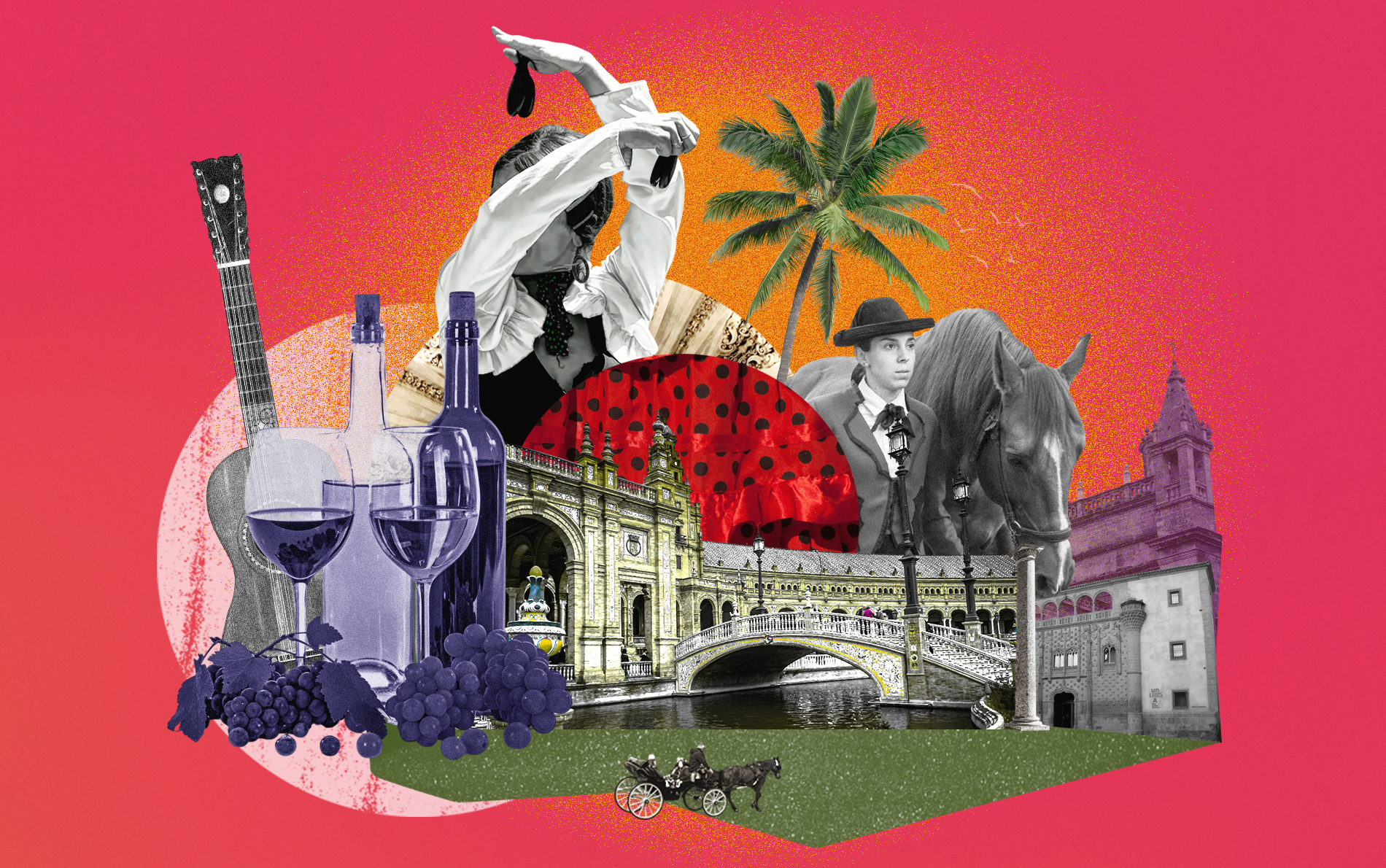
To many foreigners, all of Andalusia still boils down to banal stereotypes: flamenco, bullfighting and an endless fiesta. Yet that image was shaped less by Spaniards themselves than by 19th-century Romantic travellers such as Washington Irving and Prosper Mérimée: the authors of Tales of the Alhambra and Carmen introduced the world to the passionate, mysterious and enchanting inhabitants of Granada and Seville.
Of course, there is some truth in the vivid images and customs described by Irving, Mérimée, Théophile Gautier, Alexandre Dumas and many others. One cannot ignore the fact that flamenco is the very essence of Andalusia, concentrating within it the fears, hopes, pleas and laments of Romani, Arab and other peoples.
The Romani siguiriya (one of the styles of flamenco. — La Cotorra) begins with a desperate cry that cuts the world in two. It is the dying scream of faded generations, a searing lament for vanished centuries, and the lofty memory of love beneath another moon and another wind. No Andalusian can hear that cry without a shudder; no Spanish song possesses such poetic force, and rarely has the human spirit created with such raw spontaneity.
Federico García Lorca, “Theory and Play of the Duende”
But one should not forget that stereotypes are always a grave simplification.
At times, that simplification can even verge on the insulting. The popular imagination has long clung to a caricature of the Andalusian as charming and romantic, yet hopelessly lazy and simple-minded.
In 1927, the philosopher José Ortega y Gasset even attempted to give this prejudice an intellectual framework, introducing the notion of the Andalusian “vegetative ideal” (ideal vegetativo): the idea that Andalusians do not seek to change the world through labour, but prefer to passively enjoy its gifts like a plant under the sun.
Yet what the Madrid intellectual mistook for passivity was, in reality, the product of a harsh economic order built around those same large landowners and day labourers. A typical Andalusian might be branded lazy at home, where there was no work, but become an exemplary worker the moment he travelled to Catalonia or the Basque Country in search of employment.
In conditions of chronic poverty and social injustice, Andalusian society developed an alternative system of values that became a mechanism of collective survival. The ability to take joy in little things, to turn life into a celebration and to laugh at oneself became a kind of resistance. As the 1918 Assembly in Ronda put it, Andalusia is “the happiest land of the saddest people in the world”.
Since capital accumulation remained impossible for most people, the principal measure of worth became the quality of human relationships. Researchers point to “Andalusian anthropocentrism” as a defining trait — a culture of relationships in which the individual and human connection matter more than institutions or abstract ideas. The Andalusian maxim runs: “Work in order to live, not live in order to work” (Trabajar para vivir, no vivir para trabajar).
“The other day, in the café where I drink coffee after lunch, a man from Cádiz, speaking to me, replied to my remark about the unflagging activity and wealth of the English: ‘The English have plenty of money, that is true; but I would not take all their gold if it meant living their life. We Spaniards are happy if we have a few cigars and a pretty girl; we enjoy whatever God sends us.’
‘There is no people in the world who love pleasure as much as the Andalusians, or who give themselves over to it with such childlike sincerity… If these people concern themselves with anything at all, it is only with how to make the evening merrier.’”V. P. Botkin, Letters on Spain, 1857
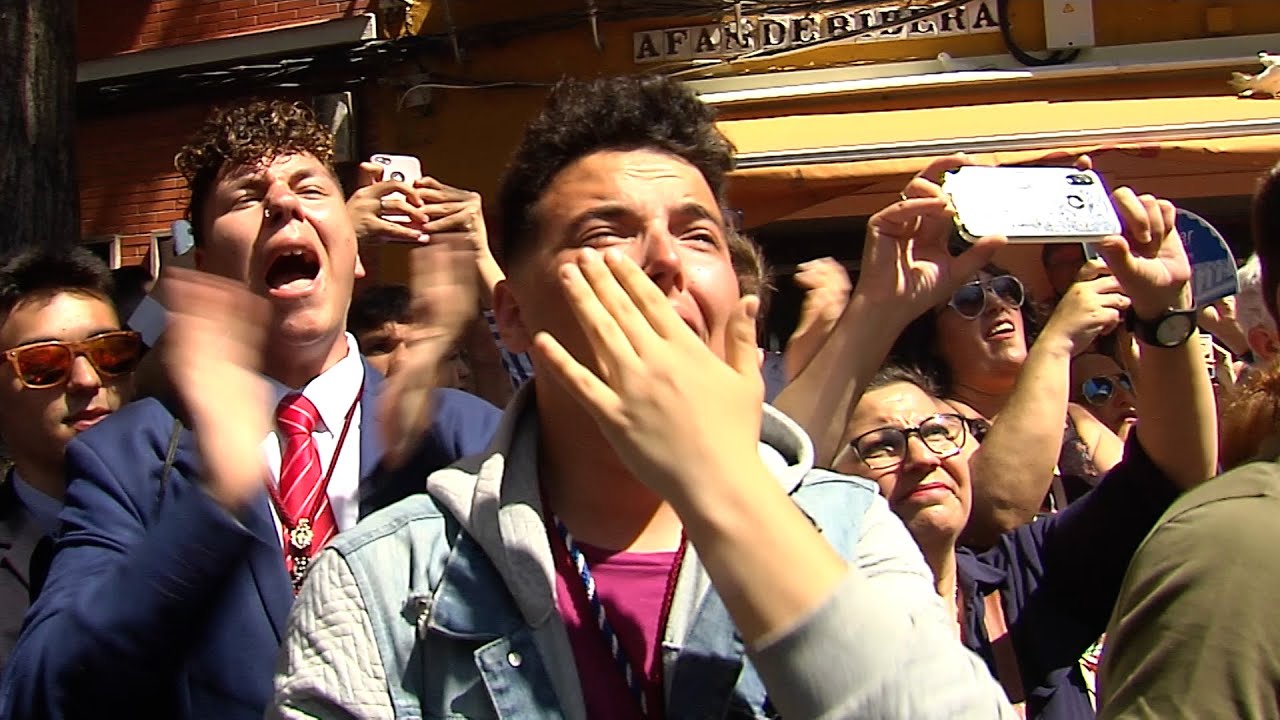
This idea of “hedonism as rebellion” finds perhaps its clearest expression in Andalusian festivals. Take Holy Week (Semana Santa). As Andalusians themselves note, their Semana Santa is “the most pagan” in the world: a cult of spring and the pleasures of life, where tears shed at the suffering of Christ mingle with the joy of meeting friends in packed bars.
Andalusian religiosity is sensual and embodied. Back in 2019, a video went viral online — and still resurfaces from time to time — showing young men in Seville greeting a Holy Week procession carrying a statue of the Virgin Mary with tears in their eyes, shouting: “Beautiful! Queen! You are beautiful!”
Where else, apart from Andalusia, does one find not just a festive day or even a festive week, but an entire festive month? In Córdoba, the whole of the so-called Mayo Festivo becomes one celebration after another, all building towards the climax: the annual fair (Feria). It is a week when music and dancing do not stop, and rebujito — a cocktail made with local fortified wine — flows freely.
“What uncultured people! Lazy wretches! You only get up from your siesta to go out strolling and enjoying yourselves,” complains one of the characters in the film Ocho apellidos vascos (Spanish Affair), the Basque woman Amaia, upon first meeting Rafa from Seville. It is, of course, a comedy built entirely around the play of stereotypes. Even so, lines like these reveal a great deal.
Another constant target of mockery is the Andalusian manner of speech, which differs markedly from standard Castilian Spanish. To ears unaccustomed to it, Andalusian speech can sound too rapid. Southerners “swallow” endings, drop the intervocalic “d” (so the participle cantado becomes cantao), merge sounds through the phenomena of seseo (pronouncing everything as “s”) and ceceo (an interdental pronunciation), and often lose the final “s” in words.
This pronunciation has been mocked for centuries; there is evidence of it already in 18th-century texts. For a long time, the linguistic model imposed from Madrid, with the support of the Royal Spanish Academy (RAE), stigmatised these phonetic features as vulgar defects of speech.
In the second half of the 20th century, television series and films further reinforced this stereotyping: an unwritten rule held that a character with a southern accent served either as comic relief or as a representative of the lower classes. In the hugely popular TV series Médico de familia (Family Doctor), for example, the character Juani, a simple-minded maid, cemented the association between the Andalusian accent and low social status for an entire generation of viewers. The actress herself was not from Andalusia and deliberately exaggerated the pronunciation for comic effect. By contrast, in the series El Ministerio del Tiempo (The Ministry of Time), the Sevillian Diego Velázquez and the Málagan Pablo Picasso both speak impeccable Castilian without the smallest trace of Andalusian features.
“More than once I have been told: ‘Oh, well, for a woman from Cádiz, you speak very clearly’… The boldest even dared to imitate my accent (which in fact I didn’t have), supposedly to… amuse me? No — Andalusians do not find it funny when you parody us,” wrote the journalist Ana Arjona in a column for the Spanish edition of GQ. She added that when people remarked on her lack of a strong accent, she would usually start making excuses, “as though I had done something wrong simply by being born Andalusian”: “I used to say that we had diction classes at university (a lie), or that we spoke ‘neutrally’ at home because my father was from Madrid (also a lie, since my mother, like my brothers, speaks in the pure dialect of Algeciras (a city in the province of Cádiz. — La Cotorra)).”
Sociologists and linguists use the term “glottophobia” to describe this situation — discrimination based on accent. In everyday life, glottophobia remains far from rare: skilled professionals who move away from Andalusia often feel compelled to work on their pronunciation. In 2024, for example, the media reported a case of direct discrimination: an English teacher from Cádiz was turned down for a job in Madrid, with the employer explicitly stating that students would not be able to understand him because of his accent.
There have also been scandals at the highest levels of government. Esperanza Aguirre, former head of the Madrid regional government from the People’s Party, mocked the Andalusian accent of Deputy Prime Minister María Jesús Montero from the Spanish Socialist Workers’ Party. Meanwhile, former Catalan regional leader Artur Mas, when he was still a senior official, once claimed that the speech of children from Andalusia could at times be impossible to understand, thereby triggering a storm of outrage.
Even on the regional public broadcaster Canal Sur — which, in theory, ought to defend local culture — internal guidelines for years recommended avoiding distinctive dialect features on air.
According to the writer and RAE representative in Andalusia, Antonio Rodríguez Almodóvar, the channel “never encouraged” the use of the Andalusian dialect, with the result that “many professionals concealed their accent so as not to harm their careers”.
A shift in public sentiment began only comparatively recently, as the generation of millennials came of age and started setting the tone. Political scientist Jesús Jurado dubbed this group of Andalusians — those born after the 1980 referendum — the “mollete generation”, after the same bread rolls with olive oil and sugar that schoolchildren eat before Andalusia Day.
According to data from the Andalusian Centre for Studies (CENTRA) in 2024, more than 65 per cent of the region’s residents feel openly angry when they hear criticism of the way they speak.
As a result, pride is replacing apology. The comedian Manu Sánchez from Seville put it like this: “I do not speak bad Castilian — I speak perfect Andalusian.”
Many linguists now explain the features of Andalusian speech through the principle of “linguistic economy”, taken to its extreme. “Because of the Andalusian climate, much of our life happens outdoors. So in Andalusia, through more intensive use of language, speech evolved and became more economical,” explained Rafael Cano, a professor at the University of Seville. The theory suggests that, in the same amount of time, Andalusians can convey more information to the listener than, say, people in Castile.
Only recently, on the eve of the 28 February celebrations, the Provincial Council of Córdoba presented the Royal Academy of the Cordoban Accent (RAAC), a new initiative aimed at turning the local speech pattern into a “unique cultural heritage and a source of pride for almost 800,000 people” and at “challenging the very idea of a single correct accent”.
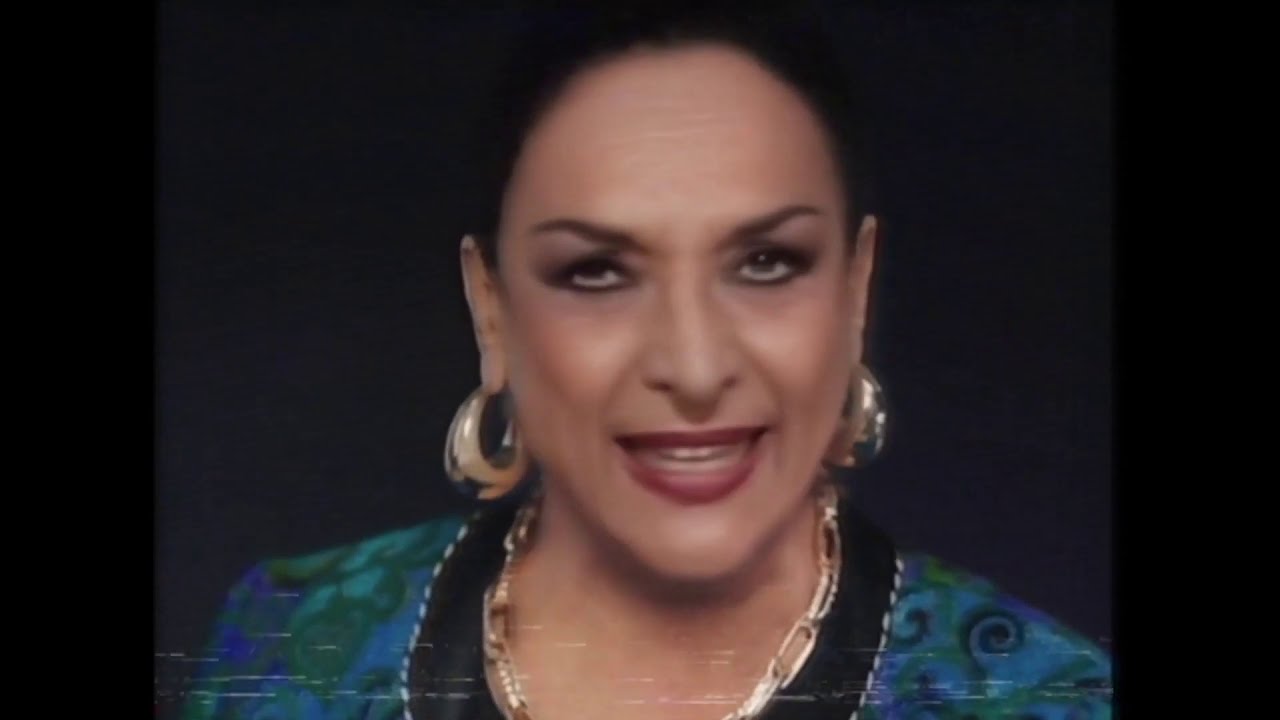
A powerful catalyst for change in Andalusia was the advertising campaign Con Mucho Acento (“With a Strong Accent”) by the beer brand Cruzcampo, itself a symbol of Seville. In 2021, using deepfake technology, the campaign “brought back to life” the iconic singer Lola Flores, who addressed viewers with the words: “Your accent is your treasure — never lose it.” The same idea — “My accent is my DNA” — appears, for instance, in a song by Manuel Carrasco, who comes from the Andalusian province of Huelva.
Many now go further still, arguing that the time has come to develop an Andalusian orthography. Under the EPA initiative (Êttandâ Pal Andalûh), a group of activists has attempted to codify the dialect by creating a separate writing system with new symbols. Using EPA, they even translated The Little Prince into “Andalusian” as Er Prinzipito.
In music, one of the brightest representatives of this “new Andalusianism” is the group Califato ¾. In 2021, for example, they reworked the regional anthem in their own style and gave it a title using the new spelling: NO ÎNNÔ DE ANDALUÇIA. Beneath the video, one finds comments written in the same fashion, such as Biba Andalucía Libre i Çoberana (instead of the standard Viva Andalucía Libre y Soberana). Visual artists, meanwhile, promote Andalusian orthography through graffiti. And the creators of meme accounts using the same style continue to attract ever larger followings.
The academic world remains sceptical about the movement, not least because Andalusia is home to a mosaic of very different accents, and any attempt to create a single orthography inevitably means privileging some phonetic variants at the expense of others. Supporters of the initiative, however, see the new spelling as a tool for overcoming a sense of linguistic inferiority.
Either way, one thing is clear: Andalusians no longer wish to apologise for the way they speak. And more broadly, according to a 2024 survey, 73.1 per cent of people in the autonomous community are “very proud” to be Andalusian, while another 17.2 per cent are “fairly proud”. Blas Infante would likely have been pleased.
Related Articles

Why Feeding Kids in Spain Means Surrendering to Sugar — A Russian Mum's View from Valencia
At the playground, treats fly between families faster than you can track them, and restaurant kids' menus rarely stretch beyond chips and nuggets. But after years in Valencia, one mother is rethinking what really matters.

Why Is Spain So Corrupt? A Brief History and Eight Reasons the Problem Won't Go Away
With parliamentary elections approaching, corruption has become Spain's hottest political weapon. But the phenomenon is neither new nor simple — it stretches back centuries and involves structural, cultural, and psychological factors that no government has yet managed to fix.
Beyond Paella: Discovering All i Pebre, Valencia’s Best-Kept Culinary Secret
Deep in the heart of the Albufera wetlands, the fishing village of El Palmar preserves a traditional, rich garlic and wild eel stew that tourist traps completely miss
Loading…
Loading…