




Support La Cotorra on Patreon
Access exclusive content, special perks, and closer connection with us.
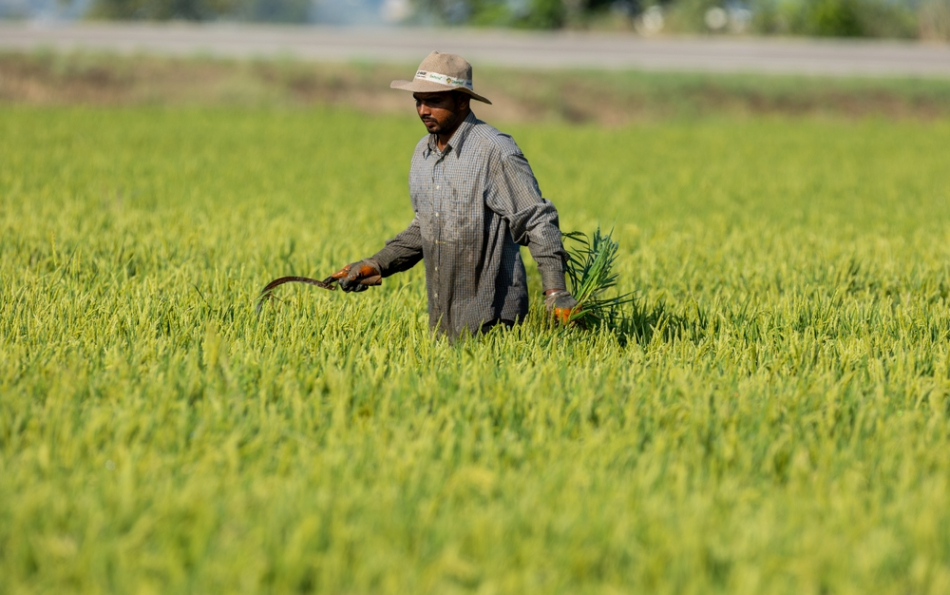
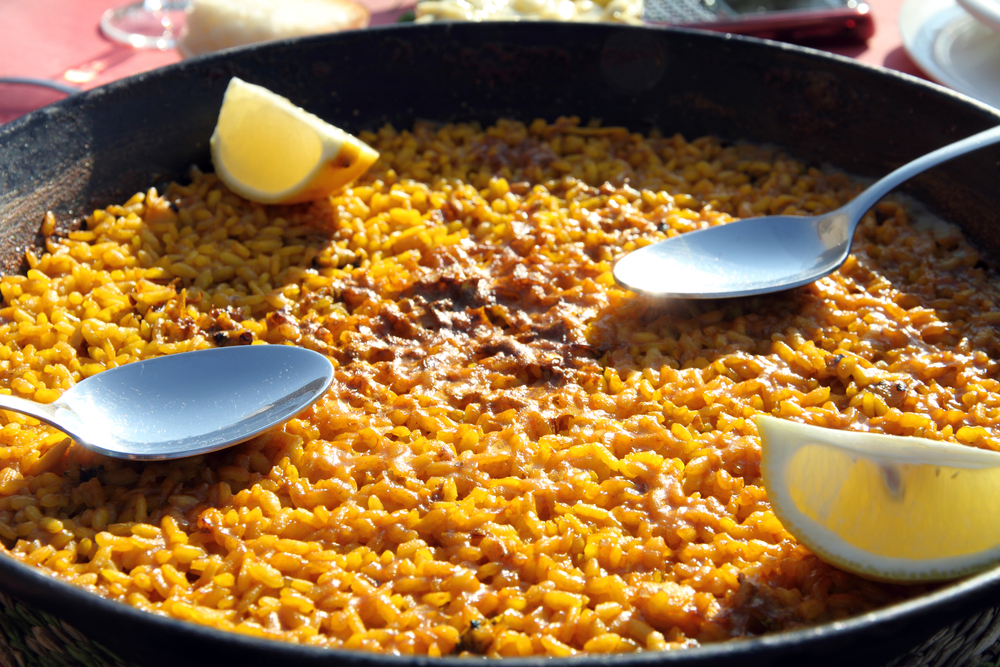
Residents of Albufera — a nature reserve about ten kilometres from the city where rice has been grown for centuries — insist that real paella is made only from local grain. In Albufera, rice shapes the landscape and local cuisine, the rhythm of life and the relationship between people and nature. It is considered the benchmark grain for paella. La Cotorra visited the area and shares what it looks like.
The gastronomic heart of Albufera — El Palmar — is a small town surrounded by rice fields and canals. It has the highest concentration of restaurants specialising in rice dishes. In a town of around 760 residents, there are approximately 25 restaurants. Establishments are often located right next to one another. This is the place to come for authentic paella — a dish whose flavour is defined by the origin and properties of the grain.
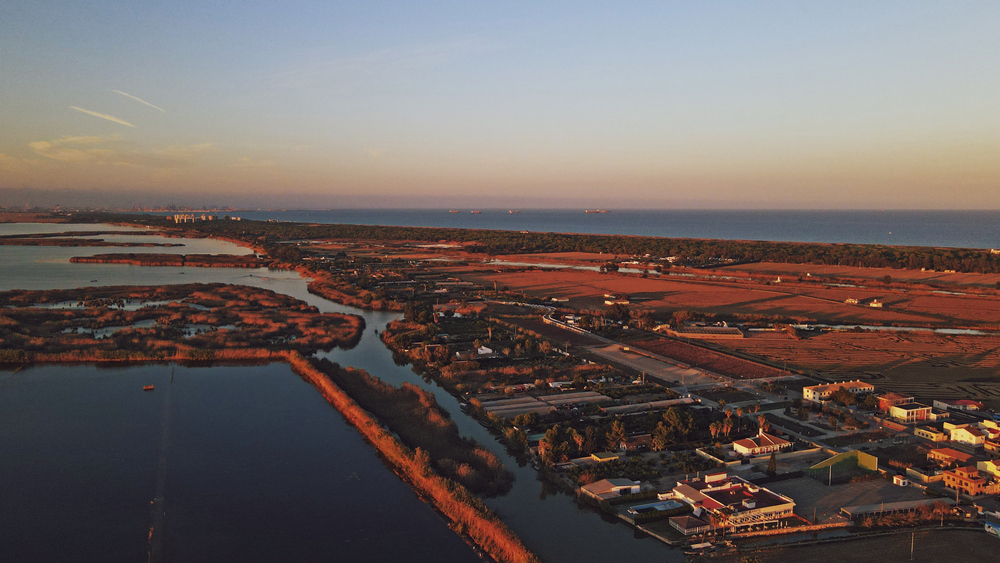
In essence, the rice here is served just a hundred metres from the field where it grew. Even those who think they don't like paella often discover that in El Palmar it is an entirely different dish, bearing no resemblance to the versions served in the centre of Valencia.
El Palmar resident and rice plot owner Noelia Marco says that locals understand rice production even if they are not farmers themselves.
"We eat paella either at home or at local restaurants. When I go to Valencia, I usually order other dishes at restaurants. For me, rice is something deeply associated with Albufera, with my home," says Noelia.
One of the farmers who works on the plot belonging to Noelia's family is Marc Natividad. He is studying rice cultivation at the School of Agricultural Master's in Catarroja, which trains agricultural specialists. But having spent many years working in the fields, he could probably give lectures on the subject himself.
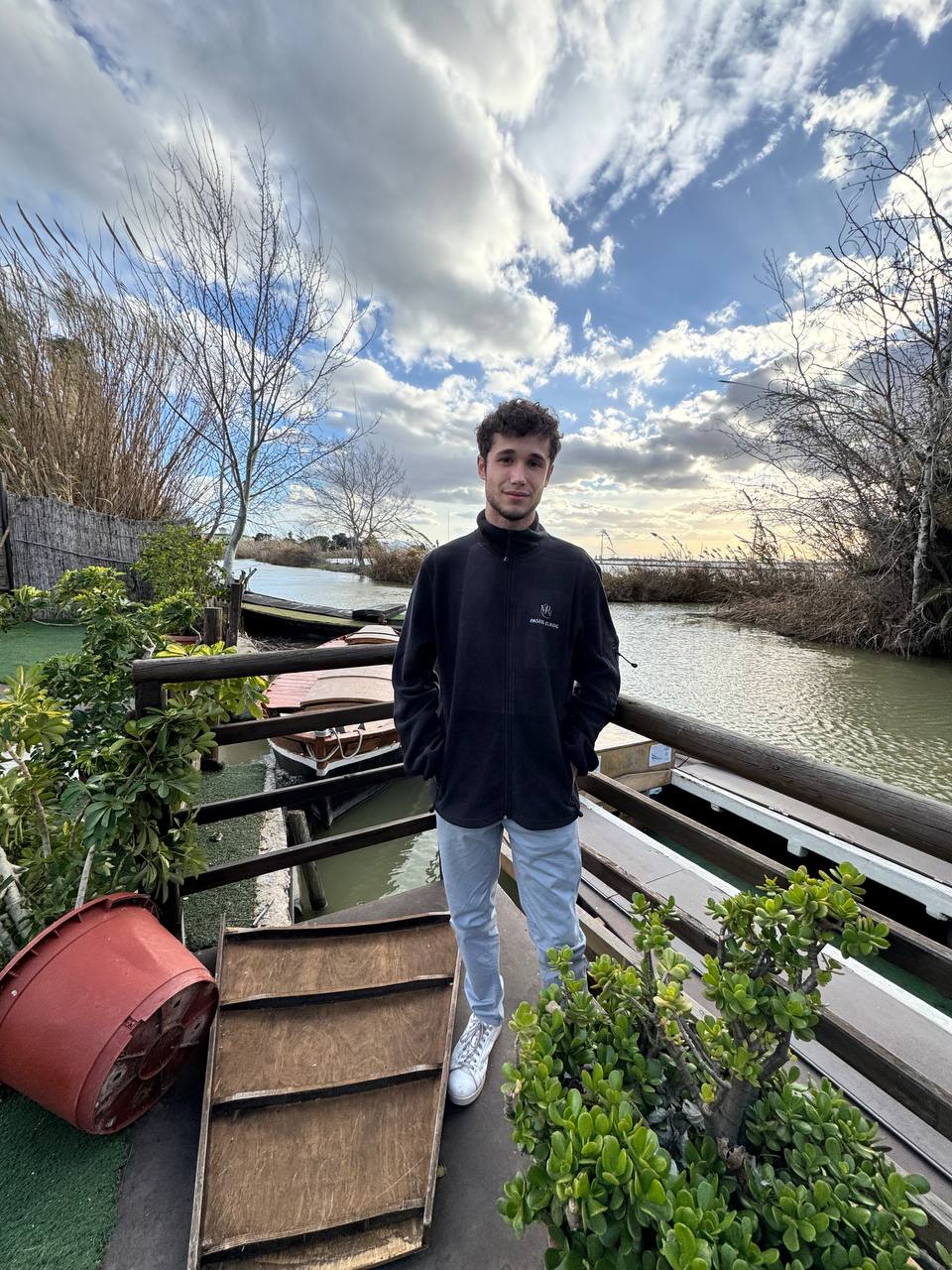
"Many of my friends moved to big cities, and that's fine. For me, it was important to stay here and continue what my family had always done — they also grew rice. I'm truly proud of that," says Marc.
As Marc explains, several key varieties of japonica rice are grown around Albufera, and each behaves differently in the pan. The quality of the product is determined not by the variety alone, but by the combination of grain, water, and soil.
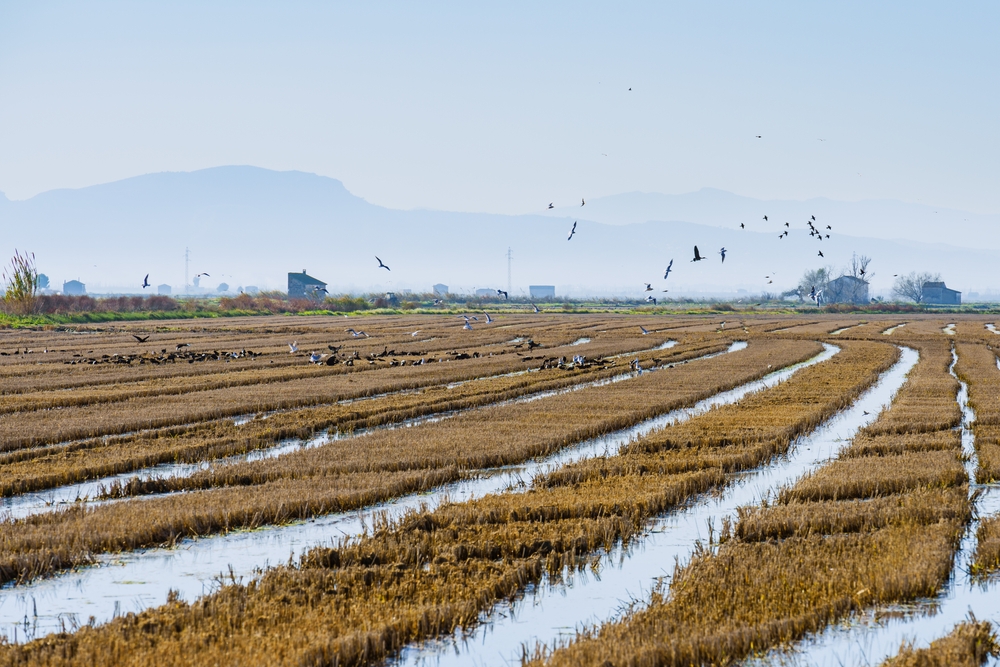
The most traditional variety here is considered to be sénia. It was the rice locals used to cook with. It has a high yield and a pronounced ability to absorb the flavour of the broth, which makes the paella richer and more aromatic. Sénia does have a weakness: it is unforgiving — a couple of extra minutes and the grain loses its shape. That is precisely why it is favoured by experienced cooks and those who make paella by feel, without a timer, reading the fire and working from experience rather than the clock.
Bomba, by contrast, is prized for its reliability. The grain withstands longer cooking and handles pauses well — even if left to rest, it will not turn to mush. For this reason, bomba is often the choice in restaurants where consistency matters. That said, it has a lower yield and is more demanding to grow than sénia, which is reflected directly in its price.
The third variety — Albufera — is a relatively recent development, the result of crossing Sénia and Bomba. It is often called the "golden mean": the grain absorbs broth well while holding its shape, giving the cook more margin for error. Albufera works equally well for dry paella and for wetter rice dishes. In terms of yield and resilience, this variety has proved beneficial for both farmers and cooks, and it is growing increasingly popular.
Almost all rice with the protected designation of origin D.O. Arròs de València is grown in Albufera.
"This rice cannot be grown anywhere else, even using the same seeds," says Marc Natividad. "It all comes down to the soil and the water. Ours are special. It often happens that I eat rice dishes for both lunch and dinner. There are so many variations, and they never get old."
The soil of Albufera took millennia to form. It was once a bay fed by the Turia and Júcar rivers. Their estuaries and currents gradually built up a sandbar that closed off the bay and turned it into a lagoon. At first, the water was salty, and the area was used mainly for fishing. Only over time, thanks to underground springs, rainfall, and a system of canals, did the water begin to desalinate — while the soil retained a slight saltiness that turned out to be perfectly suited to rice.
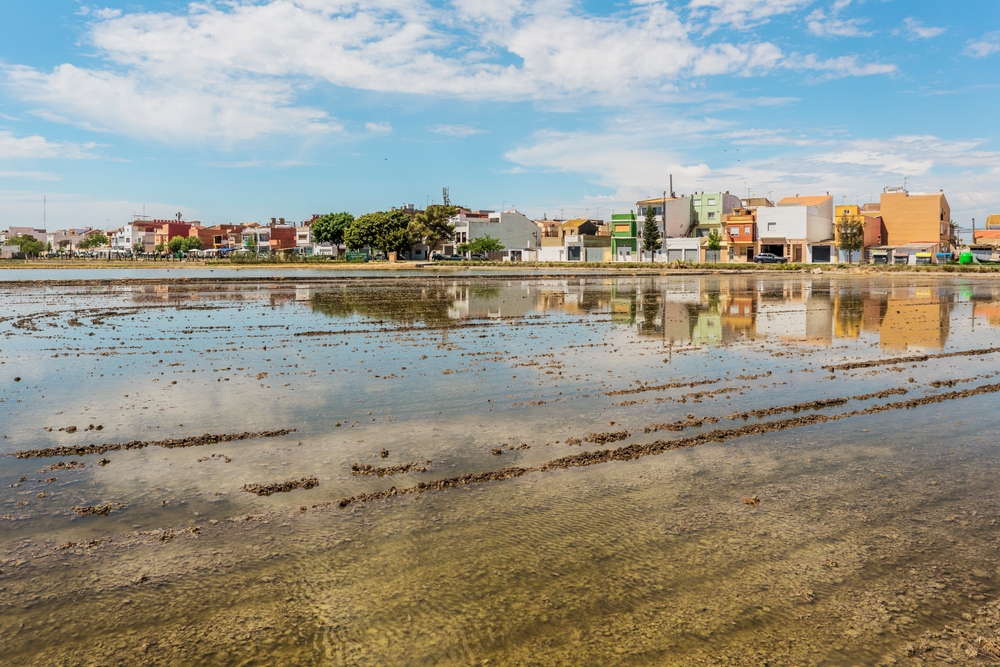
Every square metre of the rice fields was created by hand: silt was scooped from the bed of Albufera, carried away in baskets, and laid in layers within enclosed plots. According to Marc, creating a single field of four or five hectares could take up to twelve years.
Farming is a profession of patience. And the rice-growing cycle itself is quite long — it takes five to six months. There is no rushing here.
Marc Natividad
The landscapes of Albufera are also strikingly beautiful. Birds over the still waters of the lake, sunsets and reeds — tourists and Valencia residents come here for these views.
"For me, the rice fields are beautiful in every season. In spring, they are full of activity, and in summer, they turn a deep green. That is the moment I love most, when the slightly salty scent of rice drifts clearly through the air. In winter, the fields look almost like mirrors — they are flooded so the land can rest," says Marc.
Local rice in El Palmar can be found in virtually every shop, restaurant, or café. The grain here is as essential an offering as anything on the menu.
The owner of the local bakery,y Horno, Rafael Soler, keeps a dedicated shelf for local rice. "People often buy J. Sendra rice from me (a variety of sénia). Even with a long cooking time, it won't clump together, yet it absorbs broth beautifully," explains Rafael Soler.
Of course, this rice can also be found in large Valencia supermarkets. But buying it in Albufera, just metres from where it was grown, is an entirely different experience. Rafael does advise, however: if you want to buy Albufera rice in Valencia, always look for the protected designation of origin stamp.
Related Articles
Beyond Paella: Discovering All i Pebre, Valencia’s Best-Kept Culinary Secret
Deep in the heart of the Albufera wetlands, the fishing village of El Palmar preserves a traditional, rich garlic and wild eel stew that tourist traps completely miss
Loading…
Loading…