

Support La Cotorra on Patreon
Access exclusive content, special perks, and closer connection with us.
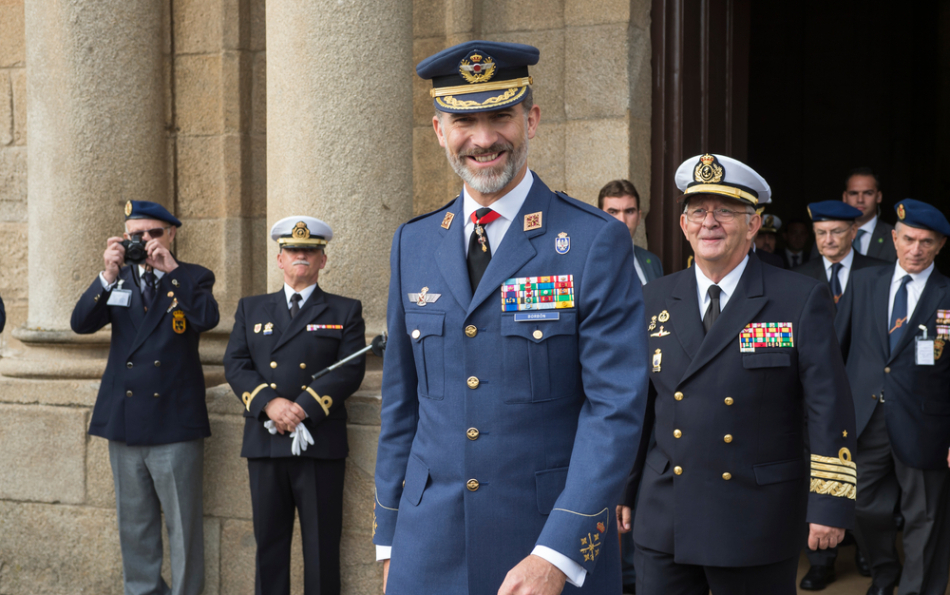
Why, in the twenty-first century, do we still have kings, queens, princes and princesses? It is a question that arises periodically in almost every European monarchy — perhaps with the exception of the Vatican. Spaniards are no exception. The monarchy, restored after the death of dictator Francisco Franco in 1975, played a decisive role in the country’s transition to democracy. But those days are long gone.
Since then, King Juan Carlos I has damaged his reputation and that of the entire royal institution, ultimately abdicating in 2014 and even leaving Spain. The difficult task of restoring the monarchy’s credibility fell to his son, who ascended the throne as Felipe VI.
La Cotorra examines what role the monarchy plays in Spain today, how Felipe VI is viewed by Spaniards, and what the future may hold for his heir, Princess Leonor.
His Royal Highness Don Felipe Juan Pablo Alfonso de Todos los Santos de Borbón y Grecia — King Felipe VI — was born on 30 January 1968 in Madrid. By then, his parents, Juan Carlos and Queen Sofía of Greece, already had two daughters, Elena and Cristina. Spain is one of the few European monarchies where sons take precedence over daughters in the line of succession. Thus, when Juan Carlos I became king, Felipe automatically became heir apparent and began preparing for kingship.
Felipe studied in Madrid and Canada, then underwent three years of military training in the army, navy and air force (1985–1988). Afterwards he studied law and economics at the Autonomous University of Madrid and earned a master’s degree in international relations from Georgetown University in the United States.
In 2004 he married Letizia Ortiz Rocasolano, a well-known television journalist from Oviedo, Asturias. She became Spain’s first “commoner” queen. The couple have two daughters: Princess Leonor (born 2005) and Infanta Sofía (born 2007).
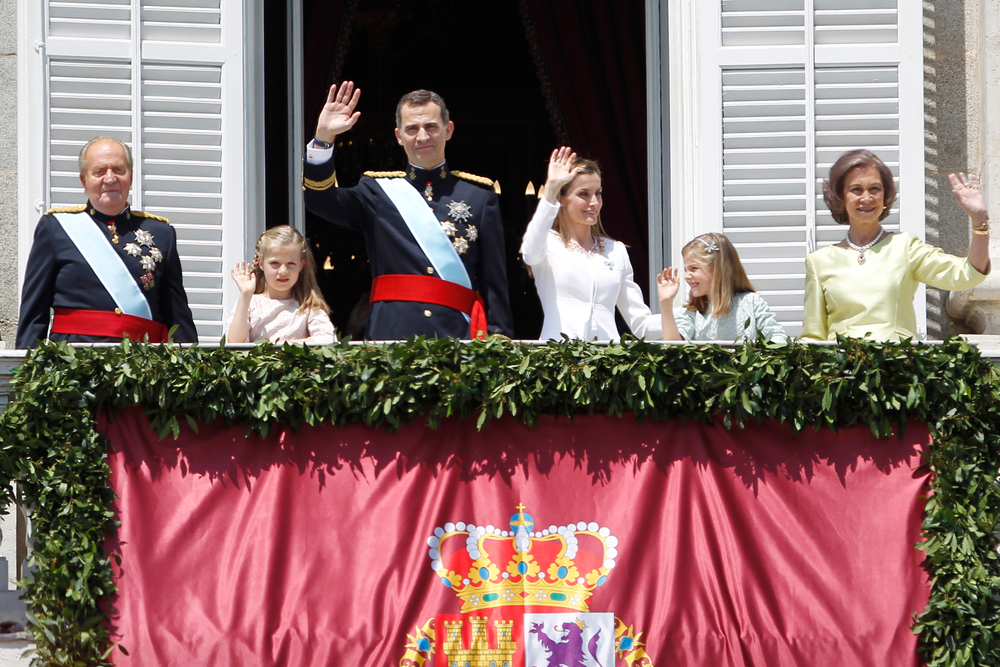
Felipe acceded to the throne in June 2014, after the voluntary abdication of his father Juan Carlos I. Under Article 56 of the Spanish Constitution he became “Head of State, symbol of its unity and permanence, and arbiter and guarantor of the regular functioning of the institutions.”
The Spanish Constitution defines the monarch’s duties. He:
In practice, the king’s authority is strictly limited: he serves to give constitutional form to decisions made by democratically elected institutions.
Why Does Spain Need a King?
The monarchy’s importance becomes especially evident in times of crisis.
Historians disagree:
The current dynasty — the Bourbons — began in 1700 with Philip V. Spain later experienced two republican periods (1873–74 and 1931–39). Under Franco, the monarchy ceased to exist until 1975.
Franco designated Juan Carlos as his successor but did not restore the monarchy during his lifetime. After his death in 1975, Juan Carlos I became king and a central figure in Spain’s transition to democracy.
However, scandals eventually forced him to abdicate. In 2014, under public pressure, Juan Carlos I abdicated in favour of his son.
He did not retire in Madrid, instead spending time in Sanxenxo, Galicia, participating in sailing regattas.
According to reports in the Spanish press, the former king feels deeply resentful toward his family.
The heir to the throne is Princess Leonor.
On 31 October 2023, her eighteenth birthday, she swore allegiance to the Spanish Constitution promising to “faithfully discharge her duties, safeguard and ensure compliance with the Constitution and the laws, respect the rights of citizens and autonomous communities, and remain loyal to the king.”
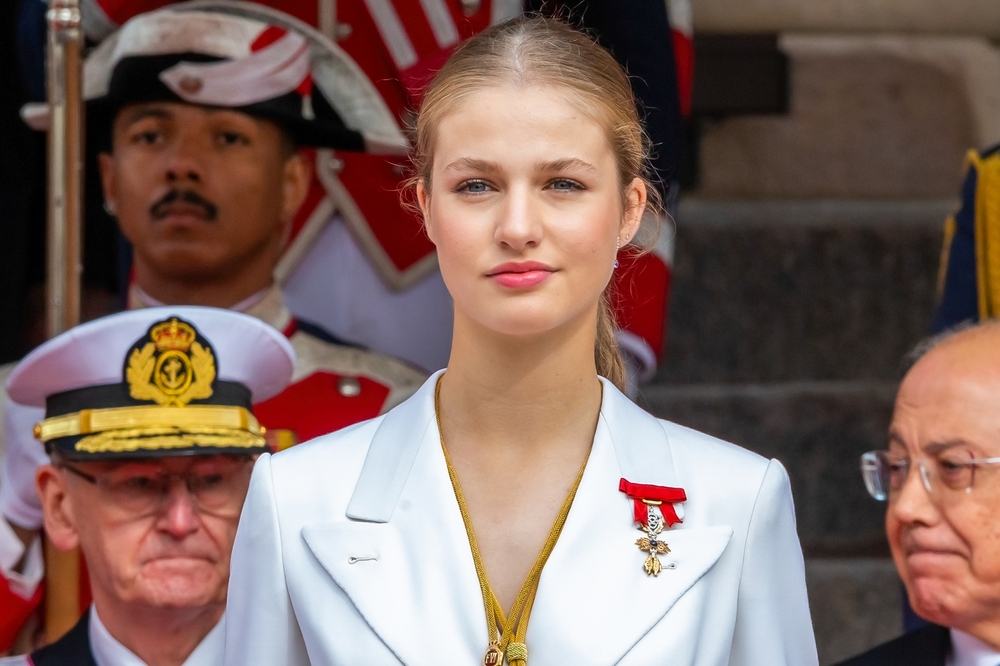
Second in line is Infanta Sofía (born 2007). In August 2023 she enrolled in UWC Atlantic College in Wales and graduated in May 2025.
According to Spanish media, she showed particular interest in international relations and STEM subjects.
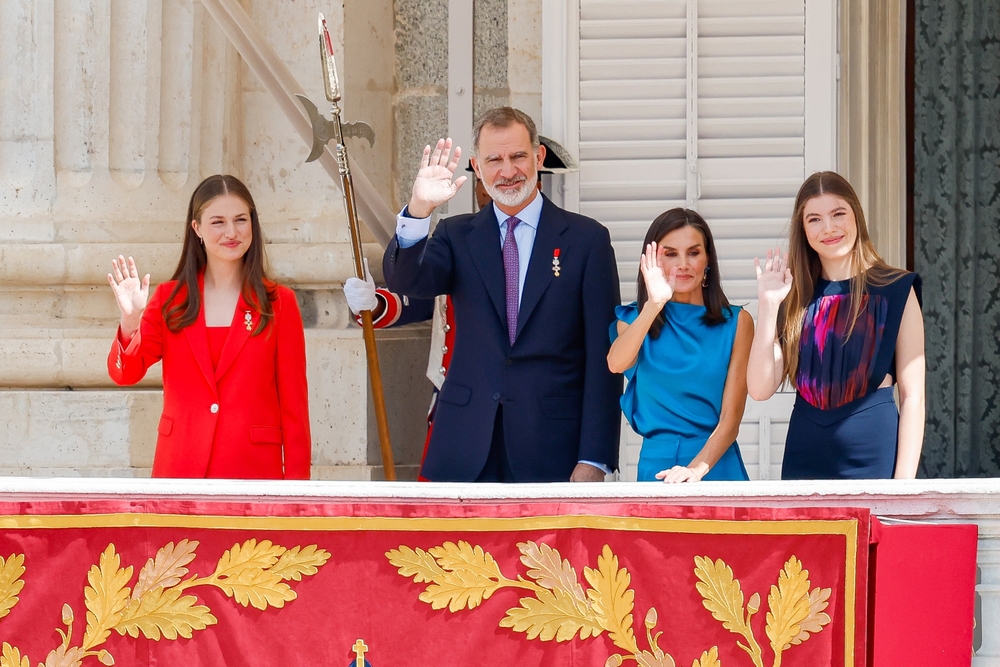
As of January 2025, 53.1% of Spaniards believed the monarchy’s image had improved compared to the year 2000,
according to a survey by El Español.
Only 27.9% held the opposite view. The monarchy remains the most respected state institution in Spain, according to polling by SocioMétrica.
By contrast, in 2014, as Juan Carlos considered stepping down, the monarchy received just 3.72 out of 10 in a survey by the Spanish Centre for Sociological Research (CIS).
Supporters include:
They all express support for Felipe VI and praise his “commitment to constitutional principles and values”.
Within PSOE, however, some voices periodically call for the transition to a republic — a duality that has existed since the party’s founding in 1879.
Opponents include:
In theory, yes — but the process is extraordinarily difficult.
Changing the Constitution requires:
Given current political realities and public opinion, abolition of the monarchy is highly unlikely.
One argument in the monarchy’s favour is cost: maintaining the royal household costs €8.43 million per year, making it one of the least expensive monarchies in Europe. According to financial comparisons.
Only Sweden spends less (€7.6 million), but per capita the Bourbons of Spain are the most economical. The United Kingdom spends twelve times more.
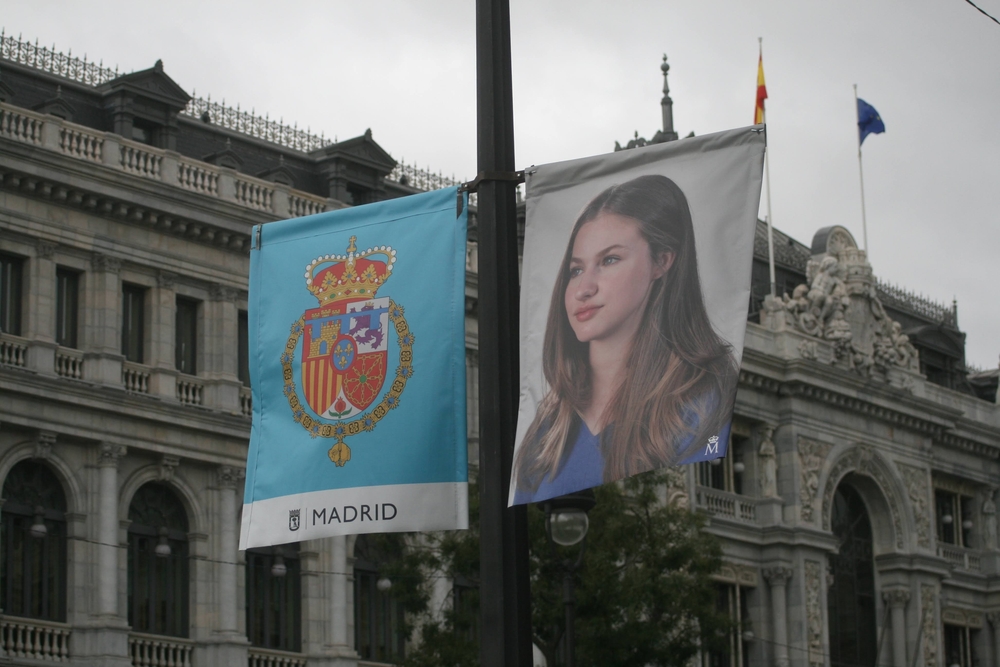
Quite possibly — and perhaps even gain strength.
More than 62% of Spaniards aged 18–29 believe that Princess Leonor represents their values and interests.
Since around 2023, the media have spoken of “Leonor-mania”: the young princess has become the most popular member of the royal family. This is reflected in opinion polls — and even in journalists’ counts of Instagram engagement.
Her naval training further solidified her status as a national star, closely followed by the press.
At the same time, public attitudes toward the monarchy are evolving — as is the institution itself. A significant milestone was the release, in February 2025, of the satirical television series Her Majesty, portraying a rebellious young princess who unexpectedly becomes head of state. As the screenwriters Borja Cobeaga and Diego San José noted “Jokes about the monarchy were common in the streets, but not on the screen — until now.”
The monarchy is changing, Spain is changing, and the public is changing with it. But the institution itself is unlikely to disappear anytime soon. After all, in moments of crisis, few figures can address the nation with such authority as the king — as Felipe VI did at the height of the pandemic: “We have overcome very difficult, very serious crises before. We shall overcome this one as well, just as we did the others. Because Spain is a great country — a great people who do not give up.”
Related Articles

Why Feeding Kids in Spain Means Surrendering to Sugar — A Russian Mum's View from Valencia
At the playground, treats fly between families faster than you can track them, and restaurant kids' menus rarely stretch beyond chips and nuggets. But after years in Valencia, one mother is rethinking what really matters.
Why Is Spain So Corrupt? A Brief History and Eight Reasons the Problem Won't Go Away
With parliamentary elections approaching, corruption has become Spain's hottest political weapon. But the phenomenon is neither new nor simple — it stretches back centuries and involves structural, cultural, and psychological factors that no government has yet managed to fix.
Esgarraet: The Valencian Tapa Tourists Overlook
Behind its unfamiliar name hides one of the most recognisable snacks in Valencian cuisine — roasted red pepper and salt cod, torn by hand. Here's where to try it
Loading…
Loading…