01
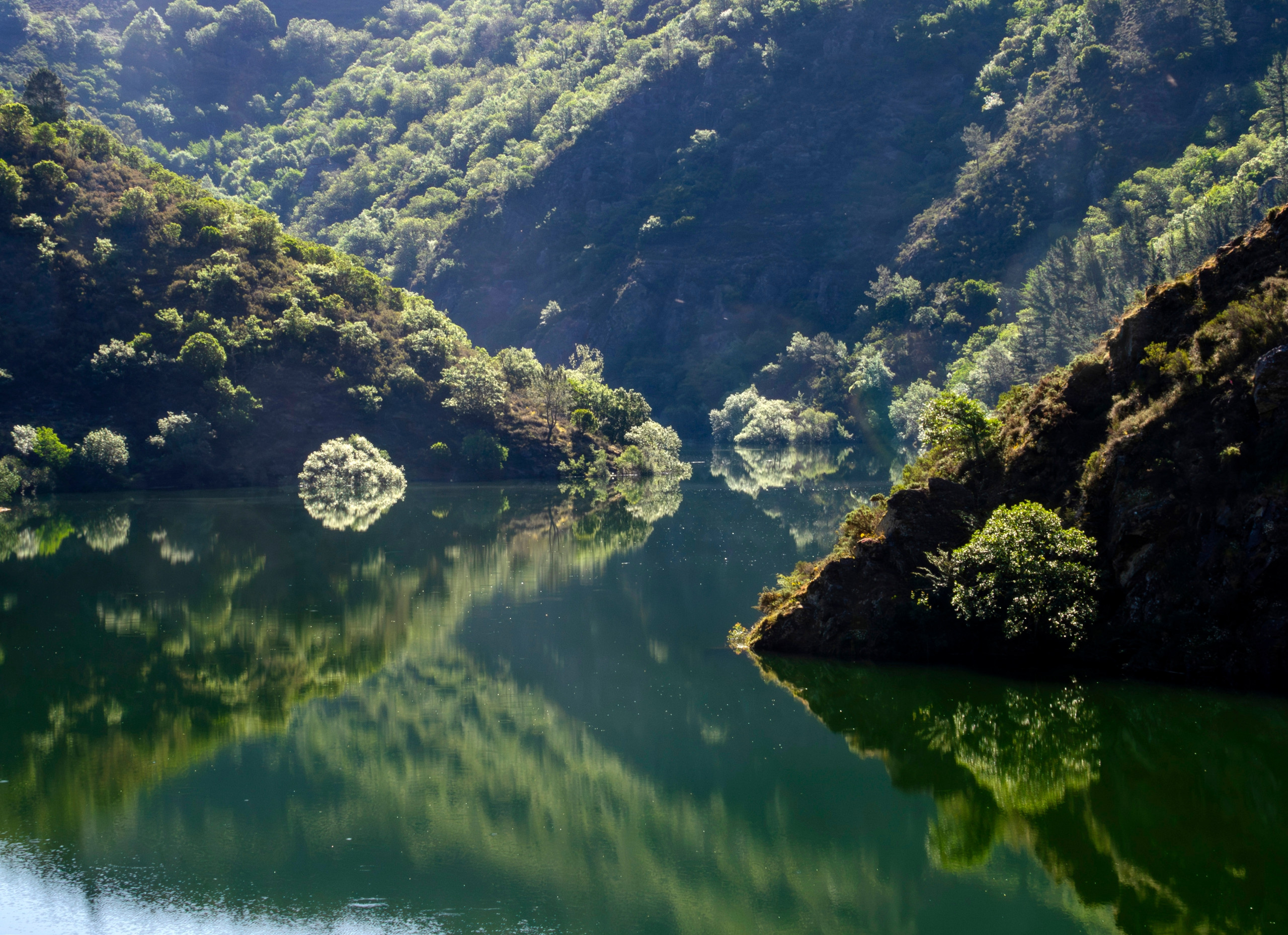
Navia (Asturias)
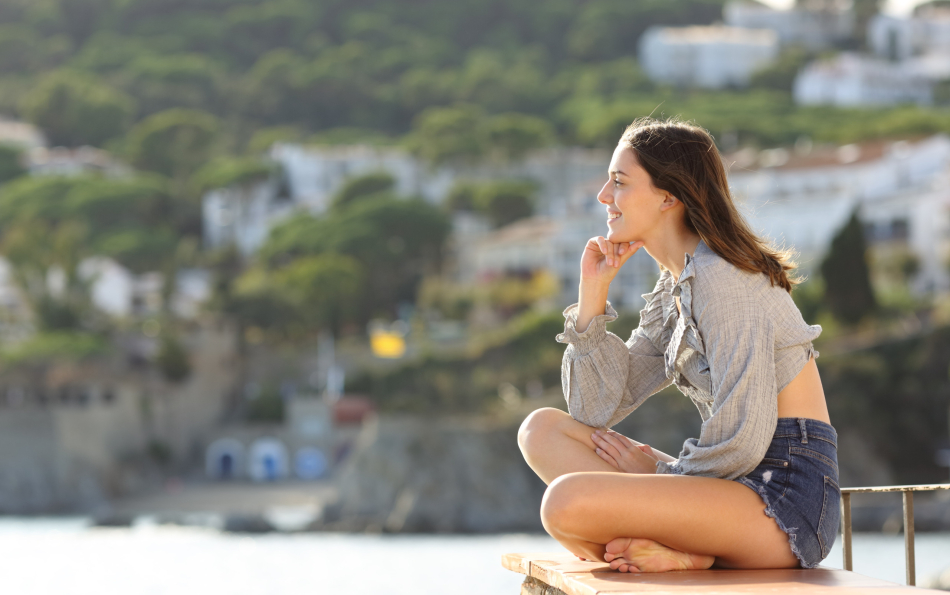
Spain itself is one big vacation destination: with the right approach, in any of its provinces, you can, in a couple of weeks, get as much rest as in six months. Any ranking here is arbitrary — the most accurate one can only be compiled based on personal experience. In broad strokes, we tell you about the main locations, taking into account this year's trends and preferences: the best beaches, delicious food, distinctive character, natural and historical sights, and an active cultural life.
Spain is an agrarian country: 84% of its territory is made up of rural municipalities, home to around 16% of the population. In 2016, an initiative was born in the country now known as the Magical Villages of Spain (Pueblos Mágicos de España), sometimes also called "beautiful villages" (pueblos bonitos). As of early 2026, there were 168 of them. The villages must be not just beautiful but also distinctive: with centuries-old traditions, quality local products, and unique folk festivals.
One such place is the port village of Navia in Asturias, located on the right bank of the river of the same name and looking more like a small Central European town. It's an ideal balance between sea and mountains: on one side, the proximity of the Cantabrian Sea's beaches, fish restaurants, and beautiful coves; on the other, mountain trails along the Navia River, the Oneta waterfalls, and the Arbón reservoir. The Northern Route of the Camino de Santiago passes through Navia.
From Navia's town beach begins the coastal path La Senda Costa Naviega (GR 204), about 19 kilometres long — with a small change in elevation and breathtaking views of the Cantabrian Sea. The trail leads to the wild Barayo beach (Playa de Barayo), which The Times in 2023 named the best in Spain. You can also reach Barayo by car: there are parking areas near the villages of Vigo and Sabugo. It's better to come at low tide — here you can swim, walk, snorkel, and explore the local caves. And the final point of the route, or a separate goal for the trip, could be Frejulfe Beach (Playa de Frejulfe) — people come here for pristine nature and incredible sunsets.
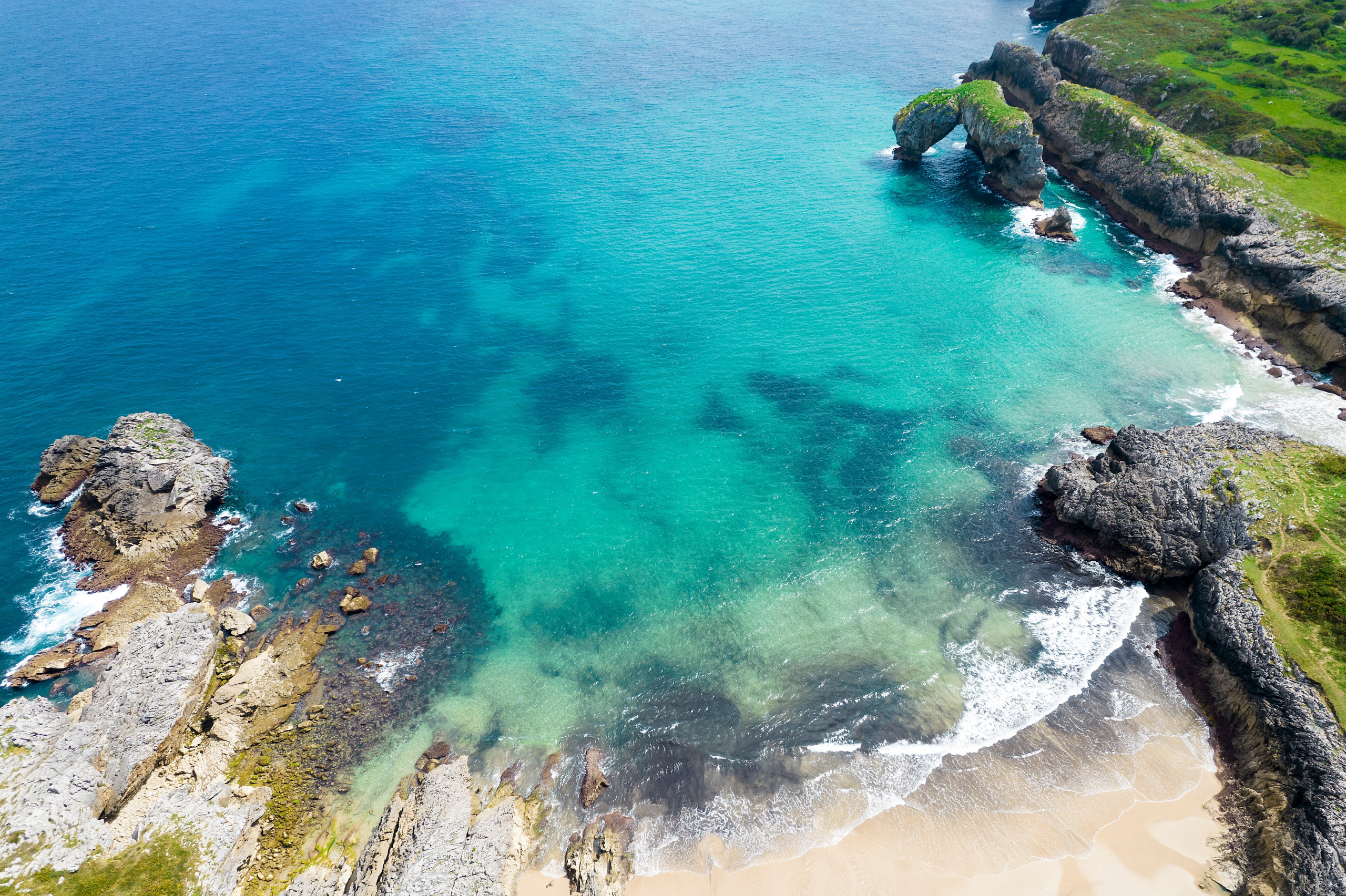
National Geographic Viajes named the town of Llanes, on the shore of the Cantabrian Sea, the best beach destination in Spain in 2026. Llanes holds the title of "Very Noble and Loyal Town." It's famous for its coastline, wild beaches (there are around 30 of them here), impressive cliffs, tides, secluded coves, and, of course, its medieval historic centre. In August, the water warms to 21–22 °C, and the air temperature is usually 22–25 °C.
The town is photogenic: 18 feature films, three TV series, and one short film have been shot here. In clear weather, from certain points — for example, the Paseo de San Pedro promenade — you can see the peaks of the Picos de Europa National Park. In addition, 10kilometress from the town is the Mirador de los Picos de Europa viewpoint with magnificent views.
In Llanes, you can discover a new beach every day, stroll along the Paseo de San Pedro with panoramic views of the Asturian coast, and explore the historic centre. The tourist office here also has a twist — it's located in a former prison building, in a 12th-century tower. And, of course, it's worth trying Asturian cuisine at El Antoju Sidrería or La Bodega del Buzu: fabada (a bean stew), scallops, and cachopo (a breaded veal cutlet). For dessert, you can head to the café La Chocolatería at the Paraíso hotel — they serve ice cream made from the blueberries actively grown in the region.
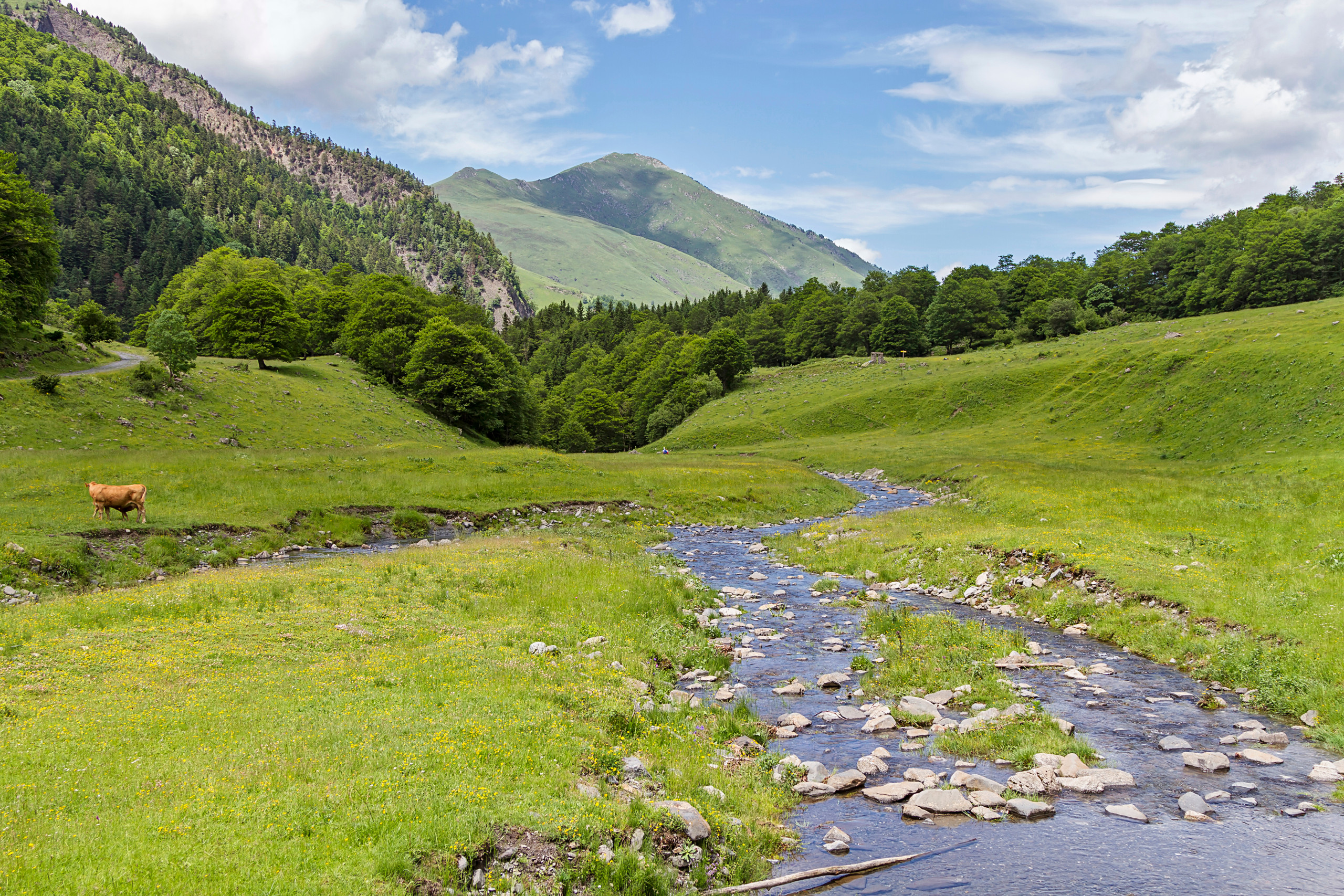
Val d'Aran is a high-mountain area in the far west of the Catalan Pyrenees, bordering France. Aranese is spoken here — a variant of the Gascon language of the Occitan group, which has official status alongside Catalan and Spanish. The valley, shut off from the noise, is a true mountain resort with well-developed infrastructure.
In summer, it's especially good here in August: you can walk the hiking trails (for example, the GR 211 — the Val d'Aran circular route), go for at least a day to the unique Aigüestortes National Park (Parque Nacional de Aigüestortes), visit a spa, try mountain food at Casa Irene, and explore each of the 33 villages that make up the valley.
It's convenient to move between them by bus, taxi, or your own vehicle. For instance, Arties is where the nightlife and many restaurants are concentrated, Vielha has shops (though not many), and there you can also sign up for a wine and cheese tasting (at Cava Beso). In Baqueira, it's worth visiting one of the best restaurants of creative Aranese cuisine, Ticolet, and in Salardú, you can see the working 12th-century church of Sant Andreu — a fine example of Romanesque art — or visit the Museum of the Pyrenees, located in the building of the valley's first mountain refuge (Refugi Rosta). Whatever you decide to do, you'll go home at peace and filled with the amazing atmosphere of these places.
Detailed information about the region is on the tourism office's website.
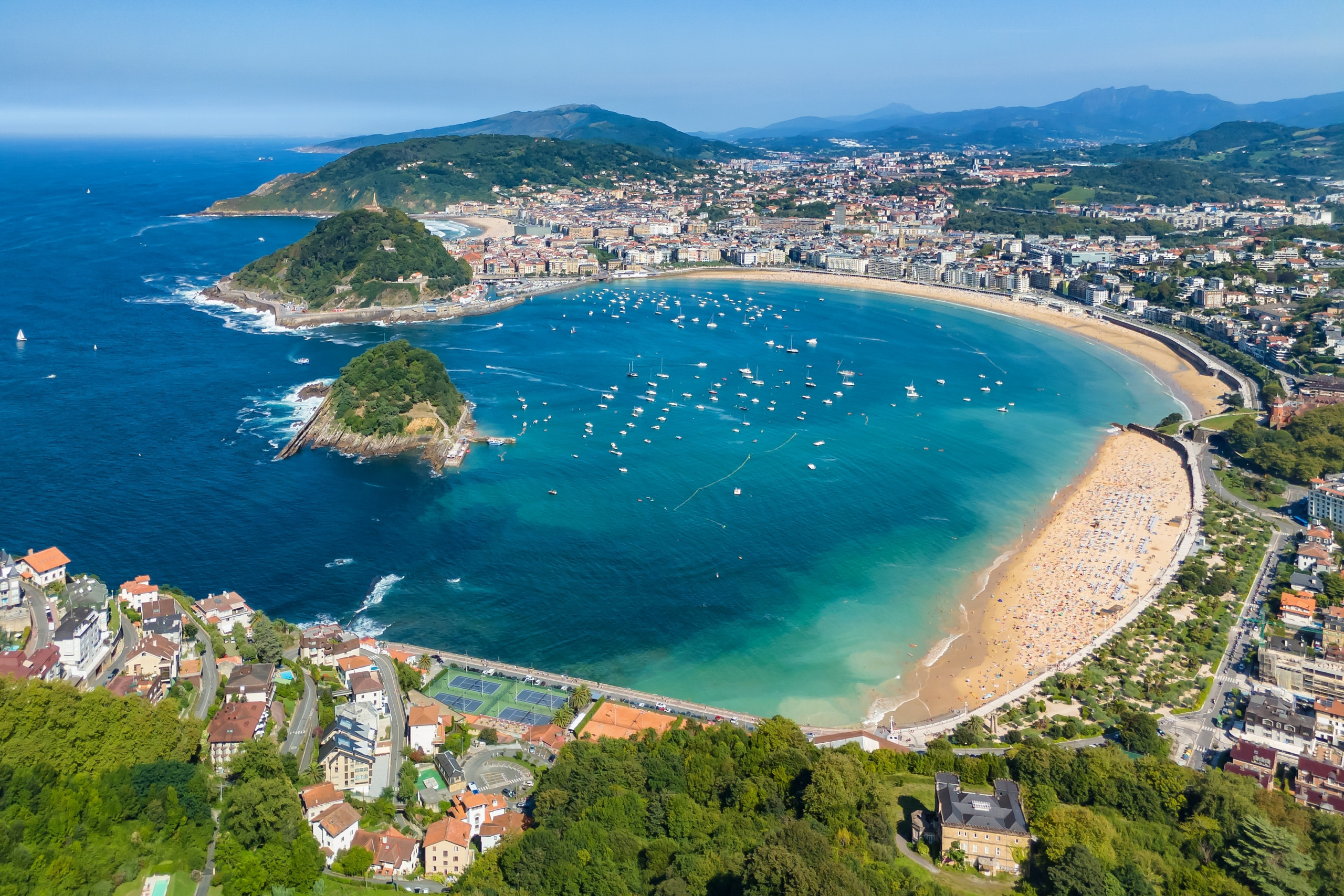
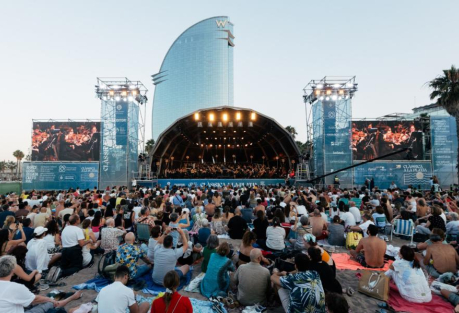
You could spend a long time listing the reasons to go to this refined resort town on the shore of the Bay of Biscay: La Belle Époque architecture, 13 three-Michelin-star restaurants, the famous La Concha beach, the viewpoints and gastrobars of the Urgull and Igueldo hills, delicious ice cream, museums, sculptures, the spirit of the Basque Country, and major international festivals — the Jazzaldia jazz festival and the film festival.
The Basque Country is known to be the birthplace of pintxos. Most often, these are small snacks served in bars, usually on a piece of bread and with a skewer. The variations of pintxos are enormous — from simple combinations of bread with local cheese and traditional Basque snacks to complex signature combinations. Getting to know the city would be incomplete without the experience of txikiteo — the tradition of moving from bar to bar, drinking a glass of wine and trying snacks at each establishment.
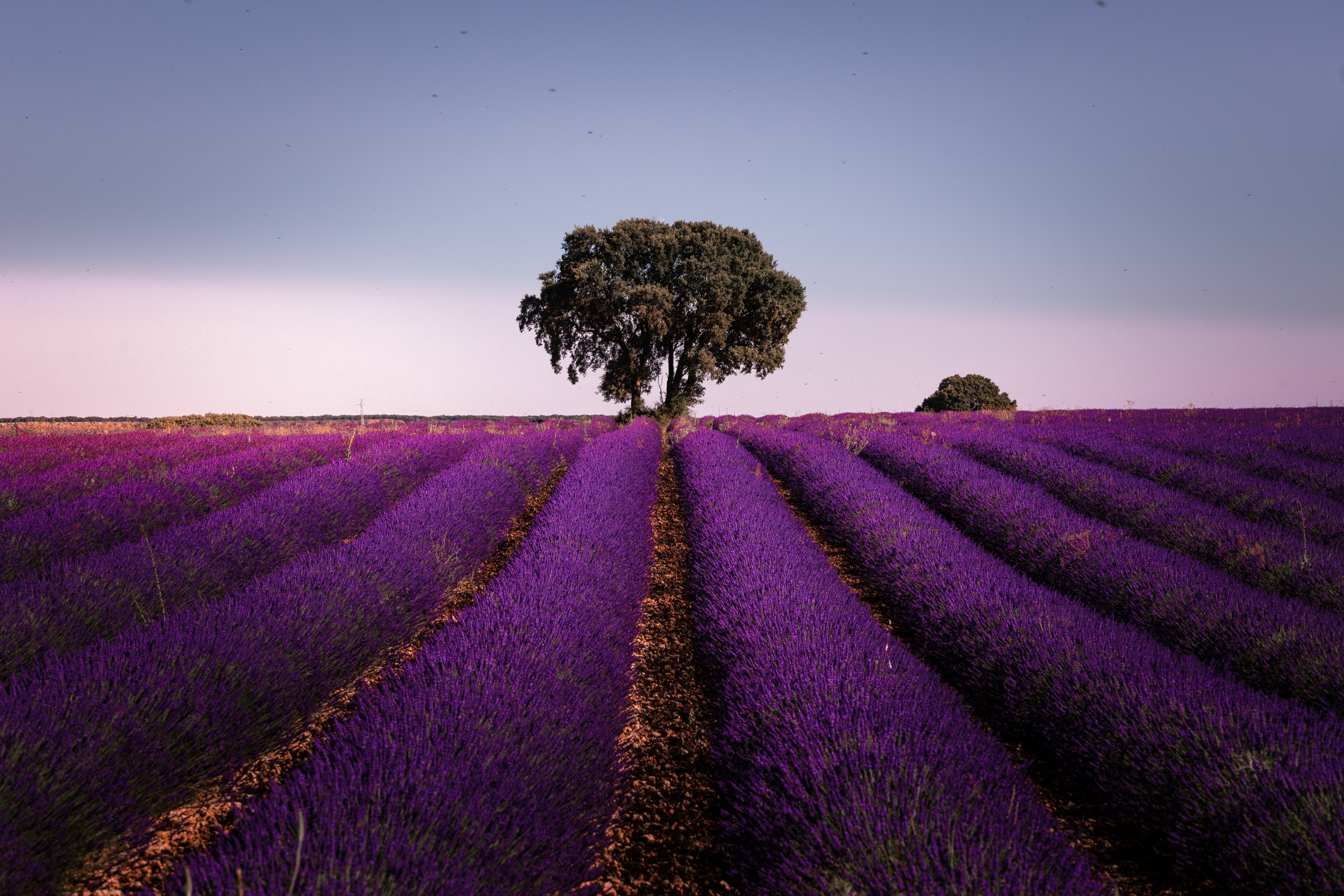
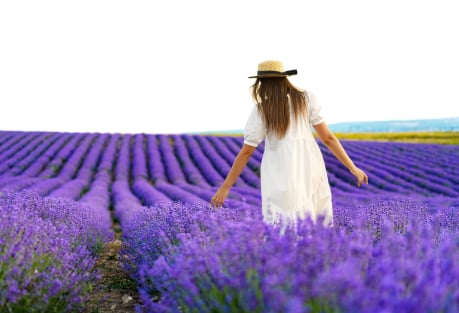
Brihuega — one of the "magical villages" — is in the very heart of Spain, 100 kilometres northeast of Madrid. Thanks to its boundless lavender fields, the place is better known as the Garden of the Alcarria (Jardín de la Alcarria) or the "Spanish Provence." It's better to come here before the start of the lavender harvest, which usually begins in late July or early August. The most convenient way to get around is by car — the lavender fields are scattered around the outskirts of Brihuega. In July 2026, the famous local Lavender Festival will mark its tenth anniversary. The celebration will take place on July 17 at sunset, right among the lavender fields. Details are on the organisers' website.
Brihuega itself is no less interesting. For example, beneath the Plaza de Coso are the Arab Caves (Cuevas Árabes), built during the period of Muslim rule. They form a network of underground tunnels about 700 meters long, which were used to store oil, wine, and food.
The town has several museums, numerous medieval churches, and, of course, a castle — the Castle of the Reddish Stone (Castillo de la Piedra Bermeja), which got its name from the characteristic shade of the stone used in its construction. More detailed information about what to see in Brihuega is available on the tourist office's website.
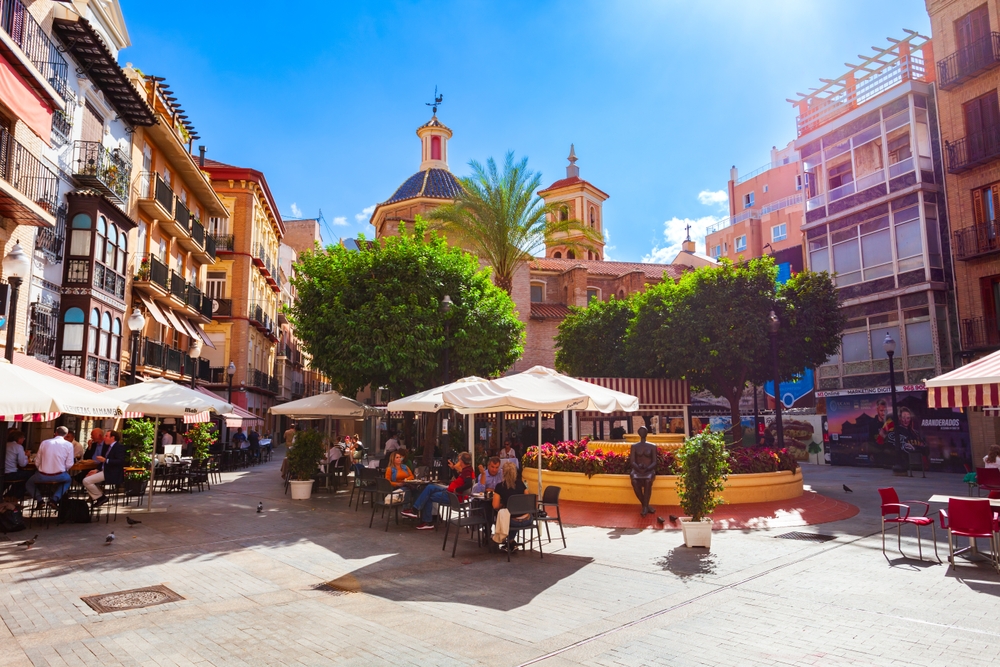
Spaniards call Murcia their "most carefully guarded secret." It's a region that mass tourism hasn't yet reached: no overcrowded beaches or problems finding a free table at a restaurant.
The choice of where to stay depends on the goals of your trip. The city of Murcia, the provincial capital, suits those who love to eat well and leisurely take in the sights of provincial Spain. Cartagena, a city with a rich history, is convenient both for trips to the centre of the region and for travel along the coast.
The resorts of Cabo de Palos and San Pedro del Pinatar are ideal for a stay by the Mar Menor lagoon — Europe's largest saltwater lagoon. Nearby is the Salinas y Arenales de San Pedro del Pinatar regional natural park with salt flats, dunes, and many birds. Opposite Cabo de Palos are the Hormigas Islands (Islas Hormigas) — a mecca for diving enthusiasts. Cartagena and San Pedro del Pinatar span a 2250-kilometrestretch of coast called the Costa Cálida ("warm coast"): the water here is usually 5 °C warmer than at other points in the Mediterranean.
Inland Murcia is, in particular, Monte Arabí near the town of Yecla, with unique caves and hollows, as well as the Salto del Usero waterfall with crystal-clear water. To visit the waterfall, a booking is required. Another local "treasure" deserves special attention — the Cabo Cope y Puntas de Calnegre natural park. It's a secluded coastline with coves and small cliffs, with juniper thickets, orchids, and lavender.
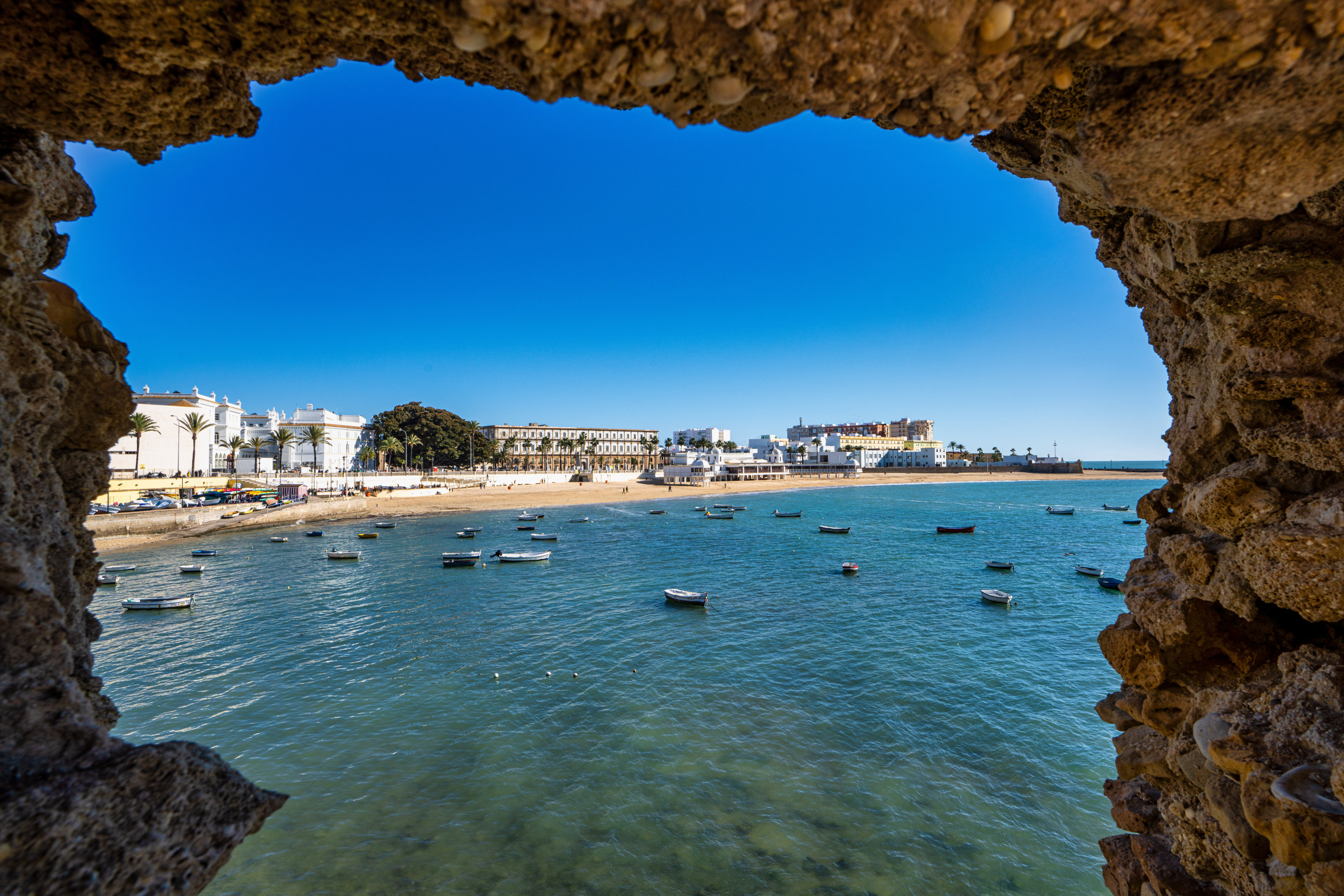
The Andalusian port city from which Christopher Columbus twice set out to explore the New World consistently occupies the top spots in various rankings. In 2026, Lonely Planet included Cádiz in its list of the 25 best destinations — for its delicious food and wine, its beaches, and the spirit of Andalusia that the city conveys with remarkable precision.
A plan for the day might look like this: in the morning, churros at La Guapa; during the day, a walk through the old fishing district of La Viña, where you can watch the sailors, and lunch of the freshest seafood at the central market; and in the evening, dinner at Sonámbulo, a restaurant of traditional Andalusian cuisine. On the whole, Cádiz's gastronomy is a separate reason for a trip in its own right. Cold salmorejo (an alternative to the popular gazpacho), fried artichokes with pork cheeks, chicharrones (fried pork skin) with cheese and asparagus jam — all of this is just part of the Andalusian cuisine worth trying.
From Cádiz, it's easy to reach El Puerto de Santa María by water, where locals and wine connoisseurs go to try sherry. That said, you don't have to go anywhere at all: at the legendary Taberna Manzanilla, they serve sherry and manzanilla wines straight from the barrels.
In your free time, it's worth exploring the local beaches, of which the city has four: La Caleta, Santa María del Mar, La Victoria, and Cortadura. Each of them has been awarded a "Blue Flag," and the longest and wildest one is Cortadura. You can also head out of town and drive along the Costa de la Luz ("coast of light") — the coast belonging to the provinces of Cádiz and Huelva. It's a true corner of paradise on earth: golden sands, boundless beaches and incredible sunsets, a warm sea, delicious food, and tranquillity.
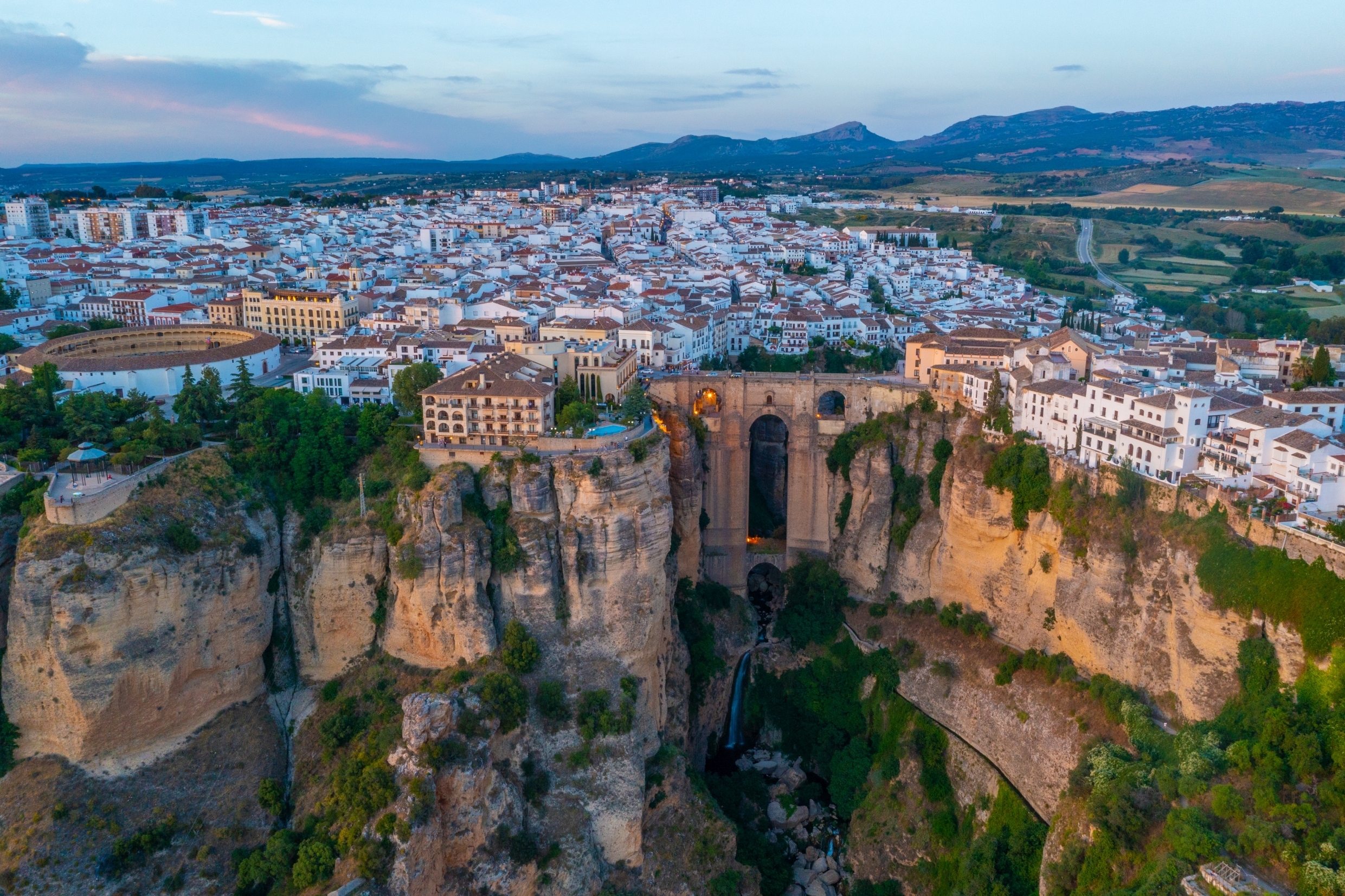
Spain's prestigious southern coast regularly receives tourism awards: in 2026, Marbella was honoured with the Premio Q for tourism quality and sustainability, and Condé Nast Traveller included the coast among the ten best destinations in Spain and Portugal for 2026.
The Costa del Sol stretches for more than 150 kilometres and offers rich infrastructure for a vacation to suit any taste. From the town of Nerja, it's worth taking a trip to the Acantilados de Maro-Cerro Gordo natural park with its crystal-clear water, "the last untouched coast of Andalusia," and then visiting the caves, the aqueduct, and the famous Balcón de Europa.
In Málaga, which usually serves as a starting point for exploring the region, you can view the Alcazaba fortress and visit the Picasso Museum.
The "white villages" (pueblos blancos) deserve special attention — towns with facades whitewashed with lime that protect the houses from the heat, such as Frigiliana, Mijas, and Ronda.
Marbella has long been a favourite of celebrities and wealthy tourists, yet the city's historic centre has preserved the spirit of an Andalusian fishing village. Perhaps that's why the Costa del Sol is also called the Costa del Golf: the province of Málaga has no fewer than 70 golf courses.
In Benalmádena, you can take a cable car up to Mount Calamorro and enjoy the views. A must-see point on the map is the New Bridge in Ronda, 98 meters high, one of the most photographed in Spain.
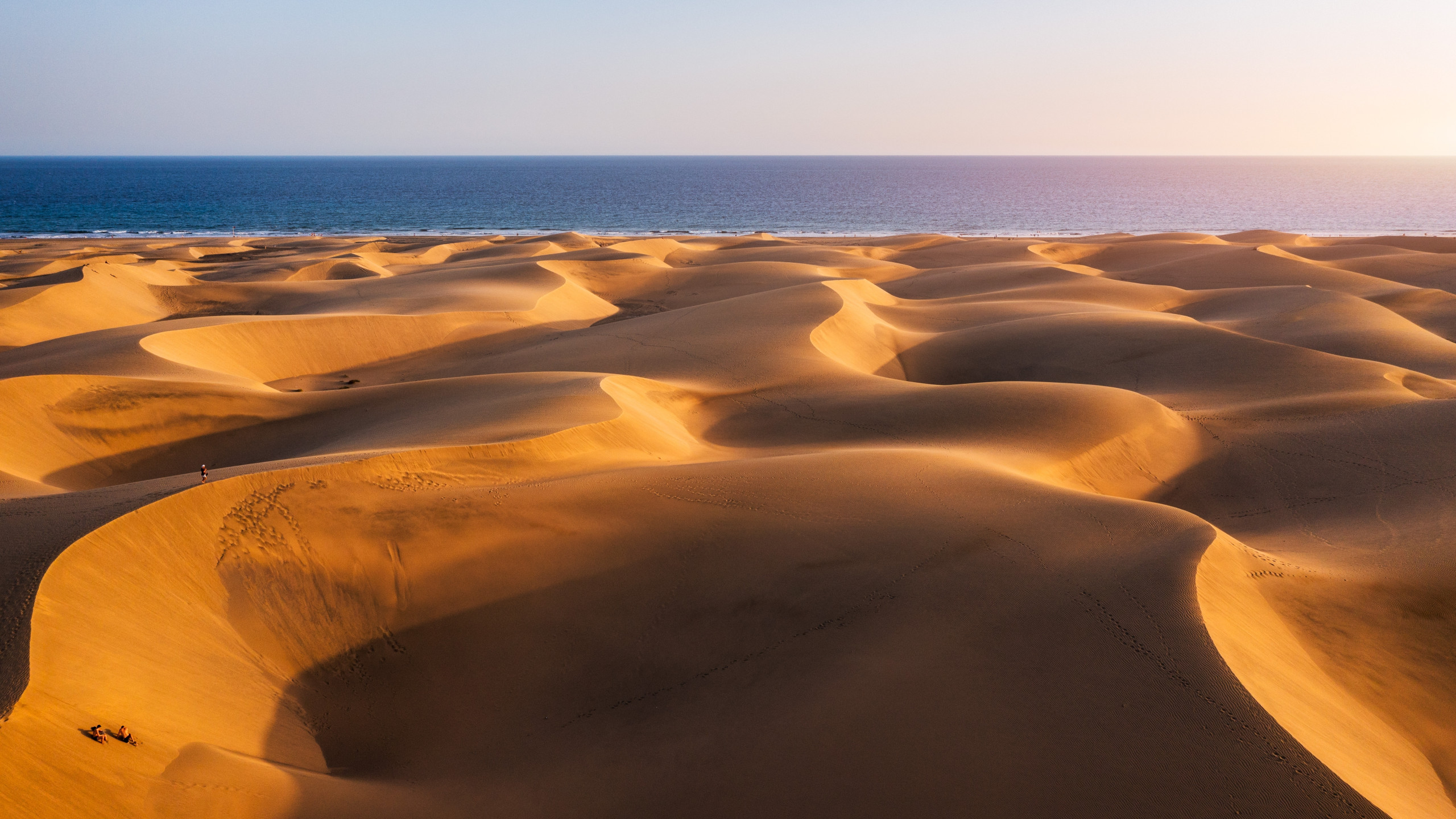
All-inclusive hotels, delicious food, beaches, and wild nature — people come here to switch off from everything and everyone. The island is in the central part of the archipelago, and from here it's convenient to take excursions to neighbouring Tenerife, Lanzarote, or Fuerteventura, and, if you have free time, to El Hierro and La Gomera too, which you'll have to reach only with connections.
Gran Canaria has many iconic places, one of them being Maspalomas beach (Playa de Maspalomas) with its wide, snow-white sands and boundless dunes. Another is the mystical Roque Nublo, a rock of volcanic origin, a sacred place for the Canary Islands' native population. From here, there are stunning views of the surroundings; it's better to climb up in the morning or at sunset.
You should definitely stop by the town of Tejeda — one of the most beautiful on the island, with picturesque viewpoints. Then you can drive another 20 kilometres along the road to Artenara, from which there are stunning views of Roque Nublo.
The port town of Mogán, known as "Little Venice," is no less appealing: colourful architecture, well-developed infrastructure for maritime tourism, and the chance to watch dolphins and whales. What could be more soothing?
Twenty kilometres from the island's capital, Las Palmas de Gran Canaria, is the picturesque village of Teror, through which it's enough simply to stroll, breathing in the sweet mountain air, and, if you wish, to walk the surrounding hiking trails. At the local restaurants, it's worth trying chorizo de Teror — a paste-like version of the traditional sausage and one of Gran Canaria's gastronomic symbols.
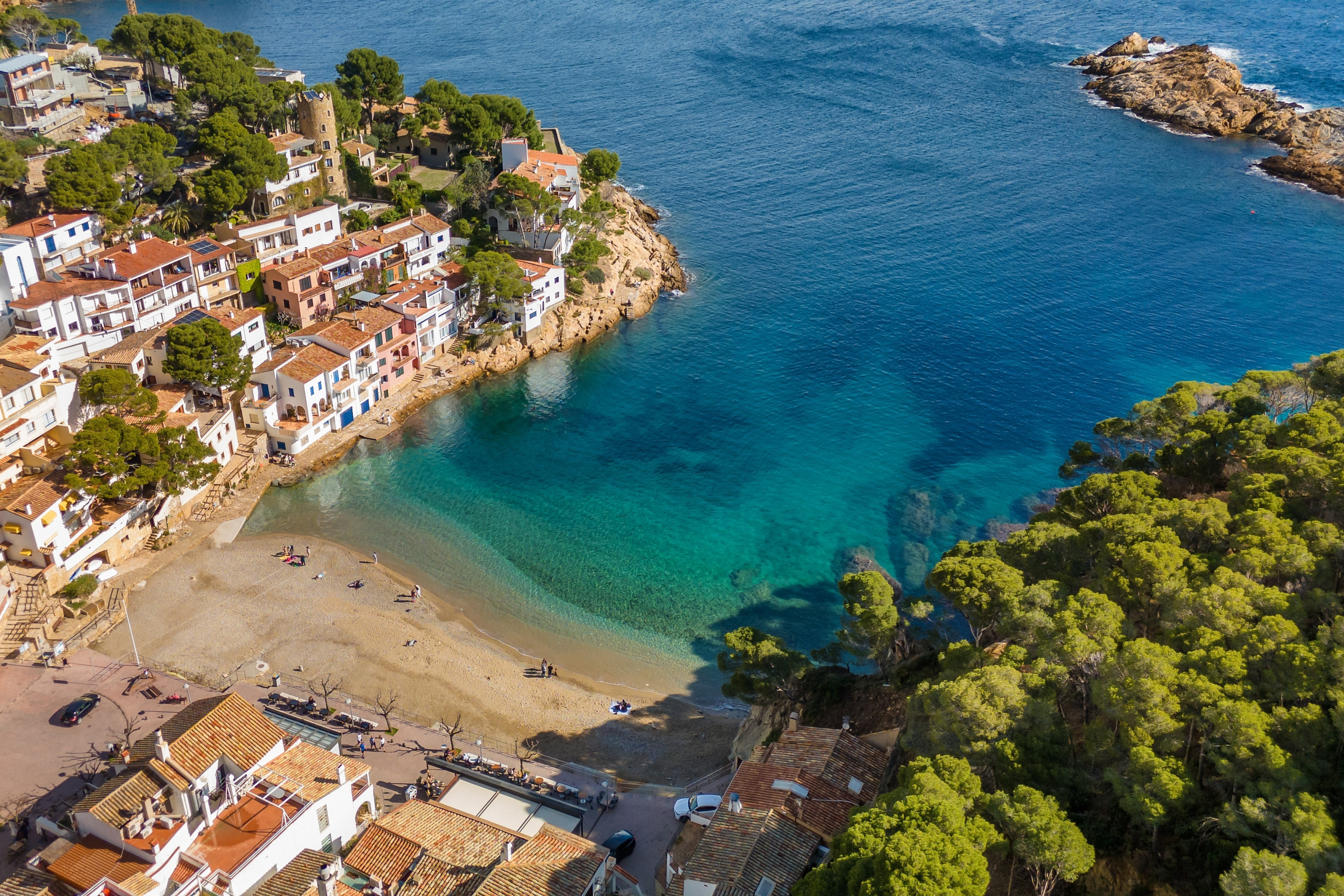
This small town on the Costa Brava can make a good starting point for travels along a coast that, since the early 20th century, has become a symbol of refined leisure and luxury. In the centre of Begur, Indianos' houses have been preserved — this is what wealthy emigrants who returned from Cuba and Puerto Rico in the 19th century were called. In summer, evenings of Cuban song take place on the grounds of the Escoles Velles cultural centre and on Sa Ribera beach. The legendary flamenco dancer Carmen Amaya lived here, and flamenco traditions are still preserved in the local bars.
The famous Camí de Ronda passes through Begur — a coastal path that is part of the GR 92 route. Along the trail, you can walk to Sant Feliu de Guíxols, passing along beaches and coves, swimming along the way and stopping in fishing villages to try the freshest seafood.
Begur is one of the best and most secluded vacation spots on the Costa Brava, and at the same time a convenient base for getting acquainted with the heritage of Salvador Dalí. From here it's easy to reach the key points of the Empordà Triangle (the Dalí Triangle) — three museums in Figueres, Cadaqués, and Púbol, connected with the life of the artist and his muse and wife, Gala.
Around Begur,r there are plenty of other reasons to stay longer: in Palamós Palamóss) It's worth trying the famous local prawns; in Empúries (Empúries) — visiting the first Greek colony on the Iberian Peninsula; in the volcanic park of La Garrotxa (Zona Volcànica de la Garrotxa) — seeing the extinct volcanoes; and the medieval village of Pals deserves a walk of its own. And this is only part of what the Costa Brava has to offer.
Related Articles
Mercadona's Jalapeño Hot Cheese Bites: A Quick Summer Snack
Hacendado's breaded, pre-fried cheese bites with jalapeño are ready in 6–7 minutes and cost just €2.30 — an easy addition to relaxed summer dinners
Loading…
Loading…