



Support La Cotorra on Patreon
Access exclusive content, special perks, and closer connection with us.
Las Fallas is massive Valencia’s cultural code — and without knowing it, it can be hard to understand what’s actually happening under your balcony and out on the streets. The festival has its own queens, its own elite, and a vast industry with rules of its own. La Cotorra has put together a Las Fallas glossary to help you navigate the key terms and understand what the celebration is all about.
A word that often confuses. It refers both to the giant sculptures created for Las Fallas and to the cultural associations (commissions) that organise the festival.
Valencia has 384 falla commissions. Each can include up to several hundred members. It’s a mini-state with its own politics, hierarchy and year-round calendar. Budgets range from a few tens of thousands of euros up to a quarter of a million, funded through membership fees and sponsorship.
Most of that money goes into the sculptures. They can be as tall as a nine-storey building and cost tens or even hundreds of thousands of euros. During Las Fallas, 700–800 monuments of different styles and sizes are installed across the city, turning Valencia into an open-air museum for a week. On 19 March, the sculptures are burnt.
The falla’s clubhouse — the space where meetings and dinners take place, preparations are made for Las Fallas, creative workshops happen, and loud parties run until morning. For many Valencians, the casal faller becomes a second home: life there doesn’t stop for a single day.
A professional artist who designs and builds a falla sculpture commissioned by a falla association. Work on a monument takes many months, and its size and complexity depend on the budget. The most expensive sculpture of 2025 (by the Convento Jerusalén–Matemático Marzal commission) cost €250,000.
The job is prestigious but unstable: future commissions often depend on how successful the previous season was. Artistas falleros also sometimes become the creators of iconic city landmarks — such as the famous Gulliver figure in the Turia Gardens.
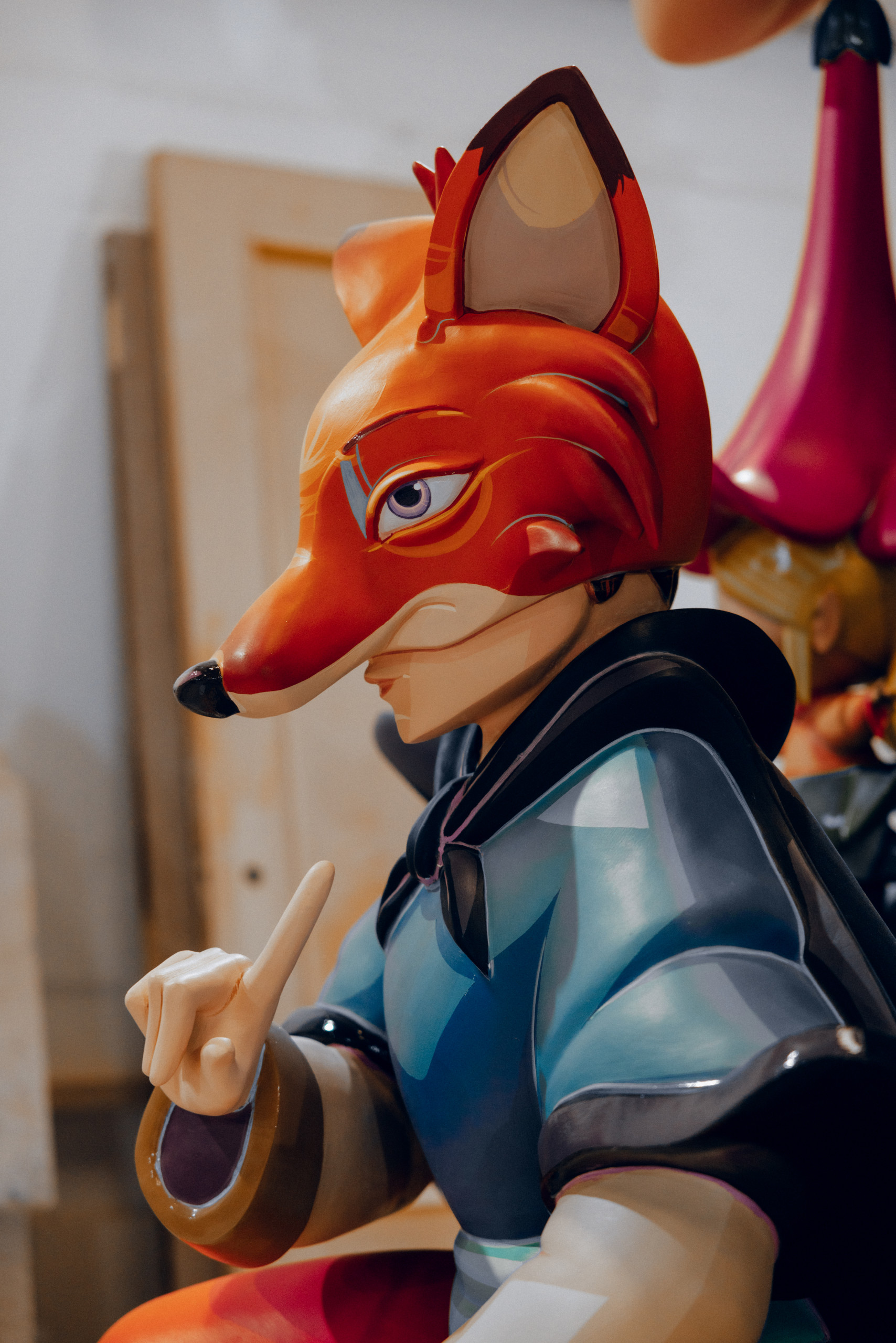
An individual figure or scene within a larger falla monument. Ninots are often caricatured and carry social or political commentary. It’s criticism without censorship — every year, leading world politicians (and even members of the Spanish royal family) get their share.
Ninots exist in both adult and children’s categories. Every year, certain pieces spark controversy, adding bite and relevance to the festival.
The ninot that wins the public vote. Instead of being burnt on 19 March like the others, it is “pardoned” and sent to the Fallas Museum (Museu Faller). A ninot is just one character within a larger monument.
Valencia’s Fallas Museum, which houses a collection of pardoned ninots from different years, dating back to 1934. They show how the festival’s themes and styles have changed over time.
A printed booklet produced by a falla commission for its monument. It explains the meaning of the scenes, includes satirical texts, and lists sponsors. There are separate competitions and prizes for llibrets.
The highest competition category at Las Fallas. This is the unquestioned elite: fallas with the biggest budgets and the most ambitious artistic projects.
Winning Sección Especial is a matter of prestige for the whole commission, the neighbourhood, and the sculptor. These are the monuments that attract the biggest crowds and dominate the press.
The period when monuments are installed and assembled in the streets before the main festival days begin. After that, they are evaluated by a jury.
Monuments start going up around 14 March, and many streets are closed off. Cranes are often used in the process.
Las Fallas’ satirical carnival parade. Floats move through central Valencia while participants perform mini-shows packed with jokes about politics, scandals and major world events.
A daytime pyrotechnic show where the main effect is sound and rhythm — not visual fireworks. This often surprises foreigners expecting a “pretty” spectacle.
During the festival period, the central mascletàs take place daily in Plaza del Ayuntamiento at 14:00. Neighbourhood mascletàs happen across the city at different times.
If you’re sensitive to noise, attend with caution — La Cotorra has also covered this in detail in a piece about Las Fallas here. Another article focused on how the noise stresses pets.
Evening fireworks shows held on different festival nights — some city-wide, some local, with each neighbourhood running its own schedule. You can check the timetable here.
Literally “wake-up”. Falla participants walk through the streets setting off firecrackers to literally wake the neighbourhood. These pyrotechnic alarm calls are usually scheduled for 7 a.m., and locals — unsurprisingly — feel very differently about the tradition.
One of the most extreme and spectacular pyrotechnic events: the mass firing of hundreds or thousands of rockets in a fenced-off area, accompanied by a shower of sparks and fire and a deafening roar.
Cordàs take place in specially prepared zones with strict safety measures. Only trained participants with a CRE permit can take part (a certificate awarded after pyrotechnics courses — which La Cotorra also discussed here), wearing protective clothing and under the organisers’ supervision.
Fireworks shops are found in every Valencia neighbourhood. They only open for one month — from late February to late March — and operate online the rest of the year.
Petarderías often have their own collection of vintage pyrotechnics on display. Crackers, firecrackers and fireworks are often sold in bundles at a better value. In many ways, Las Fallas on Valencia’s streets begins not with the first official events, but with the opening of petarderías — where queues usually form in the first days.
A typical children’s accessory during the festival. Literally “a box of thunder”: a small wooden box with a lid, worn on a strap over the shoulder during Las Fallas. Children keep firecrackers and small bangers inside to protect their paper casing from damage.
“Kids’” bangers — although children of all ages set them off. According to instructions, they’re only for ages 12+. During the festival, the colourful wrappers can be seen all over the city.
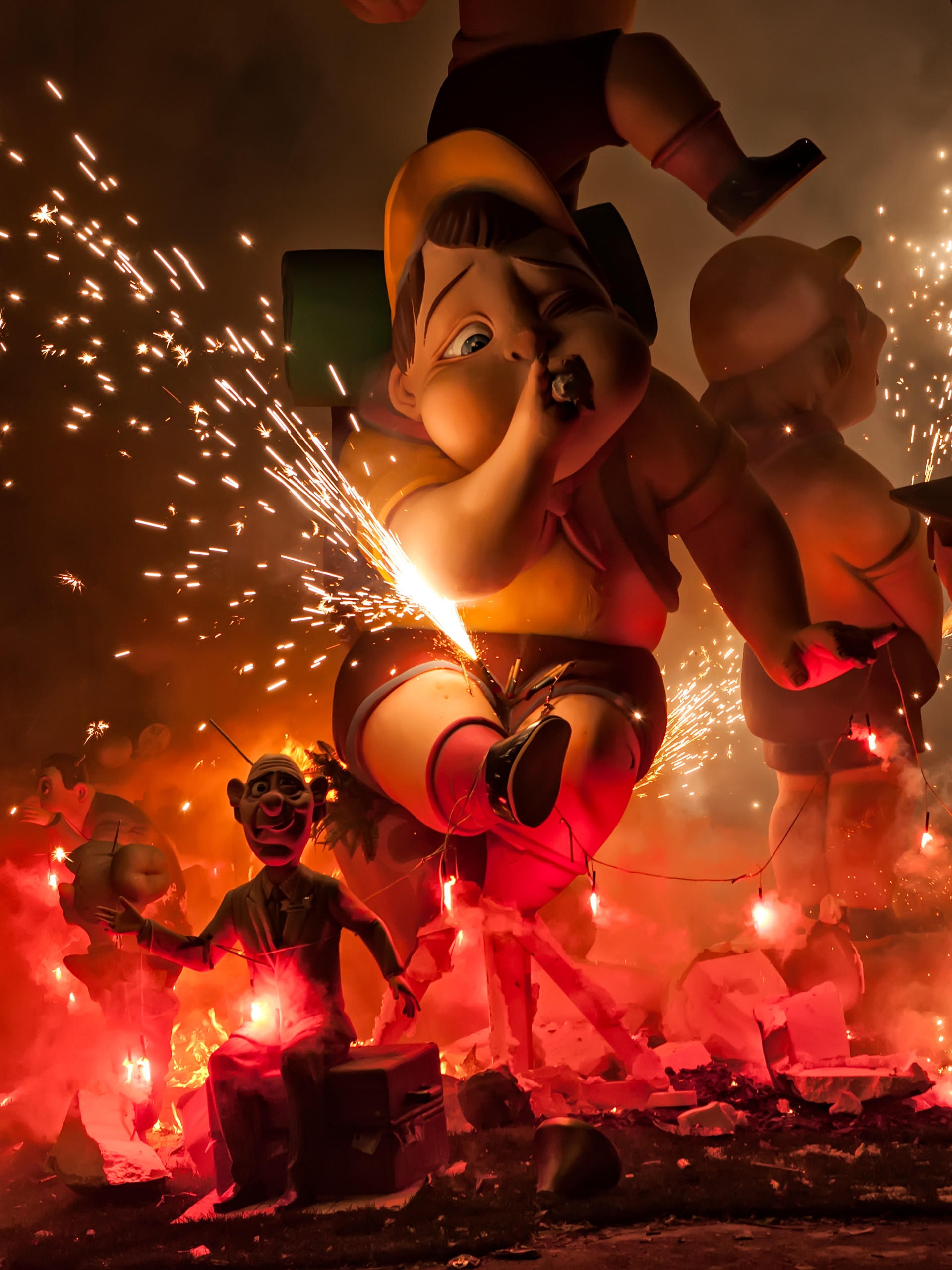
The climax of Las Fallas: the ceremonial burning of all monuments installed around the city. Usually, the children’s fallas are burnt first, then the main ones, and finally the city’s central monument.
Firefighters stand by each monument. Smoke from the bonfires fills the streets for a long time.
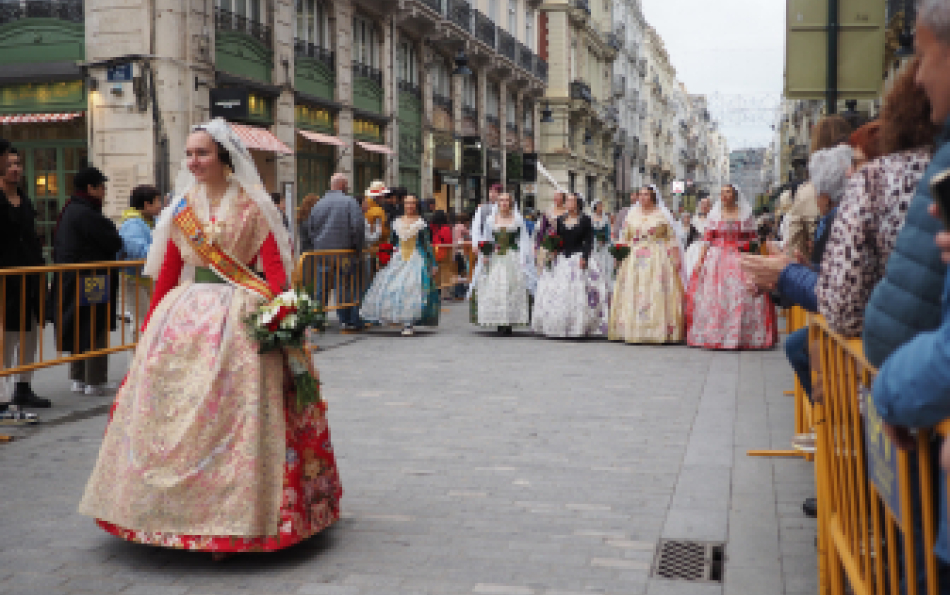
Women who belong to falla commissions. They wear traditional Valencian dress.
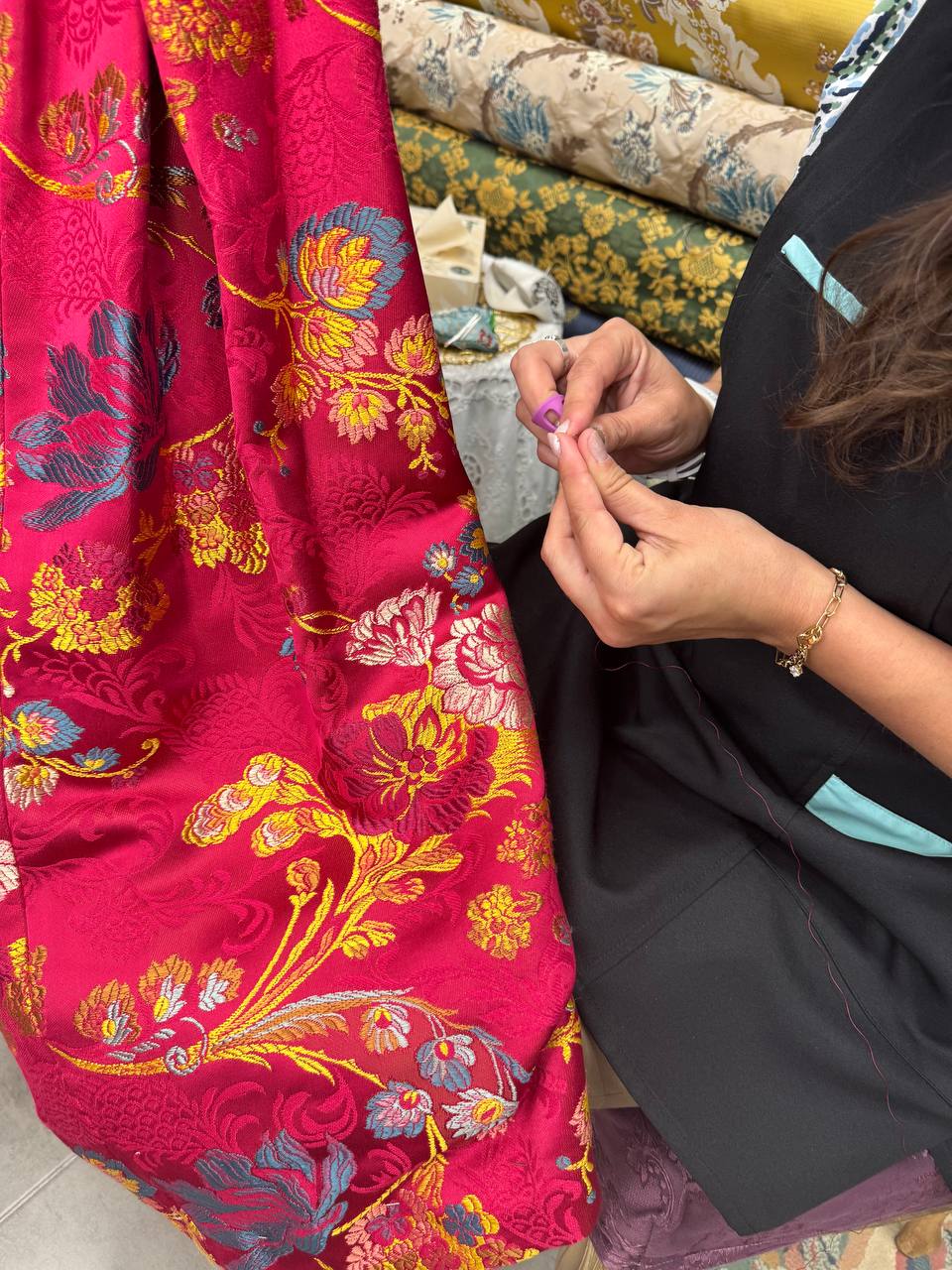
The outfit typically includes a dress, jewellery and an elaborate hairstyle with three combs. The cost can reach several thousand euros. Dresses are made to order, sometimes passed down through generations, and are a point of pride for the whole family. La Cotorra wrote about the seamstresses and the costumes here.
Men who belong to falla commissions. They help organise events, take part in parades, and are involved in the everyday life of the casal.
The adult and child queens of the festival — the official faces of the season. Every year, they are chosen for the upcoming Fallas and take part in the main ceremonies and receptions throughout the year. Almost every Valencian knows their names: they’re constantly in the media and represent the city at events across Spain. Their packed schedule of obligatory visits and trips leaves hardly any free time.
Alongside the citywide Fallera Mayor, similar roles exist within each neighbourhood commission.
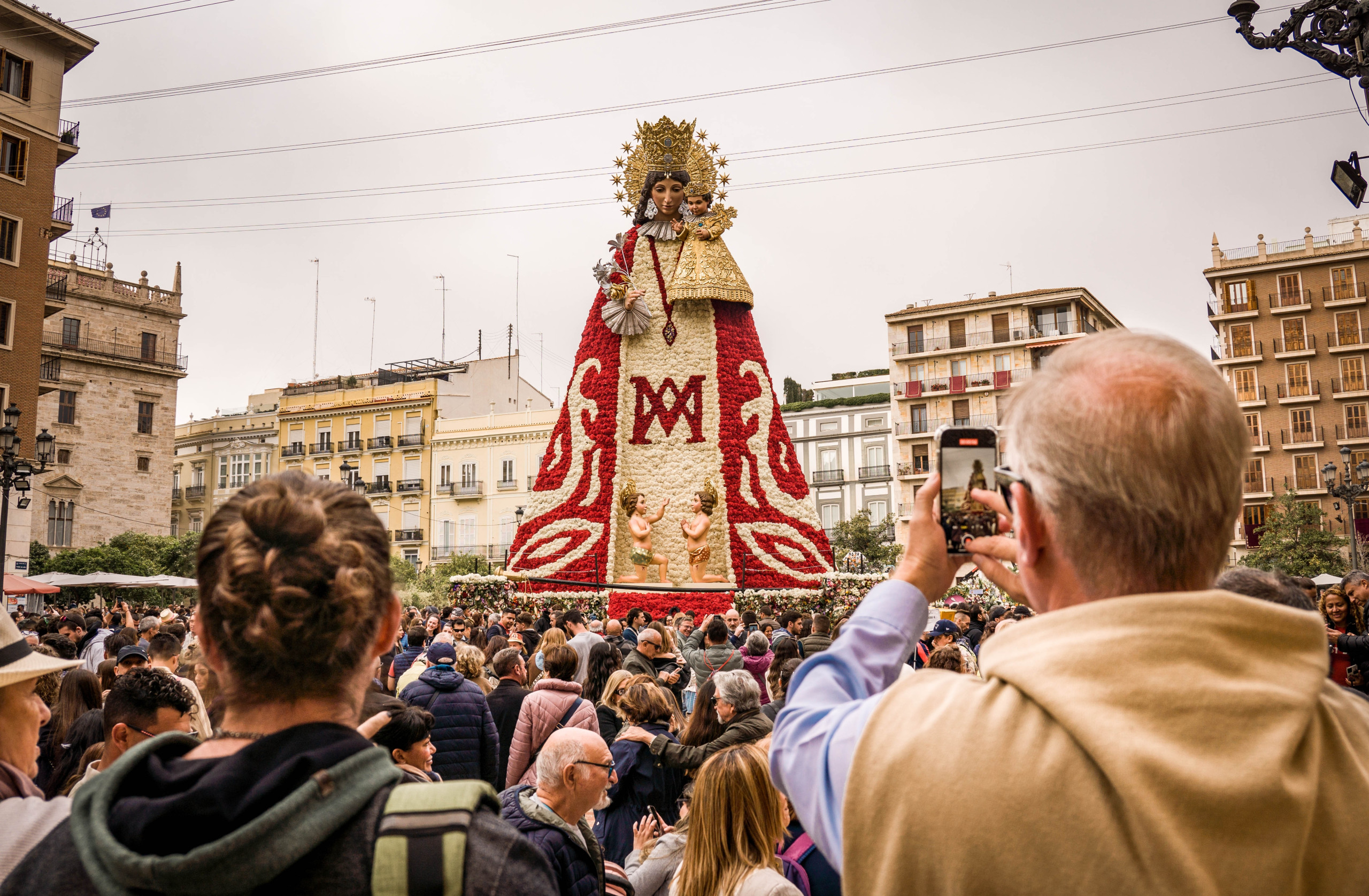
The flower offering procession to the Virgin Mary, Our Lady of the Forsaken, traditionally takes place on 17 and 18 March.
Participants carry bouquets (usually carnations) that are used to create a floral mantle for a giant figure of the Virgin. It’s one of the most impressive and emotional ceremonies of Las Fallas. Many participants and spectators cry, moved by the religious symbolism and the sense of closure after a year of preparation.
A traditional scarf is often worn around the neck during Las Fallas. The checked pattern references traditional Valencian clothing. In the run-up to the festival, you’ll find these scarves everywhere — from tourist shops to local corner stores.
“Night of Fire” — the biggest and most complex fireworks display of Las Fallas. It usually takes place on the night of 18–19 March, just hours before the final Cremà.
This isn’t a noise-based mascletà — it’s a visual fireworks show. Nit del Foc is seen as the peak of the pyrotechnic programme, and each company tries to outdo last year’s spectacle.
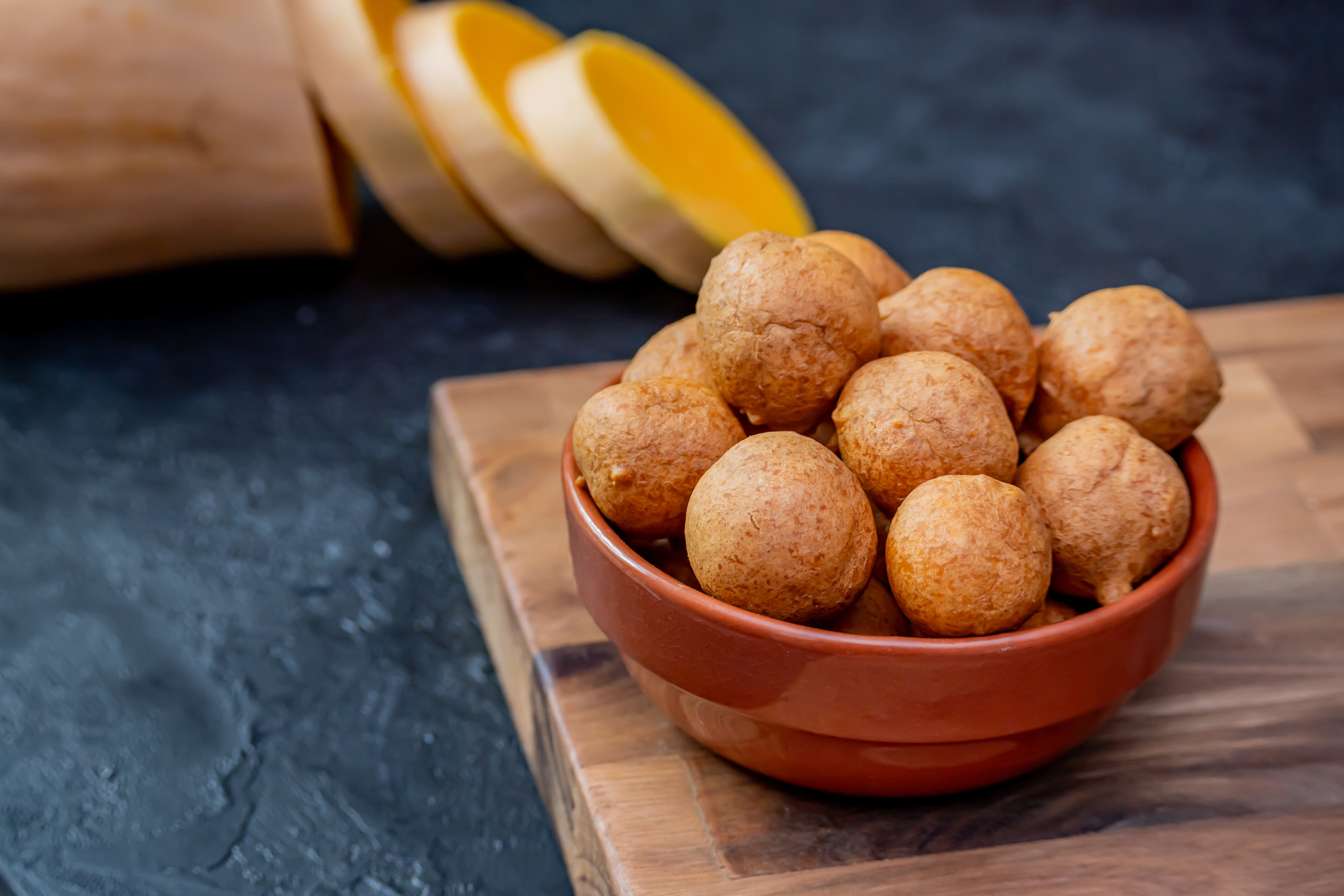
A classic Las Fallas treat: fried doughnuts made with pumpkin. They’re sold at street stalls set up for the festival and eaten with sugar or hot chocolate.
Related Articles
Spain Celebrates San Juan: Bonfires in Valencia, Firecrackers in Barcelona, and Horses in Menorca
On one of the shortest nights of the year, the country marks Saint John's Eve in wildly different ways — from Alicante's giant burning figures to Galicia's herb-infused water and Valencia's midnight beach wishes

Chasing the Wind: Your Ultimate Guide to Spain’s Spectacular Hot Air Balloon Festivals This July
From July 8 to 12, Igualada hosts southern Europe's largest balloon festival, followed by Segovia's on July 17 — La Cotorra's Pavel Tarasenko, a longtime balloonist, explains how flights work and where to fly in Spain
Valencia Region Shines in New "100 Best Restaurants Under €100" Guide
GastroActitud's new guide names the best-value restaurants across Spain — and Valencian cuisine tops several categories, from beach bars to rice dishes
Loading…
Loading…