





Support La Cotorra on Patreon
Access exclusive content, special perks, and closer connection with us.

Valencia’s biggest festival, Las Fallas, splits the city in two: some adore the deafening firecrackers and music that blares until dawn, while others brace themselves for it with dread. The spectacular tradition comes with a darker side — injuries caused by fireworks, smoke-filled neighbourhoods and stress for people and animals that are sensitive to loud noise. La Cotorra spoke to Valencians and to the vice-president of FVAAC — the federation uniting local traditional pyrotechnics associations — about how the city is learning to celebrate Las Fallas more safely.
Formally, Valencia’s defining festival lasts a week and culminates on 19 March with the burning of the fallas sculptures. These are indeed the noisiest and smokiest days. In reality, however, firecrackers and all manner of small explosives begin going off from late February.
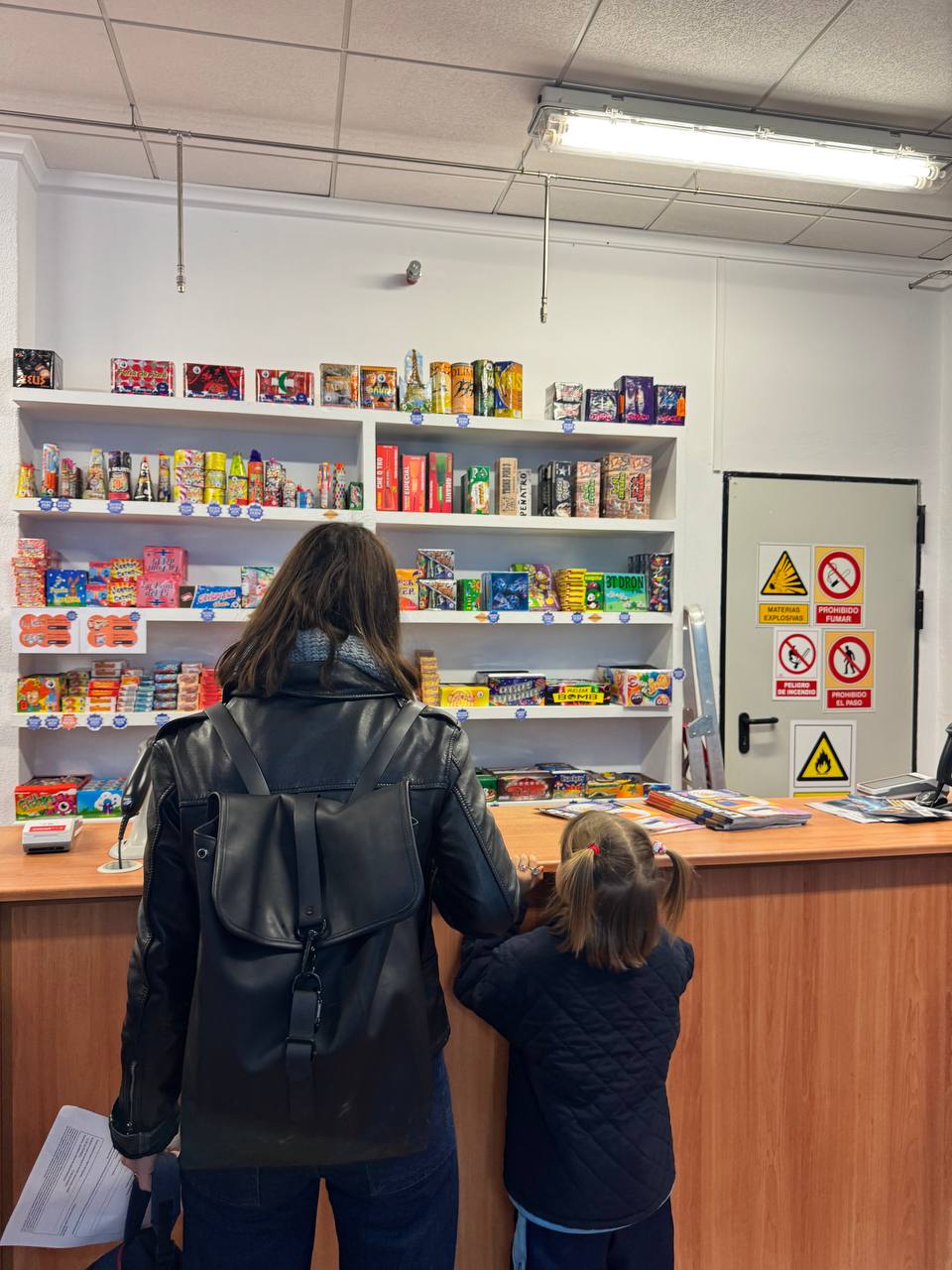
Once neighbourhood petarderías (specialist fireworks shops) open, many children abandon their favourite toys and switch to “bombetas”.
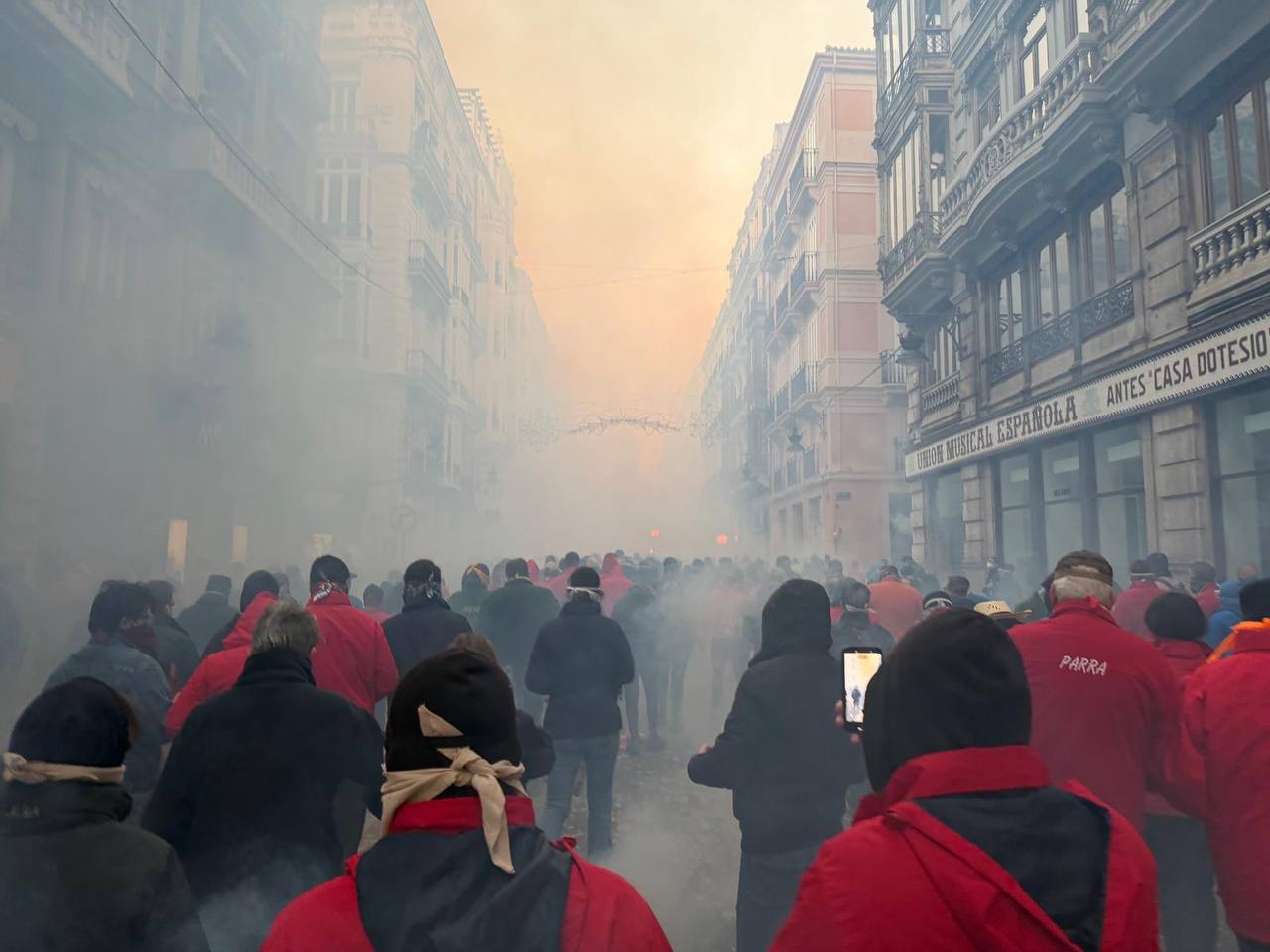
These colourful throw-down bangers explode on impact, and at some point the sporadic pops turn into a constant soundtrack that follows Valencians everywhere. The city begins to resemble a minefield, where an unsuspecting passer-by can suffer serious injury.
According to the Red Cross, during Las Fallas 2025, 322 people sought medical assistance from the organisation’s teams. On the night of the Cremà — the festival’s climax, when giant sculptures are burned across the city — more than 40 people were injured, suffering burns, eye injuries caused by foreign objects, fainting spells and anxiety attacks. That same year, a pyrotechnic explosion during the burning of a children’s falla at the Zapadores-Vicente Lleó fair left at least four people injured, two of them seriously enough to require hospital treatment.
One of those trying to strike a fragile balance between tradition and safety is Enrique Coy, a resident of Burjassot and president of Penya del Coet de Burjassot, a local pyrotechnics association. He oversees the training and coordination of CRE groups (Consumidor Reconocido como Experto — Recognised Expert Consumers), people officially authorised to use traditional fireworks. Valencian firecracker and fireworks associations are united under FVAAC, which runs specialist courses and teaches participants how to handle everything from children’s bangers to heavy-duty fireworks that require special preparation.
“I’ve seen an adult lose three fingers — only the bone was left — because he held a firecracker the wrong way. I know many cases of eye injuries. If you throw a firecracker upwards, it can hit someone in the face. Some people have suffered lifelong damage,” says Enrique.
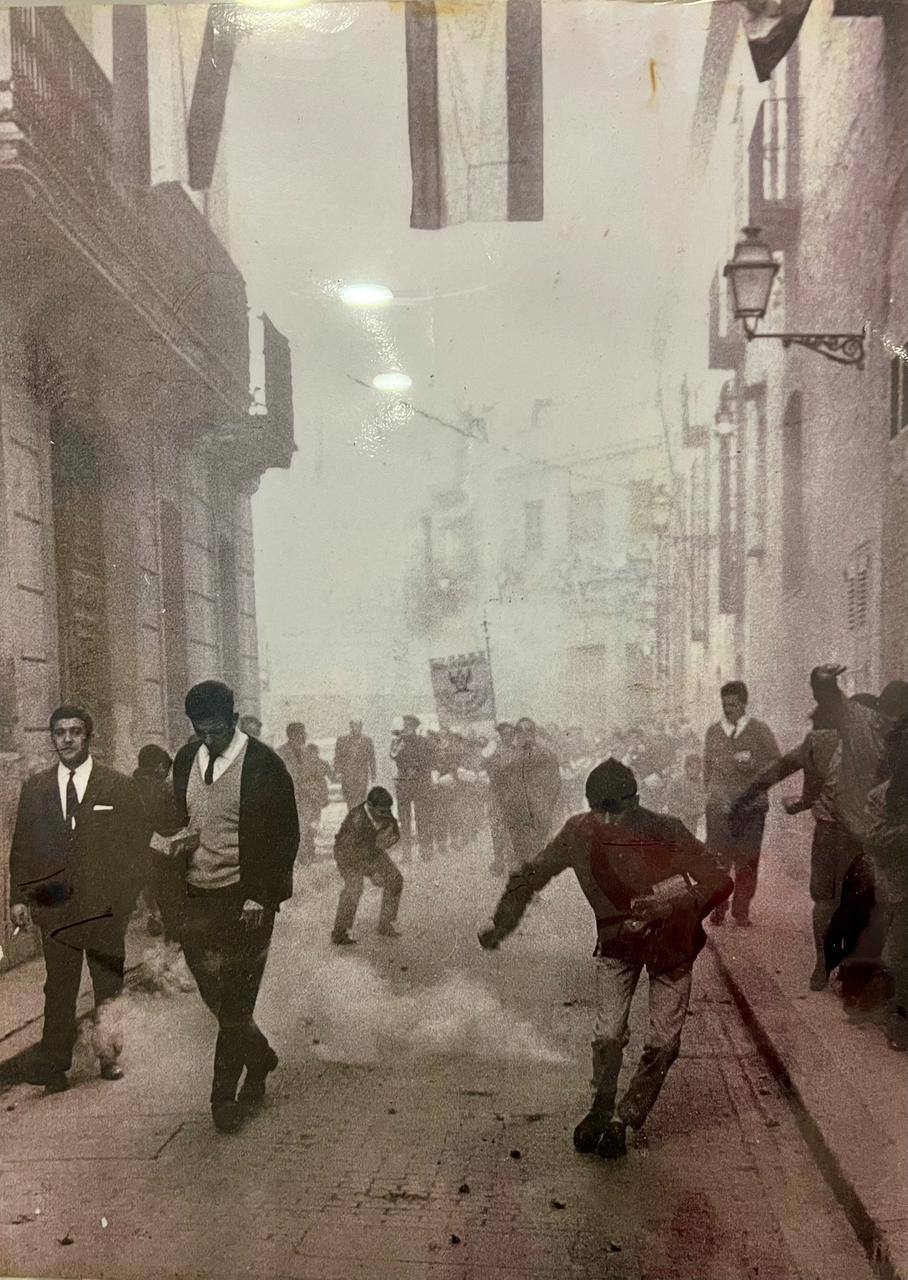
In the last century, large firecrackers were set off in the narrow streets of old neighbourhoods with virtually no rules in place. There were no regulations, let alone courses. “Nobody read anything — we learned from our grandfathers. We watched the older ones and copied them,” he says.
As he speaks, he shows a box of special fireworks still made by hand — assembled one by one like cigars, carefully rolled in paper and filled with black powder. They are stored in rice husks to prevent friction and accidental detonation during transport. These firecrackers are not sold in regular shops; they can only be used within an association and only by those who have completed training.
In Spain, fireworks are divided into categories, from the most basic F1 to F4, which is restricted to professionals. Yet during traditional fire processions, ordinary participants — not professionals — often ignite fireworks that are not intended for the general public. According to regulations, anyone wishing to take part must complete training and obtain a CRE diploma. This does not make someone a professional pyrotechnician, but it allows them to participate in festive pyrotechnic parades. Without it, one can only be a spectator.
Enrique says that since 2012, around 98,000 people in the Valencian Community have completed this training.
Importantly, a CRE certificate does not make someone a professional. But it does allow holders to take part in pyrotechnic celebrations from which untrained individuals are excluded.
“It’s a five-hour course. There can be up to 200 people in a group. We teach safety. We teach people how to read instructions,” Enrique explains.
Valencia also has an official bando fallero — a municipal regulation in force during the festival — detailing the types of fireworks permitted and exactly where, when and how each may be used.
Fines for improper handling of fireworks, including illegal sale or resale, can range from one hundred euros to several hundred thousand. During Las Fallas 2025, Valencia’s police filed 92 reports: 50 related to storage and sales violations, and 42 to improper use.
Central Valencia turns into an endless party during the festival: crowds of tourists, litter, noise and smoke.
The acoustics of Valencia’s narrow streets amplify sound. For Sandra, a local resident, sleepless nights have become increasingly difficult with age.
“During Las Fallas, I literally pray for rain in the evening so our neighbourhood falla moves the party indoors. When that happens, the music is much quieter. There are days when I don’t sleep until four in the morning — it’s exhausting,” she says. Another central resident, who preferred to remain anonymous, added: “I know many people who would be happy if the noisiest March events were moved to the outskirts, away from residential areas.”
Pet owners frequently complain as well. Many dog owners leave Valencia for the final week of the festival, while those who stay take special measures to protect their pets.
Residents and business owners in the Ruzafa district have even asked the city council to install cameras and noise-monitoring devices.
In 2025, as part of the València Innovation Capital strategy, a pilot project called Ecoterrazas Sostenibles was launched in Ruzafa. On Calle Cura Femenía, the city installed its first “anti-noise” terrace with sound-absorbing furniture, umbrellas, panels and smart noise sensors. When decibel levels exceed limits, the sensors change colour. If successful, the model may expand to other parts of the city.
The idea that every Valencian loves the noise is a myth, says José, a resident of El Grau:
“I’m a musician with very sensitive hearing. Even though I perform at big concerts, I physically can’t cope with Las Fallas. For the past 20 years, I’ve left for the mountains in mid-March to find some peace and quiet,” he says.
Despite new regulations and restrictions, March remains the city’s loudest month. Many Valencians book time off during Las Fallas and leave town altogether.
Related Articles
Beyond Paella: Discovering All i Pebre, Valencia’s Best-Kept Culinary Secret
Deep in the heart of the Albufera wetlands, the fishing village of El Palmar preserves a traditional, rich garlic and wild eel stew that tourist traps completely miss
Loading…
Loading…