






Support La Cotorra on Patreon
Access exclusive content, special perks, and closer connection with us.
Back in 2021, 22,000 pigeons were circling over Valencia, and by 2023–2024 that number had already risen to 35,500 — a 60% increase in a short span of time. City Hall decided to turn the situation around and launched an emergency plan of measures to control the city's pigeon population. The 2025 census showed the first result — 32,197 birds. Over the past few months, the population has fallen by 9%, and the city hall's goal is to bring it down to 30,000 birds. This was reported to the outlet Las Provincias by animal-welfare councillor Juan Carlos Caballero.
The first measure taken by the city hall was relocating the "ecological dovecotes." These are wooden shelters at nine points around the city, where birds are brought together to be kept under control and fed a special feed containing nicarbazin, a veterinary drug that suppresses the birds' reproductive capacity. At the dovecotes, feathers are also cleared away, water is changed, and droppings are analysed.
Eight are currently operating — at La Rambleta, Parque de Cabecera, Parque del Oeste, Viveros, Orriols, Marchalenes, Benicalap, and Polifilos.
The second measure is replacing the pigeons' real eggs with plastic ones. As Jesús López, technical manager at the company Lokímica, explained, four to six eggs are removed from each active dovecote every month.
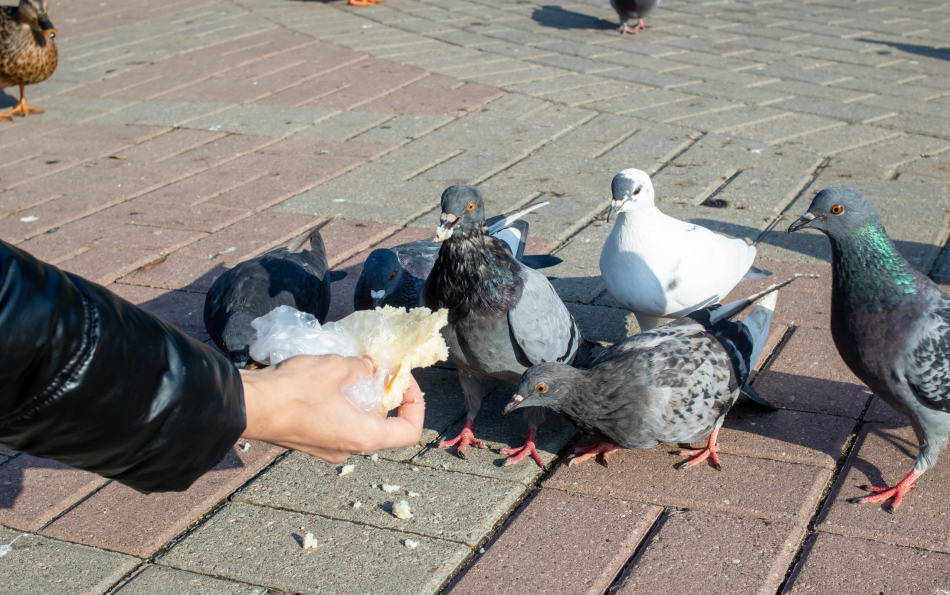
The third initiative is an awareness campaign under the slogan "Don't Feed the Problem." The target audience is clear: people who feed pigeons on the streets. Recently, Valencia's city council caught offenders who were distributing bread crumbs around the city on electric scooters, like food delivery couriers. The authorities remind residents that fines for feeding pigeons were increased last year. Now, those fond of feeding the birds can be fined up to 3,000 euros.
As for protecting buildings from pigeons, there's no single solution. At the Monastery of San Miguel de los Reyes, wires have been strung up that deliver mild electric shocks. At the Marítim-Serrería metro station, spikes have been combined with netting. At the Abastos sports and cultural complex, they're testing sounds of birds of prey and ultrasound, and at the entrances to the Central Market, ultrasound has been in use for two years already to keep pigeons from wandering through the stalls.
Pigeons can carry salmonella, which is transmitted through contact with droppings, and feeding the birds attracts rats and cockroaches. What's more, pigeons can carry small mites, ticks, and blood-sucking flies known as hippoboscids between their wings. These flies have a flat shape that lets them nest in feathers and feed on the blood of mammals and birds.
Historical heritage is suffering too. Pigeon nests are regularly found in the Gothic 14th-century Royal Shipyards (Reales Atarazanas), in the Church of Santa María del Mar, and in the markets. Other notable spots around the city include the Nazaret district, the abandoned buildings of Cabanyal and Ciutat Vella, Patraix, and Calle Democracia in the Nou Moles district, where pigeons have made themselves at home in air conditioners, phone cables, and shop signs.
Related Articles
Spain Tops Europe for Pet Abandonment, New Report Finds
Shelters recorded 285,000 abandoned animals in 2025 — barely down on 2024, in figures the Affinity Foundation calls stagnation rather than real improvement
Loading…
Loading…