







Support La Cotorra on Patreon
Access exclusive content, special perks, and closer connection with us.

July 27 marks 750 years since the death of James I (Jaume I), and to honour the occasion, Valencia has prepared an extensive series of historical events—ranging from exhibitions to medieval reenactments. Unlike most international visitors, every local knows his name from childhood. Here is the vital history and most fascinating details behind this legendary monarch.
King James I lends his name to streets, schools, metro stations, and residential complexes across Valencia. His equestrian statue commands the city centre, while his portrait graces flags, postcards, and event posters. For Valencians, he is not merely a figure in a textbook, but the man who laid the foundations of 13th-century Christian Valencia and altered the region's history forever.
Yet James I was not the founder of the city. Valencia was established during the Roman Empire and spent centuries as a major Islamic cultural centre before the Aragonese king's arrival. It was following his conquest in 1238 that the Kingdom of Valencia was established—complete with its own legal system and distinct status within the Crown of Aragon.
The early life of the future monarch reads like an adventure novel. Losing his father at a young age, he was captured by family enemies and subsequently raised under the guardianship of the Knights Templar inside the fortress of Monzón.
James ascended to the throne at just six years old, spending years forced to assert his royal authority against rebellious feudal lords who attempted to govern in his name.
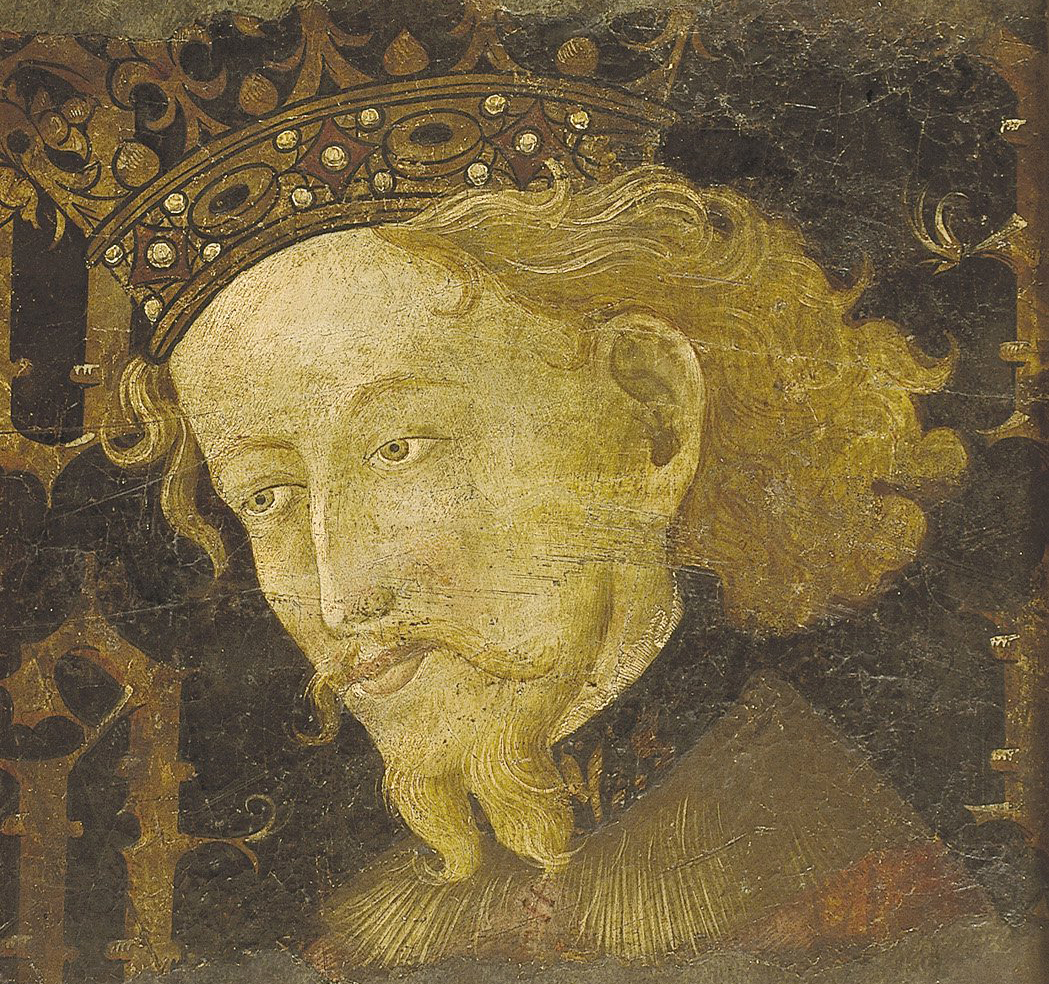
He inherited the Crown of Aragon, encompassing the Kingdom of Aragon, the County of Barcelona, and additional Mediterranean territories. As ruler of one of Western Europe's major powers, the young king faced the double task of securing his realm and expanding its borders.
Ultimately, James I ruled for over 60 years—one of the longest reigns of any medieval European monarch. Over this era, he annexed Mallorca, Ibiza, and the majority of modern-day Valencia, earning his historical title: James the Conqueror.
When the armies of James I entered Valencia in 1238, the Crown of Aragon chose not to simply absorb the conquered territory. Rather than annexing Valencia into Aragon or Catalonia, James I established the independent Kingdom of Valencia, equipped with its own laws, language, and civic institutions. This statecraft defined the region's distinct identity for centuries to come.
The Islamic city was subsequently transformed into the capital of a new Christian realm. Mosques were converted into churches, property was redistributed among new settlers, and a comprehensive legal and administrative apparatus was implemented.
The new legal code, known as the Furs de València, was strikingly progressive for the 13th century: even the monarch was legally bound by its statutes. Women secured significantly stronger property rights than in many contemporary European states, gaining the right to own and transfer assets independently, as well as administer estates upon a spouse's death.
Commercial activity was strictly regulated, mandating penalties for fraudulent scales, deceptive sales practices, or substandard goods. Additional provisions governed agricultural irrigation networks—a vital necessity for Valencian farming.
These legal structures preserved the famed Water Tribunal (Tribunal de las Aguas), which remains active today. Every Thursday at noon, Europe's oldest continuous judicial institution convenes outside the Apostles' Door of Valencia Cathedral, where irrigation delegates resolve agricultural disputes based on principles established during the reign of James I.
Yet, while the conquest launched a new era, it represented a profound upheaval for the local population. A significant portion of the Muslim community left Valencia, forever altering the established social fabric.
To experience James I's voice directly, readers turn to the Llibre dels Fets ("Book of Deeds"). Dictated to scribes toward the end of his life, this autobiographical work chronicles campaigns, negotiations, and military battles in a vivid, conversational style. Unfiltered and direct, the king admits mistakes, reveals emotional struggles, and records arguments with his subordinates.
For example, when a knight attempted to desert during a military campaign, the king confronted him directly:
Stinking cod, how could you abandon your lord?”
James I
James ordered the knight stripped of his horse, armour, and weapons, forcing him to march behind the army on foot.
In the original text, James shouts: “Bacalar pudent!”—an archaic insult interpreted by scholars as "foul scoundrel." The literal rendering "stinking cod" stems from phonetic similarities to the modern Catalan word for cod, bacallà.
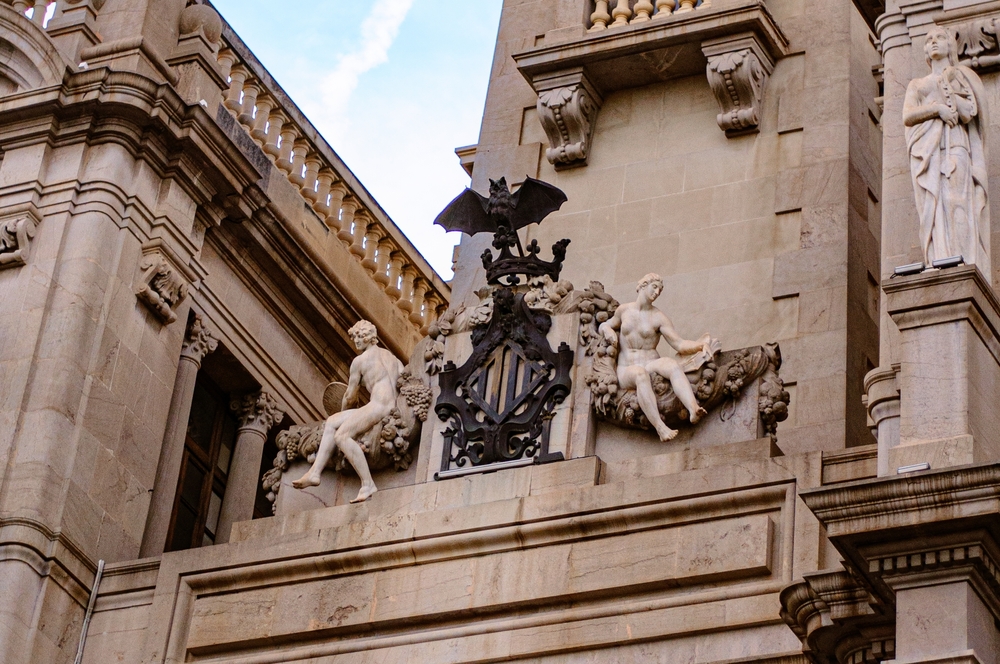
One of Valencia's most enduring legends involves not a knight or general, but a bat. According to popular lore, a bat nested near King James's tent during the siege of Valencia. One night, the creature made enough noise to wake the camp just as enemy forces launched a surprise night raid. Alerted in time, the army repelled the assault, and the grateful king adopted the bat as a civic symbol.
Historians view the tales sceptically, noting a complete absence of contemporary 13th-century documentation. Nevertheless, the story captured the public imagination and became central to the city's identity.
Today, the bat appears on Valencia's official coat of arms, historic building facades, manhole covers, souvenirs, and the crest of Valencia CF.
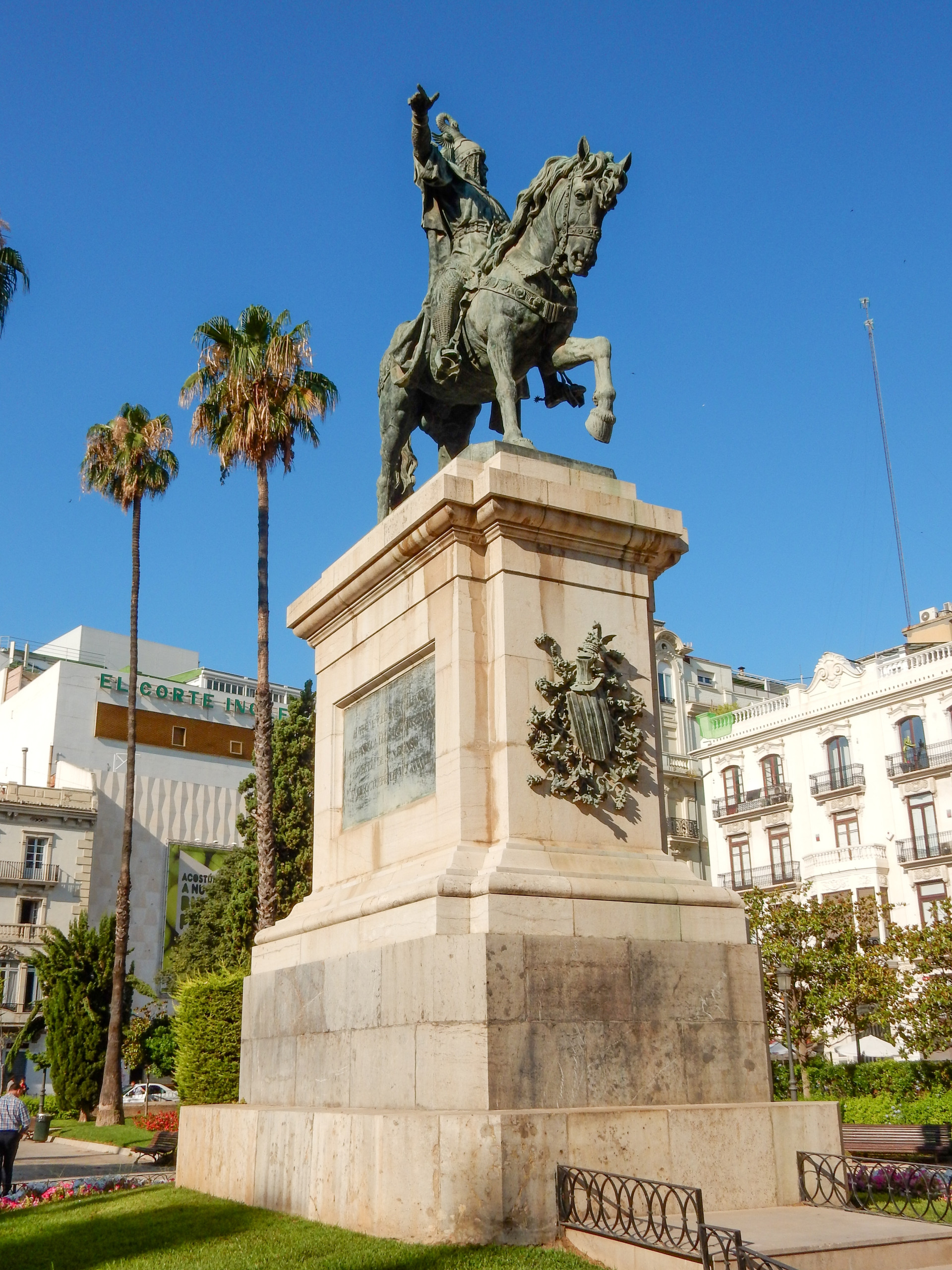
The primary monument to James I stands in the Parterre Gardens near Plaza del Ayuntamiento. Unveiled in 1891, the bronze statue was cast by melting down five historic cannons and a howitzer retrieved from Peñíscola Castle.
However, the sculpture contains an intriguing historical inaccuracy: the king is depicted wearing a helmet surmounted by a winged dragon—a crest of the Crown of Aragon that was actually introduced decades after James I's death. In reality, the Conqueror never wore such a helmet.
Every year on October 9, Valencia commemorates the anniversary of James I's entry into the city. The historic Senyera flag is paraded through the streets during civic ceremonies and festive processions.
By coincidence, October 9 also marks Sant Donís, the traditional Valencian Valentine's Day. Alongside political commemorations, locals observe a romantic tradition: gifting loved ones a Mocadorà—handcrafted marzipan fruits and sweets wrapped inside a colourful silk scarf.
Reflecting late in life on his entry into Valencia, James I recalled: “We stood between the camp and the tower. And when we saw our banner raised upon the tower, we dismounted, turned toward the east, wept, and kissed the ground for the great mercy God had shown us.”
Related Articles
Spain’s First Flying Taxis to Take Flight in 2028 on Málaga–Marbella Route
Part of the EU-backed Verti-Go project, 15-minute electric air taxi flights costing €100 will connect Málaga and Marbella while testing airspace integration
Loading…
Loading…