









Support La Cotorra on Patreon
Access exclusive content, special perks, and closer connection with us.
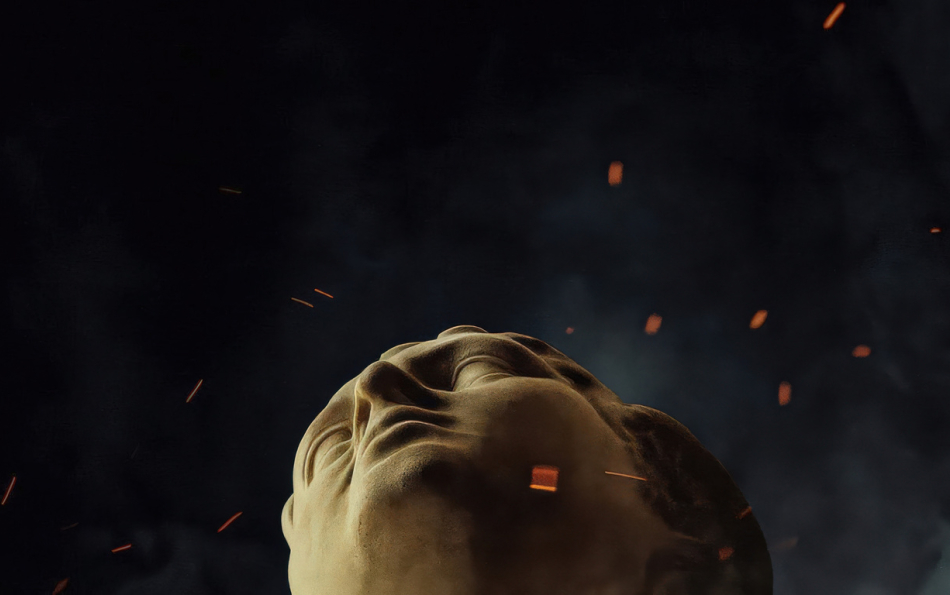
In recent days, it seems nearly impossible to find anyone who doesn't claim to be a Homer expert. Judging by social media, literally everyone has read the 8th-century BC epic poem The Odyssey. But is that actually true, or has what we learned about Odysseus back in high school faded into a vague sense of familiarity?
Morocco, Greece, Scotland, Iceland, Italy's Aeolian Islands—Christopher Edward Nolan, much like Odysseus himself, travelled across half the globe to film his adaptation of the epic poem. The epic resonance feels natural and expansive, with the film's soundtrack standing out as a masterpiece in its own right.
Nolan challenged his composer to forego a traditional orchestra. Instead, Nolan's long-time collaborator, film composer Ludwig Göransson, constructed the acoustic world of The Odyssey using reconstructed ancient Greek instruments (such as the aulos and lyre), metallic and stone percussion, intimate vocal ensembles, and synthesisers.
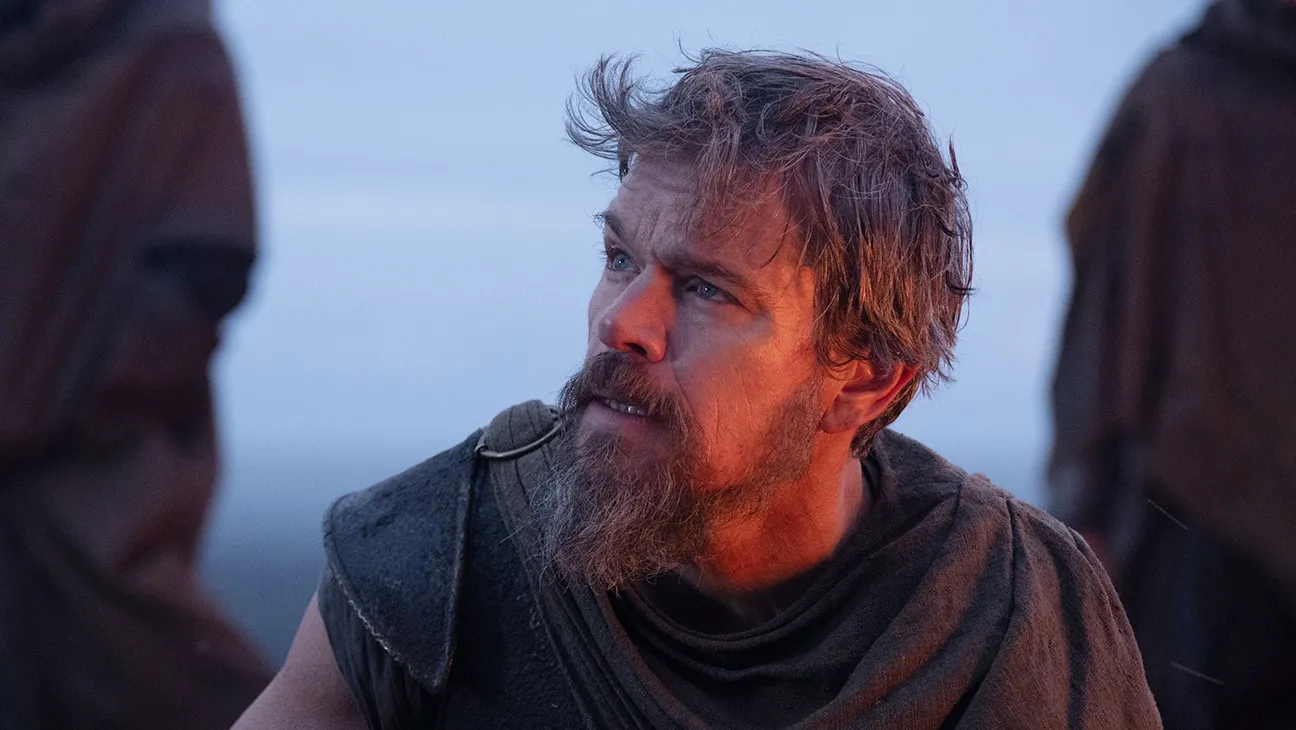
The deliberate choice of modern language and unhistorical costumes was a conscious decision by the director: so little verified historical data exists regarding the Mycenaean era that pursuing strict historical accuracy seemed futile to him. Meanwhile, the costumes tell the characters' personal stories; for instance, Odysseus (Matt Damon) gradually loses his royal majesty as his attire becomes increasingly ragged and worn.
To design for Helen of Troy (Lupita Nyong'o), the production brought in Pakistani artist Misha Japanwala, who specialises in body-moulded wearable sculptures. Misha created two sculptural bronze pieces for Helen's look—an asymmetrical shoulder piece and a neck piece, moulded directly to the actress's body.
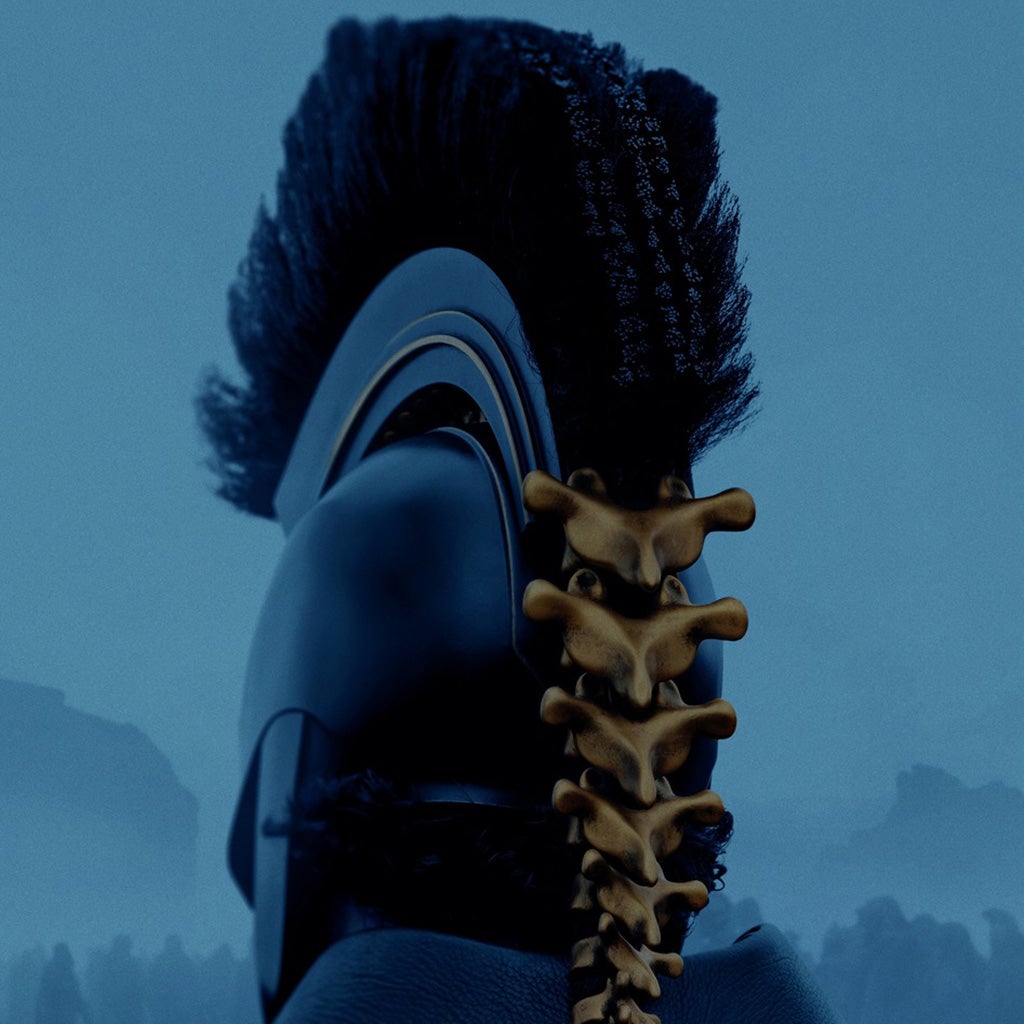
Military commander Agamemnon, who sends men relentlessly to their deaths, is already drawing comparisons to Darth Vader—sharing the same black armour, ruthless demeanour, and terse speech. His helmet is adorned with gold vertebrae, and he enters the gates of Troy looking like death incarnate.
Majestic landscapes, mythological figures brought to life, and the ghostly gods of Ancient Greece—the audience's journey through Christopher Nolan's poetic world leads ultimately to the worn marble steps of Ithaca. There, they will hear the essential message for which they wandered alongside Odysseus, endured shipwrecks, and descended onto the black volcanic sands of Hades throughout the film's three-hour runtime: War is hideous. It destroys both victors and vanquished alike. It permanently transforms the world around it and consumes the very people who waged it. And there is no lotus of forgetfulness potent enough to cure its taint.
This message, though repeated countless times across different languages by poets and artists throughout history, remains as vital today as ever.
Related Articles
LEGO Unveils Limited-Edition 1:1 Scale World Cup Trophy Celebrating Spain’s Victory
Priced at €199 with only 6,000 units available in Spain, the 2,845-piece replica features exclusive champion engravings and a display podium
Loading…
Loading…