





Support La Cotorra on Patreon
Access exclusive content, special perks, and closer connection with us.
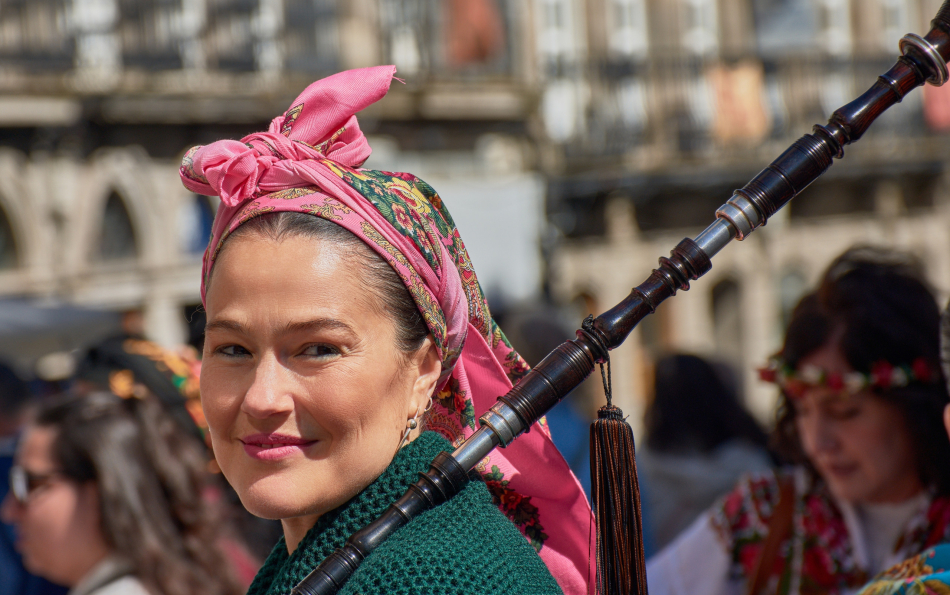
When the ancient Romans reached the northwestern tip of the Iberian Peninsula, they believed they had arrived at the edge of the known world—a belief preserved in the name of Cape Finisterre (derived from the Latin finis terrae). Yet they were mistaken. Centuries later, hundreds of thousands of Galicians set sail from the docks of Vigo and A Coruña bound for the New World, marching "like trails of ants" in search of a better life, as author and journalist Arturo Lezcano described it. Rain and wind, the churning Atlantic Ocean, ancient mysticism, and a deep-seated longing for the homeland forged the distinct character of the Galician people. On July 25, St. James’s Day (Santiago), the region celebrates its official national holiday.
To understand Galicians, one must step back more than two millennia. When Roman legions reached the northwestern peninsula, they confronted the Atlantic Ocean and a promontory they named finis terrae, "the end of the earth." For the Roman Empire, it proved a formidable frontier. Mountainous terrain, rivers, and fierce local resistance hindered conquest. In 61 BC, Julius Caesar personally led a naval expedition to the shores of present-day A Coruña, though the region was not fully integrated into the Roman world until the late 1st century BC. Rome left behind roads, Latin, and Christianity, but it never erased the older cultural layers beneath.
Chief among those layers was the Castro culture: fortified hilltop settlements characteristic of the late Bronze and early Iron Ages. These sites underpin Galicia's famous "Celtic" identity. In the 19th century, historian Manuel Murguía championed the idea that the Celts formed the primary foundation of the Galician nation. Murguía wrote during the era of Romantic nationalism, when European intellectuals eagerly sought ancient, heroic roots for their people. Today, scholars take a more nuanced view, acknowledging that Celtic influence is far more complex than Romantic myth suggests. Yet the mythology remains deeply woven into local identity—one sound from the gaita (the Galician bagpipe) is enough to evoke immediate comparisons with Ireland or Scotland.
Galicia's standout historical claim, however, belongs not to the Celts, but to the Suebi. In the 5th century, the Germanic Suebi tribe established an independent kingdom in former Roman Gallaecia, with its capital at Braga. Some historians regard it as the first medieval kingdom of Western Europe. Galicia later fell within the spheres of the Visigoths, Asturias, and León, before spending centuries as a quiet periphery in broader Spanish history.
In the 20th century, regional identity re-emerged as a political battleground. Under Francisco Franco—himself a Galician born in Ferrol—public expression of the Galician language and regional autonomy projects were suppressed. Following the dictator's death, Galicia gained its modern status as an Autonomous Community in 1981.
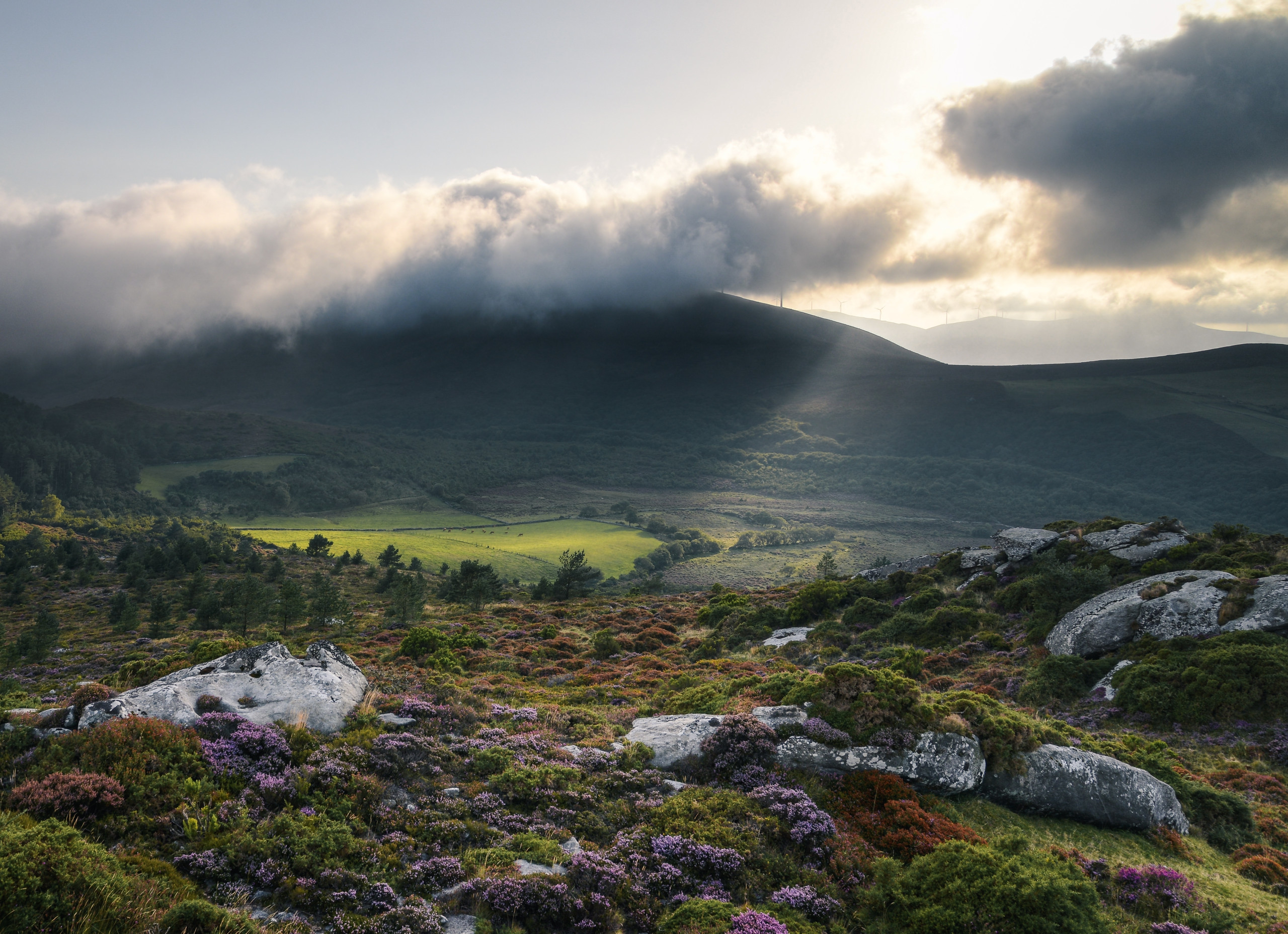
Galicia is often defined by contrast: if southern Spain represents sunshine, flamenco, and sun-baked plains, the northwest stands for rain, bagpipes, and evergreen hills. Santiago de Compostela, the regional capital, receives an average of 1,800 litres of rainfall per square meter each year. According to Spain's meteorological agency AEMET, umbrellas are opened in the city an average of 140 days a year. Yet its reputation as Spain's wettest city is a misconception: by total rainy days, Santiago ranks second behind San Sebastián in the Basque Country.
Rain is an inescapable backdrop to daily life, inspiring a rich vocabulary. Words like orballo, poalla, treboada, chuvisca, torba, and barruzada describe subtle variations of rainfall. Over time, Galicians built an aesthetic appreciation for wet weather. As El Español noted of Santiago de Compostela: “The reflection of water on stone and the vivid green countryside turn rain here into a work of art, even if it remains a minor nuisance at times.”
Terrain and water influenced economic structure as much as landscape. Administratively divided into four provinces (A Coruña, Lugo, Pontevedra, and Ourense), Galicia’s real footprint is much more granular. As Arturo Lezcano writes in El país invisible ("The Invisible Country"), the region functions as a "20-million-piece puzzle": 53 county-like comarcas, 313 municipalities, 3,771 parishes, and nearly 30,000 hamlets—roughly one for every square kilometre. More than 19 million individual land parcels belong to 1.7 million property owners. Such extreme land fragmentation is unmatched elsewhere in Europe. Lezcano notes that this atomization "offered survival rather than prosperity." Tiny family plots provided food, but rarely offered room for economic advancement. From this geography sprang the defining narrative of Galician history: emigration.
Emigration defines the story of the Galician people. Lezcano estimates that between 1850 and 1960, approximately 2 million Galicians emigrated to the Americas. In 1920 alone, 77,000 people departed.
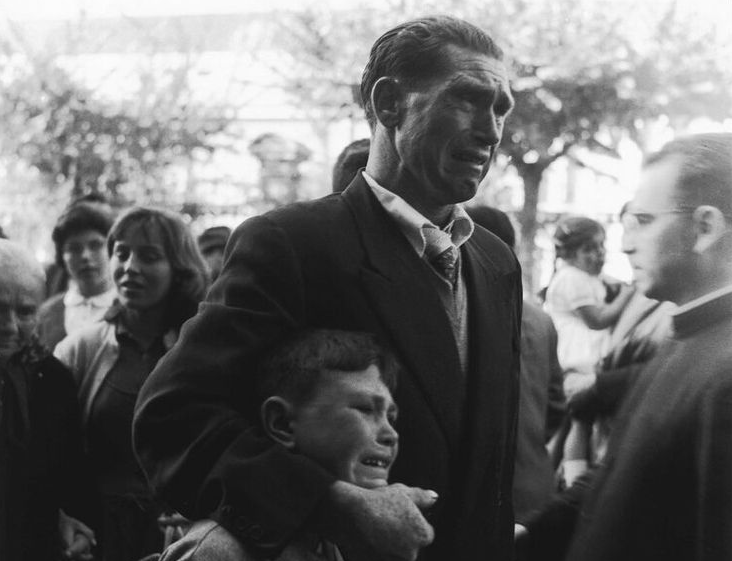
The iconic photograph "Man and Boy," taken at the port of A Coruña in 1957, became the enduring symbol of this diaspora. The photographer captured a tearful Galician man and his young son saying goodbye to relatives boarding a ship for Buenos Aires. The emotional weight of the image ran so deep that it was banned from publication in Spain during Franco's dictatorship.
The diaspora produced remarkable success stories. In Uruguay, Galician immigrants joined the CUTCSA bus enterprise, managed by Galician emigrant José Añón, which grew into South America's largest private passenger transit company. Equally famous are the Vázquez Raña brothers, whose parents moved to Venezuela and Mexico a century ago; their sons Mario and Olegario built an empire spanning hotels, healthcare, and media, ranking among Mexico’s wealthiest figures.
In terms of Western Hemisphere political history, the most prominent figures of Galician descent are Fidel and Raúl Castro. Statistical data reveals that over 230,000 people in Spain bear the surname Castro, with more than a third residing in Galicia (a direct link to pre-Roman castro settlements). Ángel Castro Argiz—father of the Cuban leaders—served in the Spanish army stationed in Cuba during the 1895 War of Independence and the 1898 Spanish-American War. After Spain's defeat, he returned home, only to sail back to Cuba the following year to settle permanently and escape poverty.
The Castro brothers embraced their ancestral roots. Fidel’s 1992 visit to his father’s ancestral village caused a sensation. He was welcomed by another giant of Galician politics, Manuel Fraga, who served as regional president from 1990 to 2005 after having served as minister of information and tourism under Franco.
Beyond high-profile individuals, departure was a cultural norm. “Go to the ends of the earth, and you will find a Galician,” wrote Portuguese-American author John Dos Passos. Wherever they settled, immigrants established Centros Gallegos—social centres acting as cultural havens far from home. Their presence was so pervasive that in parts of Brazil, galegos became a general term for light-haired, light-eyed people, while across parts of Latin America, gallego remains a casual synonym for any Spaniard.
For a time, dictionaries published by the Royal Spanish Academy (RAE) listed two secondary definitions for gallego: "foolish" (noted as Costa Rican usage) and "stammering" (noted in El Salvador). Latin American linguists clarified that these derogatory senses were obsolete, leading the RAE to officially remove them in 2014.
Galicians possess their own language—Galician (galego)—a Romance language closely related to Portuguese, with which it shared a common medieval origin (Galician-Portuguese).
Galician experienced a literary revival during the mid-19th-century Rexurdimento movement. Its defining milestone occurred on May 17, 1863, with the publication of Cantares gallegos by Rosalía de Castro in Vigo—the first major work printed in Galician after centuries of literary silence known as the Séculos Escuros (Dark Centuries). Rosalía de Castro remains the revered matriarch of Galician literature.
Under the 1981 Statute of Autonomy, Galician shares co-official status alongside Castilian Spanish. However, demographic trends present challenges. According to 2024 survey data, 29.2% of residents speak exclusively Spanish in daily life compared to 24% who speak exclusively Galician (down from 30% in 2018), while the majority use both. A generational divide is evident: nearly 40% of residents aged 65 and older use Galician daily, compared to just 7% of children aged 5 to 14.
The linguistic landscape is also shifting as Galicia, historically a region of emigration, becomes a destination for newcomers. As of spring 2026, the population reached approximately 2.73 million residents—its highest level in 11 years, driven primarily by international migration rather than birth rates.
A single untranslatable word captures the shared soul of Galicians at home and abroad: morriña. Popularised through the poetry of Rosalía de Castro, it serves as a cornerstone of Galician identity. The RAE defines it as "sadness or melancholy, especially homesickness for one's native land."
Beyond the formal definition lies an emotional philosophy. “It is the soul of Galician emigrants, the air they breathe daily, an umbilical cord connecting them to distant green hills that remains alive in every memory and tear,” explain local writers. The term can equally express a deep, bittersweet longing for a loved one.
Another essential concept for understanding Galician culture is retranca. It describes a subtle, dry irony, double-entendre, and intentional ambiguity—the ability to state something so that it isn't taken literally, yet remains clearly understood. Originating as a Castilian term meant to accuse Galicians of being evasive, local culture reclaimed it as a badge of intellect, understatement, and emotional caution.
Where Andalusians are stereotyped as exuberant and direct, Galicians are seen as reserved and measured. A Galician might deliver a sharp critique framed as a compliment, or offer praise laced with gentle sarcasm—or answer so obliquely that the listener is left to piece together the true meaning.
Closely tied to this mindset is trasacordo: the acknowledged right to change one's mind and renegotiate an agreement before it becomes final.
In Spanish folklore, this reserved nature inspired a famous joke: If you pass a Galician on a staircase, you can never tell if they are going up or coming down. Equally telling is the local proverb, “Deus é bó, pero o demo tampouco é malo” ("God is good, but the devil isn't bad either"). This paradoxical logic is famously illustrated by a quote attributed to local politician Pío Cabanillas. Asked who would win an upcoming election, he reportedly replied: “Well, I don't know which of us will win it.”
A similar duality extends to local mysticism. Galicia has long been known as terra de meigas (land of witches). “I don't believe in witches, but they do exist” (Eu non creo nas meigas, pero habelas, hainas), goes the famous Galician saying.
All layers of Galician tradition converge on July 25. First, it marks the Feast of St. James (Santiago)—patron saint of Spain—whose remains reside in the Cathedral of Santiago de Compostela according to Catholic tradition. Second, it serves as Galicia's official regional national day (Día Nacional de Galicia).
The day is observed through both religious and secular traditions. The central ritual is the National Offering to the Apostle (Ofrenda Nacional al Apóstol), established in 1643 by King Philip IV to symbolise the bond between the Spanish crown and Santiago. The ceremony features a solemn Mass inside the cathedral accompanied by the swinging of the botafumeiro—the giant incense burner suspended beneath the transept vault—attended by the King of Spain or an official delegate, such as the regional president.
Galicia Day as a secular holiday emerged much later, conceived in 1919 by the cultural-nationalist Irmandades da Fala ("Brotherhoods of the Language"). Under Franco, regional celebrations were outlawed, forcing the holiday underground and into emigrant communities overseas. Galicia Day officially achieved formal regional status in 1979.
Today, this dual identity is on full display: while Mass is celebrated inside the cathedral, a secular ceremony—the Offering to Rosalía de Castro—takes place at the Pantheon of Illustrious Galicians. El Correo Gallego describes it as a "secular and feminist counterweight" to the religious rites.
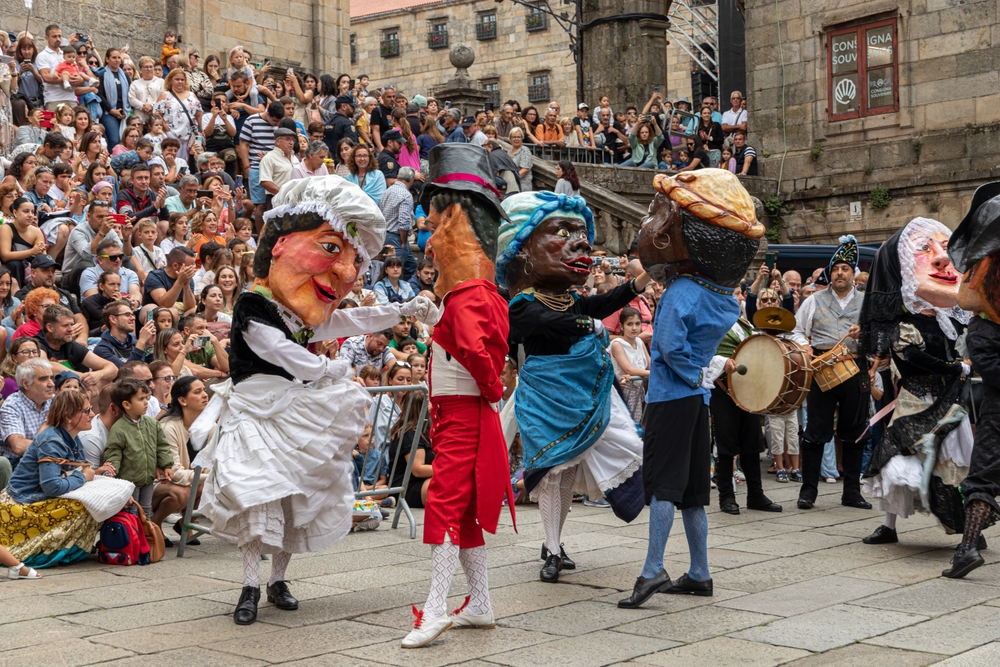
Street celebrations feature parades of cabezudos—performers wearing oversized papier-mâché heads and costumes. In the 19th century, the city council revived these street parades to rival the giant puppet processions managed by the cathedral chapter.
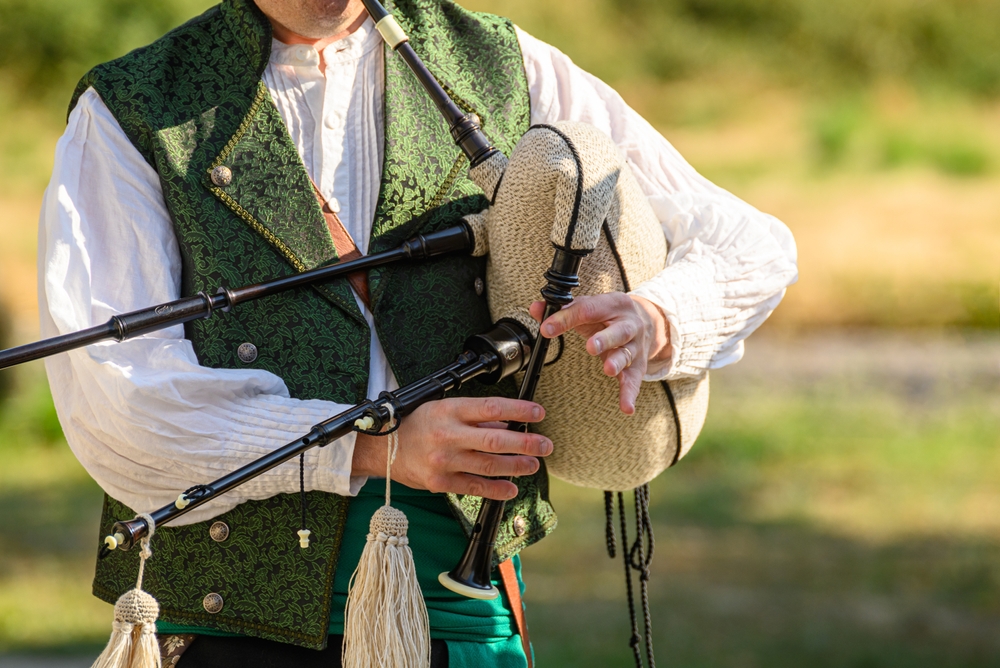
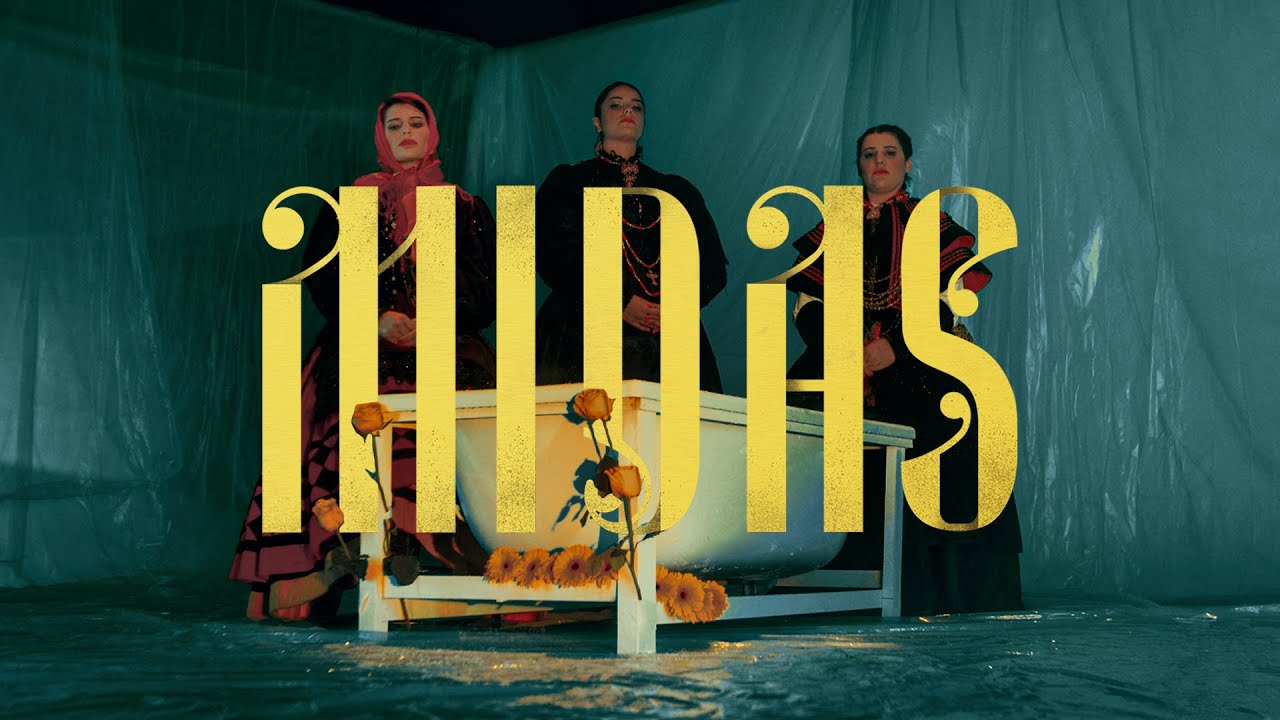
Traditional bagpipe music fills the air throughout the festival. Far from a museum piece, the gaita remains a living element of contemporary music. The "New Galician Folk" movement of the late 1980s—pioneered by groups like Leilía, Matto Congrio, and Chouteira—blended traditional melodies with modern arrangements. Contemporary artists like Luar na Lubre and the female vocal trio Tanxugueiras continue to perform on national stages.
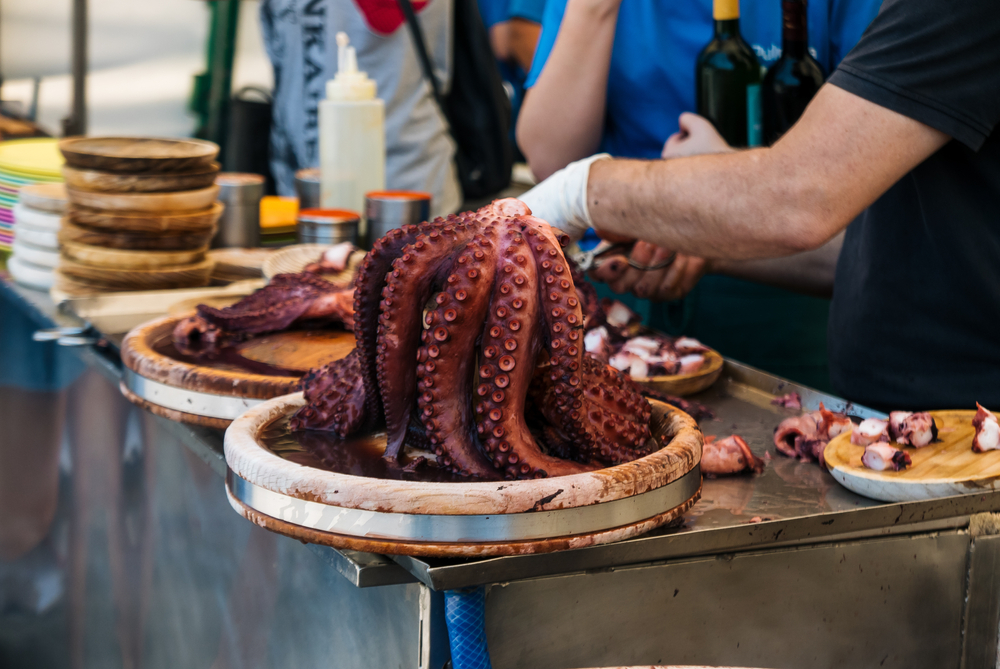
Feasting is central to the holiday. Celebrants enjoy signature seafood dishes such as pulpo á feira (Galician-style octopus) alongside savoury empanadas filled with tuna, cod, or meat. For dessert, locals serve tarta de Santiago, a traditional almond cake dusted with powdered sugar featuring the Cross of Saint James. Meals are paired with crisp white Albariño wine from the Rías Baixas region.
As night falls, celebrations culminate in the preparation of queimada, a punch made by flaming orujo (grape-marc brandy) with sugar, lemon peel, and coffee beans in a clay bowl. As blue flames dance over the bowl, the host chants a traditional spell (conxuro) to ward off evil spirits and witches.
Though the famous spell text was written in 1967, the modern ritual seamlessly connects contemporary Galicia with its Celtic roots, historic legends, and enduring cultural heritage.
Related Articles
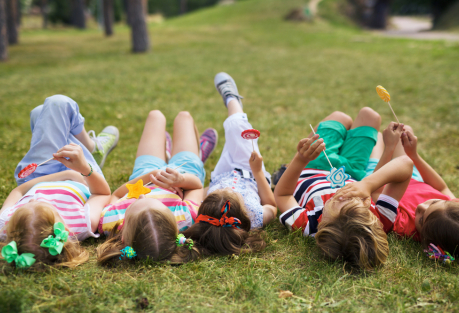
Why Feeding Kids in Spain Means Surrendering to Sugar — A Russian Mum's View from Valencia
At the playground, treats fly between families faster than you can track them, and restaurant kids' menus rarely stretch beyond chips and nuggets. But after years in Valencia, one mother is rethinking what really matters.
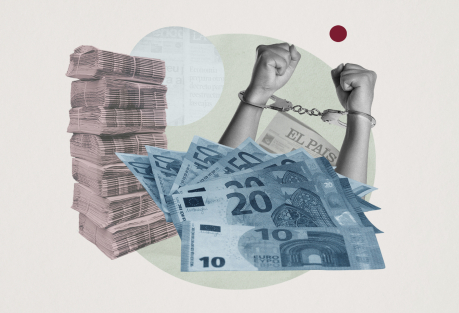
Why Is Spain So Corrupt? A Brief History and Eight Reasons the Problem Won't Go Away
With parliamentary elections approaching, corruption has become Spain's hottest political weapon. But the phenomenon is neither new nor simple — it stretches back centuries and involves structural, cultural, and psychological factors that no government has yet managed to fix.
Valencia Parliament Approves 2026 Budget Enshrining "National Priority" Aid Clause
A deal between the PP and far-right Vox prioritises Spanish citizens for public assistance, slashes union funding, and lengthens social benefit residency requirements
Loading…
Loading…