
Support La Cotorra on Patreon
Access exclusive content, special perks, and closer connection with us.

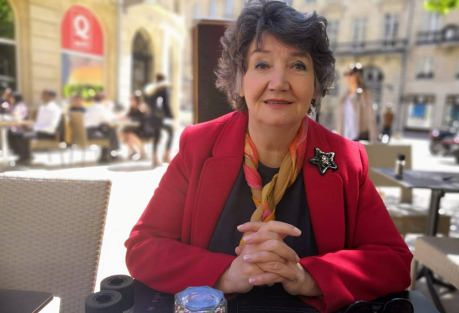
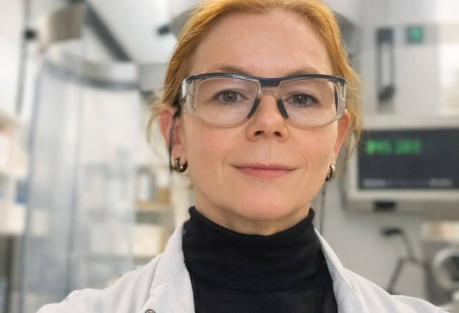
Alice and Dana Nesvit are among the most popular twins in the Russian-speaking corner of social media. Together, they have more than a million followers on a single TikTok account. They won people over with what they genuinely love — and are genuinely good at: humour. And the humour took off, largely thanks to unusual jokes that really land and make people laugh at themselves. La Cotorra talked to Alice, who has been living in Valencia for more than three years, and finally found out who the caricatures about “weird classmates” are based on, whether she finds it hard to be apart from her sister, what childhood in Luhansk was like, and what plans she’s making for the future.
— Alice, let’s start by clearing something up straight away. You and Dana are two different people, right?
— Yes. It’s funny that some people write in the comments saying they’ve been watching us for years and only just realised we’re not the same person. Yes, there are really two of us. My name is Alice Nesvit, and I live in Valencia, Spain. My sister’s name is Dana Nesvit; she lives in Warsaw and sometimes comes to stay with me for the winter. But we’re two different people, with different lives, friends and interests.
— Why Spain — and why that particular city?
— You could say I didn’t choose Spain. In the first days of the full-scale war, Dana and I just turned up at a station in Warsaw and picked a destination on the principle of “somewhere warm”. It turned out to be a coach organised by Spanish volunteers. It was a two-day trip, and the bus had a great, mixed bunch of people. I don’t think we really understood what was happening or where we were going, but kind people surrounded us, so we thought that even if someone kidnapped us and drove us off somewhere, at least with this company, it wouldn’t feel quite as scary.
When we arrived in Spain, we decided to look for housing ourselves. A local offered to let us stay with him — we were obviously scared at first, but then we found out that a couple from Ukraine were already living there, so we agreed. In the end, we stayed for five months. After that, Dana decided to go back to Warsaw, where there are more opportunities and the diaspora is bigger, and I stayed in Valencia — simply because I didn’t have money for another move — and decided to try to build my life here.
At first, I lived in Campanar, on the edge of the city, and I thought Valencia just wasn’t my place. But over time, I made friends, started going to events, and, most importantly, moved to Ruzafa. That’s when I really got a taste for Valencia.
— Compared with everything else on TikTok, you and your sister really stand out. Your jokes still don’t feel like anyone else’s — they haven’t gone stale or repetitive. Maybe it’s the characters: the politicised classmate, the history geek, the anime kid, and so on. Are they pure invention, or did they have real-life prototypes?
— I won’t name names, but of course it’s all based on real events.
— Have you ever had backlash because your humour could hit real people — the ones who might recognise themselves and feel uncomfortable?
— Yes, quite often in the comments — and not only there — you see this idea that Dana and I are laughing at these people. And it’s strange for me to hear, because those characters are literally us.
I don’t know a single TikToker who makes videos about weird people without being one themselves.
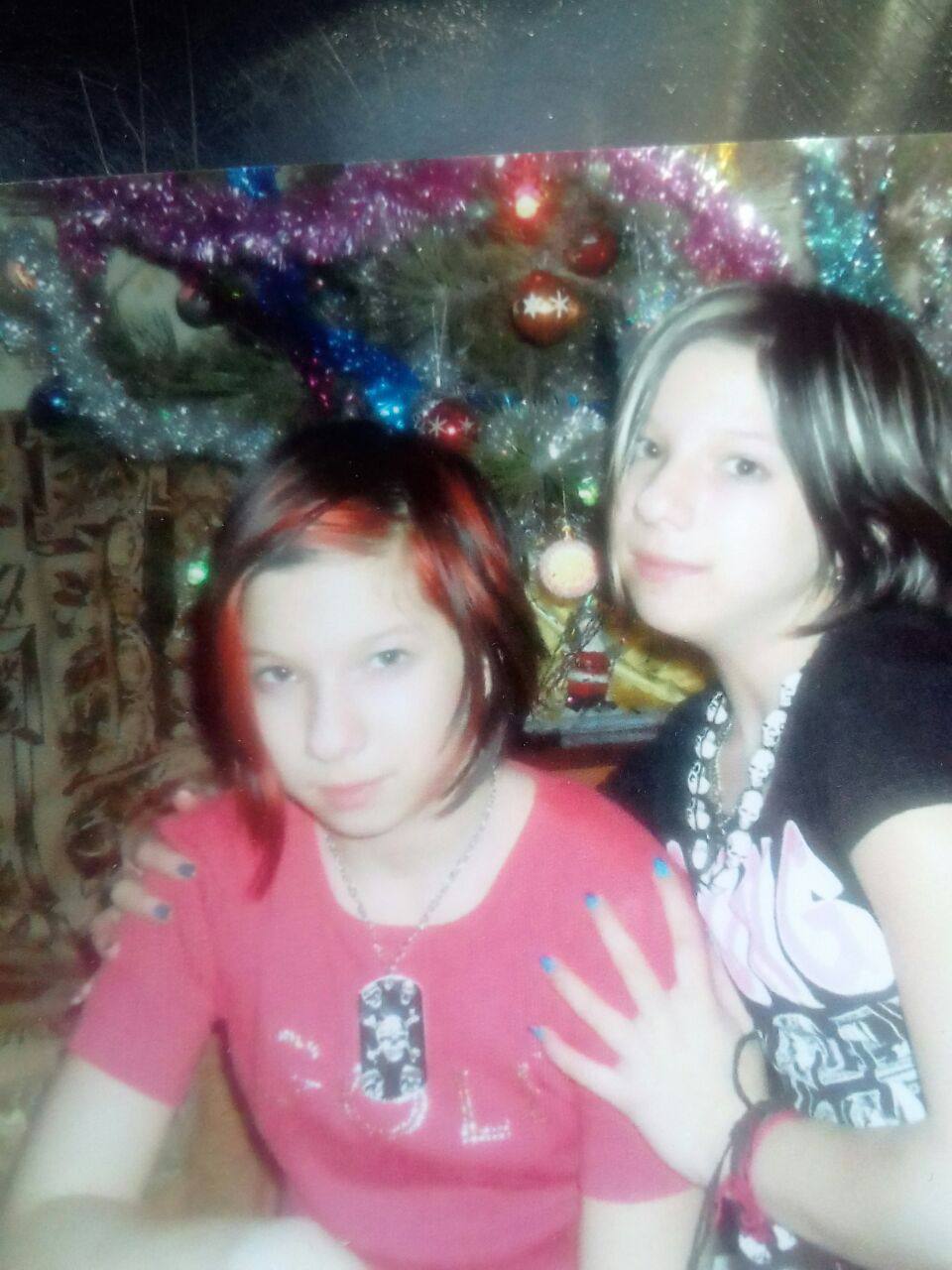
You can’t be the star of the cheerleading squad at school and then grow up and suddenly joke about it in such a sharp, funny way if you were never close to that world yourself. You have to live it — and develop real self-irony. Of all our characters, for example, the anime girl is 100 per cent me.
The “weird classmate” is my school friend — the one I used to discuss historical events and battles with, because we read the same books. He was very weird — just like me. In the school caste system, we were losers.
I genuinely adore people with quirks. And every time I meet someone like that, I remember them for ages — and sooner or later, they turn into one of my characters. Not because I want to mock them, but because I think they’re cool.
— But are all your characters lovable weirdos?
— No. I can also play an outright piece of trash — a vile boss, a disgusting colleague. Negative people exist, too. And with them, I can allow myself to laugh without kindness, because some of them really did mess up my life at one point.
But if it’s just someone’s “weirdness”, then I’m all in — hands and feet.
— Did you often face misunderstandings at home? And bullying?
— Misunderstanding was a huge part of my childhood and teenage years — up until about 17, for sure.
By around ten, I already understood that I was a completely different person: there were my classmates, and then there was my sister and me, and we were very different from the other kids. I never really wanted to squeeze myself into those “normal” frames just to be accepted by people who were laughing at me. I didn’t want to become “normal”, change my clothes and rewrite my behaviour.
We had a terrible school where bullying thrived. People got bullied for everything: looks, illnesses, and the way they spoke. Faces got smashed in the toilets… the cruelty was off the scale. It didn’t bypass us either: people stole my things, threw out my pencil cases, tossed my backpack, and called us names.
I felt awful because of it — I doubt anyone could enjoy that. But I didn’t want to become part of the “cool kids” crowd. I just wanted them to leave me alone. I wanted peace and to stay myself.
— And what did your parents do? Did they know you were being bullied at school?
— They knew, but they didn’t really do anything. Maybe things would have turned out differently if my mum had explained what we were doing “wrong”. Or maybe she should have supported us and said, “Ignore them, be yourself — you’re great.” But our parents were pretty detached from what was happening to us; we grew up on our own.
For me, Dana was the measure of a “normal person”. Even now we often tell each other that we’re the only normal people. For us, “normal” means being authentic and not betraying yourself.
Maybe that’s what kept me afloat at school: I knew that if I started bending under pressure just to be accepted, Dana wouldn’t understand — and would bully me harder than anyone. She wouldn’t accept me if I betrayed myself. She always pulled me back to myself when I started doing things I didn’t like, just to please other people.
— In your videos and quick-fire Q&As, your mum appears sometimes, and sometimes your grandad and grandma — we’ve already established that they’re real people, just exaggerated. But your dad never shows up. Why?
— Because he never showed up in our real lives either. He never took any part in our lives — a classic post-Soviet dad who “went out for bread”. But I never felt uncomfortable about it, and sometimes, looking at my classmates’ fathers or fathers of people I knew, I was even glad we didn’t have ours.
— And what’s your relationship with your mum like now? She still lives in Ukraine, but in Kyiv now? You and your sister once answered a question — “live with your mum for the rest of your life or die?” — and you both, without hesitation, chose the second option.
— Mum would like to go back to Luhansk. You can understand her — up until 2014 we lived there, her whole life is there, her people. But neither Dana nor I are planning to return, and we don’t want to. We don’t have a particularly close relationship with mum. We stopped consulting her about serious life decisions a long time ago — she lives her life, and we live ours.
At the start of the war, we joked with her. We left for Warsaw, and she was really worried and insisted we come back, saying they’d harvest our organs, everything would be terrible, we should return and sit together in a basement. We decided to mess around and sent her a photo of Warsaw skyscrapers with the caption: “We’re in New York.” She was so surprised we’d got there so fast.
Now it’s a tradition: whenever we end up somewhere new, we send Mum a photo with a random location — Miami, Brazil. She already knows it’s a joke.
— Do you miss your sister?
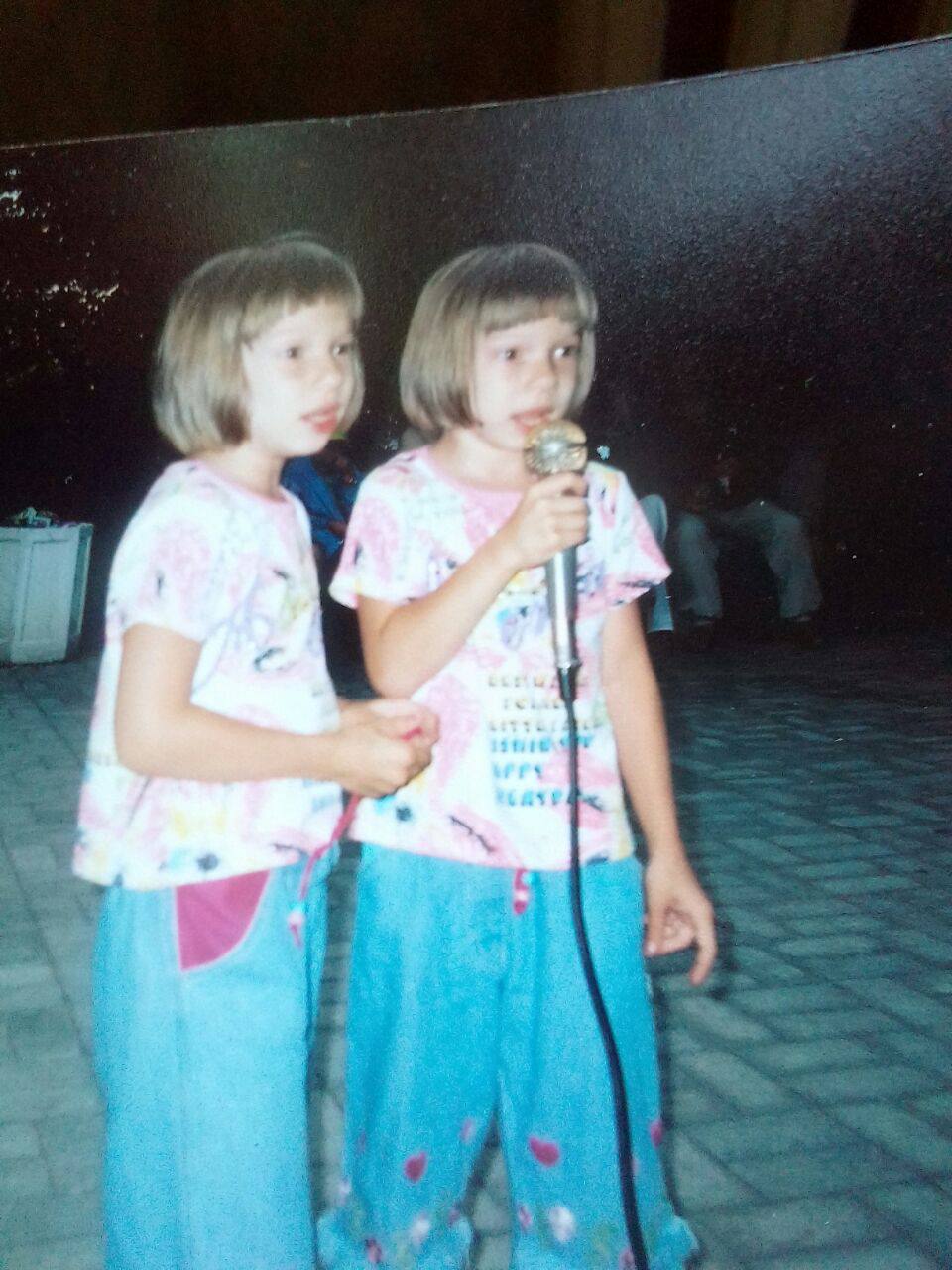
— Nope. I think because we spent most of our lives together — had the same friends, went to the same clubs, we couldn’t even go for a walk separately — we got really sick of each other. And the current setup feels perfect: we live in different countries, we’re genuinely happy to see each other when we meet, and we have a great, productive time together.
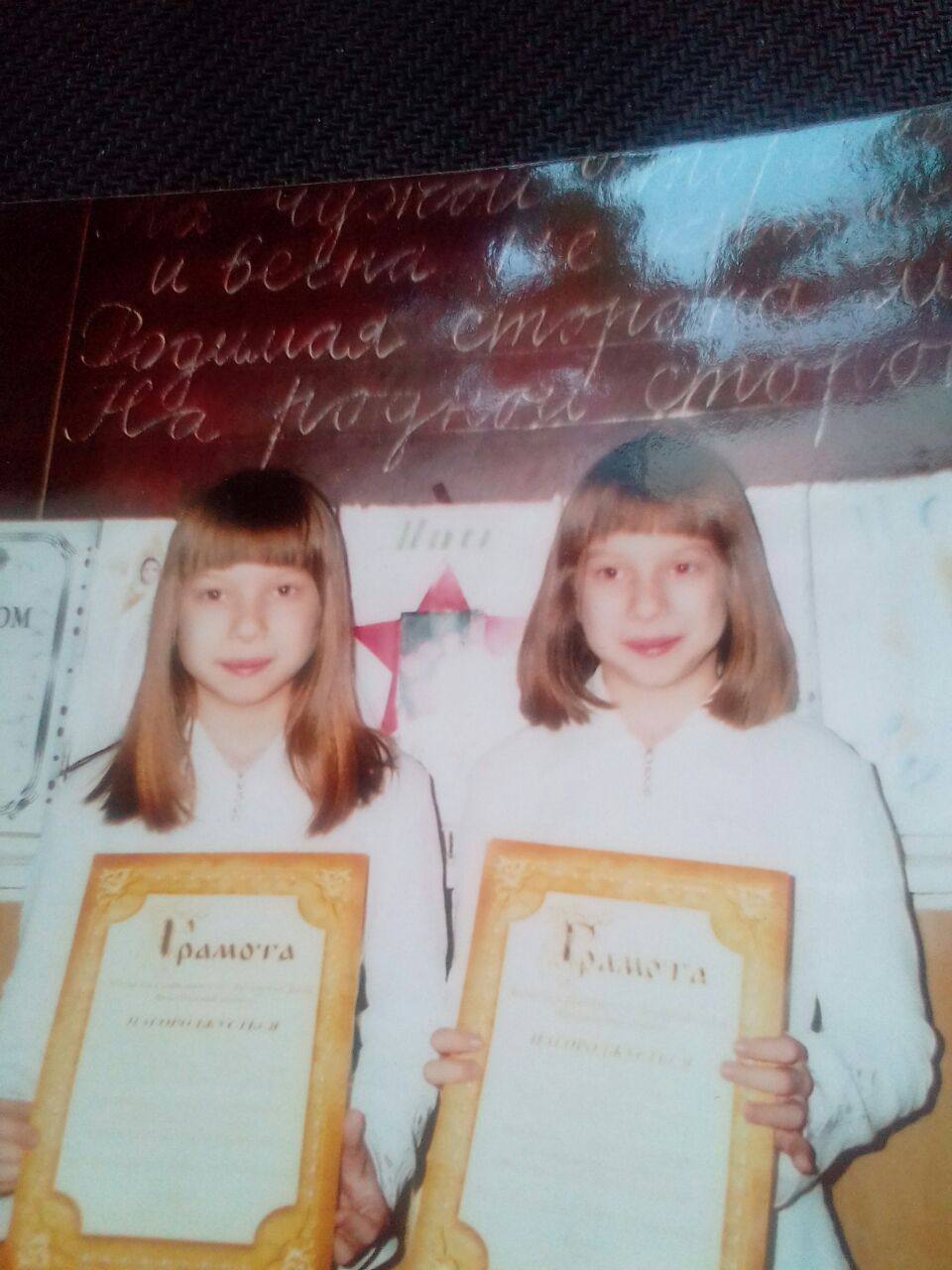
I like that for my friends I’m Alice Nesvit — not “Dana’s twin”. I think Dana feels the same. It gets exhausting when people don’t see you as a separate person, your whole life.
I like that my friends are my friends — not “our shared friends”. Many of them don’t even know Dana, except by hearsay.
At the same time, I like introducing Dana to my circle when she comes to Valencia, and I like meeting her friends when I go to Warsaw — but I like living my own life even more.
— Tell us about your plans for the future. Not long ago, you started second accounts on TikTok and Instagram — in English.
— Basically, my only job right now is my blog — and I don’t really perceive it as “work”. I genuinely get a buzz from what I do. I don’t have to sit for ages and come up with scripts. All my jokes are things my boyfriend hears from me every day in real life. That’s just me.
Right now I’m trying comedy in English, and that’s harder. But I’m really curious to see what happens — I want to grow in that direction.
That doesn’t mean I’m planning to shift everything to an English-speaking audience — I want to do both.
I’d also be interested in working as a director and writer on other people’s projects — maybe with bigger clients. I’d like to develop in that direction too. I wasn’t always a blogger: I worked a lot in video production, shot short films, music videos, adverts — all sorts.
For now, I want to get my documents and legal status in Spain fully sorted. And after that, I’ll see which direction I want to move in next.
Related Articles
Beyond Paella: Discovering All i Pebre, Valencia’s Best-Kept Culinary Secret
Deep in the heart of the Albufera wetlands, the fishing village of El Palmar preserves a traditional, rich garlic and wild eel stew that tourist traps completely miss
Loading…
Loading…