









Support La Cotorra on Patreon
Access exclusive content, special perks, and closer connection with us.
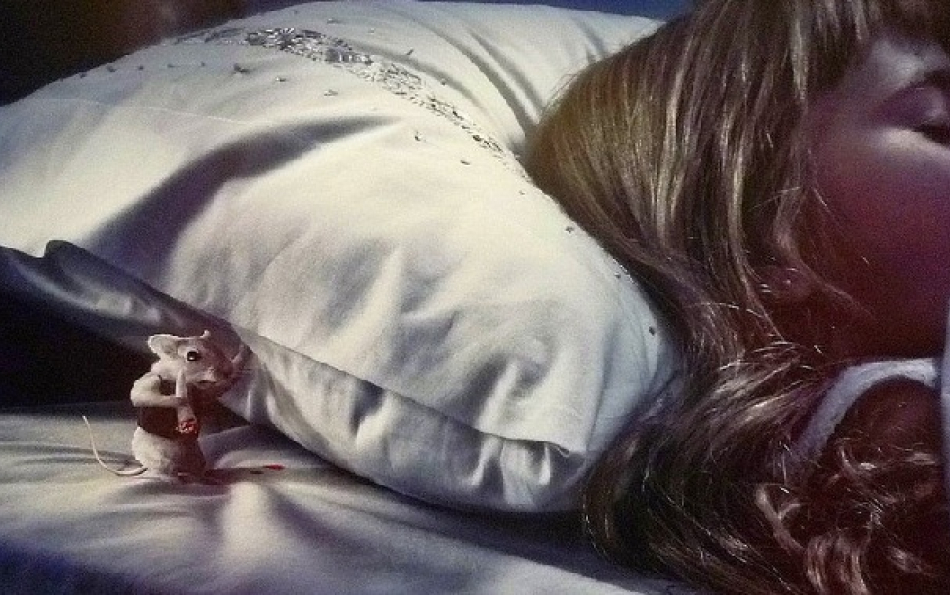
In the English-speaking world, the Tooth Fairy comes for fallen baby teeth. In Spain, for over a hundred years, that role has belonged to a different character — Ratoncito Pérez (Little Mouse Pérez). At night, he takes the tooth from under the pillow, and in the morning, the child finds a coin, a small gift, or a note in its place.
Spanish families are so fond of this children's ritual that the mouse has an official address in the centre of Madrid, his own museums and theatres across the country, and an entire industry built around the legend.
The story of Ratoncito Pérez in its modern form came about thanks to a royal commission. In 1889, eight-year-old King Alfonso XIII lost a baby tooth. By that point, Alfonso had already been King of Spain for several years: his father had died before he was born, and the country was ruled by his mother, the regent María Cristina. To distract the child and turn an unpleasant moment into a game, court writer and Jesuit priest Luis Coloma was asked to write him a story. Thus was born Ratoncito Pérez — a mouse who accompanied the little king Bubi (Alfonso XIII's pet name) on a journey through the city.
In the story, the mouse lives in Madrid in a biscuit tin at Calle Arenal, 8, near the Royal Palace. At night, he travels through the city collecting children's teeth.
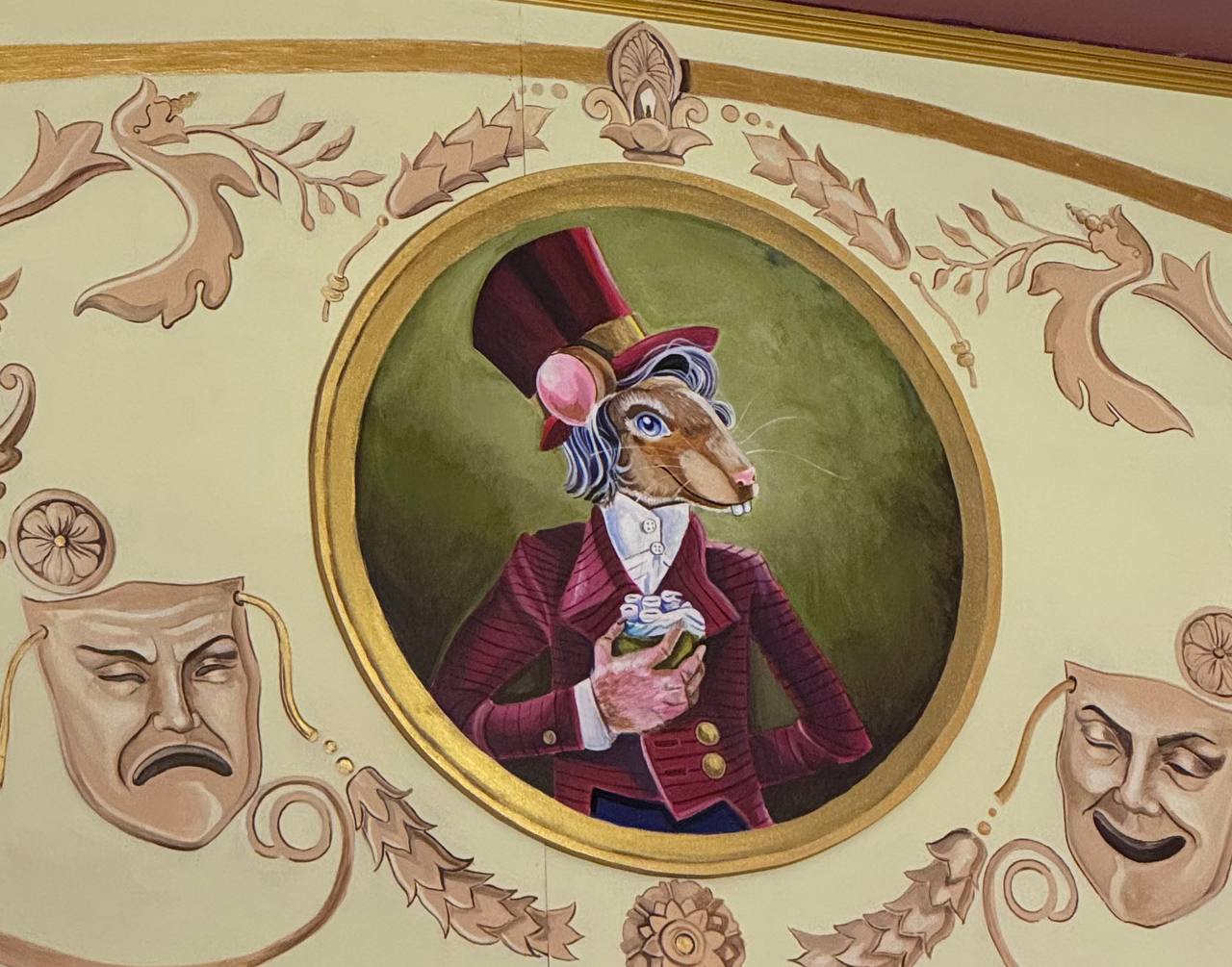
But the book turned out to be more than a charming fairy tale. Coloma used the story as a way to prepare the young king for independent rule and to show him "the real" Spain beyond the palace walls. In the book, Pérez takes the boy through the poor neighbourhoods of Madrid, shows him the lives of ordinary children, and opens his eyes to the world beyond the royal court.
Paula Salinas — manager of the Valencian venue Antiguo Almacén de Dientes — calls herself "Ratoncito Pérez's assistant." In her experience, few Spaniards today know much of the original story.
"In reality, very few people know the original story by Father Coloma. Today, Ratoncito Pérez is a children's character who has taken on a life of his own," she says.
According to Salinas, the original story was far deeper than the modern image of a loveable little mouse.
The original story touches on important themes: poverty, the hardships of ordinary people's lives. It is reminiscent of Oscar Wilde's "The Happy Prince." These are stories that tell children about the fact that beyond themselves, there are other worlds and other people.
Paula Salinas
Over time, the story created for a single reader spread beyond the royal family. Coloma's tale was published, and by the twentieth century, Ratoncito Pérez had become a universal favourite. The tradition endures to this day.
The main landmark associated with Ratoncito Pérez is in Madrid — at Calle Arenal, 8, exactly as in the fairy tale. This is the location of the Casita Museo de Ratón Pérez, a small museum dedicated to the character.
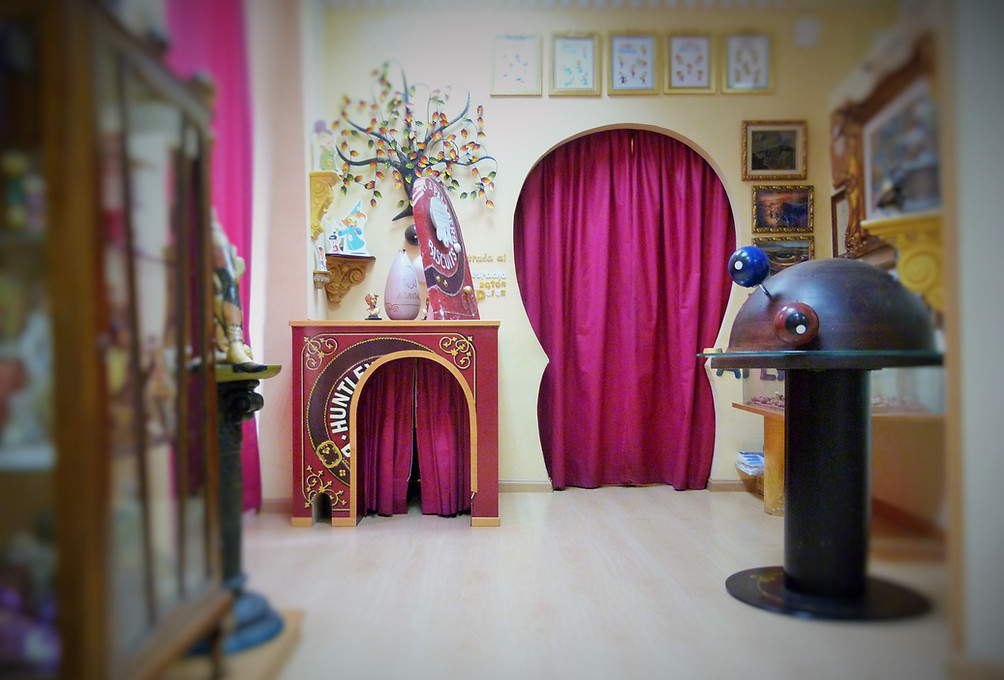
The museum is laid out as a stage set from the story. Children come here to see where Pérez lives and how he collects the teeth. For many Spanish families, it is almost an obligatory childhood outing.
Perhaps the most unusual place connected with Ratoncito Pérez is in Valencia. Here, the Antiguo Almacén de Dientes — the "Old Tooth Warehouse" — operates at Calle Borrull, 16.
This is a space where children are shown what happens to teeth after Ratoncito Pérez has collected them.
The visit is structured as a theatrical tour of the mouse's production facility. Groups are led through the warehouse rooms and shown how teeth collected from around the world are brought in on a little train that runs beneath the ceiling. The space is filled with unusual machines that children can operate under the guide's direction.
"According to the legend, the mouse brings the teeth to the old tooth warehouse in Valencia, where they are processed," explains Paula Salinas.
The guides tell children that teeth that were well cared for can be turned into pearls, while teeth that were poorly brushed become building materials for the magical mouse world.

Inside the space, visitors can see a miniature home belonging to Pérez's helper mice, peer into their rooms through tiny windows, and examine the furniture and dozens of small interior details.
In addition to tours, theatrical performances are also staged here. Visitors can come for a tour alone, just the show, or combine both. Each season,n the team prepares a new production.
"We try to make sure our shows teach something important: we talk about friendship, relationships, and traditions," says Paula.
This season's show has an Eastern theme and is called "Chinese Stories of Rata-i-chi" (Cuentos chinos de rata-i-chi).
"We were drawn to the Eastern world — its aesthetic and its stories connected to children's characters. Next year, we are preparing a show called 'A Night with Ratoncito Pérez' — for the first time dedicated entirely to him alone," Paula says.
The production, she adds, will incorporate elements of puppet theatre and shadow puppetry.
Not far from Barcelona, at Catalunya en Miniatura ("Catalonia in Miniature"), another venue dedicated to Ratoncito Pérez can be found — La Casa del Ratolí Pérez. It is a seasonal project, running annually but only during a specific period — in 2026, the venue is open until 21 June.
Visitors are taken through several themed spaces: Pérez's library, a tooth-sorting room, a laboratory, and a warehouse. Along the way, children discover how the mouse world is organised.
In recent years, small "Pérez houses" have begun appearing as part of the urban landscape across the country. These are decorative miniature doors and windows set into the walls of buildings.
One of the most well-known is in the village of Moclinejo in the province of Málaga, created by local artist Chari Ruiz.
During the day, the art installation looks like a tiny door set into a wall; in the evening, the little house is lit up. For adults,s it is a charming urban detail; for children, it is proof that the mouse really does live somewhere very close by.
In Spain, Ratoncito Pérez has long become part of family tradition. Before the first tooth falls, parents often buy special boxes or fabric pouches for storing it — sold in bookshops, children's stores, and even pharmacies.
Miniature "magic doors" for Ratoncito Pérez are placed against the wall in a child's bedroom so they will believe the mouse can really come in during the night to collect the tooth. Sometimes a tiny ladder, lantern, letterbox, or plate with a piece of cheese is placed alongside.
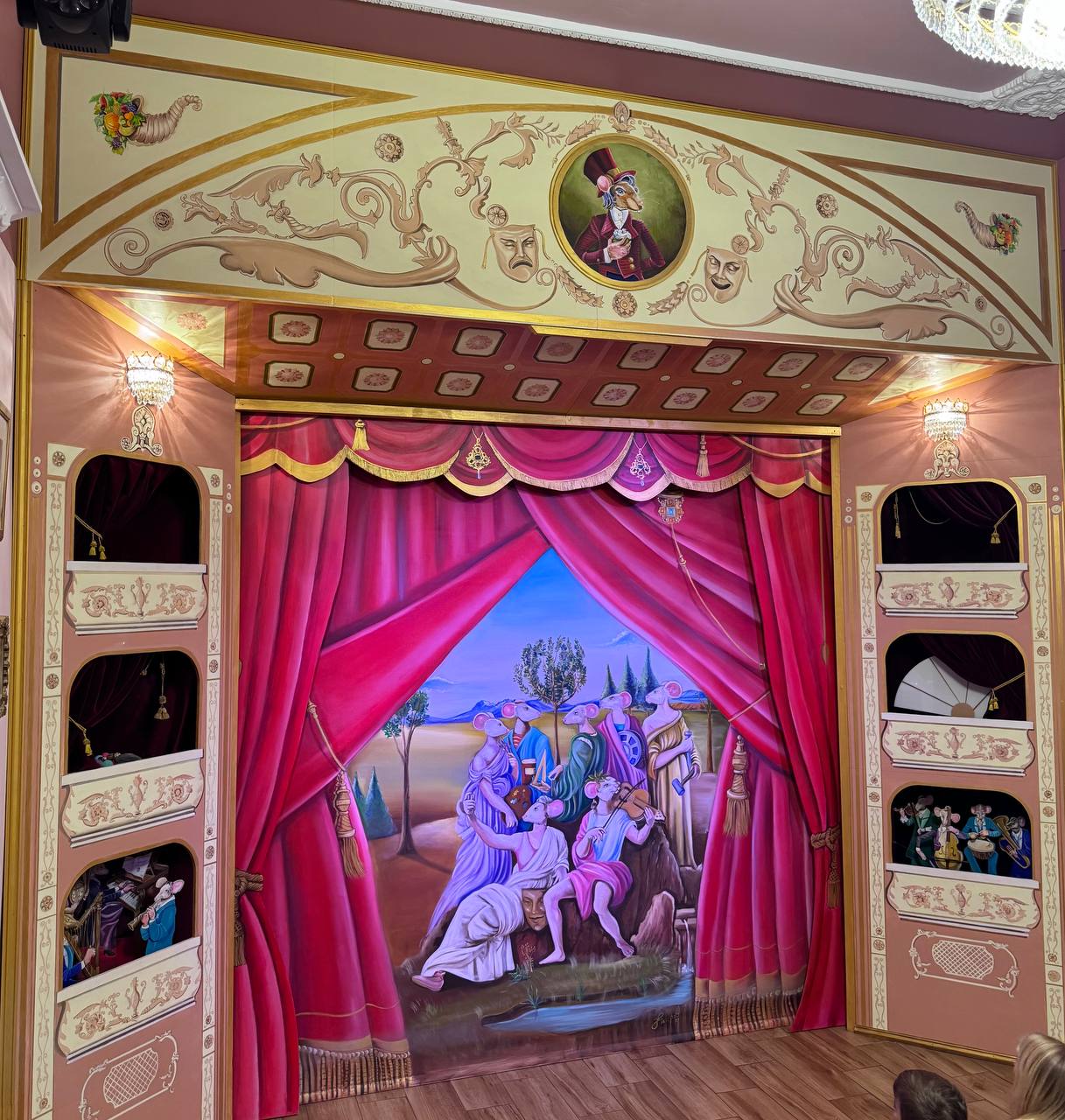
Unlike the abstract Tooth Fairy, Spain's Pérez is a very grounded character. He has a specific address, a home, routes, assistants, and even an entire tooth storage system.
"Interest in the character has not faded even in the age of TikTok and YouTube. Today, Ratoncito Pérez is more popular than ever. Animated films are made about this story, books are written," says Paula.
In her view, despite the emergence of many new children's characters, the tradition itself remains alive because it is bound up with family memories.
"Every country has its own characters connected with children's teeth: in Spain it's Ratoncito Pérez, in England the Tooth Fairy, in Italy the Fatina Dentina. But the tradition itself is very similar. In my view, this is yet more evidence that cultures that seem very different are actually much closer to one another than we think," says Paula.
Related Articles
Beyond Paella: Discovering All i Pebre, Valencia’s Best-Kept Culinary Secret
Deep in the heart of the Albufera wetlands, the fishing village of El Palmar preserves a traditional, rich garlic and wild eel stew that tourist traps completely miss
Loading…
Loading…