
Support La Cotorra on Patreon
Access exclusive content, special perks, and closer connection with us.
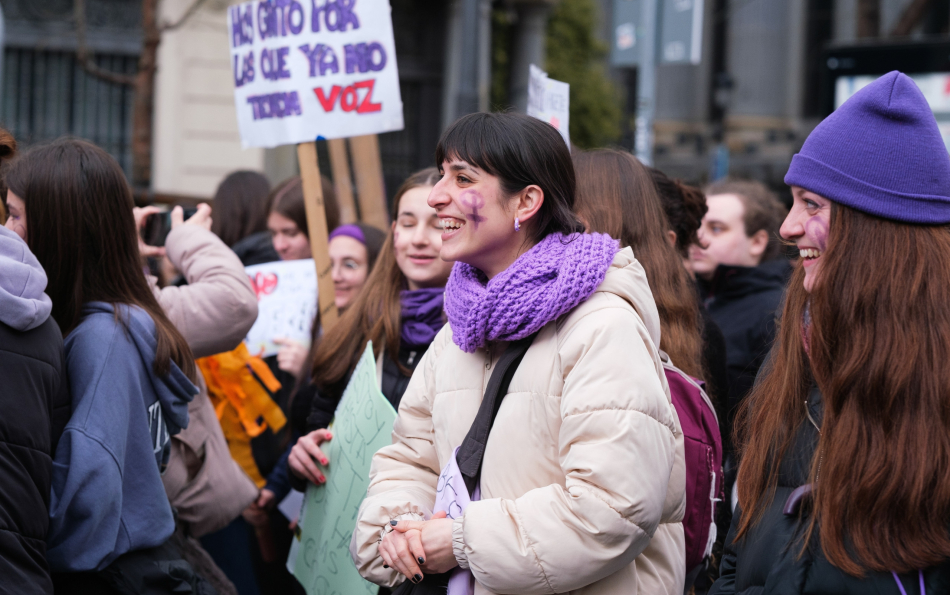
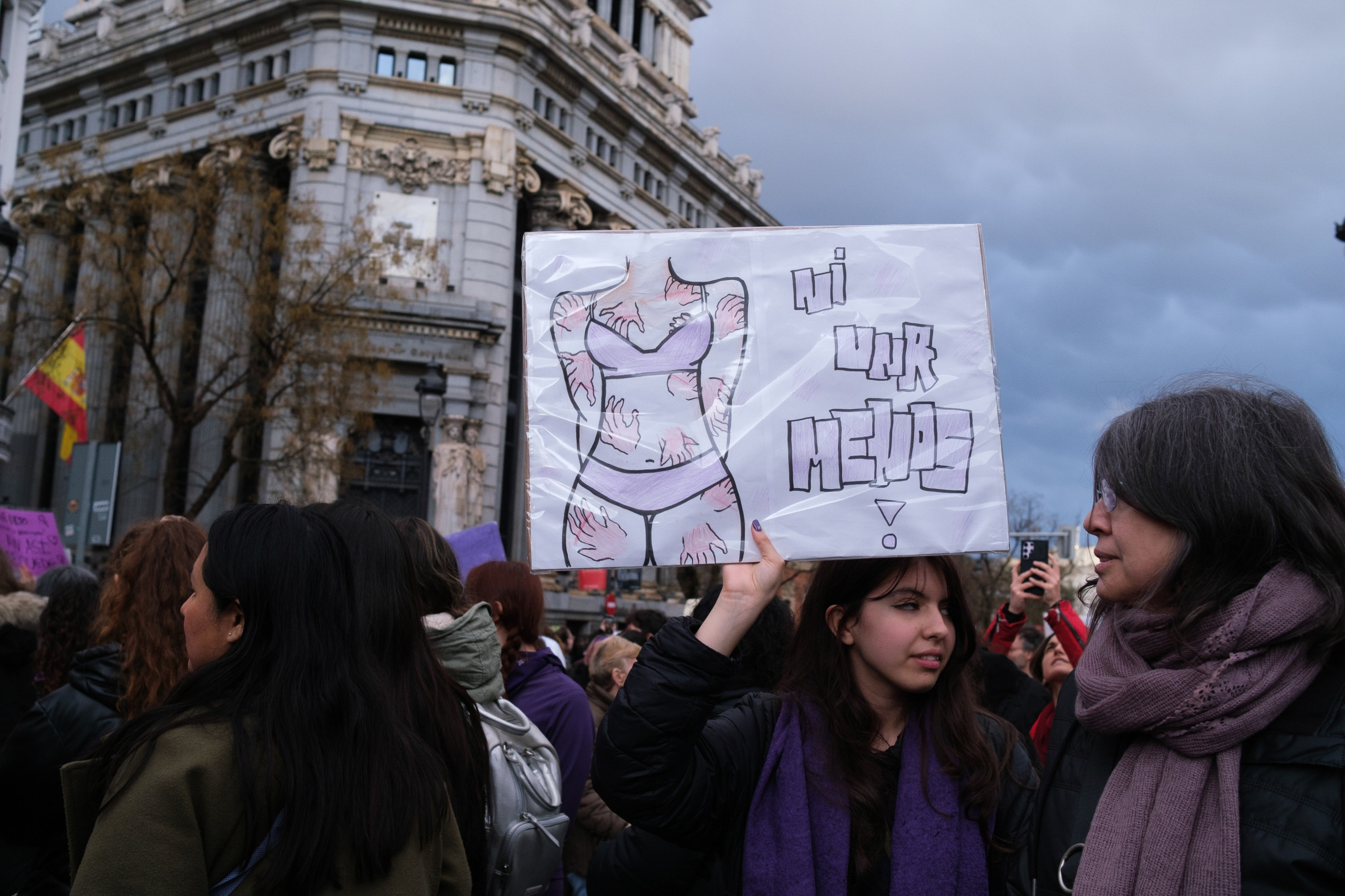
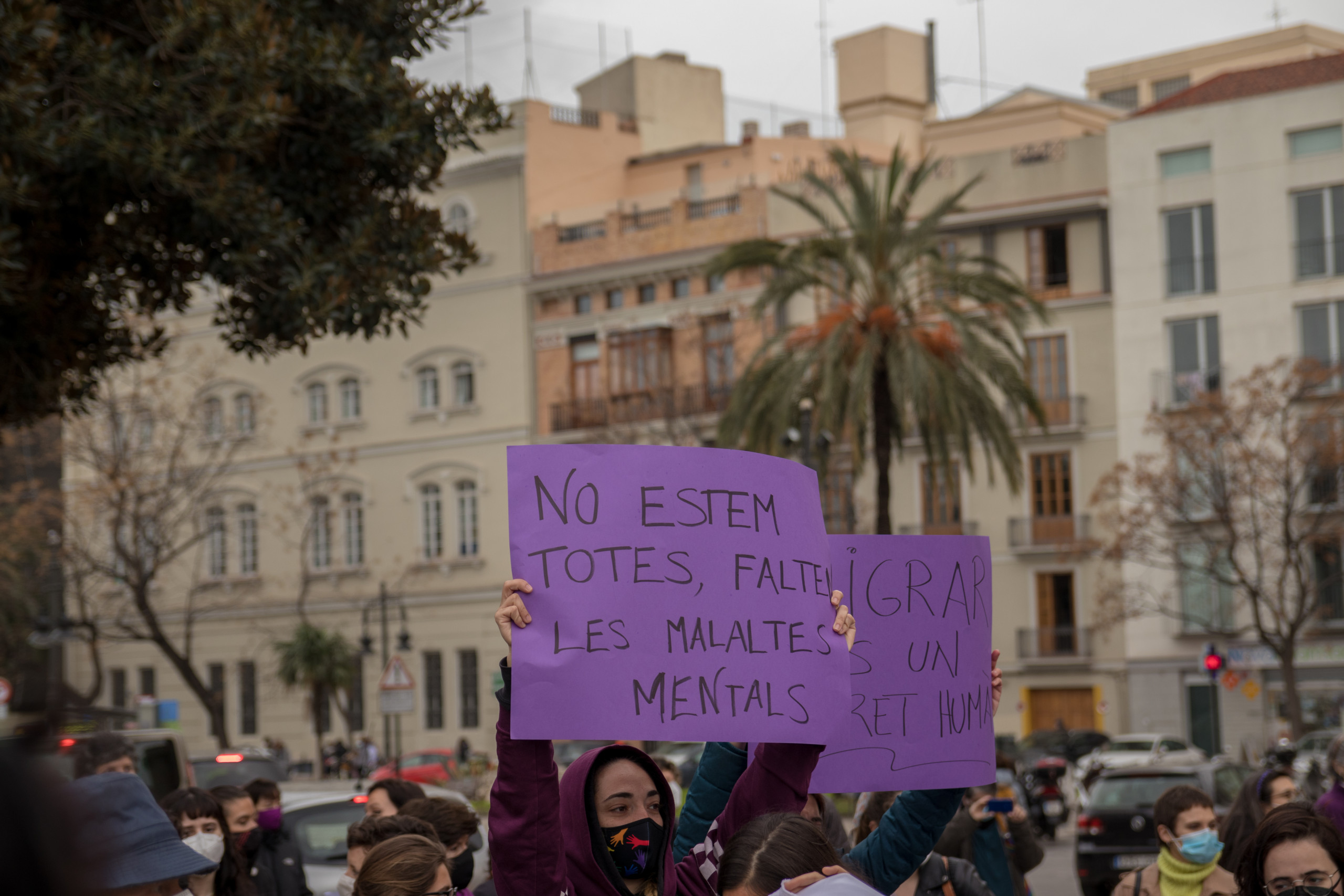
Celebrating 8 March in Spain is very different from how it is done elsewhere. Spanish women do not expect flowers on this date — they expect recognition of their rights, and the day is seen first and foremost as political. During the dictatorship of Francisco Franco, Spanish women were heavily restricted in their rights. For example, during his rule they needed a permiso marital — their husband’s permission — for basic decisions such as getting a job or carrying out bank transactions.
Today, however, 8 March is a day for serious conversations about equality and protection. The colour of the day is purple: on this date across Spain you can see posters, illuminated buildings, T-shirts and badges in that colour. It was also one of the signature colours used by British suffragettes at the beginning of the 20th century.
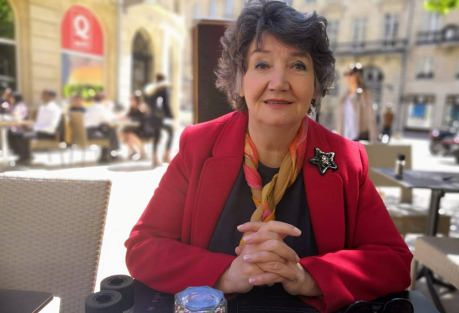
La Cotorra spoke with Spanish women and men about what this day means to them today.
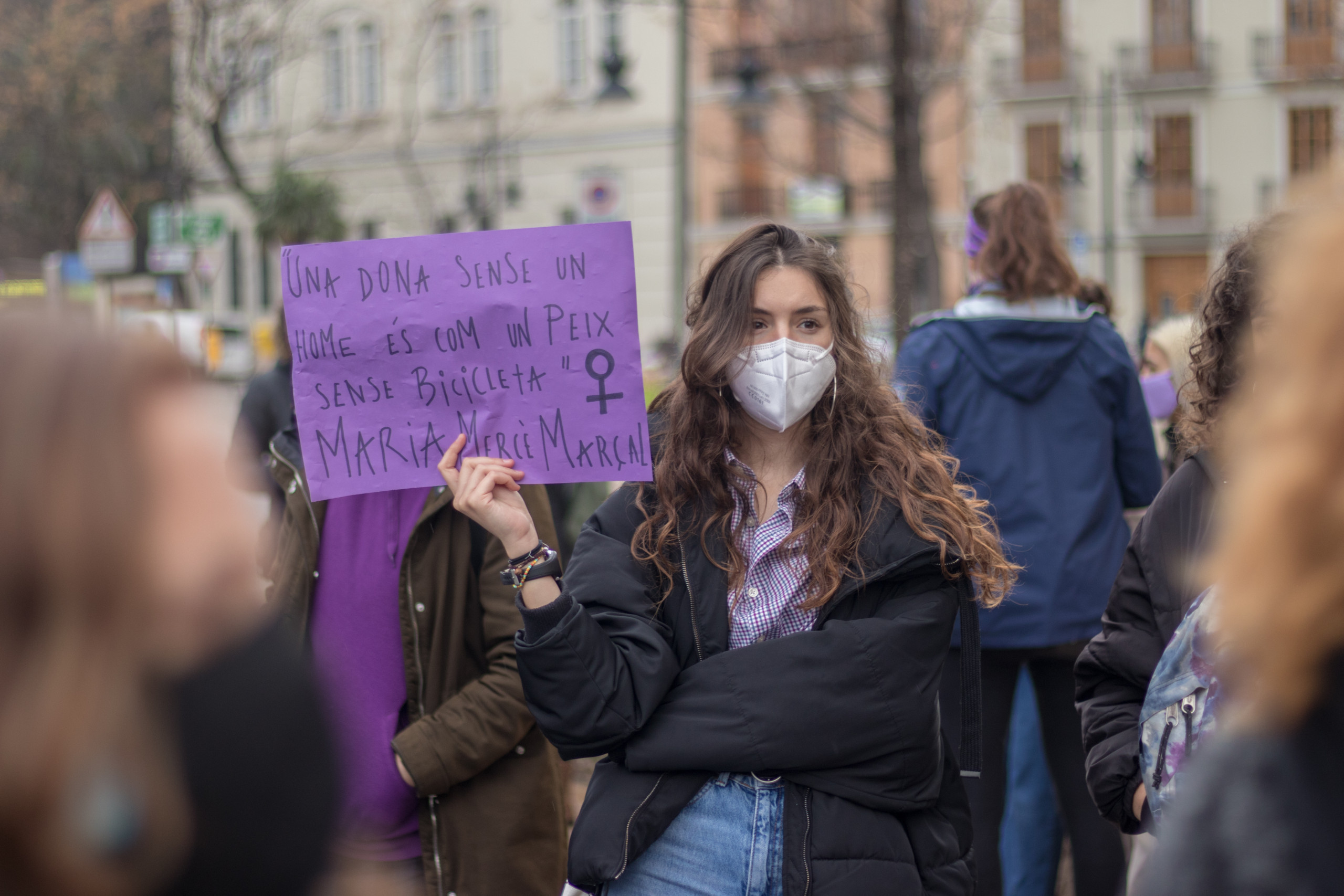
On 8 March, people in Spain might say Feliz Día de la Mujer (“Happy Women’s Day”). In messages, however, it’s often shortened simply to Feliz 8M (“Happy 8 March”).
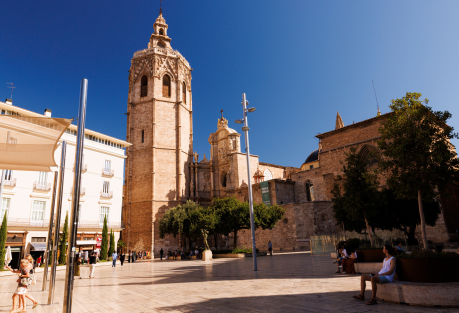
For me, 8 March is about talking about rights and equality. In Valencia, 8M coincides with the first week of Las Fallas, and that always shows up in the programme. For example, since 2001 the mascletà on the square in front of City Hall has been launched by a female pyrotechnician on that day, and purple smoke appears in the sky.
I almost always work on 8 March — I write scripts for special broadcasts on the regional TV channel À Punt, and everyone in the newsroom comes in wearing something purple: ribbons, scarves or badges. In the evening, if I manage to, I join the demonstration.
For us, 8 March is primarily about supporting the feminist struggle and respecting the rights women have achieved over the years. On this day people talk a lot about protection from violence, equality in all areas of life and what still needs to change. People often post purple symbols or statuses on social media as a sign of solidarity. For several years now Valencia has also organised a race as part of the day’s programme.
There’s not a trace of romance in the celebration, as far as I know — none of the couples I know celebrate 8 March with gifts.
Before 8 March I notice that some restaurants create special menus — for example purple cocktails or evenings with female chefs. This year my friends and I want to go to one of those places — it’s just a nice excuse. I know some colleagues who go to the demonstrations and then head to a bar.
I’ve never received flowers from men on this day and, honestly, I would be very surprised if I did.
For me, 8 March starts early in the morning at the school where I work: we hold themed lessons and tell children about the history of women’s struggle for equality in Spain. In the evening I try to meet up with friends, go for a walk and have dinner somewhere.
I don’t usually take part in the demonstrations themselves, but it’s nice to be in the city, see people coming together and feel that atmosphere.
This year 8 March is a Sunday, so my friends and I will simply go out of town. If it falls on a working day, I might go to a demonstration — more out of curiosity and mood than principle. As for celebrating or not… honestly, I don’t have a firm position on it.
On 8 March I always meet with my mother and other relatives. We drink black tea with cake and talk about the main theme of the day — why equality between men and women still cannot be considered complete.
Tea is rarely drunk in Spain, and in this case black tea symbolises for us the pain women have gone through and continue to go through. At the same time it gives the energy needed to keep moving forward. It’s not a common tradition, but for our family it’s an important ritual.
Not everyone sees 8 March the same way. Some people keep a bit of distance from it. The date is highly politicised, and I feel that in public discourse it is strongly associated with left-wing political forces.
So I see that some people who don’t identify with that simply don’t feel connected to everything happening around the day. But of course they still recognise the importance of protecting women’s rights.
In Spain there isn’t really a tradition of giving flowers specifically on 8 March. However, our shop becomes much busier — about four times more orders than usual.
Spaniards do buy flowers, but there are noticeably more Russian-speaking customers. Most people buy tulips and roses. We don’t make any special arrangements for the day, and our prices stay the same.
Related Articles
Beyond Paella: Discovering All i Pebre, Valencia’s Best-Kept Culinary Secret
Deep in the heart of the Albufera wetlands, the fishing village of El Palmar preserves a traditional, rich garlic and wild eel stew that tourist traps completely miss
Loading…
Loading…