

Support La Cotorra on Patreon
Access exclusive content, special perks, and closer connection with us.
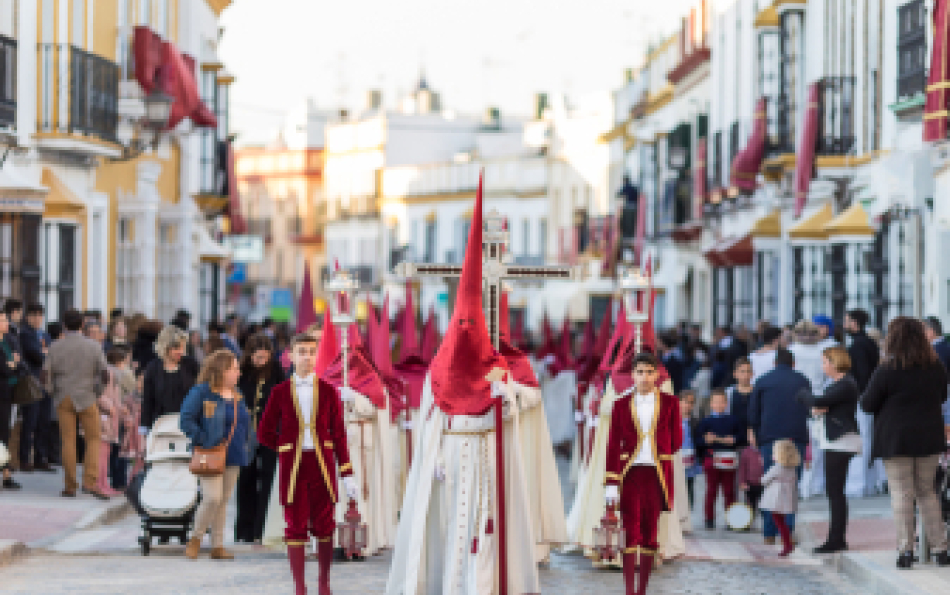
In the very name of the Spanish Easter — Semana Santa (Holy Week) — lies the essence of a major religious festival that differs vastly from the traditions of most European countries. Instead of a family lunch with dyed eggs and bunny figurines, it is an entire week that recreates Biblical events. Processions of thousands in high-pointed hoods, barefoot people in chains carrying crosses, and lifelike, man-sized sculptures — this is what Easter actually looks like. La Cotorra explores the festival and its deep-rooted traditions.
Bloggers from around the world and tourists often describe Semana Santa as a culture shock. For the unprepared foreigner expecting a domestic holiday, the Spanish version of Easter often completely shatters their conventional image of the celebration.
In many Spanish cities, Holy Week holds the status of a "Festival of International Tourist Interest," attracting a massive global audience every year.
However, these grand processions, costumes, and rituals are not adapted for tourists; for locals, they are a fundamental part of religious life and family tradition.
The events of each day of Holy Week narrate a specific Biblical event: from Jesus' entrance into Jerusalem to the Resurrection. In the Middle Ages, cofradías (religious brotherhoods) organised processions to tell the story of the Passion of Christ. Since most people were illiterate, the Church used a "living Bible"—images, sculptures, and theatrical scenes—to educate them.
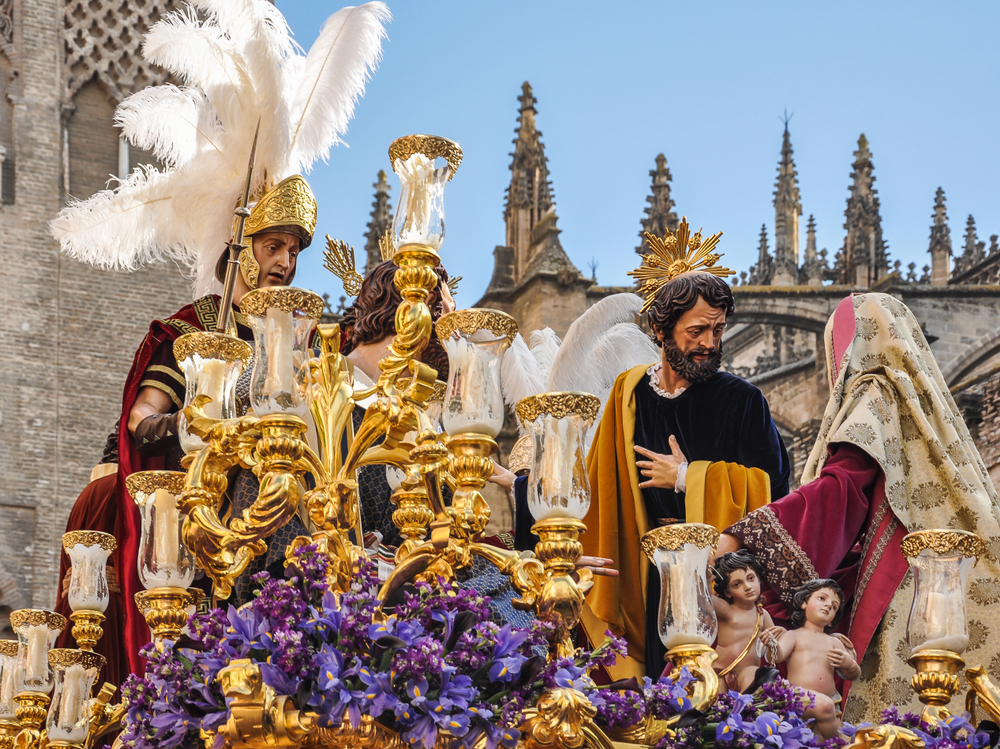
This is why the processions are designed not just to be seen, but to be read as a sequence of scenes, even without prior knowledge of the Bible.
Today, the brotherhoods remain the primary guardians of the Semana Santa phenomenon. These are religious associations of parishioners who organise the processions. Spain has thousands of such brotherhoods, the oldest of which date back to the Middle Ages.
Their members don’t just meet at Easter; brotherhoods conduct charitable activities, religious festivals, meetings, and communal dinners throughout the year. For many Spaniards, belonging to a brotherhood is a natural part of life from childhood.
For many families, participation in the same brotherhood is hereditary: first the children walk in the procession, then the parents, and eventually the grandchildren.
The tall, pointed capirote hood with eye slits is the most recognisable symbol of Semana Santa, frequently appearing in travel photos and blogs.
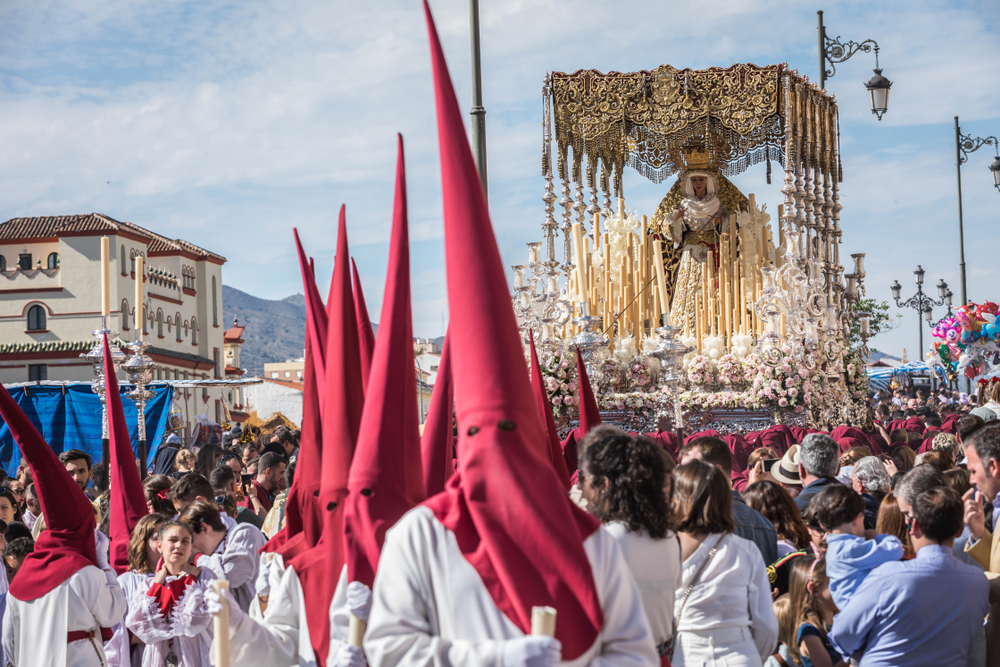
A participant in the procession is called a nazareno. This is a member of a brotherhood who walks in a costume determined by the traditions of their religious community. The robes come in various colours, each with its own emblems.
Foreigners often jokingly compare the Nazarenos' robes to the costumes of the Ku Klux Klan, the extremist group from the U.S. past. In reality, this Spanish tradition emerged in the 16th and 17th centuries and is rooted in practices of public penance. People covered their faces to remain anonymous—it was believed that penance should happen before God, not before men.
Despite the theatricality and expensive costumes, ordinary people are hidden behind those tall hoods: teachers, students, doctors, builders, shop assistants, and many others.
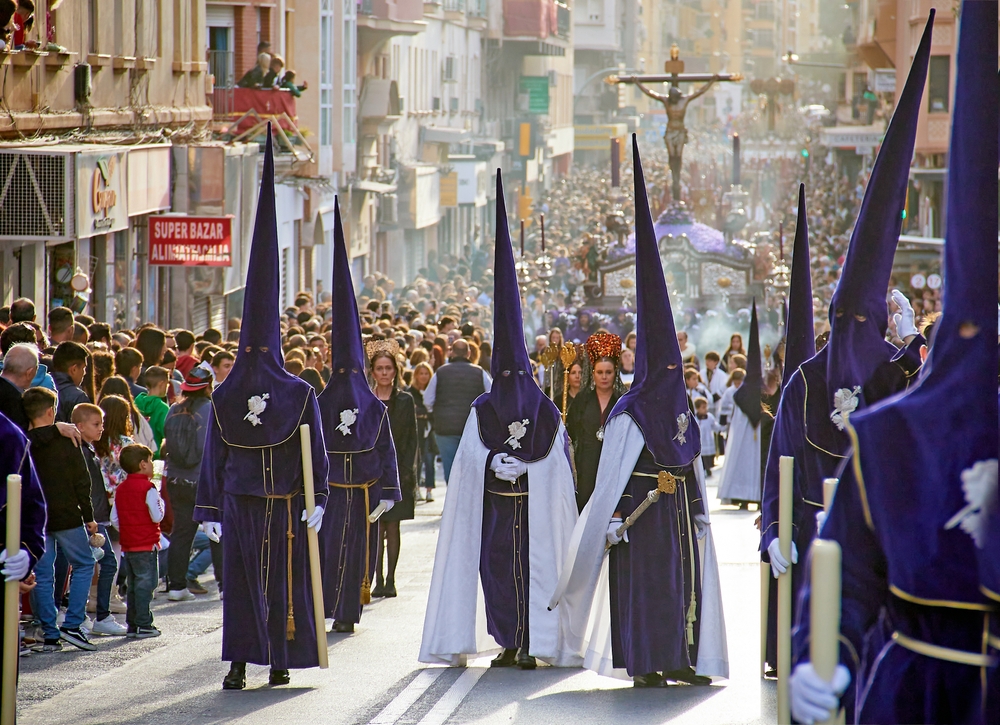
Another vital part of Semana Santa is the pasos—platforms with sculptures depicting scenes from the Passion of Christ: the Last Supper, the carrying of the cross, the crucifixion, and the mourning of Christ.
The weight of these massive structures can reach several tons. They are carried by people called costaleros. Between 20 and 40 men walk beneath the platform, moving in perfect synchrony to the beat of drums. Participating in such a procession requires immense physical endurance, as marches in large cities can last many hours.
Some participants walk barefoot, carrying heavy crosses or man-sized candles. This is called a promesa—a religious vow made when asking for help in a difficult situation. In these processions, you often see elderly people who are not just performing a vow for show, but fulfilling a real one. This creates a stark contrast between the spectators filming on their phones and the deep religiosity of the locals.
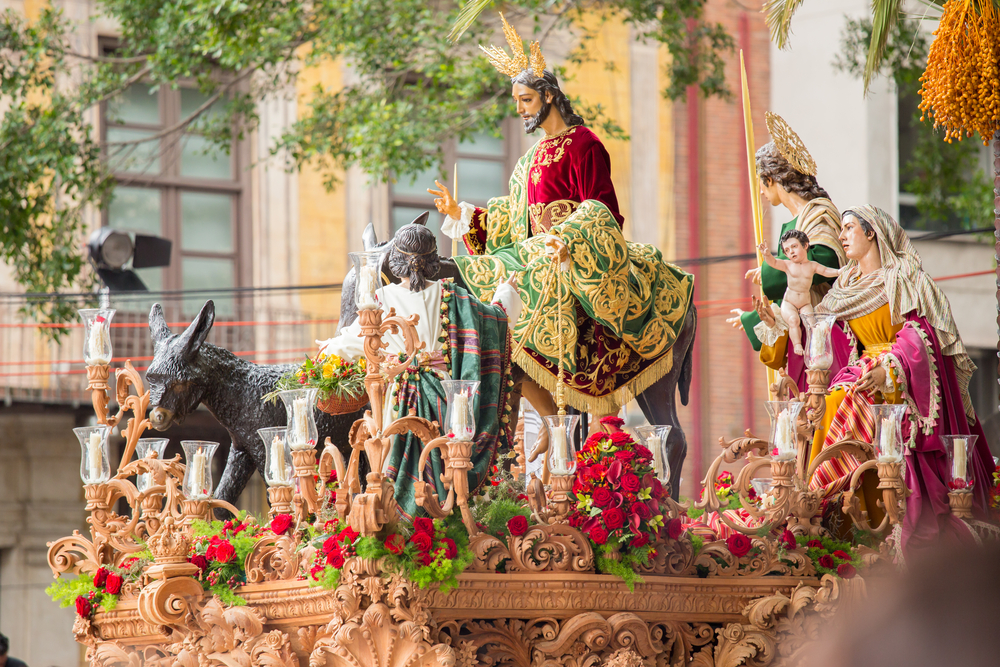
During processions in some cities, especially in Andalusia, one can hear saetas—short, religious a cappella songs. They are not sung by church choirs but by ordinary residents from the houses along the route, often directly from balconies or the street, when the procession stops before an image of Christ or the Virgin Mary. In these moments, the street noise fades, and the crowd listens to the unknown performer.
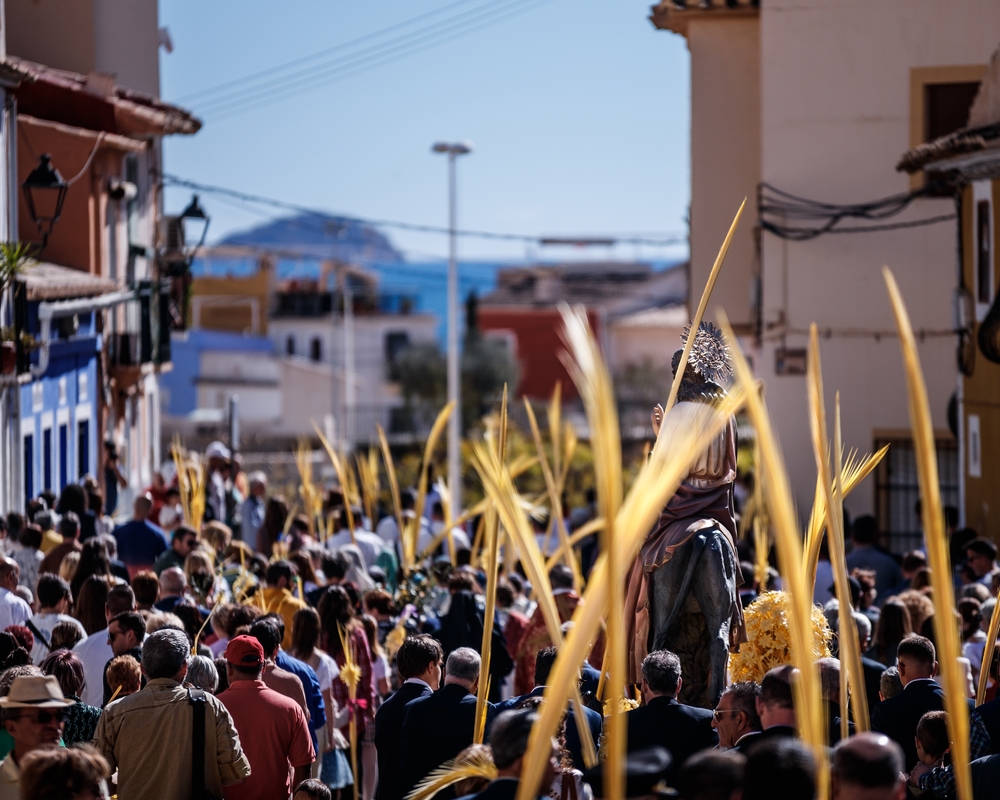
Holy Week begins with Domingo de Ramos—Palm Sunday. This day commemorates Jesus' entry into Jerusalem. People come to church with palm branches, which are blessed during the service. This marks the start of the first processions with platforms depicting Christ’s arrival in Jerusalem.
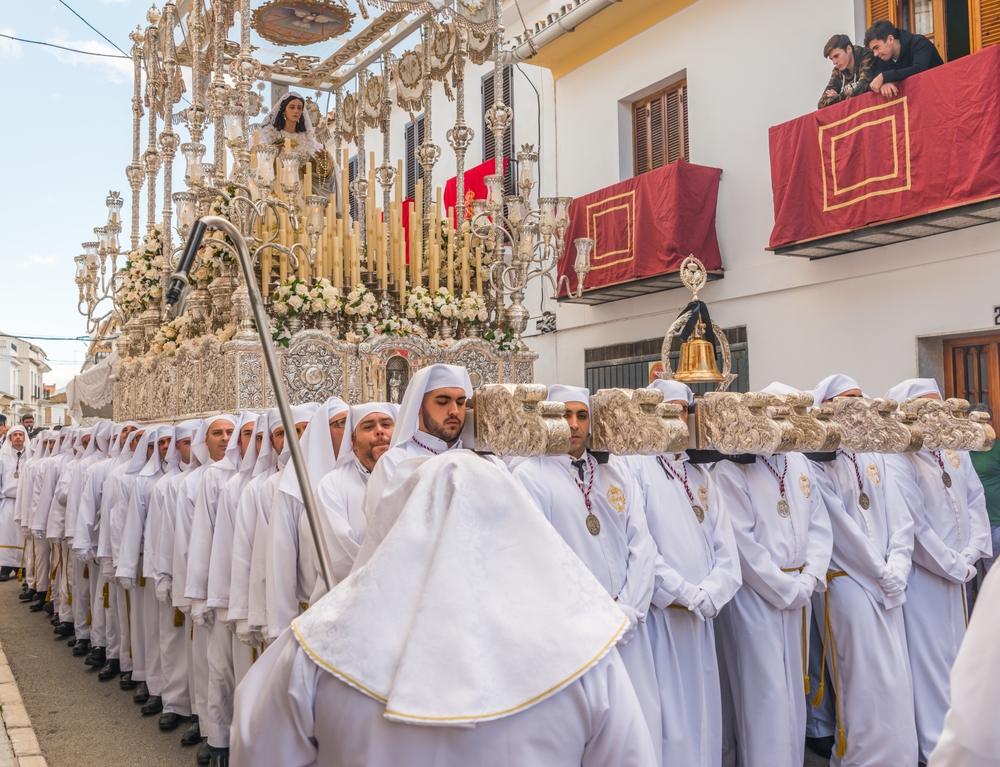
From Monday to Wednesday, processions take place almost every evening in major cities. Brotherhoods parade through the streets with their sculptures to solemn music. Spectators often claim spots along the routes hours in advance, particularly in city centres and narrow alleys.
Jueves Santo commemorates the Last Supper and the beginning of Christ’s suffering. Processions depict the Agony in the Garden, Judas’ betrayal, and the arrest of Christ. In some cities, the longest marches take place during this night.
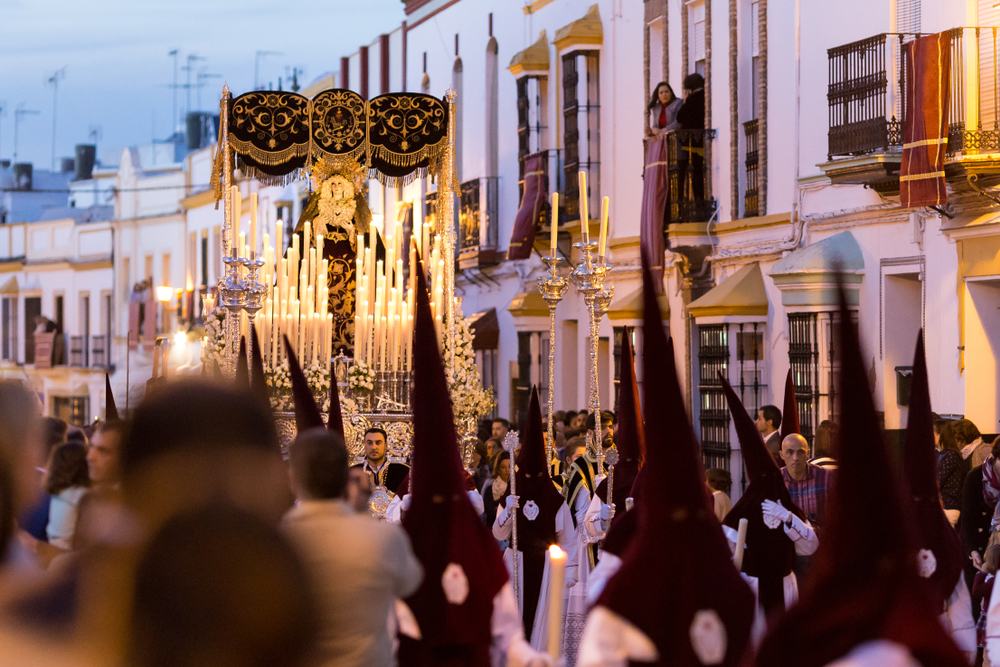
Viernes Santo is the most dramatic day of Holy Week. The processions become solemn and mournful, sometimes passing in absolute silence. Platforms display the crucifixion and the mourning of Christ. The appearance of the Dolorosa—the sculpture of the Virgin Mary in mourning robes—is particularly moving, affecting even those who are not religious.
On Sábado Santo, the number of processions decreases significantly. It is a day of silence and anticipation of the resurrection.
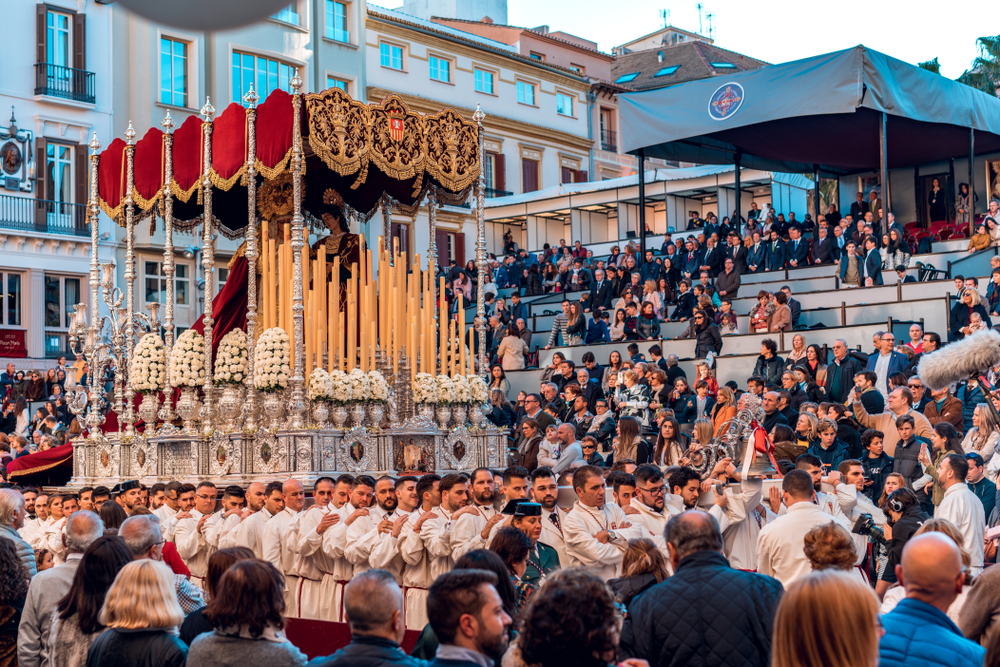
On Domingo de Resurrección, the mood shifts from mourning to celebration. The music becomes joyful, bells ring, and people congratulate each other on Easter. In some cities, resurrection processions take place where sculptures of Christ and the Virgin Mary meet in the town square.
A domestic, family-oriented Easter also exists in Spain, though the public focus remains on the events in the streets. There is no universal tradition of giving gifts on Easter Sunday, but families often gather for lunch. On the following day, Easter Monday, children are traditionally given sweet pastries called mona de Pascua.
Related Articles
Beyond Paella: Discovering All i Pebre, Valencia’s Best-Kept Culinary Secret
Deep in the heart of the Albufera wetlands, the fishing village of El Palmar preserves a traditional, rich garlic and wild eel stew that tourist traps completely miss
Loading…
Loading…