







Support La Cotorra on Patreon
Access exclusive content, special perks, and closer connection with us.
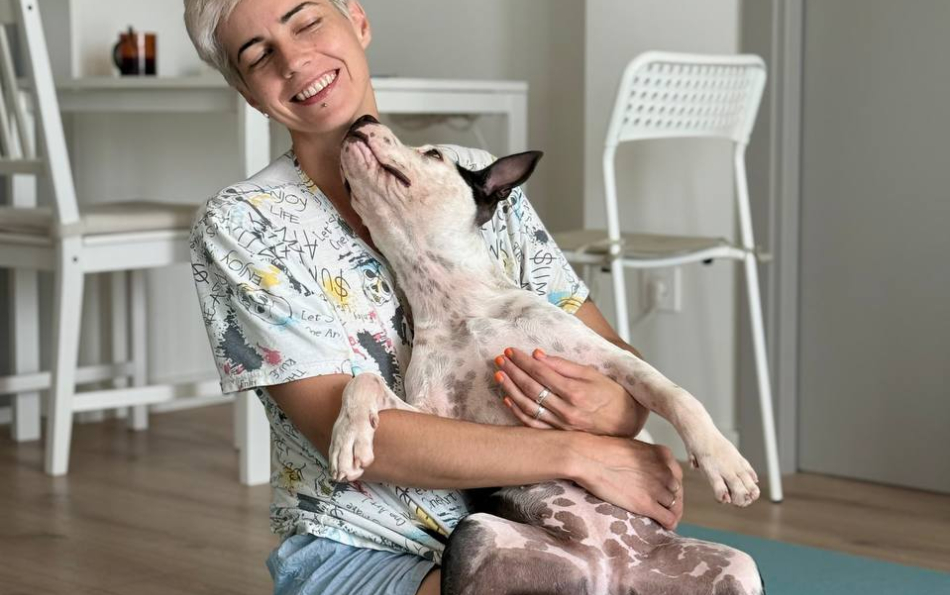
According to statistics, there are more dogs than children in Spain. Sociologists describe this trend as an “evolution of family structure”, in which a pet becomes an emotional substitute for a child. The Spanish language has even developed a special term for this phenomenon – perjitos, which may be translated as “dog-children”, formed from the words perro(dog) and hijo (son, child).
Official sources state that the kingdom is home to approximately ten million dogs, while the number of children stands at around seven million. These figures are not entirely precise, since pet owners sometimes fail to remove animals from registration after death or do not microchip them at all. Although national legislation strictly regulates the keeping of domestic animals, in practice these rules are not always followed, particularly in remote villages. In large cities such as Valencia, it may appear that dog ownership presents no difficulties, but this impression is deceptive.
Francisco Dasi, a resident of Valencia, adopted a Podenco, Lili, from a shelter three months ago. Podencos are among the most ancient breeds of the Iberian Peninsula, dating back more than two thousand years. According to legend, they arrived in what is now Spain with either the Phoenicians or the Romans.
“These dogs are extraordinary – gentle, cheerful, and affectionate. It is difficult to believe, but they are among the breeds most frequently subjected to cruelty. They are used for rabbit hunting, and when the season ends, they are simply abandoned in the countryside. That is exactly how my Lili ended up on a roadside near Valencia,” Francisco explains.
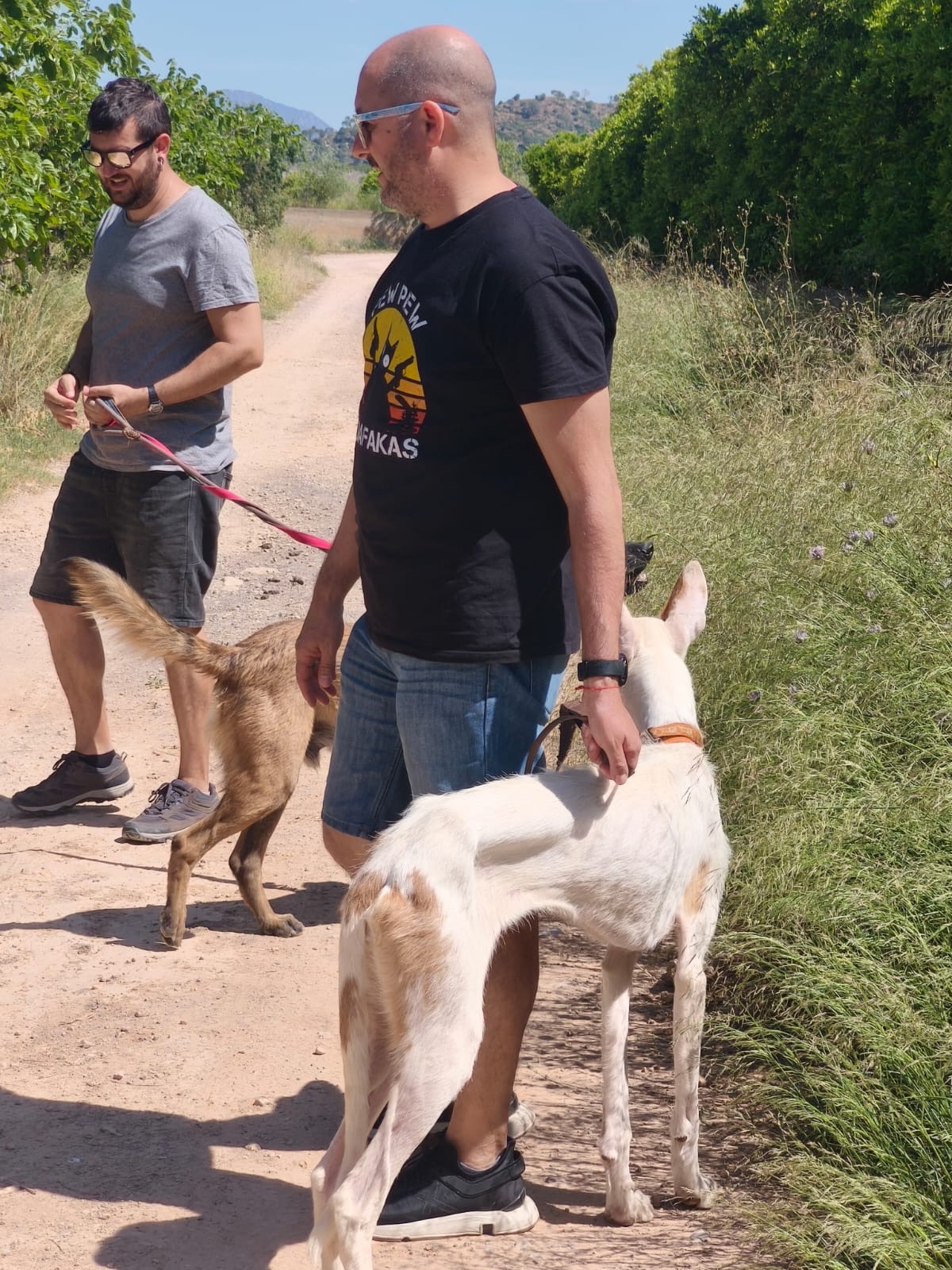
Lili was found emaciated and dehydrated, together with another Podenco whose leg had been broken and later had to be amputated. “It is possible that they were abandoned because they were deemed unfit for hunting, which also happens,” Francisco notes.
“The staff at the shelter from which I adopted Lili told horrifying stories. Sometimes hunters bring several dogs at once and say: ‘If you do not take them, we shall dispose of them in another way.’ This is a major problem in Spain. The government launches large-scale social campaigns, for example, ‘Do Not Buy Happiness, Adopt a Friend’ – a well-known slogan that one sees on posters throughout the streets. However, it has little effect,” Francisco says. The same applies to another traditional hunting breed, the Galgo. “I know that in one shelter there are around six hundred hunting dogs of this valuable, beautiful, ancient breed. It is absurd.”
Spanish volunteer bloggers on Instagram publish videos about the lives of abandoned hunting dogs to find them new homes. One such account, Galgos del Sur, has more than fifty thousand followers. Alongside state-run shelters, numerous rescue organizations operate solely on donations.
Overall, Spaniards show remarkable kindness and care towards dogs. According to statistics, seventy per cent of residents prefer adopting from a shelter rather than purchasing a pedigree puppy. This tendency became especially visible after the DANA flood of 2024, when hundreds of animals were displaced.
Russian-speaking volunteers in the province of Valencia have also joined rescue efforts. Ekaterina Pustovaya recently adopted a five-month-old puppy from the Apama Nature shelter in Murcia. Volunteers told her that a man had simply tied the dog to a fence. This is the second pet in her family; the first was adopted from a shelter in Montenegro.
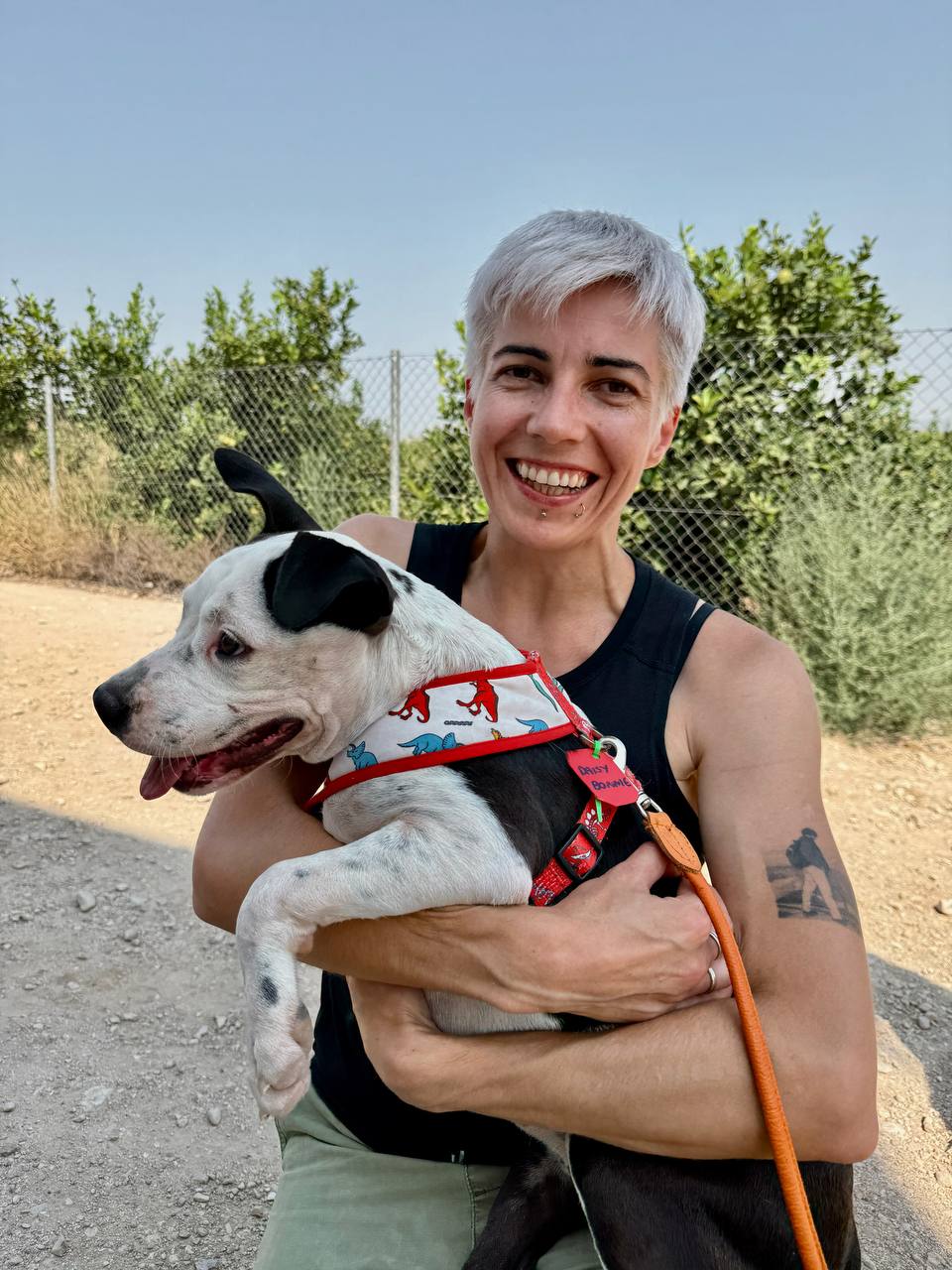
“Latte is a Staffordshire Terrier, a breed classified as potentially dangerous. In addition to standard requirements, such as being walked with a muzzle and on a short lead, owners in Spain must obtain a license. One needs an extensive list of certificates, including a psychological health assessment of the owner. It is a mountain of paperwork. We are in the process of applying for the license, and it is hardly easier than obtaining residence. Failure to have the license carries a fine of up to two thousand euros,” Ekaterina says.
Rules for keeping dogs in Valencia are rather strict. An animal may not be left alone at home for more than twenty-four hours, and it is forbidden to tie a dog outside without supervision.
“To avoid penalties for negligence or cruelty, some people simply do not microchip their pets, because without a chip, the authorities cannot identify the owner. Therefore, many dogs arriving at shelters have no electronic identification, even though this is a direct violation of local law,” says a volunteer from Apama Nature.
One of the challenges for pet owners in Valencia is moving around the city. In public transport, dogs may only travel in a carrier (up to forty-five centimeters in height). They must have an EMT Mascota travel pass, which costs five euros for two years. Drivers and passengers, however, have the right to request that an owner with a dog leave the vehicle if they consider that the animal causes inconvenience. Large dogs weighing more than fifteen kilograms are not permitted on buses or the metro, except for guide dogs.
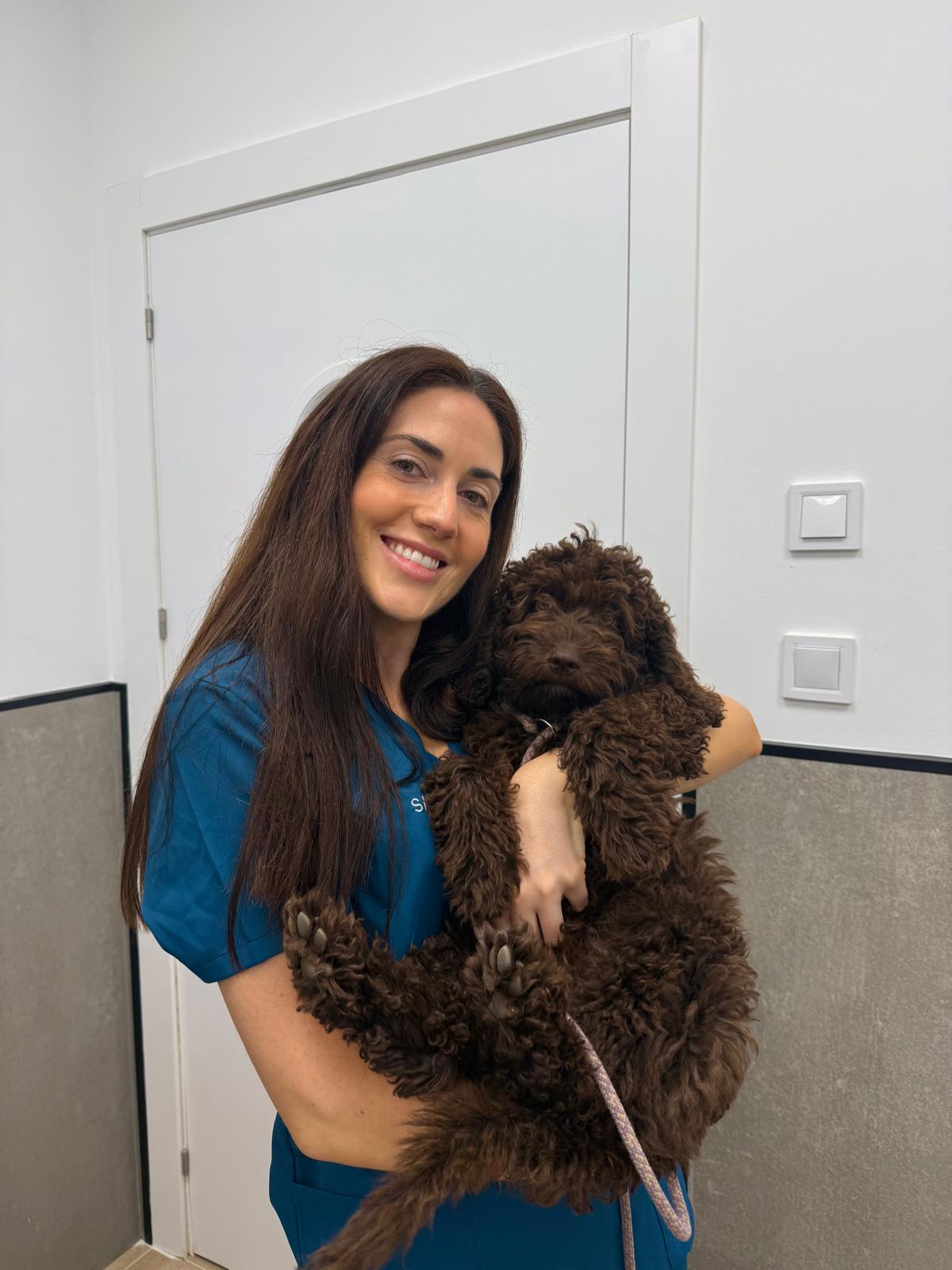
There are also special veterinary recommendations. Sandra Tomás, a doctor at the Golevet clinic, explains:
“Valencia, like many other regions of the country, is an endemic area for leishmaniasis (Leishmania), a dangerous disease spread by mosquitoes. Dogs from six months of age are advised to receive an annual vaccination. It is not mandatory, but we strongly recommend it.”
“Another danger for dogs in the province of Valencia is the processionary caterpillar (Thaumetopoea pityocampa), which appears in spring beneath pine trees. Its hairs contain a potent allergen. The caterpillars are also dangerous for small children, so one must remain vigilant and avoid contact with them,” Sandra says.
A separate concern for dog owners in Valencia is the Fallas (Las Fallas) festival, during which thousands of firecrackers are set off in the streets every day for an entire month.
“During Fallas, it is better to take the dog out of the city. It is extremely stressful, and we often receive requests for calming medication. We also recommend turning on the television, air conditioning, or music at home to muffle the noise from outside. Some dogs find comfort in blanket dens. In any case, during the festival, special attention must be paid to the animal’s well-being,” the veterinarian explains.
For the rest of the year, Valencia offers a comfortable and well-organized environment for dogs and their owners. The city has numerous dog-friendly shops and cafés with special dog menus, designated dog parks, street drinking fountains, dedicated beaches, and spa salons. Grooming prices sometimes exceed the cost of a human haircut.
“A popular treatment is the ozone bath for coat restoration, which costs from thirty euros. Most of my clients are foreigners. Spaniards account for roughly one third,” says veterinarian and founder of the MaryGroom grooming school in Valencia, Maria Zakharchenko.
“Spaniards in general are not willing to spend vast sums on their pets, but they treat them with great affection,” Maria continues. “Elderly people often transport their small dogs in baby prams and bring water, food, and toys with them, as if caring for a child. Dogs in Spain frequently receive gifts during holidays, and at Christmas, many shops offer special gift sets for animals. Pets almost always take part in family trips on an equal footing with everyone else.”
Related Articles
Beyond Paella: Discovering All i Pebre, Valencia’s Best-Kept Culinary Secret
Deep in the heart of the Albufera wetlands, the fishing village of El Palmar preserves a traditional, rich garlic and wild eel stew that tourist traps completely miss
Loading…
Loading…