






Support La Cotorra on Patreon
Access exclusive content, special perks, and closer connection with us.
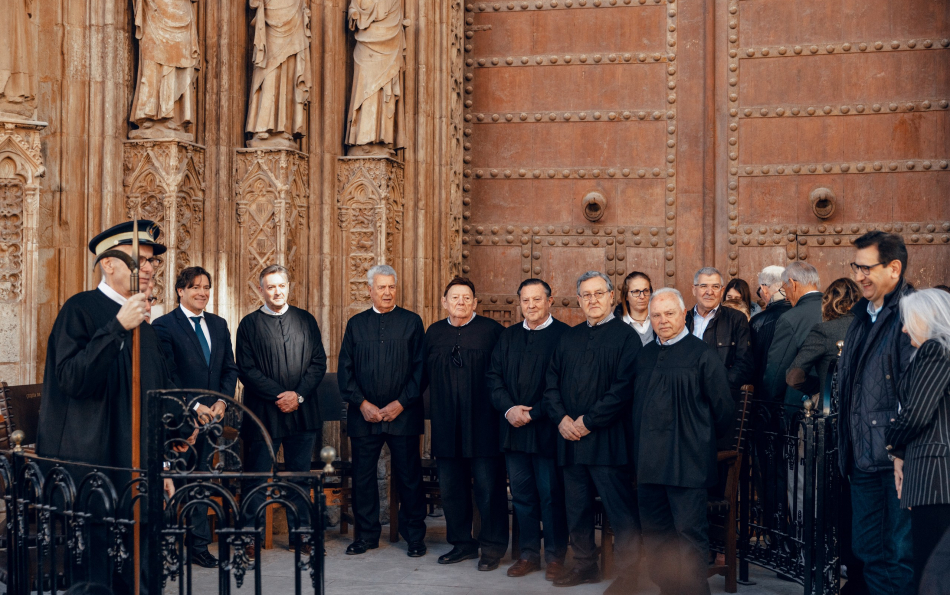
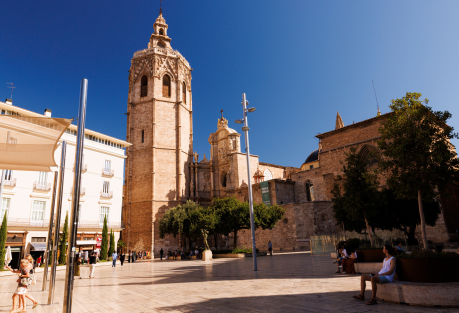
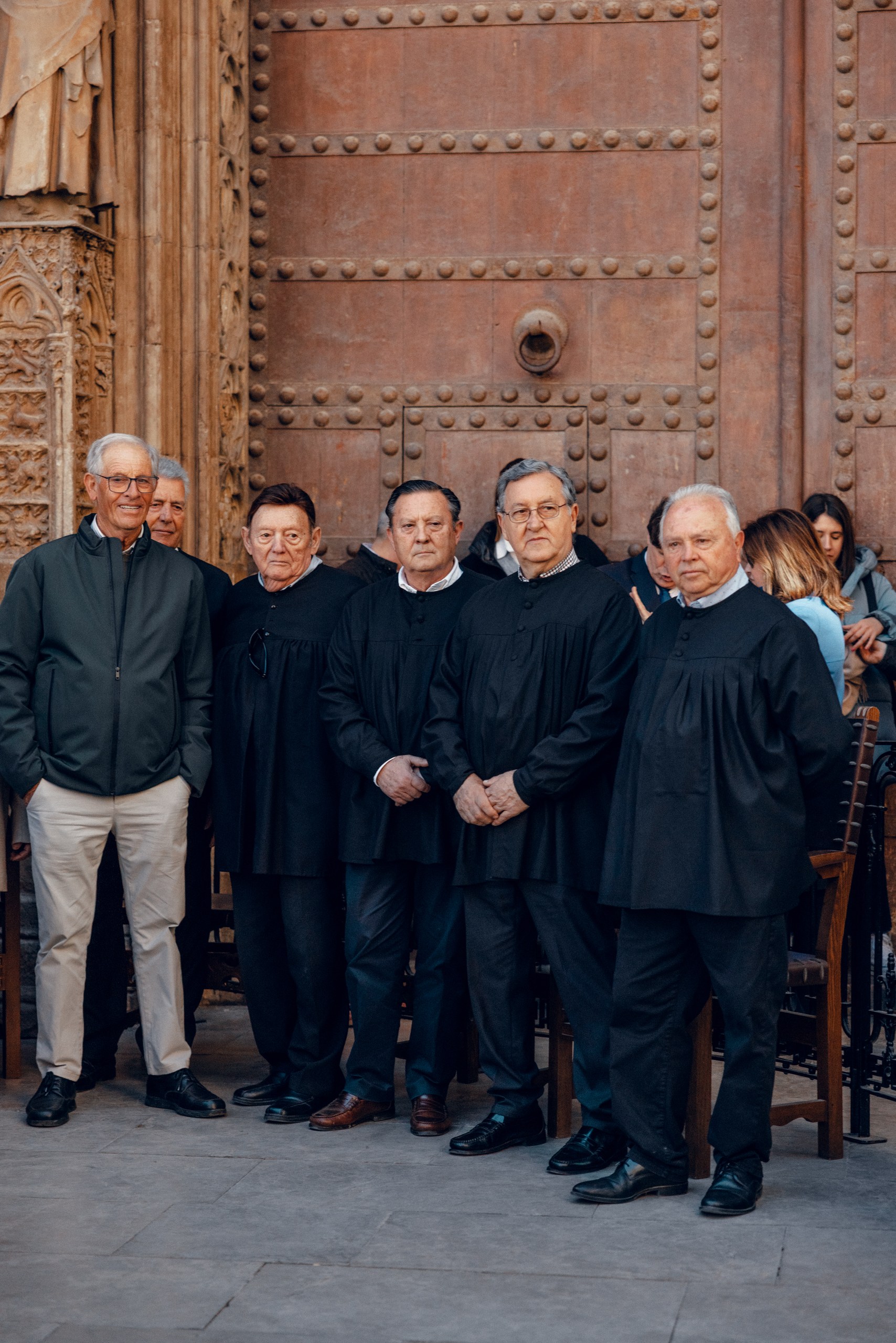
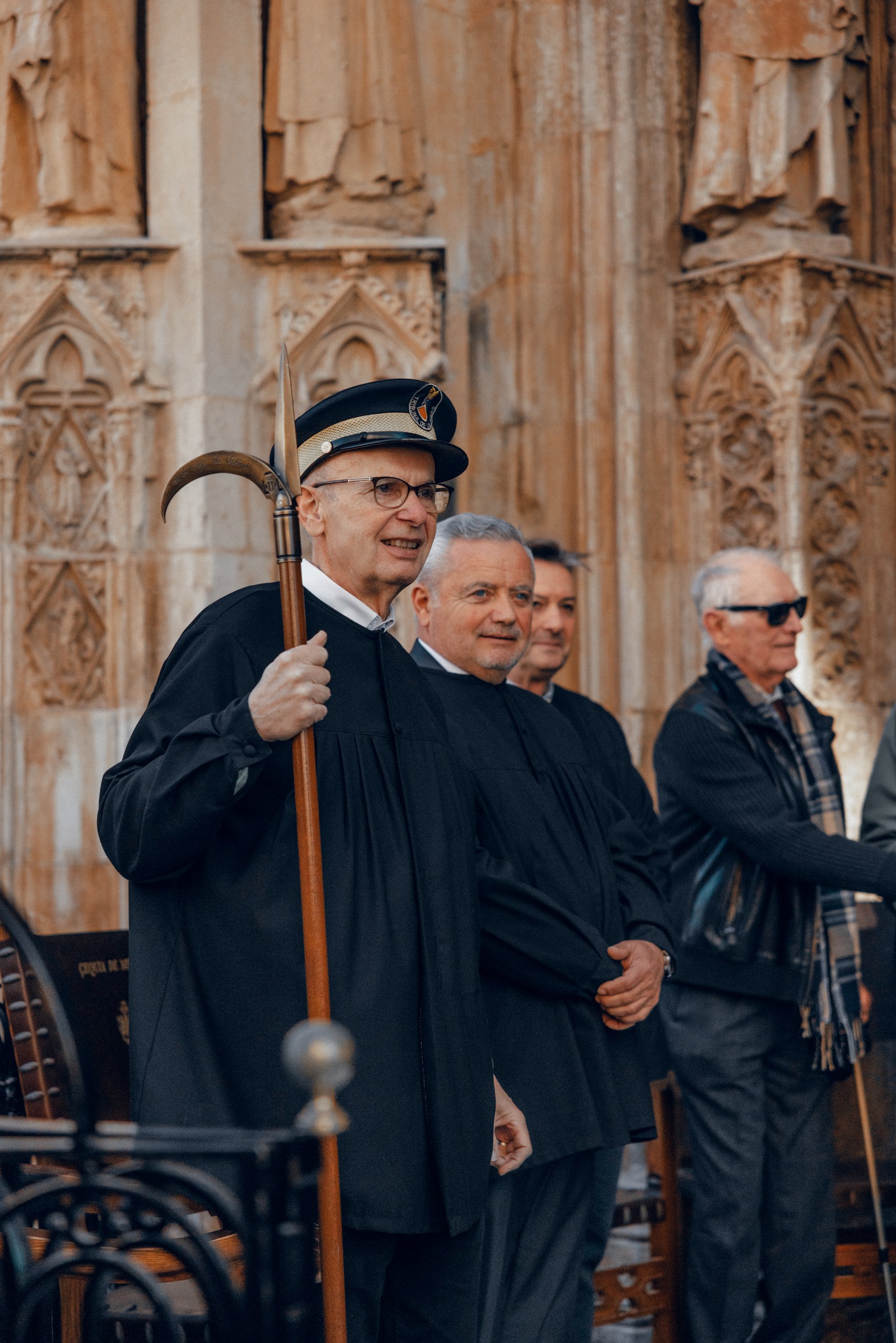
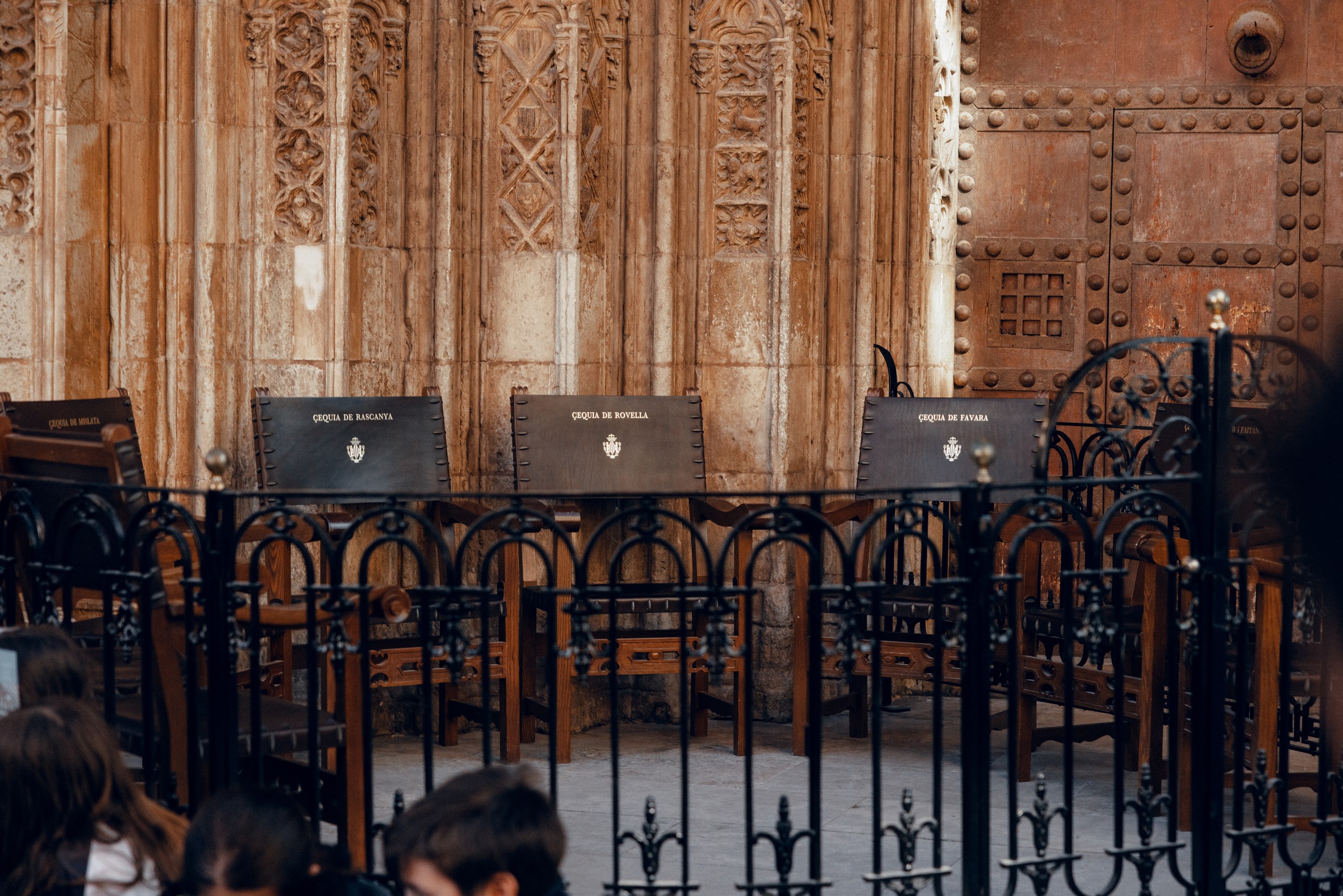
Every Thursday, as the sun nears its zenith over Valencia, a quiet anticipation builds by the Apostle Gate of the Cathedral. Tourists stand with cameras poised, while guides speak in hushed tones about “one of the oldest active courts in Europe.” Then, exactly at 12:00 PM—as the cathedral bells begin their heavy toll—eight men dressed in traditional black smocks emerge into the square, taking their seats in a solemn semicircle against the ancient stone walls.
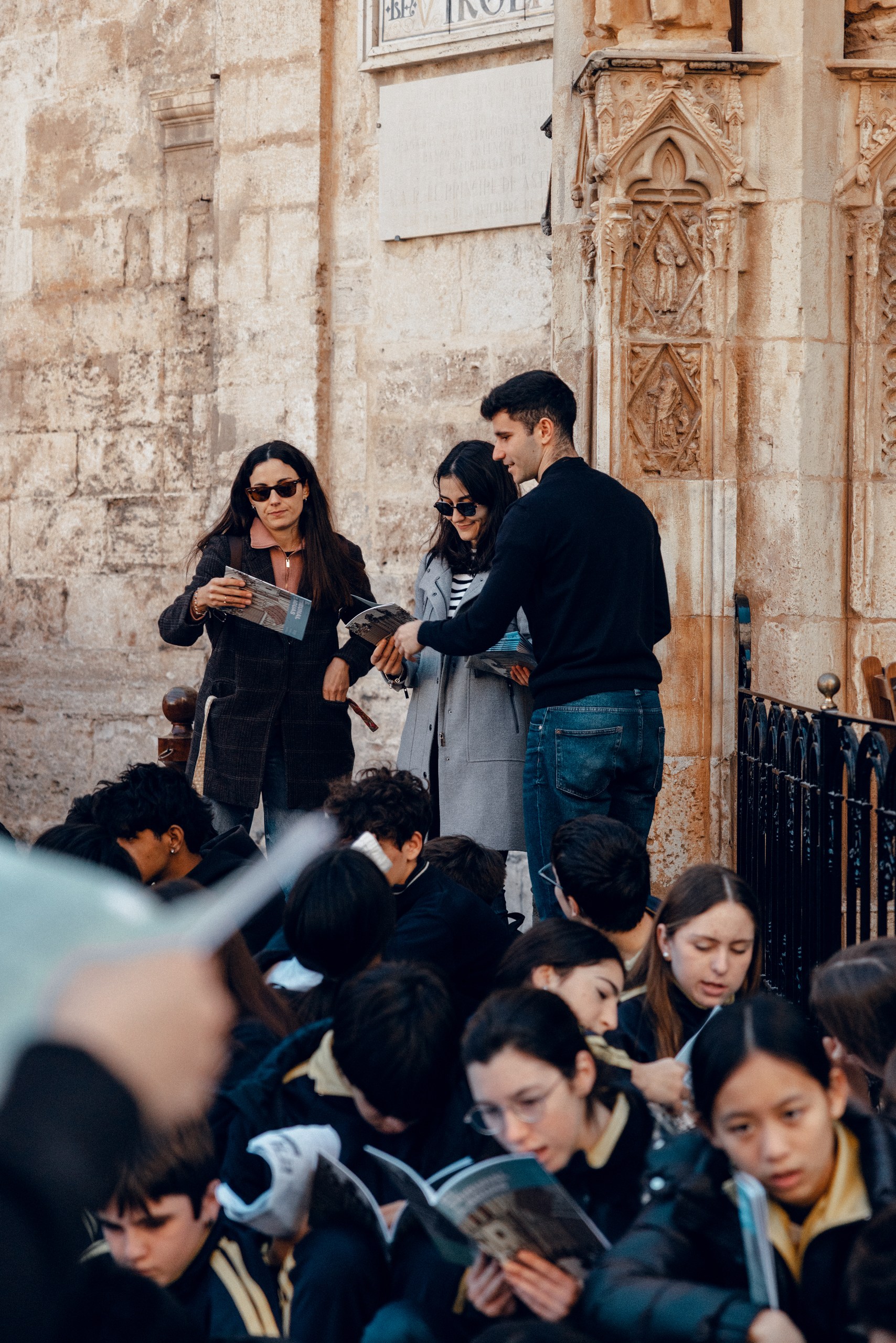
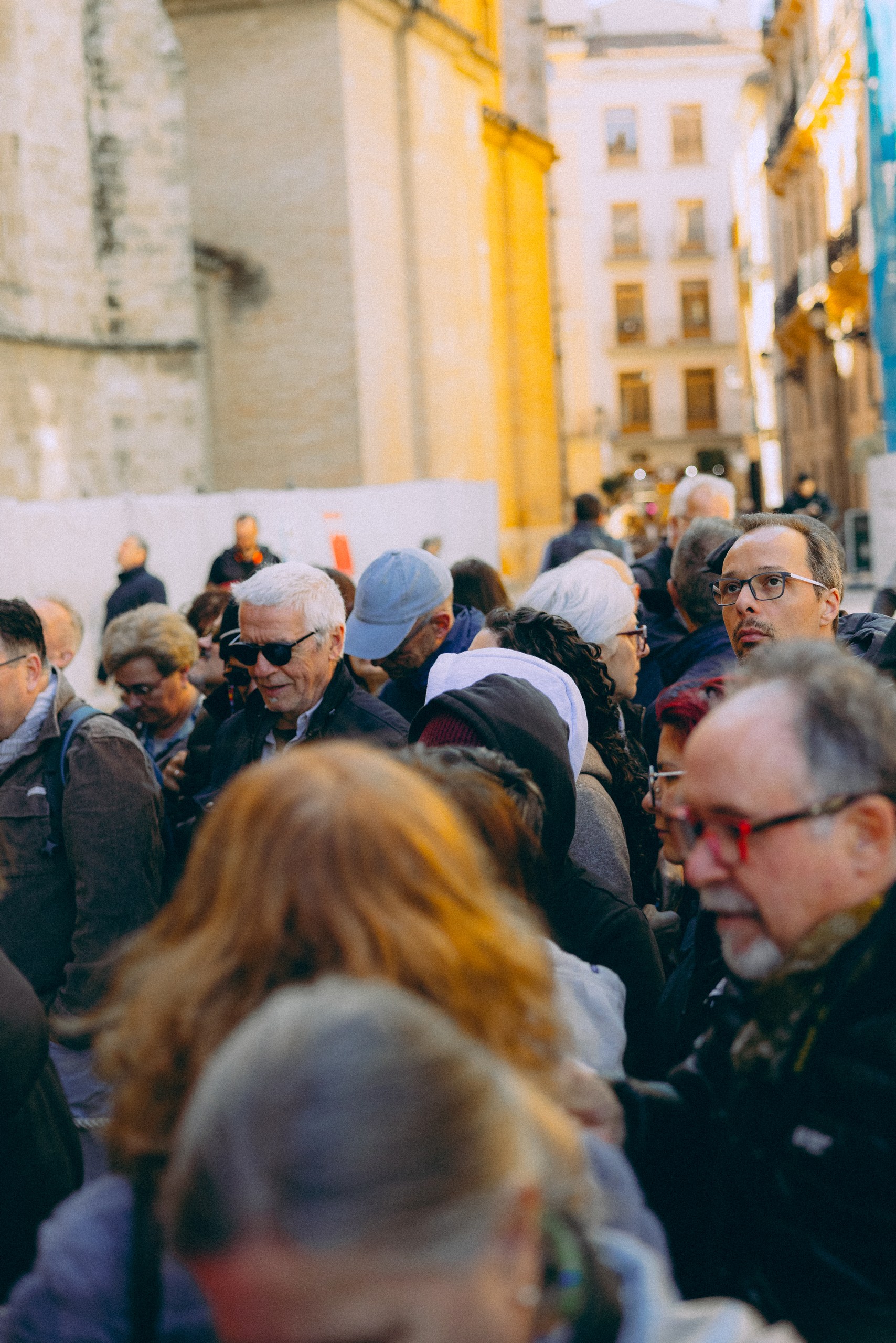
The scene feels like a portal to the past: the soaring Gothic facade, the stark figures in black, and a silent crowd hanging on every word. While bystanders receive multilingual brochures explaining the ritual, make no mistake—this is no tourist reenactment. This is the Tribunal de las Aguas de Valencia (The Water Tribunal), a living judicial body that meets every single week with a vital mission. It governs the intricate system of irrigation canals in the Valencian Huerta—the lush, fertile belt surrounding the city—ensuring that water is shared fairly and settling disputes with undisputed authority.
Among the eight men presiding is Enrique Aguilar, the syndic of the Rascanya canal and current president of the tribunal. He sat down with La Cotorra to explain how this medieval system thrives in the 21st century.
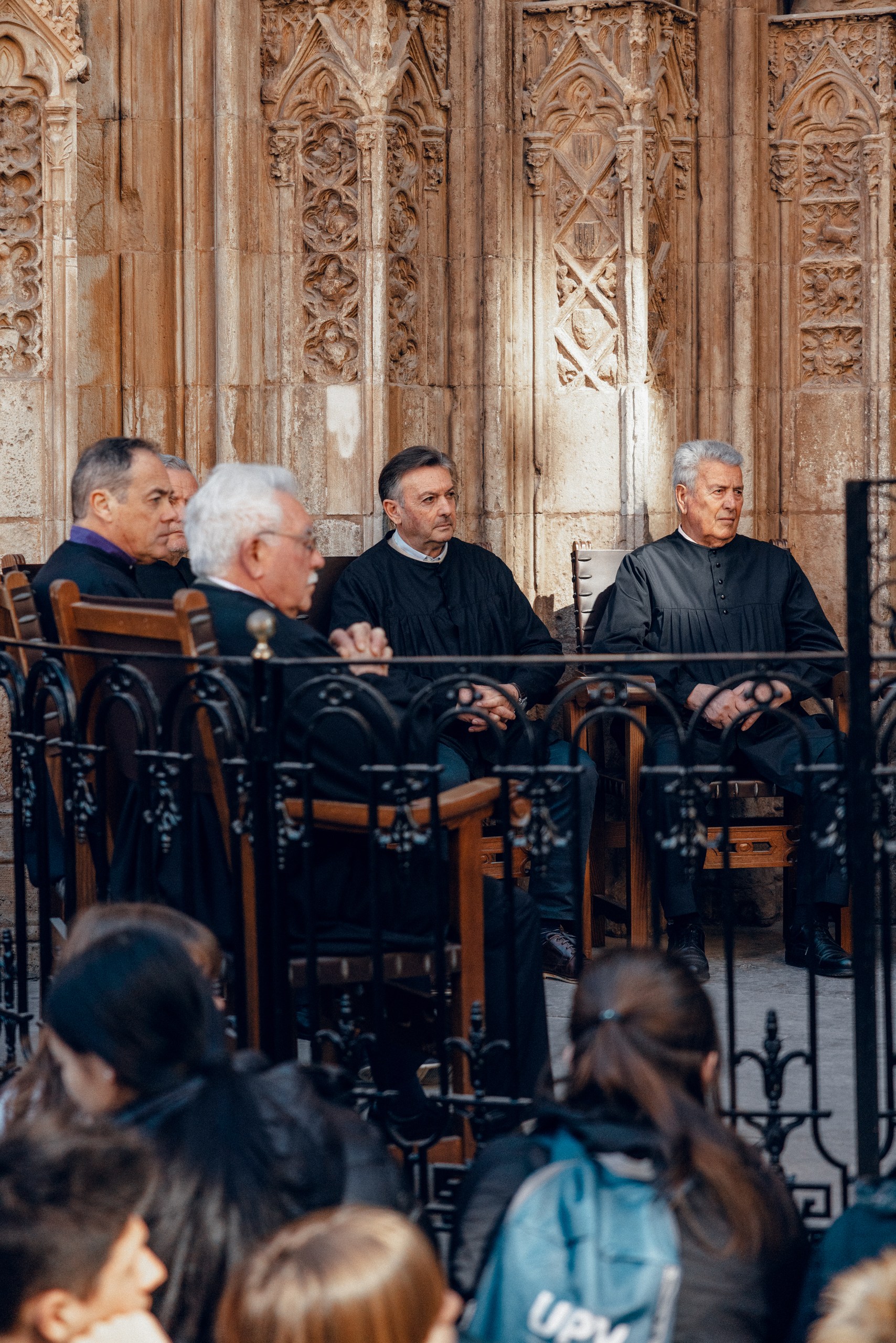
“We syndics are elected every three years, and every one of us is a working farmer. I grow vegetables myself. I am honoured that my community has trusted me with this responsibility for 15 years now. The beauty of this court is that it’s both a judicial and an economic pillar; we don’t just pass judgment, we manage the very lifeblood of our fields,” Enrique explains.
The proceedings are surprisingly brief and remarkably dignified. One by one, the syndics address the crowd, calling out the names of the eight acequias (canal communities). They ask if anyone has a grievance. There are no microphones, no digital screens, and no lawyers—just the raw power of the spoken word, just as it has been for a thousand years. Even the most boisterous tourists fall into a respectful silence. If no complaints are raised, the entire session can conclude in a matter of minutes.
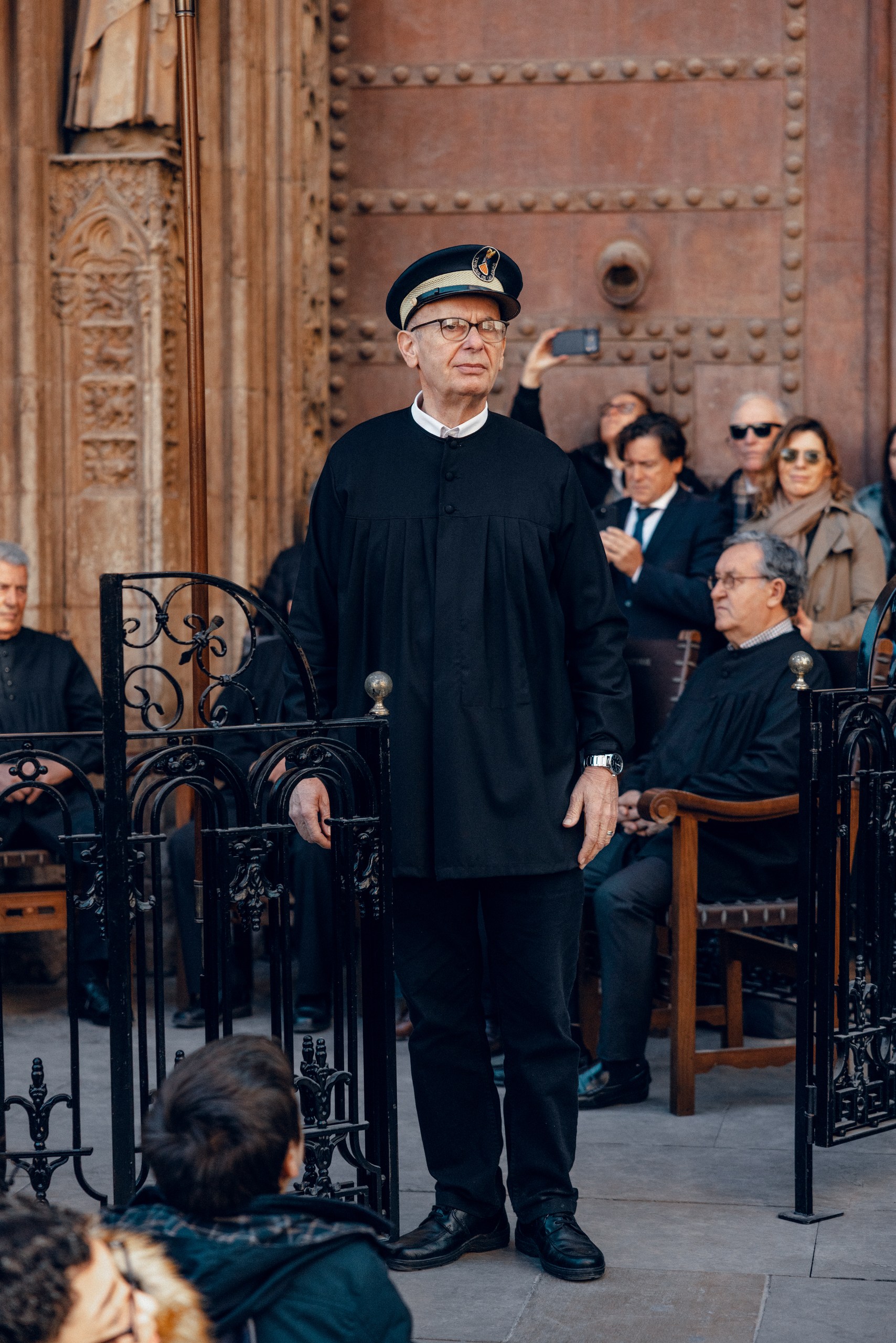
There is no paperwork or pre-scheduling at the Water Court. Grievances are stated orally, on the spot, right in the middle of the square. Verdicts are delivered immediately, and they are final. There is no appeal; the rules are deeply etched into the local culture and reinforced by centuries of practice.
“Usually, within each community, people know if a conflict is brewing. Most disputes are actually settled quietly before Thursday ever arrives,” Enrique notes.
Yet, the session happens every week without fail. The mere act of being publicly available to listen and judge is the core of the mechanism.
From policing the order of irrigation to penalising those who illegally divert water, the tribunal covers it all. While Enrique admits that decisions could technically be challenged in Spain’s modern state courts, it rarely happens. The transparency of the process and the fact that syndics are peers elected by fellow farmers foster a level of trust that modern bureaucracy rarely achieves.
“If we didn’t do exactly what was done in the Middle Ages—standing in public to ask who needs justice—the Water Court simply wouldn’t exist. Its soul lies in offering the community a public, immediate resolution,” Enrique explains.
The irrigation network that transformed these arid lands into a Mediterranean garden was engineered during the era of Muslim rule. When King James I conquered Valencia in the 13th century, he was so impressed by the system's efficiency that he incorporated it directly into the new legal framework of the kingdom.
The Valencian plain has always lived or died by the Turia River. Because water was scarce, its distribution had to be precise. This led to the creation of the acequias—not just engineering feats of canals and sluices, but social communities. Today, farmers still hold meetings, vote, and elect their leadership. The Syndic remains a powerful figure, a direct link to a medieval world with modern-day administrative and judicial teeth.
The unyielding nature of the court’s traditions is best captured in a story that has become a local legend.
“Years ago, the tribunal was told that the Pope, who was visiting Valencia, wanted to attend the session but was running ten minutes late. They were asked to hold the start. But the Water Court has started at high noon for centuries—with the Pope or without him. The session opened exactly on time,” Enrique says with a smile.
Whether historically verified or a bit of local folklore, the story perfectly illustrates the Valencian spirit: fiercely independent and loyal to tradition above all else.
Another favourite anecdote involves a major international company that purchased land to build warehouses and promptly blocked an irrigation canal.
“They argued, ‘We bought the land.’ We told them, ‘You didn’t buy the canal.’ The canal belongs to the community of irrigators. It was a classic David and Goliath moment. In the end, the company had to reroute the canal at their own expense so the water could continue its journey to the other farmers,” Enrique recounts.
The Water Tribunal has survived kings, dictators, and democratic shifts, meeting every Thursday at noon. Since 2009, it has been recognised by UNESCO as part of the Intangible Cultural Heritage of Humanity.
For the tourists, it’s a rare glimpse into a living past. For the farmers of the Huerta, it is their shield—a guardian of the most precious resource in Valencia: water.
Related Articles
Beyond Paella: Discovering All i Pebre, Valencia’s Best-Kept Culinary Secret
Deep in the heart of the Albufera wetlands, the fishing village of El Palmar preserves a traditional, rich garlic and wild eel stew that tourist traps completely miss
Loading…
Loading…