



Support La Cotorra on Patreon
Access exclusive content, special perks, and closer connection with us.
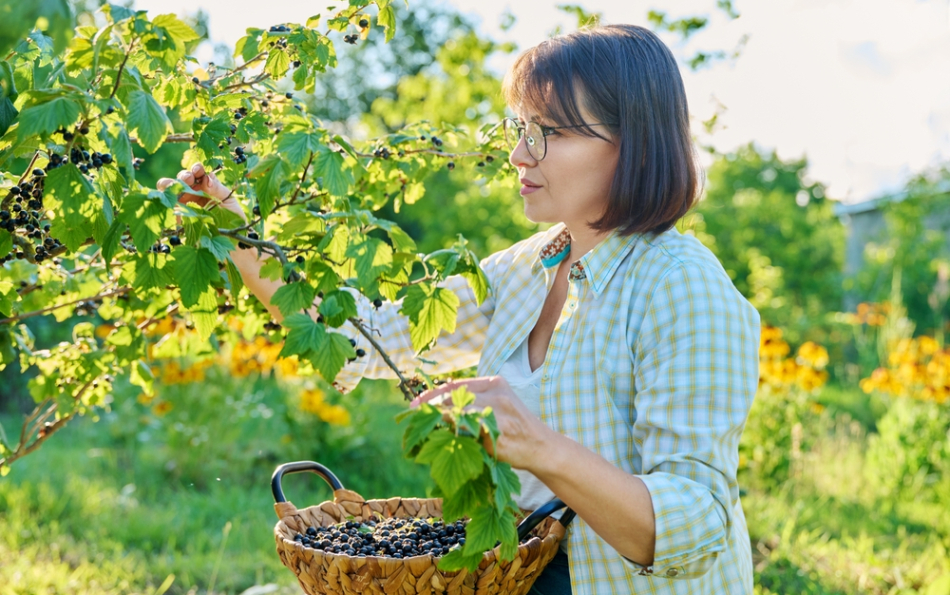
Four and a half years ago, Boris Sheinkman moved to Spain on a start-up visa to launch IT projects. Today he is growing blackcurrants just outside Sagunto, a town near Valencia — a berry that Spaniards almost never eat and, more often than not, have never even heard of.
"Once I was in Valencia, I realised there was real potential here for projects connected to something tangible. Land is one of those areas. And I became curious to try," says Boris.
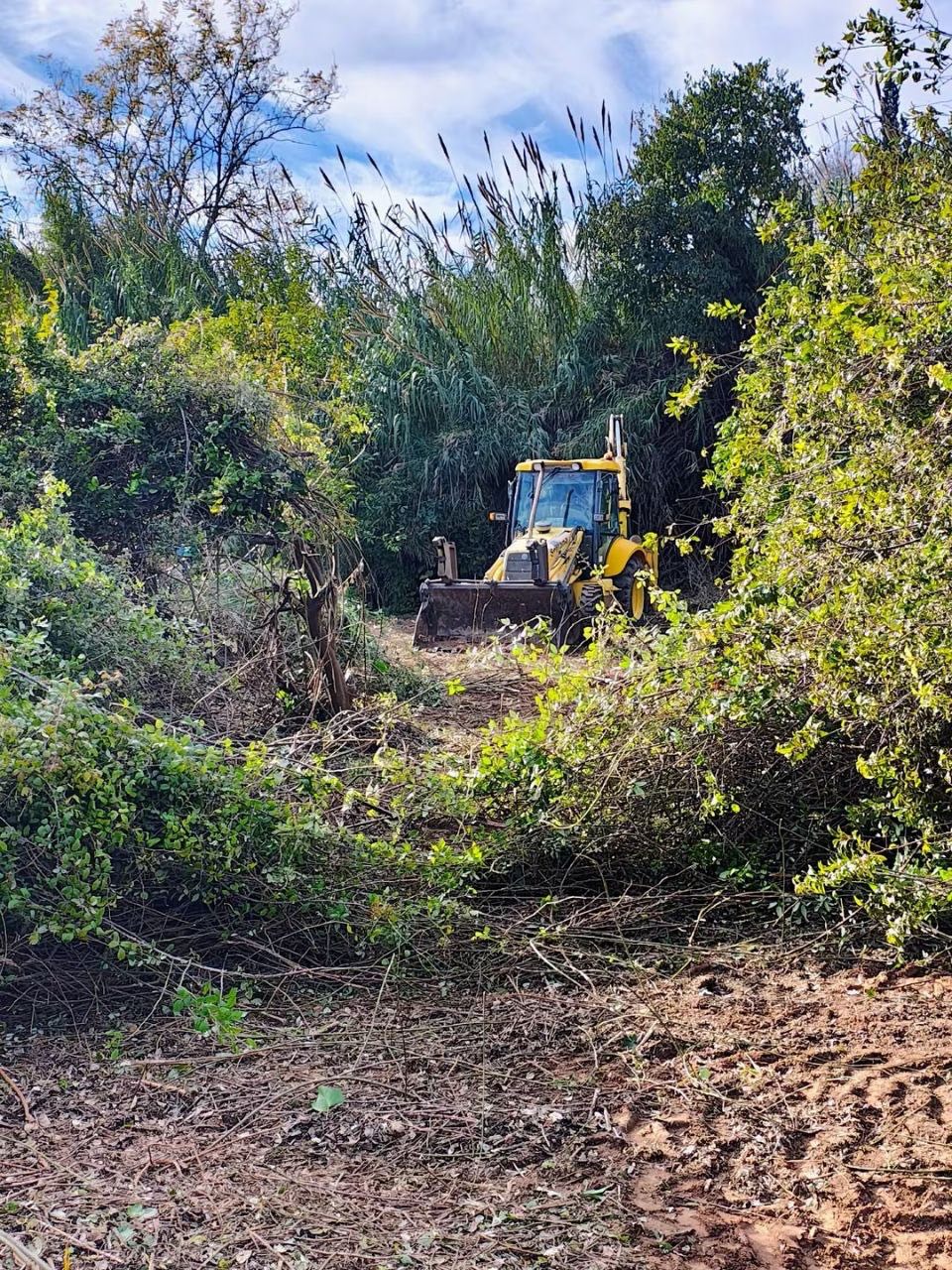
Several months ago he bought an abandoned plot on the outskirts of Valencia for €9,000. The land had not been worked for 17 years.
"I hacked my way through wild brambles and came out covered in scratches — but I liked the plot," he recalls.
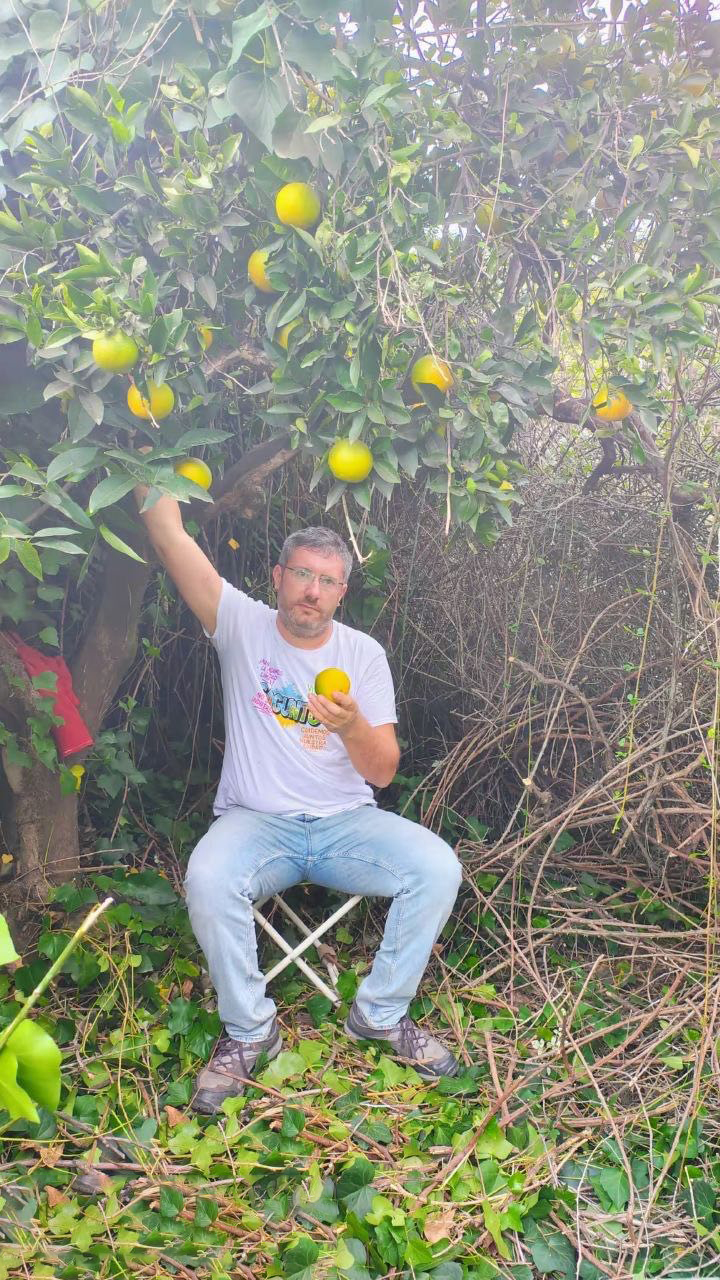
It seems there was once a plantation here: orange trees, mulberry, old growth. The land around Sagunto has been farmed for thousands of years. Remains of Roman villas, pottery workshops, and amphorae used to ship wine to other parts of the empire have been found here. Traces of local winemakers have even been discovered in Pompeii.
Now a Russian-speaking immigrant is conducting his own agricultural experiments on the same ground.
The plot has become both an investment and an experiment: can you build a working system whose output is not a software product but a harvest?
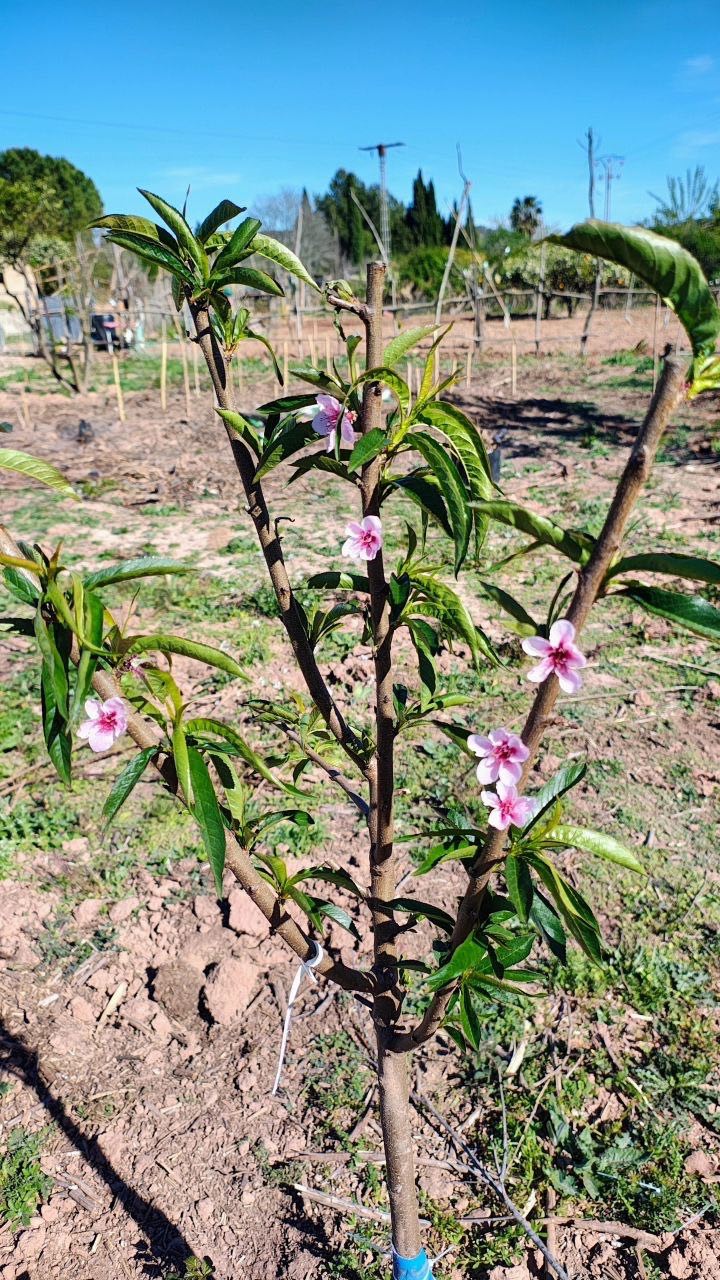
Boris chose not to grow what is already common in the region. He went for crops rarely found at local markets: blackcurrants, gooseberries, cherries, Italian tomato varieties, and five types of squash.
"Talking to other immigrants, I often heard people saying they missed the berries they grew up with. I decided to try planting them," he explains.
From a local farming perspective, it is an odd choice. These plants struggle with heat, need a different watering regime, and simply were not designed for a Mediterranean climate. But the plot has its own characteristics: the water table is close to the surface, and a large mulberry tree provides shade and creates a gentler microclimate.
There are currently 12 blackcurrant bushes on the plot. Boris ordered the seedlings from Latvia. The first harvest: half a glass of berries.
"The taste is exactly the same as in childhood. I thought it would be different, but it feels just like picking them from the bushes at the dacha."
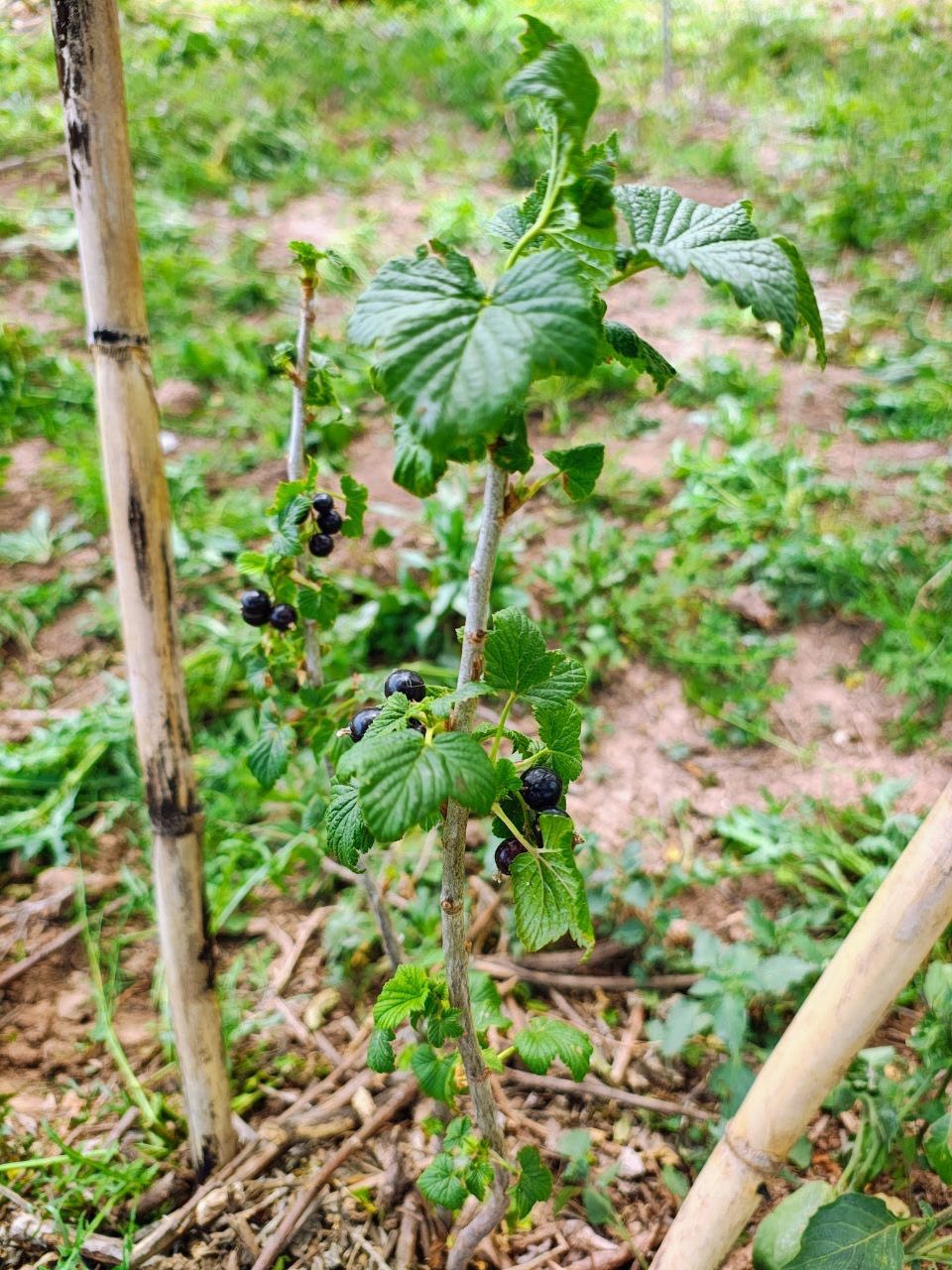
The first gooseberry harvest is even more modest — two berries. Boris is not rushing the process; he is simply watching how the plants behave in their new environment.
"The hardest part is adapting knowledge to the local climate. Nobody explains how to do that. You have to work it out yourself," he notes.
Spaniards don't always understand his approach. Many here simply don't know what blackcurrants and gooseberries are.
"They genuinely think I'm doing everything wrong," says Boris. "Maybe they're right. But I'm not trying to compete with them. I'm growing what they don't grow."
Alongside the plot, a YouTube channel appeared — "En su huerta en España" ("In Their Own Garden in Spain"). Boris filmed the first video on the day he bought the land. Over time, immigrants with gardening experience began subscribing — and commenting actively.
"People write to me: that's better done differently, you got that wrong. A lot of what I've done came from those comments," he says. "They explained how to look after tomatoes, how to make fertiliser from grass, and what to do about rabbits."
Rabbits are a particular problem. They eat the crop and damage the trees.
"I set up a security camera. One day I switch it on — and there are two rabbits staring straight into the lens," Boris laughs. "Now I know them by face."
On the advice of his subscribers, he set up humane traps: the animals are caught without being harmed and kept in an enclosure.
Boris is building not just a smallholding, but a community of gardeners in Spain. The project is only just beginning, and his harvest is measured in berries rather than kilograms. But the principle is already working: even in an unfamiliar climate, you can grow something that wasn't there before.
And sometimes that is enough — even if it amounts to half a glass of blackcurrants with a familiar taste, grown with your own hands.
Related Articles
Beyond Paella: Discovering All i Pebre, Valencia’s Best-Kept Culinary Secret
Deep in the heart of the Albufera wetlands, the fishing village of El Palmar preserves a traditional, rich garlic and wild eel stew that tourist traps completely miss
Loading…
Loading…