





Support La Cotorra on Patreon
Access exclusive content, special perks, and closer connection with us.
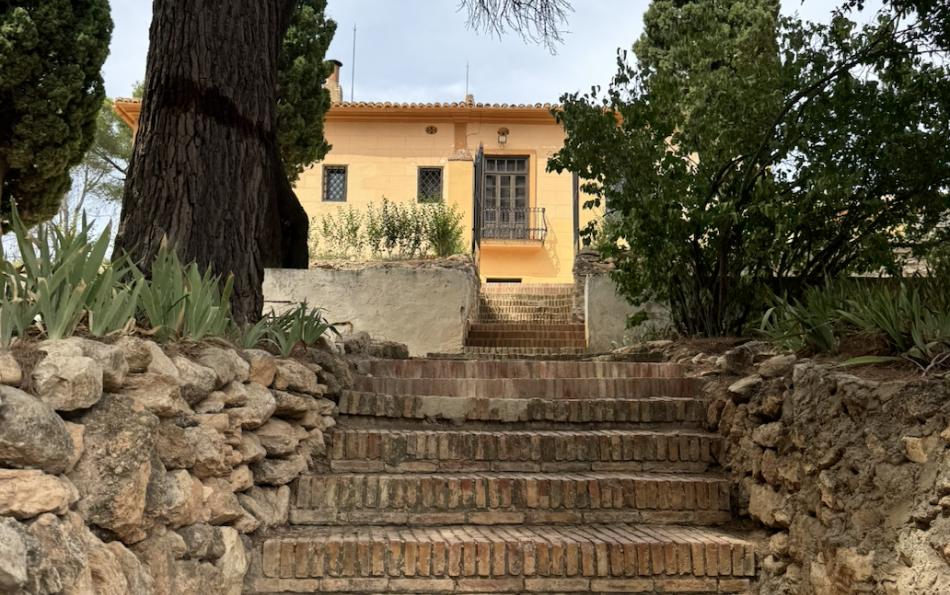
The grape-harvesting season in Valencia lasts from late August to mid-October. During this period, the region’s best wineries offer guided tours that allow visitors to observe the winemaking process and even pick grapes by hand. La Cotorra attended one such tour and reports on what we learned.
“Bobal is considered one of the most characteristically Valencian grape varieties, and it is precisely this grape that is grown at the Vera de Estenas vineyards,” says the sommelier Marat Abdrakhmanov. He conducts tours at the Vera de Estenas winery and begins his presentation with the history of this historically significant grape, originally from the Utiel-Requena region, approximately one hour from Valencia.
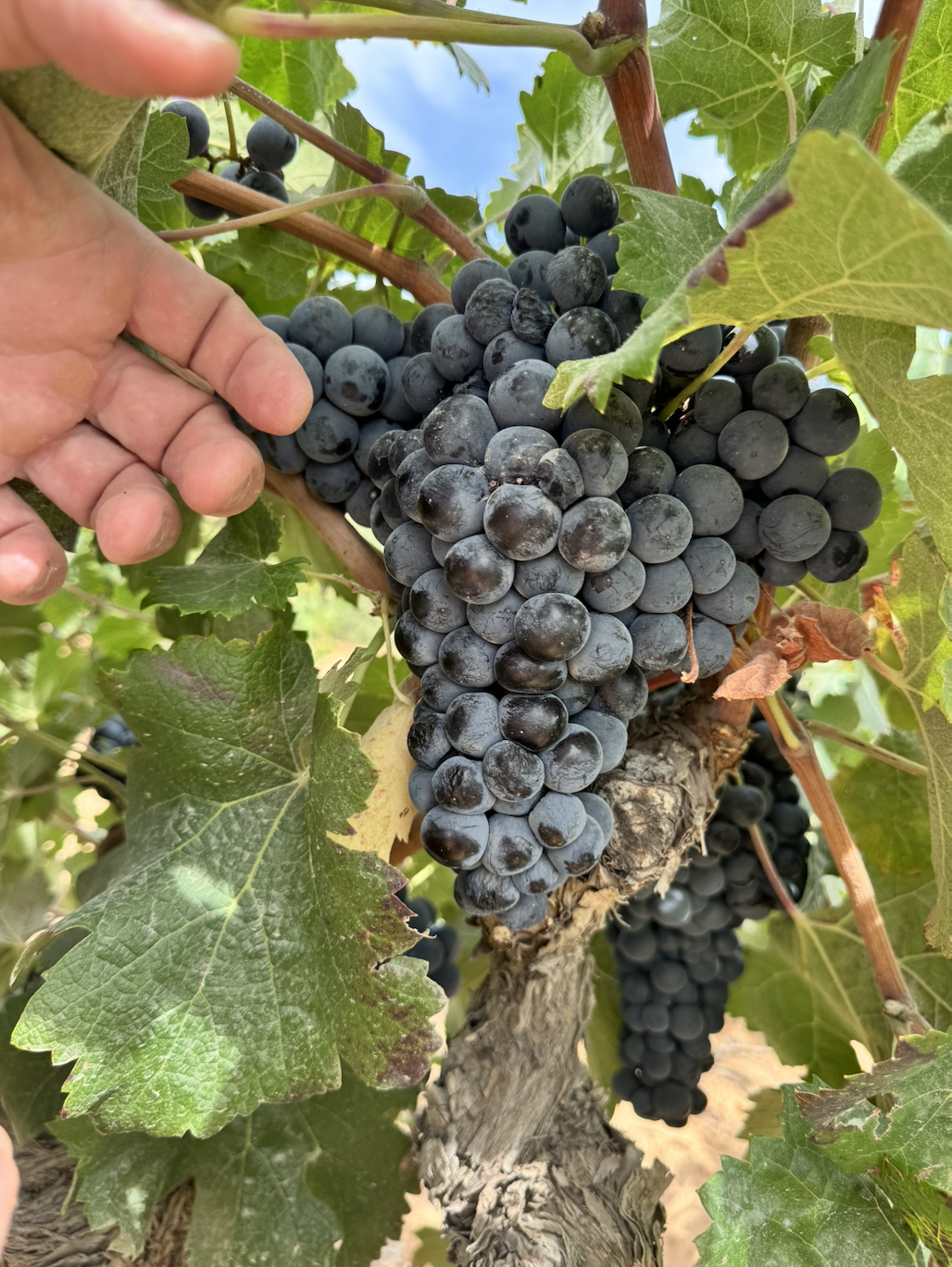
The name of the variety derives from the Latin word bovale, meaning “ox head”, and the heavy, tightly packed clusters of berries do indeed resemble the head of a bull.
After an introductory glass of sparkling wine, visitors take crates and walk out to the fields to see the vines and pick some grapes. Some of the bushes are more than one hundred years old, and the older they are, the more valuable they become, the sommelier explains.
“The vine is structured in such a way that it seems to understand that its time is limited, and that it must become as appealing and as aromatic as possible so that birds choose its berries and then give it new life by spreading the seeds,” Marat explains.
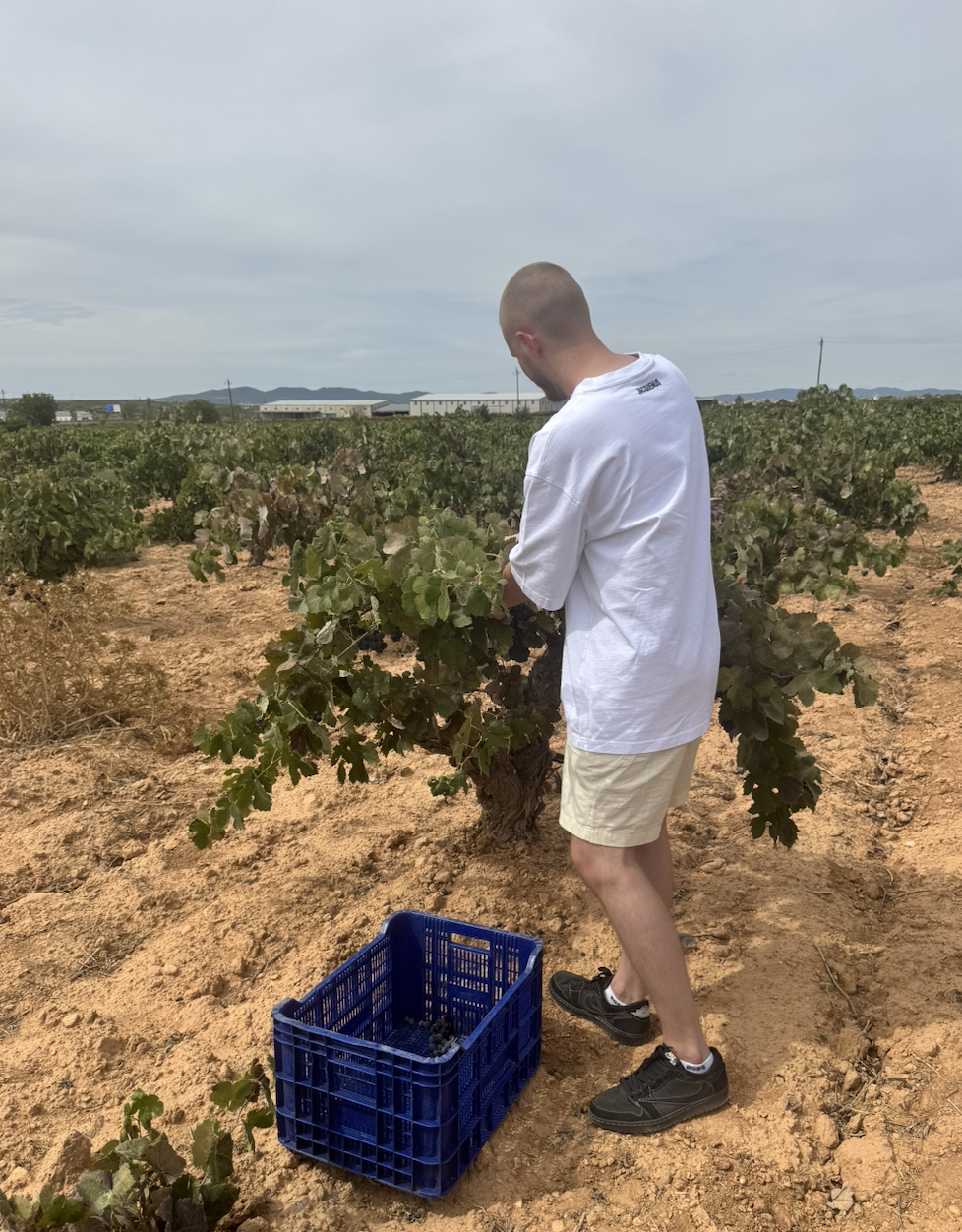
The berries look nothing like those sold in city supermarkets. This is a wine grape, intended exclusively for winemaking. However, it is extremely sweet, and visitors are encouraged to taste it directly from the vine.
The grapes have an unusually thick skin, which, according to the sommelier, is an important indicator of berry quality for fine wine. The vine’s branches are dense, and tearing off a cluster by hand is difficult. Winemakers usually rely on machinery, but in complex areas that machines cannot reach, the harvest is still taken manually with the help of secateurs. Visitors are not given these tools, as without experience, it is easy to injure oneself.
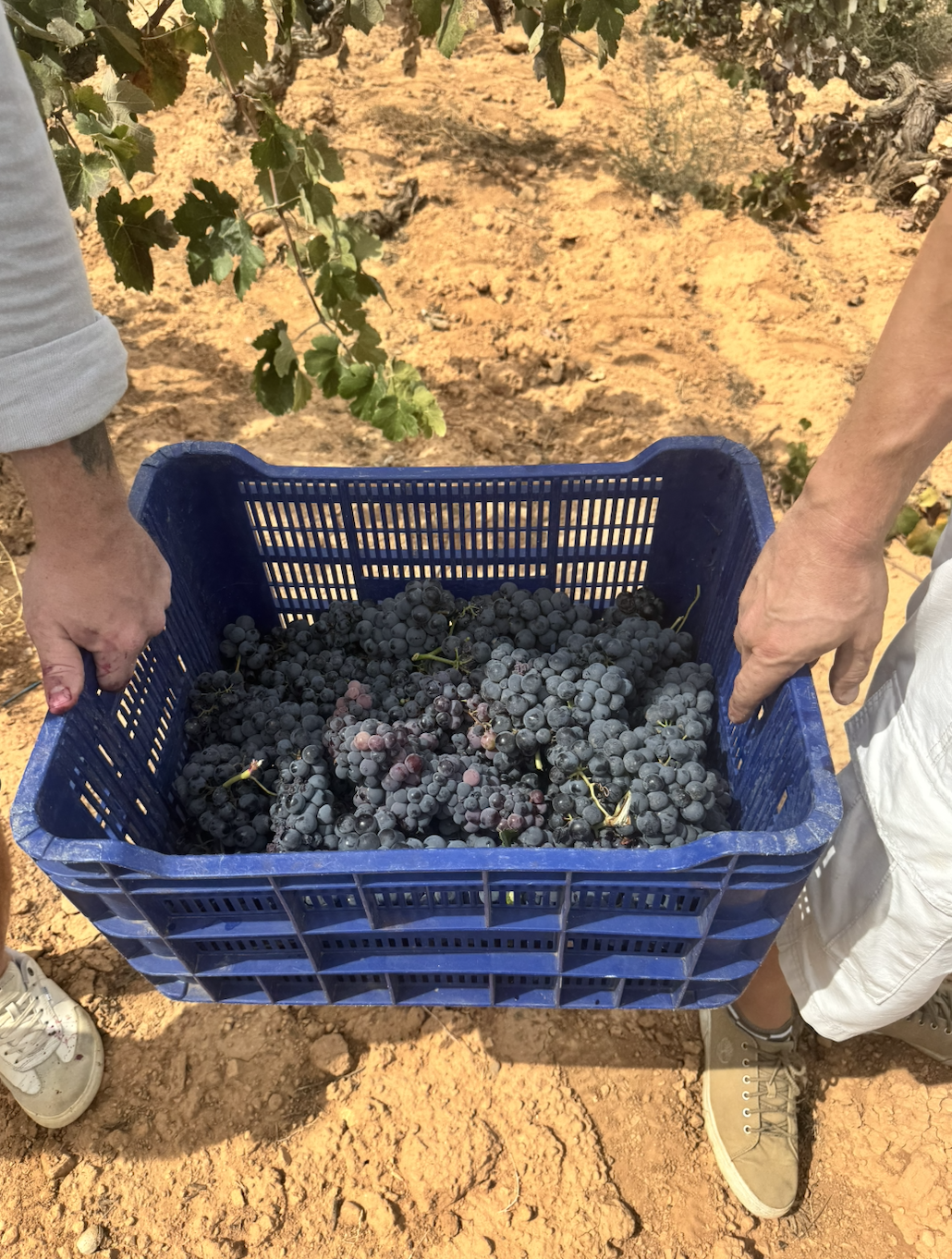
This type of excursion is one of the most “Instagrammable” ways to spend a weekend in the region. Participation costs seventy euros per person, although travelling by one’s own car makes the trip cheaper.
The most anticipated and entertaining part of the tour is pisada, the traditional method of crushing grapes with one’s feet. The name comes from the Spanish verb pisar, which means “to step on”. Many visitors come to the winery specifically for this experience. This is how wine was made in the past, when many Spanish families owned small vineyards and produced wine not for sale but for their household cellars.
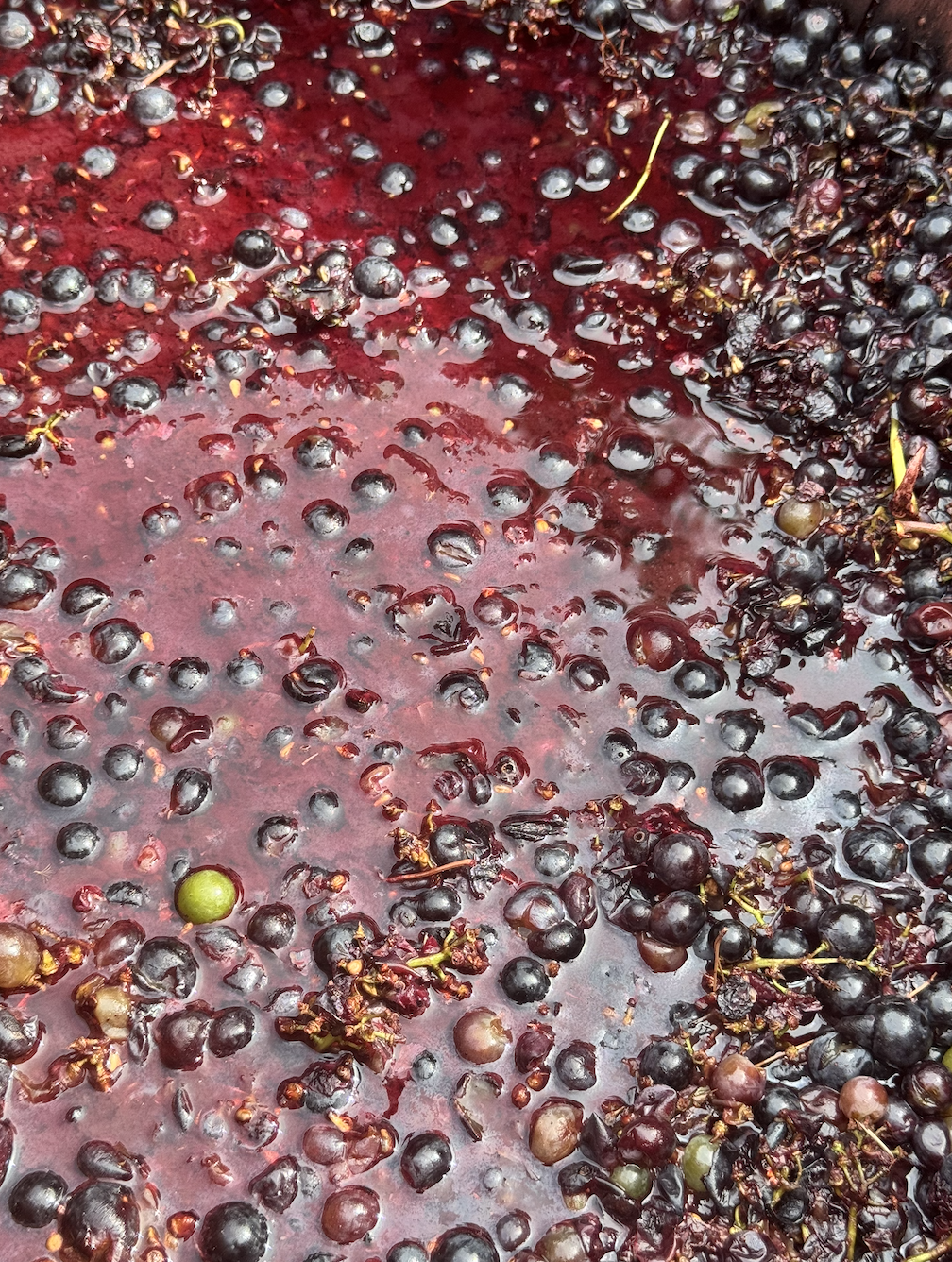
The feet are rinsed with water, the grapes are poured into barrels, and the pisada begins.
“There are certain safety rules: it is better to stand in the barrel in pairs and hold each other by the waist or shoulders in order to maintain balance. As soon as the juice begins to escape from the berries, it becomes extremely slippery and one may fall,” Marat explains.
Pisada is tremendous fun. Visitors often attempt to recreate Adriano Celentano’s famous dance from the film The Taming of the Scoundrel, despite recommendations to hold on to one another for stability. In the past, entire villages gathered for pisada and crushed grapes for many hours until the work was finished.
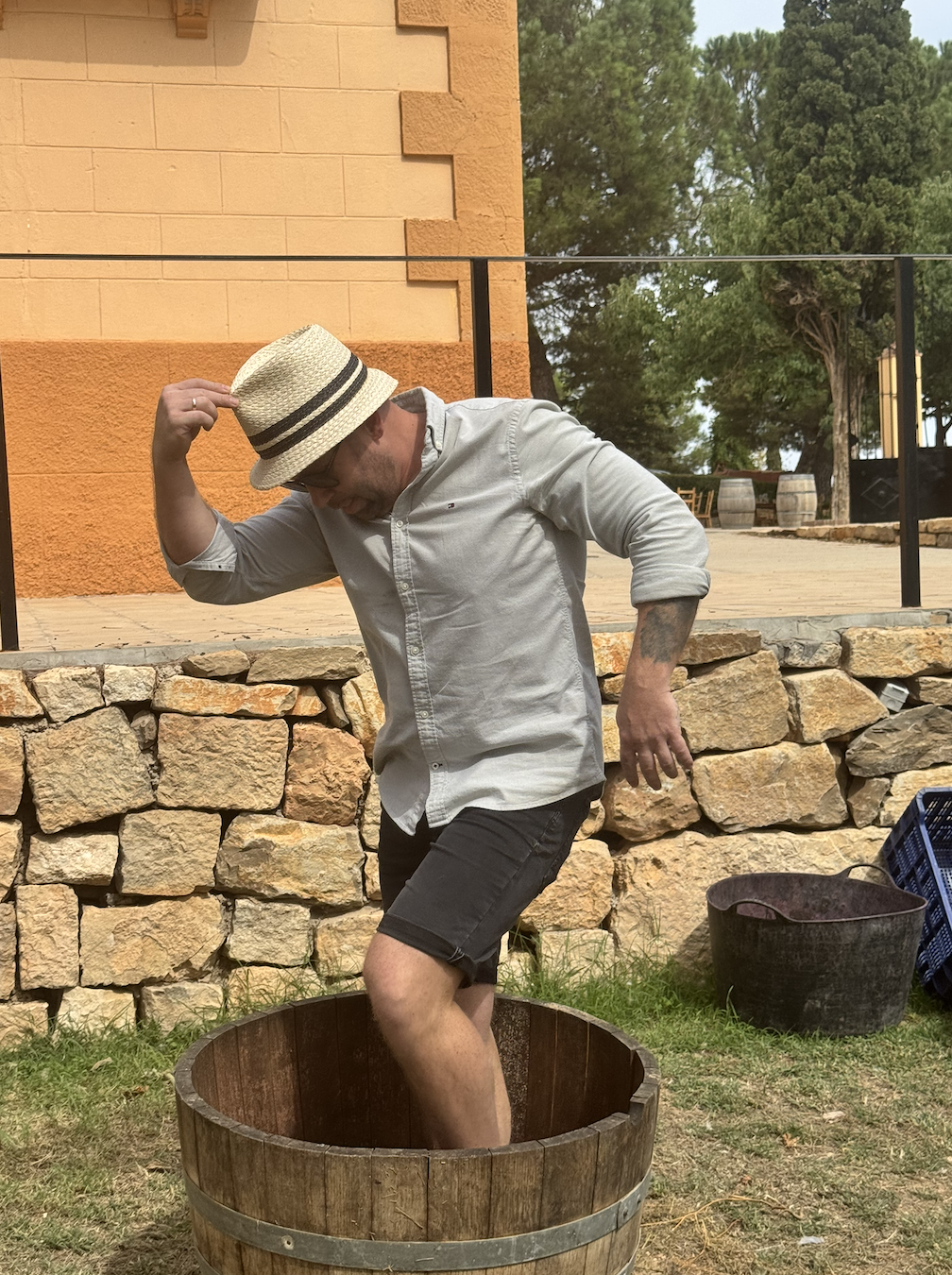
The grapes need to be crushed as quickly as possible after harvesting in order to preserve maximum aroma. The essence of the process is to break the skins of the berries. The resulting mixture of skins, juice, and seeds is called musto or macerate, and it is left to ferment.
One of the most frequent questions from visitors concerns how the grape must is protected from bacteria that may remain on the feet. Marat explains: “During fermentation, alcohol is produced, and it acts as an antiseptic. Therefore, wine made from grapes crushed in the traditional manner, that is to say, with one’s feet, is entirely safe.”
After fermentation, the must undergoes a complex stage of clarification before it is moved to stabilize and mature. Modern winemakers use stainless-steel tanks, clay amphorae, or oak barrels. The choice depends on the characteristics the winemaker wishes to impart to the wine. Oak barrels give the wine a characteristic woody aroma; clay vessels give an earthy, mineral profile; stainless steel preserves the freshness of the fruit.
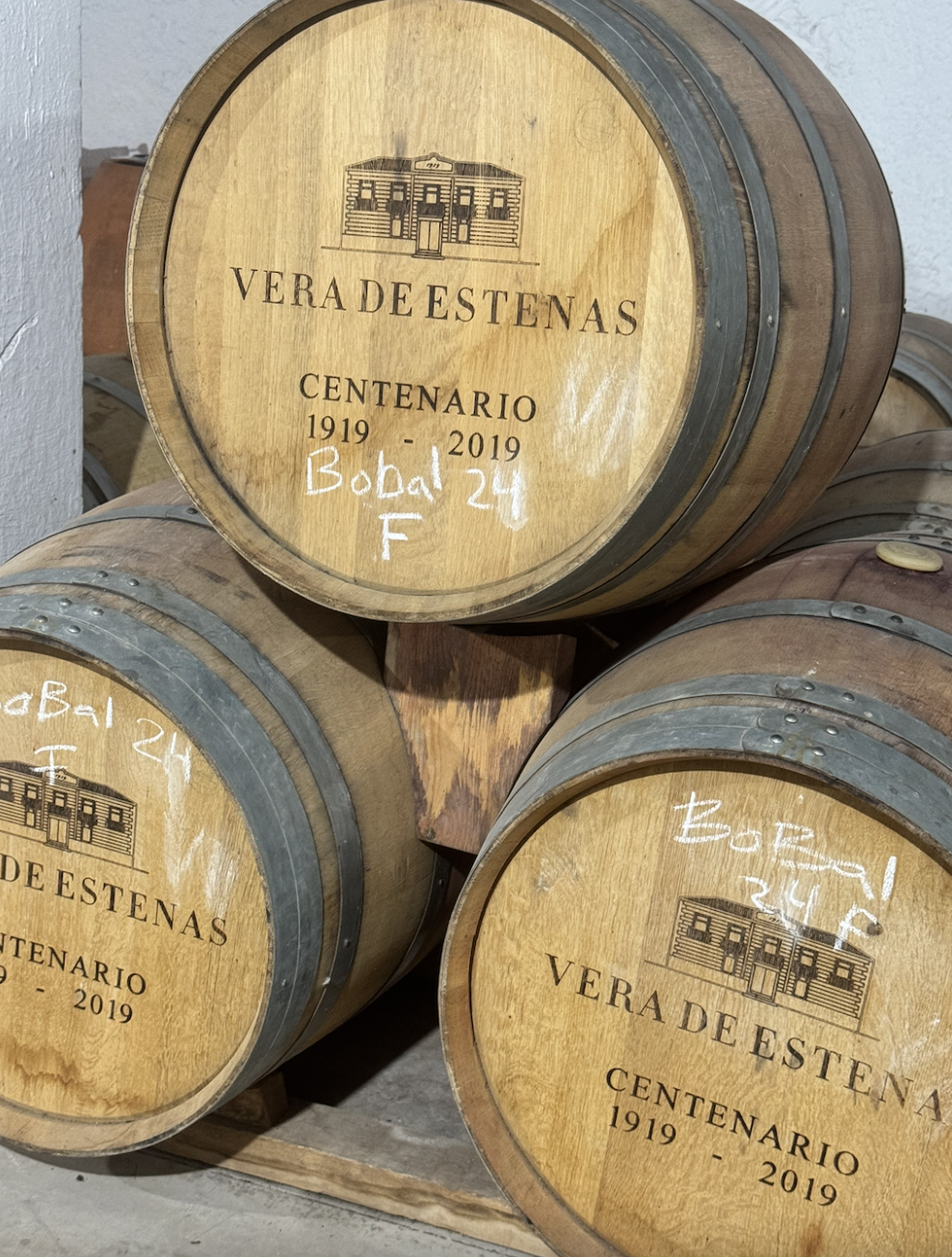
During the tour, visitors taste young wine, explore the cellars, and visit the museum of the family-owned Vera de Estenas winery. Founded in 1876, it now has the status of Pago, meaning that it produces wines protected by a geographical indication. This is essentially a “wine passport” that certifies the wine’s quality and origin.
“For the buyer, this is a guarantee that he or she is receiving wine produced in a specific region from grapes grown precisely there. There are slightly more than twenty such wineries in Spain out of four thousand,” Marat says.
The tour concludes with a tasting of several wines: sparkling, red, and white. In Valencia’s shops, bottles of comparable wine cost from eight to ninety euros.
Related Articles
Beyond Paella: Discovering All i Pebre, Valencia’s Best-Kept Culinary Secret
Deep in the heart of the Albufera wetlands, the fishing village of El Palmar preserves a traditional, rich garlic and wild eel stew that tourist traps completely miss
Loading…
Loading…