
Support La Cotorra on Patreon
Access exclusive content, special perks, and closer connection with us.
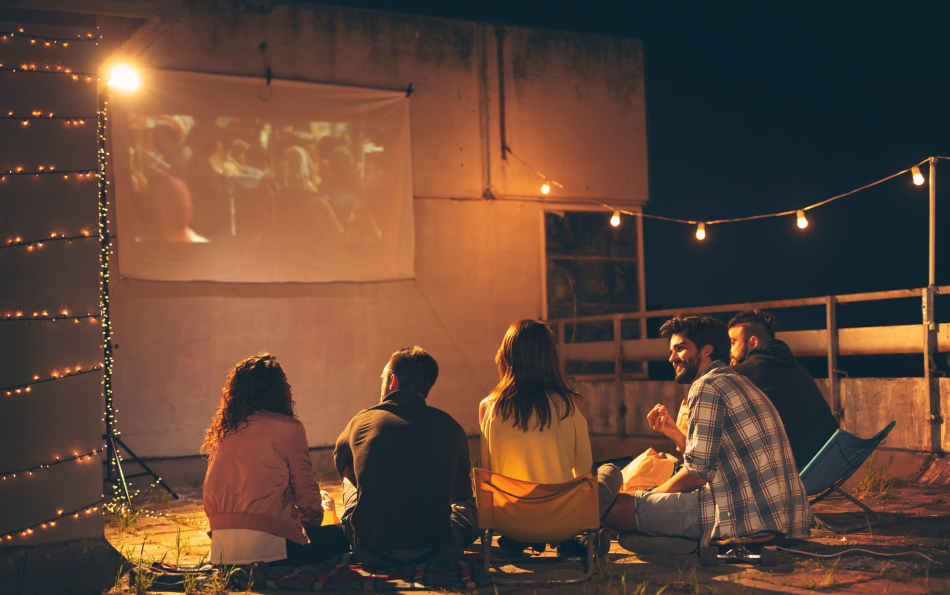
Observing lively groups on Spanish streets and in bars, one might assume that locals are always open to meeting foreigners. Yet forming genuine closeness requires an understanding of national and cultural differences in the very concept of friendship. Making friends among Spaniards is not simple, even for those who have lived in the country for many years. La Cotorra shares several stories of such friendships that began in Valencia.
Over three years in Valencia, Vlad Feklin has made several Spanish friends, and he confirms that the local understanding of friendship differs markedly from the one many of us are used to.
“If, back home, one may go six months without seeing a friend and then meet as though it were yesterday, immediately share something personal and feel close again, here everything is different. Spaniards usually have one or two true friends – often from childhood or university. Social circles are limited and relationships are stable. They rarely ‘cry on someone’s shoulder’, and if you begin complaining, they may consider you depressive and distance themselves,” Vlad explains.
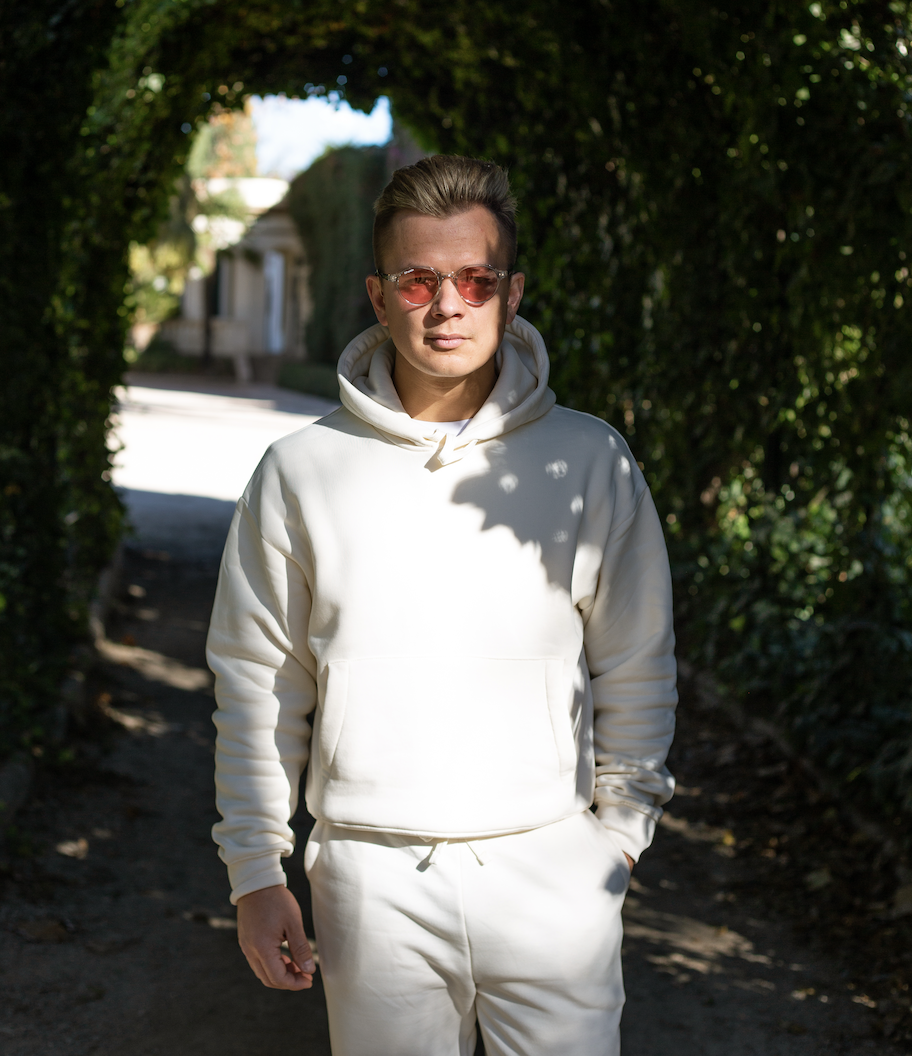
During his years in Valencia, Vlad developed a metaphor for such cross-cultural friendship: “We are like coconuts: hard on the outside and soft on the inside, whereas they are like peaches: behind the sweet flesh there is a stone. We appear reserved, but once someone breaks through the shell, we welcome them as if they were family and share everything. Spaniards, on the contrary, seem open, but only a few are allowed into the stone – the innermost zone of trust. They are not cold; it is simply another model of closeness”.
Vlad managed to befriend two teachers at his language school. “One is twenty-seven, the other around forty. I began to show openness, to joke, even to tease them harmlessly, and gradually we started having lunch together during breaks. Later we began meeting more often and even go to nightclubs sometimes. Our conversations differ slightly from those I have with Russian-speaking friends; we speak about lighter, more carefree subjects,” Vlad says.
Yulia has lived in Valencia for twenty years, and she met her Spanish friends in various places: at work in a Spanish company, in fitness classes, and on English courses.
“Friendship develops best through shared interests: sport, language courses, cookery classes. My Spanish friends and I prepared for exams together, discussed tasks, and gradually became close,” Yulia recalls.
In her view, Spaniards are open, but personal boundaries take precedence. It is not customary to ask about income or request something that requires significant emotional or practical involvement. A refusal will be polite but firm.
Cuentas claras, amistades largas, says a Spanish proverb. Its Russian equivalent is “friendship is friendship, but duty is duty”. Yulia believes this describes the Spanish attitude perfectly: personal relations must not overlap with financial or business matters. In addition, she considers it unwise to initiate conversations about religion.
Based on her experience, friendship in Spain forms more slowly, but if you find common ground, it can be strong and sincere.
Oksana Zaitseva has lived in Valencia for three years. She has met many locals thanks to walking her dog, which often leads to conversations with Spanish dog owners, and through her zumba classes at the gym.
“Friends from my fitness class invited me out for a beer. I went with them once, but realized that my Spanish was not yet good enough to feel confident and relaxed in their company,” Oksana says.
However, at her language school, she became close with Jesús, a retired Valencian musician who was looking for a Russian speaker for language exchange. Jesús is passionate about classical music, and through this interest, he developed a curiosity for the Russian language.
“We meet regularly: we speak Spanish for half the time, then switch to Russian. Usually we simply walk around the city. We can talk about anything, and I can ask him whatever I need as a friend. But I have noticed that he prefers not to discuss deeply personal matters. And, like a typical Spaniard, he lives according to a very structured routine: lunches, siesta, scheduled meetings with relatives, outings, and sport. He always follows his established rhythm,” she explains.
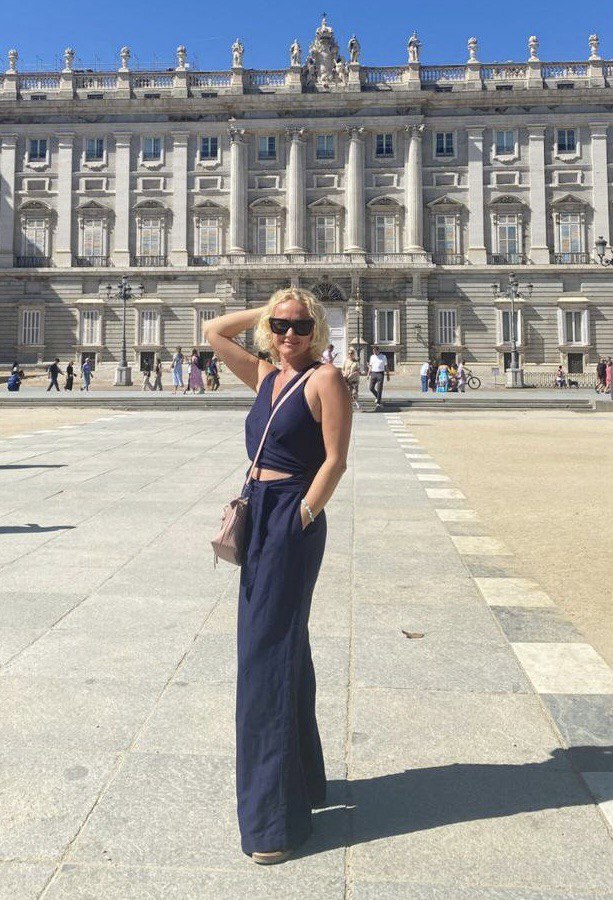
Jesús takes Oksana to Valencia’s landmarks, and invites her to organ concerts and performances by local musicians. Once he even showed her a ‘secret’ beach on the outskirts of Valencia with turquoise water and no tourists – but made her promise jokingly that she would not tell anyone.
Oksana’s eldest daughter is friends with several Spanish classmates; they have formed a close-knit group, often go out together, and invite each other to their homes. But Sunday is considered a family day, and all the girls spend it with their relatives, visiting grandparents. According to Oksana, Spaniards are very family-oriented, and one day a week is devoted entirely to time with loved ones.
Ekaterina did not have any Valencian friends until her family joined a falla (cultural associations made up mainly of neighbors, dedicated to the Las Fallas festival).
“My daughter had been fascinated by Las Fallas since early childhood. She admired the traditional dresses and asked us to attend the ceremonies and parades. She dreamed of becoming a real fallera, dressing like Valencian girls and taking part in all festivities as an equal, not just as a spectator. So we decided to approach our local falla,” Ekaterina says.
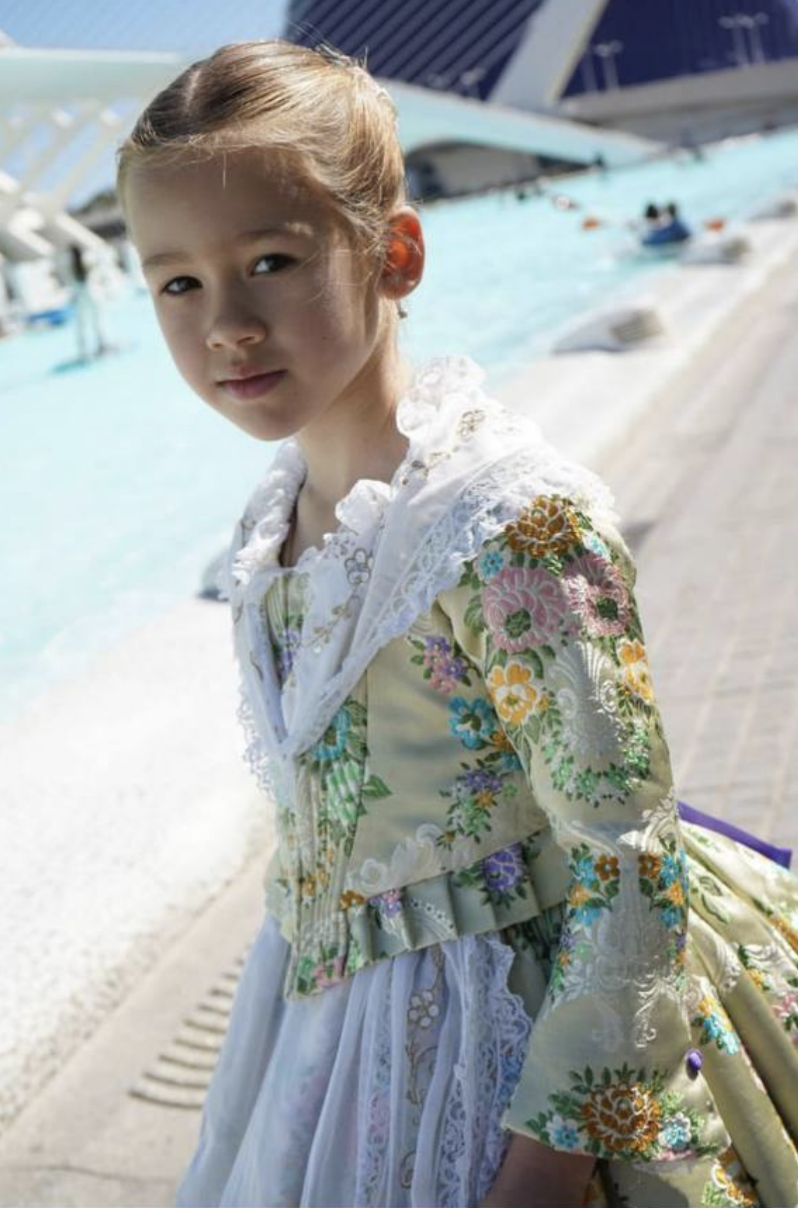
Once they joined, they began to understand the true meaning of the tradition. They saw how relationships are formed within the falla and how dozens of people can live almost like one family.
“We were welcomed very warmly – I did not expect such an attitude towards foreigners. Membership was registered only for the children, as a monthly fee is paid for each participant. My son joined following his sister’s example, and he is now very involved in all activities. During the major celebrations, I am always invited to sit at the table, even though I am not formally a member of the falla,” Ekaterina explains.
She was deeply touched by how warmly the Valencians treat other people’s children. Her son and daughter are treated and played with exactly as the local children are.
“I remember once sitting at the table when my daughter, who was playing nearby, called me. I got up, but they practically sat me back down with the words: ‘Eat in peace, we shall look after her.’ That kind of attitude moves you to the core,” Ekaterina says.
Related Articles
Beyond Paella: Discovering All i Pebre, Valencia’s Best-Kept Culinary Secret
Deep in the heart of the Albufera wetlands, the fishing village of El Palmar preserves a traditional, rich garlic and wild eel stew that tourist traps completely miss
Loading…
Loading…