





Support La Cotorra on Patreon
Access exclusive content, special perks, and closer connection with us.
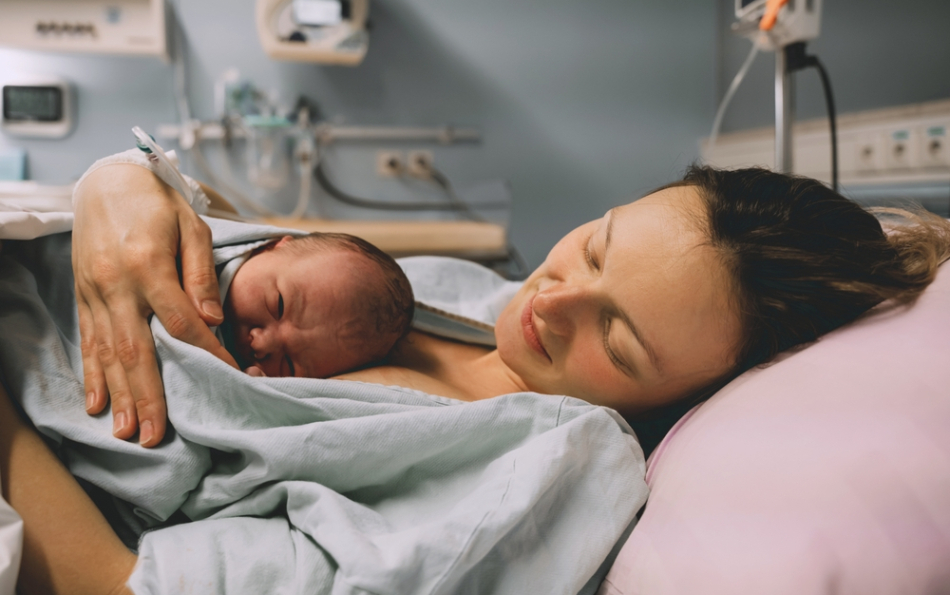
For anyone who has given birth in Valencia, Spain reveals itself from an entirely new perspective. In this article, we explore childbirth in Valencia, including prices, conditions, and real experiences. Incidentally, the national motto tranquila, no pasa nada (which translates from Spanish as “stay calm, everything is fine”) often carries more weight for doctors than the test results of the expectant mother. The management of pregnancy and childbirth is completely different from what many women from the post-Soviet world are accustomed to.
For everyone who has gone through childbirth in Valencia, Spain opens up in a new way. The national motto tranquila, no pasa nada (“stay calm, everything is fine”) seems almost more authoritative for doctors than medical indicators themselves. The approach to pregnancy and childbirth bears little resemblance to practices familiar in the post-Soviet space.
Two months ago, Yulia gave birth to her third child in Valencia. “What is the sex, what name have you chosen?” – these are among the very first questions Spanish doctors ask at appointments. They may then address not the woman herself, but her stomach, using the name of the unborn child. “Olivia, when do you plan to appear?” Yulia recalls, laughing.
She did not want to give birth through the public health system, because student interns are guaranteed to attend the delivery. Her private insurance (sixty-seven euros per month) covered all expenses, and the tests were practically unlimited. “I could take as many tests as I wished, as a ‘anxious mother’,” Yulia says. Without insurance, the entire process would have cost at least two to four thousand euros.
Admitting women to a prenatal ward for several days “just in case”, as is common in Ukraine or Belarus, is unusual here. Nor is it customary to call an ambulance at the first signs of labour.
You are expected to get to the hospital on your own, and I worried that I would have to travel at night when it is difficult to find a taxi. One Valencian acquaintance of mine ended up giving birth in her car on the way to the hospital,”
Yulia says
However, all anxieties disappeared upon arrival at the hospital, where a midwife in gloves was already waiting for her. Doctors stayed with her constantly and were exceptionally caring and humane. “I was constantly offered water, help with braiding my hair, or even a change of lighting. I asked for pink light, since a girl was being born,” she says. For Yulia, the experience was overwhelmingly positive. More so because the midwife present at her delivery in Valencia was the same one who had helped her two older sons come into the world in St Petersburg. In Spain, however, this midwife acted not as a staff clinician but as a doula.
Under Spanish law, one companion may be present during childbirth: a mother, a friend, or a doula – historically an experienced older woman, and now often a private consultant who supports the mother emotionally and helps with practical matters. Such a service costs between eight hundred and two thousand euros.
Furthermore, in Spain, fathers are permitted to be present at the birth at no cost, both in public and private hospitals. This right is explicitly stated in legislation.
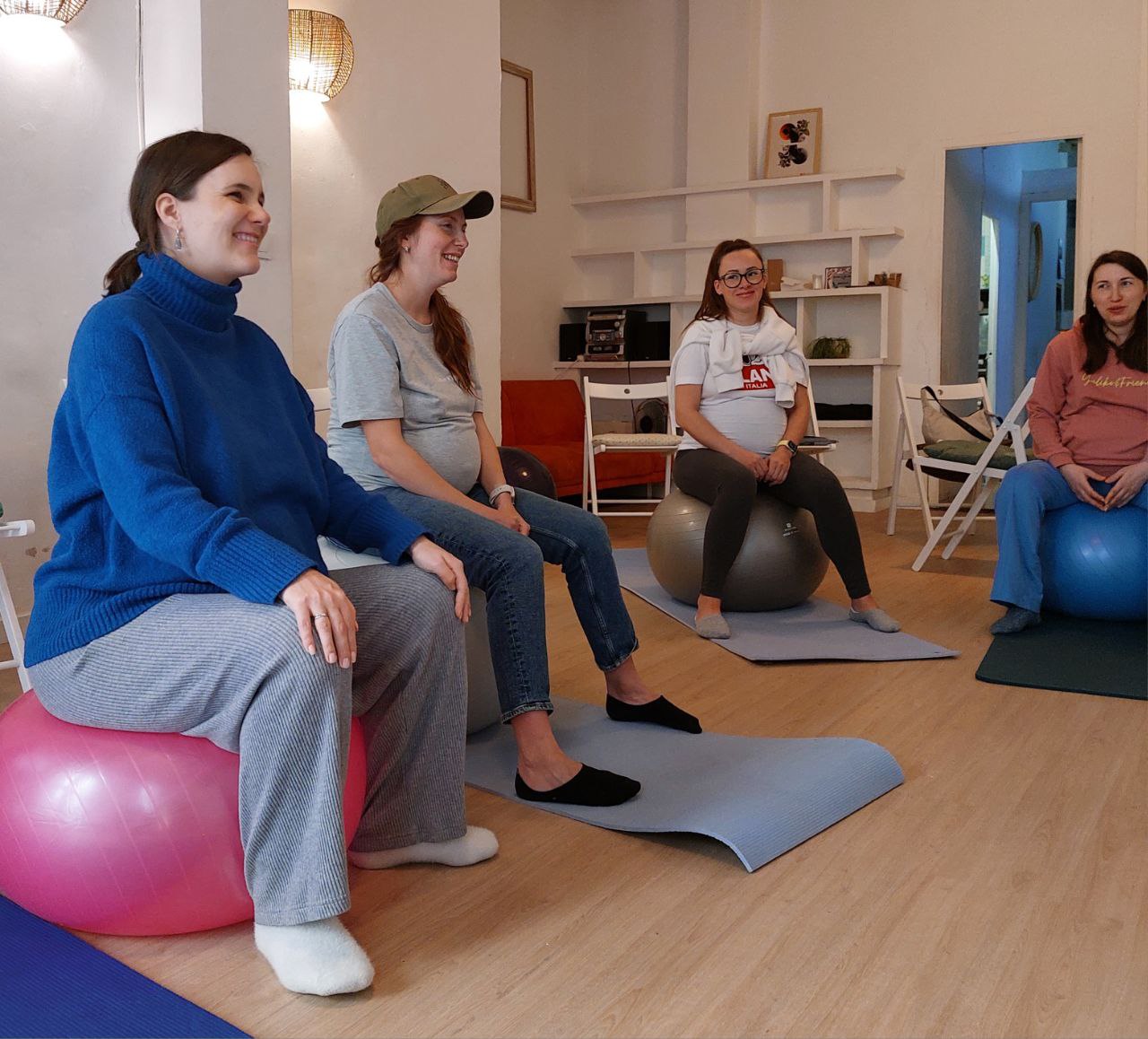
Anna Kiseleva is widely regarded as Valencia’s most prominent doula. Within two years of living in Spain she founded the “Pregnant Club” and opened the country’s first Russian-language in-person antenatal classes.
“For expectant mothers, it is very important to speak not only with a friend, but with another pregnant woman. This is true at home, and more so in emigration, when stress accumulates,” Anna explains. “That is how the idea of the Pregnant Club emerged, and it operates free of charge".
With her professional background as a midwife, Anna also accompanies pregnant women as both doula and interpreter – three roles in one. “The first thing that surprises newcomers is the absence of numerous medical appointments. Blood tests, ultrasounds, and screenings are carried out at least twice as rarely as we are accustomed to. Instead of consultations every two weeks, there is a visit every six weeks. Spanish doctors seem to place more trust in the woman’s own sensations. Referrals to endocrinologists, ophthalmologists, or dentists are made only when there is a clear reason. On the one hand, the expectant mother is not frightened or overwhelmed, but as a medical professional, I see the other side: some issues may be missed,” she says.
And no one will attempt to preserve an early pregnancy. Until ten weeks, everything is left to nature, and medical intervention is minimal
“One might assume that with such an approach, childbirth would proceed as naturally as possible, yet Spanish women almost universally choose epidural anesthesia. They receive the injection and then sit on their phones. No birthing dances, no exercise balls, none of the traditional practices. Russian-speaking women whom I accompany are urged immediately upon arrival to have pain relief, even when their plan is different. And when someone manages to insist on a natural birth without anesthesia, it is the Spanish medical students who are the happiest: it is a rare chance for them to see the process as nature intended,” Anna explains.
For pregnant women in Spain, Anna advises choosing an insurance policy rather than focusing solely on the doctor, because insurance determines every subsequent step. The differences in price and conditions can be substantial. When choosing private insurance, one must clarify whether pregnancy management and childbirth are covered. Often, the initial policy excludes these services for the first ten months.
Under Spanish law, public hospitals must accept a woman in labour even without a social security number (SIP). However, the patient’s solvency will later be assessed, and a bill may be issued if deemed appropriate. The cost can range from two thousand euros (natural birth) to four thousand euros (caesarean section).
Elena Belenkova gave birth to her middle child in Istanbul and her youngest in Valencia. “Turkey is excellent for ‘worried mothers’; the system is more familiar. In Valencia, even with private insurance, everything is extremely relaxed. Tranquila, no pasa nada, in one phrase,” Elena laughs.
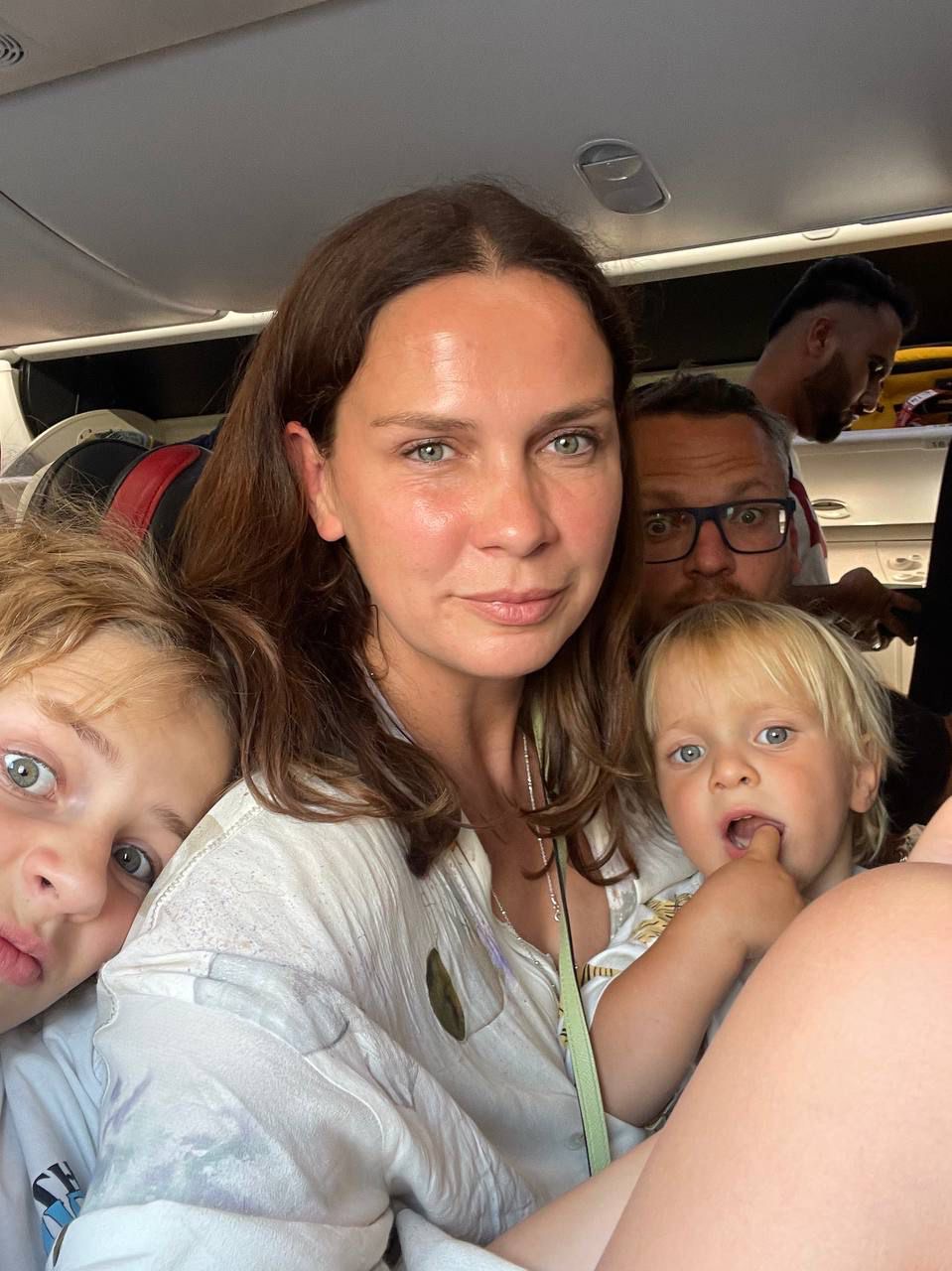
Instead of a thick stack of medical documents, she received a single sheet tracking her pregnancy. She was due for her third caesarean section. In Russia, for example, doctors would have prescribed multiple additional examinations to prevent complications. In Valencia, her pregnancy was not considered high-risk.
In many other respects, however, Spanish clinicians are remarkably accommodating. Elena was allowed to choose her child’s date of birth herself, and the operation was scheduled precisely on the day – and even the hour – selected by her astrologer. She and her baby were discharged on the second day, which felt exceptionally early.
“In Spain, newborns do not receive a tuberculosis vaccine, which is mandatory in many post-Soviet countries (usually on the third or fourth day). Therefore, there is no reason to remain in the hospital,” Anna Kiseleva explains.
There is no system of postnatal home visits. Nor are there any of the traditional celebrations familiar to Russian-speaking women: discharge from the maternity ward is no different from leaving the hospital for any other reason, even a broken leg. No flowers, no envelopes, no ceremonial photographs.
For Spanish mothers, childbirth is a calm and straightforward process in every respect – from paperwork and tests to communication with medical staff and interaction with the baby. Baby girls often have their ears pierced directly in the maternity ward to avoid causing stress at an older age. Families attend medical appointments – and certainly ultrasounds – in full, including grandparents. Newborns are given gold jewelry, bracelets, or medallions, and photo sessions in the style of a Spanish princess or a miniature torero are common.
However, Spanish maternity leave is short, and mothers usually return to work three months after delivery. The most forward-thinking families plan the timing of childbirth so that the baby is born in May. In that case, the standard sixteen-week maternity leave can be supplemented by an additional month of summer holiday.
Related Articles
Beyond Paella: Discovering All i Pebre, Valencia’s Best-Kept Culinary Secret
Deep in the heart of the Albufera wetlands, the fishing village of El Palmar preserves a traditional, rich garlic and wild eel stew that tourist traps completely miss
Loading…
Loading…