






Support La Cotorra on Patreon
Access exclusive content, special perks, and closer connection with us.
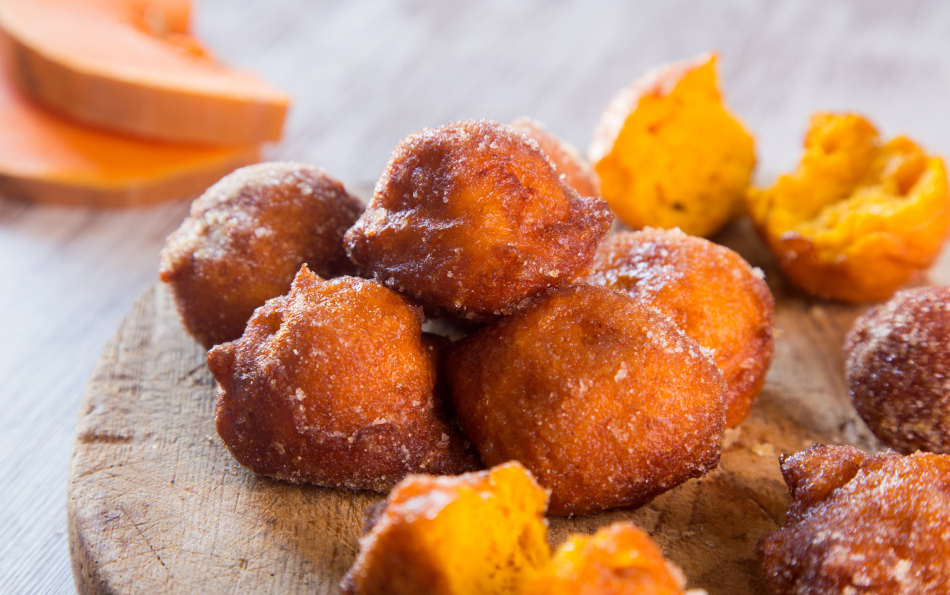
During Las Fallas, there is almost always a line outside the Bunyols Bienve stand in the Ruzafa neighborhood for its famous pumpkin fritters (buñuelos). For Valencians, they are as essential to the festival as firecrackers and fireworks, and tourists usually learn about this historic stand from food bloggers. The owner of Bunyols Bienve told La Cotorra how Las Fallas’ most popular dessert is made.
The line moves slowly, but people know the wait is worth it. The Bonet family runs the stand; the current owner, Amparo, represents the third generation, and today her children and grandchildren help out. The fritters are made using a family recipe, entirely by hand and only with fresh pumpkin. The prep space where the dough is made is located next to the kiosk. At the entrance to the small room are crates of pumpkins, and on the stove, large pots of chopped pumpkin pulp are already simmering.
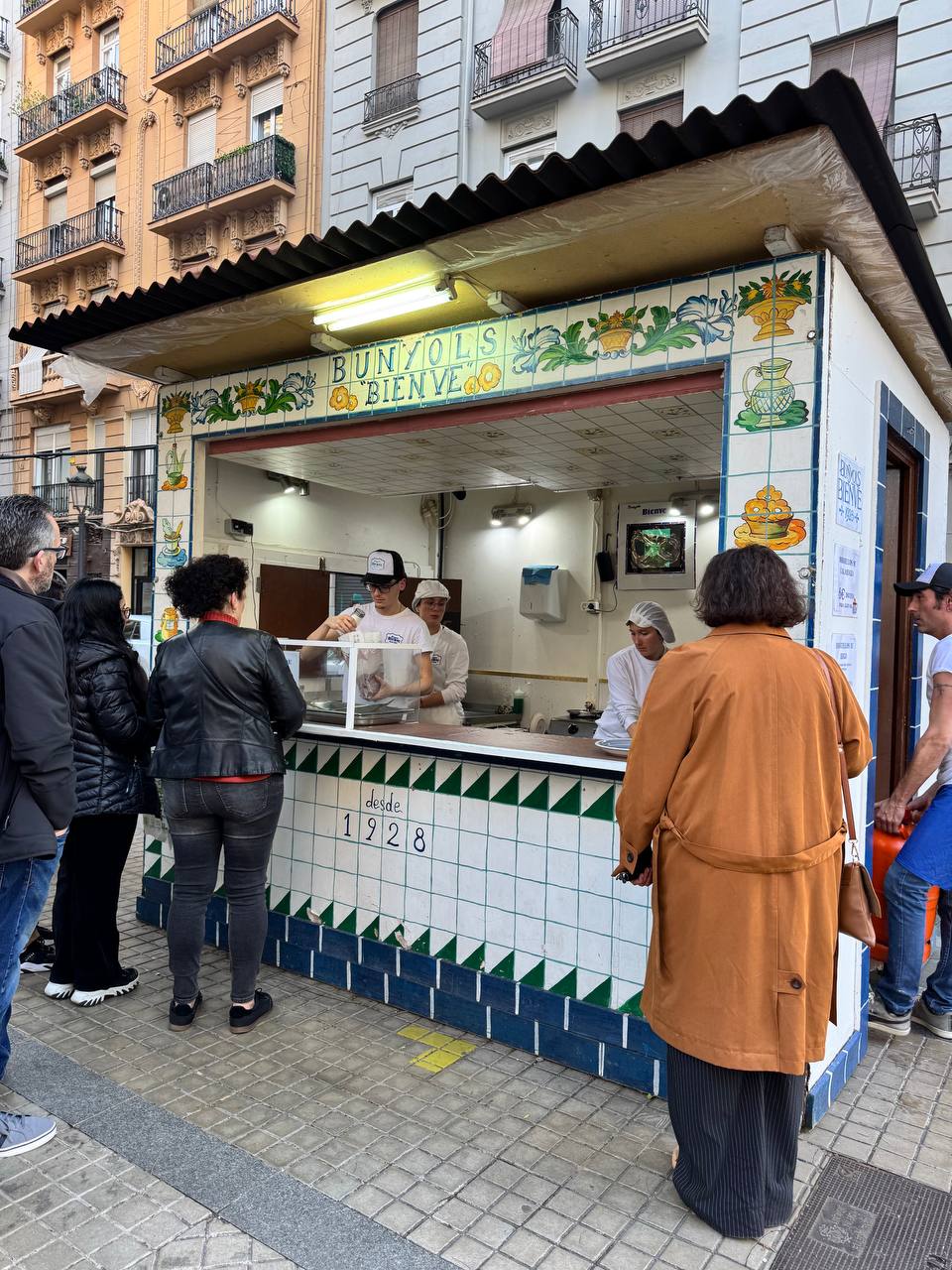
Almost every minute, Amparo answers phone calls: the stand serves not only the people in line, but also numerous orders placed by phone. During the festival, they fry fritters on an industrial scale.
Bienve’s story began in 1928. Back then, the current owner’s grandmother ran a bar opposite the Ruzafa market and fried fritters right there. Later, the family business moved to its current location. The stand keeps an album of family photographs, which Amparo happily shows to visitors.
“I started helping at the stand when I was 11, combining it with school, because we only fried fritters during Las Fallas. Of course, I had another full-time job, but I never abandoned the family business,” Amparo says.
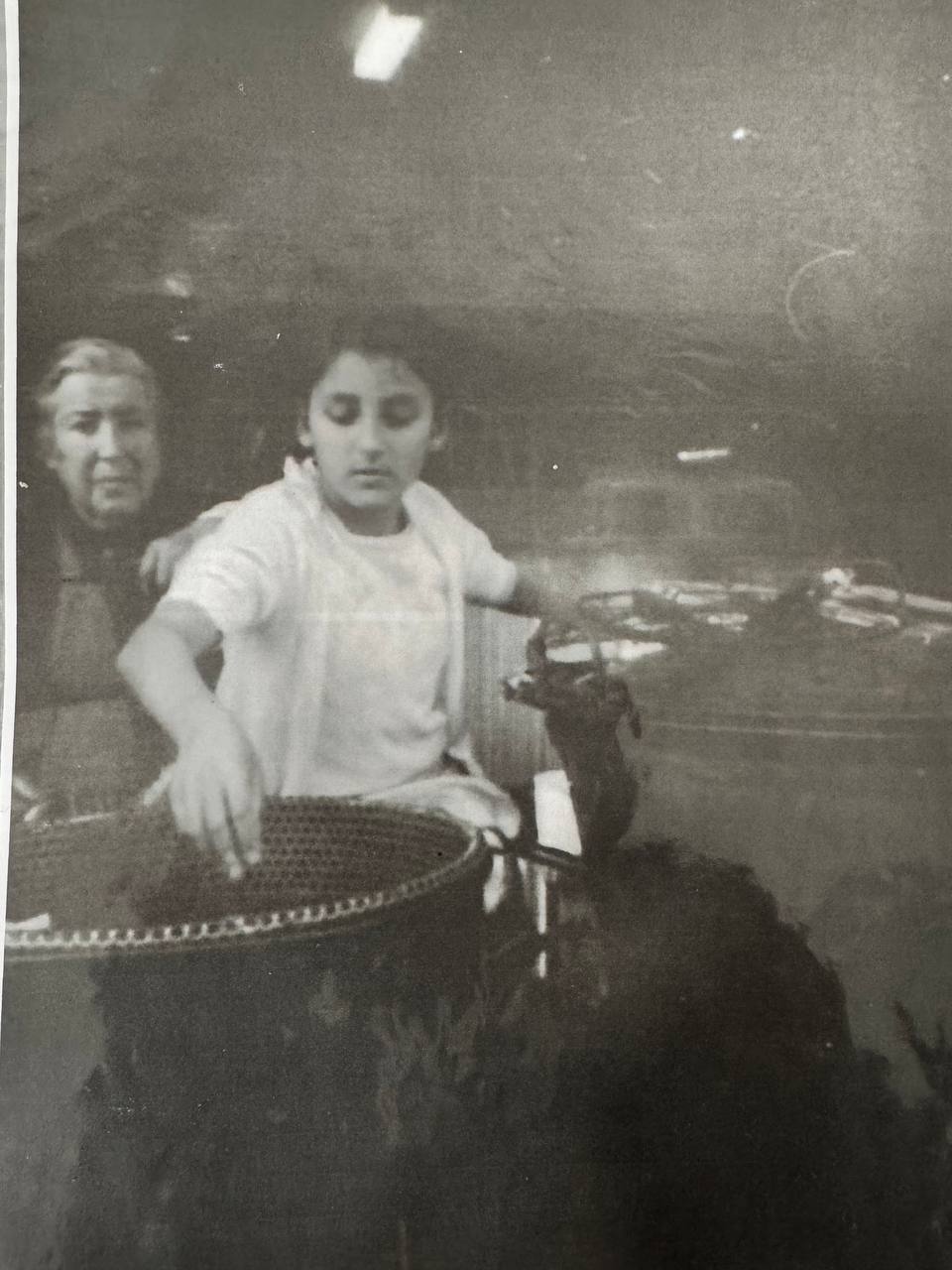
Her grandmother had made her promise to fry fritters in Ruzafa for 50 years in a row. Amparo proudly says she kept her word — recently she celebrated 50 years since she began working in the family business. All this time, she has stuck to the very recipe her grandmother passed down to her.
“Real Valencian buñuelos are made like this: natural pumpkin mashed into a purée, and a bit of flour. The dough is fried in hot oil. You can sprinkle sugar on top if you like,” Amparo explains.
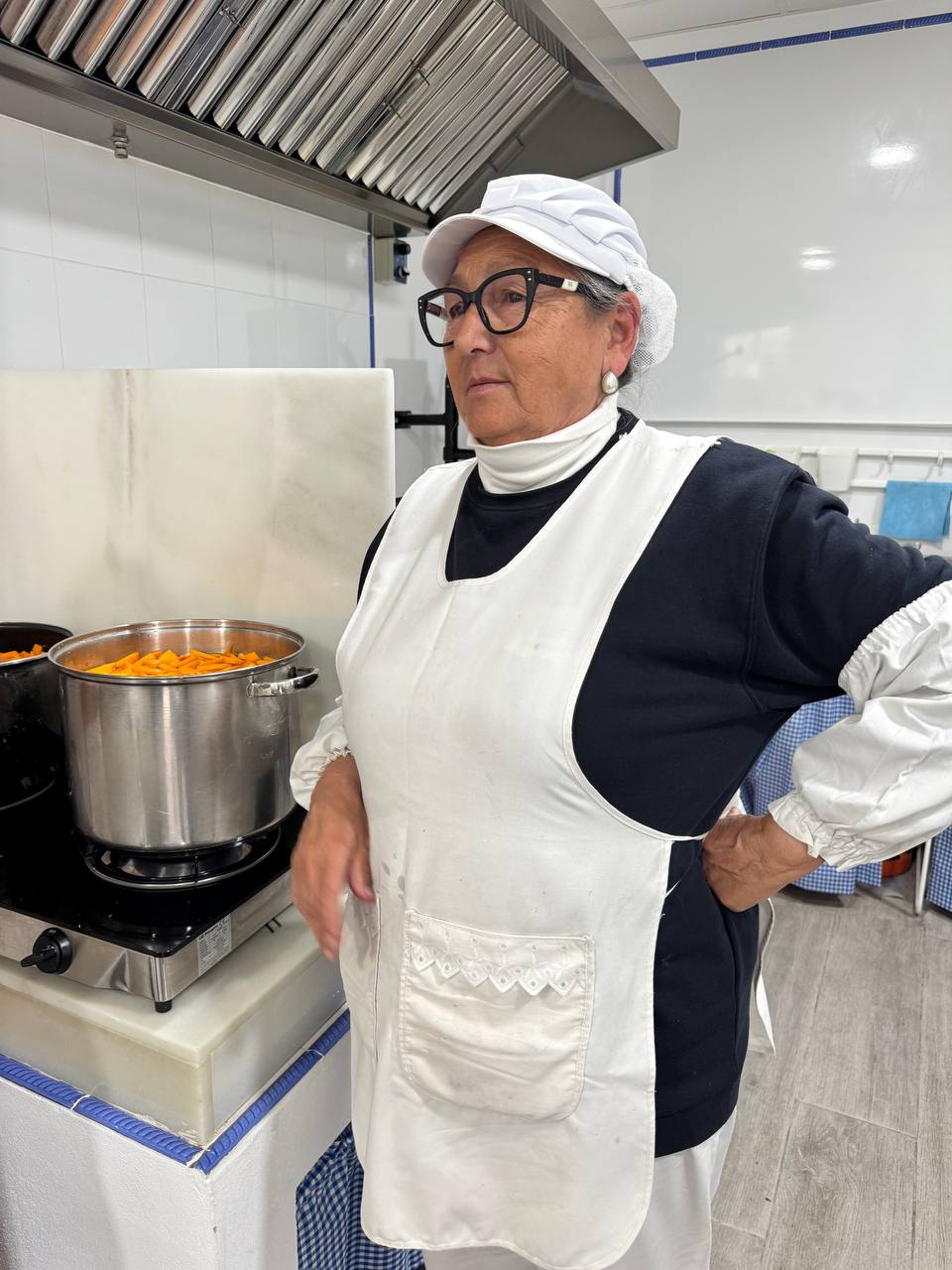
They buy their pumpkins from farmers in the Vilamarxant area, known for dense, sweet fruit, and the quality of the pumpkins determines the taste of the dough. Another popular item at the stand is fig fritters, also made from a family recipe. They are noticeably more expensive than the pumpkin ones: a dozen costs €10, while a dozen pumpkin fritters sells for €6.
The street kiosk operates seasonally — from late February to late March. Almost the entire family takes turns working there, alongside their regular lives. Today, Amparo’s daughter Adriana is at the stove: she quickly pinches off portions of dough, moves her hand to the sizzling pan, makes a hole in the dough ball on the fly, drops it into the oil, and flips the fritter just seconds later.
“During Las Fallas, my brothers, my nephews, and I are here almost all the time. Everyone has their own life and their own responsibilities, but we come to help — it’s a family business,” Adriana says.
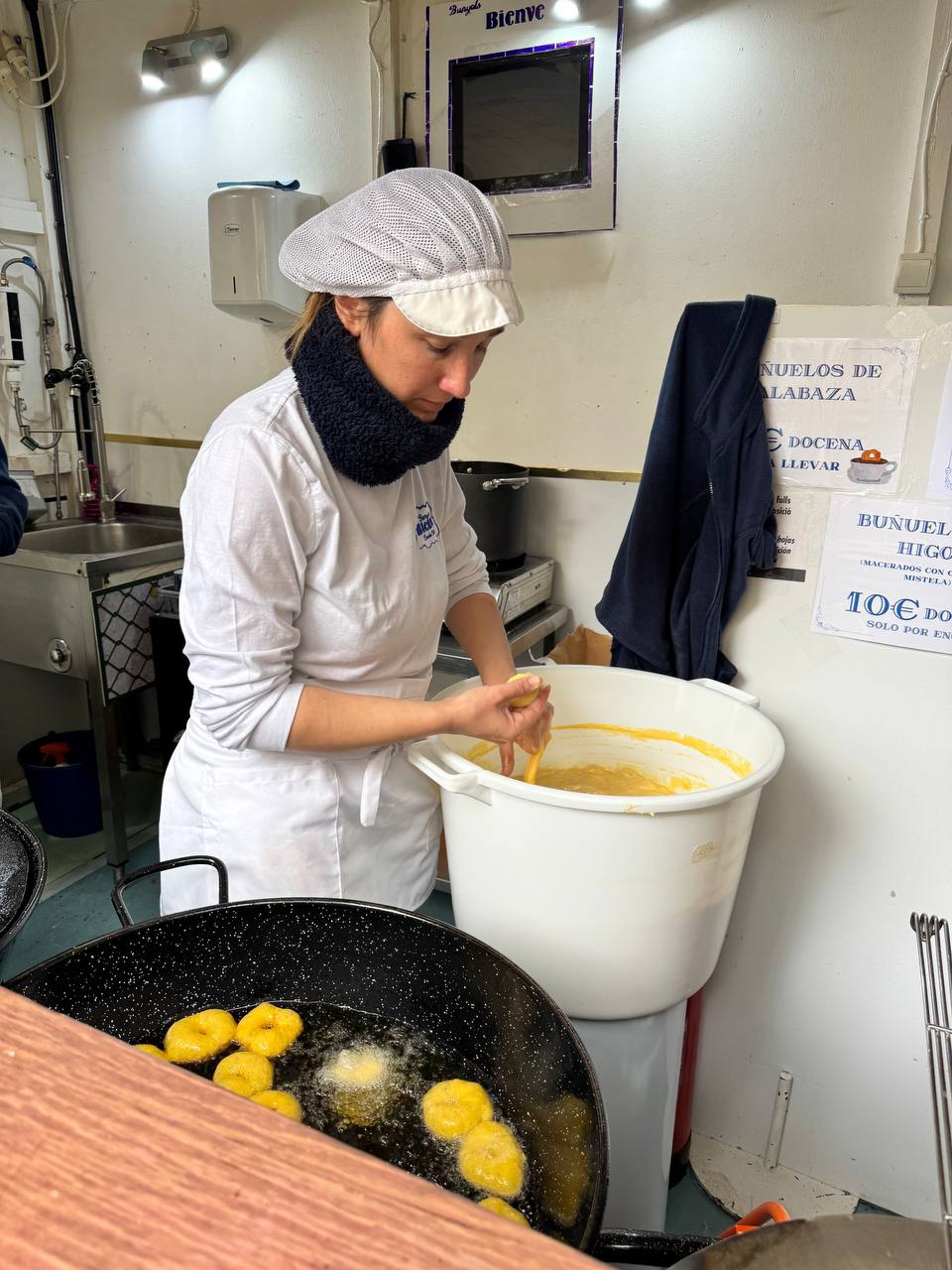
In the past, the stand only operated during Las Fallas. Now, Adriana says, the family has opened a small permanent location where they plan to make fritters year-round.
Many Valencians have been coming here for decades. Some ate these fritters as children and now bring their grandchildren. A few years ago, the stand was unable to obtain its street-trading permit on time (all temporary street kiosks must renew their permits every year), and the owners weren’t sure until the very last moment whether they would be able to open for the festival. At that point, Ruzafa residents rallied to defend the historic stand, and Bunyols Bienve did open in time after
Related Articles
Beyond Paella: Discovering All i Pebre, Valencia’s Best-Kept Culinary Secret
Deep in the heart of the Albufera wetlands, the fishing village of El Palmar preserves a traditional, rich garlic and wild eel stew that tourist traps completely miss
Loading…
Loading…