01
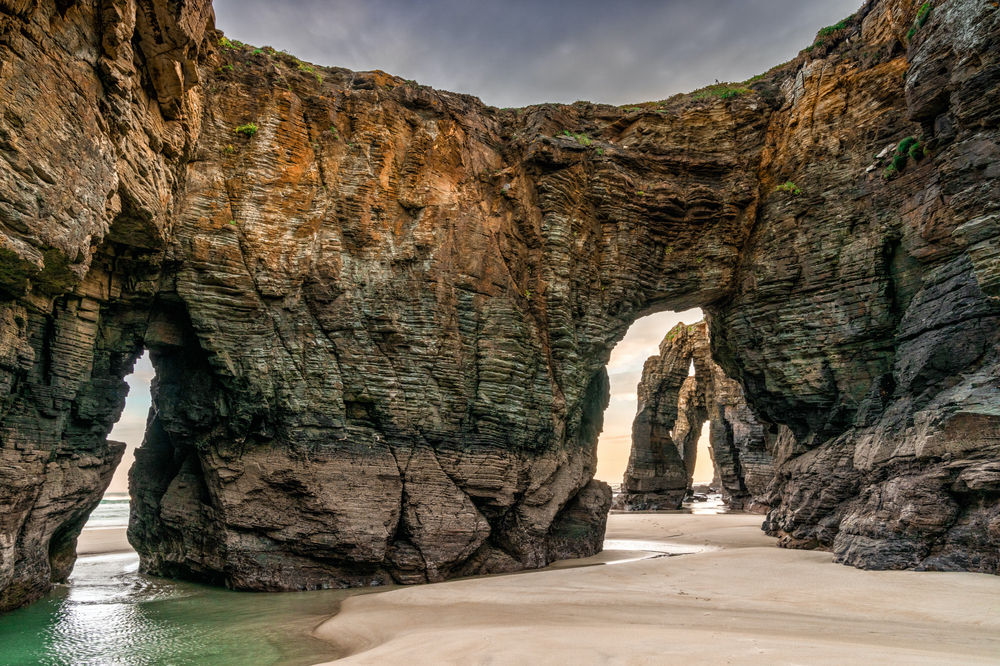
Playa de las Catedrales (Cathedrals Beach), Galicia
Spain has long earned its reputation as one of the world's premier beach destinations. Its coastline stretches for thousands of kilometres, offering secluded coves, sweeping sandy beaches, and dramatic sea cliffs. In this guide, La Cotorra has handpicked the absolute best beaches—spacious, with fine sand and stunning views over the Atlantic or the Mediterranean.
Each of these spots captivates with its distinct beauty—some wild and rugged, others soft and easily accessible. While many of these locations were once secret havens known only to locals, today they are open for everyone to explore.
This beach on the Cantabrian coast is considered one of the finest in the country and regularly tops international travel rankings. Located near the town of Ribadeo, the season runs from May to October. Before visiting, it's highly recommended to check the tide table (marea alta means high tide, marea baja is low tide)—access to the beach is only possible during low tide. Here, you can walk beneath soaring slate stone arches, explore caves, vaulted ceilings, columns, and hidden alcoves. Locals often refer to this beach as La Catedral del mar—"the cathedral of the sea." The beach is equipped with a bar, toilets, and parking. During Easter week and from July 1 to September 30, visiting requires a free reservation, which can be booked on the Xunta de Galicia website.
This breezy, two-kilometre stretch of fine golden sand and rolling dunes is nestled within the natural park of the same name, just a 10-to-15-minute drive from two of the region's popular tourist towns—Comillas and San Vicente de la Barquera. Visitors flock here for the emerald waters of the Atlantic Ocean, the near-total absence of commercial development, panoramic views of the Picos de Europa National Park, and, above all, long hiking and cycling walks. The best months to visit are June, July, and September, and it’s best to arrive in the morning. Surf spots are available, and you can easily walk to neighbouring towns along scenic hiking trails. The beach offers everything needed for a comfortable day out: showers, drinking water, parking, and a beach bar.
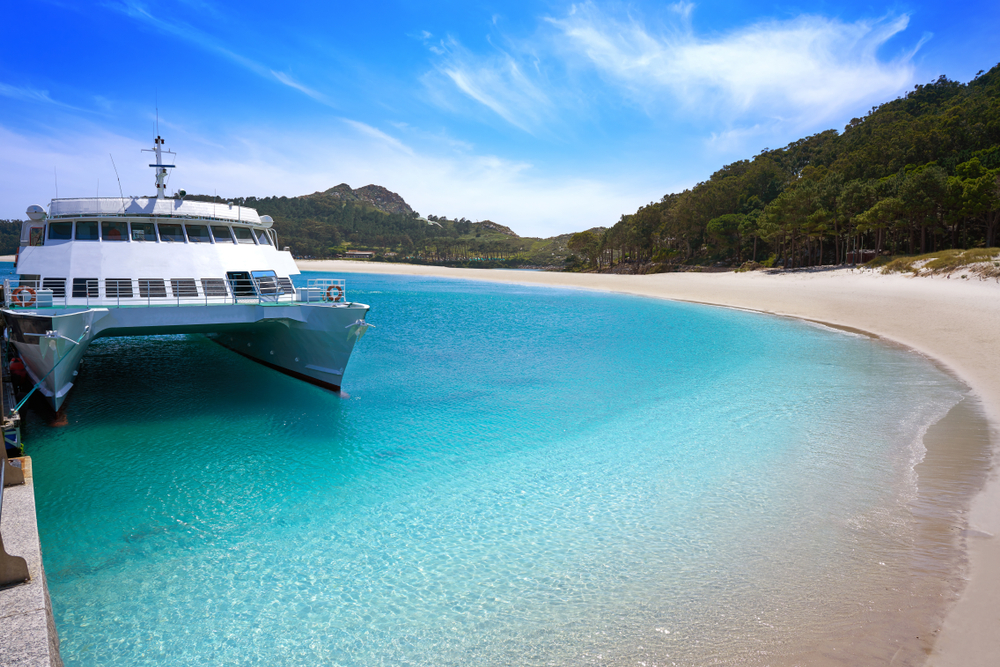
The 1.2-kilometre Rodas Beach is located on the Cíes Islands (las islas Cíes) off the coast of Galicia. Famous for its sugar-white sand and crystal-clear (though quite brisk) waters, it has earned a reputation among locals as "the Caribbean of Spain." In 2007, this slice of paradise topped the list of the world's 10 best beaches by the British newspaper The Guardian and has frequently appeared on "best of" lists ever since. For 40 consecutive years, the beach has been awarded the Blue Flag—a continuous winning streak shared by only seven other beaches in Spain.
In 2018, a maximum daily visitor limit of 2,200 people was introduced for the Cíes Islands. You can secure your entry permit on the Xunta de Galicia website.
How to get there: by ferry from the ports of Vigo, Baiona, Sanxenxo, or Portonovo; travel time is about 40 minutes.
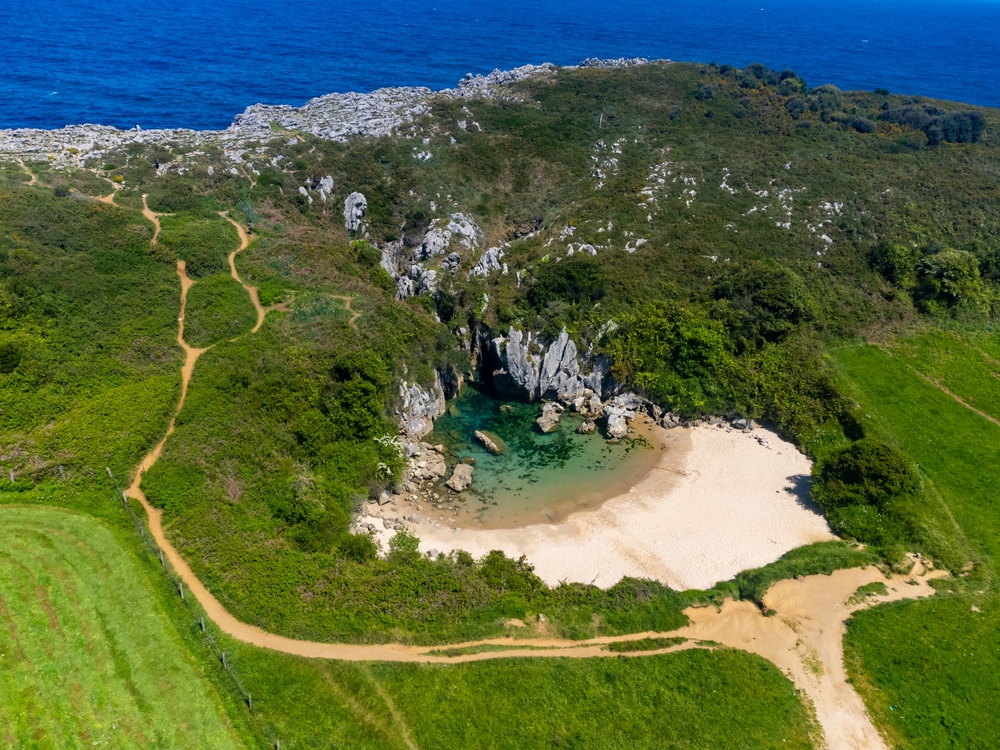
The municipality of Llanes boasts 38 beaches and coves scattered along its 56-kilometre coastline: from the unusual inland Gulpiyuri Beach (Playa de Gulpiyuri) and the surfers' favourite San Antolín (Playa de San Antolín) to beaches marked with the Q quality certificate (a Spanish award granted to tourism establishments for excellent service, safety, and comfort—La Cotorra).
Two beaches deserve special mention: Poo Beach (Playa de Poo) is famous for its unique funnel shape; during high tide, it transforms into a calm, safe, and wind-sheltered lagoon with fine sand and warm water, making it the perfect spot for families with young children. Torimbia Beach (Playa de Torimbia) is a stunning, tranquil stretch of sand with magnificent sunsets and a designated nudist zone. The parking lot is quite a walk away, and a small beach bar operates here during the summer months.
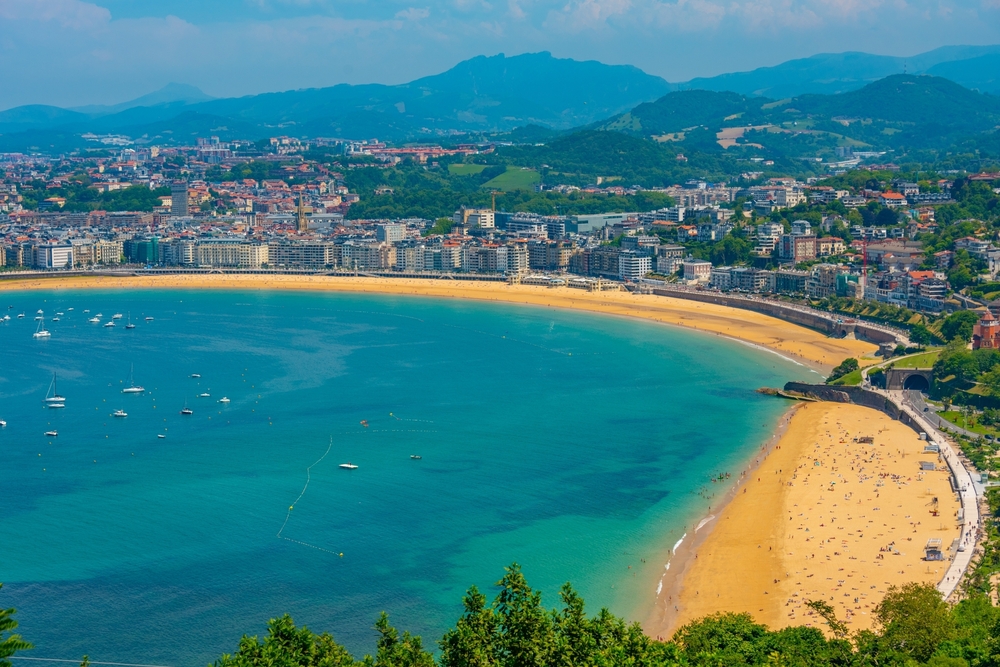
The name of this shallow, sandy beach in the heart of San Sebastián translates to "seashell." It is easily one of the best urban beaches in the country: in 2007, it was named one of the "12 Treasures of Spain" by Spanish media, making it the only beach to feature among the nation's symbolic landmarks.
It is the ultimate destination for those looking to blend a beach getaway with world-class gastronomy and city life: swim with views of the Miramar Palace, stroll along the elegant promenade, or watch the sunset with a glass of Txakoli—the Basque Country’s signature white wine. The Old Town is just a short walk away, offering the perfect introduction to Basque pintxos and cuisine.
Be sure to keep an eye on the tides: during high tide, the water reaches nearly to the stone wall, leaving almost no sand visible.
The longest beach in Galicia stretches for seven kilometres of pristine water. It lies along the Costa da Morte ("Coast of Death"), a name earned from numerous 19th-century shipwrecks in the area. Despite its sombre name, this coastline boasts a series of breathtaking beaches, with Carnota being the crown jewel. In 2022, The Guardian included it in its list of the 40 best beaches in Europe, praising its raw beauty and well-planned tourist infrastructure. The bay is framed by dunes and low-lying shrubs. Keep in mind that this is the Atlantic, so do not expect the warm waters of the Mediterranean. However, the surrounding scenery more than makes up for the cooler dip. The beach features showers and parking, and the nearby marshes are excellent for birdwatching.
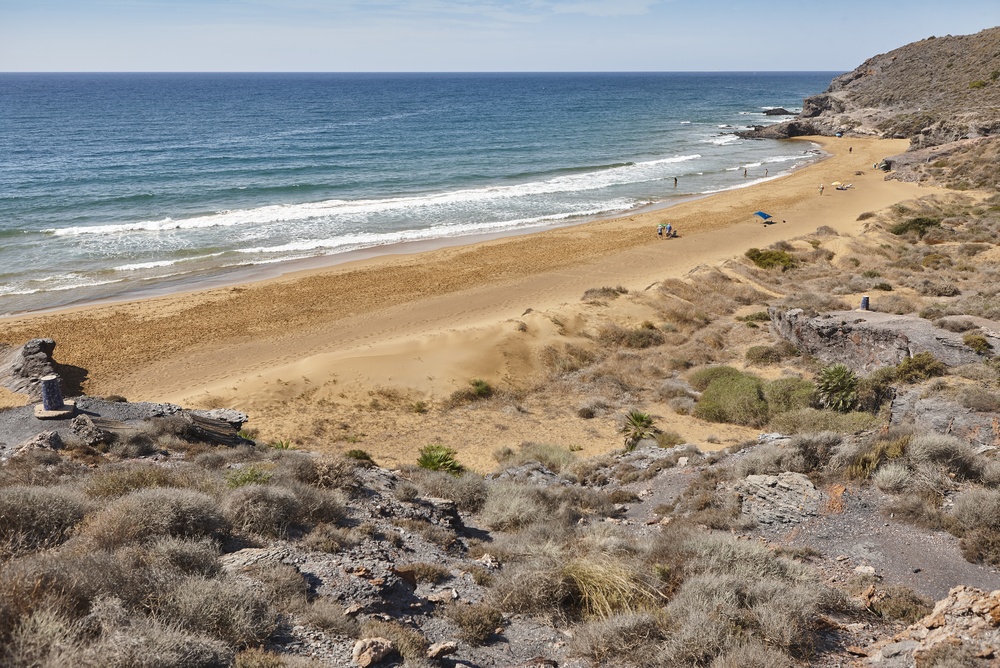
One of Murcia’s finest beaches is wild, sandy, and boasts crystal-clear waters framed by arid mountains within the Calblanque Regional Park (Parque Regional de Calblanque). The park’s entire shoreline is a sequence of pristine beaches and untouched coves. As a truly wild beach, it has no chiringuitos (beach bars), showers, sunbed rentals, or boardwalks, keeping the crowds low even in high season. Lifeguards are on duty in the summer. It is perfect for snorkelling with kids and taking a complete break from civilisation. Be sure to bring insect repellent, plenty of water, and snacks. Cartagena, the nearest major city, is 30 kilometres away. During the summer, you can drive to the free parking lot in about 40 minutes and then catch a shuttle bus that runs every 20 minutes. In the low season, visitors can drive directly down to the beach.
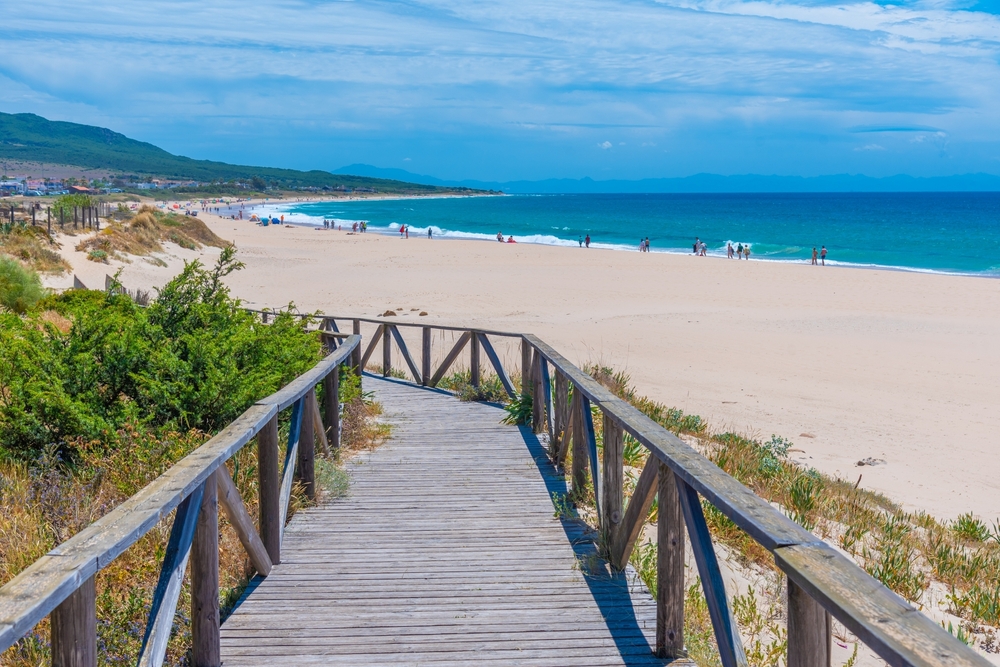
This spectacularfour-kilometrer beach lies a 20-minute drive from Tarifa within the El Estrecho Natural Park (Parque Natural del Estrecho), looking straight across to Africa. It features everything that makes a beach perfect: fine white sand, crystal-clear water, sea breezes, and misty mountains on the horizon. Climbing the famous giant dune rewards you with a breathtaking panorama of the Atlantic Ocean. Development here is modest but comfortable: you'll find a few beach bars, sun loungers, small shops, and even a pharmacy. It is accessible only by car.
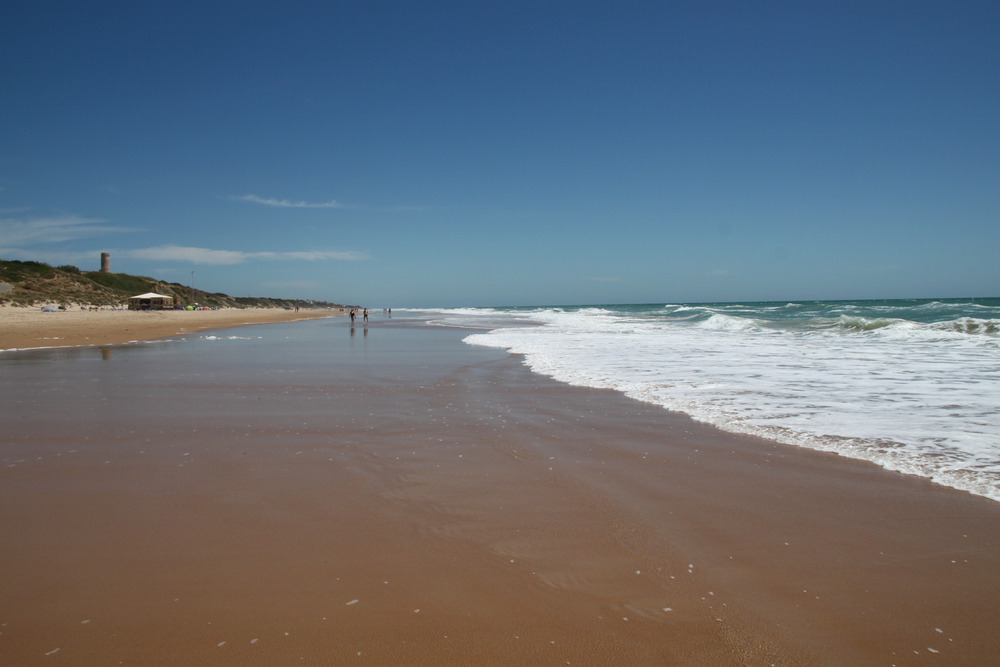
Stretching for eight kilometres with golden sand and pristine waters, this beach sits along the Costa de la Luz ("Coast of Light") in the province of Cádiz. Awarded the Blue Flag, it offers visitors a mix of full-scale beach infrastructure with luxury hotels, golf courses, and superb chiringuitos, as well as wild, unspoiled stretches of sandbars. It's a paradise for sybarites, gourmands, and lovers of dolce far niente.
The area is also rich in history: in 1811, it hosted one of the most critical events of the Peninsular War—the Battle of Barrosa, where Anglo-Spanish forces defeated Napoleon's army. In memory of the event, a park was created next to the beach, home to two historic artillery pieces, the Bermeja Tower, and several obelisks. The park is perfect for a peaceful stroll, and a restaurant operates here during the summer.
The beaches of the Canary Islands offer more than just white sands and turquoise waters. For the past 500 years, the islands have remained untouched by war; the last major battle fought here took place in 1496 when the Spanish Crown conquered the archipelago. For those seeking absolute peace on the shore, there is no better place in Spain.
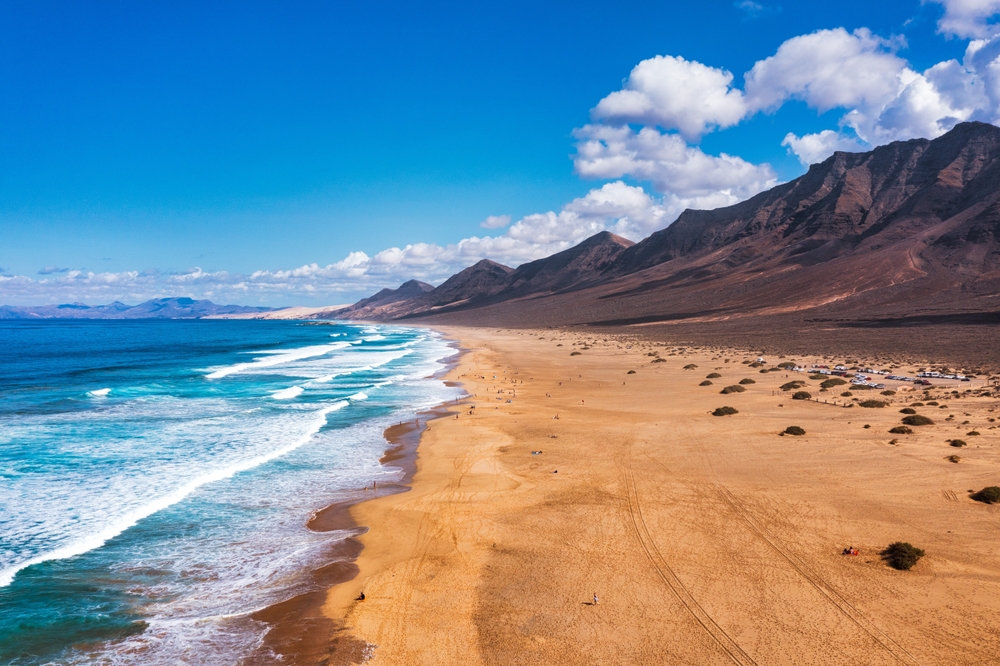
Wild, hypnotic, and mysterious. This 12-kilometre beach in southern Fuerteventura is one of the largest and least developed in the Canary Islands, often described as a true heaven on earth. The journey to reach it is long and rough, but the reward is unmatched: walk along endless golden sand, admire the powerful Atlantic Ocean from the lookout points, gaze at the majestic Jandía mountain range, and explore the legendary Villa Winter with its intriguing history. Swimming here, however, is highly dangerous due to strong winds, undertows, and powerful waves.
A 4x4 or jeep is highly recommended for the drive. Guided tours start around €57 per person. From Morro Jable, the number 111 public bus run by Tiadhe travels to Cofete village; tickets cost €8.70 one way. The village itself, located a 20-minute walk from the beach, features local bars and restaurants.
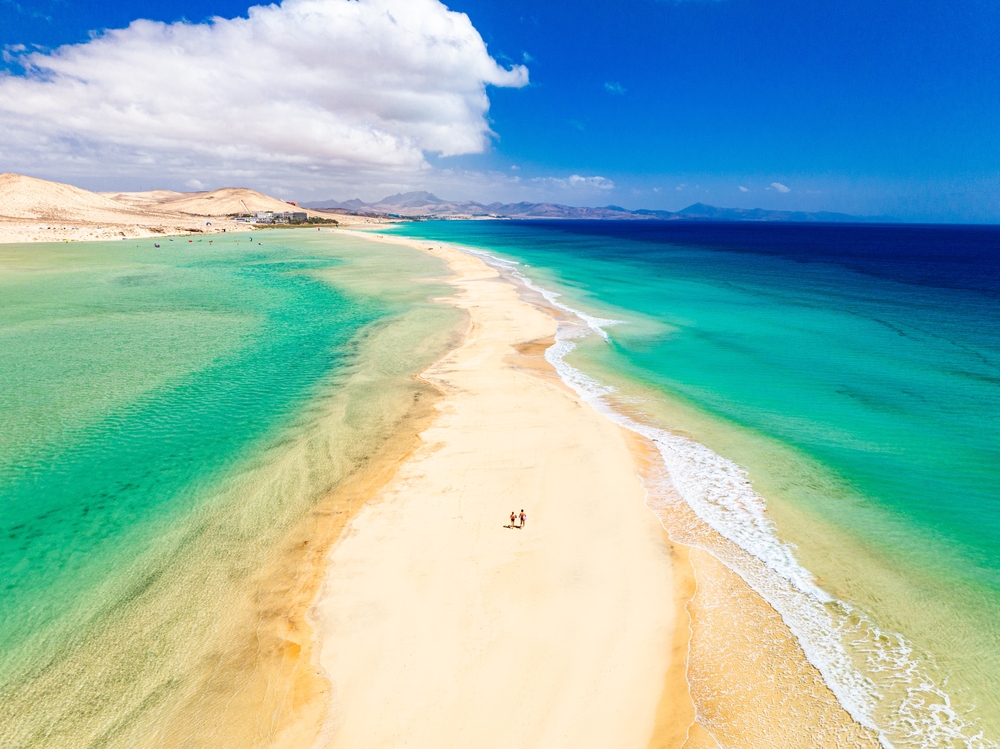
If luxury means shallow waters, warm tidal lagoons, pristine sand, and an almost complete absence of crowds, then this five-kilometre beach on the southeast coast of the island belongs on your bucket list. The shoreline is divided into five areas: La Barca, Risco del Paso, Mirador, Malnombre, and Los Canarios. There is space for everyone—from windsurfers to families with children and nudists. The sweeping landscape is best viewed from the Sotavento viewpoint (Mirador de la Playa Sotavento). Be sure to pack snacks, as the nearest beach bar is back towards Costa Calma. The beach also proudly hosts the annual Windsurfing and Kiteboarding World Cup.
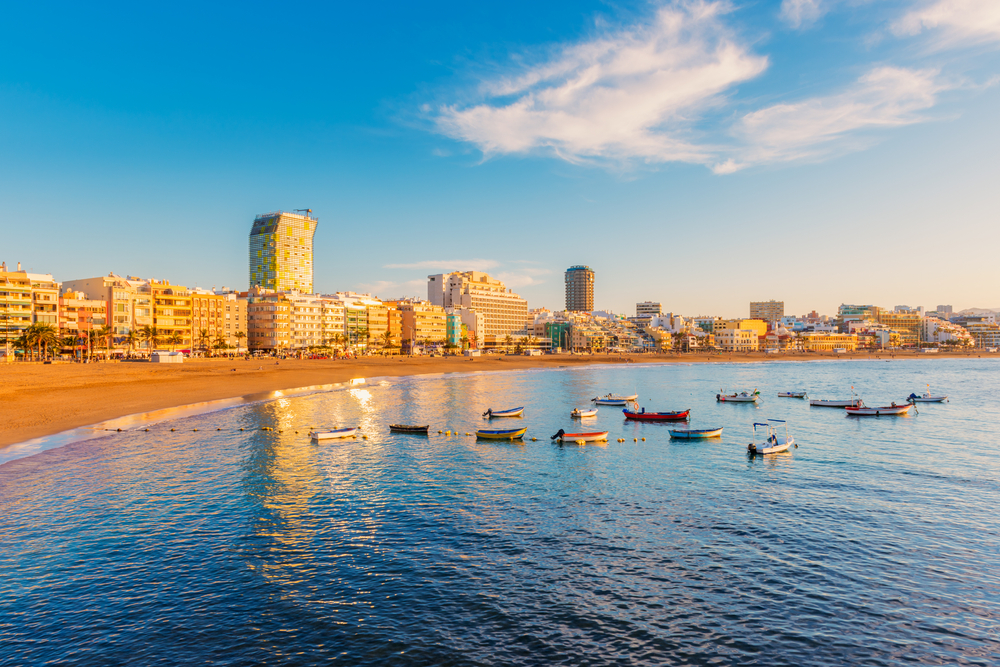
The main city beach of Las Palmas de Gran Canaria is a golden three-kilometre ribbon of sand. It is shielded from the rough open ocean by a natural volcanic reef, which acts as a giant wavebreaker to create a calm, pool-like swimming area. It is fully equipped with toilets, showers, volleyball courts, and beachside restaurants. It was the first beach in the Canary Islands to be awarded the Blue Flag.
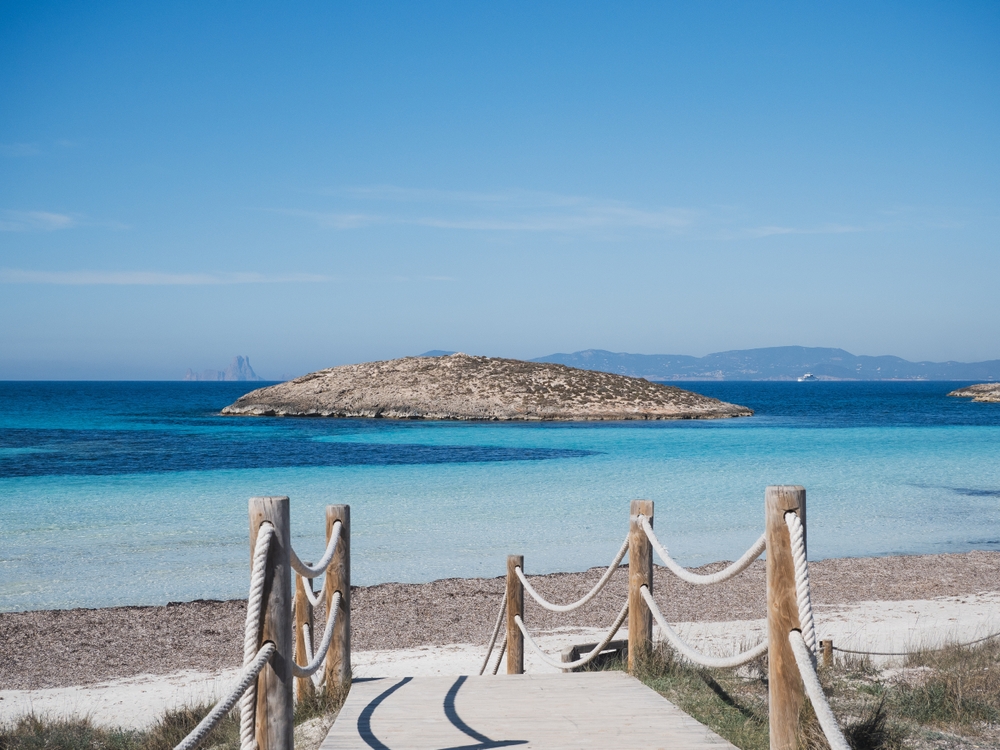
"The Pink Beach"—as locals call it due to fine fragments of coral and marine microorganisms—is considered the most Instagrammable spot on the island. It is shallow, calm, and about 500 meters long, with incredibly soft sand. Here you can enjoy the warm sea, rent a boat or kayak, take a boat tour, go snorkelling, try paddleboarding, or simply walk along the sandy spit. Sun loungers and umbrellas are available for rent, and a beach bar sits just 50 meters away. You can reach it by ferry from neighbouring Ibiza, followed by a bus to the Ses Salines d'Eivissa and Formentera Natural Park.
Entry fees: Free on foot or by bicycle; €3–4 for motorcycles; €5–6 for cars. Find more details on the official island website.
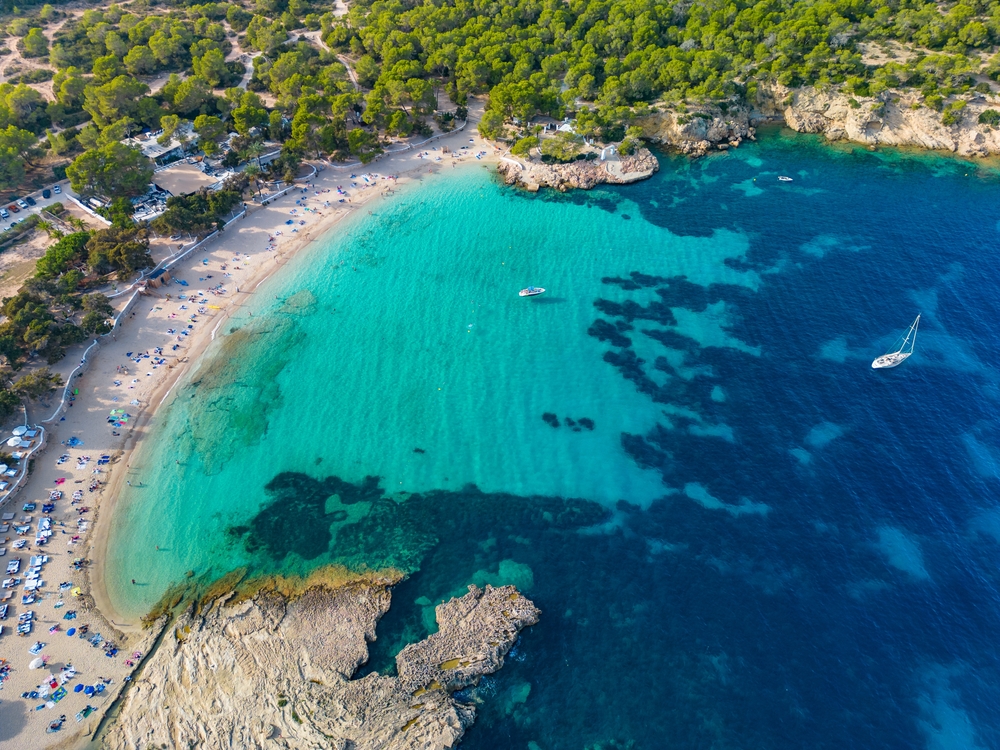
In 2025, this beach was named the "Best Beach in Spain" by the readers of Condé Nast Traveller magazine. Small, at only 300 meters long, it features crystal-clear turquoise waters, golden sand, and a uniquely bohemian beach club atmosphere. It is fully equipped with sun loungers, umbrellas, changing rooms, shops, restaurants, and bars. An ancient pine and juniper forest shades the beach, keeping it secluded. It is accessible by bus, car, or ferry from San Antonio.
Related Articles
Extreme Heat Returns to Spain, Set to Approach 45°C
After a brief weekend break, temperatures in eastern Spain and the Balearics will climb toward 45°C by midweek, worsened by Saharan dust as AEMET monitors a potential new heatwave
Loading…
Loading…