1
The Expat: Barcelona
Directed by Whit Stillman, 1994
Setting: Barcelona

Film critic Nikita Lavretsky, writing specially for La Cotorra, introduces a range of émigré archetypes (without promising that you will recognise yourself among them).
The Expat: Barcelona
Directed by Whit Stillman, 1994
Setting: Barcelona

Did you know that a whole cohort of American filmmakers associated with the same generation of intellectual 1990s indie cinema once made a conscious decision to relocate from the United States to Europe? Among them were Wes Anderson, Hal Hartley, and, of course, Whit Stillman. Some stayed in Europe for five years, some for ten, and some still live in Paris today. It is precisely these deliberate, privileged immigrants who call themselves expats, although according to the dictionary the term can refer to anyone who has left their homeland. Their main concern is not survival, but image — how locals perceive them, immigrants, through the prism of the foreign policy of their countries of origin. This is exactly what preoccupies the characters of Barcelona. The film would be utterly unbearable were it not for the fact that in Stillman’s screenplay every single line of dialogue consists entirely of brilliant aphorisms and razor-sharp punchlines.
The Political Émigré: The Flight
Directed by Aleksandr Alov and Vladimir Naumov, 1970
Setting: Constantinople and Paris

Over the course of a hundred years of Russian emigration, the scale of the phenomenon has shrunk, but its dramatic spirit has remained unchanged. The canonical Cannes-screened film The Flight is based on Mikhail Bulgakov’s play, which he wrote drawing on the memories of his wife, herself an émigrée. As a result, it offers a highly subjective, at times hysterical, yet consistently truthful view of White émigré life. After an extraordinarily expensive, large-scale first episode depicting battles in Crimea, the film shifts into a fever-dream-like act portraying émigré existence in Constantinople: cockroach races, generals reduced to begging, and a heroine who spends almost the entire film in a catatonic stupor. Political emigration, by definition, is not bound by the laws of physics or common sense; it flows from reasons that, on reflection, are invented, and both now and a hundred years ago it has been capable of producing surreal outcomes.
The Refugee: The Other Side of Hope
Directed by Aki Kaurismäki, 2017
Setting: Helsinki
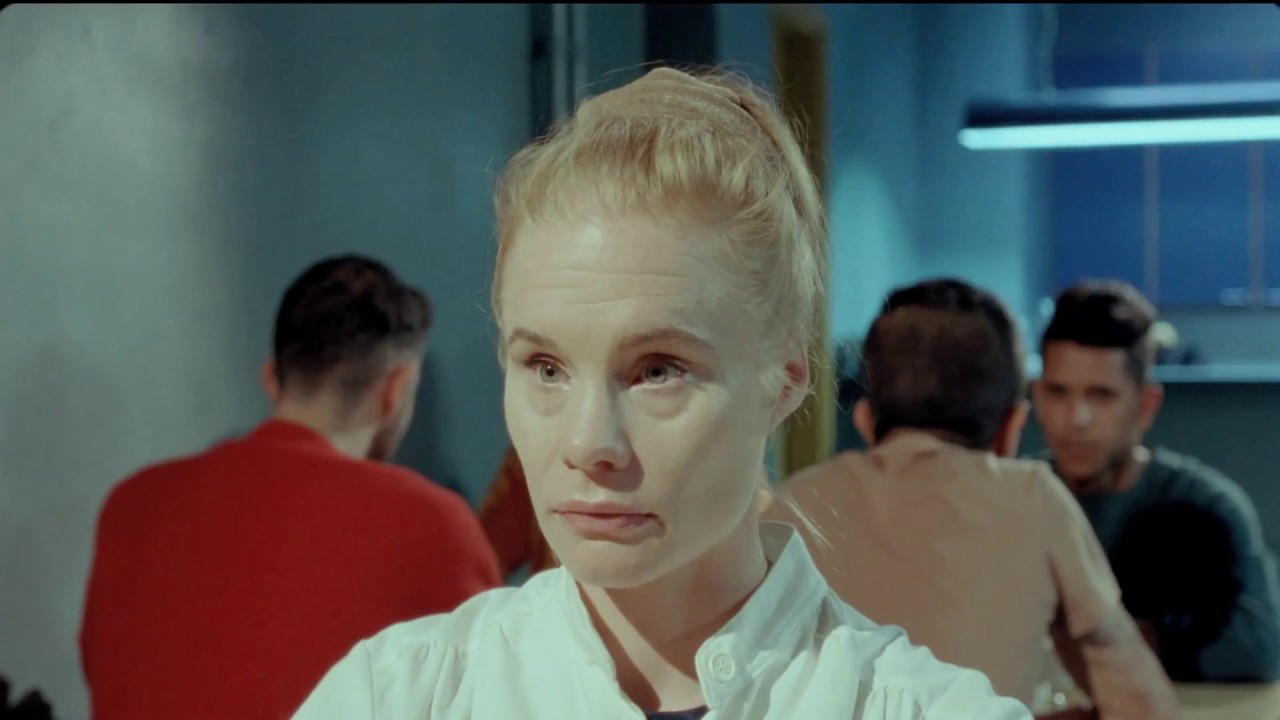
A refugee is someone for whom nothing awaits at home except war and death. As a result, realistic cinema about such a character — one who ends up in the hell of detention camps and psychological trauma — is almost impossible to watch. The only solution is to make a fairy tale deliberately, as Aki Kaurismäki does in The Other Side of Hope. His protagonist is a romantically noble Syrian, and the situations he encounters in his new job and life are essentially fables and anecdotes. Yet, as always with Kaurismäki, the emotional truth of life is found in small details: mournful faces, filthy walls, and unmotivated acts of cruelty and mercy.
The Neo-Slave: Black Girl
Directed by Ousmane Sembène, 1966
Setting: Antibes, France
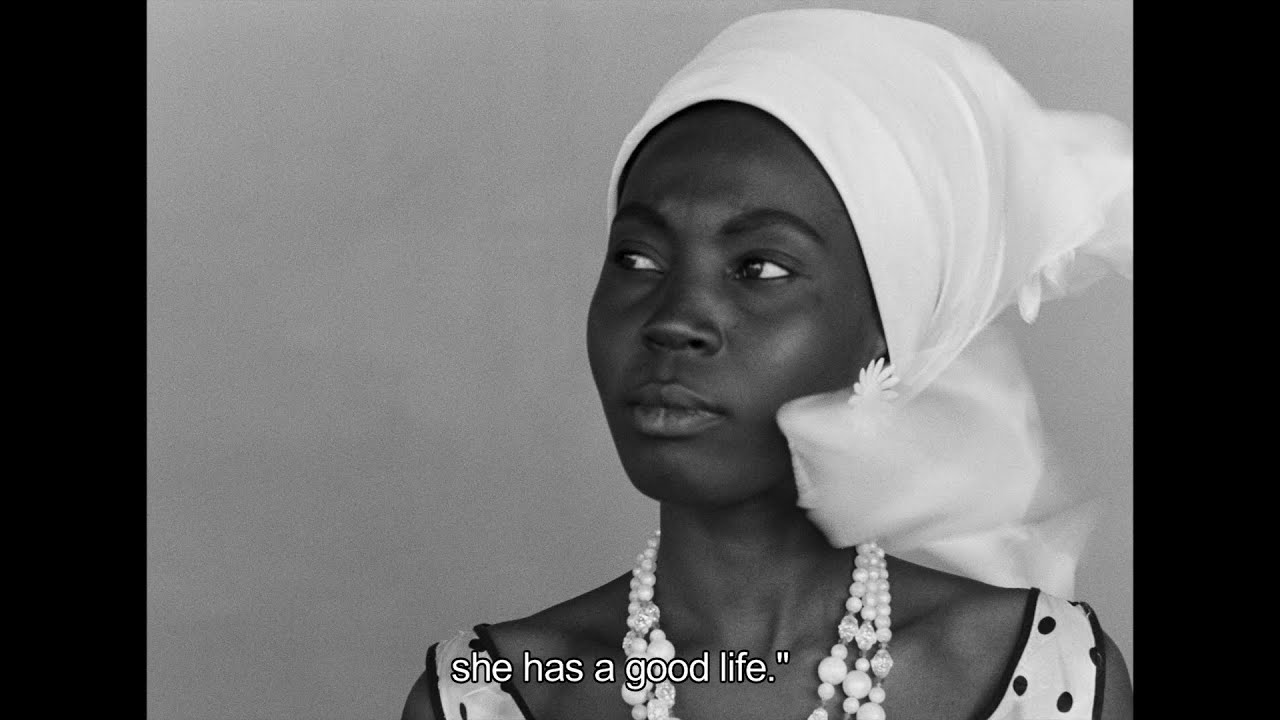
If you think slavery exists only in history textbooks, try reading the Wikipedia article on modern slavery. Labour for wages barely sufficient for subsistence, the absence of freedom to change employer without risking the loss of one’s home, and social isolation — all of these are its defining features.
The heroine of Black Girl is a poorly educated village girl who, seduced by the French dream, goes to work as a nanny on the Côte d’Azur, only to become a live-in domestic servant who never leaves her employers’ apartment. Sembène constructs the narrative in a strikingly modern way, relying almost entirely on voice-over, so that at a certain point the film begins to resemble an extended series of heart-rending TikTok vlogs.
The Hustler: Prince of Broadway
Directed by Sean Baker, 2008
Setting: New York
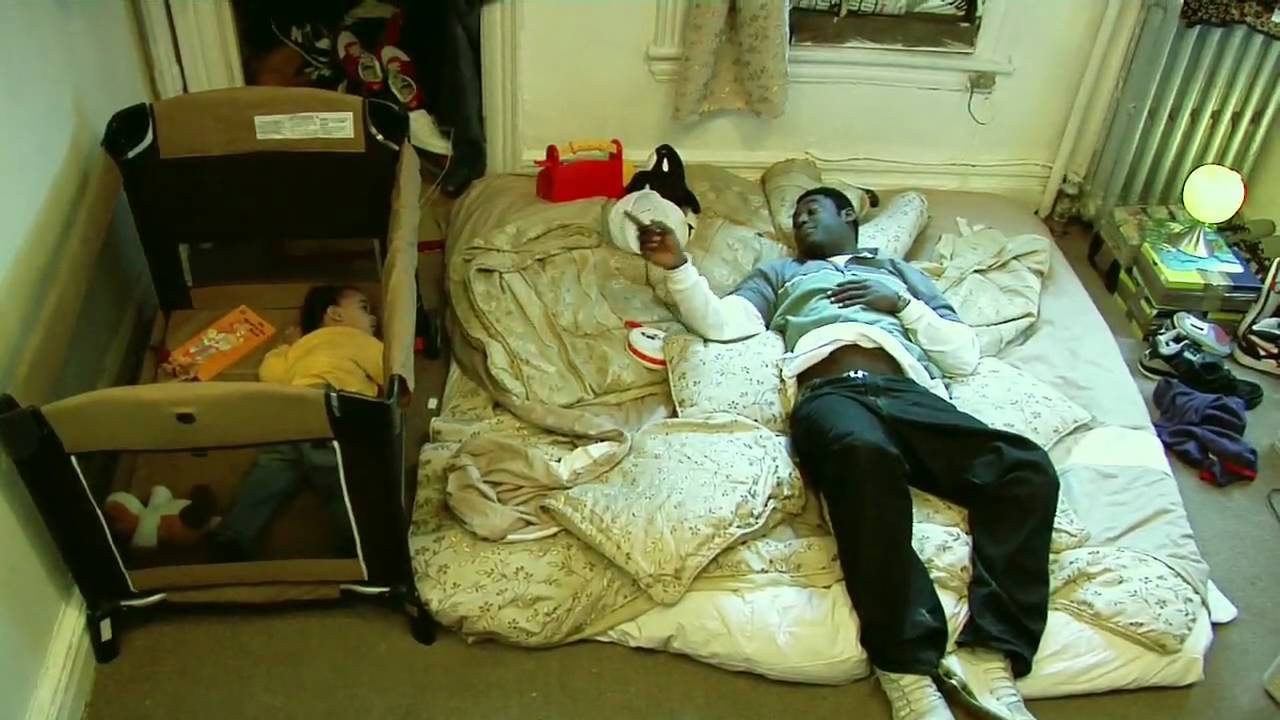
To survive in a foreign country as an unprivileged undocumented migrant, one does not necessarily need exceptional nobility or good fortune — inexhaustible entrepreneurial energy and a modest dream will suffice. The cheerful Ghanaian hero of Sean Baker’s film, speaking broken English and energetically selling counterfeit handbags in New York’s Garment District, is far more preoccupied with relationships and a suddenly appeared son than with legal complications. Instead of filling his rented flat with IKEA furniture, the dreamer-entrepreneur piles it high with trainers. Here he is: a happy, well-adapted migrant living life to the full.
A Member of the Diaspora: The Secret of the Grain
Directed by Abdellatif Kechiche, 2007
Setting: Sète, France
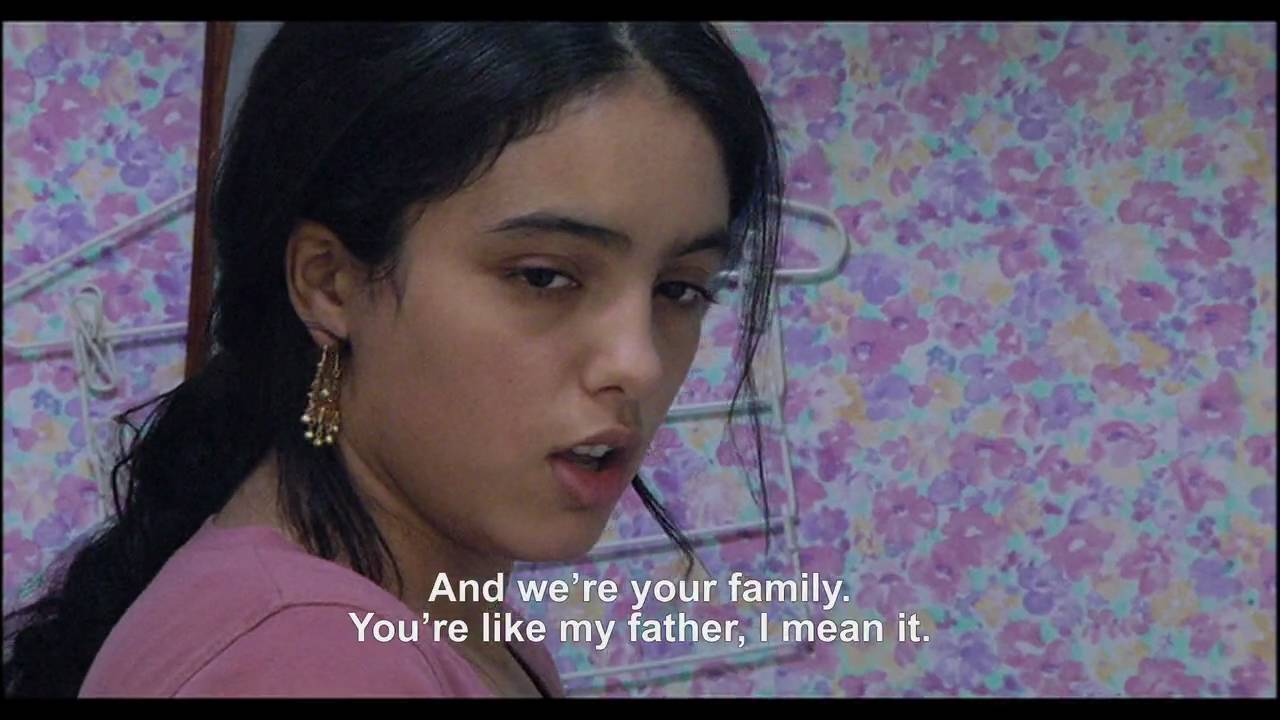
Every large country contains every possible diaspora, provided the nation in question is sufficiently numerous. But not everyone is fortunate enough to live within their own diaspora. How can you tell whether you truly belong to one? Would you be able to invite several dozen friends and relatives of varying degrees of closeness to a celebratory dinner marking the trial opening of your restaurant, as does the Tunisian protagonist of The Secret of the Grain, who has settled in southern France? Not everyone is destined to enjoy such privileges.
The Highly Skilled Professional — a Victim of Bureaucracy: Problemista
Directed by Julio Torres, 2023
Setting: New York

Another profoundly anti-cinematic aspect of immigrant life is bureaucracy, something everyone encounters, but legal professional migrants most of all. Portraying this phenomenon on screen requires a special talent, and this is exactly what Julio Torres demonstrates. A Salvadoran comedian who has achieved remarkable career success in the United States — from writing for Saturday Night Live to creating his own HBO series — Torres nevertheless continues to experience regular visa problems.
To depict his misadventures in Problemista, he employs a series of forbidden techniques: the role of a sentient ATM denying a loan is played by a femme fatale; a rental-housing website appears as a mannered, corpulent dandy; and his boss — an energy vampire for whom he must work as an assistant for lack of alternatives — is portrayed by the Oscar-winning Tilda Swinton.
The Marginals: Hazard
Directed by Sion Sono, 2005
Setting: New York
Every émigré community contains people who either never concerned themselves with their future — particularly their legal future — or have already given up. This punk version of emigration is most vividly realised on screen by the Japanese director Sion Sono. In Hazard, a student and his two punk friends travel to America in search of vaguely defined adventures. Spoiler: it all ends in absolute tragedy, because none of the characters manage to imagine using their freedom for anything other than self-destruction and wrongdoing.
Fugitives: Butch Cassidy and the Sundance Kid
Directed by George Roy Hill, 1969
Setting: San Vicente, Bolivia

Butch Cassidy and the Sundance Kid is a New Hollywood classic that reaches peak entertainment value across several genres at once: buddy comedy, western, heist film, and more. Yet the most underestimated part of the film is its third act, in which the characters played by Paul Newman and Robert Redford flee from justice to Bolivia. A plan that sounds foolproof in theory collapses against the simple fact that there is absolutely nothing for them to do there. The country is fundamentally unsuited to the lives of men accustomed to the North American civilisation of the late nineteenth and early twentieth centuries. The film’s heart-rending finale now reads unmistakably as a warning to all emigrants about the necessity of taking care of themselves.
Related Articles
Beyond Paella: Discovering All i Pebre, Valencia’s Best-Kept Culinary Secret
Deep in the heart of the Albufera wetlands, the fishing village of El Palmar preserves a traditional, rich garlic and wild eel stew that tourist traps completely miss
Loading…
Loading…