1
Where you can throw snowballs, go skiing, or simply stroll along snow-covered streets in Spain
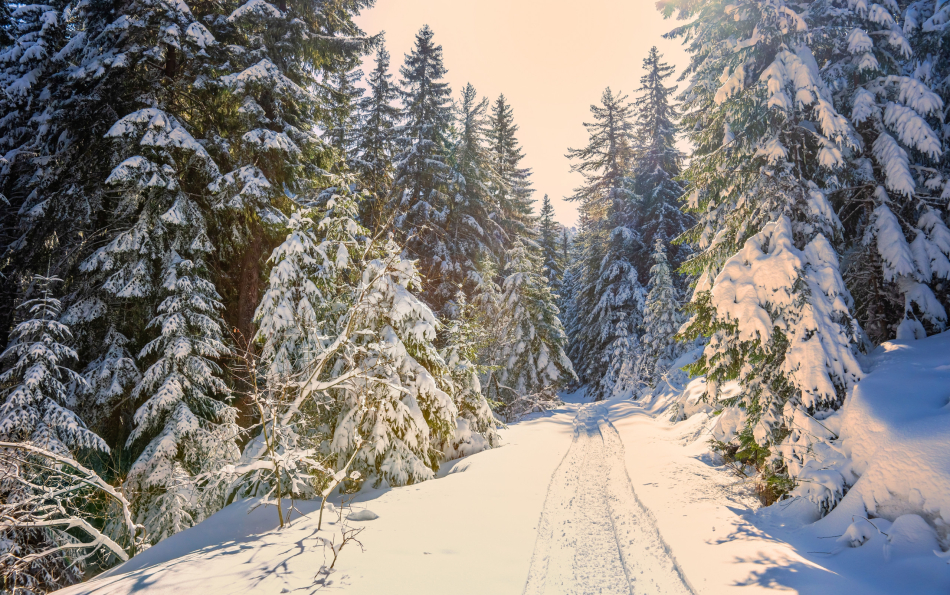
Snowfall in Valencia is an extremely rare phenomenon — the city can go decades without seeing any snow at all. For those who, after the summer heat, would rather immerse themselves in an atmosphere that helps evoke the feeling of the approaching New Year, La Cotorra shares a selection of places where you can throw snowballs, go skiing, or simply stroll along snow-covered streets. There may be no snowdrifts just yet, but now is the perfect time to start making reservations.
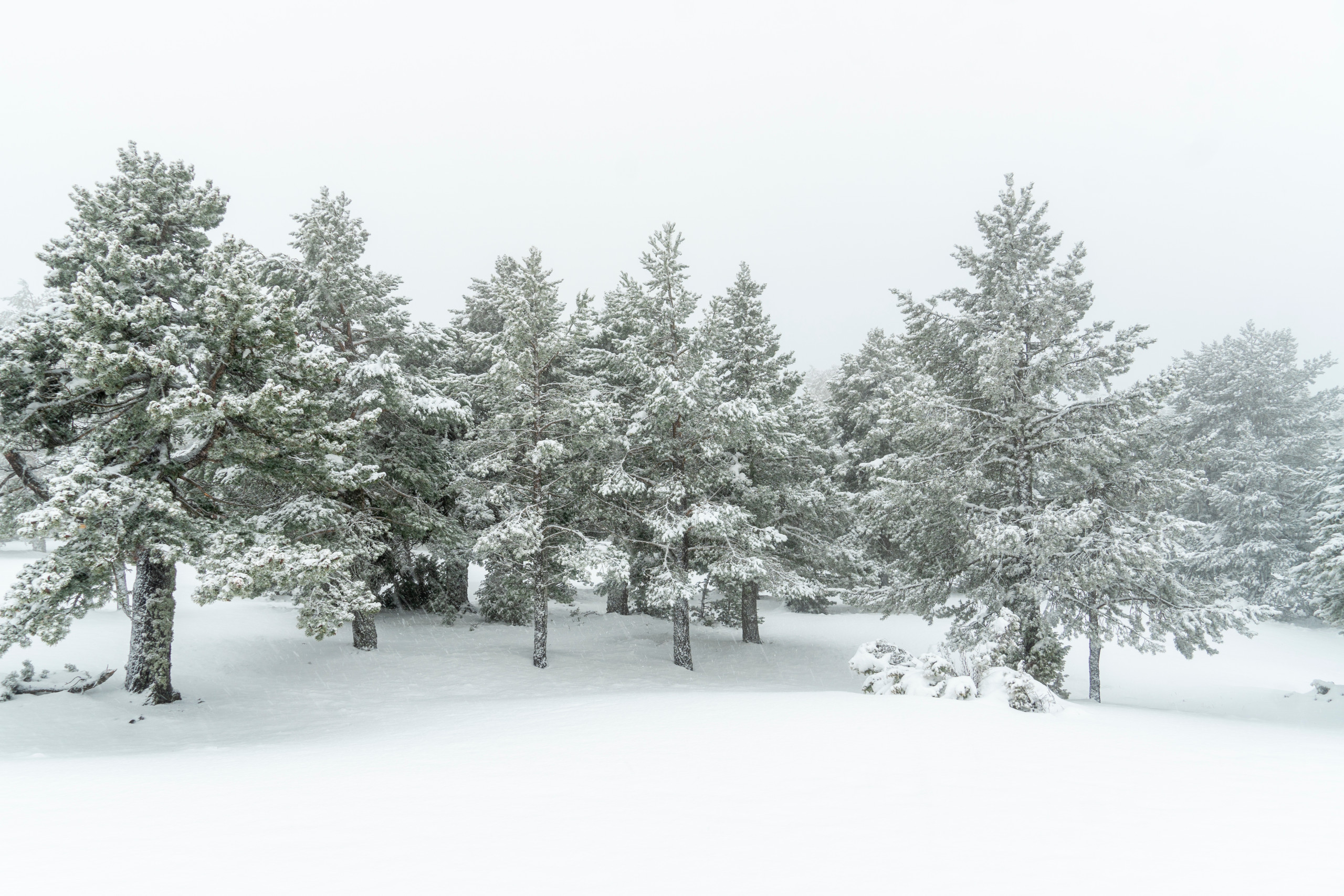
This ski resort is located 145 kilometres from Valencia and operates from 9:00 am to 5:00 pm. It can be reached by car in around two hours. The resort has its own car park, which costs €15 per day, although visitors with a ski pass or a season pass can park for free. Ski passes can be purchased on arrival or online, although the online option usually becomes available closer to the start of the season. The opening is planned for the first days of December, but this will depend on snow conditions.
A total of 17 kilometres are dedicated to alpine skiing, spread across 13 slopes, although not all of them may be open at the same time. There are 12 lifts providing access to the runs, with altitudes ranging from 1,700 to 2,000 metres. The resort offers green and blue runs suitable for beginners, as well as red runs for more experienced skiers.
In addition to the ski slopes, there is a freestyle snowpark, as well as ski schools and instructors for those who are just starting out. Lessons cost on average €40 per hour or €200 per day. There is also a dedicated children’s area where young skiers can learn, and a separate sledging area, which is open to both children and adults.
For those planning to stay in Valdelinares for several days, there are several hotels in the town. Visitors can rent either individual rooms or entire houses. Prices start at around €100 per night and increase depending on conditions. Ski passes can also be purchased on the resort’s website, with prices starting from €35 per day for adults and €28 per day for children. If you do not have fixed dates, you can opt for an open-date ski pass valid for five or ten days across two seasons.
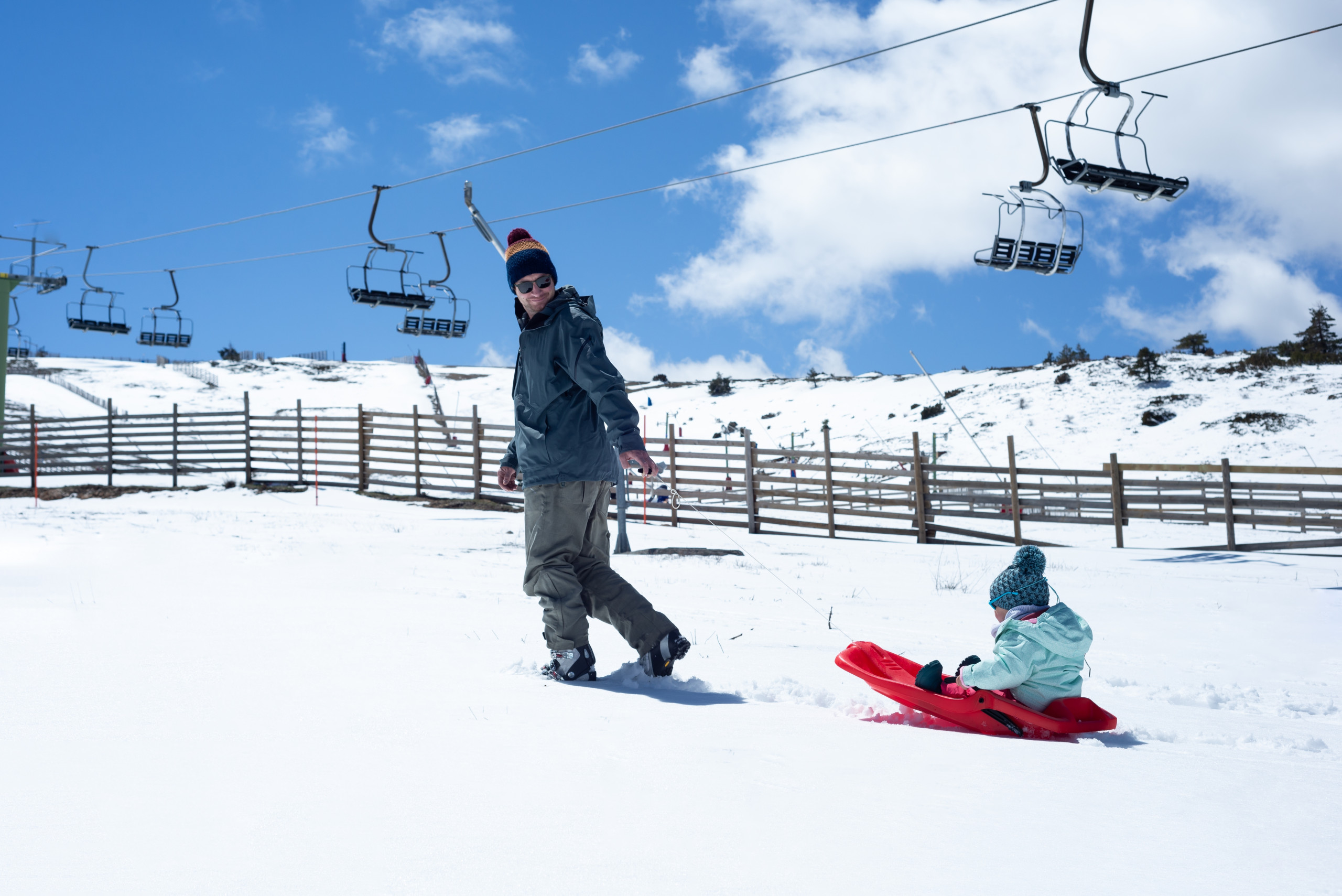
Like Valdelinares, Javalambre is located near the city of Teruel in the autonomous community of Aragon and is considered a family-friendly ski resort. It can be reached from central Valencia by car in just over an hour and a half.
The resort offers 15 kilometres of alpine skiing spread across 13 slopes: 4 green, 8 blue and 1 red (locals sometimes say that some blue runs — such as Lapiaz and Amanaderos — should actually be considered red). Altitudes range from 1,650 to 2,000 metres. There are 9 lifts providing access to the slopes. Runs in the Sabina sector are generally better suited to beginners, while the Lapiaz sector is considered more appropriate for advanced skiers.
In addition to the ski runs, the resort features freestyle and snowboarding areas, a sledging zone, ski schools — with lessons starting at €50 for two hours and including all necessary equipment — as well as rest areas, cafés and restaurants. The season in Javalambre is scheduled to begin on 20 December, although the exact date will depend on snow conditions.
Those planning to stay overnight can book hotel accommodation in advance, with prices starting from €100 per night. Depending on the hotel and selected options, this price may include breakfast and a ski pass.
People with disabilities are allowed to ski at both Valdelinares and Javalambre. Some are eligible for special discounts; to obtain them, visitors must present documents confirming disability status at the resort. Discounts may also apply to companions of visually impaired skiers.
Skiers planning to visit on weekends or public holidays are advised to book ski passes, equipment and accommodation in advance to ensure access to the slopes.
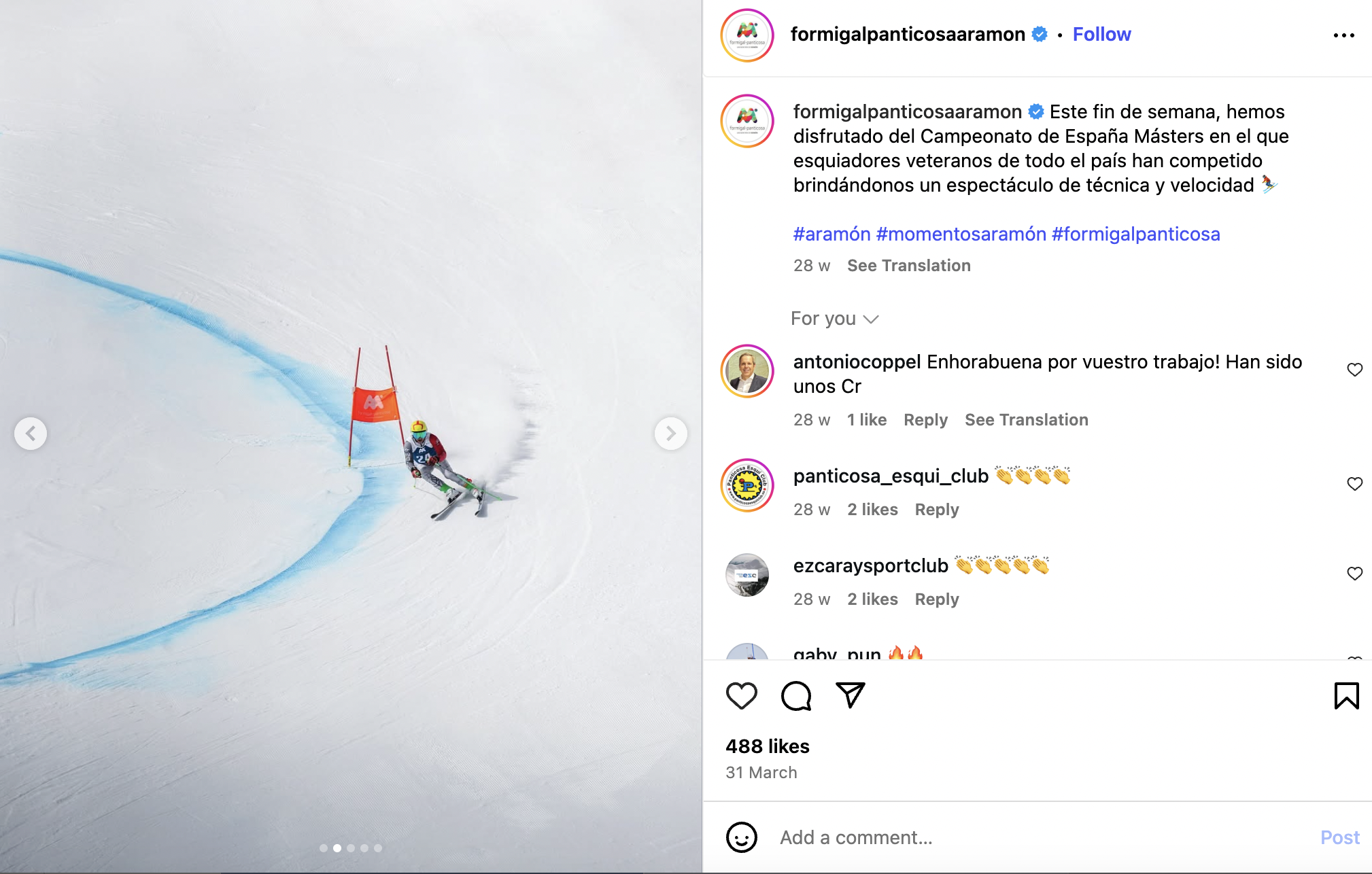
This ski resort is located in the Tena Valley and is considered one of the most vibrant in the Pyrenees. The journey from Valencia takes around four and a half hours, but the resort offers the largest number of runs of any ski destination in Spain. The total skiable area amounts to 182 kilometres, spread across more than 140 runs, including 11 green, 39 blue, 51 red and 41 black slopes. The maximum altitude reaches 2,265 metres, and 37 lifts operate across the resort.
For visitors travelling with children, the resort has two snow gardens with dedicated staff and indoor areas where children can play in the snow while adults ski. The Anayet garden accepts children from four months old, while the garden in the Panticosa sector is open to children from two years of age. In the latter, children can also be introduced to the basics of alpine skiing. Both gardens host special activities for young guests.
Ski schools operate in both the Formigal and Panticosa sectors, offering private lessons (from €60 per hour) and group lessons (from €90 for two days and six hours of instruction, with groups of five or more participants).
Equipment can also be booked in advance at Formigal [LINK]. A one-day rental of alpine ski equipment costs €25, and those staying for several days can store their own gear in dedicated lockers.
The ski season at Formigal is planned to open on 21 November, although hotel and ski-pass bookings are already available. Prices per person per night start from around €80, while ski passes can be purchased separately from €56 for adults and €45 for children.
The Pyrenees are home to many other ski resorts, such as Candanchú or Irati-Abodi Mendi Gunea. Many of them, including Formigal, offer a wide range of activities beyond skiing. In Formigal, visitors can go snowshoeing, enjoy a dinner under the stars, or attend live music events . Several cafés and restaurants also operate on the resort.
4
The village of Griegos (Aragon)
Spain also has snowy destinations that do not focus on alpine skiing. Around two and a half hours from Valencia lies the village of Griegos, considered one of the highest-altitude villages in its municipality. It is located at the foot of the Muela de San Juan mountain.
There used to be a cross-country skiing station here, but it is now closed. Nevertheless, with your own skis and sufficient snow, it is still possible to use previously established routes independently. In this case, visitors should bear in mind that there are no equipped rest areas along the way, and ski tracks may not be prepared.
Hiking enthusiasts can explore the village itself — home to fewer than 150 residents — or walk through the surrounding forest. In the village, it is worth visiting the 16th-century Church of San Pedro and the ruins of the Celtic necropolis of El Cuarto, dating back to 300 BC.
When planning a trip, it is important to note that Griegos is considered the coldest village in Aragon, with an average annual temperature of 7.5°C and winter temperatures dropping as low as –20°C.
5
Snowy towns
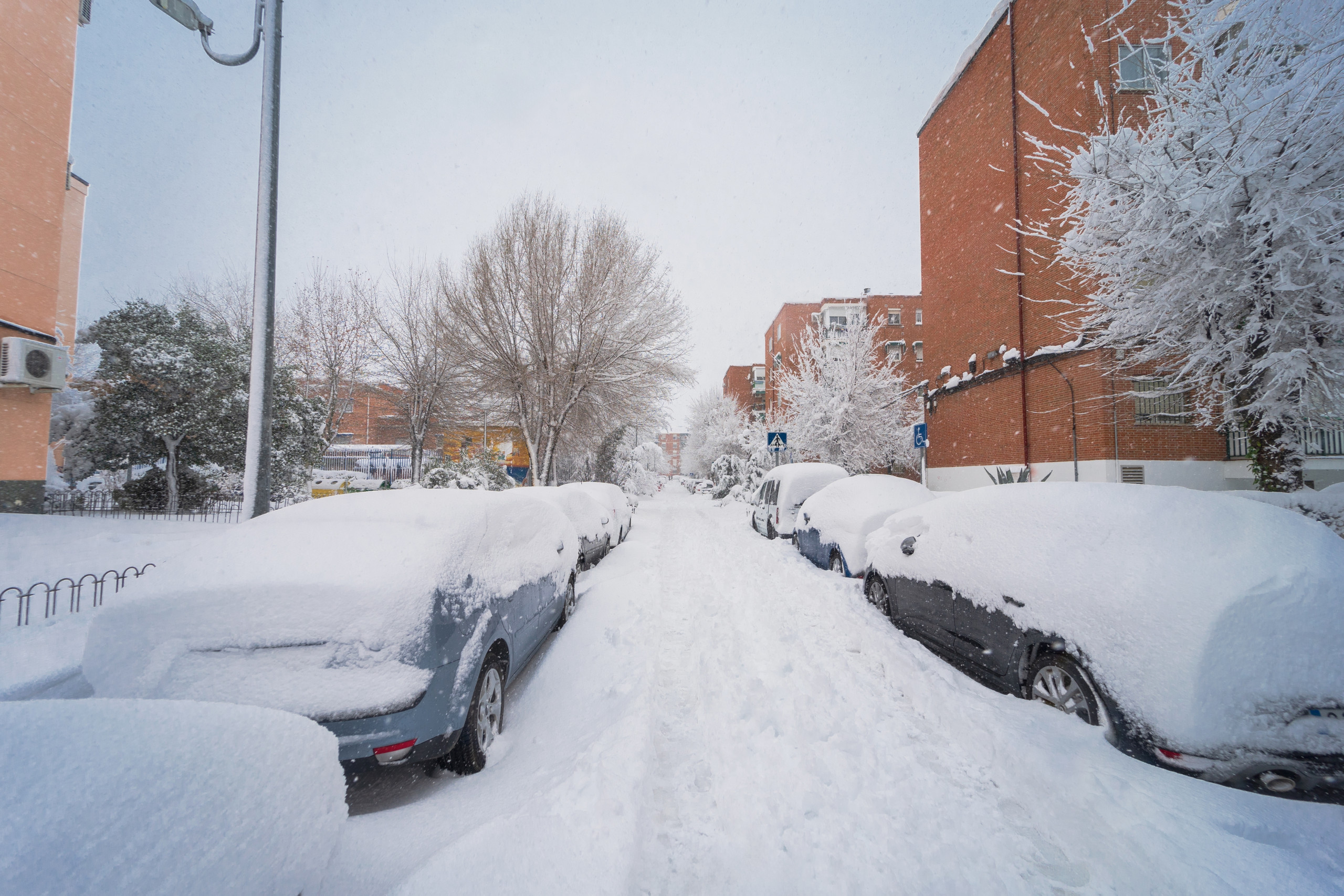
Those who are not keen on either cross-country or alpine skiing may prefer to visit mountain towns. One such place is Villahermosa del Río, located at the foot of the highest peak in the Valencian Community, Penyagolosa. The town is surrounded by high mountains and the forests of a natural park, where visitors can follow routes mapped by other travellers.
In the town itself — with a population of fewer than 500 — visitors can walk to the local church, stroll through historic streets, and stop for a meal in local cafés.
The Valdelinares and Javalambre ski resorts mentioned above are also located close to small towns, making it easy to combine skiing with sightseeing.
Another such town is Bocairent, known for its Arabic-style street layout and remnants of ancient settlements. During a visit, travellers can explore the famous Covetes dels Moros medieval houses, and the Church of the Assumption of Our Lady (Parròquia Assumpció de Nostra Senyora de Bocairent), or simply wander through the medieval streets.
National Geographic has included Bocairent in its top 20 most beautiful towns in Spain. The town can be reached in around one and a half hours by car or in 2.5–3 hours by bus.