
• News
  • Valencia
  • Life in Spain

Follow us:

Search

What Is the Camino de Santiago and Why Is This Route So Popular?

What Is the Camino de Santiago and Why Is This Route So Popular?

The Camino de Santiago is one of the most famous pilgrimage routes in the world, attracting hundreds of thousands of people from all corners of the planet every year. In 2024 the Catholic Church issued 499,000 compostelas – certificates confirming completion of the route – and by the end of 2025 a new record of 570,000 is expected.

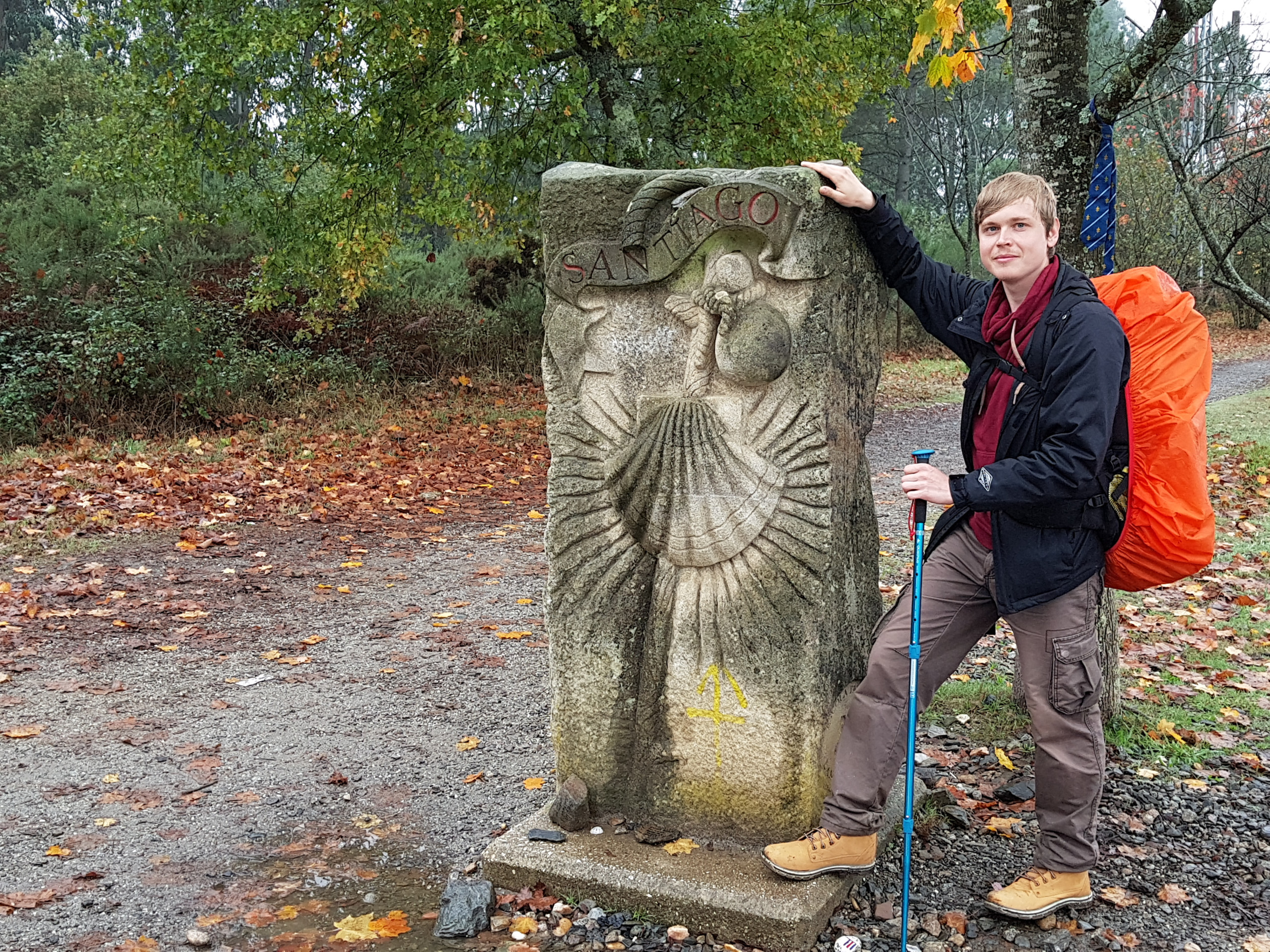
The Camino is not simply a route for a hiking or cycling holiday; it is a cultural and spiritual phenomenon that brings together people of different ages, professions, and beliefs. La Cotorra correspondent Pavel Tarasenko has reached Santiago de Compostela twice and explains how to prepare for the journey and what to expect on the route.

Путь Камино де Сантьяго. Фото: из архива автора
Author's photo

On the Way of St James: History and Meaning of the Route

The Camino de Santiago is a network of ancient routes leading to the city of Santiago de Compostela in Galicia, in north-western Spain. At its core lies the legend of the Apostle James – one of the twelve disciples of Jesus Christ – who, according to tradition, preached in the Pyrenees during his lifetime and later repeatedly appeared to Spaniards in battles with Muslim conquerors.

After his martyrdom in Jerusalem in the year 44, his body was placed in a boat and set adrift on the Mediterranean Sea. The boat was washed ashore on the River Sar near the town of Iria Flavia in Galicia. The apostle’s body was carried about 17 kilometres to Mount Libredón and buried. Over time the tomb was lost, and for several centuries nothing was known about it.

In 813 a hermit monk named Pelayo saw strange lights in the sky above one of the hills. When he went there with the local bishop, they discovered a tomb with incorrupt relics of the Apostle James. The Cathedral of Santiago de Compostela now stands on that site. The discovery allowed the city to become the third most important place for Catholics worldwide after Jerusalem and Rome.

Маршрут Камино де Сантьяго
Author's photo

It happened during the reign of Alfonso II the Chaste, King of Asturias (783; 791–842). He is regarded as the first pilgrim: the king travelled from Oviedo to Santiago de Compostela along the route that centuries later became known as the Camino Primitivo (“Original Camino”).

In the Middle Ages the Camino became one of the most significant routes in the Christian world. One of the contributing factors was that in 1122 Pope Callixtus II granted all pilgrims who completed the Way of St James in a Holy Year (when 25 July, the feast of St James, falls on a Sunday) the right to receive an indulgence.

The flow of people to Galicia led to the emergence of a network of hostels and monasteries, the development of trade, and economic and cultural exchange. A phrase widely (though apparently mistakenly) attributed to Johann Wolfgang von Goethe is often quoted: “Europe was built on the pilgrimage to Compostela.

From the fifteenth century onwards, however, constant wars and epidemics caused the routes to fall into decline. The Camino was largely forgotten for several centuries.

The revival of the Camino took place in the second half of the twentieth century, largely thanks to a single enthusiast – the priest Don Elías Valiña Sampedro, who became fascinated by the route’s history. In 1965 he defended a thesis on the then little-known Way of St James, later opened a hostel for pilgrims, and published a Pilgrim’s Guide.

More people learned about the Camino from Luis Buñuel’s 1969 film The Milky Way, a surrealist-tinged comedy parable about two impoverished pilgrims.

In 1984 Sampedro’s associates began restoring abandoned sections of the Way and installing signposts. Their first priority was the French Way, the most popular route to the tomb of the Apostle James.

In 1987 crowds of pilgrims set out along it. The immediate reason was the publication of Paulo Coelho’s bestseller The Pilgrimage, based on his own journey. “A ship in harbour is safe, but that is not what it is built for,” thought thousands of people following the author – and set off on the road.

Маршрут Камино де Сантьяго
Author's photo

In the early 1990s the authorities of Galicia and of Spain as a whole recognised the Camino’s potential. The regional government drew up the first plan for the international promotion of routes to Santiago and launched an advertising campaign featuring celebrities.

It also helped that in 1993 UNESCO included the Way of St James in the World Heritage List. Today the Camino is both a historical legacy and a contemporary tourist phenomenon.

All Roads Lead to Santiago

People have been converging on Santiago de Compostela from different parts of Europe and beyond for centuries, and they continue to do so. The Camino begins at one’s front door – and not even with the first step, but with the decision to go. It is logical that there are, in reality, countless routes. Nevertheless, several main routes are officially recognised.

  • For decades the French Way (Camino Francés) has been the most popular route. It starts in the French town of Saint-Jean-Pied-de-Port and crosses the Pyrenees, Pamplona, León, and other cities before reaching Santiago. The total distance is 780 kilometres. This route is ideal for beginners thanks to its well-developed infrastructure, numerous accommodation options, cafés, and pharmacies, as well as the constant presence of other walkers. However, it can be overcrowded in summer, so it is advisable to plan overnight stops in advance. According to official statistics, in 2024 this route accounted for 47% of all pilgrims, or 236,000 people.
  • In second and third place are the two Portuguese Ways (Camino Portugués). The route begins in Lisbon and splits into two variants after Porto – a coastal path and one that runs further inland. The route passes through relatively gentle terrain, which attracts those who are not ready for serious mountain stages. Taken together, 170,000 people (34% of all pilgrims) walked these two routes in 2024. The maximum distance (from Lisbon) is 610 kilometres.
  • Next in popularity is the English Way (Camino Inglés), originally intended for pilgrims from the United Kingdom, Ireland, and Scandinavia. They crossed the Bay of Biscay by ship and landed in the ports of northern Galicia, from where they continued to Santiago on foot. The route is short and pleasant: from Ferrol it is only 118 kilometres. In 2024, 5.6%, or 28,000 people, chose the English Way.
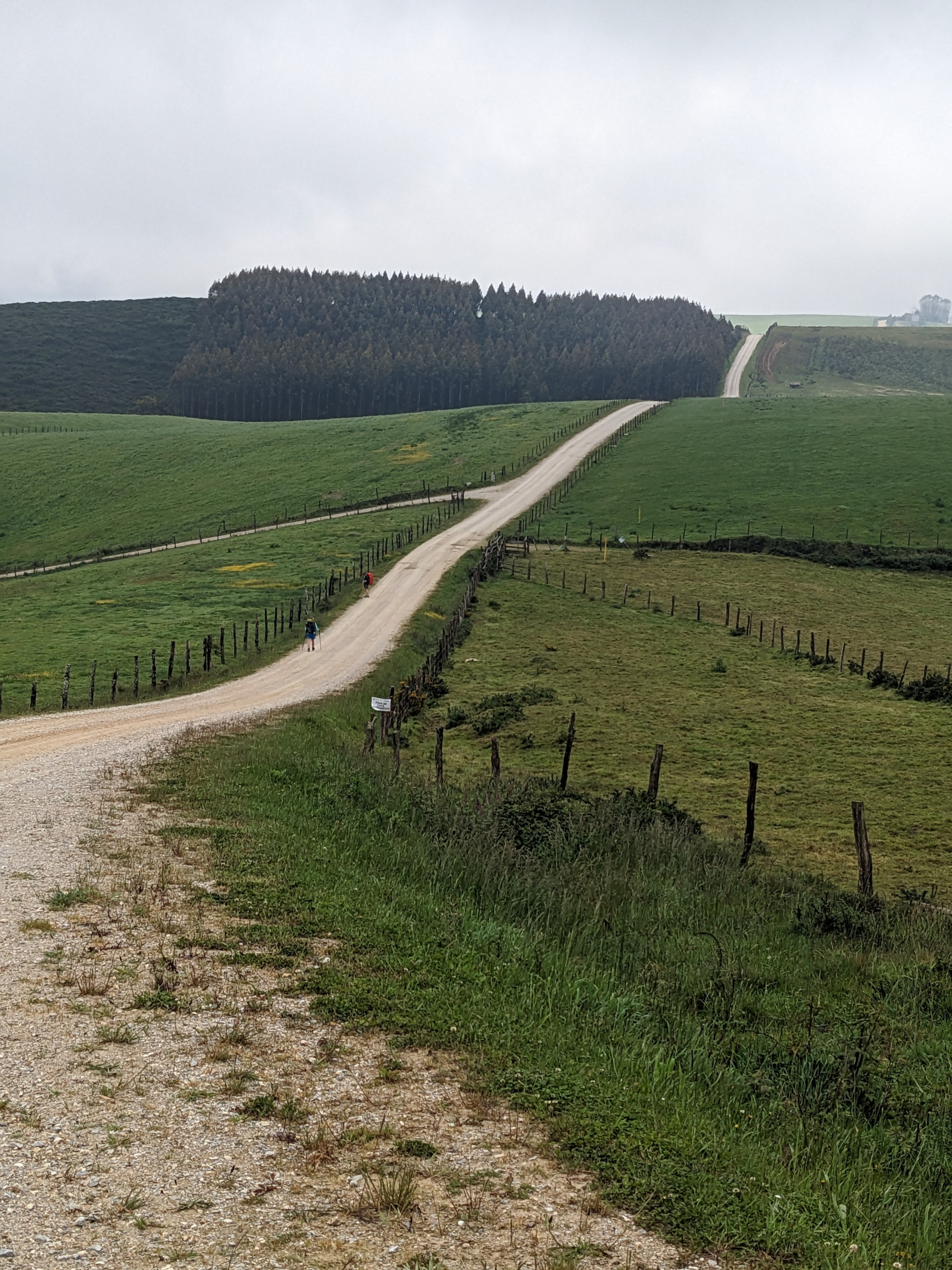
  • The aforementioned Camino Primitivo, the route that La Cotorra’s correspondent chose for his first acquaintance with the Way of St James, is a genuine challenge for pilgrims. It is about 320 kilometres long and traverses mountainous terrain: one of the most beautiful yet one of the most demanding routes. The difficulty lies in the constant ascents and descents. Last year 24,400 people (4.9%) completed the Camino Primitivo.
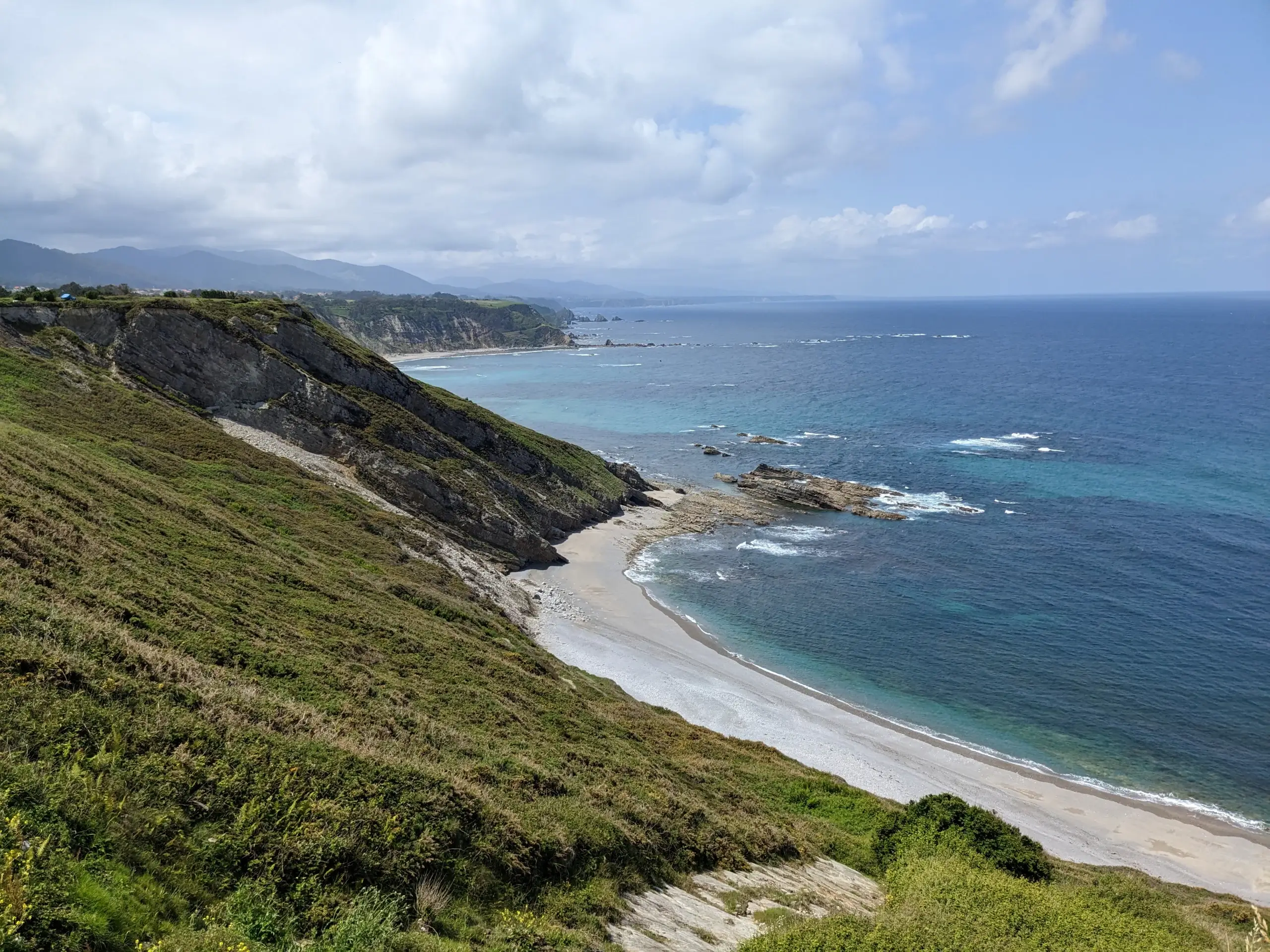
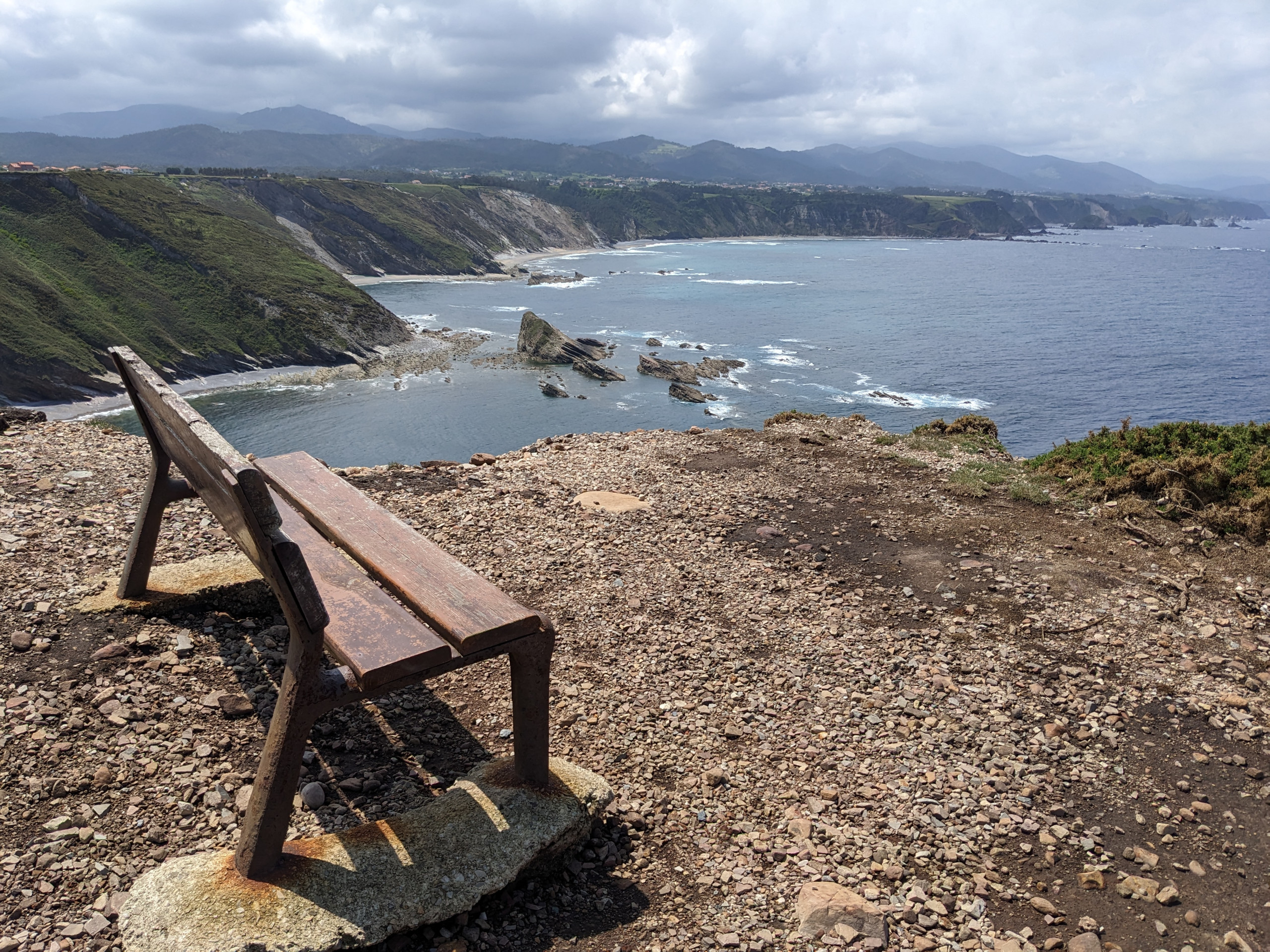
  • Slightly fewer – 21,400 people (4.3%) – completed the Northern Way (Camino del Norte), which follows the Atlantic coast and captivates with views of cliffs and beaches. The route requires good physical fitness because of the numerous climbs and descents. Its total distance from Irún on the French border is about 825 kilometres. It is important to bear in mind that, due to severe weather conditions, the Northern Way and the Camino Primitivo are not suitable for the winter months.
  • There are also routes from southern Spain, from Andalusia – the Mozarabic Way (Camino Mozárabe, with several starting points: Málaga, Almería, Jaén) and the Silver Way (Vía de la Plata, about 970 kilometres from Seville). Walking through southern Spain is demanding not because of the terrain (which is mostly flat) but because of the climate: in summer temperatures can exceed 40 degrees Celsius.
  • The list does not end there: there are many routes that are far from widely known. For example, in 2024, sixteen people chose the Miñoto Ribeiro route, and six opted for the San Rosendo route. New routes are appearing as well. In March 2025 the authorities officially opened the Via Rusadir – a 972-kilometre route starting in Melilla, the Spanish enclave in North Africa. Pilgrims, of course, have to take a ferry to reach mainland Spain. In January nobody completed the journey from Melilla to Galicia, in February one person did so, in March two people made it, and in April the number had already reached seventy-one.
    ​​​​

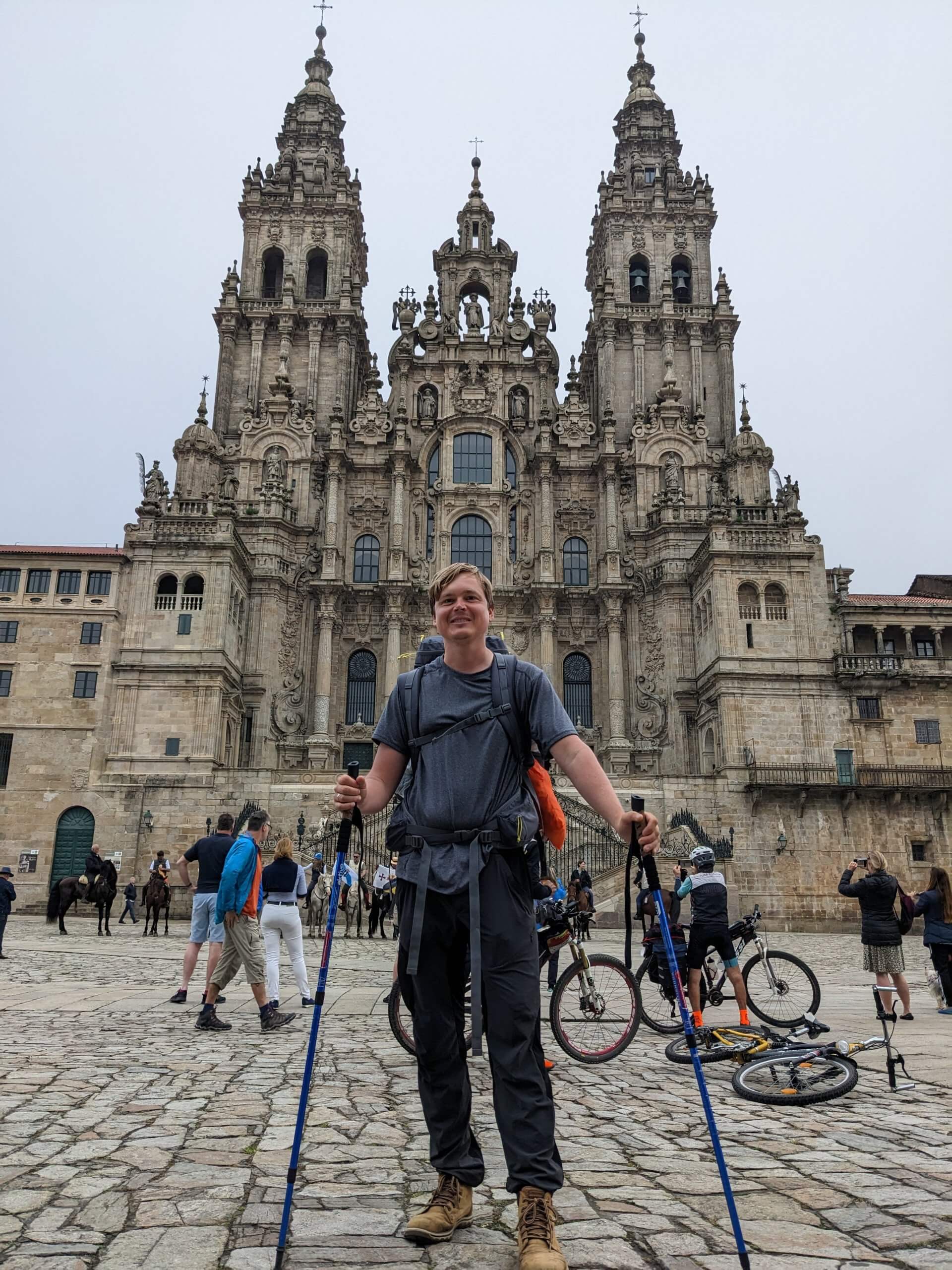
All official routes end at Praza do Obradoiro, where the Cathedral of Santiago de Compostela stands. There is one exception: the routes that continue to the Atlantic coast, to Fisterra and Muxía. The ancient inhabitants of the Iberian Peninsula believed that, 120 kilometres from Santiago, this was the end of the world.

Путь Камино де Сантьяго
Author's photo

A Pilgrim’s Glossary

Pilgrim (peregrino) – a person walking the Camino, not necessarily with religious aims.

Shell (vieira) – the main symbol of pilgrims. Since ancient times they have taken these large scallop shells (pecten maximus) from the Galician coast as a reminder of their pilgrimage. Today many walkers attach a shell to their rucksack before starting the Camino and keep it there until the end.

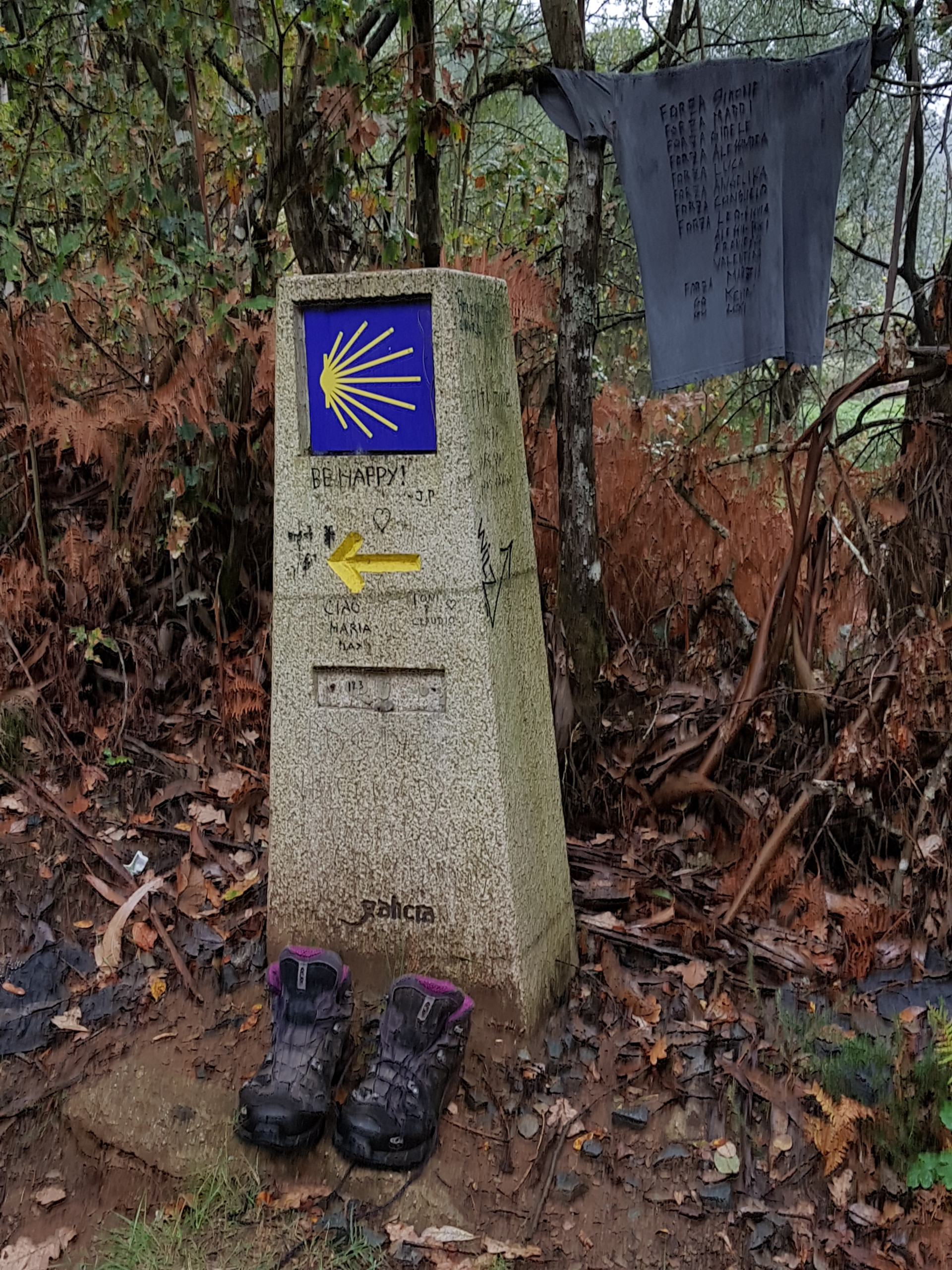
Shells also serve as waymarks: they are painted on stone markers indicating the remaining distance to Santiago. It is important to remember that outside Galicia the “fan” of the shell – the radiating lines – points in the direction of travel. After crossing the administrative border of Galicia, one should follow the tip of the shell instead

Маршрут Камино де Сантьяго
Author's photo

“Buen Camino!” – the universal greeting on the Way of St James. All pilgrims exchange this greeting when they meet; it is considered an unwritten rule of good manners. The phrase also appears on T-shirts, mugs, and many other souvenirs in Santiago de Compostela.

Albergue – a budget hostel for pilgrims, where one can spend the night and meet other travellers. Albergues may be municipal, private, or monastic. A bed in a municipal albergue usually costs around 10 euros. Some operate on a donativobasis – voluntary donations of whatever the pilgrim can afford (although this practice has become less common in recent years).

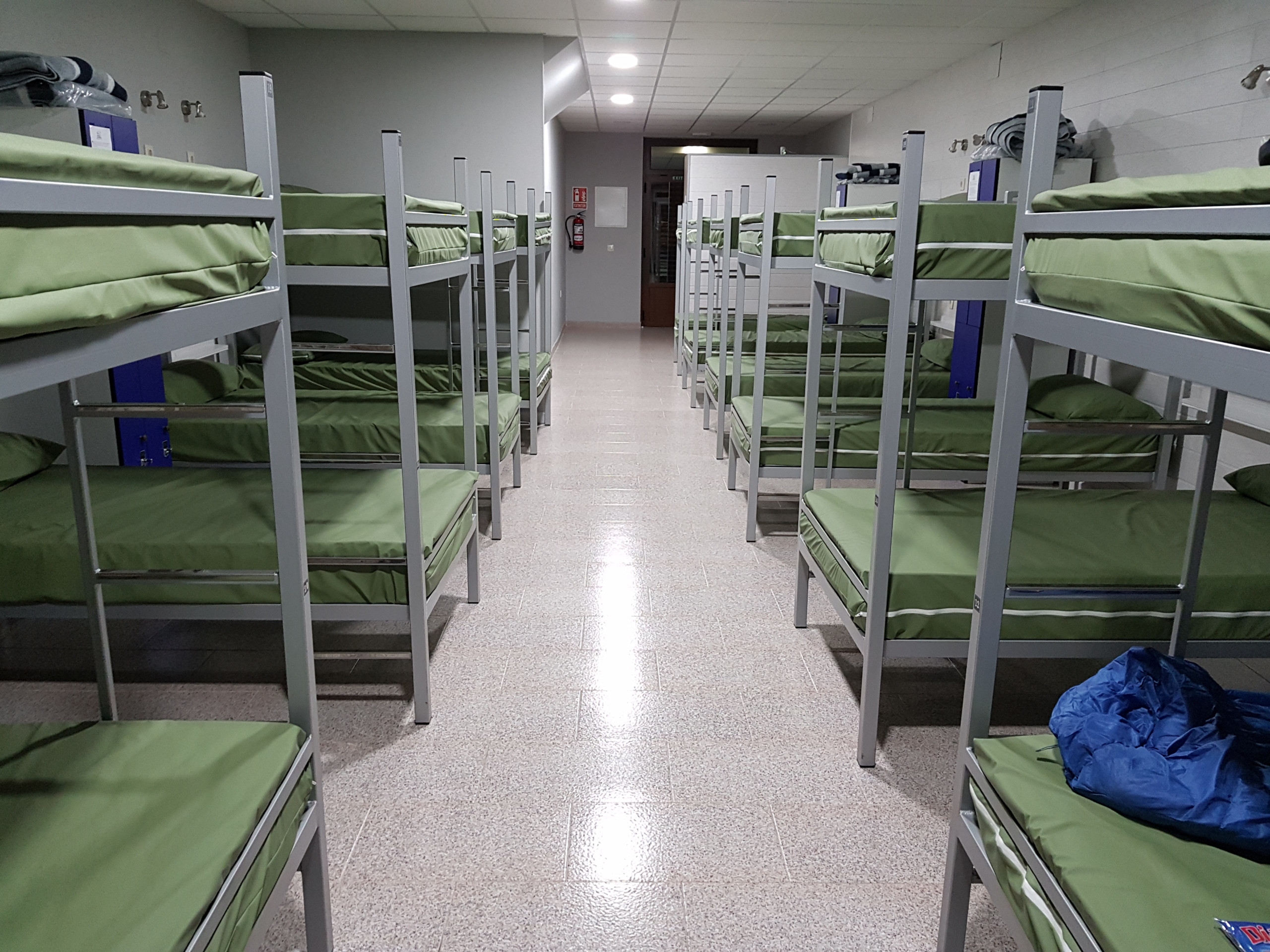
A typical package of services includes a shared dormitory with bunk beds for 10–30 people, showers, lockers, and a kitchen. Private albergues are more expensive – up to 25–30 euros per night – but more comfortable, and they can be booked in advance, which is important on popular routes in high season.

Спальные места по пути Камино де Сантьяго
Author's photo

The most memorable overnights are often in monasteries – for example, in the working monastery of Sobrado, founded at the end of the tenth century, where La Cotorra’s correspondent stayed while walking the Northern Way. Check-in was carried out by one of the sixteen monks who live there. Pilgrims settled in simple cells and were then allowed into the vast late-seventeenth-century church, even when it was closed to parishioners and tourists.

Towards evening there was an intimate mass (no one is forced to attend, but the experience is worth it even for non-religious visitors), followed by a communal dinner cooked by the pilgrims in the monastery kitchen.

Credencial – the pilgrim passport, confirming one’s status. In the Middle Ages it served as a safe-conduct. Today it entitles one to stay in albergues. Along the Way, pilgrims collect stamps in their credencial – in albergues, churches, cafés, museums, and tourist offices. The passport can be obtained not only in Spain but also in other countries.

Compostela – the official certificate confirming completion of the Way. It is issued to those who have walked the last 100 kilometres of the Camino on foot, or 200 kilometres by bicycle. In order to obtain the compostela (and to have a record in the passport that one can later leaf through, remembering the journey), one must collect at least one stamp per day in the credencial (and in the last 100 kilometres on foot – at least two stamps per day).

The compostela is issued in Santiago at an office near the Cathedral (Rúa das Carretas, 33). To obtain it one must fill in a short form, go to the office, take a ticket, wait for one’s turn, and receive the long-awaited document.

In addition to the compostela, for a small fee (3 euros in 2025) one can obtain a Certificate of Distance Travelled – a colourful Latin document issued by the Chapter of the Cathedral of Santiago. It indicates the starting point and date of the pilgrimage, the total distance, date of arrival, and route taken.

Путь Камино де Сантьяго
Author's photo

Turigrino (from turista and peregrino) – a neologism describing a recent phenomenon: people whose behaviour contradicts the spirit and unwritten traditions of the Camino. Unlike classic pilgrims, who carry full backpacks and cover hundreds of kilometres, turigrinos walk only the minimum 100 kilometres required for the compostela, with tiny daypacks and sometimes even in pristine white trainers. Their luggage is transported from stage to stage by paid services, including the Spanish postal service Correos. They sleep not in albergues but in hotels.

The spread of “turigrinism” angers residents of towns and villages along and near the route to Santiago, who compare their home areas to Disneyland.

Who Walks the Camino de Santiago, and How?

In short, people of all ages, nationalities, races, and religions walk the Camino. La Cotorra’s correspondent has witnessed this personally, and the statistics of the office that issues compostelas tell the same story.

In 2024, Spaniards accounted for 44% of all pilgrims (219,000 people), followed by the United States (8%, 40,000), Italy (6%, 30,000), and Germany (5%, 25,000).

The main age group is 45 to 65 (40.4%). Those aged 19–45 are only slightly behind (39.7%). As for gender, women predominate: 54% compared with 46% men.

Burnt-out IT workers tired of constant projects. Owners of factories and wineries who manage to carve out a couple of weeks for the Camino. Young men and women who have just finished school and want to think about what to do with their lives. People who, in the midst of family crises, decide to spend time alone with their thoughts. Energetic 75-year-old pensioners whom it is not easy to keep up with. La Cotorra’s correspondent met all of them on the Way.

Маршрут Камино де Сантьяго
Author's photo

From time to time, celebrities appear among the pilgrims. In 2025, for example, former Spanish Prime Minister Mariano Rajoy and the Belgian royal family walked sections of the Camino.

The overwhelming majority of pilgrims (93%) reach Santiago de Compostela on foot. Only 4.5% travel by bicycle. The application form for the compostela also includes options such as “horse”, “wheelchair”, and “boat”, but altogether in 2024 these were selected by just over a thousand people.

What Is the Point of It All?

Everyone has a different answer to the question “Why go?”.

  • One of the most common reasons is the desire to “reset” and disconnect from everyday life, to forget work and routine problems for a time. On the path, a person is left with very basic tasks: walk, eat, rest, walk again.
  • Scientific research confirms the positive effect of the Camino on mental health. According to Spanish specialists, the Way helps to reduce anxiety and stress, and prolonged walking combined with a change of environment has a beneficial impact on psychological and emotional well-being.
  • The Camino often becomes a reason to rethink one’s life. On the route it is easy to be alone with one’s thoughts. Many people say that, in these conditions, they come to understand what they want from life and where they should go next – both literally and figuratively.
  • Some go for the physical challenge. One has to walk 15–35 kilometres a day, cope with rain, wind, heat, and blisters. Overcoming such difficulties brings a sense of self-confidence. There is also a special category of people who set records: walking 775 kilometres in less than seven days, cycling 751 kilometres in less than twenty-four hours, and so on. Strictly speaking, this does not quite match the spirit of the Camino.
  • Others go in search of new acquaintances. On the Camino it is easy to meet people from dozens of countries, and many set out alone. Shared evenings in albergues, conversations during breaks, and mutual support in difficult moments create a particular atmosphere, often leading to long-term friendships and relationships.
  • The Camino is also one of the best ways to see Spain beyond the usual tourist spots. Many ancient villages and mountain passes along the routes are difficult to reach by car and completely inaccessible by public transport. The Northern Way along the Bay of Biscay, the French Route over the Pyrenees and through fields, the Camino Primitivo through the wildest parts of Asturias, where horses graze and hawks circle – it is almost impossible for an ordinary tourist to see all this.
  • Finally, one should not forget the original meaning of the Camino: a religious one. Although, over a total of about 800 kilometres, La Cotorra’s correspondent rarely met people who described their pilgrimage as purely religious, official statistics show that almost half of those who reach Santiago de Compostela choose this option in the questionnaire. It is likely that a variety of spiritual but non-religious motives are also included under this label.
Камино де Сантьяго
Author's photo

It is indicative that a study carried out in 2024 by the major specialised tour operator Santiago Ways showed very different results: 60% of respondents viewed their pilgrimage as a unique cultural experience, 25% saw it as a personal physical challenge, and only 15% cited religious motivation.

Practical Advice for Pilgrims Before the Camino de Santiago

  • Prepare physically. At least minimal training is the key to a comfortable journey. Start one to two months before departure: regularly walk at least 10–15 kilometres in a single outing. If possible, train with a backpack weighing 7–10 kilograms. This will help you get used to the load and understand how best to distribute your belongings. If you know that your knees are a weak point, consider buying knee supports in advance.
  • Do not take anything unnecessary. Ideally, your rucksack should not weigh more than 10% of your body weight. Items that you really need: documents, comfortable footwear, two or three sets of clothing for walking and for evenings, trekking socks, a rain jacket, a small first-aid kit with plasters, remedies for blisters and sprains, and anti-inflammatory and pain relief medication, a light sleeping bag (if you stay in albergues), sunscreen, a water bottle, and light snacks (nuts, dried fruit, energy bars). There are plenty of small shops, cafés, and pharmacies along the Way, so it is not worth overpacking at the start “just in case”. Walking poles, however, are essential – your knees will be grateful.
  • Plan your gear and be ready for any weather. In summer, light breathable clothing, a cap, and sunscreen are crucial, as the heat can be exhausting. In spring and autumn you will also need a raincoat and perhaps a light jacket. In winter you will need warm clothing, a hat, and gloves, as routes can be cold and snowy. Dressing in layers is important, as the weather on the Camino is extremely changeable: torrential rain and blazing sun can alternate several times in one day.
  • Wear comfortable, well-broken-in footwear. New boots are the main cause of blisters and injuries on the Camino. Well-broken-in trekking boots or trainers that support the ankle are ideal. Bring a pair of light shoes for evenings.
  • Drink water. Dehydration is a common problem on the route, especially in summer. Drink water regularly, even if you do not feel thirsty. Refill your bottle before each stage and do not rely on chance water sources.
  • Prepare, but leave room for spontaneity. It is wise to download maps and an app such as Buen Camino de Santiago and to study the routes in advance. However, do not impose a rigid schedule on yourself. Sometimes it is worth adjusting your plans and spending half a day in a picturesque village or an extra day in an attractive town.
  • Respect other pilgrims and the Camino. On the routes it is customary to greet other pilgrims with “Buen Camino!” and to greet local residents – this is part of the Way’s special atmosphere. On the path, let faster walkers pass and respect nature. In albergues, keep quiet, tidy up after yourself, and be considerate of others.
  • Do not avoid other people. The Camino is not only an individual journey; it is also a unique opportunity to meet people from all over the world. Many albergues have kitchens where pilgrims cook dinner together. This brings people closer, allows them to exchange experience, and creates a warm atmosphere. Shared meals, conversations, and chance encounters often become the brightest memories of the journey.
  • Use earplugs for a good night’s sleep. Dozens of people usually sleep in the same room in albergues. Snoring is an inevitable companion of such nights. To rest properly and regain strength, bring earplugs.
  • Pay attention to your morning routine. To keep mornings calm, prepare your rucksack and clothes the night before. This saves time and reduces the risk of forgetting something important. If you set off early, you can enjoy the cool air, quiet, and the first rays of the sun – often the most beautiful moments of the day.
  • Listen to your body. Do not try to walk further than your body allows. Take regular breaks to rest, eat, and assess how you feel. Do not attempt to break records and do not adjust your pace to others. There is a saying for a reason: “Everyone has their own Camino.”
  • Enjoy the moment. The Camino offers countless beautiful views: sunrises, ancient towns, high mountains, rocky beaches, and endless fields. Take photographs to preserve the memories, but try to spend more time looking around with your own eyes rather than through a phone screen.

And remember: the Camino does not necessarily give you what you wanted, but it will certainly give you what you truly need right now.


Related Articles

Wild Atlantic Arches And Boho Balearic Coves: Spain’s 14 Absolute Best Beaches

Wild Atlantic Arches And Boho Balearic Coves: Spain’s 14 Absolute Best Beaches

Galicia’s dramatic tidal cathedrals and Asturian hidden lagoons to the pristine, wind-swept shores of the Canaries—discover the ultimate coastal havens handpicked by La Cotorra

Your Guide to the Trendiest Bikinis of Summer 2026

Your Guide to the Trendiest Bikinis of Summer 2026

You can never have too many swimsuits — La Cotorra scoured dozens of online stores to find the most stylish bikinis and bandeaus currently in stock at great prices

How to Find Your People: Guide to Valencia's Offline Communities

How to Find Your People: Guide to Valencia's Offline Communities

From padel courts and silent book clubs to naturist beaches and pottery studios — La Cotorra's big guide to finding your people in Valencia

10 Spanish Destinations to Discover This Summer

10 Spanish Destinations to Discover This Summer

From the fishing village of Navia to the beaches of Cádiz and the coves of Begur — La Cotorra's broad-brush guide to Spain's best spots for 2026, based on this year's trends

What to Do in Barcelona This July: Tour de France, Festivals & Beach Cinema

What to Do in Barcelona This July: Tour de France, Festivals & Beach Cinema

Barcelona hosts the Tour de France start for the first time, the 50th anniversary of the Grec festival, major music festivals, and open-air concerts in parks and on the beach — La Cotorra's picks

What to Do in Madrid This July: Festivals, Concerts & Open-Air Cinema

What to Do in Madrid This July: Festivals, Concerts & Open-Air Cinema

From Mad Cool and Río Babel to Bruno Mars, ballet, open-air film screenings, and must-see exhibitions — La Cotorra's guide to the month's biggest events in Madrid

The Lavender Fields Near Valencia — and the Myth About Their Calming Scent

The Lavender Fields Near Valencia — and the Myth About Their Calming Scent

Every summer, hundreds head to Ademuz in search of a "Spanish Provence" — but at the family farm Ecoaromuz, visitors learn that not all lavender is relaxing

Spain's Wine Battle and the Long, Troubled History of Spanish Wine

Spain's Wine Battle and the Long, Troubled History of Spanish Wine

On the eve of Haro's Batalla del Vino, La Cotorra explores where Spanish wine came from, how to read its labels, and why winemaking is facing its worst crisis in decades

Can You Cut Off Utilities to "Okupas"? Spain’s Supreme Court Sets Crucial Legal Boundary

Can You Cut Off Utilities to "Okupas"? Spain’s Supreme Court Sets Crucial Legal Boundary

While cutting off water and electricity to illegal squatters is ruled legal, the court warns that using the same tactic against a divorcing spouse remains a punishable crime

Valencia Unveils Free Nature Guide Featuring 69 Stunning Water Routes

Valencia Unveils Free Nature Guide Featuring 69 Stunning Water Routes

From free open-air screens at major town squares to indoor mega-venues like the Roig Arena and Movistar Arena, here is the complete guide to catching Sunday's historic final live

Beyond Paella: Discovering All i Pebre, Valencia’s Best-Kept Culinary Secret

Deep in the heart of the Albufera wetlands, the fishing village of El Palmar preserves a traditional, rich garlic and wild eel stew that tourist traps completely miss

Historic Milestone: The Gibraltar Border Fence is Down as Schengen Integration Begins

A new era dawns for the Campo de Gibraltar region as a temporary EU-UK treaty takes effect, ending 117 years of physical separation and removing daily controls for 15,000 cross-border workers

The World Cup 2026 Final: Best Big Screens and Fan Zones in Valencia, Barcelona and Madrid

From massive public screenings at Roig Arena and beachfront hubs to open-air gardens and local cinemas—here is your ultimate guide to the best spots to watch the historic match in the Valencian Community

View All

Support La Cotorra on Patreon

Access exclusive content, special perks, and closer connection with us.
Become a Patron