





Support La Cotorra on Patreon
Access exclusive content, special perks, and closer connection with us.
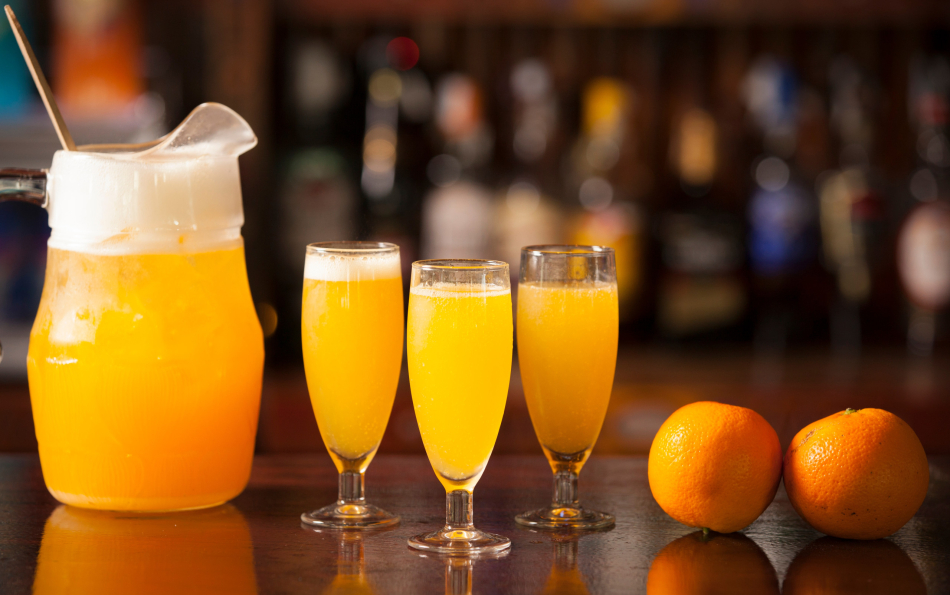
Valencia has its own cocktail brand—a drink you’ll rarely find outside the city limits. Agua de Valencia is well known to locals, and many have their own trusted spot where it’s prepared. Despite its fame, bars and restaurants follow no single standard: each has its own recipe or proportions, and every establishment usually considers its version the most authentic. Agua de Valencia has long been a staple of Valencian nightlife and social gatherings. However, it’s not uncommon to see people with a glass of this bright orange drink as early as 10:00 am when the street terraces open. La Cotorra tells its story.
The story of Agua de Valencia began in 1959 at what was then Cervecería Madrid (now Café Madrid). The establishment was owned by Constante Gil, an artist originally from Galicia who moved to Valencia and turned the bar into a meeting point for the creative set, where artists, journalists, and regulars gathered.
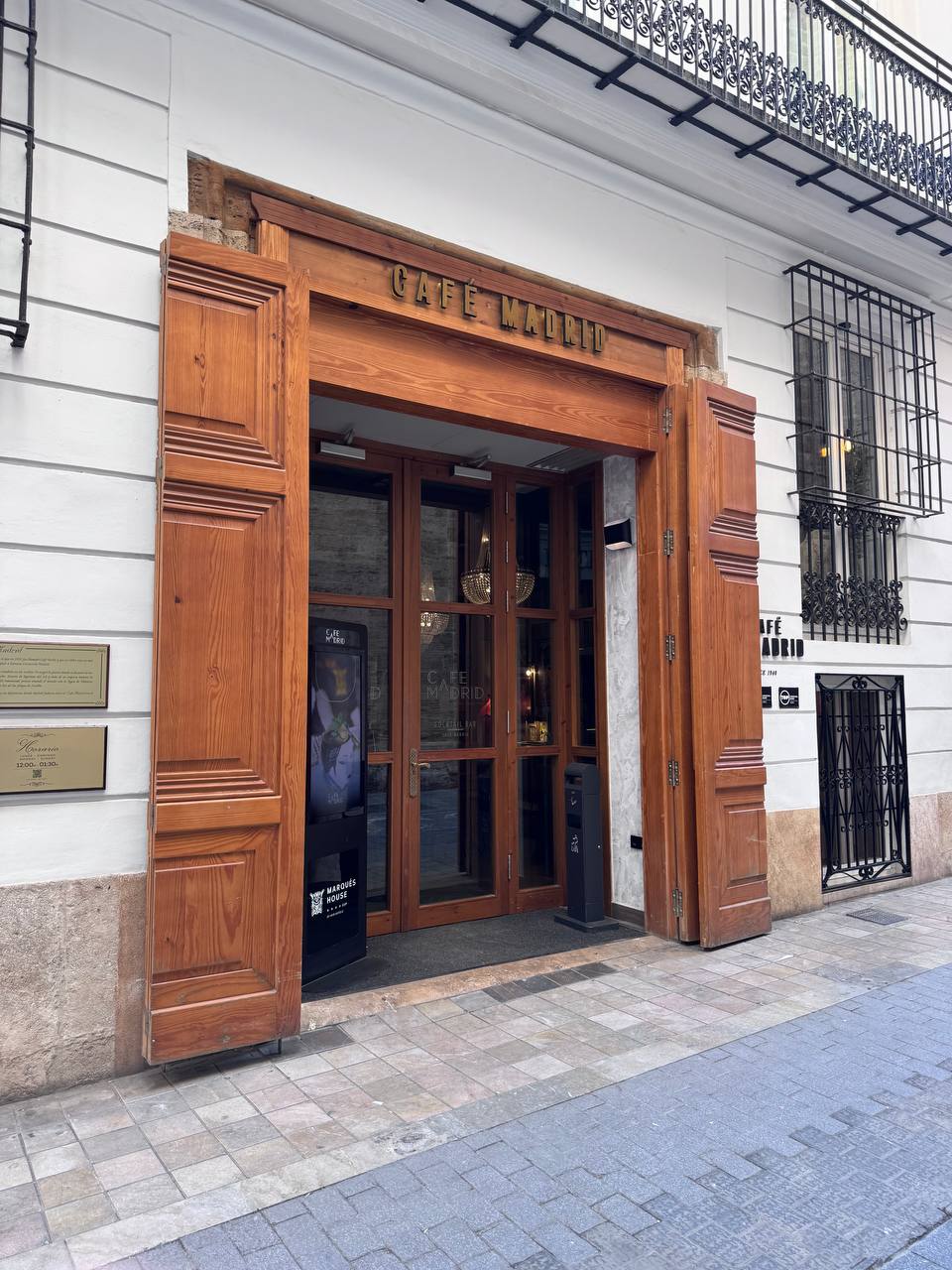
According to one version of events, guests from the Basque Country frequently visited the bar and ordered "Agua de Bilbao"—their joking nickname for cava or champagne. At one point, they asked for something new, and Gil proposed his own creation: Agua de Valencia.
Thus, a cocktail was born that combined freshly squeezed orange juice, cava, vodka, and gin. Despite the name, there is no water in this drink. It goes down easily, almost like juice, which is exactly why its potency isn't immediately felt.
Initially, it was served only to regulars, and it took years for the cocktail to appear in other Valencian establishments. Its true popularity boom occurred in the 1970s, though the drink never became truly mainstream outside Valencia and remains a local bar landmark to this day.
Bartenders often say that a good Agua de Valencia shouldn't taste strong. That is its defining feature: the effect only becomes noticeable after a glass or two.
In many venues, the base of the cocktail is freshly squeezed orange juice, so you will often see a citrus press behind the bar. Its presence usually means the juice is squeezed right before serving.
A key trait of the drink is the lack of a single recipe. It was never officially codified, and dozens of variations have emerged over the decades. This is why debates over the "correct" version can last forever—every bar has its own.
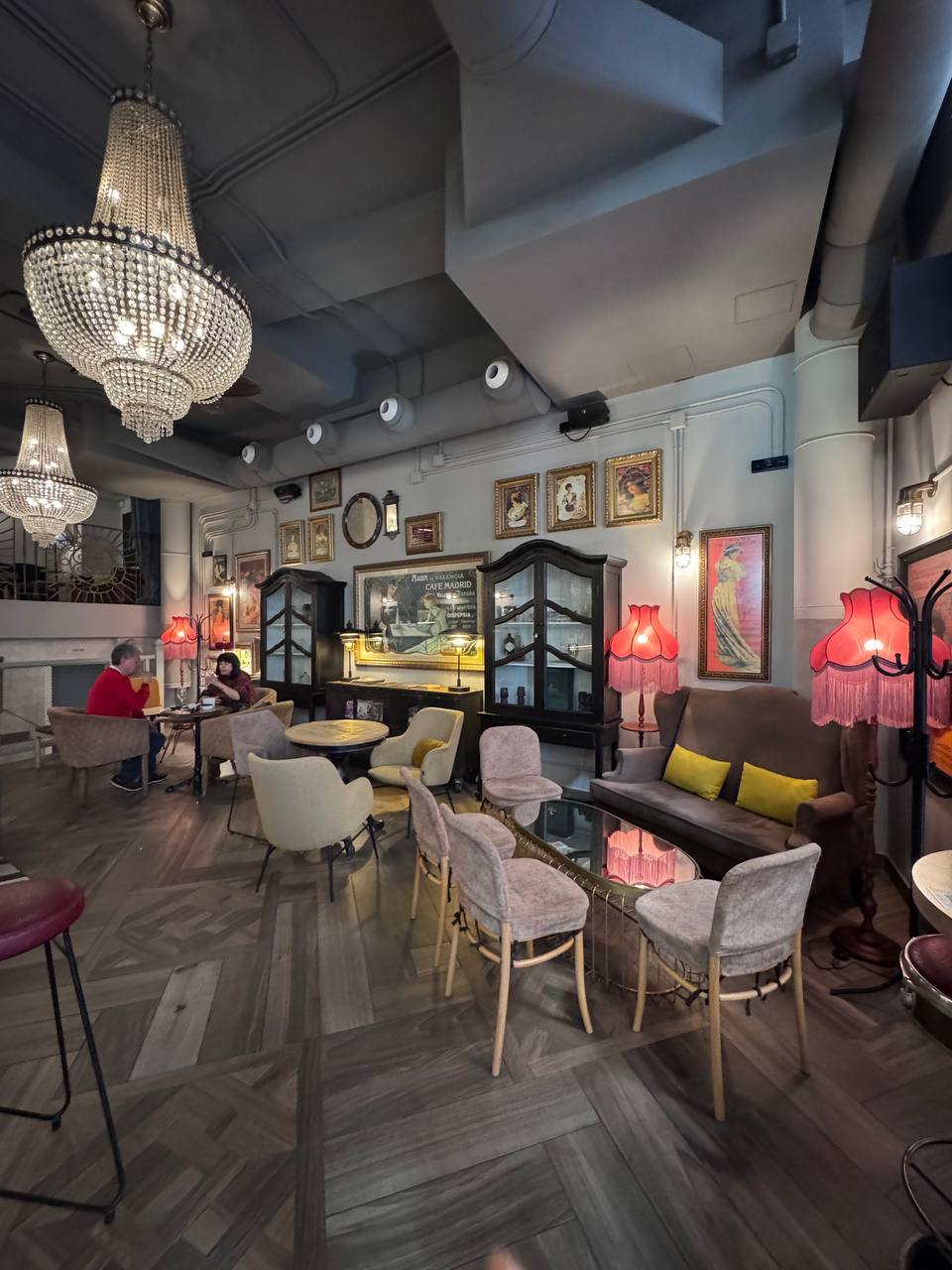
Agua de Valencia can be found in almost any bar or restaurant in the city, especially in the central districts. It is offered not only by the glass but also in pitchers designed for groups.
Near the Central Market and in tourist zones, the cocktail is sold in bottles. There are several producers, so the taste and strength of these versions can vary significantly.
In bars, a single glass usually costs between €5 and €12. A 750ml bottled version typically starts at around €8. Given how much the flavour can vary from place to place, it feels like discovering the drink anew every time you try it.
Related Articles
Beyond Paella: Discovering All i Pebre, Valencia’s Best-Kept Culinary Secret
Deep in the heart of the Albufera wetlands, the fishing village of El Palmar preserves a traditional, rich garlic and wild eel stew that tourist traps completely miss
Loading…
Loading…