




Support La Cotorra on Patreon
Access exclusive content, special perks, and closer connection with us.
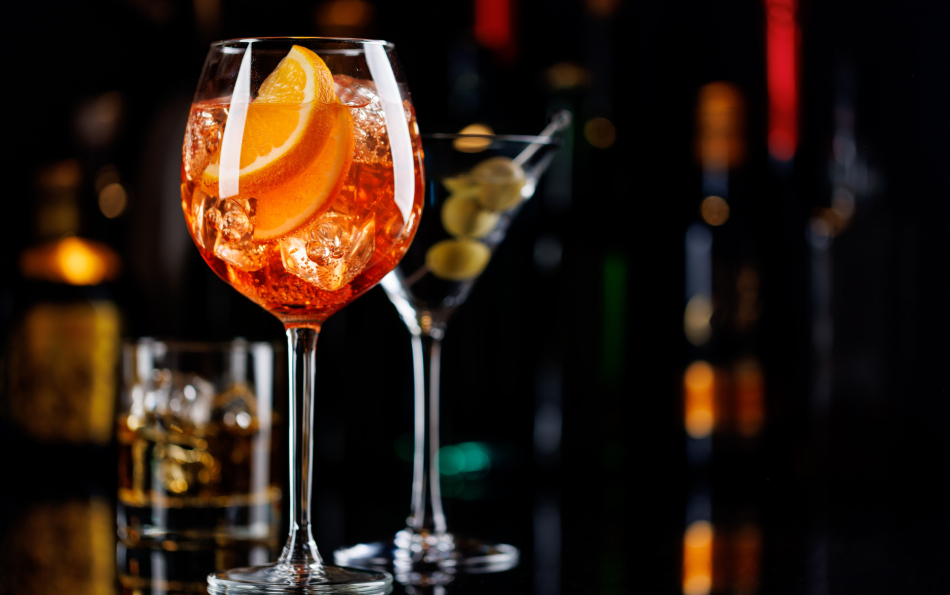
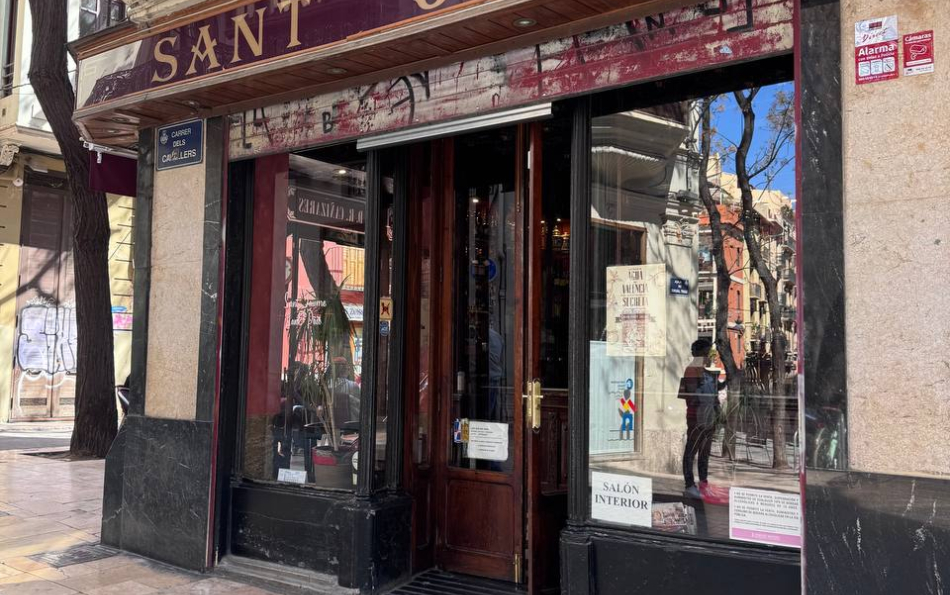
Once upon a time, medicinal ointments were blended here; now, it's cocktails. We are talking about Café Sant Jaume, operating within the premises of an ancient 19th-century pharmacy. Its current owners have fully preserved the apothecary interior, which draws visitors just as much as the bar menu itself. La Cotorra paid a visit to discover why Valencians love this spot so much.
Inside, you'll find wooden panels, a carved apothecary counter that has become the bar, and rows of vintage ceramic jars once used to store medicinal herbs. They still stand there today, alternating with bottles of gin, liqueurs, and wine. The interior of the old pharmacy is so small that there is no room for tables, so patrons gather on the outdoor terrace.
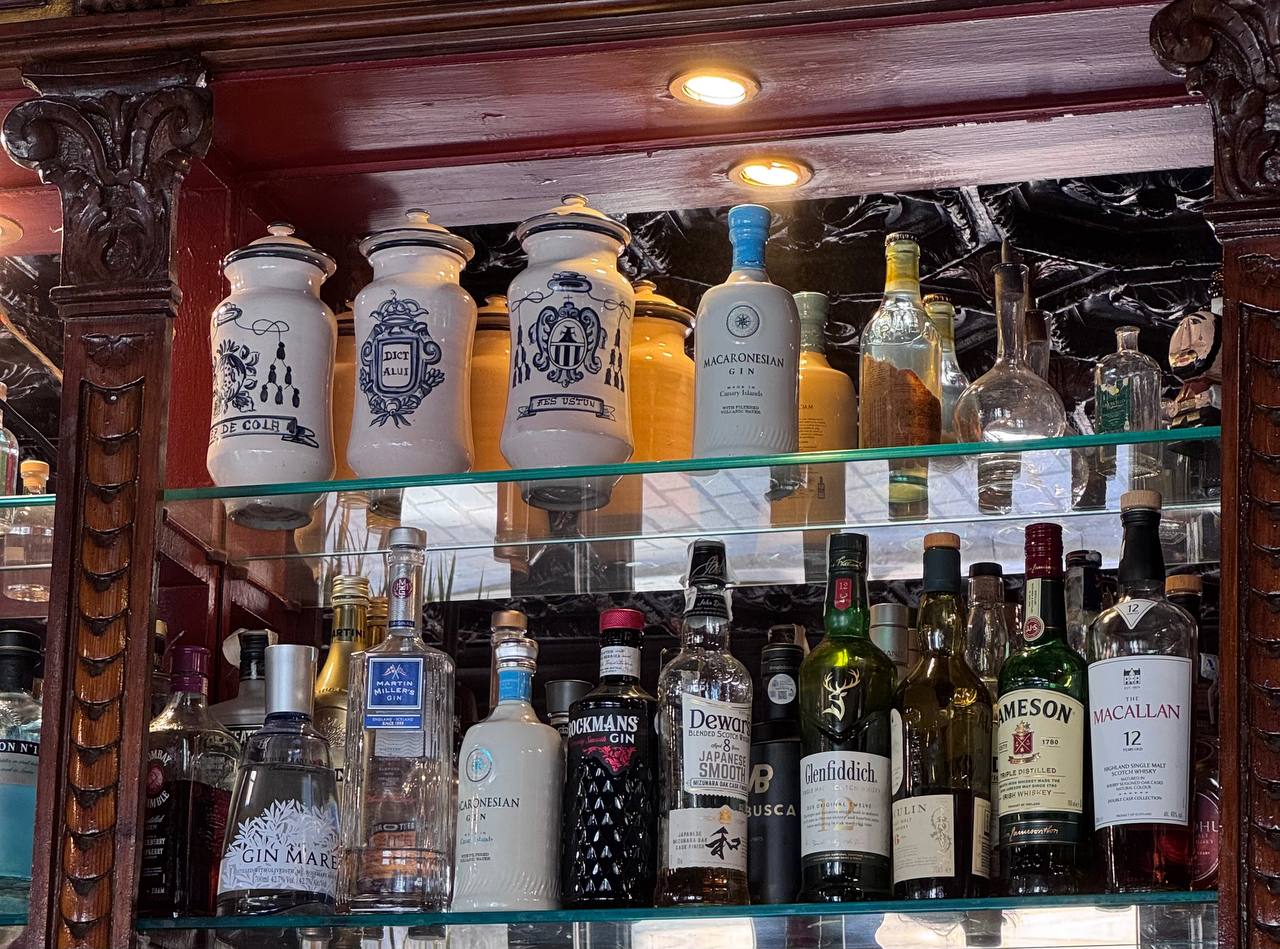
The pharmacy opened in 1886. It belonged to Dr Cañizares, who became famous for his ungüento Cañizares—an apothecary ointment considered a universal remedy for skin problems, blemishes, and freckles. In 1983, the pharmacy closed, and just a year later, it was bought and transformed into a bar, leaving the interior virtually unchanged.
"Everything you see—the wood, the counter, the jars—is from that very pharmacy," says Anna, a waitress who has worked here for 25 years and lives directly above the bar. "We always say we are still healing people, just in a different way. Not with medicine, but with Agua de Valencia. It heals a bit too—at least the soul."
The famous Agua de Valencia is the bar's primary source of pride.
"We use a classic recipe: three white liqueurs that we’ve been making ourselves for 42 years, fresh-squeezed orange juice, and cava. But the most important thing is the proportions," Anna explains.
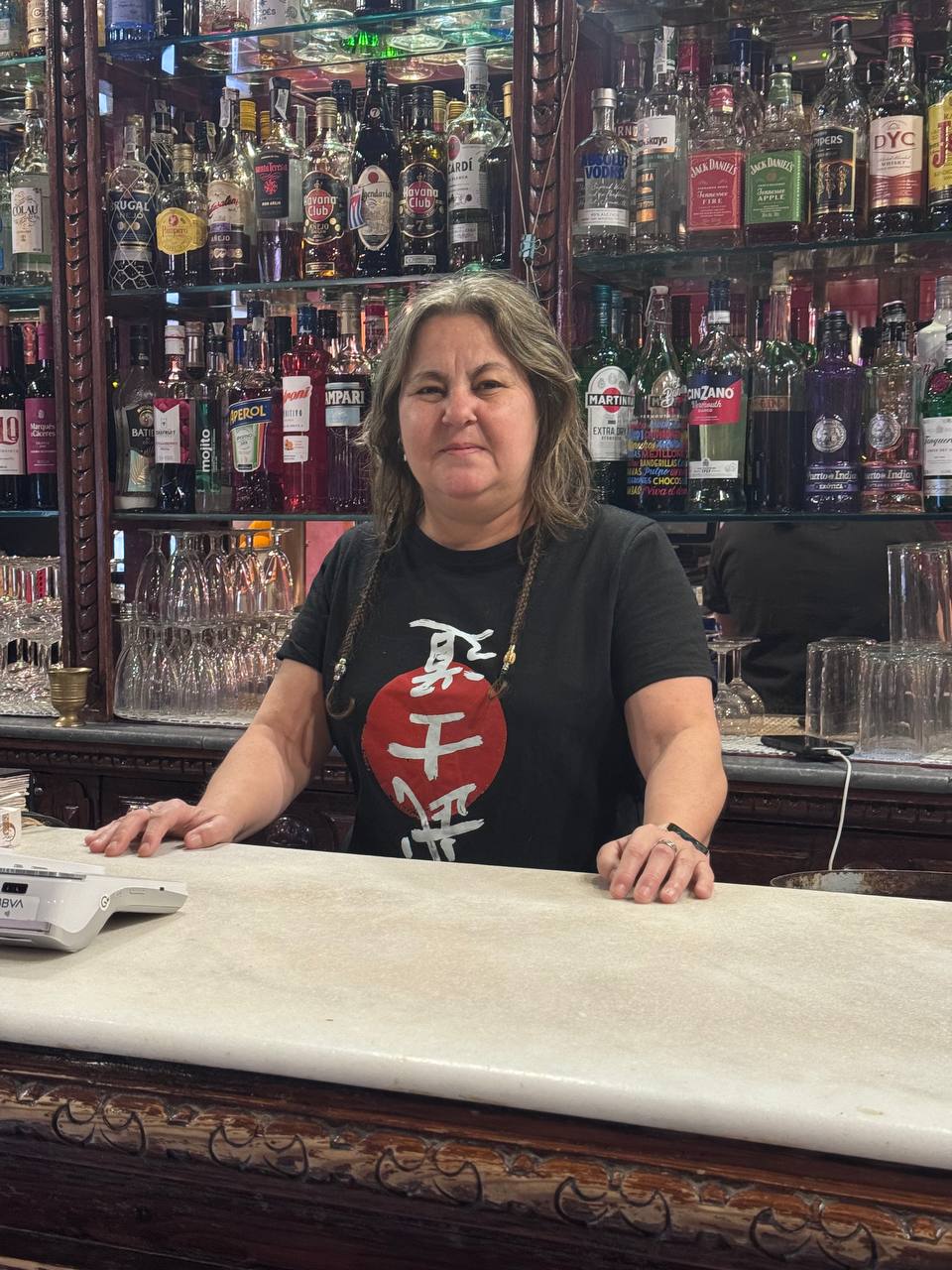
According to her, in a good Agua de Valencia, you shouldn't taste the alcohol. "If the drink feels alcoholic, it means it was made incorrectly. It should be deceptive: you drink it as if it were juice, and then you realise the effect is definitely there." On the bar counter, a dedicated space is reserved for preparing the main ingredient of this cocktail: a press stands there, flanked by a vase of oranges.
"We have a person whose only job is this—squeezing oranges for Agua de Valencia. On a good, busy day, we use up to 80–100 kilograms of oranges," says Anna.
There is no food menu as such—the bar only serves drinks and light snacks: olives, chips, and nuts.
Café Sant Jaume is located at Plaza de Sant Jaume, 1. The bar opens at 12:00 pm and stays open until late evening—it gets especially crowded at night, and finding a free table is difficult even outside the tourist season.
Related Articles
Beyond Paella: Discovering All i Pebre, Valencia’s Best-Kept Culinary Secret
Deep in the heart of the Albufera wetlands, the fishing village of El Palmar preserves a traditional, rich garlic and wild eel stew that tourist traps completely miss
Loading…
Loading…