









Support La Cotorra on Patreon
Access exclusive content, special perks, and closer connection with us.
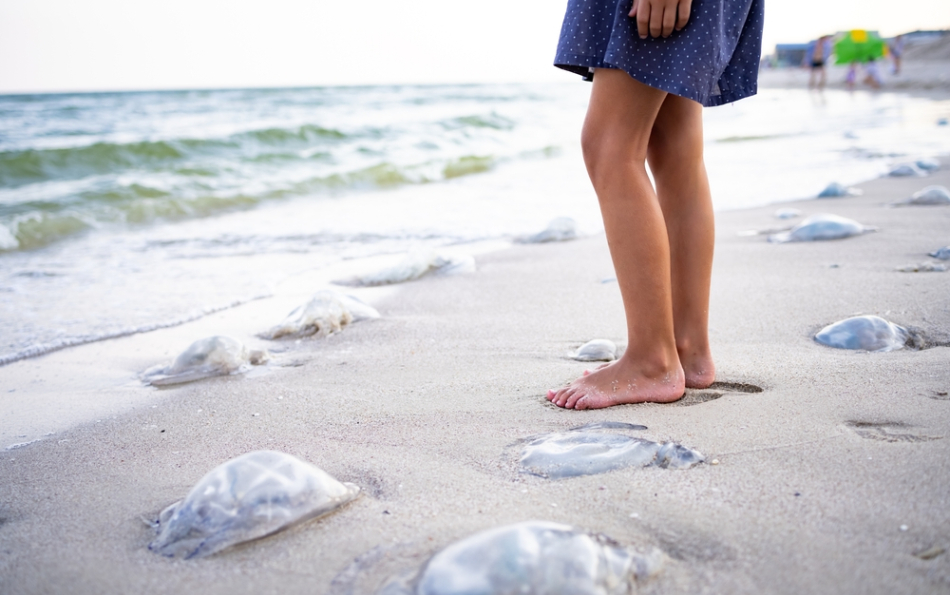
In Spain, you can get burnt without going near the sea, step on a venomous fish right at the water's edge, be poisoned by flowers, or damage your skin with fruit juice. La Cotorra runs through the hazards worth knowing about if you're spending time in Spain in spring and summer.
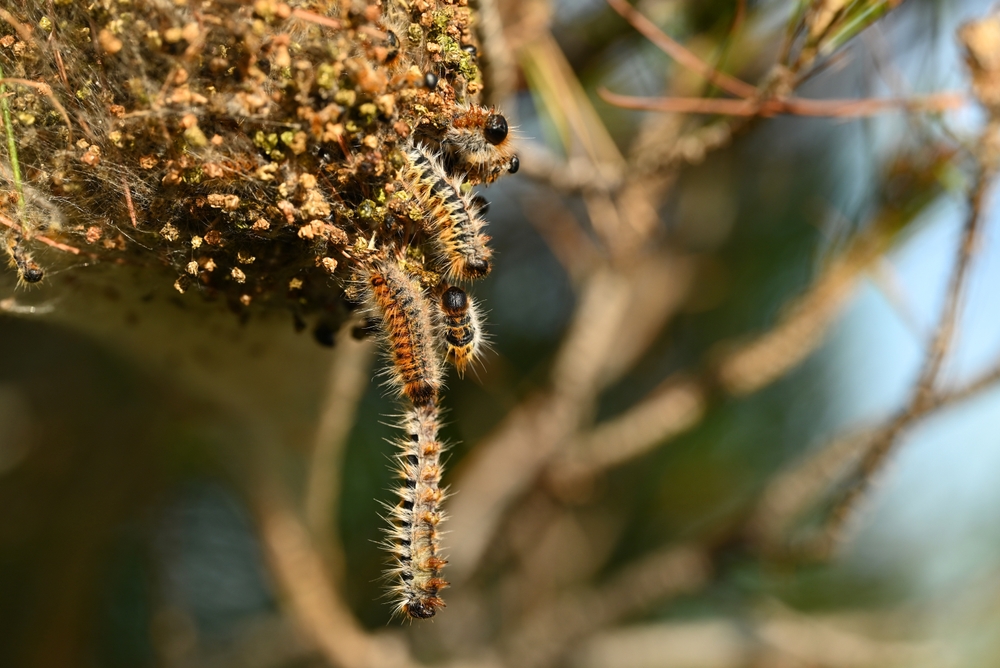
In spring, under pine trees (and elsewhere), you may come across caterpillars moving in a chain. These are processionary caterpillars. Touching one can cause a severe burning reaction — but the trouble doesn't stop there. Their bodies are covered in tiny toxic hairs that detach easily and are carried by the wind. When they land on skin or mucous membranes, they cause intense itching, irritation, and sometimes burning and allergic reactions. In other words, a reaction is sometimes possible without direct contact — simply walking under a tree or sitting nearby can be enough.
Their presence is usually betrayed by white cocoons in pine trees. In such areas, it is best not to sit on the grass or let children play nearby — especially in parks and residential zones where pines grow close to buildings.
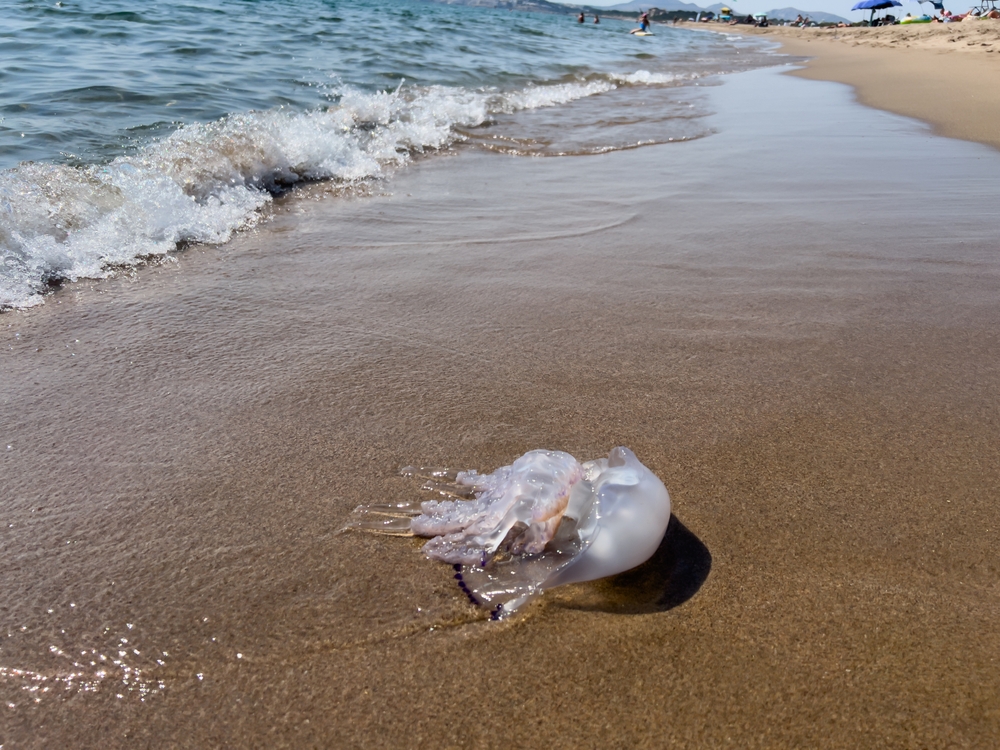
In summer, jellyfish regularly appear along the Mediterranean coast. The most common is Pelagia noctiluca — the mauve stinger. These are small, purple-pink creatures. Contact with them feels like a burn and can leave a mark on the skin for several days. Even jellyfish washed up on the beach retain the ability to sting, which is why they should not be touched, even if they appear dried out.
On beaches, flags are the guide: green means safe to swim, yellow means caution, red means no entry. When jellyfish appear, warnings are usually posted. Many people check conditions in advance using MedusApp — a map that logs jellyfish sightings in real time. But the most common indicator is simpler: if everyone is standing at the water's edge but not going in, that usually says enough.
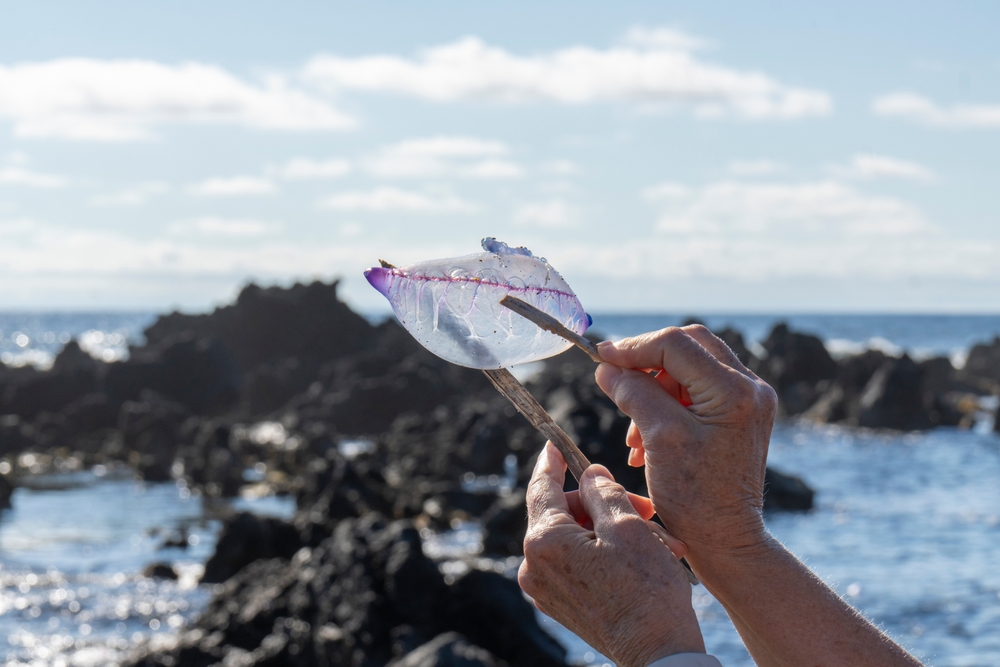
Occasionally, Physalia physalis — the Portuguese man o' war — appears near the shore. It looks like a vivid blue bubble floating on the surface and is easy to notice. Its tentacles, however, can reach several metres and remain active even after it has been washed ashore. Contact is more painful than with ordinary jellyfish and can trigger a severe reaction. On days when it is spotted, beaches may be closed, and in such a case,s the restrictions are taken seriously.
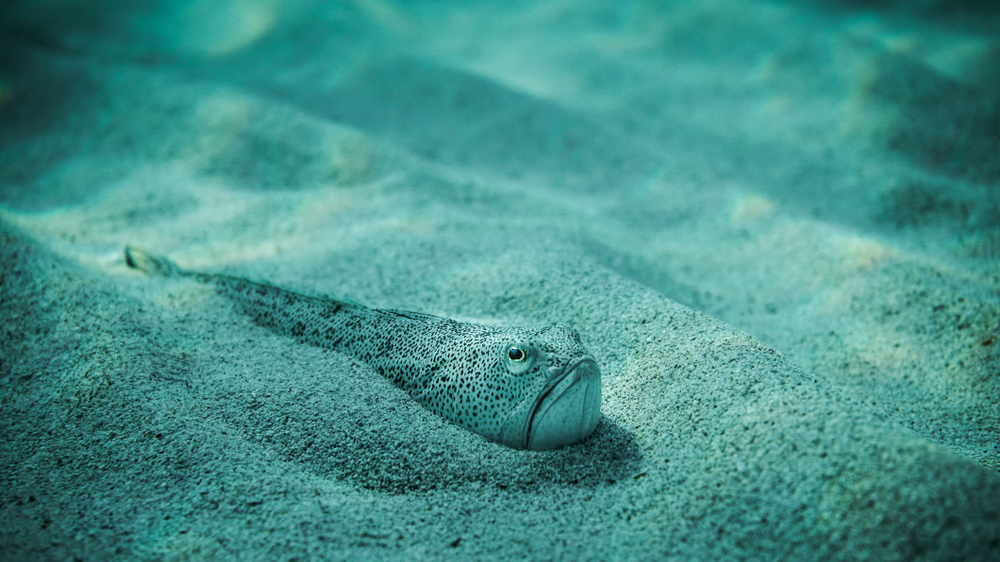
On sandy beaches, one of the most common injuries is a sting from the pez araña — the weeverfish. It buries itself in the sand in shallow water, and people generally step on it by accident.
The fish is dangerous because of the venomous spines on its dorsal fin, which it uses to sting if trodden on. The sting causes intense pain, swelling, and sometimes fever or dizziness. To avoid this, many people enter the water wearing special water shoes. Another common approach is to shuffle along the seabed rather than stepping: the fish senses the movement and moves away.
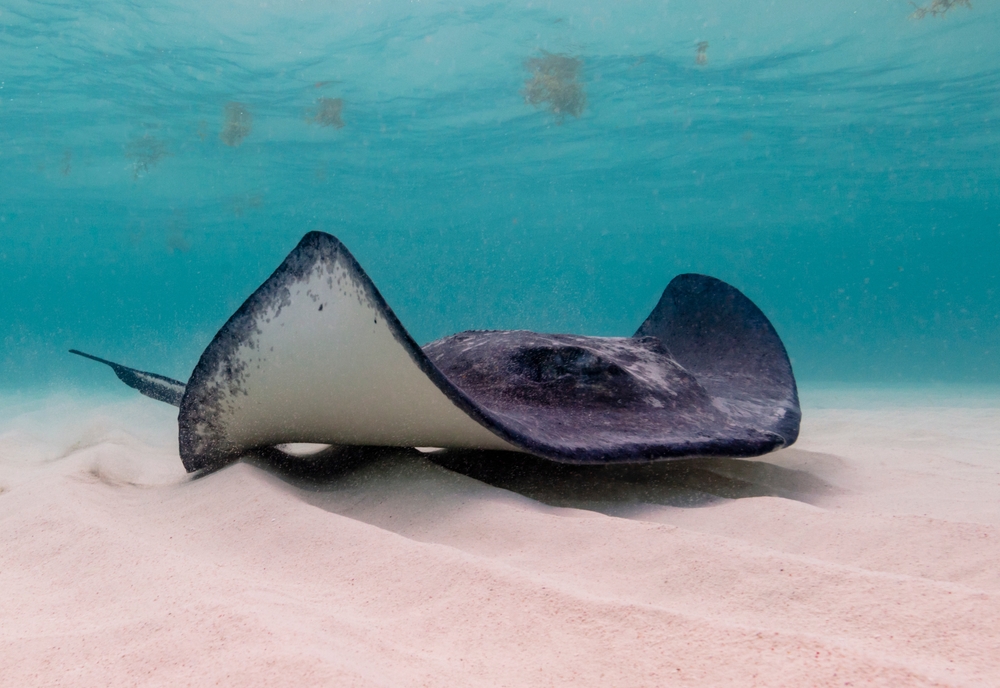
In Spain's southern regions, stingrays can be found lying on the seabed. Stingrays do not attack people by nature, but if disturbed, they may strike with their barbed tails. When entering the water, people generally move calmly without sudden movements, creating a gentle vibration — this is usually enough to make the ray move away.
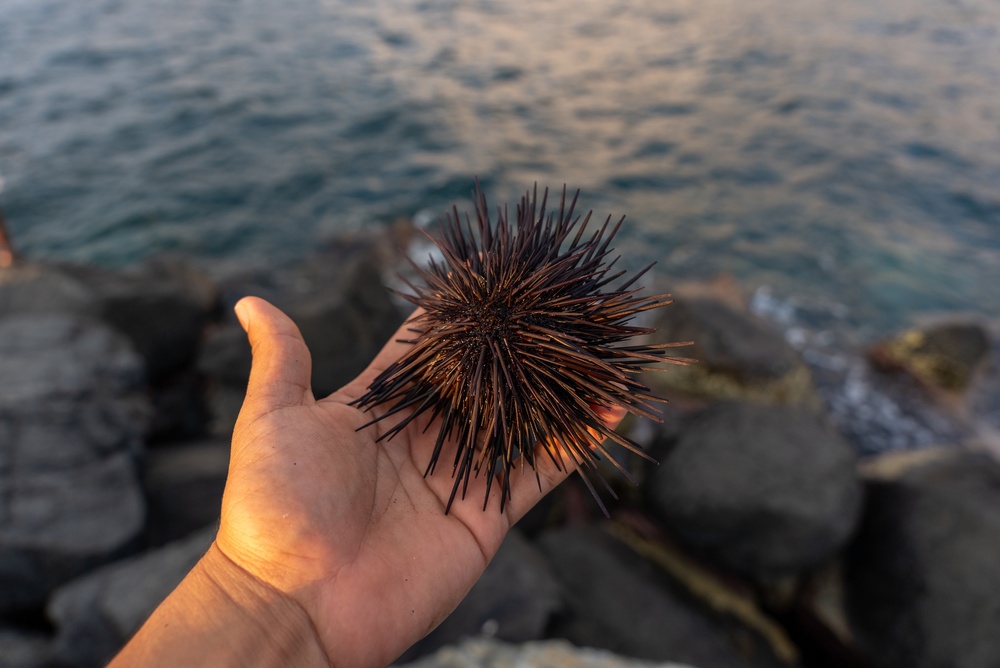
In rocky coastal areas, sea urchins are present, and even in clear water, they can easily be missed. Stepping on one drives the spines into the skin. They are extremely brittle, which makes self-removal difficult.
This is more commonly an issue at wild coves and on rocks than at urban beaches. In such places, people either wear water shoes or carefully look before each step.
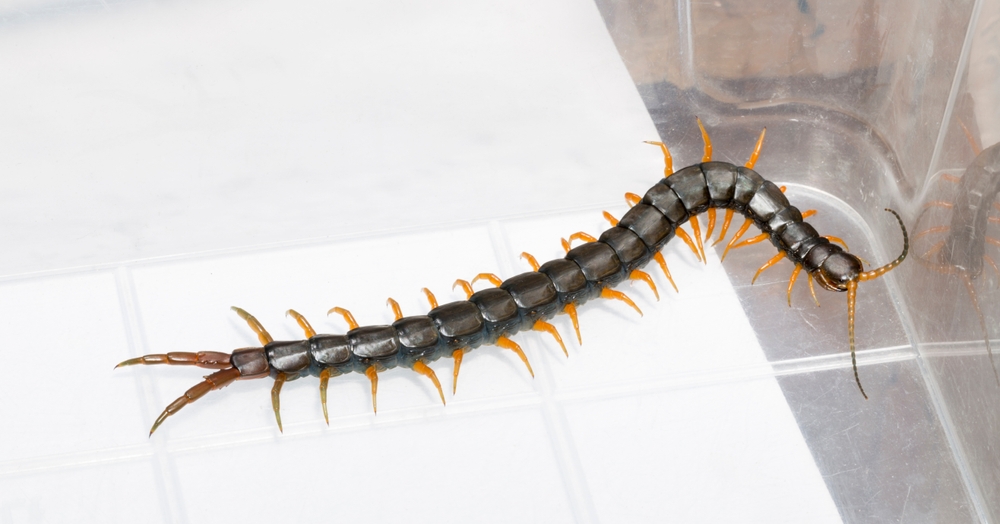
Scolopendras are large centipedes that hide under stones, in gardens, and in damp areas. Their bite is painful and can cause swelling.
They are most commonly encountered while gardening or out in the countryside, when turning over stones or planks.
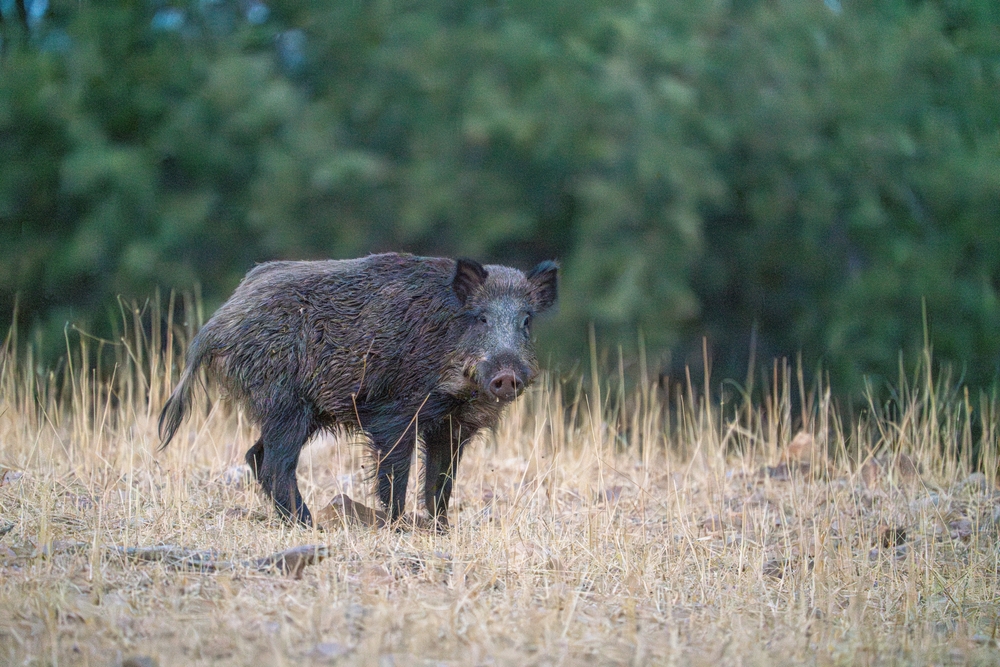
Wild boars are found across Spain, including on the outskirts of cities. They are regularly spotted near bins and at the edges of green spaces, and sometimes venture into residential areas — usually at night.
They generally avoid people, but can become aggressive if they feel threatened.
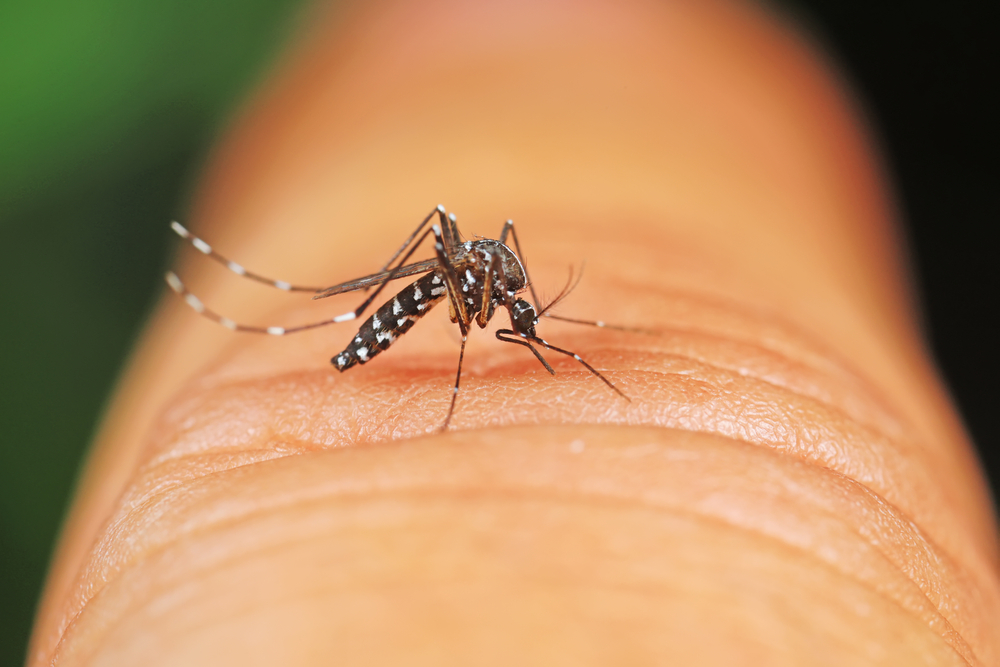
The Asian tiger mosquito has become a fixture of urban life. It is active during the day and tends to bite in courtyards, on terraces, and near water. Its bites are more noticeable and take longer to heal. It can carry infections, including dengue, chikungunya, and Zika viruses.
Spain has a Mosquito Alert app, which is used to track the spread of mosquitoes, including the tiger mosquito.

Oleander is one of the most common shrubs in Spain, planted along roads, in parks, and in residential areas. All parts of the plant — leaves, flowers, stems, and even the sap — contain toxic compounds. If ingested, they can cause serious poisoning. Locals do not handle it or use it at home.
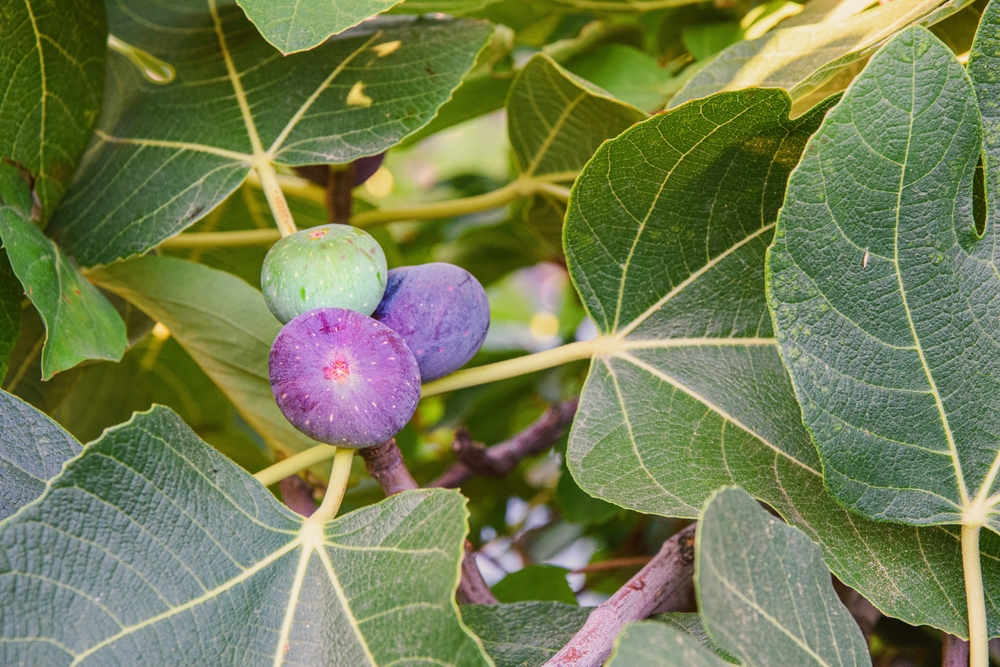
In summer, figs are often picked straight from trees — especially in parks and on private plots. The leaves and unripe fruit of the fig tree produce a sap that, when it comes into contact with skin and is then exposed to sunlight, can cause irritation and dark patches.
Related Articles
Beyond Paella: Discovering All i Pebre, Valencia’s Best-Kept Culinary Secret
Deep in the heart of the Albufera wetlands, the fishing village of El Palmar preserves a traditional, rich garlic and wild eel stew that tourist traps completely miss
Loading…
Loading…