1
Quina
Peruvian restaurant
C/ Antonio Suárez, 29, Valencia
Valencia is home to many places where you can explore the cuisines of North Africa, Asia and Latin America. For those accustomed to Mediterranean flavours, many of these dishes can come as a real surprise. Below is a selection of African, Arab, Peruvian and Japanese restaurants, and the regional dishes you can try without ever leaving the city.
Peruvian restaurant
C/ Antonio Suárez, 29, Valencia
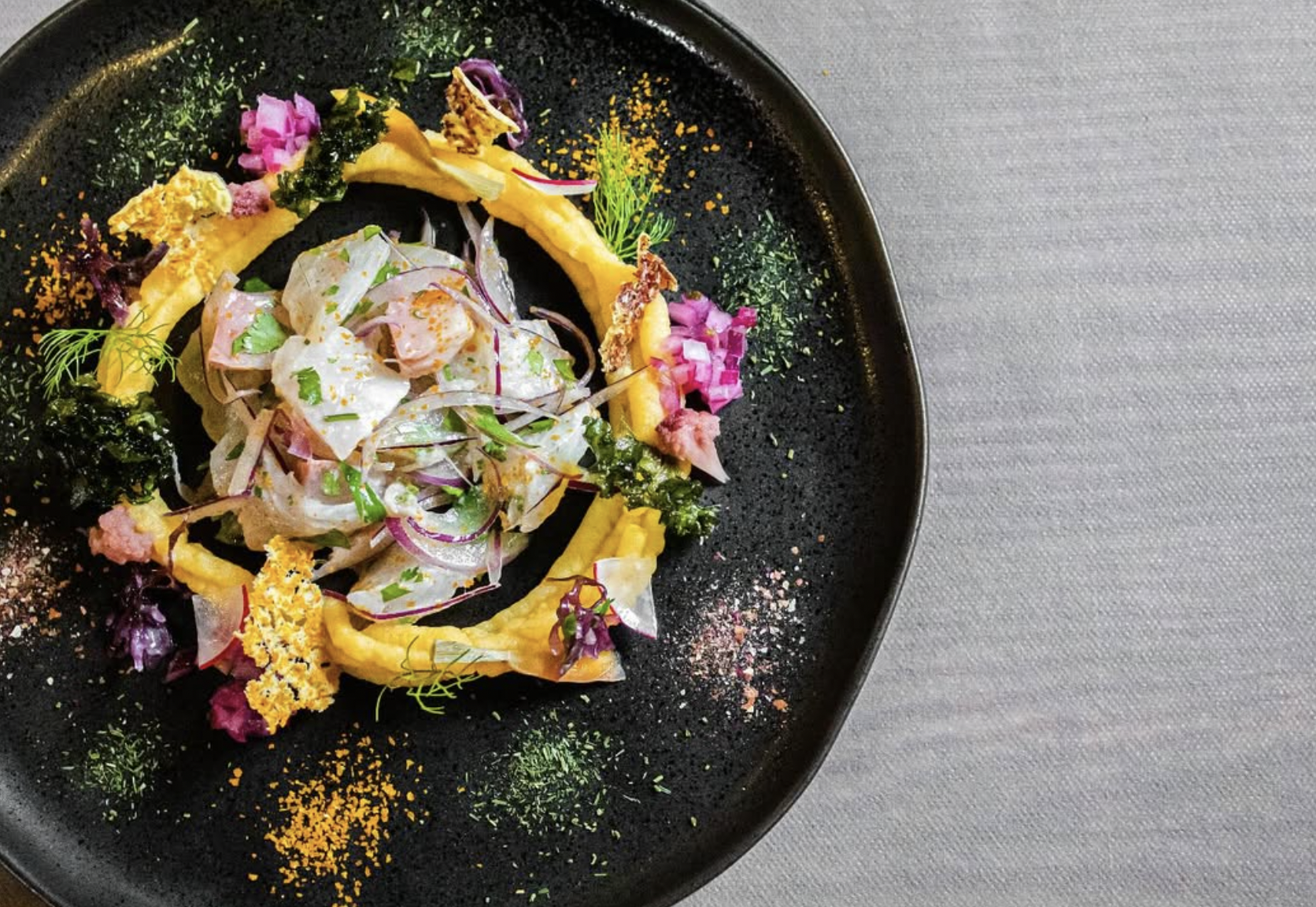
This Peruvian restaurant appeared on Valencia’s culinary map in 2019 and has been serving the city consistently excellent food ever since. The chefs — Robert (German) and Cristi (Peruvian) — source their ingredients from local markets and nearby farmers.
Peruvian traditions are skilfully combined with local produce, resulting in bold and exotic flavours. Try the white ceviche (considered the ancestor of all ceviches), or the classic Peruvian potato dish causa limeña with chicken or octopus. Seasonal seafood is served in leche de tigre — the citrus marinade Peruvians use for ceviche and fish dishes.
Vegetables come straight from Valencian plots, while meat and seafood are paired with an impressive range of Peruvian sauces. Highlights include beef cheek with Peruvian locro (pumpkin purée) and chalakito sauce. Vegetarians will appreciate the fried pumpkin and sweet potato fritters with chancaca honey, infused with orange and fig leaf.
Lebanese restaurants
Three locations in the city:
Paseo de la Alameda, 50
C/ Mossèn Femenia, 12
C/ Felip Maria Garín, 4
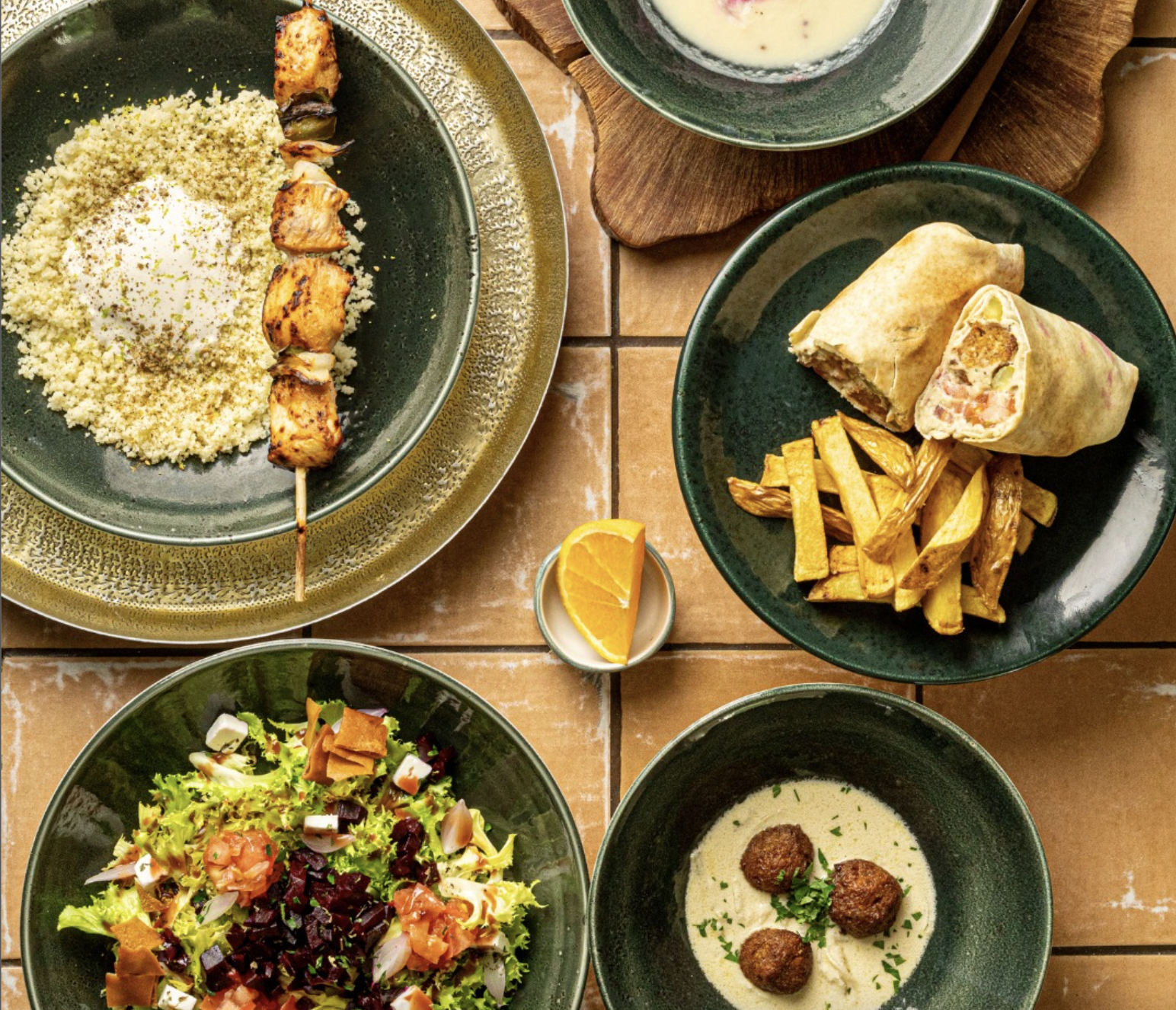
The restaurant that introduced Valencia to the flavours and traditions of Lebanon was founded in 1995 by Kalout Haidar and is now run by his children. Guests come here for both Lebanese street food and home-style cooking, choosing from an almost endless menu.
While hummus and falafel are familiar to many, dishes such as moutabal (roasted aubergine hummus, €9.90), muhammara (a red pepper and tahini cream with walnuts, pomegranate molasses and olive oil, €9.90), or hummus shawarma (hummus topped with lamb and beef or chicken shawarma, €14) are often a revelation.
Many dishes are served with pomegranate sauce, including kibbeh — wheat bulgur shells filled with meat, pine nuts and onion. A particular delicacy is Hummus Kafta: small Lebanese meatballs served on a delicate yoghurt cream with red lentil hummus, mint oil and almond flakes (€16). The yoghurt–mint sauce can also be enjoyed with lamb and rice.
Korean restaurant
C/ Doctor Serrano, 19
Opening hours: Wednesday–Saturday
Kitchen open from 19:00 to 22:30
On Saturdays, open for both lunch and dinner
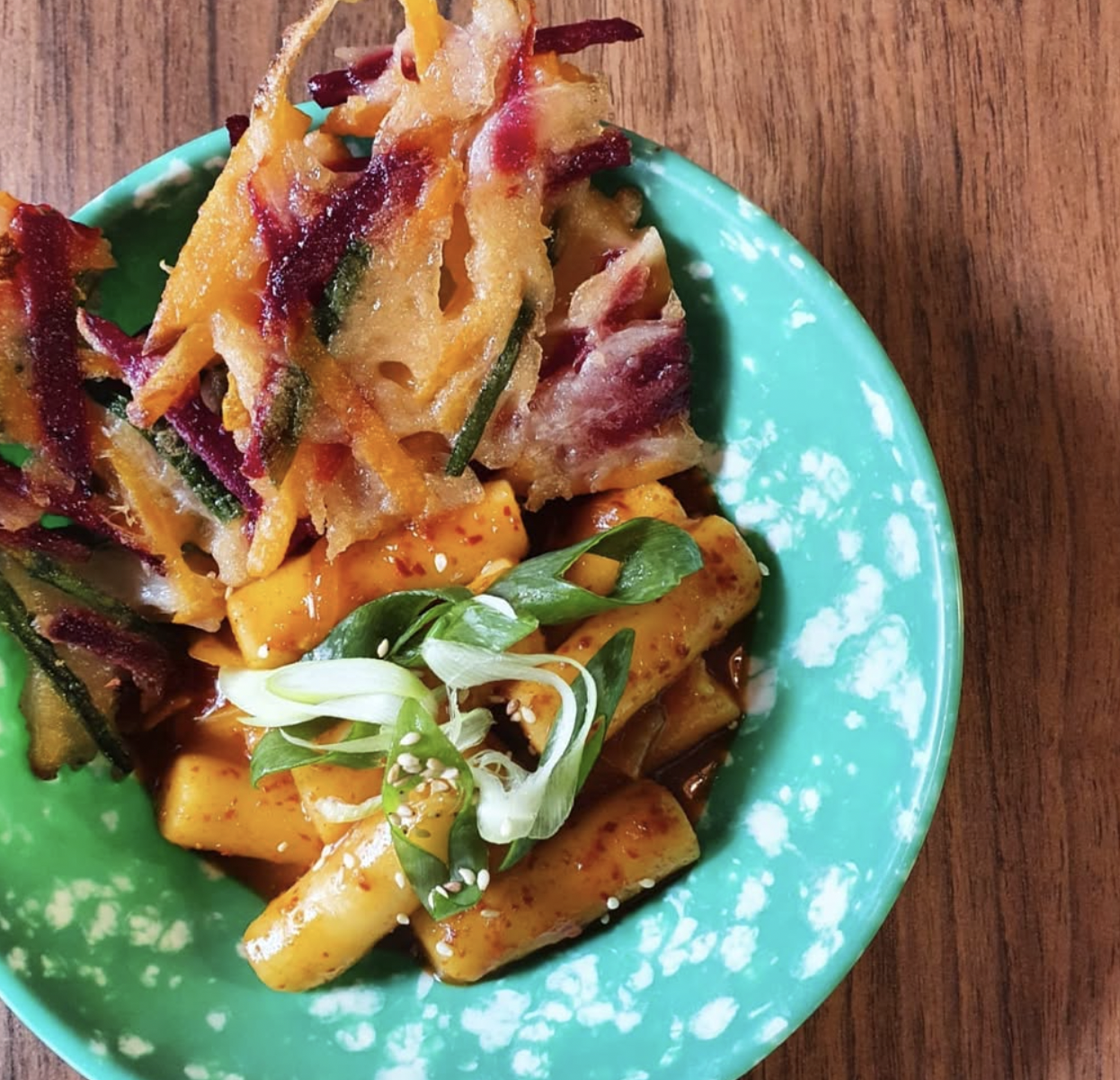
A local favourite, this Korean restaurant is run by Spaniard Raúl Rivelles García and Korean-born Haesung Yoon. It opened in Ruzafa in 2019 and seats a maximum of 25 guests. The menu is intentionally concise: four starters and four main courses.
Around 90% of ingredients are sourced from the nearby Ruzafa market, with the remaining 10% imported from Korea. Tables for two are usually easy to find, while larger groups may need to join a waiting list.
Menu names may require explanation, but they always deliver on flavour, tradition and meticulous craftsmanship. Tteokbokki consists of small rice cylinders resembling Italian gnocchi, served with an Asian-style tomato sauce, egg and onion crisps. Buchu japchae (€17) is a classic Korean sweet potato noodle dish with omelette, mushrooms, carrots and fragrant spring onions.
Ganjang suyuk with bossam kimchi (€17) features pancetta braised in soy sauce and sweet rice wine, served with lettuce leaves, hoisin sauce and radish kimchi. Napjak Bibim Mandu (€12) is a spicy salad with six mandu dumplings, while Tongsamgyup Kimchijjim is fermented kimchi stewed with bacon. The hand-made dumplings deserve special mention.
Table reservations are essential.
Japanese restaurant
C/ Cádiz, 48
Tue–Wed: 20:00–23:00
Thu–Sat: 13:30–16:00, 20:00–23:00
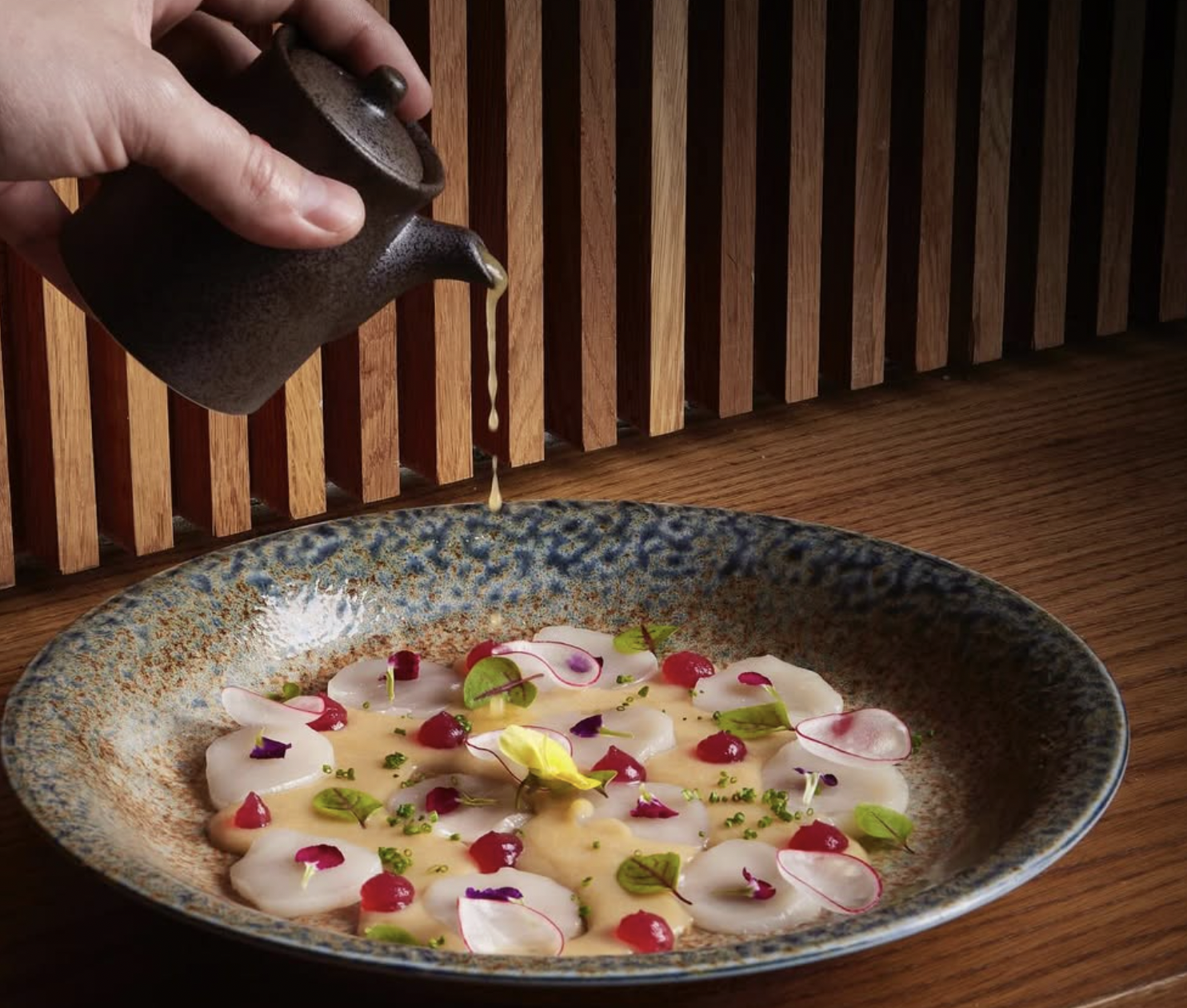
The name of this understated restaurant in Ruzafa translates from Japanese as “firefly”. Its minimalist interiors evoke the taverns of Tokyo’s Ginza district. Hedonism, refinement and flavour are central here, and the restaurant describes itself as “the perfect union between Japan and the Mediterranean”.
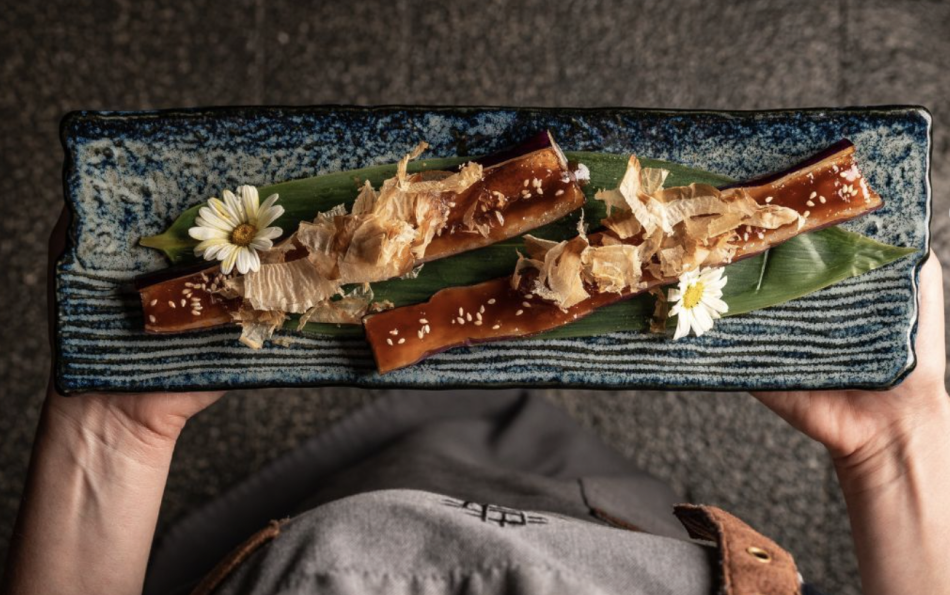
The chef masters the ancient Japanese robata technique — grilling meat and fish over a three-level charcoal grill. Balfegó tuna tartare (€22) is served with various sauces and seasonings, allowing each guest to adjust the flavour to their liking. Pork gyozas (€10) are particularly good: thin pastry dumplings with a crisp, well-seared filling of pork knuckle and cheek.
Also worth trying is Japanese-style braised beef tongue skewered and grilled with yakiniku sauce (kushiyaki gyutan yakiniku).
Sparkling wines pair especially well with the cuisine, and the drinks list also includes an excellent selection of wines and sake.
We recommend sitting at the bar counter.
Arab restaurant with Andalusian traditions
Pg. de les Facultats, 3
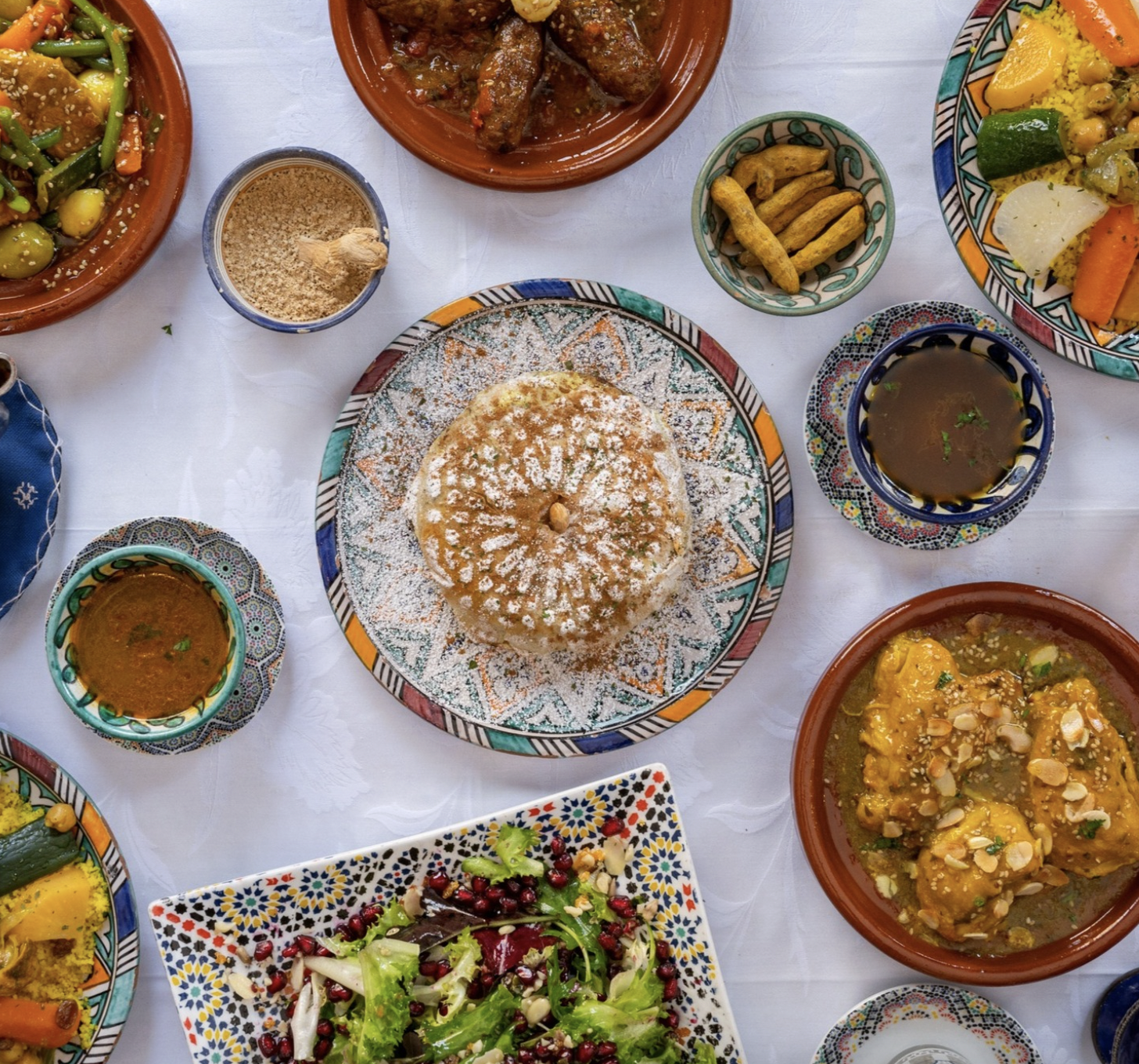
Founded in 2004 by Rachid, originally from Tangier, this was the first Arab restaurant in Valencia with Andalusian roots. Its name refers to Valencia during Muslim rule, when much of the Iberian Peninsula was known as Al-Andalus — a time when “gastronomy was pleasure, a source of health, and a journey into mysterious dimensions”.
Spain inherited Andalusian cuisine from that era, and this is precisely what the restaurant specialises in, transporting guests into the Arab past of Spain through flavours, aromas and North African-inspired interiors. People come here for dates, family meals, gatherings with friends, or simply to enjoy food prepared according to authentic recipes.
Balansiya reveals the invisible bridges connecting modern Valencia with the Arab world and traditional Andalusian gastronomy. It celebrates salads, rice and vegetables and arguably serves some of the best hummus in the city. Try the Alhambra salad with pomegranate, endive, lettuce, chicory and radish sprouts, dressed with a pomegranate–nut sauce. The couscous with lamb shank is also worth ordering, as are the house-made syrups (Xarab Andalusí, Xarab Balansí, Xarab Floral) — refreshing, tonic drinks made from fruit juices, spices, flowers and aromatic herbs.
The restaurant offers three tasting menus (€25.50–33). There is no alcohol menu. For Spanish speakers interested in history, the restaurant’s website is a treasure trove of articles, photographs and recipes exploring Valencia during the era of Al-Andalus.
Eritrean restaurant
Carrer del Poeta Mas i Ros, 35, Bajo izquierda, Algirós
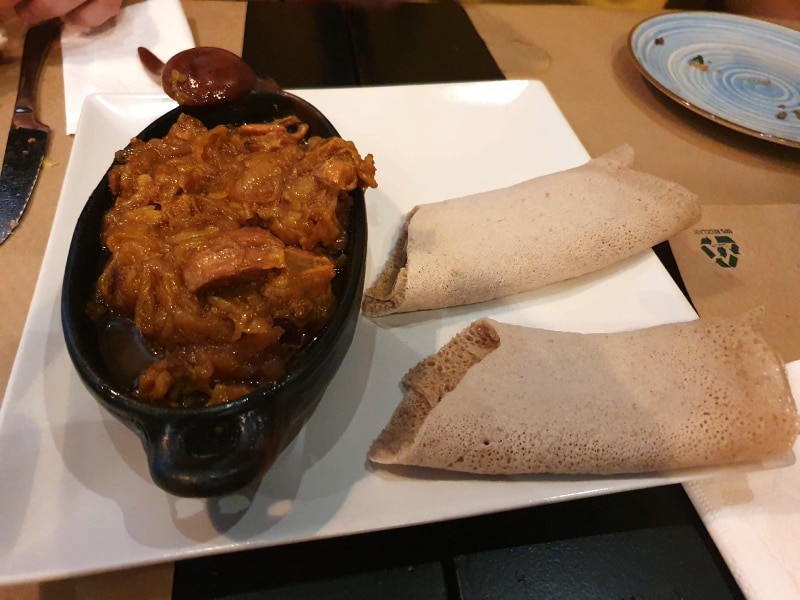
This cosy family-run restaurant is owned by an Italian from Milan and his wife from Eritrea, originally from the coastal city of Massawa (massawina meaning a resident of Massawa). African-inspired interiors set the tone, and the menu focuses primarily on traditional dishes from this East African country on the Red Sea.
The homemade sambusas are outstanding — a variation of samosas filled with meat and vegetables, served with a sauce reminiscent of Catalan romesco. For main courses, try the stewed lamb in a slightly tangy, spicy sauce (Alicja nai begghe). Instead of cutlery, guests are served injera — soft fermented flatbreads — intended to be torn and used to scoop up the lamb. While this takes some practice, cutlery can be requested.
Vegetarians will enjoy adisalem (€16), a dish featuring four homemade injera served with a ragout of crunchy lentils, vegetables and spinach. In colder months, massawa con carne (€20) — a spicy beef stew with gentle acidity, served with bread and cabbage — is well worth trying.
Related Articles
Beyond Paella: Discovering All i Pebre, Valencia’s Best-Kept Culinary Secret
Deep in the heart of the Albufera wetlands, the fishing village of El Palmar preserves a traditional, rich garlic and wild eel stew that tourist traps completely miss
Loading…
Loading…