





Support La Cotorra on Patreon
Access exclusive content, special perks, and closer connection with us.
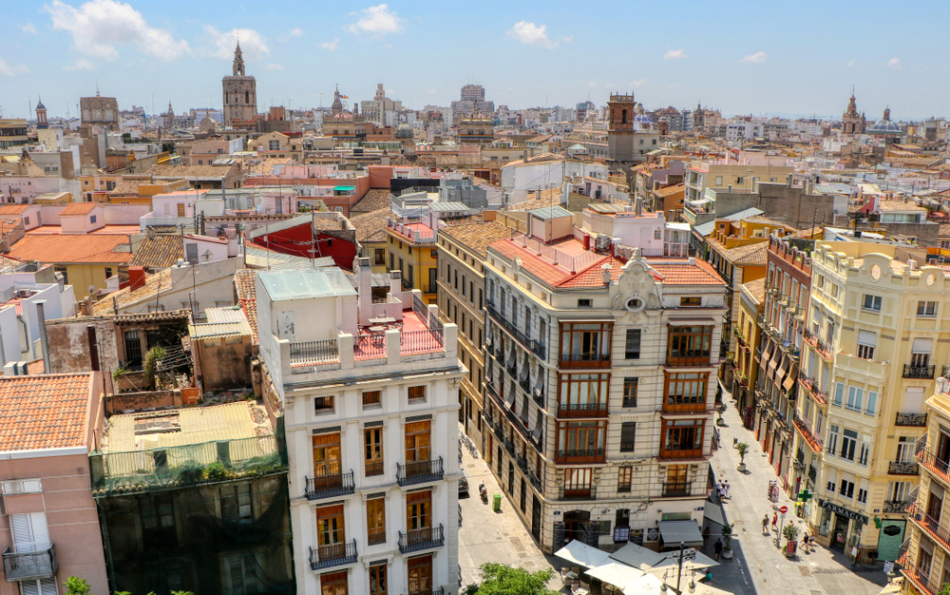
Valencia has nineteen districts and even more neighbourhoods. Some are only a short walk from the sea, others sit on the edge of the city overlooking orange groves. La Cotorra explains where life is convenient, where it is atmospheric, and where it is simply inexpensive.
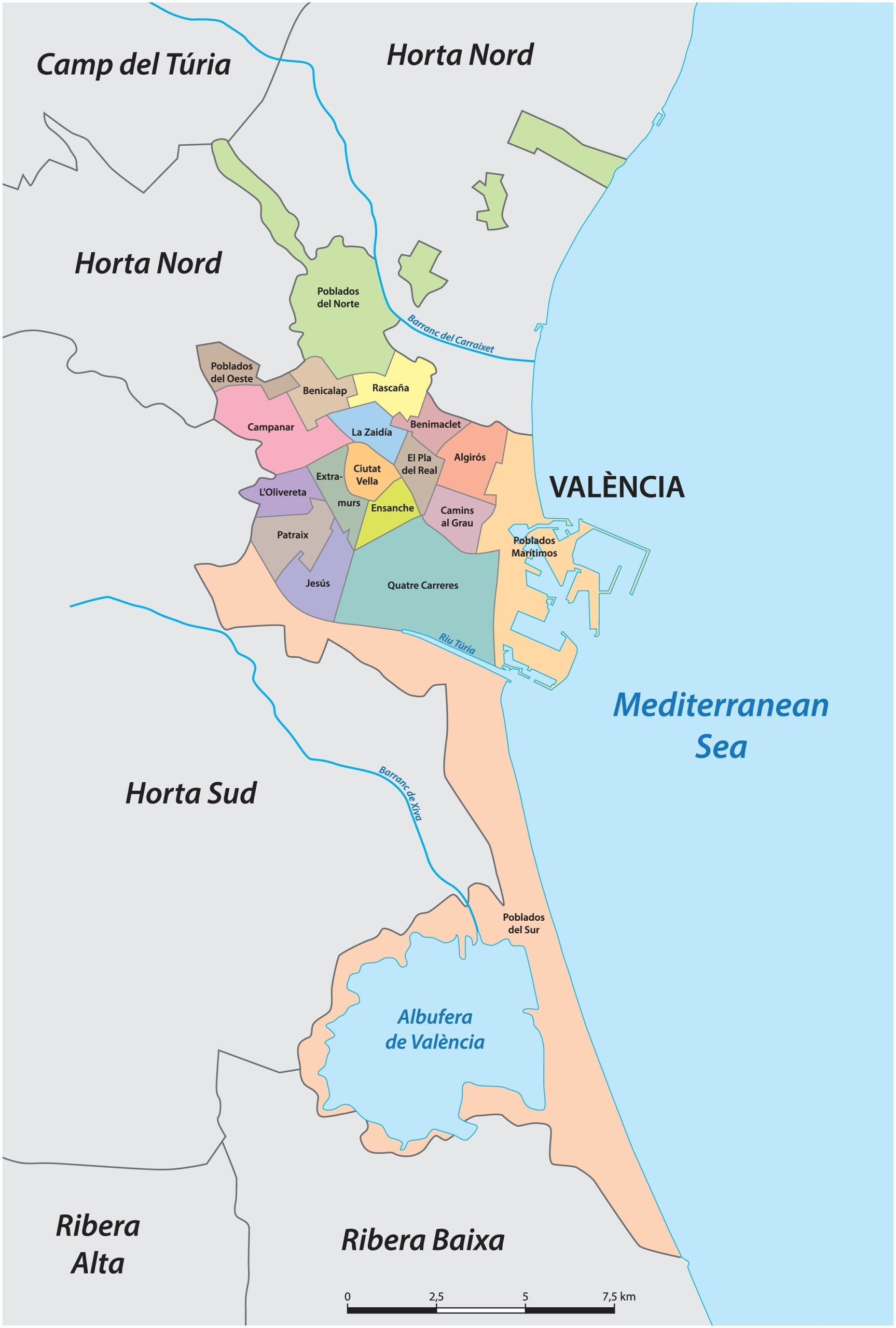
Here is the map of Valencia’s districts. Below, we describe each of them in detail.
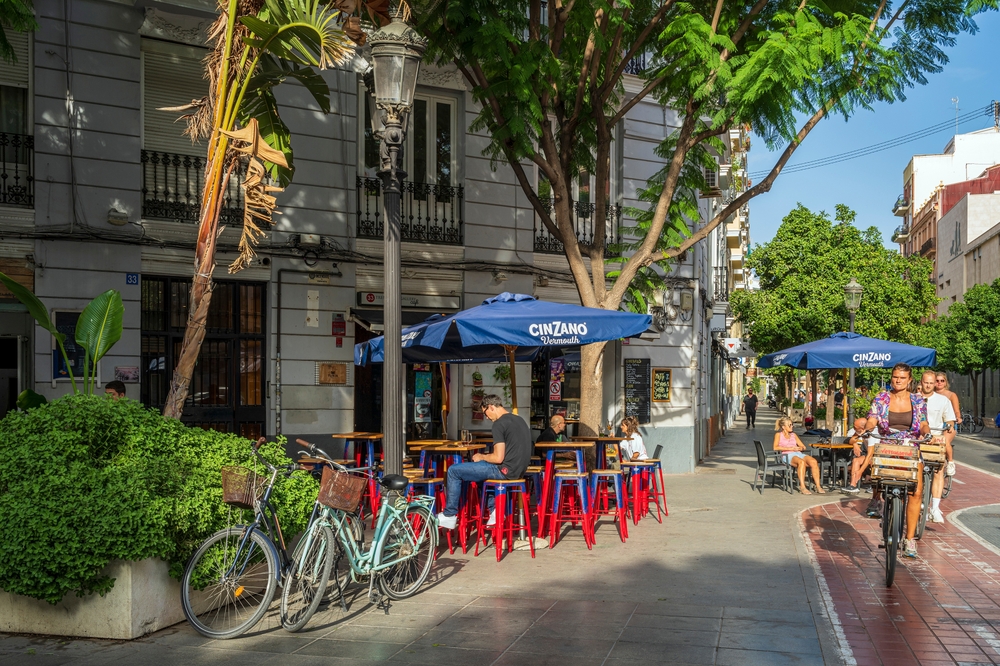
One of the most prestigious and expensive districts in Valencia. Straight, green streets; elegant early twentieth-century buildings; boutiques, cafés, and galleries. The district is divided into three neighbourhoods with distinct characters: the bourgeois Pla del Remei with its luxury boutiques, the quieter Gran Via with its wide avenues, and bohemian Russafawith bars, art spaces, and nightlife. The architecture is beautiful, although many buildings do not have lifts. The area is home mainly to the affluent middle class, and although tourists are present, they are fewer than in the old town. Transport links are excellent: metro (lines 3, 5, 9, 10), buses, and cycle lanes. The city centre is within walking distance, and the sea is about thirty minutes away by public transport. Rents are high, especially in Pla del Remei — one of the most expensive neighbourhoods in the city.
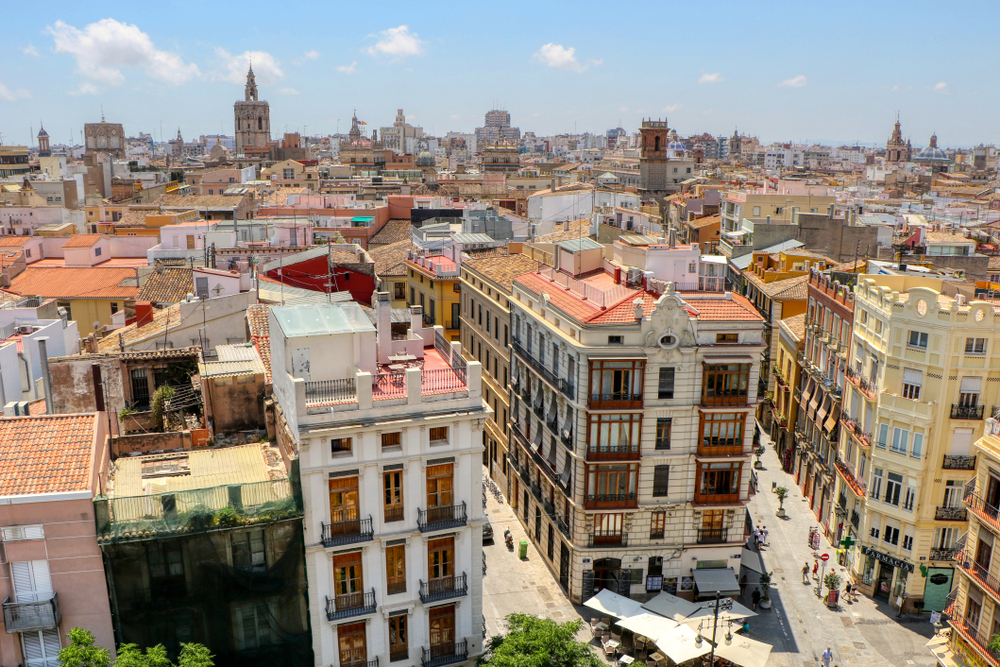
The historic heart of Valencia with narrow streets, numerous landmarks, Gothic architecture, and hidden courtyards. Tourists are present all year round, yet locals still live here. The liveliest part is El Carmen, full of bars, galleries, and graffiti. Transport is convenient only in certain areas: the nearest metro stations — Xàtiva, Colón, and Àngel Guimerà — are located on the district’s edges. Buses run well, and both Estació del Nord and the Cercanías commuter rail stations are close by. Downsides include ageing housing stock, buildings often without lifts and with poor sound insulation, and many shops geared towards tourists, meaning higher prices. Rental costs are amongst the highest in the city.
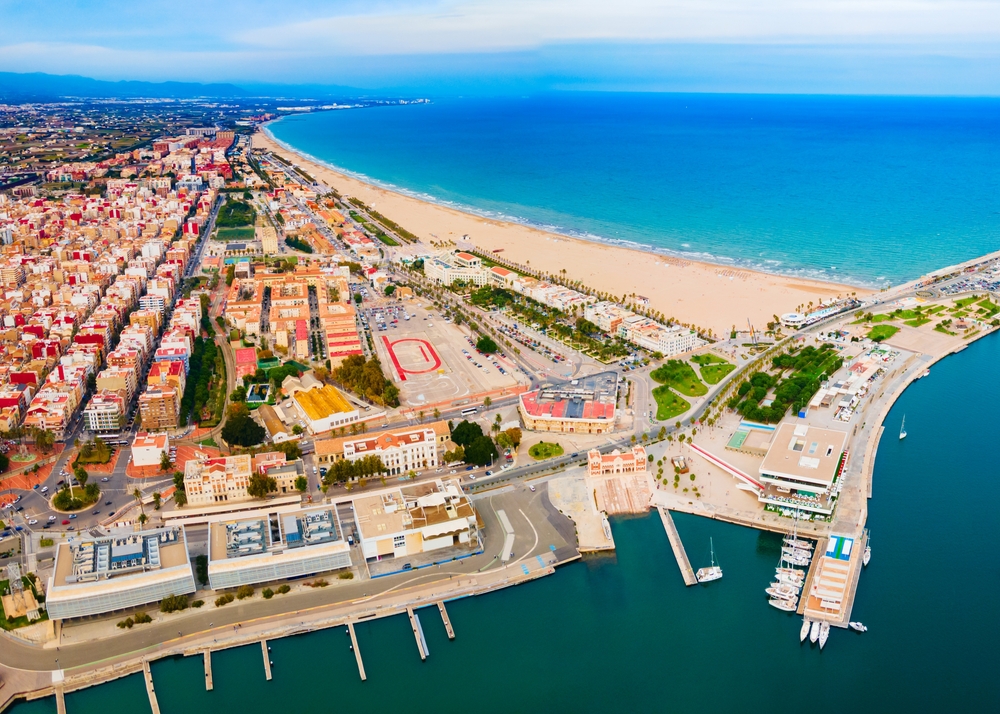
A coastal district comprising several neighbourhoods: Cabanyal, Malvarrosa, El Grau, Nazaret, and Beteró. The most vibrant is Cabanyal, with its colourful façades, tiled architecture, a lively market, and an active cultural scene. Malvarrosa is the beachfront area, lined with palm trees and crowded with tourists in summer. El Grau is closer to the port and more industrial in appearance.
Nazaret is the most remote and one of the cheapest. Transport is reasonably good: metro (not everywhere), trams, buses, and the Valencia Cabanyal railway station.
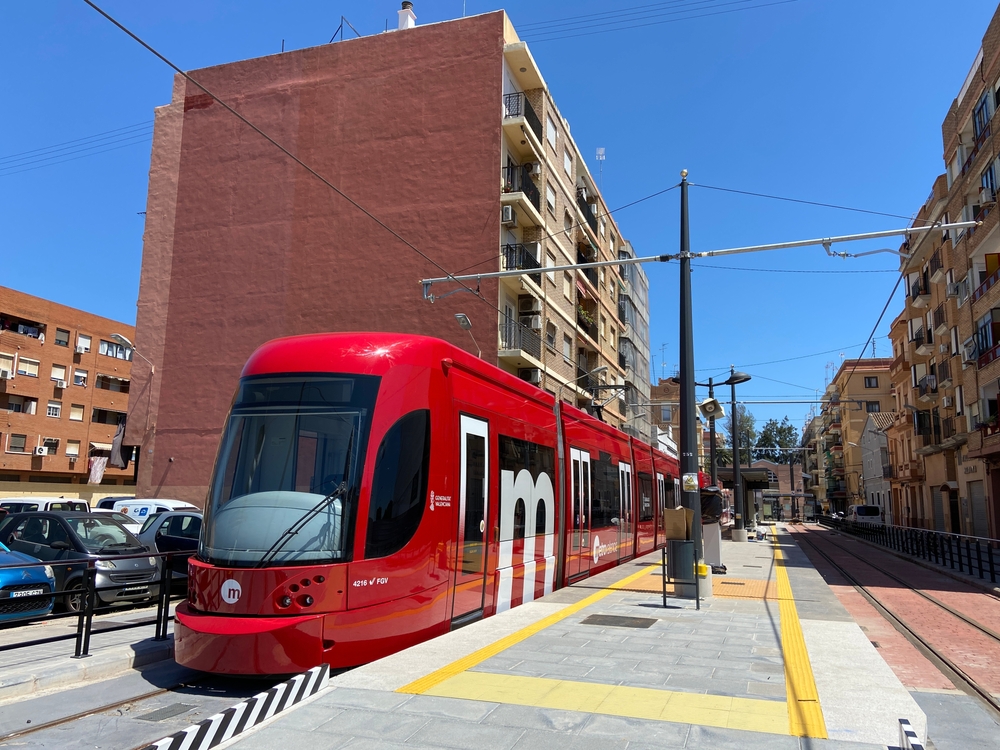
Prices vary considerably: Malvarrosa and Cabanyal are more expensive, especially near the sea, while Nazaret offers some of the lowest rents in the city. The district is not considered prestigious, but it is undergoing active regeneration, particularly Cabanyal and El Grau.
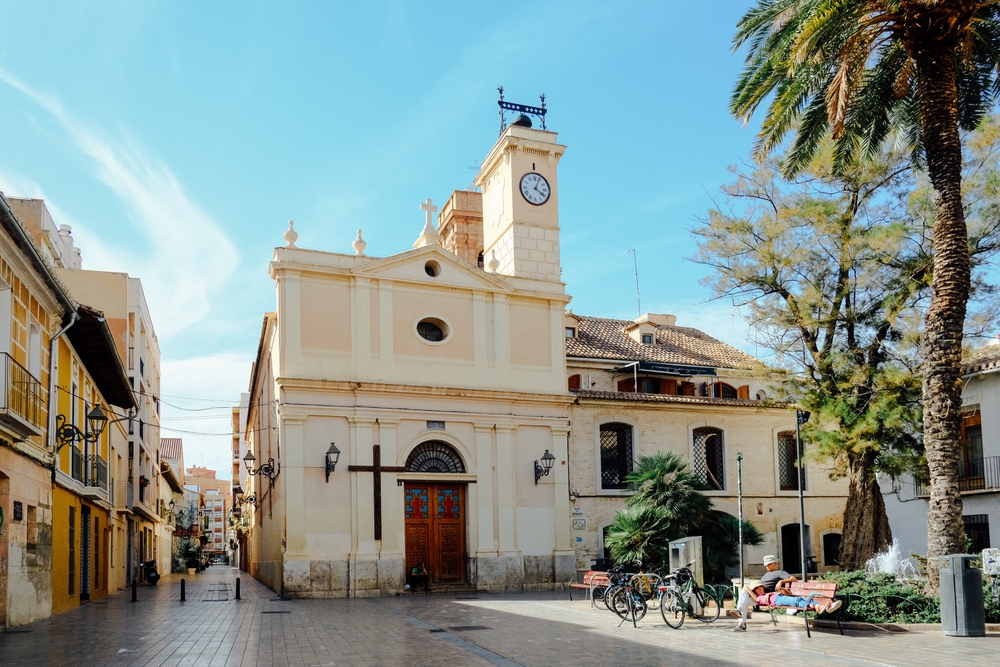
A charming neighbourhood that once was a village — and still retains that feel through its low-rise houses and green courtyards. It is quiet yet socially active: fairs, festivals, and independent cultural initiatives are common. It is popular with students due to its proximity to the universities. Local traditions coexist with a multicultural community. Not considered prestigious, but much valued for its sense of community. Well connected by metro, tram, buses, and cycle lanes. Prices are moderate.
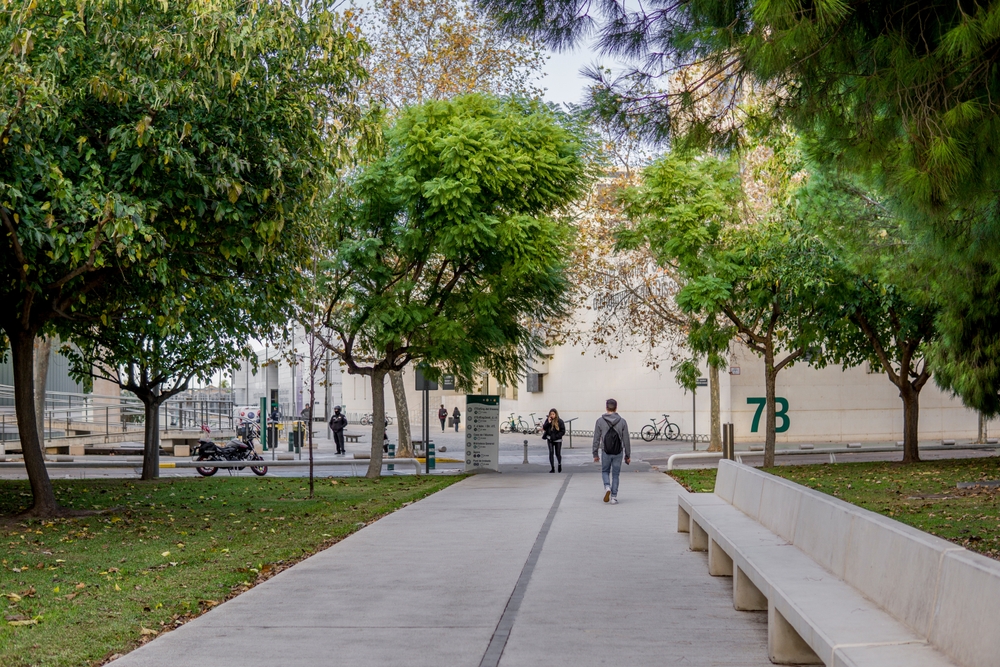
Situated between the centre and the sea, this district is popular with students, as it houses the Polytechnic University and one of the campuses of the University of Valencia. The atmosphere is lively, with many bars and pubs but almost no tourists. Architecturally, it is a mix of 1960s blocks and modern developments. There is metro access (lines 5 and 7), and the beach is easy to reach by bicycle or tram. Rents are moderate, though they may increase closer to the campuses.
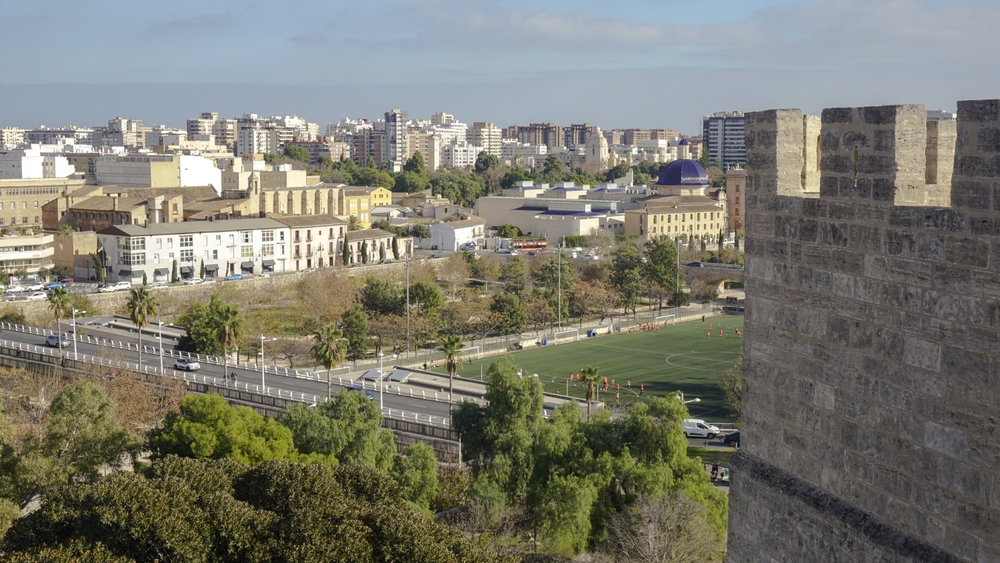
A residential area north of the historic centre, bordering Turia Park. It includes several neighbourhoods, ranging from livelier to very quiet and family-oriented. Most buildings date from the 1960s–1980s: simple, unpretentious, often with balconies and trees outside. The district is green and has markets, local cafés, and parks. Metro (lines 4 and 6) is not close to every neighbourhood, but buses and trams run well. Prices are average: cheaper than L’Eixample, though higher than on the outskirts. Not considered prestigious, but convenient for everyday life.
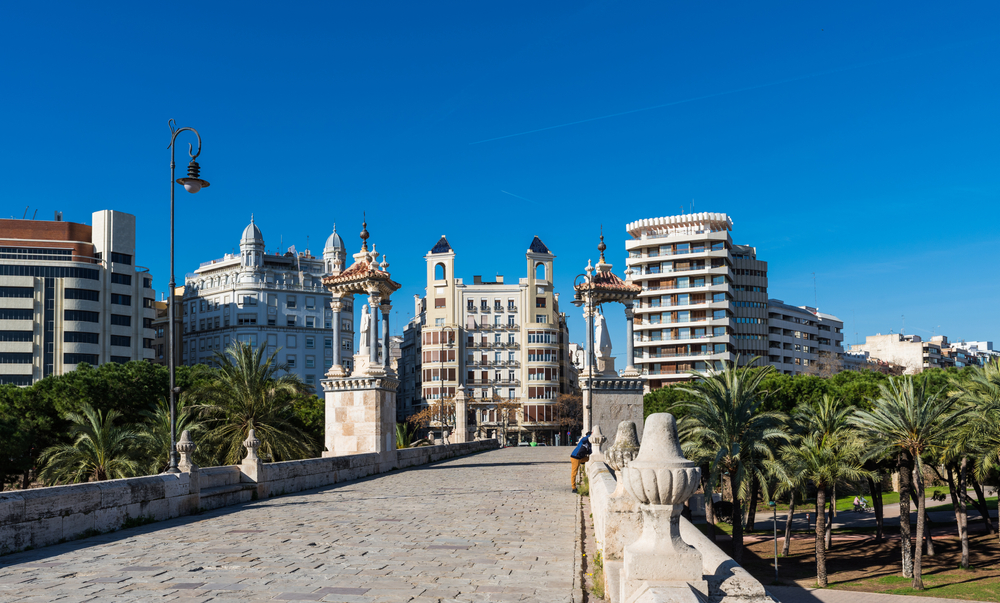
One of the most prestigious and peaceful districts, located near Turia Park and the Viveros Gardens. Quiet, green, and spacious. It offers both old villas and modern residential complexes. It is home to families, elderly residents, and students due to the nearby universities. The district is well kept, with wide streets and ample infrastructure: schools, sports facilities, clinics, and shops. There are many cafés and restaurants, but almost no nightlife. The old town is within walking distance, and the metro stations Facultats and Aragón are nearby. Rents are above average.
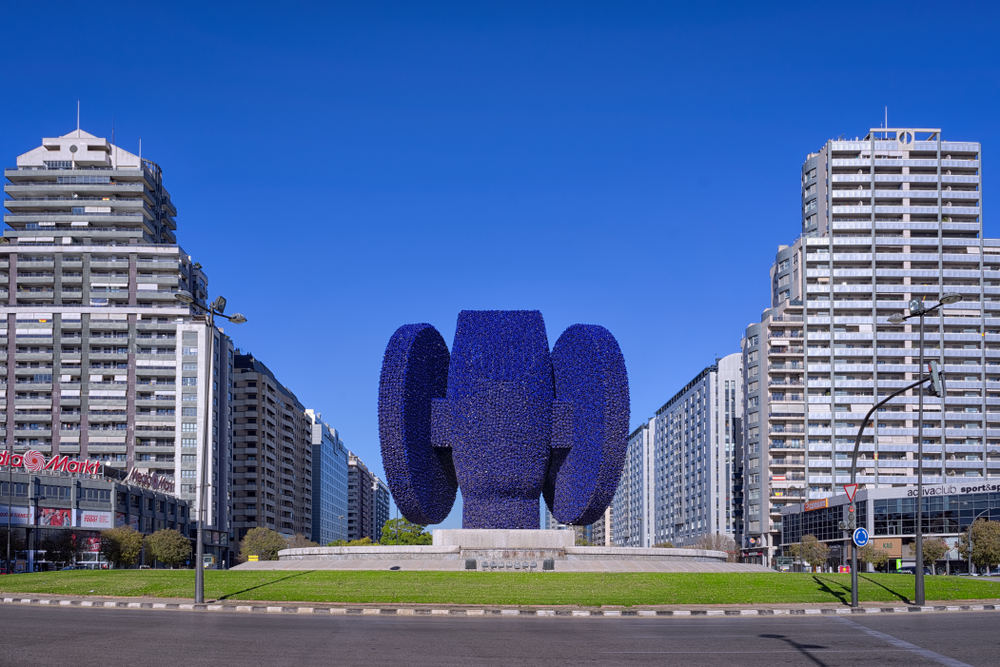
A calm, green district in north-west Valencia, close to Turia Park. Mainly residential, with no tourists or nightlife; popular with families and older residents. Its historic centre was once a village, with narrow streets and single-storey houses; other parts consist of modern complexes with pools, gardens, parking, and security. Infrastructure is strong: schools, medical centres, shops. It takes 15–20 minutes to reach the city centre by metro or bus. Prices are moderate: lower than in central districts, higher than in the outer suburbs.
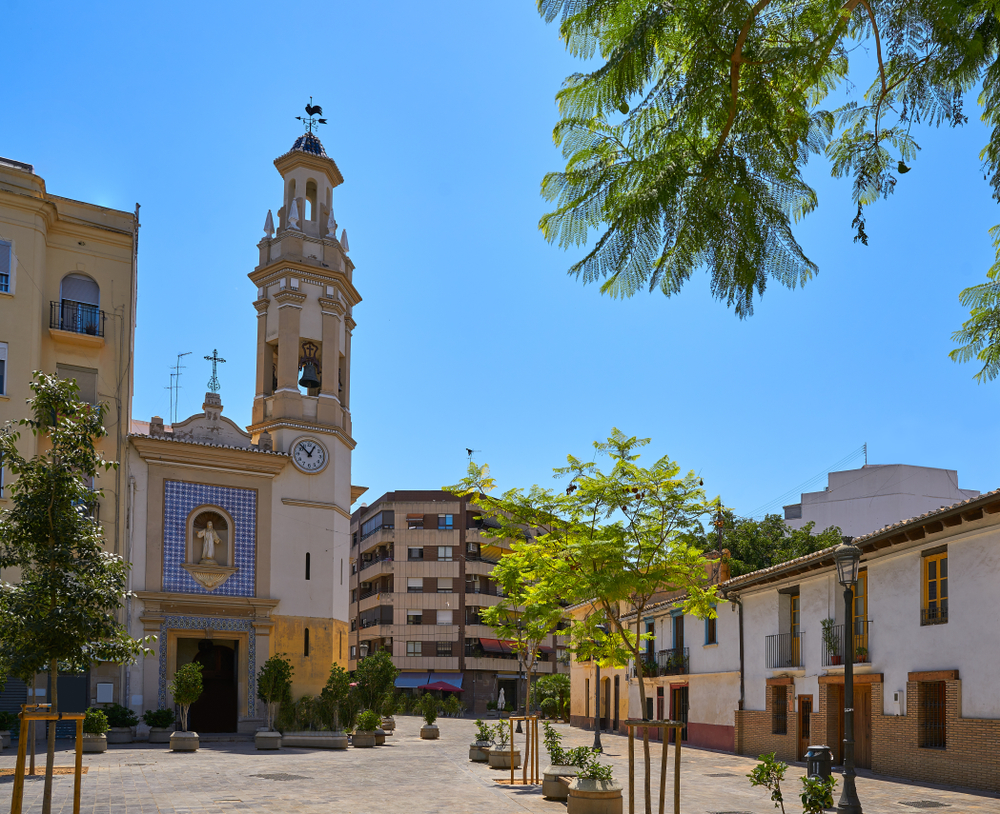
Originally a separate village, now one of the most densely populated residential districts. Mostly typical apartment blocks, but there are also older houses with internal courtyards. A largely family-oriented, quiet area with solid basic infrastructure. There are virtually no tourists and no nightlife. Transport is good: several metro stations, buses, and Cercanías trains. Housing prices are below or around the city average.
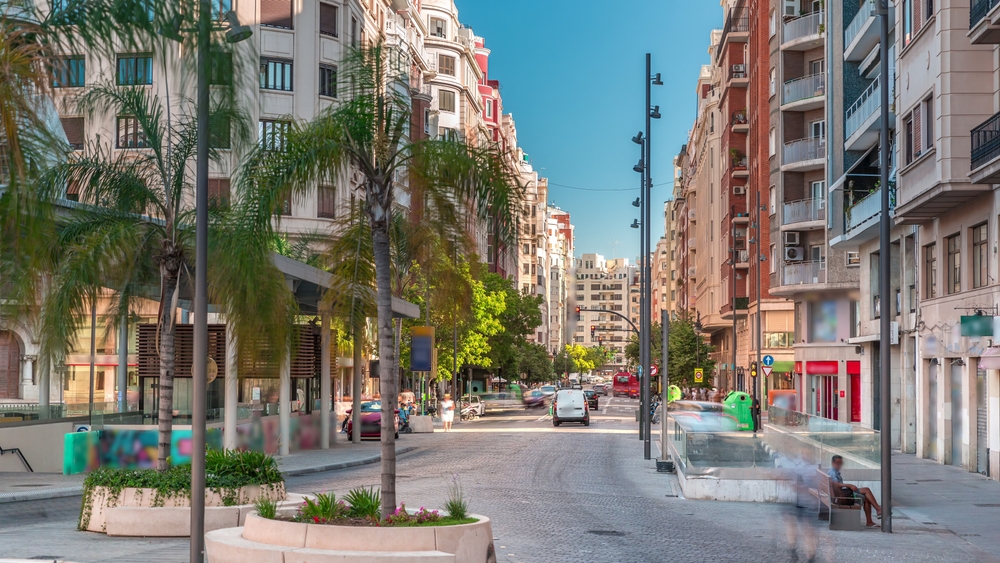
A western district without a strong identity, but with accessible housing. Quiet, safe, and green, with Turia Park nearby. Buildings are mostly from the 1960s–1980s: plain but well maintained. There are two metro stations (lines 3, 5, 9) and several bus routes. Rents are below average.
A calm residential district with basic infrastructure. Mostly inhabited by locals. The nearest metro stations — Jesús, Patraix, and Safranar — may be rather far from certain parts of the district. Many bus routes operate. Rents are low.
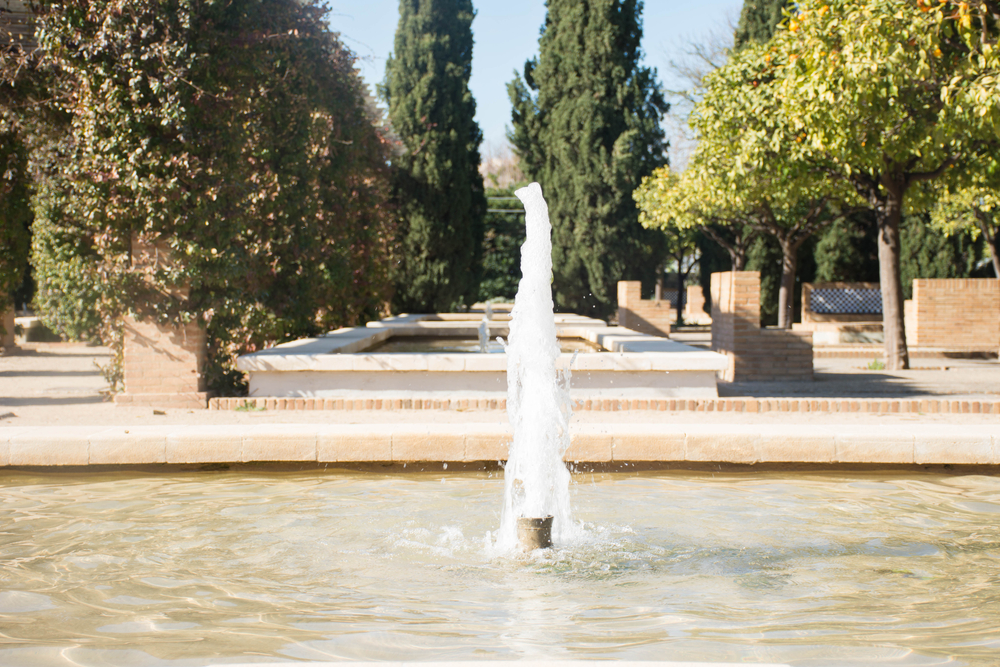
Located on the city’s edge but with reasonable transport connections. Home to families, elderly residents, and workers. Architecture varies from older blocks to new residential developments. The main green area is Benicalap Park, with pools and recreation zones. The district is far from both the centre and the beach, but has metro (lines 1 and 2), trams, and buses. Housing is cheaper than in central areas.
Another district far from the centre. Inhabited mainly by families and immigrants. Buildings are mostly from the 1960s and in places need refurbishment, though there are new developments as well. There are buses and trams; metro access is not within walking distance everywhere. Rents are below the city average.
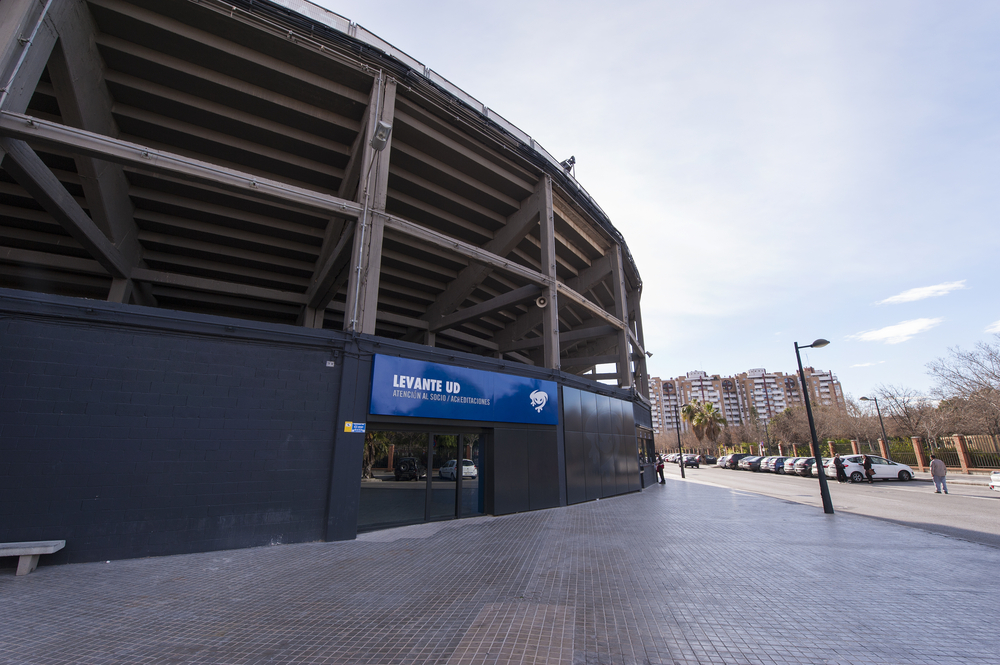
Valencia’s western edge, comprising several former villages. The closest to the city, Benimàmet and Beniferri, have urban development, metro stations (lines 1 and 2), schools, shops, and the Levante UD stadium. Borbotó and Carpesa feel more rural, with low-density housing, vegetable gardens, and a village atmosphere. The district suits those who want peace, affordable rent, and the possibility of living in a house with a courtyard. Without a car, the more remote parts can be inconvenient.
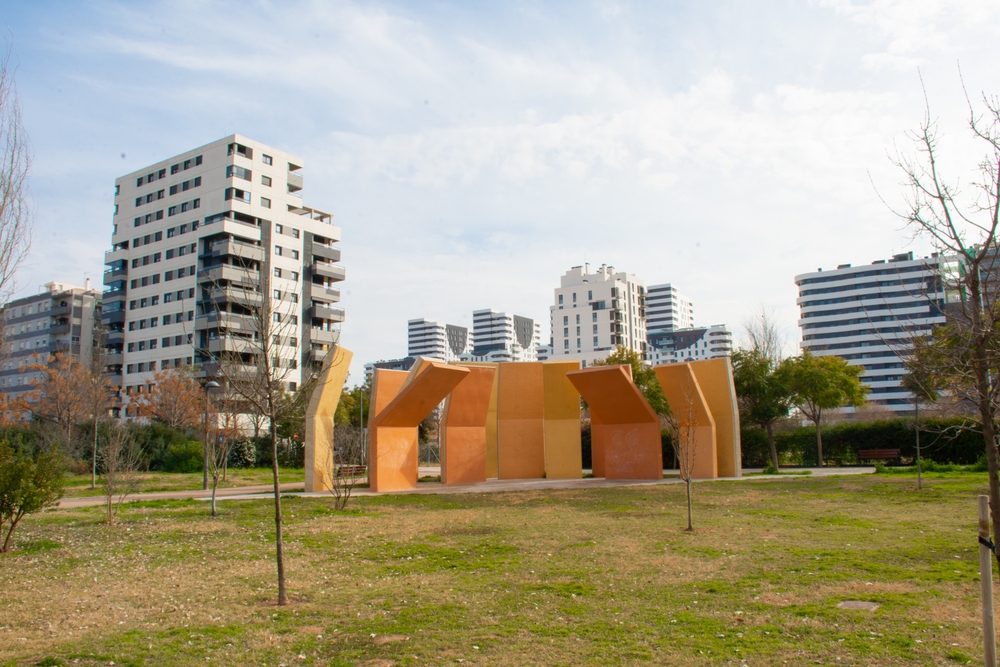
A large and diverse district in south-east Valencia. It includes older neighbourhoods (such as Monteolivete with simple 1960s–1970s buildings) and new developments like Malilla, with modern complexes and newly built flats. The City of Arts and Sciences and Valencia’s largest hospital, La Fe, are located here. The district is growing and being renovated, though not all areas are equally well maintained. Tourist numbers are low; residents are mainly locals: families, retirees, and young professionals. The district is not considered prestigious, but is valued for its infrastructure and new housing. The disadvantages are distance from the centre and the beach, though buses run very frequently. There is a metro station (line 10), but some neighbourhoods are quite far from it. Rents are average.
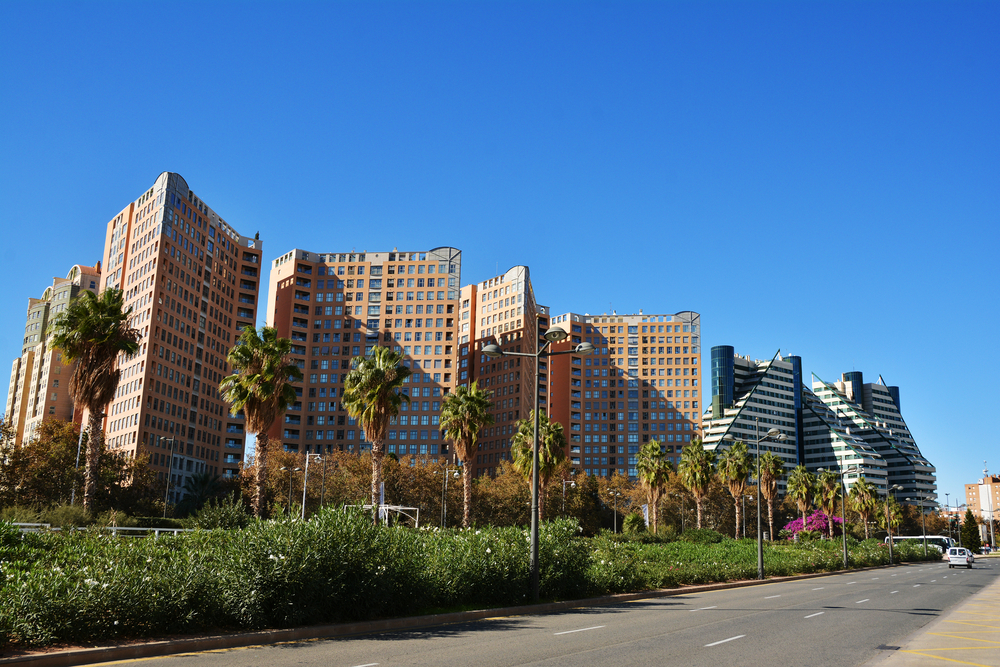
A modern district between the sea and the city centre. Housing is mostly new or recently renovated. The district is quiet and has well-developed infrastructure. Nearby are the City of Arts and Sciences, Turia Park, and the Aqua and El Corte Inglés shopping centres. Transport links are strong: metro (Marítim Serrería, Ayora, Amistat), buses, and trams. Prestige is medium; housing is comfortable. Rents range from average to moderately high, especially in Penya-Roja.
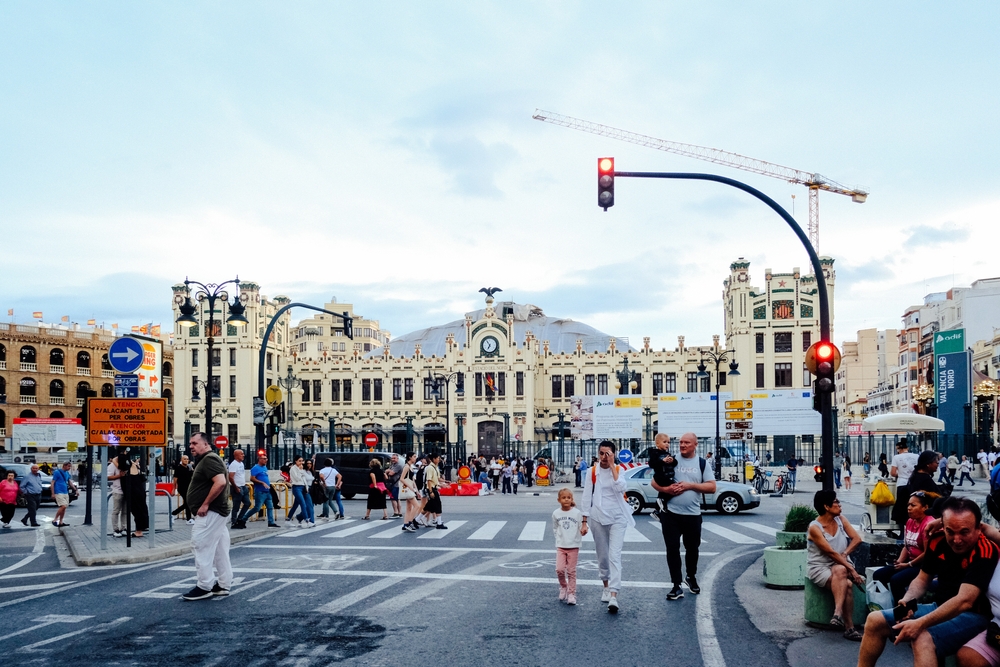
A residential district directly outside the historic centre. The architecture varies from old high-ceilinged buildings to modern complexes with pools and car parks. Many streets are leafy and calm, though there are also lively areas with bars, markets, shops, and local restaurants. The railway station sits on the border, and the Botanical Garden and cultural venues such as MUVIM are close by. The district has excellent transport connections: several metro stations (Plaça Espanya, Túria, Àngel Guimerà), Estació del Nord, and numerous bus routes. The centre is ten minutes away on foot. Prestige is medium; rents are more affordable than in Ciutat Vella or L’Eixample. Prices range from average to moderately high, depending on the specific neighbourhood.
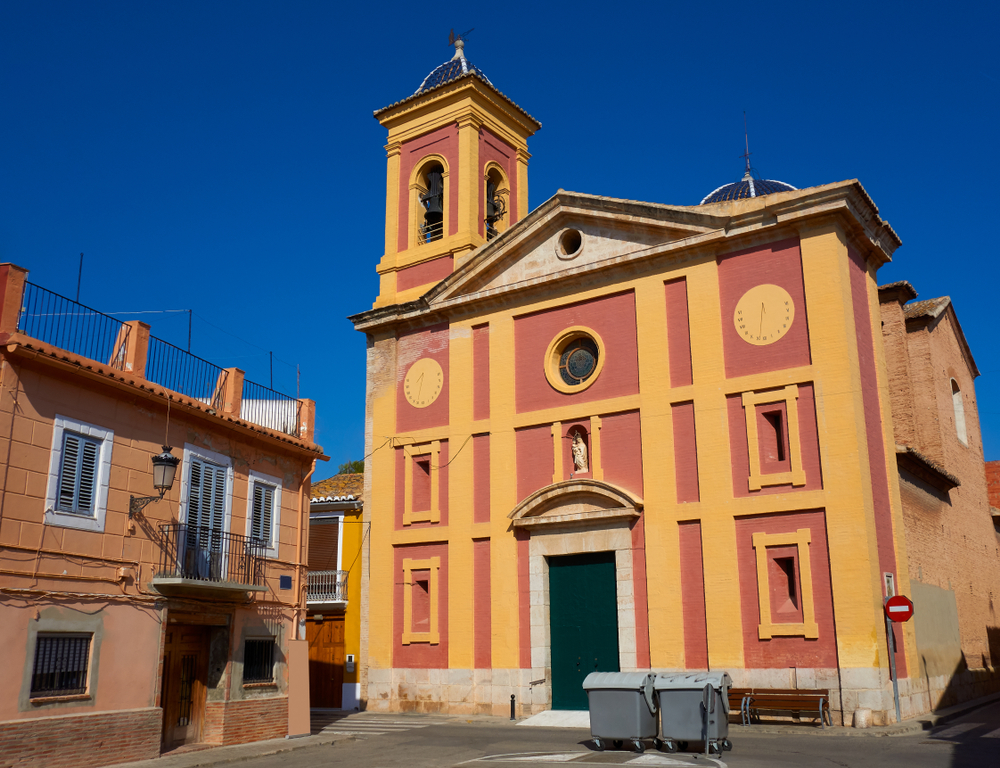
The northern part of Valencia, where the city gradually becomes countryside. The district consists of former villages with single-storey houses, vegetable plots, and a slow-paced rural feel. Housing is cheaper than in central districts, though the infrastructure is modest. Public transport is limited — living here without a car may be inconvenient. Ideal for those seeking quiet, space, and a nearly rural atmosphere within the city limits.
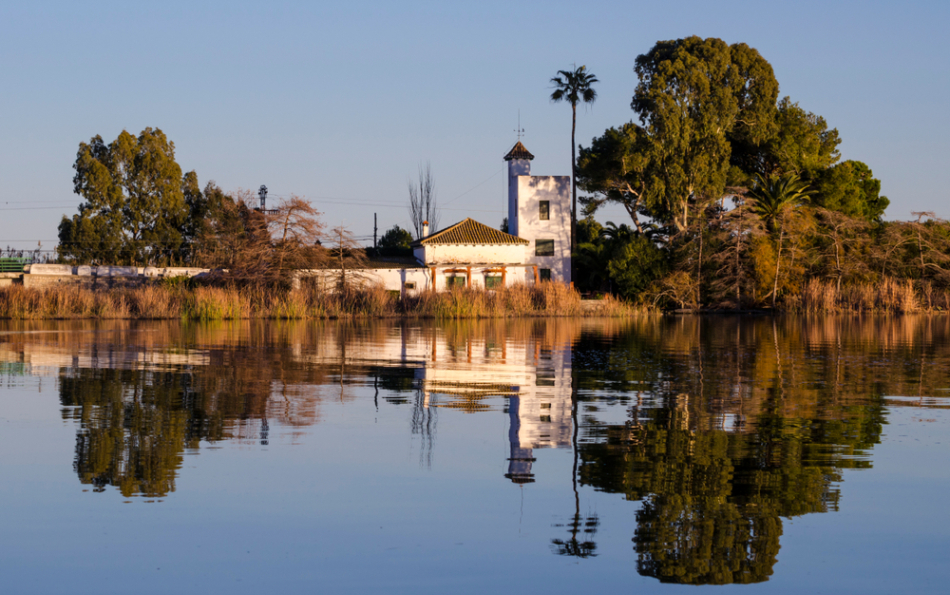
Southern Valencia: the sea, beaches, and the Albufera nature reserve. The district includes several small settlements along the coast. The atmosphere resembles that of a seaside village: calm, green, close to nature. Housing is among the most affordable in the city. Infrastructure is basic; transport exists but runs infrequently. However, life here is peaceful and immersed in nature.
Related Articles
Beyond Paella: Discovering All i Pebre, Valencia’s Best-Kept Culinary Secret
Deep in the heart of the Albufera wetlands, the fishing village of El Palmar preserves a traditional, rich garlic and wild eel stew that tourist traps completely miss
Loading…
Loading…