






Support La Cotorra on Patreon
Access exclusive content, special perks, and closer connection with us.
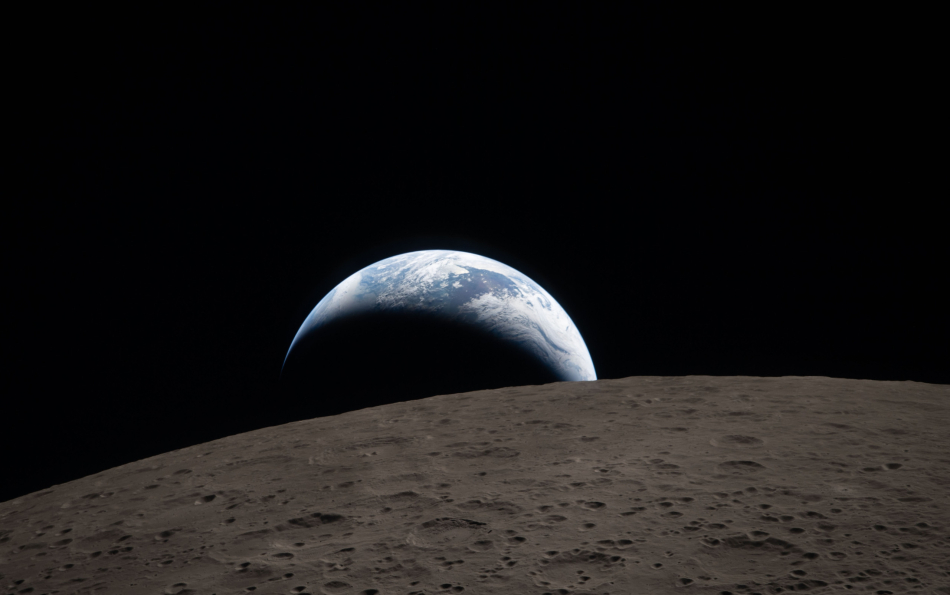
Spanish engineer Roger Lascorz from Reus, Catalonia, will join the mission control team for NASA's next two lunar missions — Artemis III and Artemis IV. He will be responsible for ensuring all cameras are functioning correctly and capturing every step the astronauts take on the lunar surface, as well as overseeing other spacecraft systems.
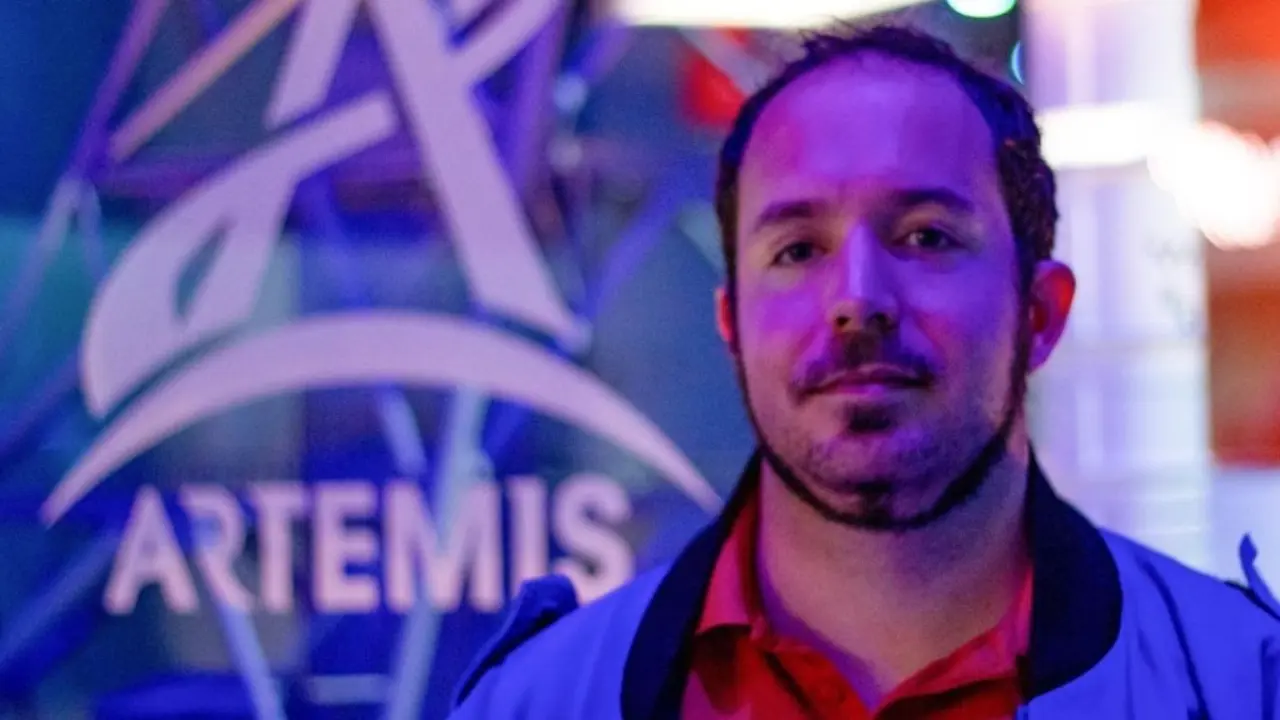
Lascorz has been working at NASA since 2019. In early 2025, he was promoted to lead of the EHP Imaging System at the Johnson Space Center in Houston. During the recent Artemis II mission, he was responsible for the imaging and voice communication systems, cameras, and ground communication infrastructure supporting the launch.
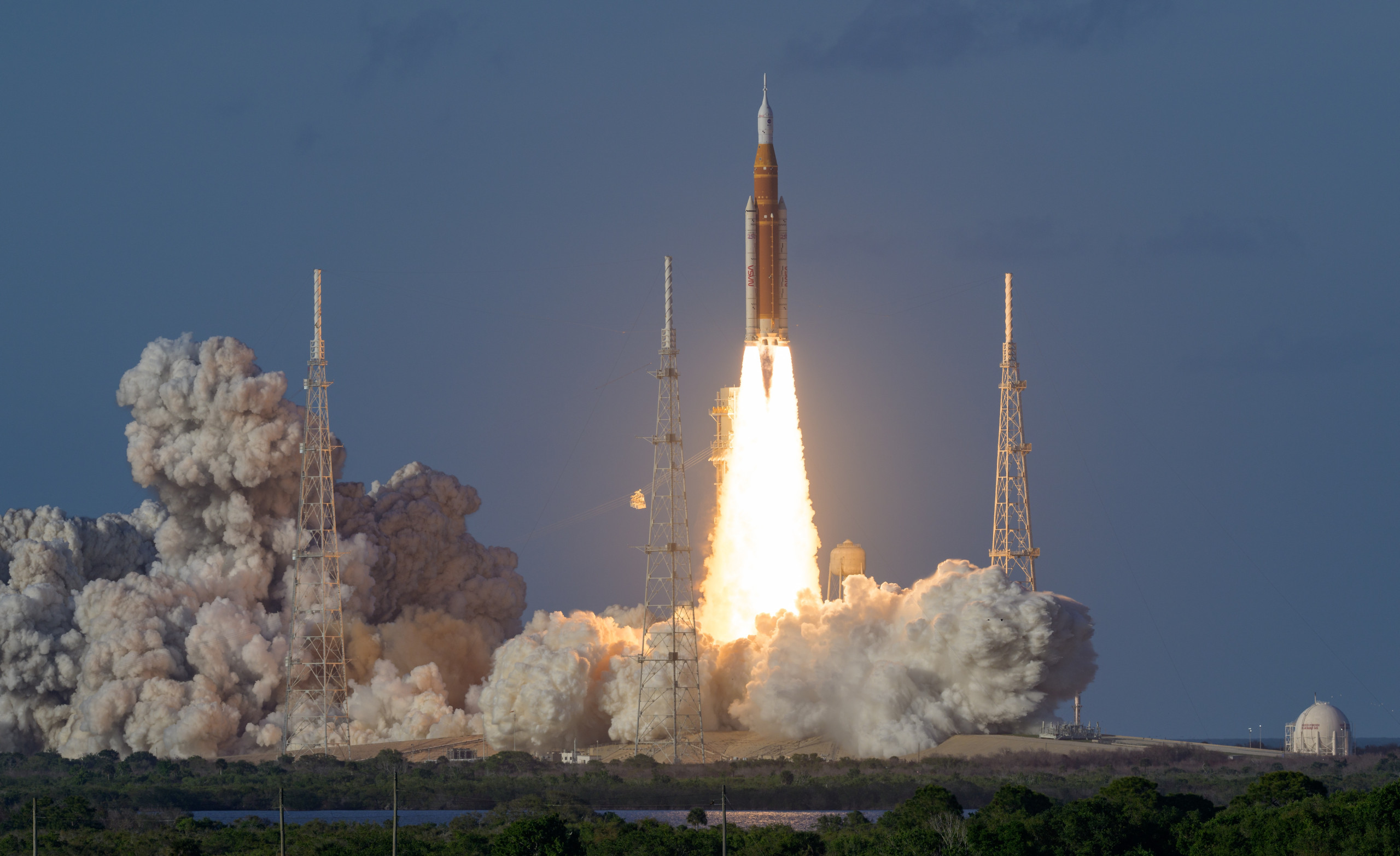
The launch is a moment I will never forget. Seeing the rocket lift off with four people on board, knowing how much work went into it — it was something extraordinary. The fact that everything went so well is the best confirmation of the work of thousands of people. During the mission I stayed on call in case anyone needed my help, but I was also able to watch it from the outside, feeling an enormous sense of joy and excitement, because part of what was happening up there was connected to my work.
Roger Lascorz, in an interview with EFE news agency
The engineer himself describes his work as "an enormous responsibility," because in space there is no room for error. If something goes wrong, it is he who must find a solution quickly and relay it to the crew.
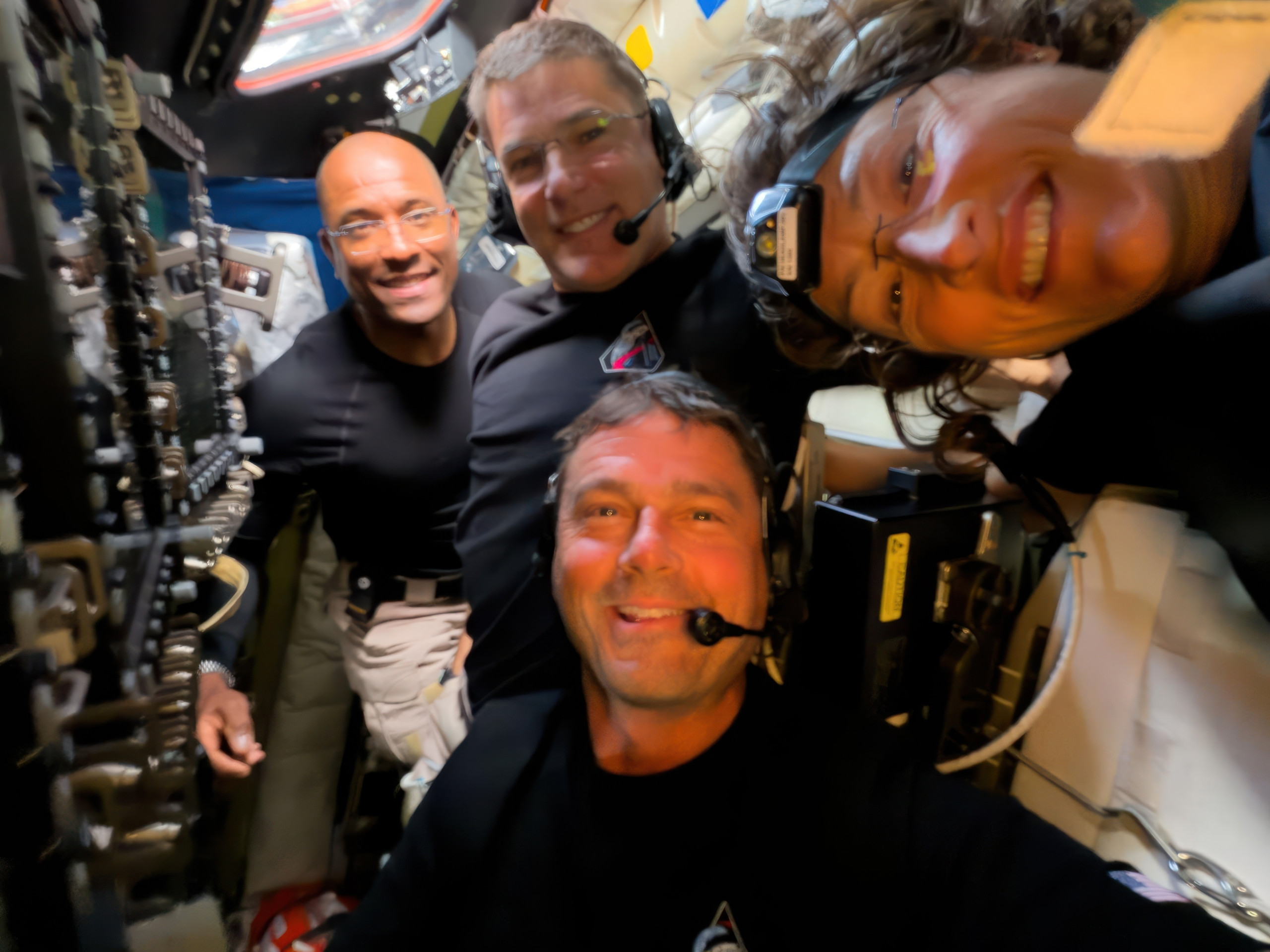
Lascorz's dream of space began in childhood. At 16, he left Reus for the United States to pursue it. There he earned a Bachelor's degree in Physics from the Academy of Advanced Studies at the University of West Georgia, followed by Bachelor's and Master's degrees in Aerospace Engineering from the Georgia Institute of Technology — and, "after several attempts," received an offer from NASA to work at the Kennedy Space Center in Florida.
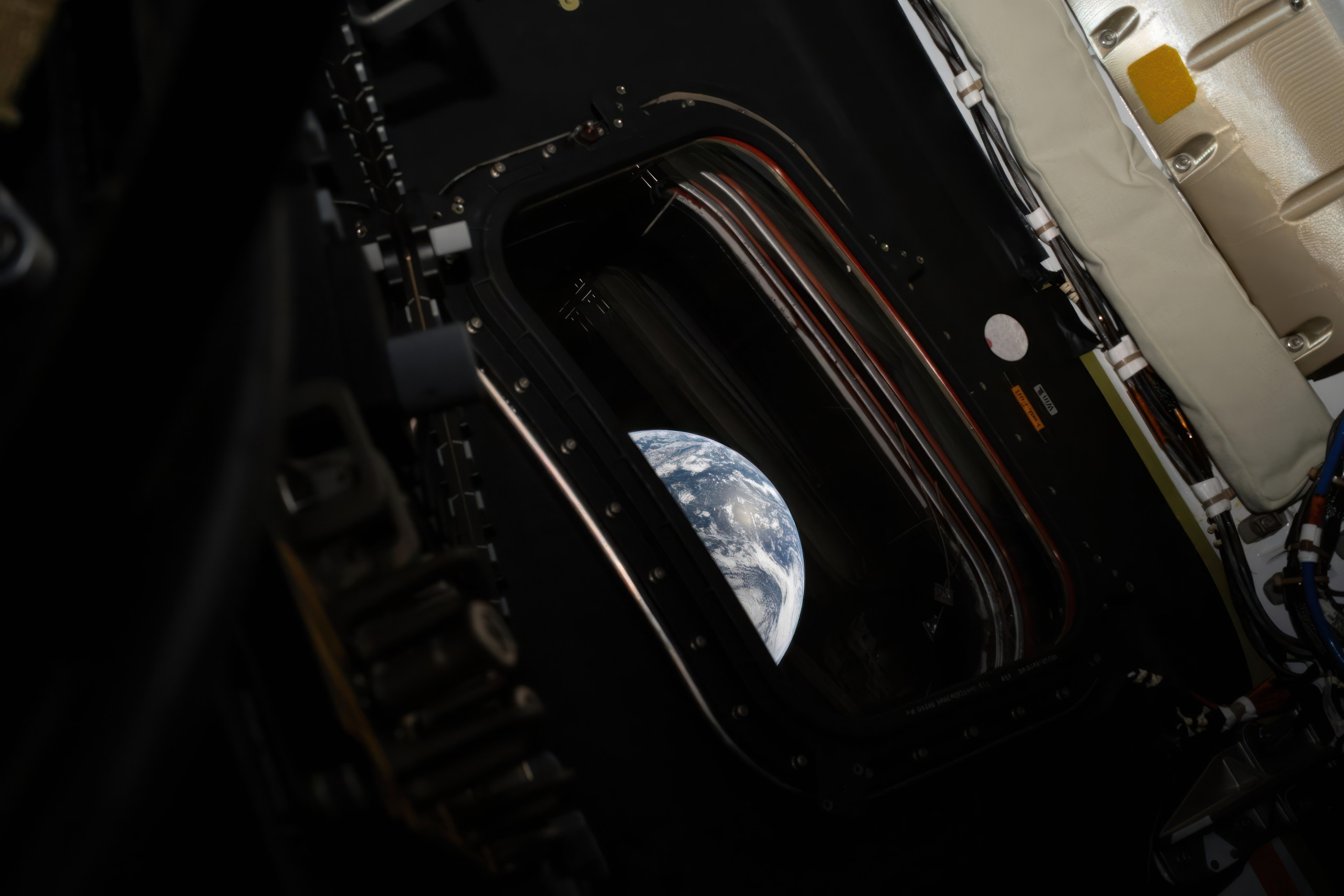
The upcoming Artemis III mission will be a test run — astronauts will practise spacecraft docking in lunar orbit. Artemis IV, scheduled for 2028, involves landing humans on the Moon near the South Pole. That, says Lascorz, is when his work will become "a challenge of an entirely different level."
The significance of Orion's flight around the Moon was explained to La Cotorra by science journalist Ilya Ferapontov.
Related Articles

Pope Leo XIV's Historic First Visit to Spain: Seven Days Across Madrid, Barcelona, and the Canaries
From a 1.6-million-strong Corpus Christi Mass and a first-ever papal address to parliament to the Sagrada Família's tallest tower and an engine failure that grounded his plane — a recap of every key moment
Shakira Opens the 2026 World Cup at the Azteca — but a "Body Double" Theory Takes Over Social Media
The Colombian star performed "Dai Dai" with Burna Boy at the Mexico City opening, her fourth World Cup appearance. Within minutes, X users were asking whether it was really her on the pitch
Loading…
Loading…