

Support La Cotorra on Patreon
Access exclusive content, special perks, and closer connection with us.
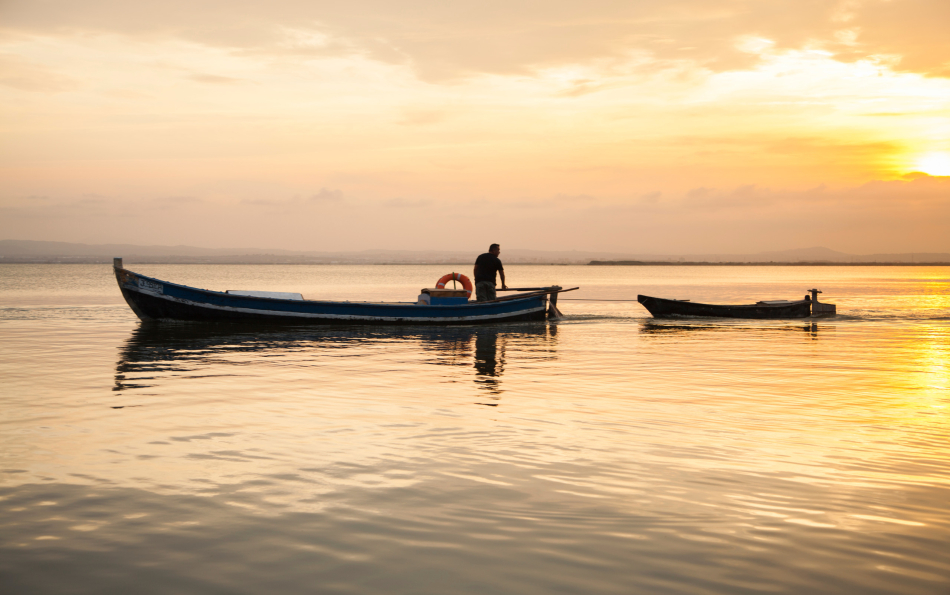
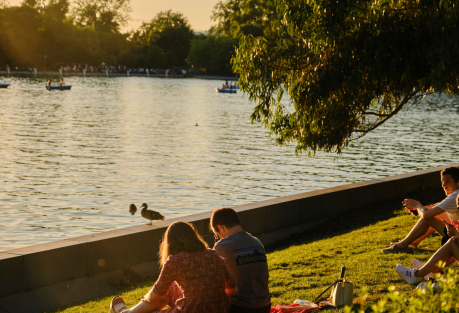
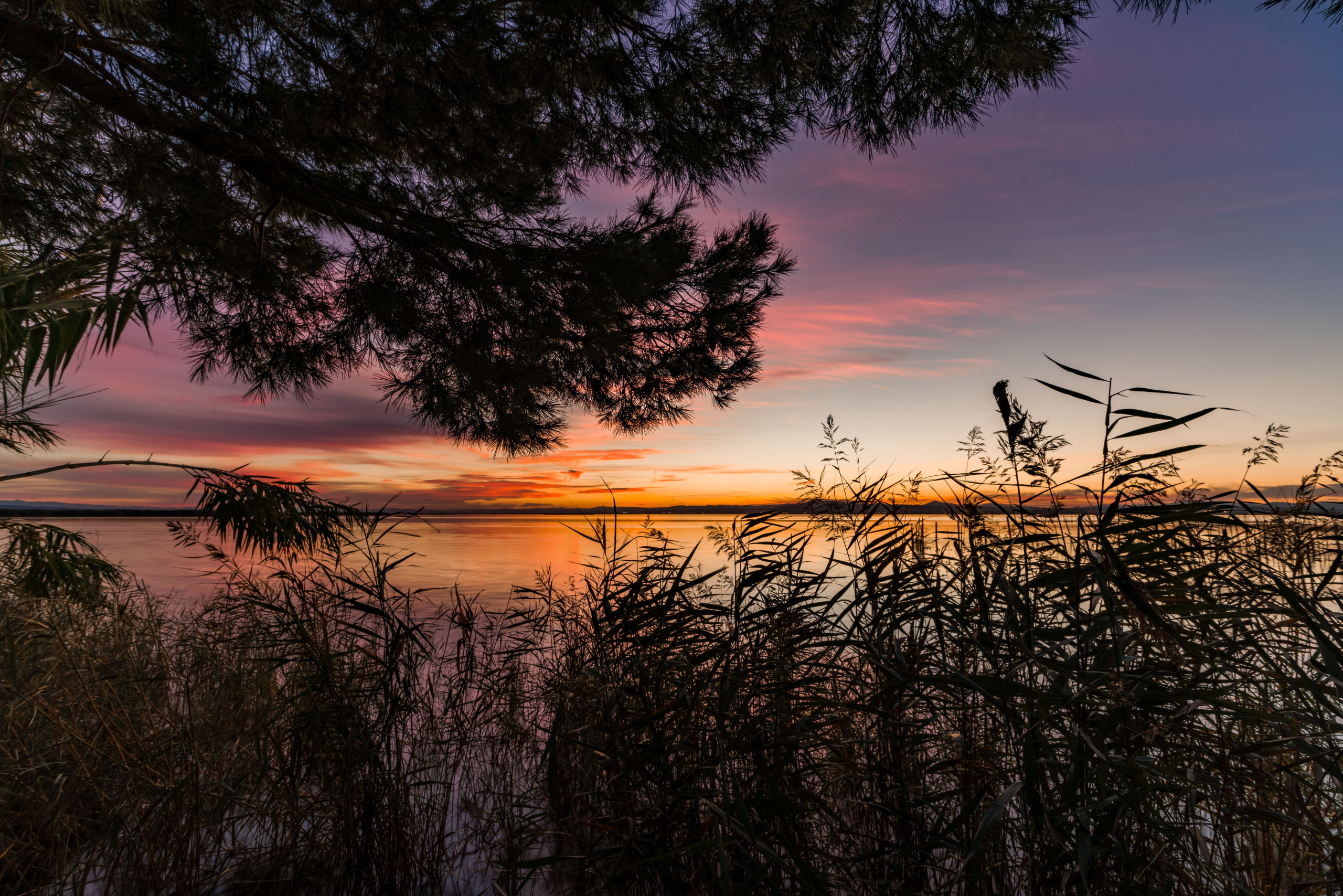
Every clear evening, dozens of people gather on the wooden pier by Lake Albufera to admire what many travel websites describe as the most beautiful sunset in Valencia. The reason is simple: Valencia has a particular geographical feature — its coastline faces east, so on the beaches the sun sets not into the sea, but behind distant hills. This makes Lake Albufera a rare place where you can see that famous golden path stretching across the water. La Cotorra visited a family who live by the lake and run a tourism business there, and tells the story of what life is like on Albufera.
Fishing boats and nets, birds and reed beds along the edges of the rice fields create a very special atmosphere. The view is so striking that spectators sometimes applaud the final rays of sunlight, as if thanking nature for the performance. And all this happens just ten kilometres from Valencia.
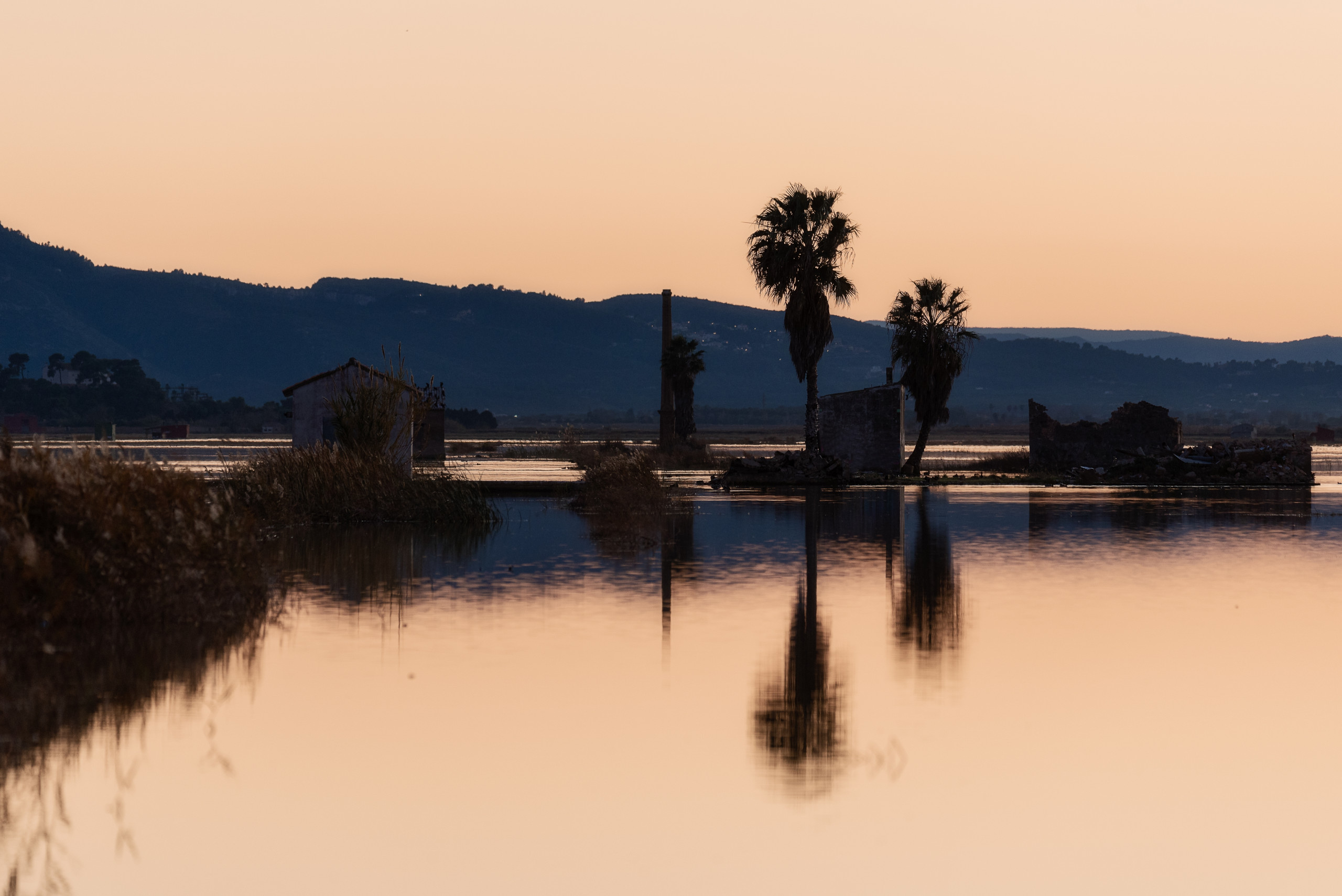
The word albufera comes from the Arabic al-buhayra, meaning “small sea”. The lagoon is separated from the Mediterranean by a sandbar and dunes, and it was once saltwater. When river water began to be channelled here to irrigate the fields, the lagoon gradually became freshwater, turning into a large but shallow lake. It is surrounded by rice fields and pine forests, which together form a natural park.
Boat trips on traditional vessels across the lagoon and its canals have long been a popular pastime for both locals and tourists. For local residents, they are also a source of income and a way to preserve a traditional way of life in the midst of the rice fields. But watching the sunset over the lake from a boat is a truly special experience.
Noelia Marco Roig’s family are long-time residents of the village of El Palmar, located on the shores of Albufera. Several generations have preserved the traditions of fishing and rice cultivation for Valencian paella — these shores are considered the birthplace of the famous dish. Many families here own at least one rice field. Luis, Noelia’s father, catches fish, which are plentiful in these waters, while Noelia runs the family business offering boat tours for visitors. Her company is called Paseos El Roig.
While Noelia’s father is repairing a boat, she shows us the family’s private pier. On a green lawn overlooking picturesque canals and reed beds stands a traditional barraca, built by Luis around twenty years ago.
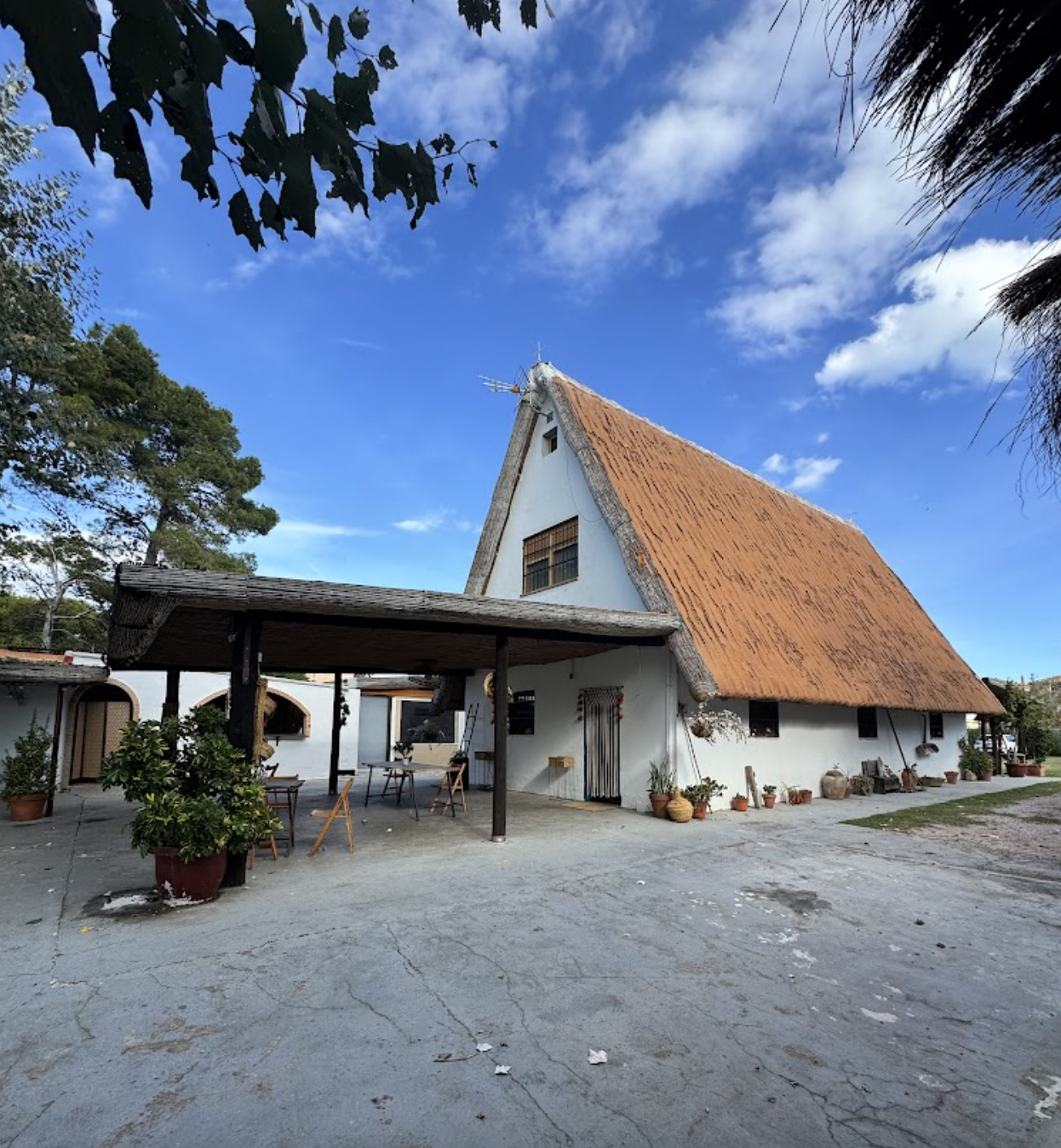
A barraca is a traditional Valencian house, of the kind that was built for centuries along the shores of Albufera. These simple dwellings of farmers and fishermen have very high, steeply pitched roofs traditionally covered with reeds. Made of clay, wood and reeds, they were well suited to the humid environment and provided natural ventilation. Today, barracas are a symbol of rural Valencia and part of its cultural heritage.
“Our barraca was built relatively recently, but it fully recreates the old fishermen’s houses. For practical reasons, the roof is covered with modern materials rather than reeds. Most barracas around Albufera are now used for commercial purposes, but my father actually lives in this one — which is very rare,” says Noelia.
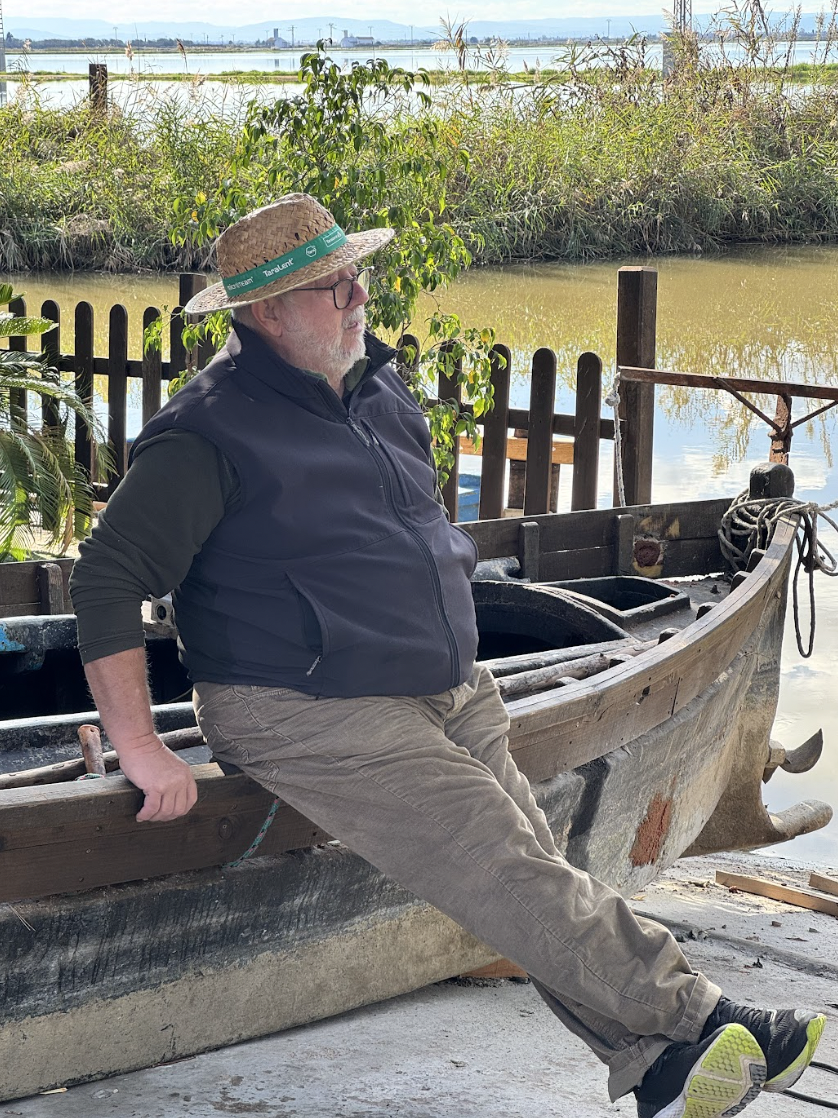
By the pier stands a traditional Valencian boat. El Roig takes tourists around the lake and its canals. The family fleet includes four boats, but their greatest treasure is a century-old vessel that Noelia’s grandfather once used to carry guests.
“When my grandfather started out, there were no motorboats. He transported people in a small boat using a long wooden pole — a percha. You can only move around the lake on flat-bottomed boats, because it is shallow — just one to one and a half metres deep, and slightly deeper only in very hard-to-reach places. So the pole was essentially the only way to move,” says Noelia. According to her, environmental regulations strictly control the types of boats allowed on the lake.
“You can only travel on Albufera using these traditional boats. Fast motorboats are prohibited because of the noise. Recently, we installed a modern electric motor on one of our boats with the help of a government subsidy. It operates so quietly and cleanly that it has no impact on nature or the lake’s inhabitants. Many rare bird species live here, and they are protected by the state,” Noelia explains.
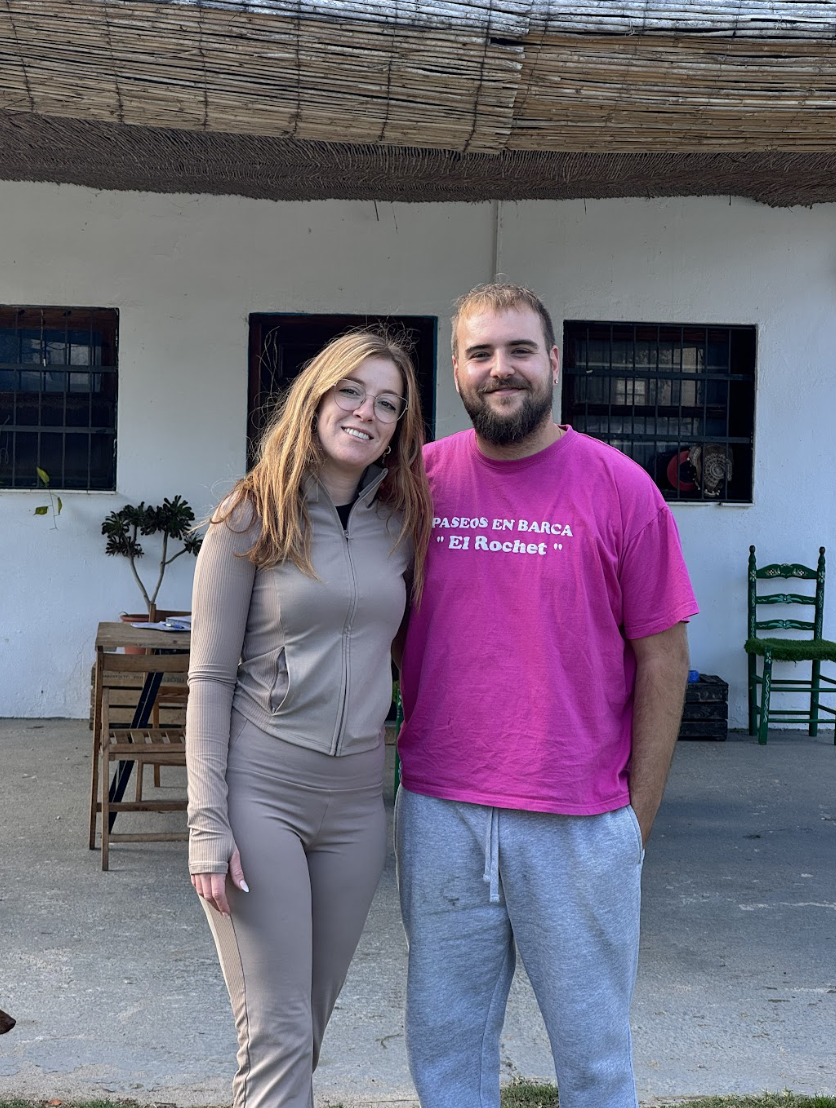
During the 40-minute tour, visitors learn about the history of the region, the rice fields, and the wildlife of the natural park. Noelia leads Spanish-language groups, while her friend Álvaro Saiz conducts tours in English. After meeting Noelia and discovering her homeland, Álvaro, a Valencia native, fell in love with Albufera and joined the family business.
“Albufera is not just a lake — it is the soul of Valencia, its most authentic place. It symbolises traditional cuisine, rice, people, and landscapes you won’t find anywhere else,” says Álvaro, speaking knowledgeably about the complex natural system of the area.
One of the main topics of these tours is Albufera’s water system. Guests learn where the water comes from and how it is connected to the rice fields. Over centuries, local residents have created a unique ecosystem that maintains a balance between flora, fauna, and agriculture — which sustains the local population.
“The water comes from the Júcar and Turia rivers, as well as from underground sources. Another key part of the ecosystem is the three channels that lead out to the sea. These control the water level. When the lake needs to be drained, the sluices are opened and water is released into the sea. It is essential to prevent saltwater from entering — it could harm many animal species and damage the rice fields,” Álvaro and Noelia explain.
A particular point of pride for the family is their romantic sunset boat trips. Noelia says she was the first to come up with this format, but it proved so popular that other boat companies soon adopted the idea. She has always enjoyed decorating spaces, so she decided to adorn the boat with flowers, cushions and candles, set a beautifully arranged table with traditional snacks, and offer couples a private cruise.
“During these trips, we serve cheese, ham, hummus, bread, wine, and a homemade dessert from a local bakery called coca de horchata. I anchor the boat in the lake, where guests can dine while watching the sunset in complete privacy. To avoid disturbing them, I transfer to another boat and return to the shore, then come back to collect them right after sunset. Another important detail for visitors is that our pier has a toilet — which is very rare among local operators. Everything is thought through down to the smallest detail,” says Noelia.
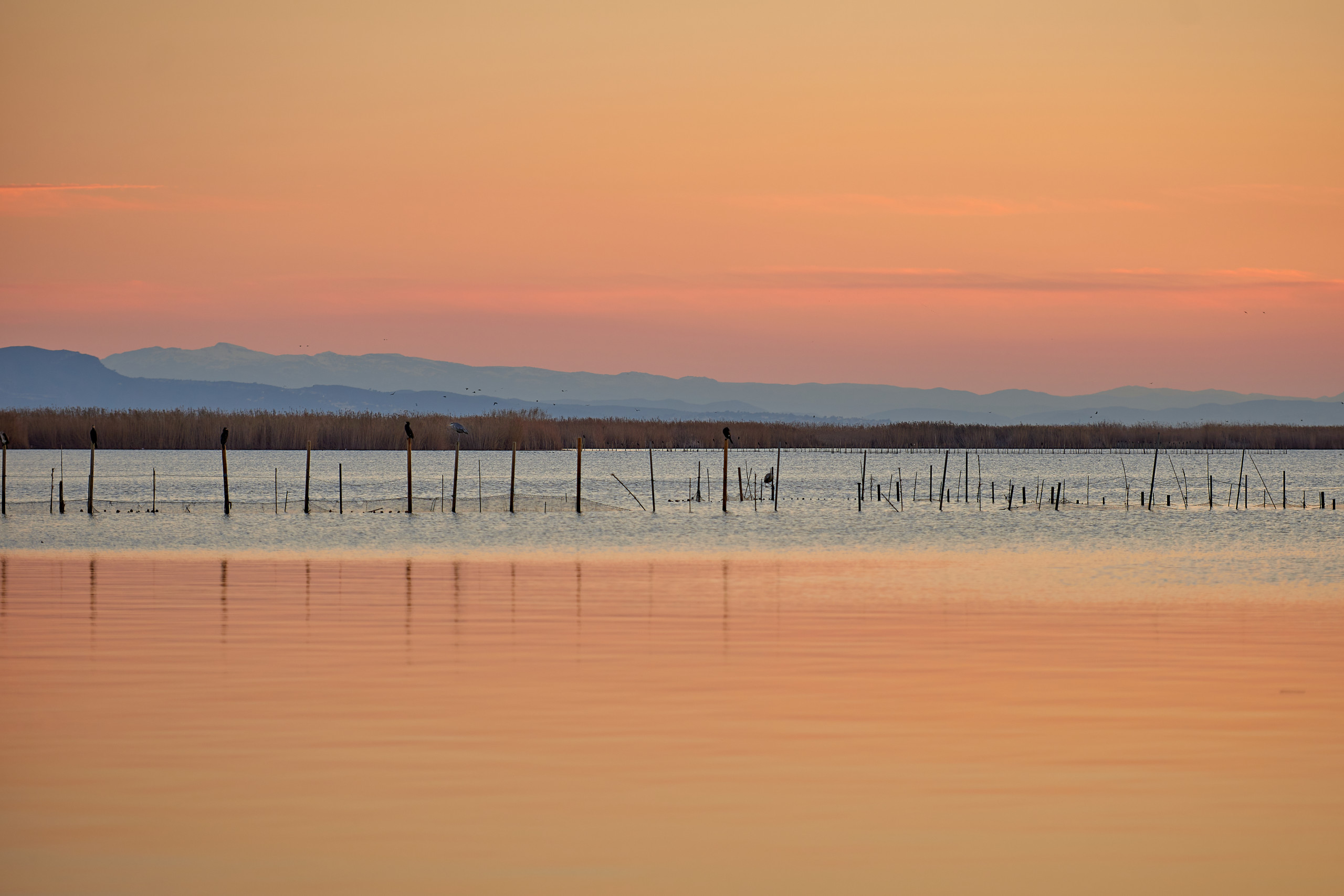
The two-hour sunset cruise costs €150 for two people. A standard boat trip costs €5 per person during the day and €7 in the evening, at sunset.
“At first, when I launched this project, I earned almost nothing. Nothing at all. But I was so happy. People came back with joyful faces, and seeing their emotions, I was close to tears,” Noelia recalls.
Starting the business was a difficult decision for her: women are almost unheard of in the profession of barquera — boat operators — and at first it was hard for her to imagine herself in that role.
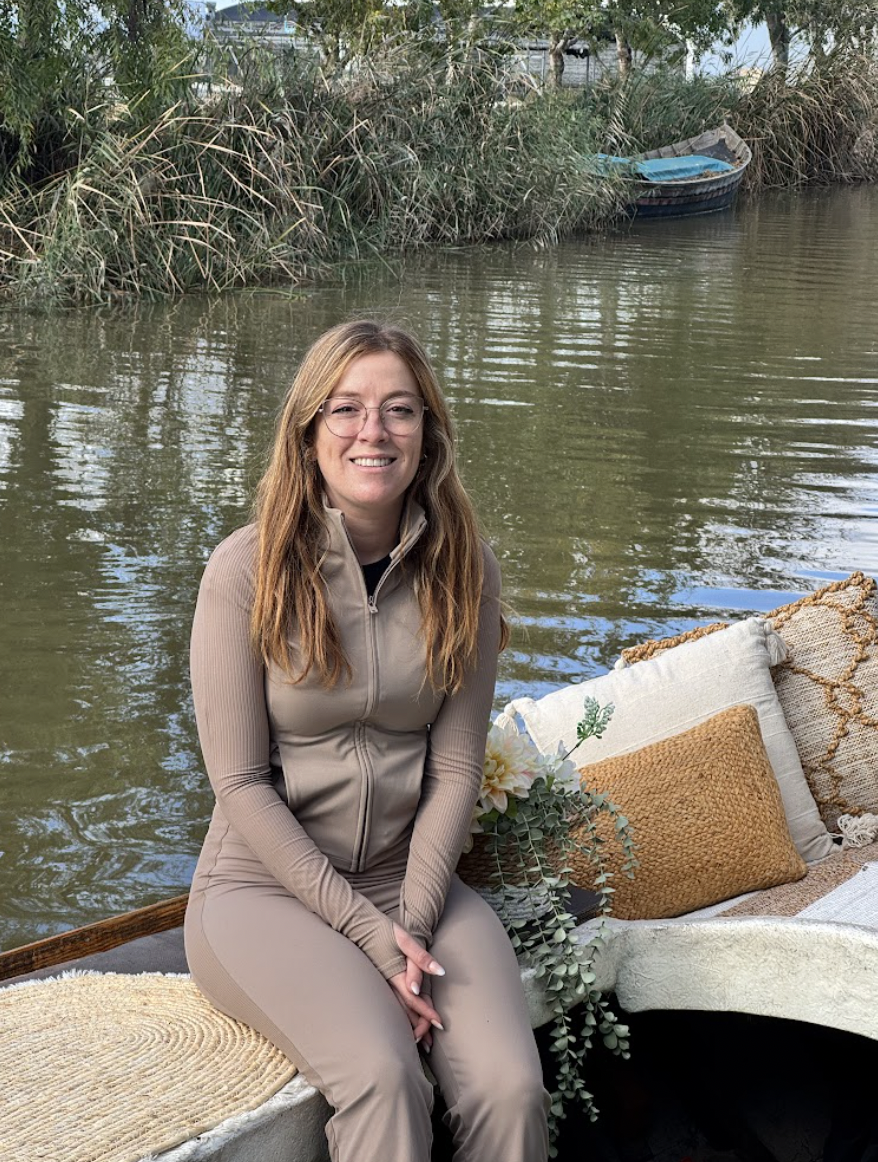
Before joining the family business, Noelia worked in one of the 32 restaurants in El Palmar. It is here, according to both locals and food critics, that the best Valencian paella is served. Its flavour is noticeably different from the versions offered in restaurants in central Valencia. The reason, residents explain, lies in the local rice variety: the grains absorb minerals from the lake water.
“Our pride is the J-Sendra variety. It’s the best rice for paella. It doesn’t overcook, it doesn’t stick — it’s perfect. Restaurants in El Palmar serve only this rice. And we never order paella in other cities. We grew up eating real paella, and we know exactly what it should taste like,” says Noelia. And of course, she recommends ending a boat trip with a visit to one of the many local restaurants.
Related Articles
Beyond Paella: Discovering All i Pebre, Valencia’s Best-Kept Culinary Secret
Deep in the heart of the Albufera wetlands, the fishing village of El Palmar preserves a traditional, rich garlic and wild eel stew that tourist traps completely miss
Loading…
Loading…