







Support La Cotorra on Patreon
Access exclusive content, special perks, and closer connection with us.
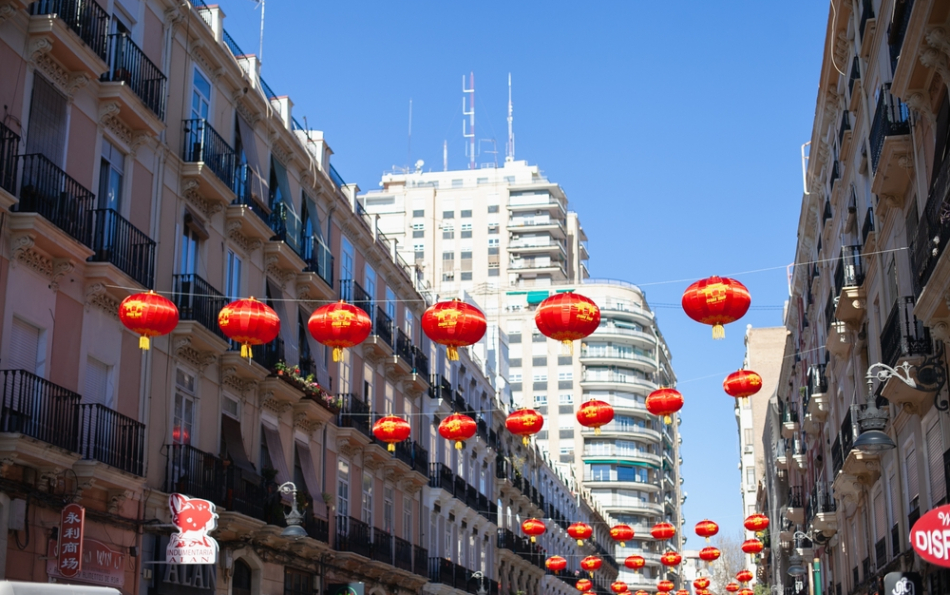
Not far from the Valencia railway station lies a neighbourhood where crowded streets give way to the aromas of spices and shopfronts covered with Chinese characters. Here you can find everything, from street food and authentic restaurants to shops selling rare ingredients and beauty salons that require no appointment. This is the city’s Chinatown, which has long since become part of Valencia’s everyday life. La Cotorra explains what to see there, where to find inspiration, and where to enjoy a good meal.
Valencia’s Chinatown is located between Pelayo and Convento de Jerusalén streets. The atmosphere is so authentic that one often feels as though one has left the country. Spanish is sometimes not heard at all, although many Valencia residents come here specifically for bao or ramen. Despite this, some restaurants and bars offer menus exclusively in Chinese.
There are also Spanish-adapted national dishes: for example, Chinese tapas (small portions of traditional Asian appetisers) or Chinese pizza (often with pork). Unlike Valencian establishments, Chinese restaurants do not close for siesta and remain open from early morning until late evening.
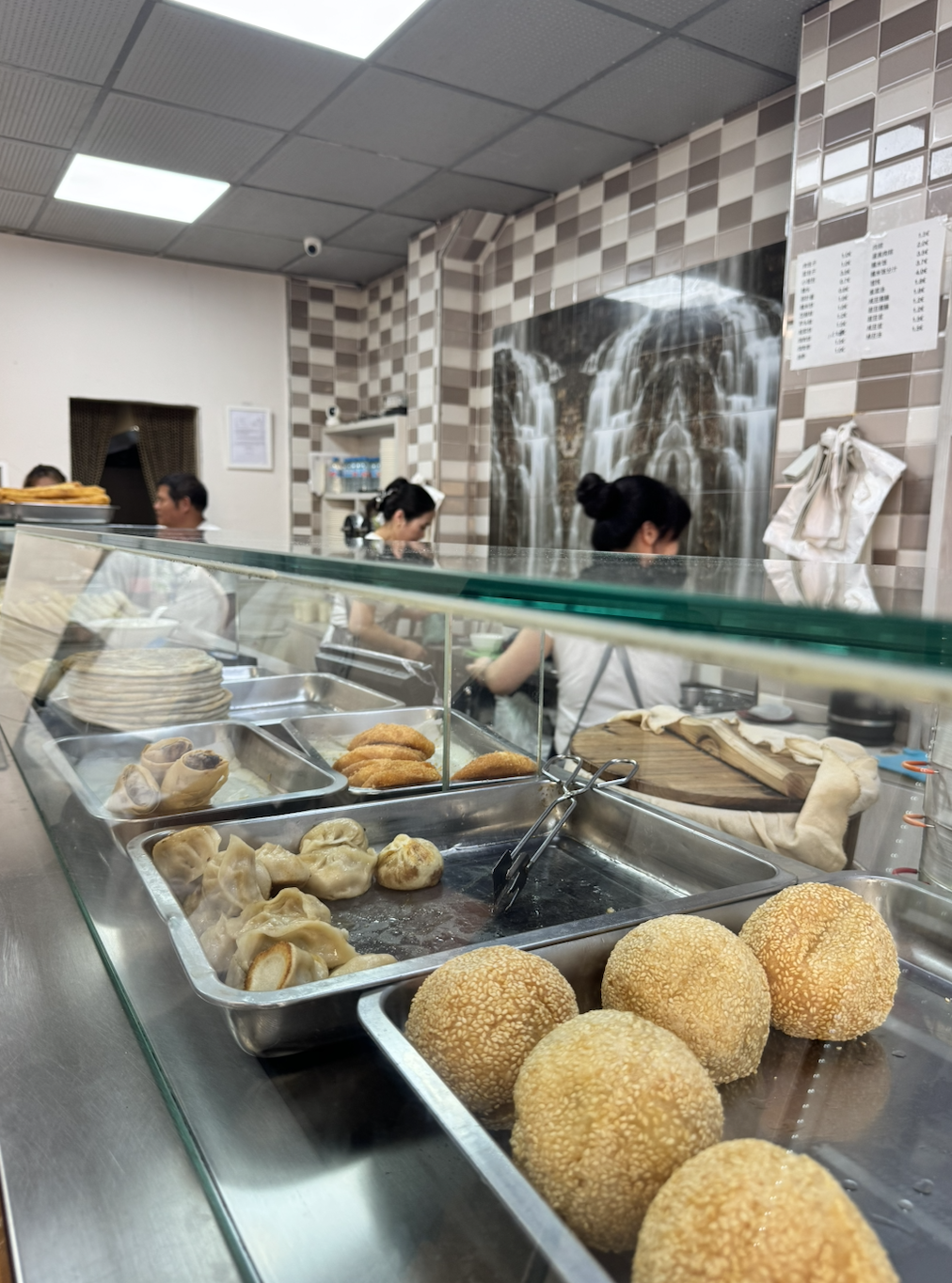
The many supermarkets found here offer traditional Chinese ingredients: good green tea, spices for the most popular Asian dishes, fortune cookies, and sets of kitchenware for preparing sushi and traditional soups.
There are as many hairdressers and manicure salons in the district as there are bars and restaurants. Unlike Spanish beauty studios, where an appointment is essential, local masters offer haircuts or manicures “here and now”. Prices are often significantly lower than in the rest of Valencia.
Chinatown even has its own real-estate agency and several pharmacies. In one of them, visitors are greeted at the entrance by a robot speaking Chinese and loudly saying: “Ni hao!”. However, the shelves display ordinary European medicines rather than traditional tinctures and herbs.
The integration of the Chinese community into Valencia began around thirty years ago, says Sandra-Ning, the secretary of the Chinese cultural centre located in the same district. She moved to Valencia seven years ago. To foreigners she introduces herself as Sandra, while to her compatriots she is Ning. Having two names (a traditional one and a European one) is common practice within the diaspora.
Around fifteen thousand people of Chinese origin live in Valencia. According to Sandra, the cultural centre is visited by children of immigrants who come to study their native language. “A whole generation of children from Chinese families has now grown up, for whom the main language of communication is Spanish. It is important for parents that they preserve their culture. Therefore, in addition to language courses, we offer lessons in calligraphy and harp playing. We also often conduct workshops in nearby Spanish schools. We are constantly invited,” she explains.
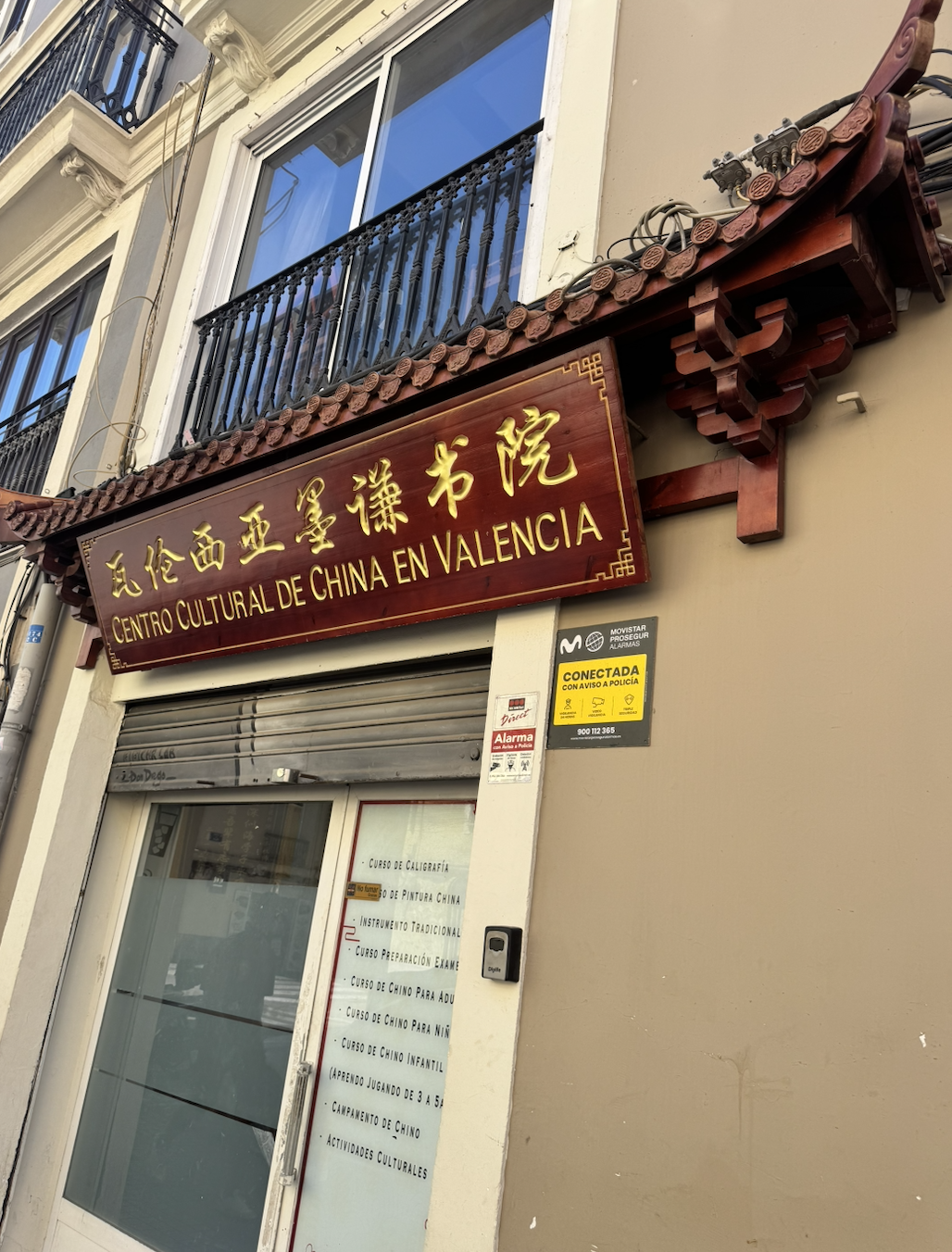
The cultural centre organises national celebrations such as the New Year or the Mid-Autumn Festival, which attract many Valencia residents and tourists. These events have already become part of the city’s annual calendar.
Several years ago, the Valencia authorities even considered installing traditional archways on the streets to officially designate the district as Chinatown. However, local residents criticised the project, and it remained on paper.
Over the decades, the Chinese diaspora has changed the city’s everyday life. One reason lies in the ubiquitous shops owned by members of the community and referred to by locals simply as chino, meaning “Chinese shop”.
These shops sell everything at lower prices: from traditional paella pans to kitchen taps and toys.
People go to chino for any reason: whether preparing for school or getting ready for the next carnival.
There is practically a Chinese café on every street in Valencia, with Spanish and Chinese dishes combined into a single menu. However, the atmosphere of Chinatown is best experienced on Pelayo Street. La Cotorra has prepared a list of the most notable venues offering traditional Asian cuisine in Valencia’s Chinatown.
Authentic Cantonese and Sichuan cuisine, more than 140 dishes, and one of the most well-known traditional Chinese establishments in the area.
Specialises in Sichuan hot pot. Diners can cook their dishes themselves directly at their own table.
A popular spot offering dumplings and inexpensive but tasty home-style food.
A small venue with inexpensive takeaway dishes and simple cooking.
Sushi, traditional dumplings, and meat dishes.
Related Articles
Beyond Paella: Discovering All i Pebre, Valencia’s Best-Kept Culinary Secret
Deep in the heart of the Albufera wetlands, the fishing village of El Palmar preserves a traditional, rich garlic and wild eel stew that tourist traps completely miss
Loading…
Loading…