01
The Pools and Waterslides of the Western Park
Parque del Oeste, Carrer del Músic Ayllón
Tickets: daytime 3.35€, night-time 4.60€
The pools operate during the summer months
Valencia with children is our guide to the places where the whole family can spend time without parents becoming bored. We have gathered ten child-friendly locations in Valencia where one can easily spend more than an evening.
The city offers countless spaces for family leisure. In our previous guide, we have already written about the museums, parks, and activities located within the Turia Gardens. In this overview, we suggest exploring other important locations in the city and choosing the experience that suits you best: whether to sail out on a fishing boat to watch the sunset, see the world’s largest collection of tin soldiers, or perhaps try the waterslides of Valencia’s outdoor municipal pools.
Parque del Oeste, Carrer del Músic Ayllón
Tickets: daytime 3.35€, night-time 4.60€
The pools operate during the summer months
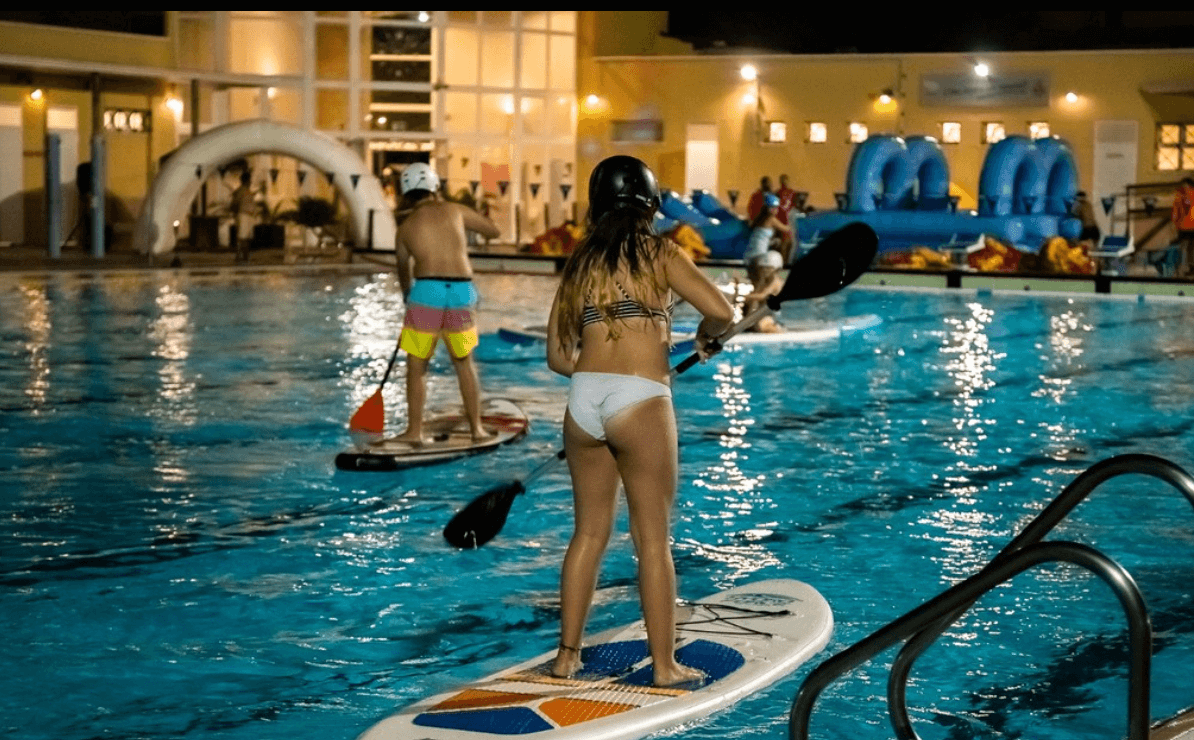
Opened in 1995 on the site of former Spanish Air Force barracks, Western Park is one of the favourite leisure spots for families with children in Valencia. At the entrance visitors are greeted by an F-86 Sabre fighter jet, installed in 1999. The park offers all traditional forms of entertainment: playgrounds and concert areas, a mini-golf course, and in summer one of the best municipal pools with a children’s waterpark, a sun-lounger area, and jacuzzis. For the youngest visitors there is a shaded playground with a zipline.
In July and August, on Fridays from 21:00 to 01:00, the pool area hosts themed night parties.
Museo de Soldaditos de Plomo L’Iber
Address: Calle Caballeros 20–22
Admission: 8€, children under 6 enter free
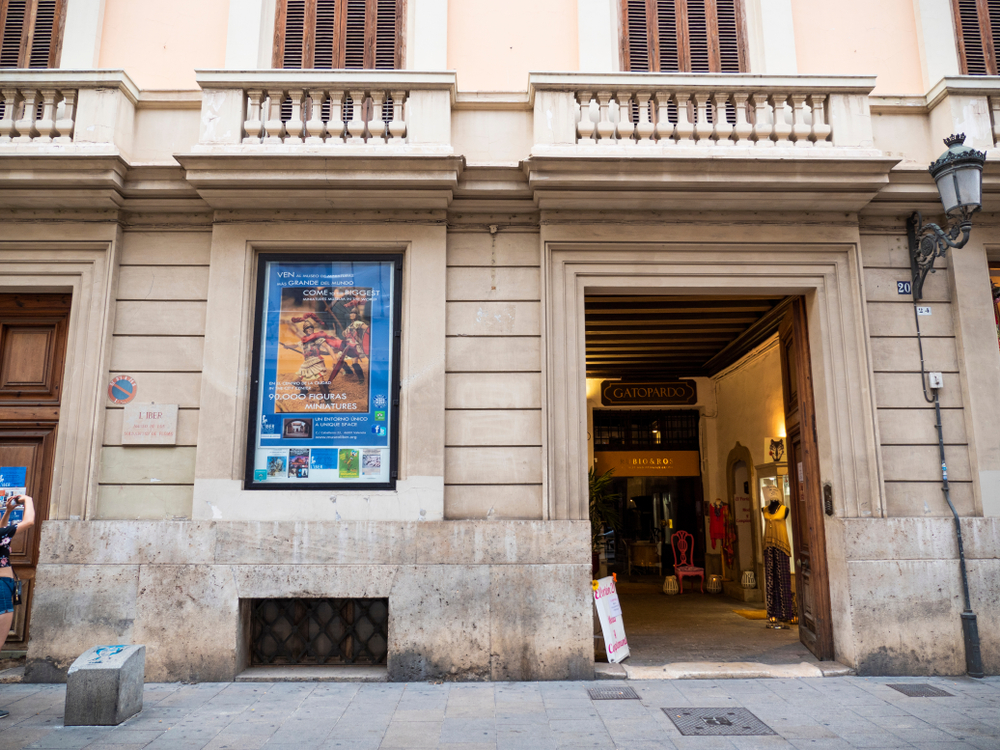
The world’s largest thematic collection was created within this palace through the efforts of the well-known Valencian entrepreneur Álvaro Noguera. The museum opened in 2007 and currently exhibits more than 95,000 pieces, although the full collection contains over 1.5 million miniatures. By expressing through his hobby a deep love of history, Noguera – and now his son – presents to the public the military, political, social, economic, and cultural history of humanity, including the history of the guards of Spanish heads of state from the fifteenth century to the present day.
The museum’s jewel is the figurines of Napoleon’s grenadiers. They were created in the early nineteenth century by the French house Lucotte, the first to produce three-dimensional lead soldiers. There is a theory that these figurines once belonged to Napoleon’s son. Both children and adults will enjoy the reconstructions of the Boxer Rebellion in China, the capitulation of the last Sultan of Granada, as well as numerous models of battles, including the Battle of Almansa, where the armies of the Bourbon and Habsburg dynasties met on the plains of La Mancha to decide the fate of the Spanish crown.
Museo Iluziona
Address: C. de Castelló, 20
Admission: children 7€–9€, adults 9€–11€, children under 4 enter free
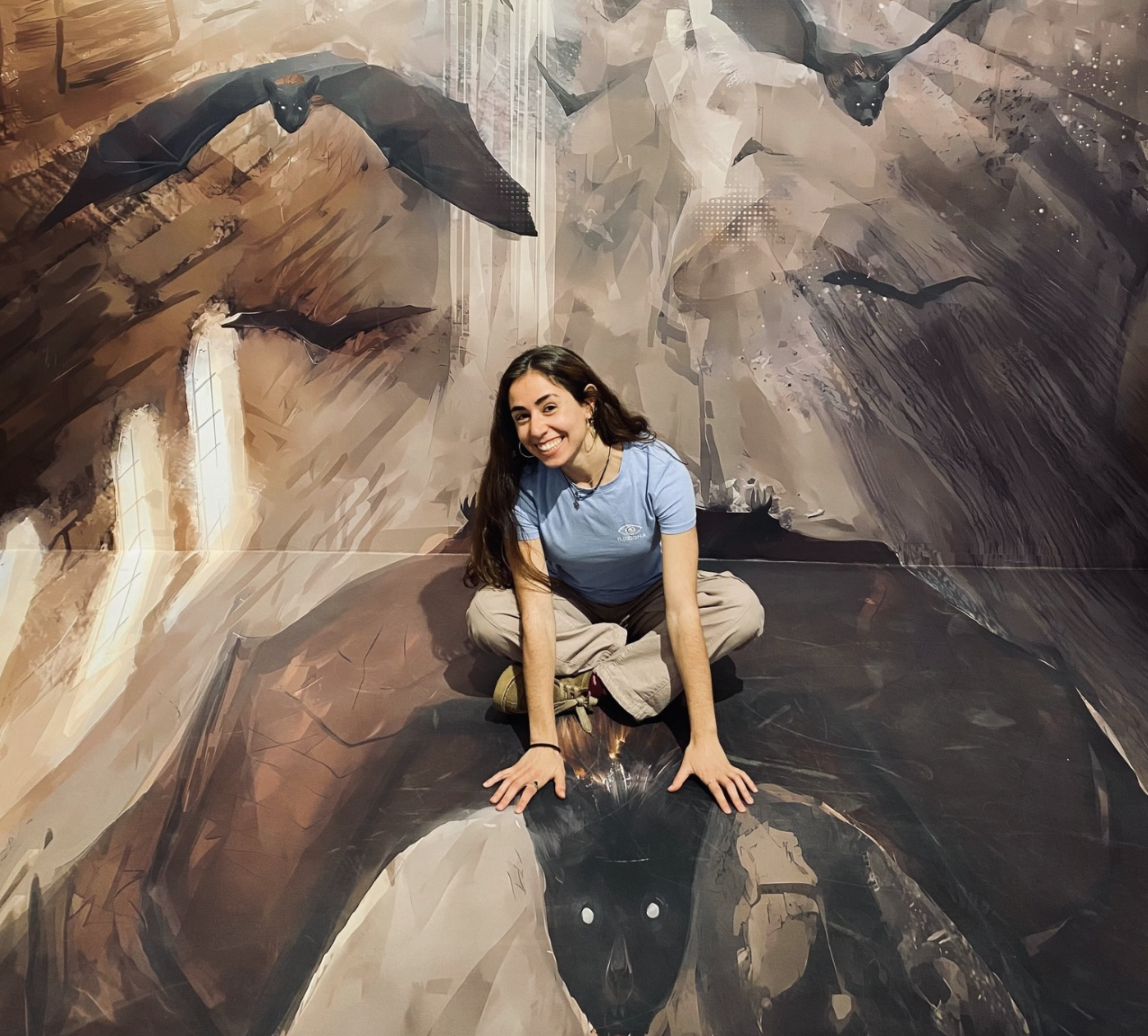
The exhibition is divided into several rooms, where Valencian culture and local legends are presented through the prism of optical distortions. They stir the imagination and send each visitor on a journey through time. Boundaries between art, history, and illusion dissolve here: paintings come to life before your eyes, changing shape and colour with each step, legends become reality, snakes awaken, and traps wait in unexpected corners.
The museum was first opened to the public in Toledo in 2022, and two years later, inspired by its success, the owners opened a branch in Valencia’s Jewish Quarter. The museum is especially suitable for younger children; a visit will take around one hour. Take a fully charged camera, as you will want to take photographs everywhere.
La torre del Micalet / Miguelete
Address: Pça. de la Reina
Admission: 3€, children 2€, children under 8 enter free
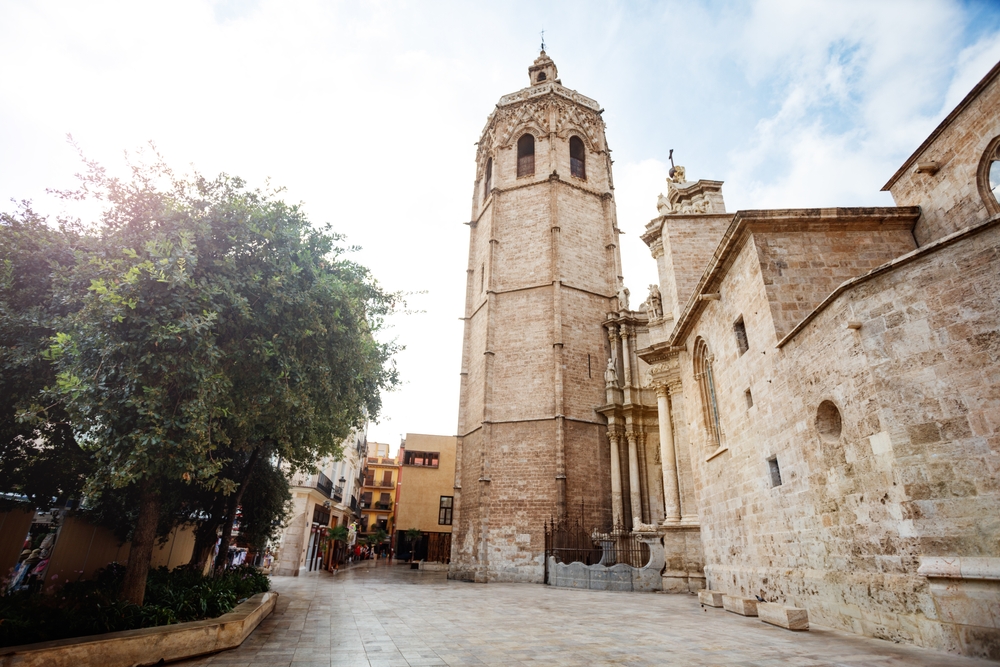
Families with older children can confidently climb the bell tower of Valencia Cathedral. The tower stands next to the main entrance of the cathedral. Visitors must climb a spiral staircase of 207 steps, but the reward is worth it: breathtaking views of the city, the huerta, and a wealth of emotions. The oldest functioning bell from the time of the Crown of Aragon (1539) is located here. The tower also contains a former prison cell and a bell-ringer’s room.
Los Jardines de Viveros
Address: C/ del Gral. Elio
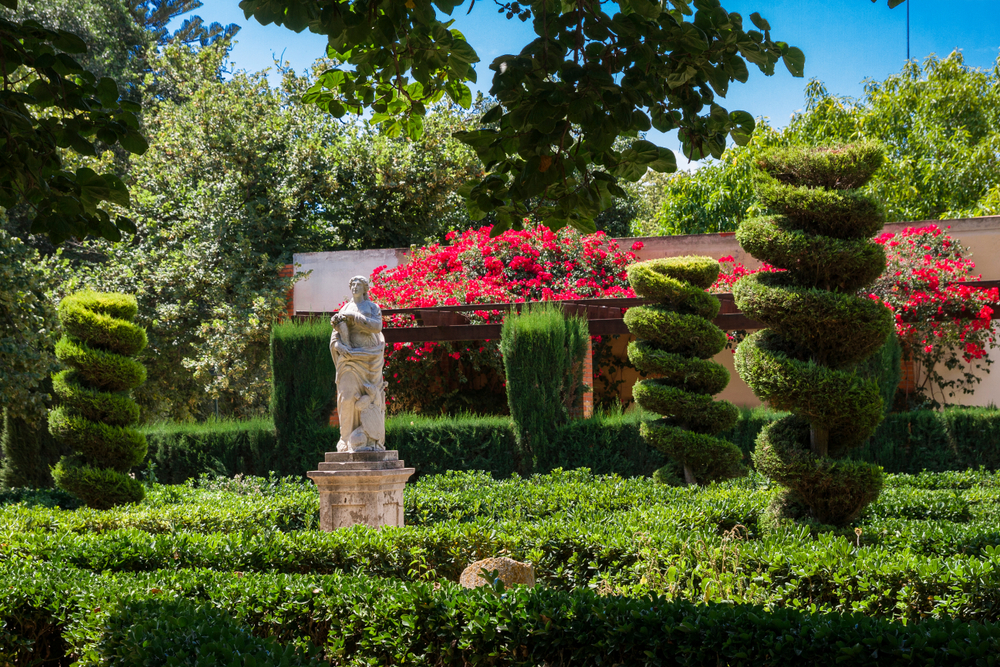
This is one of the best places in the city for active outdoor leisure with children. The Viveros Gardens once belonged to the Royal Palace, which was demolished in the nineteenth century, after which the gardens were turned into a nursery for exotic trees and plants. Later, they were opened to the public as a park. Children will enjoy the Duck Pond with numerous waterfowl and the aviary; adults will appreciate the Rose Garden with its extraordinary variety of colours and shades.
There are excellent playgrounds, spacious lawns for rest, several fountains, and a café. One curious feature is the educational area where children can learn the rules of the road in a playful format. In July, the gardens host children’s events, festivals, and numerous concerts within the Gran Fira de València. There is an ice rink in winter.
Museo Mundo de Ilusiones
Address: C/ Mestre Clavé, 3
Admission: 12€, children 8€

A small museum whose interactive installations, optical effects, and immersive rooms allow visitors to play with traditional perceptions of reality and challenge the laws of gravity. It will appeal to those who have never visited museums of this kind. The exhibition has not been updated since its opening and is unlikely to surprise those already familiar with similar formats. A visit takes 40–60 minutes. Before buying a ticket, it is worth checking how many rooms are currently open.
Antiguo Almacén de Dientes
Address: C/ Borrul, 16 – bajo 2
For children aged 3–8
Admission: from 9€. Tickets must be purchased in advance
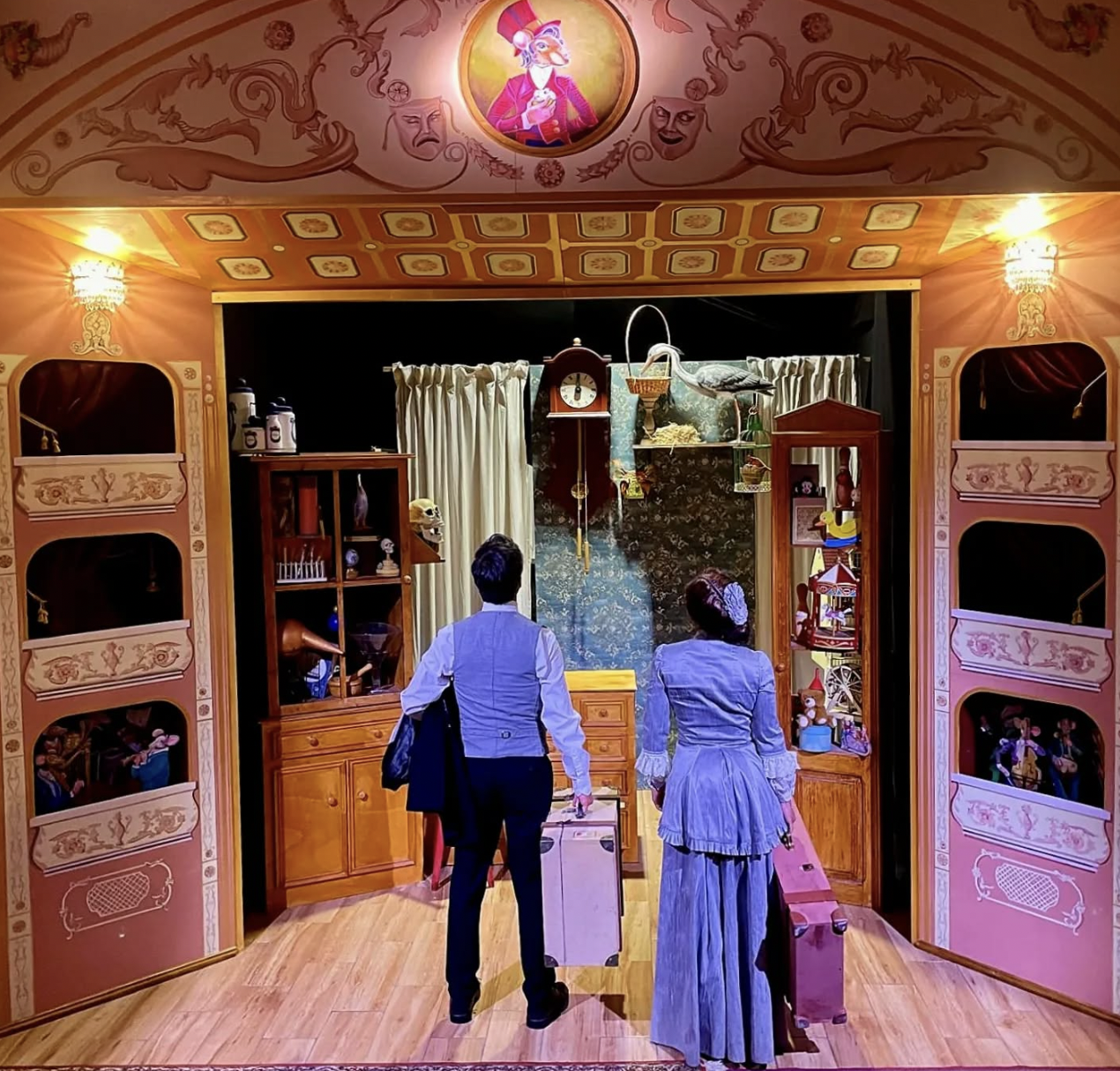
The Tooth Fairy, known in the Spanish-speaking world as the Little Mouse Pérez, finally reveals what the magical factory looks like, where milk teeth turn into pearls if they are in good condition, or into asphalt if they have been poorly cared for. The pearls are sold, and in that case a child finds a coin under the pillow in the morning. The factory is impressively realistic: there is a train bringing the teeth to the workshop, and production rooms where they are washed and processed. Tiny factory chimneys, machines, wheels, as well as miniature mouse bedrooms and living rooms delight both children and adults.
The tale of the Little Mouse Pérez was written in 1894 by the Spanish author Luis Coloma to console a little boy who had lost a milk tooth – King Alfonso XIII of Spain (the great-grandfather of the current king, Felipe VI). The tiny mouse lived in a tin biscuit box and devoted himself to the noble task of collecting teeth that children lost in their sleep, leaving a small reward in return.
For those who speak Spanish, theatrical guided tours are available.
Lego Fun Factory Aqua
Address: C/ Borrull, 16, third floor of the shopping centre
Free entry (children may play for one hour free of charge); open daily
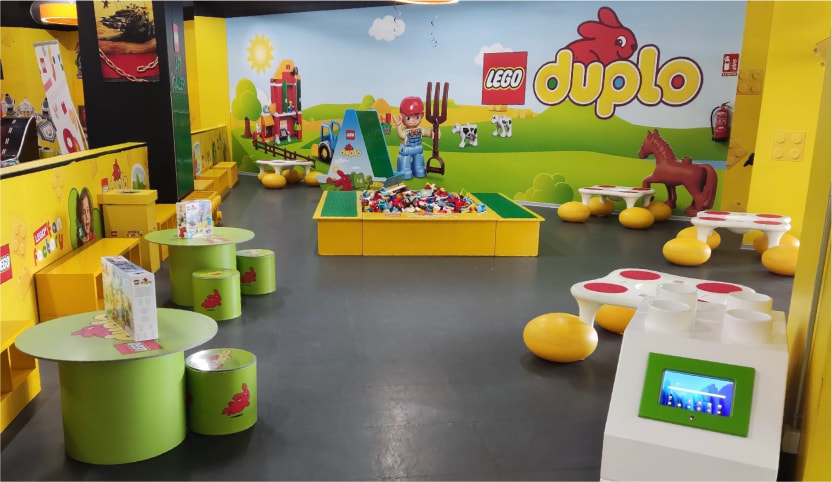
Lego opened this play zone in the Aqua Multiespacio shopping centre in 2016. Covering around 250 square metres, it includes a videogame area, pools filled with Lego pieces, a karaoke space, and a Lego-City construction zone. The space is divided into two areas: Lego Duplo for children aged 1–4 (accompanied by a parent) and Lego Classic for those aged 5–11 (accompanied by instructors). Every three months the staff update the theme and introduce new activities.
Museo Fallero
Address: Plaza Monteolivete, 4
Admission: 2€
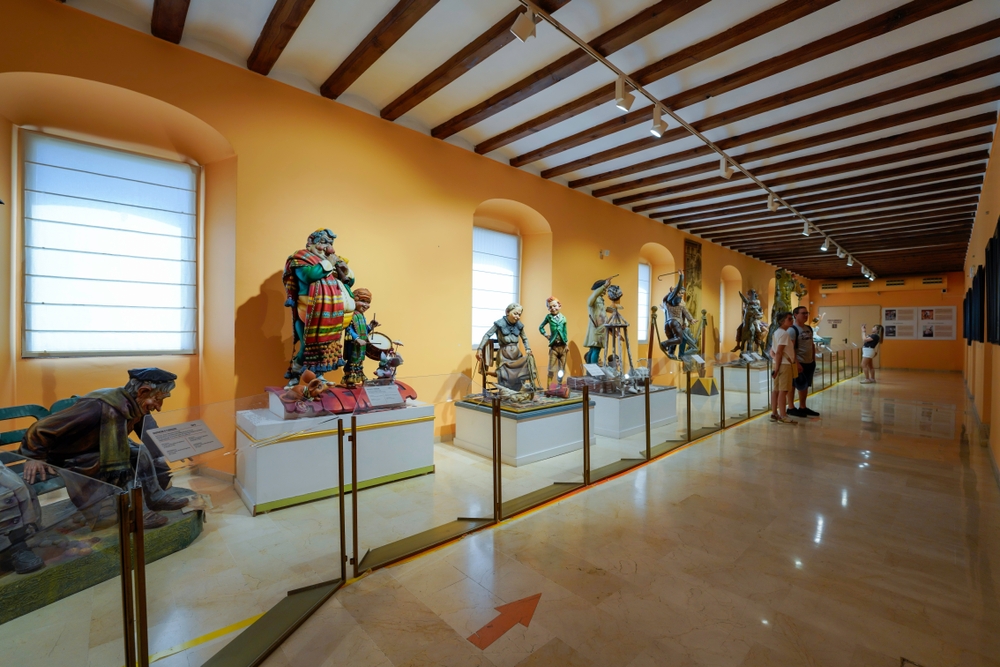
This local history museum tells the story of the city’s main festival, held every spring. On the night of 19 March, enormous fallas – installations featuring ninots made of papier-mâché – are burned throughout the city, symbolising renewal and liberation from everything old and obsolete. Each year residents vote to save one figure from the flames and donate it to the museum. The oldest preserved ninot dates from 1934.
The ninots usually satirise political and sociocultural events of the moment. Visitors can also learn about the techniques used to create these giant satirical figures.
Parc Natural de l’Albufera
Location: 10 km from Valencia; a popular leisure spot for locals
Boat trips: adults 5€–6€, children 3€–4€; sunset trips from 7€
Duration: around 40 minutes
Life jackets are not provided
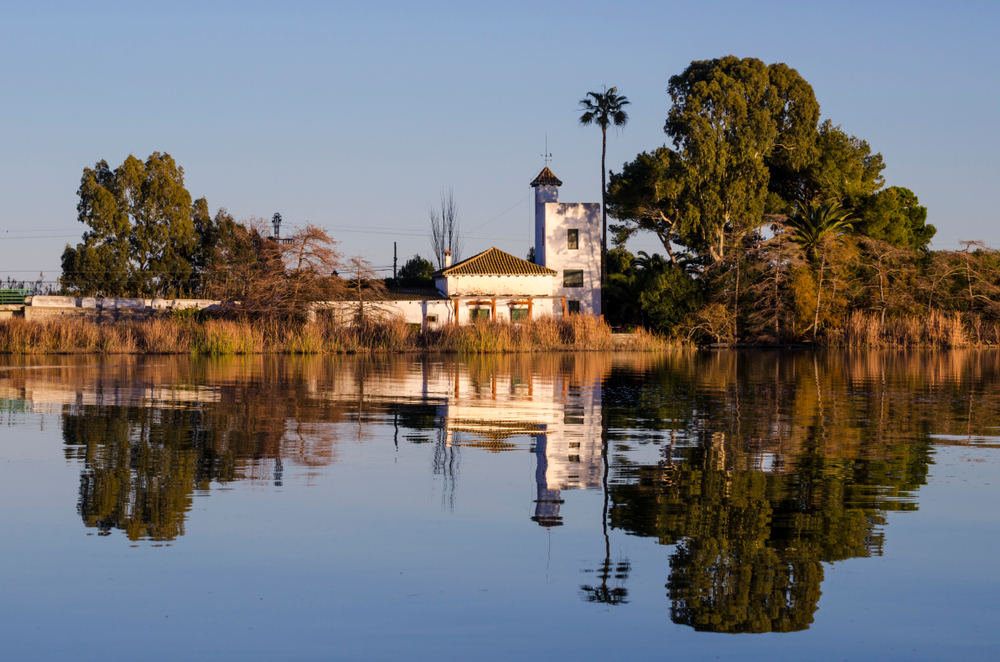
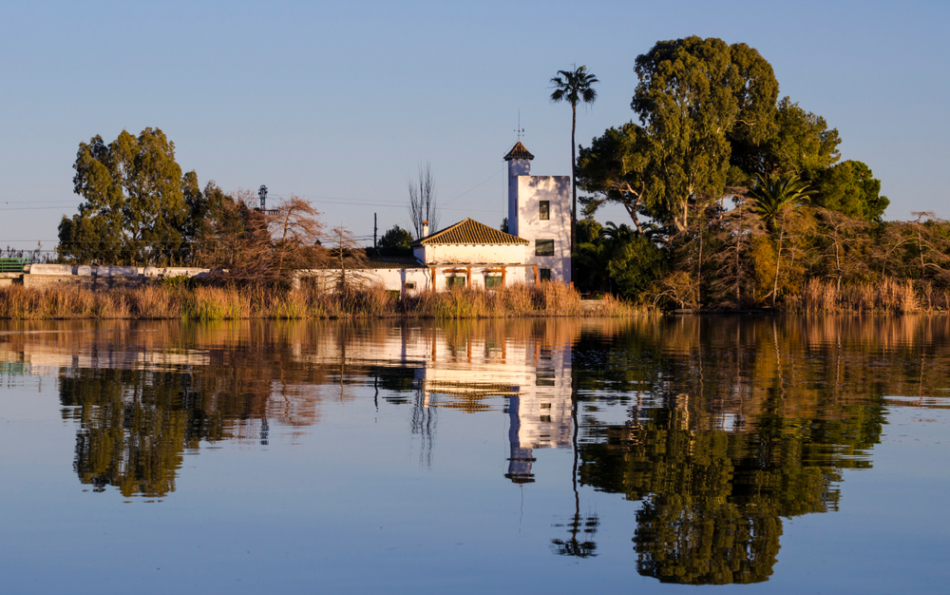
Surrounded by rice fields and woodland, the park contains a freshwater lake fed by the rivers Júcar and Turia and connected to the sea by a system of canals. Families come here to ride on fishing boats, enjoy sunsets, and eat paella. Eel lives in the lake, and locals have perfected its preparation – try the traditional dish All i Pebre in the village of El Palmar.
The boats used for excursions are stable and slow-moving; the lagoon is no deeper than 1.5 metres. Local fishermen act as skippers, following routes along the shores of the lagoon and its marshy areas. Boats depart as they fill up, and waiting time seldom exceeds thirty minutes.
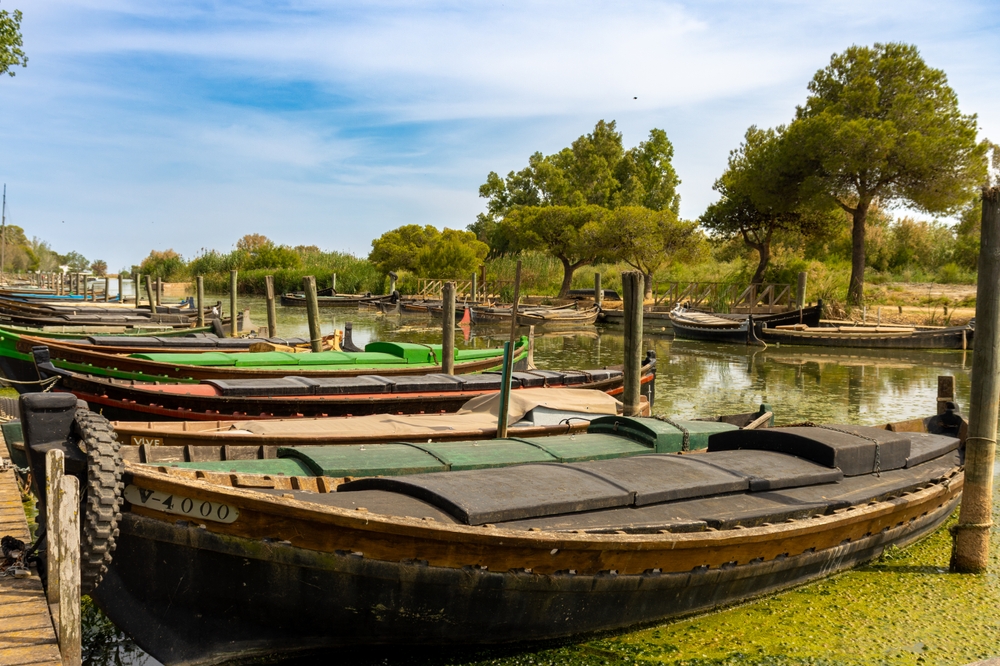
There are several municipal jetties within the park:
After the boat trip you can explore La Devesa – the natural barrier of dunes and pine forest separating the lake from the sea. Well-marked walking routes lead towards the dunes, around salt marshes and depressions, along waterfront paths, and from the lake to the sea. For those who wish to stay the night, the park offers hotels, campsites, and hostels.
Related Articles
Beyond Paella: Discovering All i Pebre, Valencia’s Best-Kept Culinary Secret
Deep in the heart of the Albufera wetlands, the fishing village of El Palmar preserves a traditional, rich garlic and wild eel stew that tourist traps completely miss
Loading…
Loading…